F L A U N T


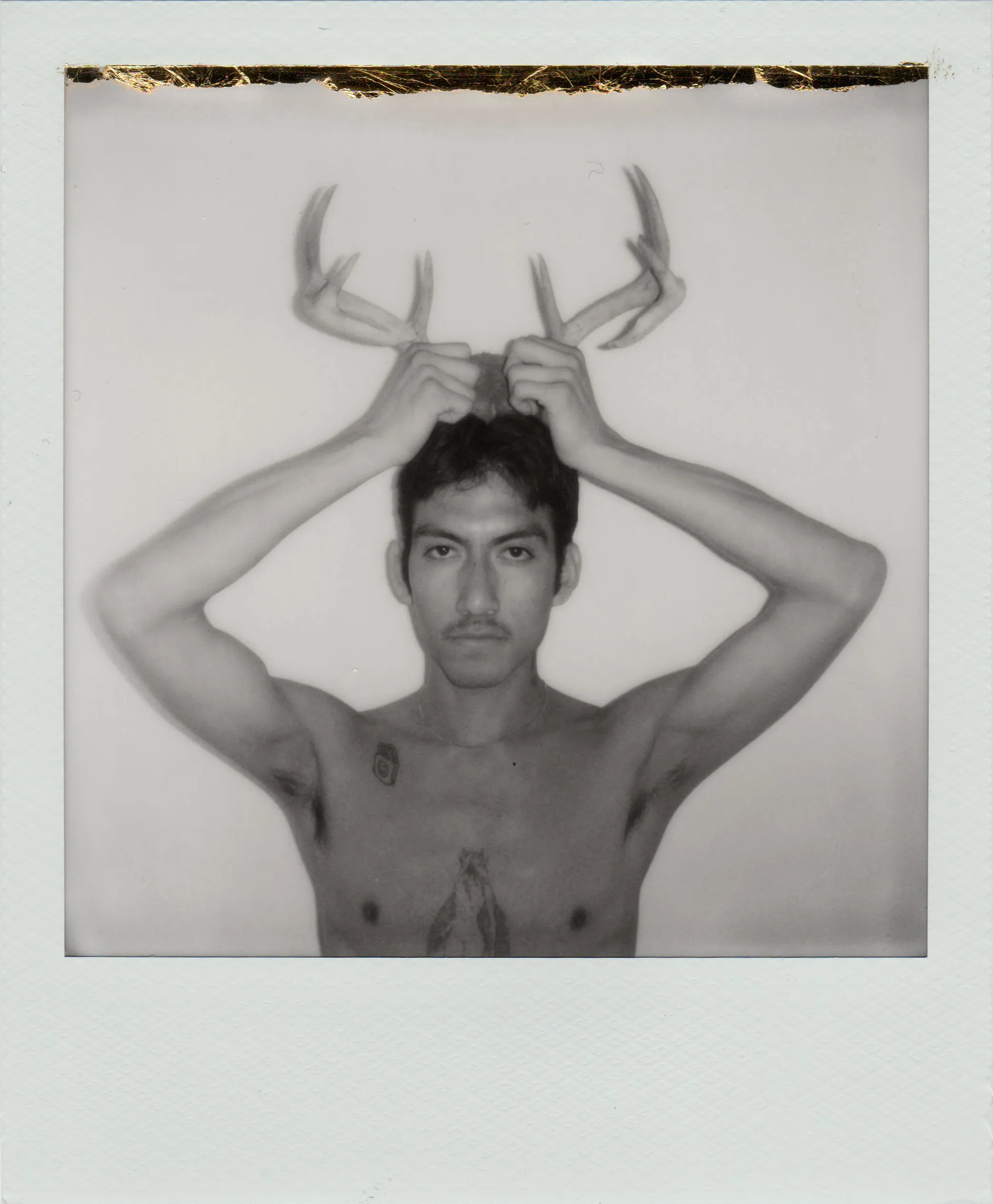
‘HAPPY ACCIDENTS’ is a solo exhibition of 45 polaroid works by the esteemed artist and producer Rob Roth. Presented by Wild Project, an East Village-based queer production company and independent theater, HAPPY ACCIDENTS will run through August 30th, 2026.
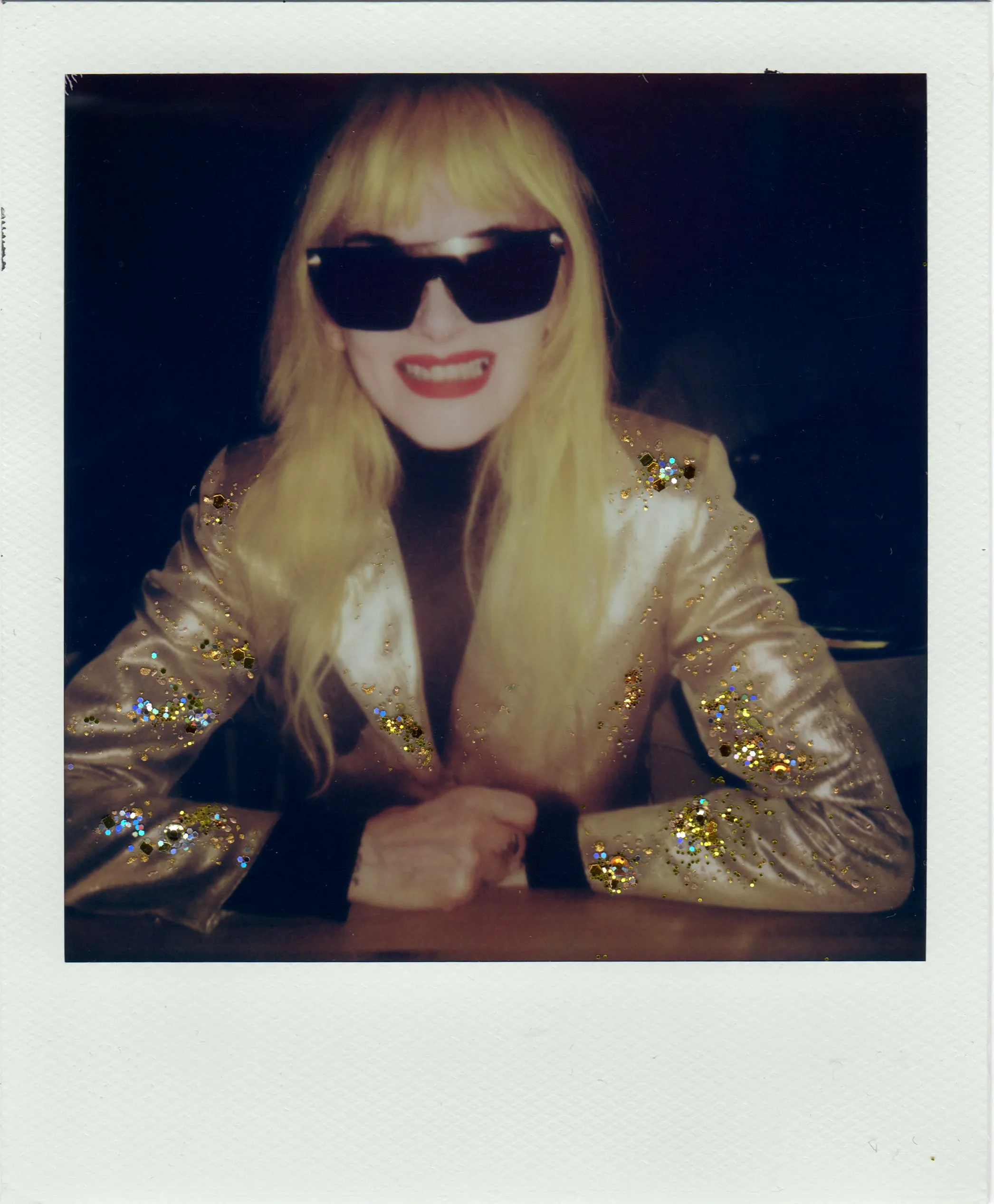
These images offer a look into Roth’s personal life––which is evidently difficult to distinguish from his professional one––they are shot over the course of the last decade and often while Roth is working production on another project. This intimacy feels new to Roth. “It’s like having a diary, which is an odd thing for me,” he chuckles at the realization that his life is rarely the subject of his work. The cast of HAPPY ACCIDENTS is a resume of Roth’s friends (hookups) and collaborators, including Debbie Harry, Parker Posey, Ruth Negga, Majur, Rebecca Hall, and Macy Rodman.
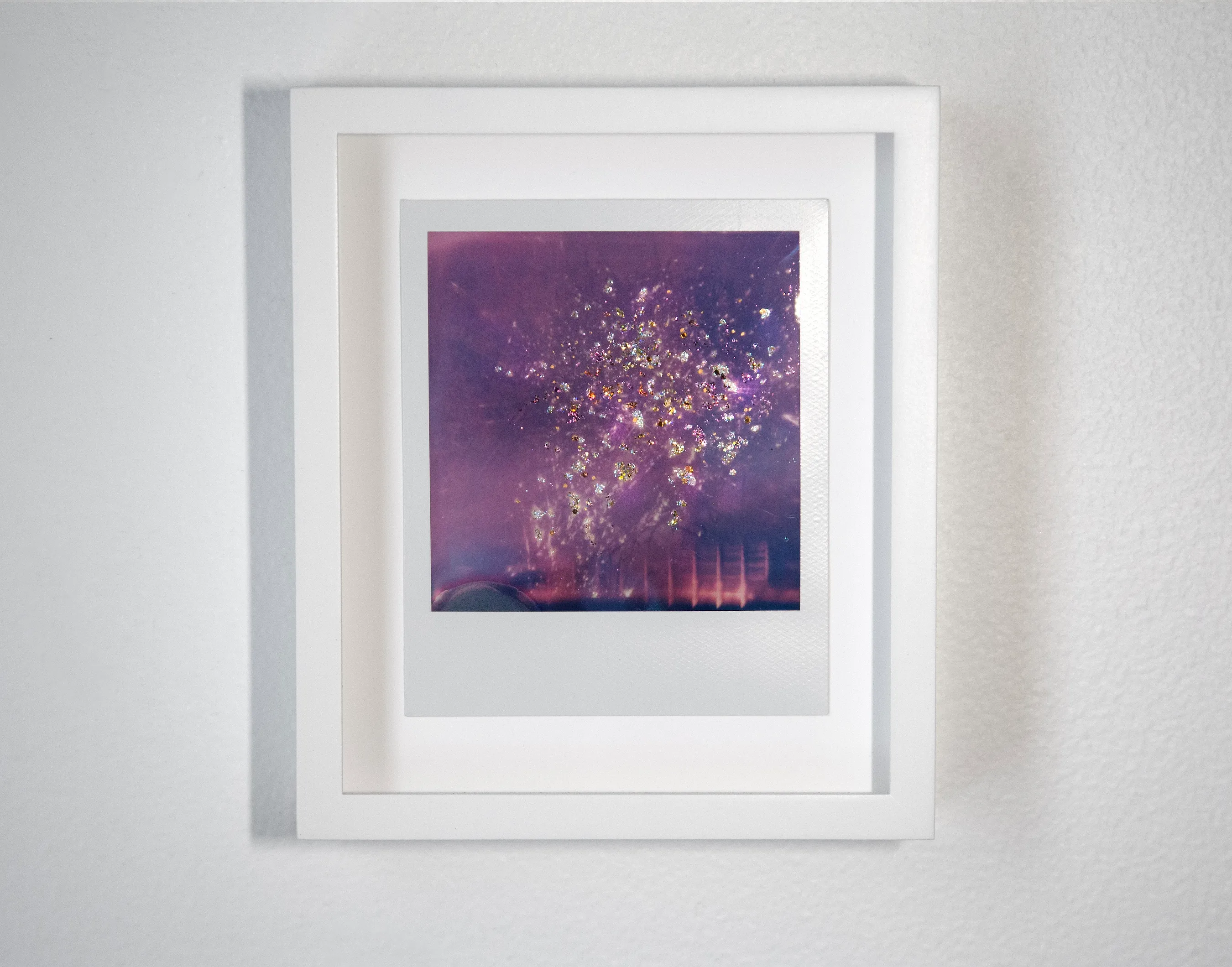
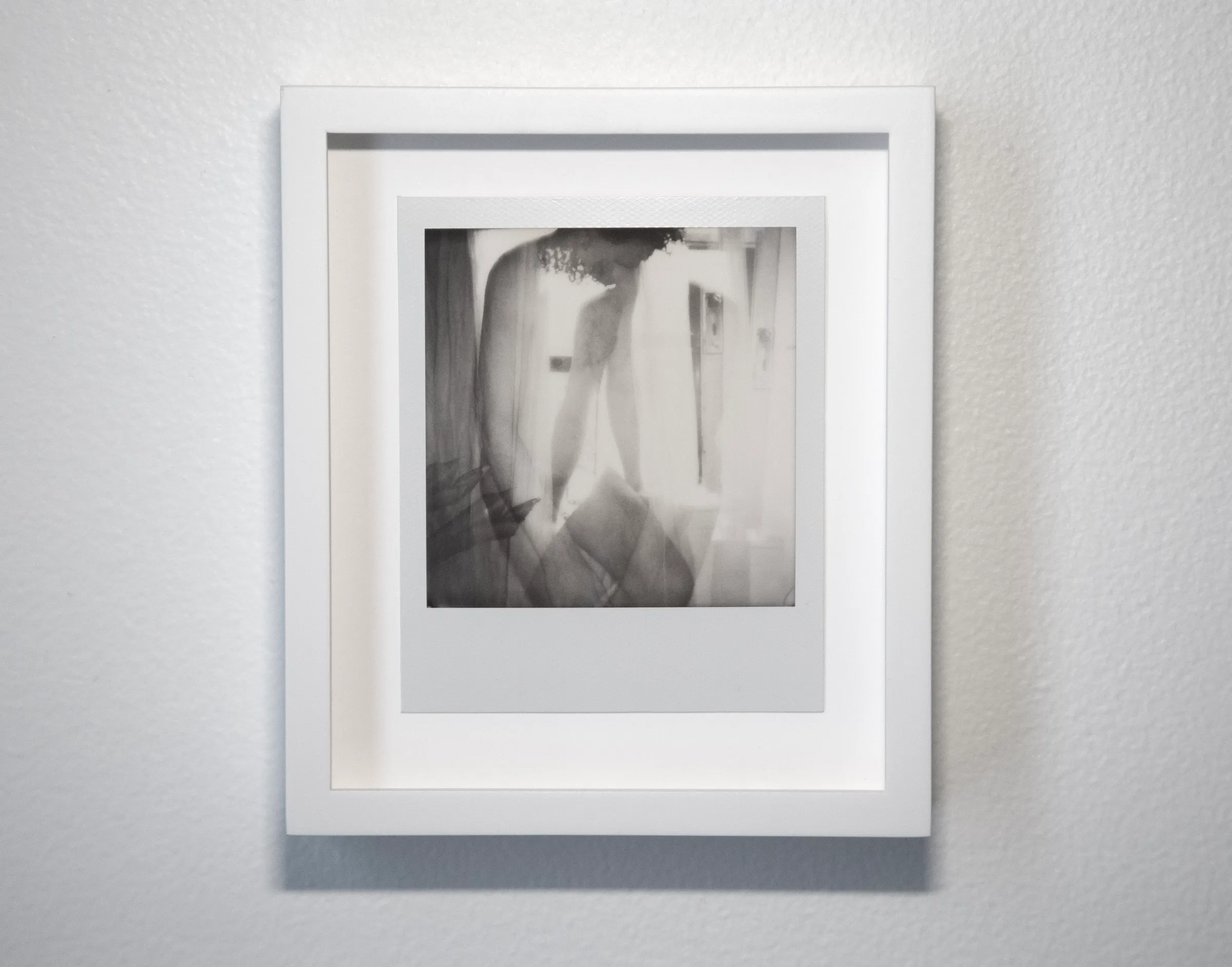
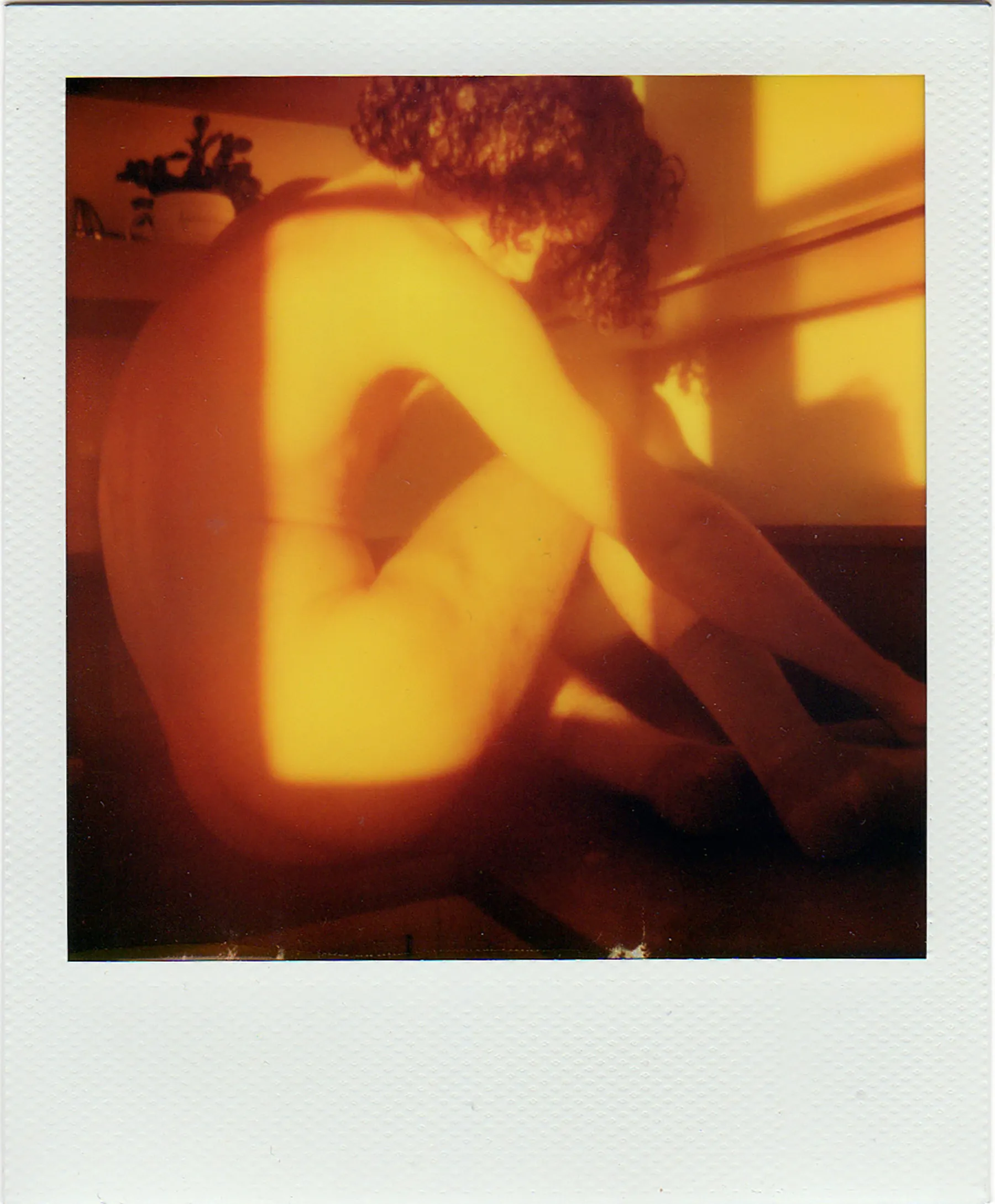
Intimate portraits are interspersed with abstract organic forms and snapshots of urban corners, odes to the mundane, made special through Roth’s eyes and by his hands. His recent photo work appears in the Bob Mizer Foundation Physique Pictorial Magazine 74 (2026). Roth has been friends and close collaborators with Debbie Harry and Blondie, acting as their creative director for everything from festivals shows, music videos, photo shoots and Blondie: Vivir En La Habana ––a film documenting the group’s travel to Havana, Cuba for a performance hosted by the Cuban Ministry of Culture in 2019. Roth says that Blondie was the last group from the US who performed in this cultural program, a vestige from the 2010s where Washington seemed to be warming its diplomatic stance towards Havana (even while maintaining the complete trade embargo it has upheld since 1962).
Roth is a New Yorker born and raised in a quiet part of Queens. He lived there until he was 18, when he enrolled in Pratt University to study painting. He naturally fell into nightlife in the early 90s, taken by the extravagance and creativity on display for no one but each other. The downtown scene was very different than the glamour of Studio 54 or the high-volume, more commercially oriented mega-clubs like Palladium. Roth was consumed, transformed by the power and possibility of this world. And at the center of this world was Jackie
“Jackie was art. It was amazing.” Roth is referring to Jackie 60, a weekly Tuesday club night known for its high-camp constellation of BDSM, drag, performance art, and fashion. Roth visited for the first time in 1993 and was completely captured, “the themes, performances, the soundtrack…that’s what got me into theatre and film. I call that time my graduate school, because I got in to grad school and didn’t go.”
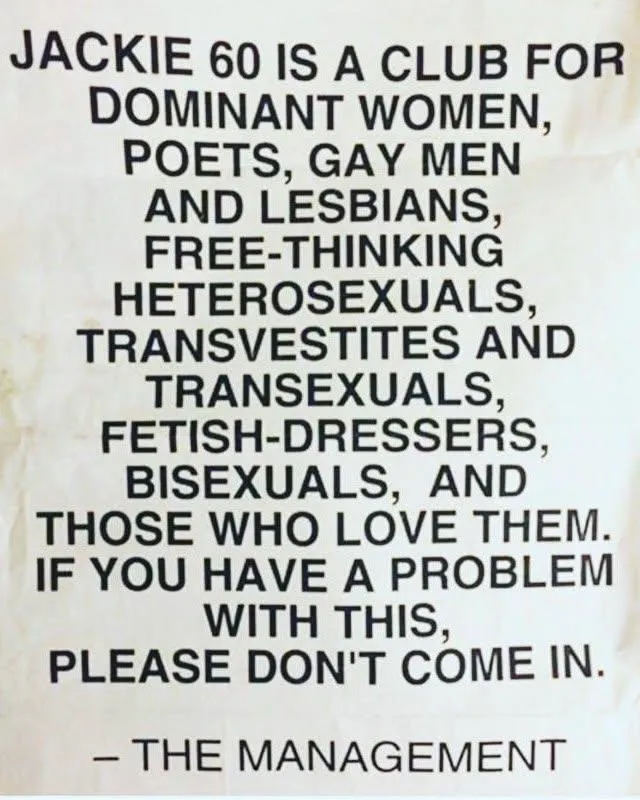
Jackie 60 and Clit Club, a lesbian & trans playground, were both weekly parties at Bar Room 432 on 14th Street in the Meatpacking District. These functions both debuted in the venues first year of being open, and what was a struggling jazz bar in early 1990 became an essential hub for queer nightlife just one year later. Only growing more intense and infamous as the decade progressed, Bar Room 432 was soon simply known as Jackie to its devoted regulars. The club night became so popular that its organizers Chi Chi Valenti and Johnny Dynell bought the venue in 1996 and renamed it Mother. The new club was open 6 nights a week and is where Roth debuted as a producer with ‘Click + Drag’, a “cyber/fetish/Gothic/gender hacking” Saturday night function.
Roth was early to be excited with the internet, as was Chi Chi––one of her recurring themes at Jackie 60 was a similar web-era inspired night called ‘Jackie Hacker’. “We were both early, that’s how we met. I had an email address in 1993,” Roth exclaims. “She was the only other person who did! Nobody else…” This futuristic sensibility was common for the end of the millennium, but cannot be understood without the context of mass death––both real and social––that queer people endured throughout the AIDS crisis of the 80s and 90s.
At this point, New York City was the epicenter of the AIDS crisis in the United States. New research suggests that the crisis started in the mid to late1970s, with an estimated 100,000 to 300,000 people becoming HIV+ in this period. However, AIDS did not gain national attention until the 80s; by late 1981 media began referring to the disease as GRID (Gay-Related Immune Deficiency), an irresponsible and violent framing that incorrectly linked AIDS with homosexuality. This homophobia animated government inaction and a pervasive sense of apathy in the general public, leaving a generation of queer people to die without dignity and the virus to run rampant in Black and brown communities. In response, the 80s saw the formation of the Gay Men’s Health Crisis (GMHC) in 1981 and ACT UP (the AIDS Coalition to Unleash) in 1987. The advocacy and direct actions from these groups was prolific and absolutely necessary, resulting in policy that protected much more than the queer community (notably the Americans with Disabilities Act of 1990).
In 1994 AIDS had become the leading cause of death for Americans ages 25-44; in that year alone over 8,000 New Yorkers died of AIDS-related causes. By the end of 1999, about 18% of the reported 430,411 cumulative deaths from HIV/AIDS were in NYC. It makes complete sense that the height of the AIDS epidemic, coincided with this singular era in New York nightlife. Fantasy and play were essential for a community whose life became characterized by death, grief, and intense activism.
“Click + Drag was so interesting because the whole thing was an installation. The dress code was so enforced,” he reminisces of Kitty Boots: door diva, co-producer, friend . “Bears, trans girls, club kids, goths; all of them came but they were the weirdos of their own groups. They were the ones bored of their cliques; it was this really funny encounter...that was utopia to me. And a lot of it had to do with the dress code,” we share a matter-of-fact look.
AIDS permeated everything. Even the fetish scene’s popularity is related to the crisis, as queers worked to embody and enact their sexualities in new ways that would not risk exposure to the virus. The annual Latex Ball is the largest and most mainstream event in the New York ballroom scene. It has been sponsored by the GMHC and other sexual and reproductive health focused organizations since 1990––providing HIV testing, condoms, and sexual health information to the community.
Roth tells me that the nightlife of the past wasn’t necessarily better, just different (some of his less media trained peers from the era may disagree). Although, he is happy to reminisce, “I slid in pig entrails one night [at Click + Drag],” Roth’s persistent smile widens. “It wasn’t a great act.” As social contexts and material conditions have completely transformed in the last 30 years, so has the city’s nightlife landscape. Mother closed in the year 2000 due to the sale and redevelopment of the building, part of the Meatpacking District’s gentrification (the building is now home to several luxury clothing brands and a Tesla store).
Nightlife is not just the setting for our collective catharsis, or a stage for our stars to experiment with some of the most boundary pushing art and performance. Especially while trans people are largely excluded from traditional modes of capitalist labor production, the nightlife economy has traditionally offered work to those who are not able to find it in more normative settings. The cost of rent has increased exponentially as has inflation, but real wages have yet to catch up. We persist because we must, despite.
I tell Roth of Body Hack––a Brooklyn-based collective and monthly party led by Black and brown trans artists who fundraise for a different cause with each function (G.L.I.T.S., La Red Afro-Cubana Trans, and the Black Trans Liberation are recent focuses of Body Hack’s mutual aid work). This work shifts culture, and Body Hack shows us that nightlife can and must be about much more than a vague sense that queer people coming together is resistance. This is not enough, especially amid concerted persecution from government and media.
“That’s what I’ve learned from living through the AIDS crisis. It takes collective organizing, and we need to infuse art through it…that’s the joy of it all, but it’s hard. It’s really hard,” Roth sighs, the air around us becoming heavy.
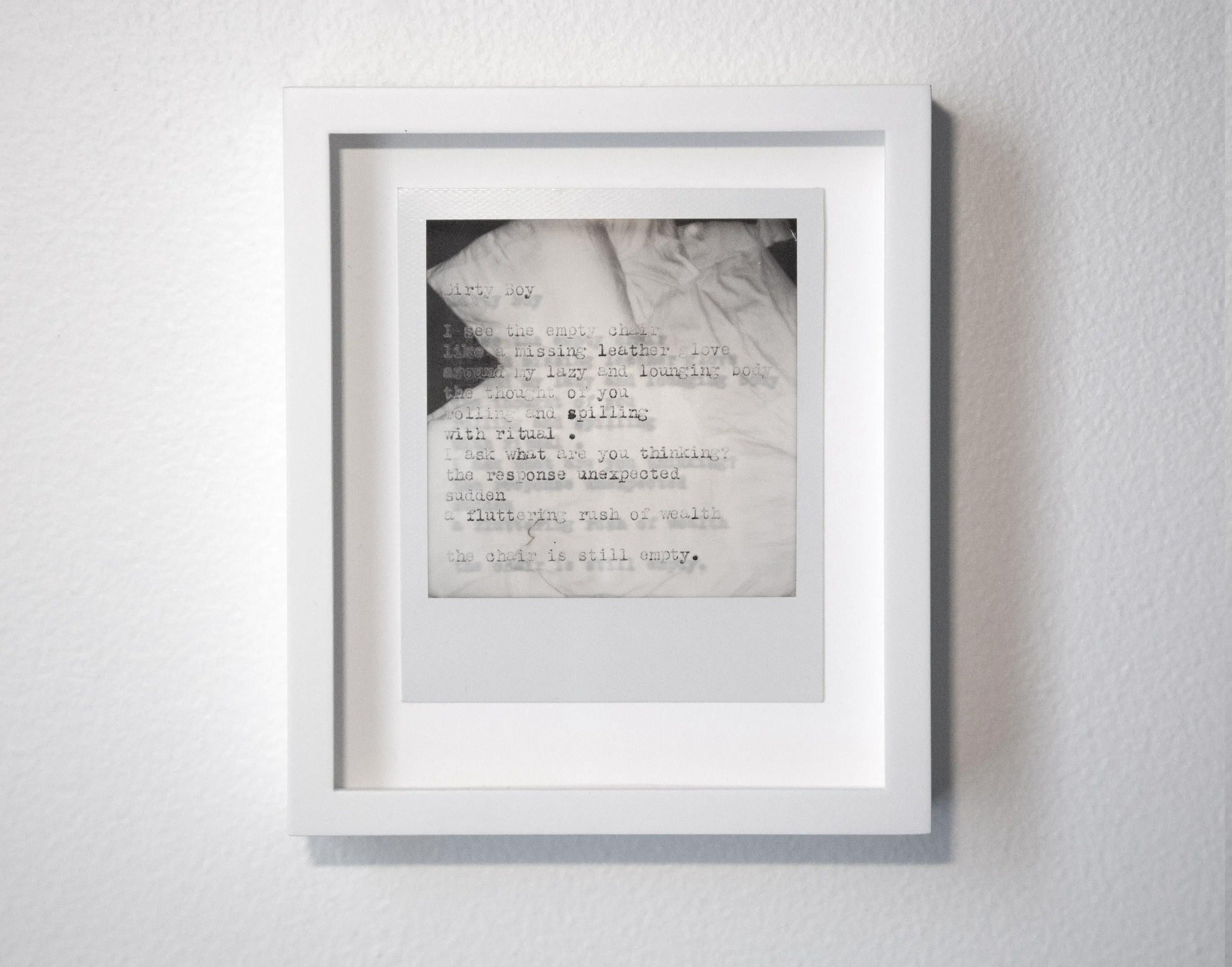
In HAPPY ACCIDENTS Roth contends with the ephemerality of urban queer life and preservation of the everyday as relic. People and places are fleeting; we document to resist this inevitable truth. Roth asserts a commitment to ritual by only engaging with analog photography in his practice.
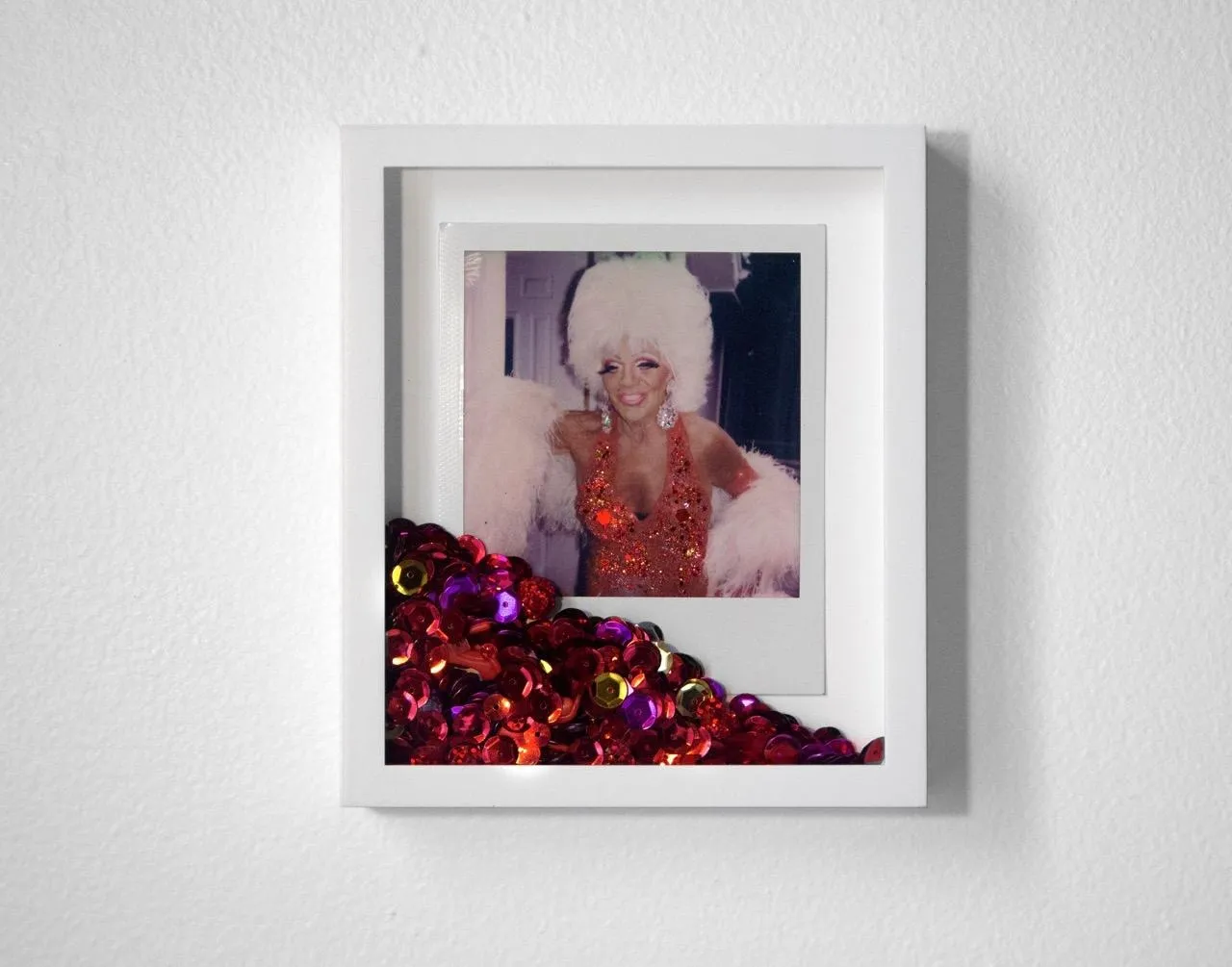
Roth has always revered the Divas, “like a moth to the flame,” he pauses to relish.
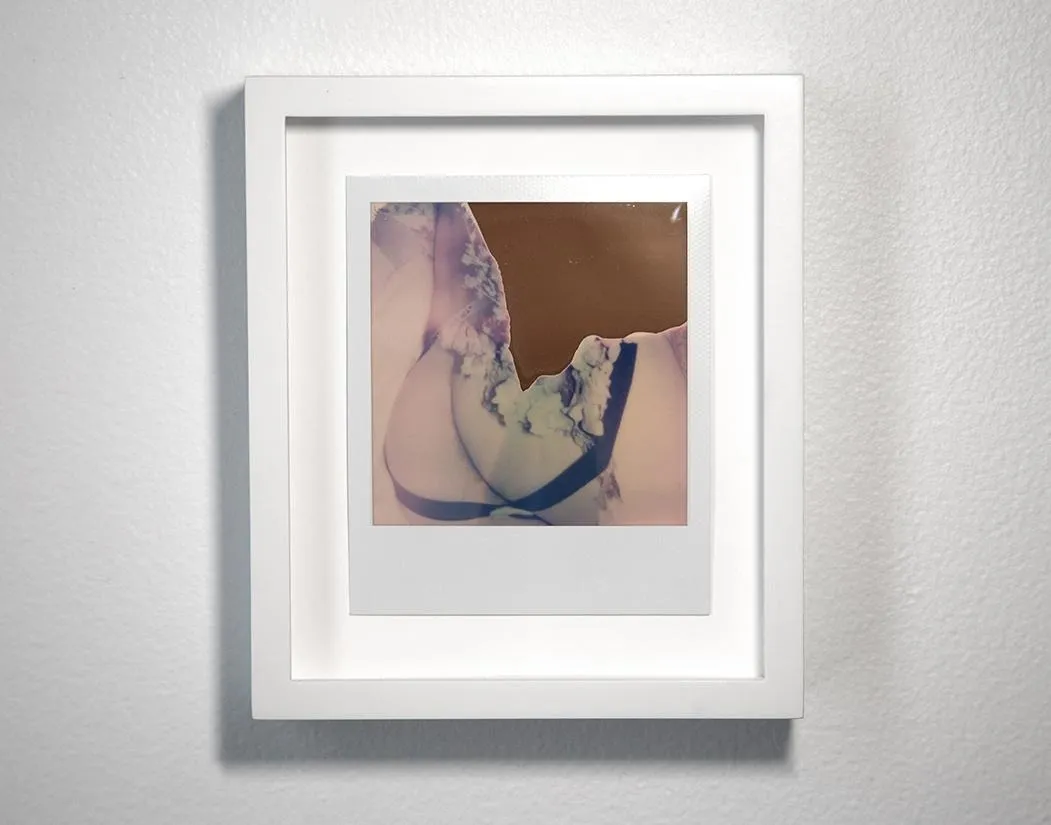
Friends and lovers are anointed, both through Roth’s eye and by his hand. Roth’s flair, playful and pensive, is apparent in the polaroids’ technical and ornamental details.
Adorned with gold leaf and glitter, Roth transforms these polaroids into sacred objects––reliquaries entrusted with memory.
Stay up-to-date with exclusive events and content.


