F L A U N T


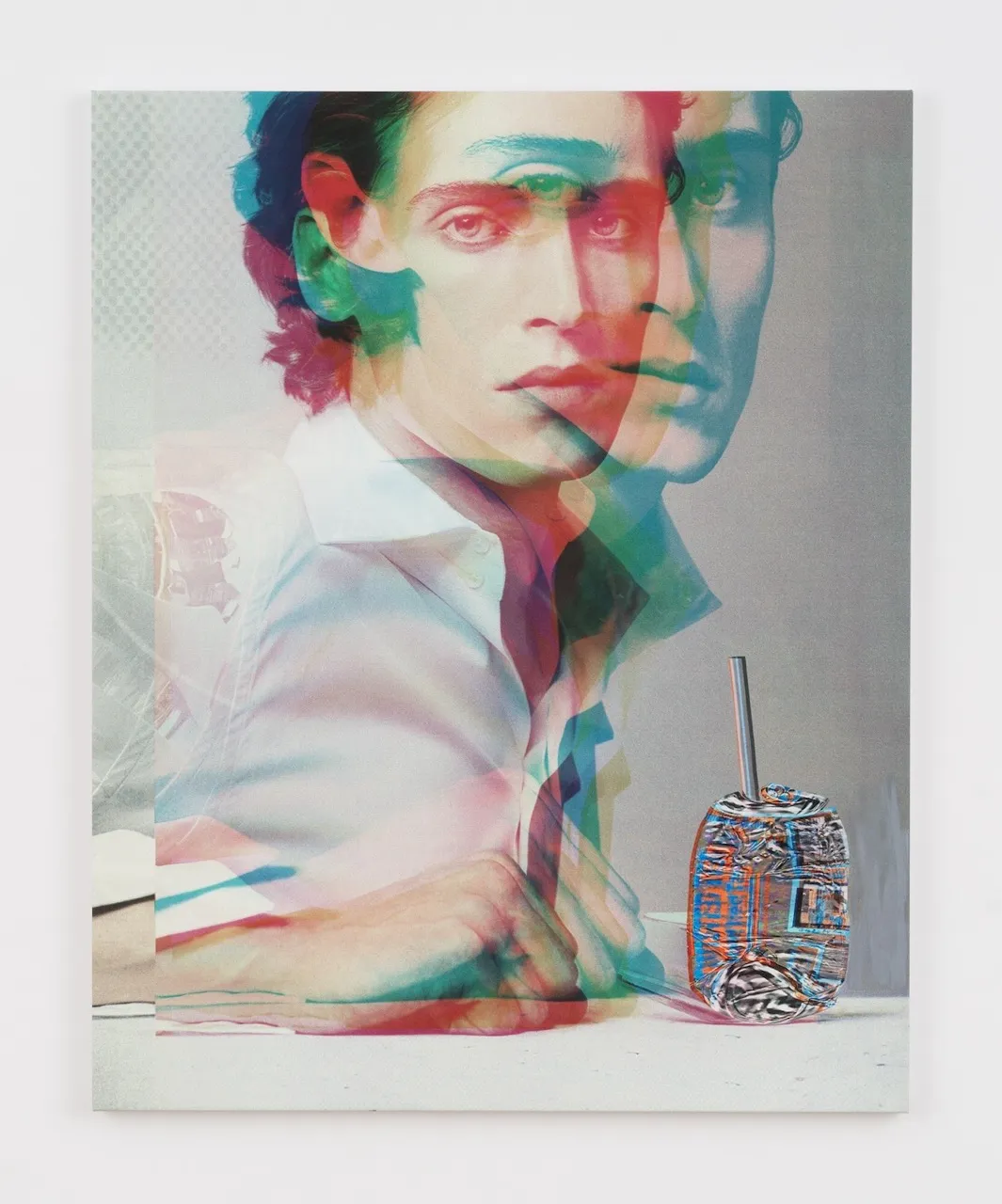
Cultivators, crafters, and artisans. Singularly distinct yet linked by the shared pursuit of art, revelers of artisanry are joined together with purpose. Permeating around the globe, Art Basel operates satellite art fairs where makers and artificers alike converge in some of the largest artful cities in the world. Beyond Hong Kong, Paris, Miami Beach, and Qatar, the true beating heart of Art Basel is found in its native soil. In Basel, Switzerland, over 4,000 artists are on display across 200 leading galleries. First launched in 1970 by local gallerists Trudl Bruckner, Balz Hilt, and Ernst Beyeler, Art Basel began as a courageous experiment. 90 galleries, 30 publishers, and 16,000 visitors established the foundation of the world’s renowned global marketplace for art.
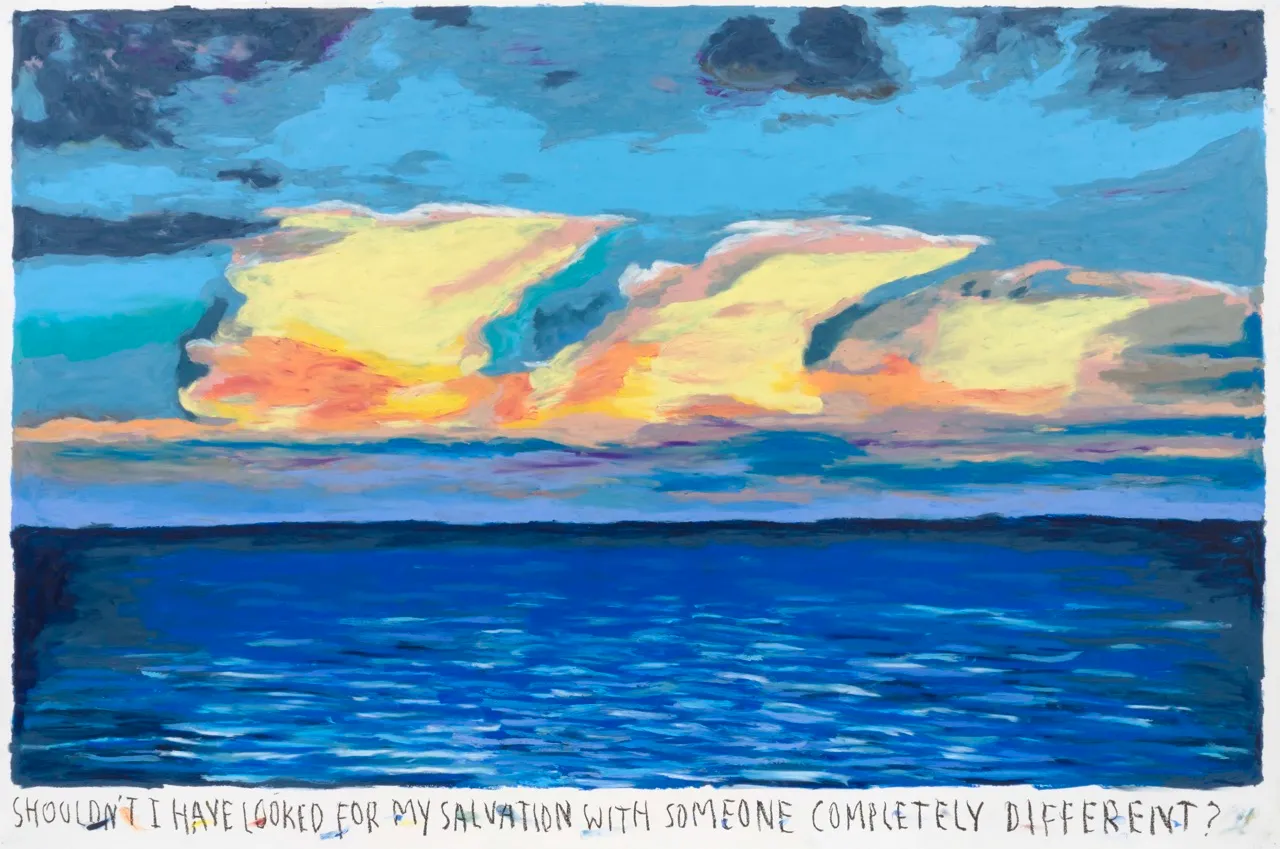
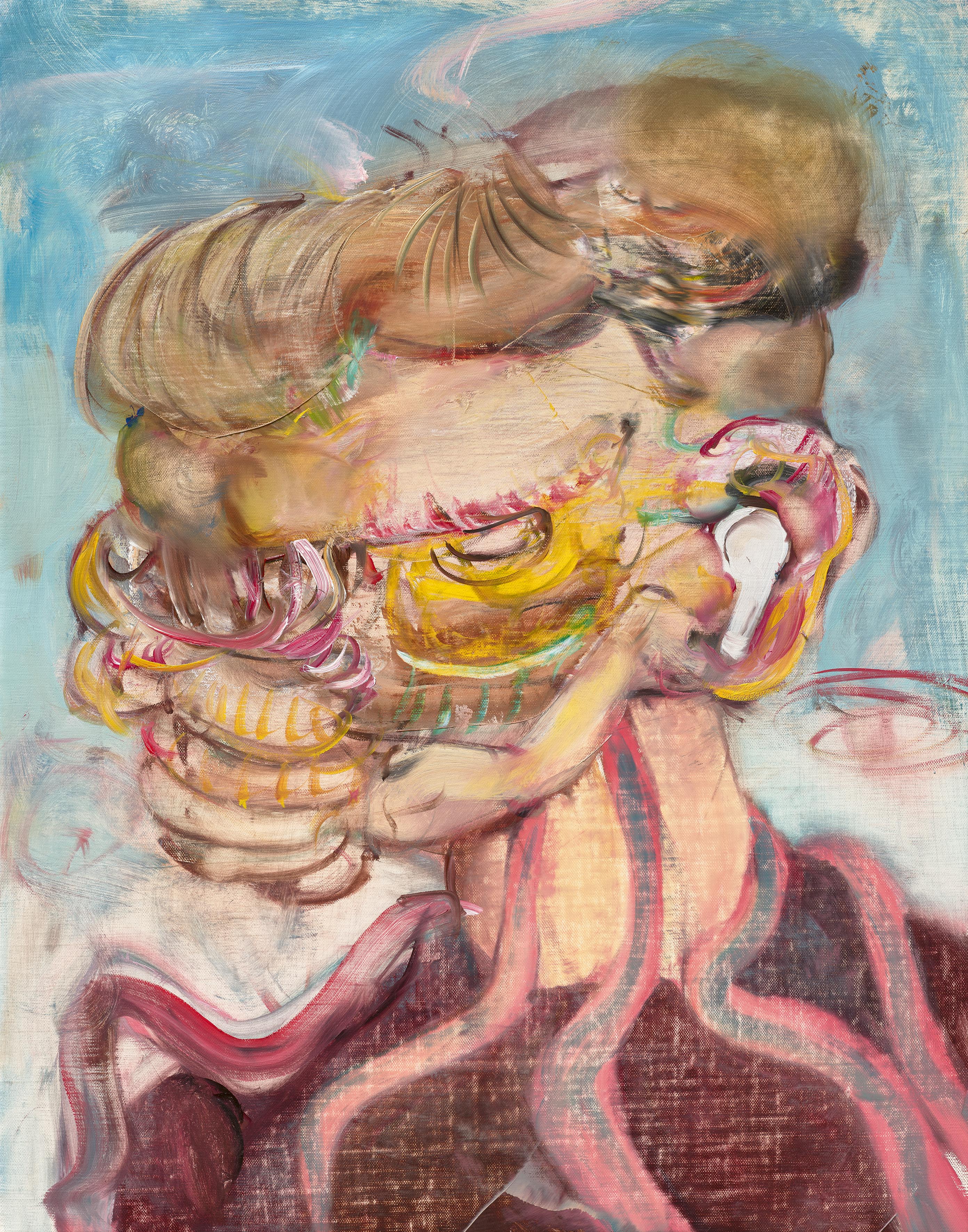
The fair positions itself into several sectors including Premiere, Unlimited, Kabinett, Parcours, Magazines, Feature, Statements, and Edition. Each sector includes an array of contemporary and historical collections available for visitors. New galleries showcased at this year’s Art Basel are the Phillida Reid and Tim Van Laere Gallery. Mohammed Z. Rahman’s work is on view from the Phillida Reid gallery, where identity has no bounds and realism has no limits. Migration, labour, queerness, family, and class are several of the subjects evoked in his work. Fellow artist, Joanna Piotrowska, incorporates mixed-media elements (photography, film, performance) to capture the human condition across different societal realms. Located in Antwerp and Rome, the Tim Van Laere Gallery captures modern works from artists like Adrian Ghenie, Jonathan Meese, and Rinus Van de Velde.
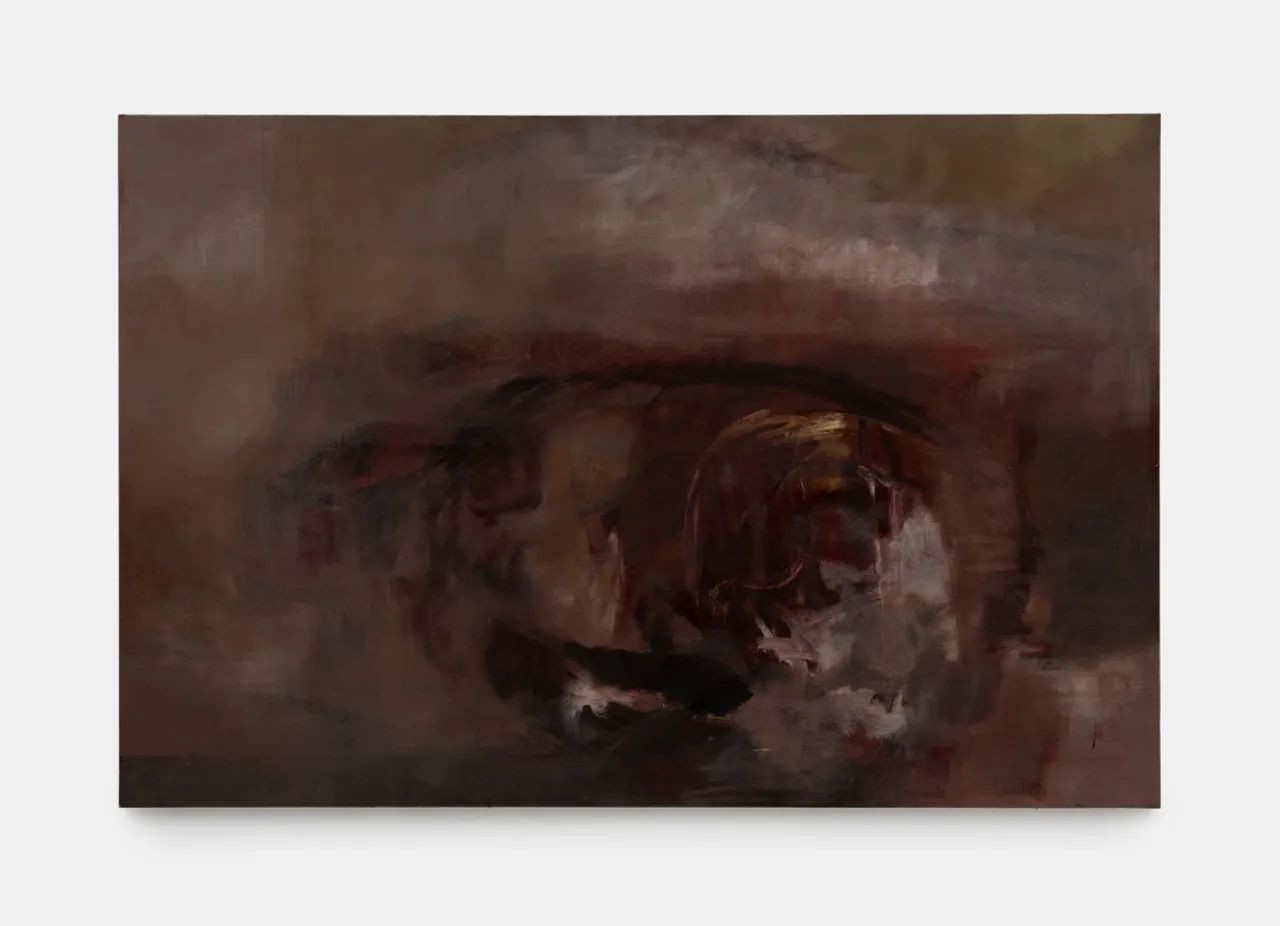
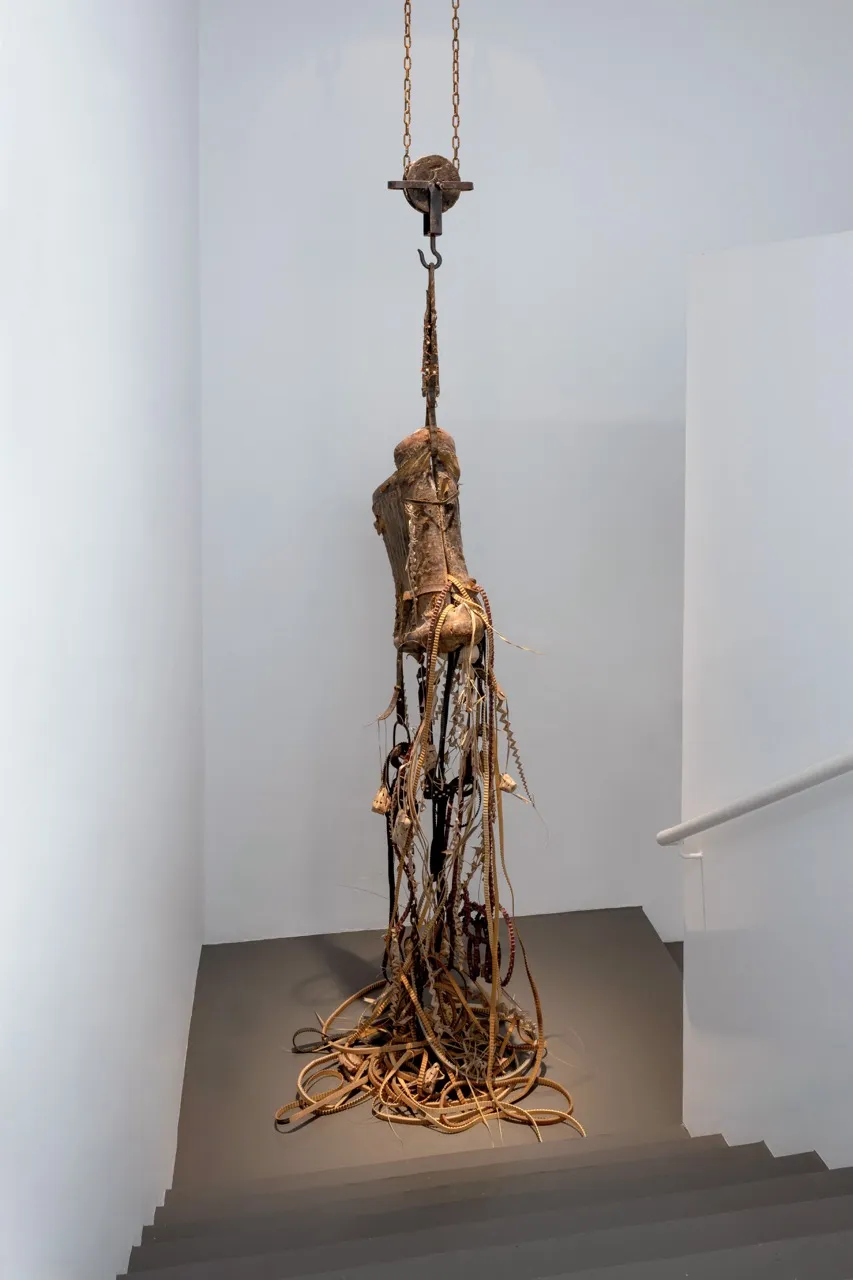
The Premiere sector at Art Basel is for all things BIG. Large installations, cutting-edge presentations, and conceptual grandeur are truly laid bare. Öktem Aykut gallery includes Koray Ariş’s series, Strings, made entirely of leather and wood suspended by slender steel ropes. The purpose serves as an interactive cosmos of transforming primordial forms of sound. Magenta Plains unveils the new works of artists Josephine Meckseper, Jennifer Bolande, and Liza Lacroix, all of which present polarities in their purest forms. Meckseper’s piece, "Fall Figure," conveys layers of art and architectural chronicles through the lens of colored film. Lacroix explores the bewitching, murky tones of red and brown throughout her pieces, including "I am eating cherries on a warm sunny day. I am eating on a warm sunny day. I am eating thick white bread with butter." (2026). Engulfed in an optical pool, both intimate and ever so slightly unsettling, her work disrupts the visual dimension and transforms into a physical reality.
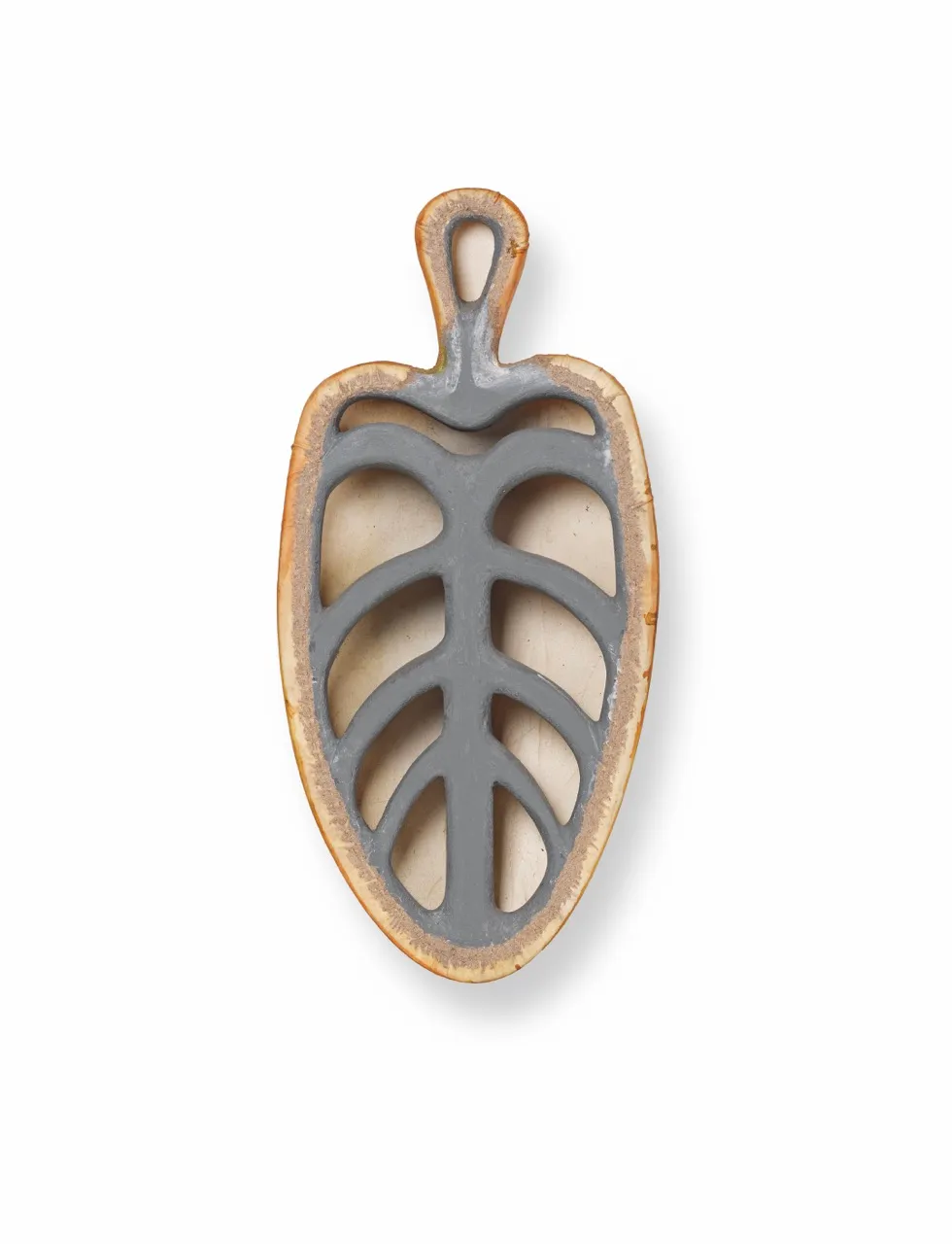
Emerging creators with solo exhibitions are found within the Statements sector. A. SQUIRE presents the works of New York-based sculptor Eli Coplan, including two installations, Delaminations and Snow, which reflect the deconstruction of television within a state of empire-driven media. Blue Velvet hosts the installation of Mónica Mays, who incorporates personal archives and found materials into assemblages of convoluted Western accumulation.
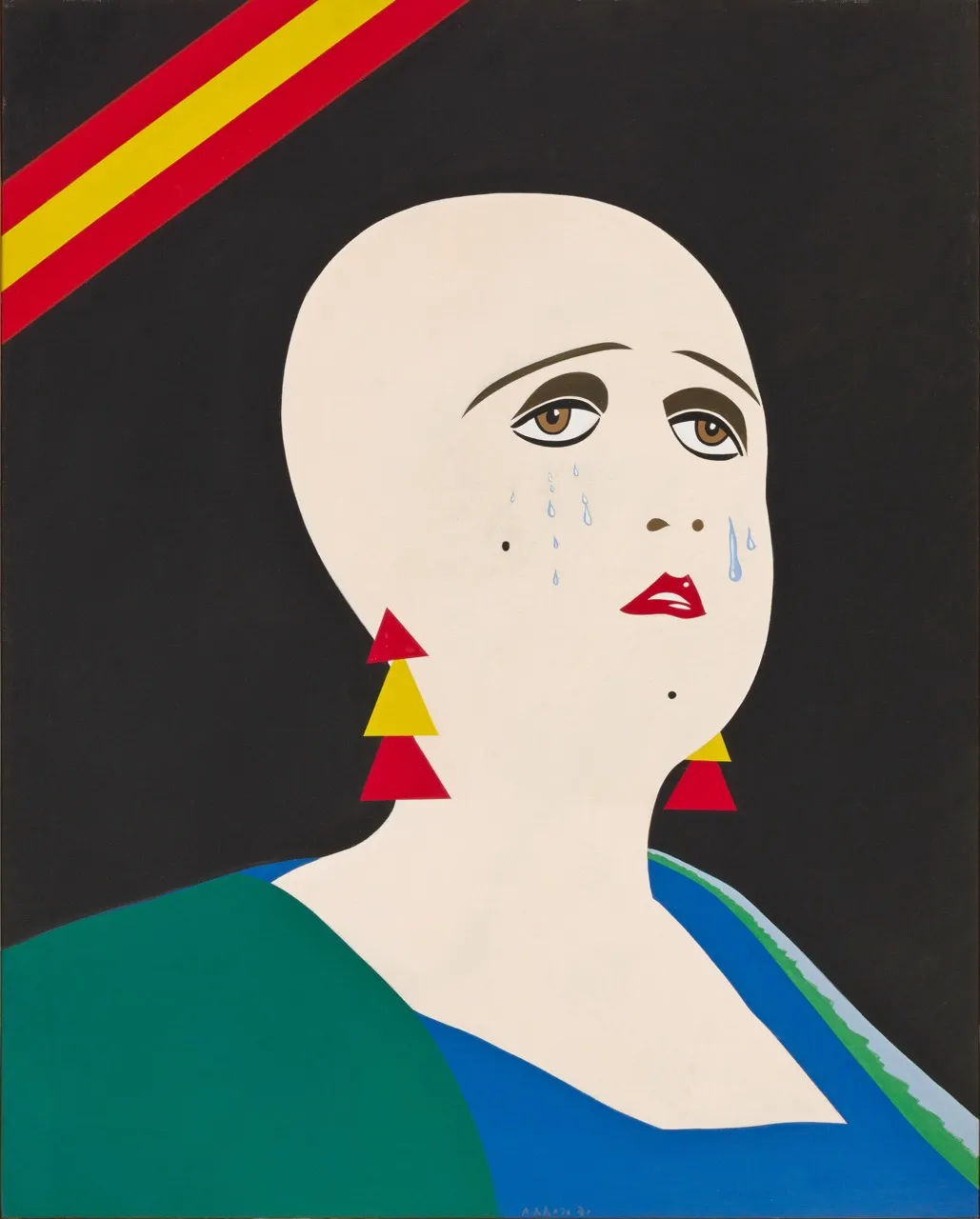
Canonical pioneers across the twentieth century are exhibited in Art Basel’s Feature sector. Galerie Kaléidoscope unveils Eduardo Arroyo’s "La femme du mineur Pérez Martinez, Constantina (dite Tina) tondue par la police," a composition on redefining femininity within historical contexts. Kotaro Nukaga presents the solo exhibition of Saori Akutagawa, one of the few female avant garde painters in postwar Japan. A trailblazer through the medium of dyeing, the breadth of her work extends from themes on women to folk tales and mythology.
For one week, June 18-21, the international art world is aligned, and galleries, installations and interactive events are on full display. At the intersection of creation and community, Art Basel remains a melting pot of expression. This year, we’re reminded of what we already know; there really is Only One Basel.
Stay up-to-date with exclusive events and content.


