F L A U N T


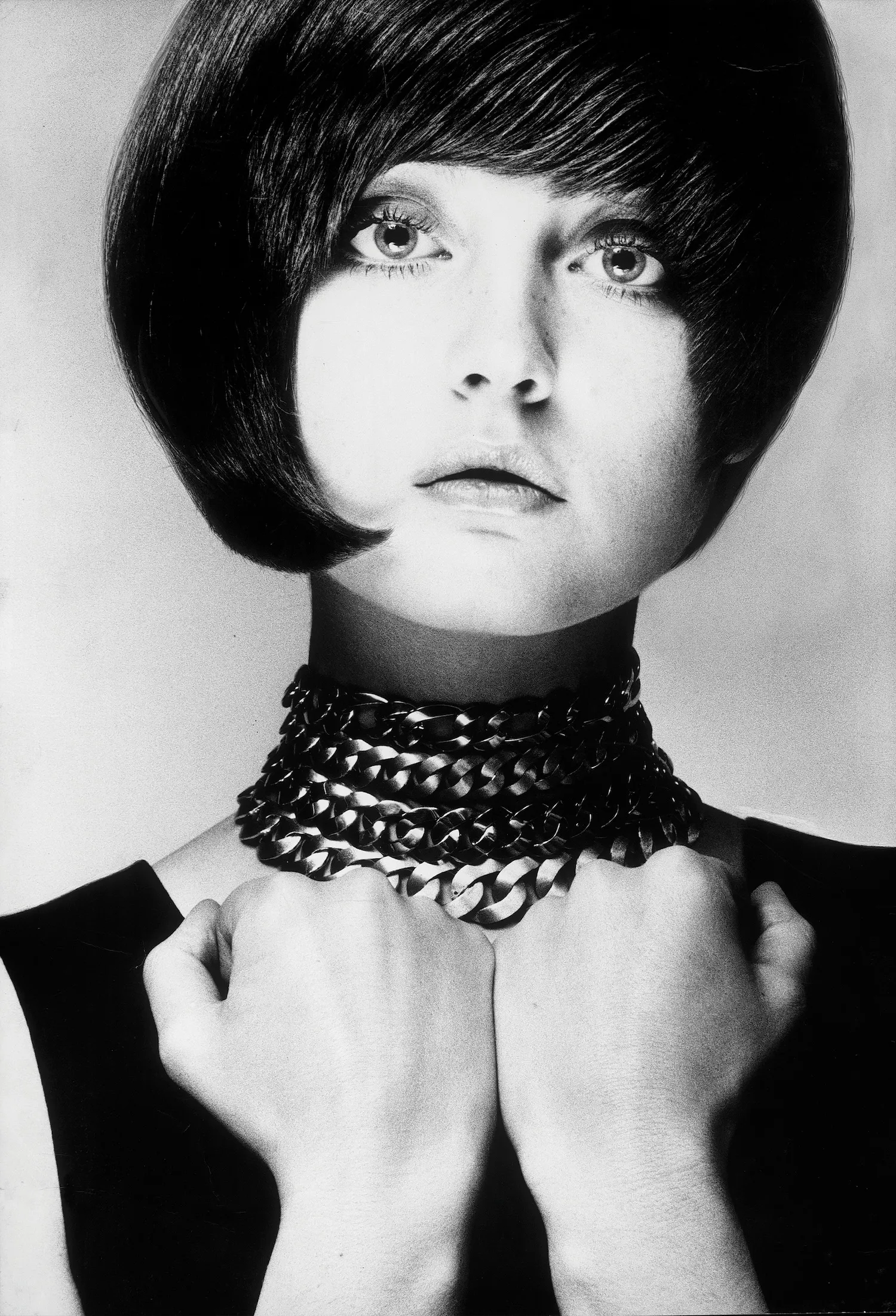
“Pomellato” signifies the speckled coat of a horse. Pomellato founder Pino Rabolini’s passion for horses, along with his father’s advice to “bet on the winning horse,” inspired the Maison’s inception in 1976. With this symbol, Pomellato represents grace, freedom, and unwavering strength.
Running from June 24 through July 20, 2026, the Milanese-based Maison is debuting its first Paris exhibition, Pomellato, Le Joaillier Révolutionnaire, at the Palais de Tokyo curated by Alba Cappellieri. Resting in Europe’s largest contemporary art center, this unveiling reflects the Maison’s ethos, honoring rebellion, femininity, and the re-envisionment of jewelry in a bolder, elated approach. Through craftsmanship, style, color, and image, Le Joaillier Révolutionnaire invites viewers to reimagine the boundaries of jewelry and feminine art. Since its beginning, Pomellato has embodied the intersection of female empowerment and elegant design, cementing itself as the “revolutionary jeweler”. With this exhibition, Pomellato communicates directly to women with both honor and bravery.
Pomellato Group Chief Executive Officer, Sabina Belli, shares, “This exhibition is not a retrospective, but a living archive: a dialogue between heritage and evolution. It honors the artisans whose mastery gives form to each creation, and the women who wear Pomellato: intelligent, independent spirits who express themselves with freedom.”

The Seventies sculpted an avant-garde era of freedom, independence, and creativity. Through the experimental lenses of Helmut Newton, Gian Paolo Barbieri, and others, Pomellato shares the unspoken language between fashion and jewelry, and the womanhood that falls between them. By the Eighties, the Maison’s jewels found their purest and most seasoned form brought to life by Helmut Newton. As a visionary in international fashion and the master of chiaroscuro, Newton captured profound black-and-white images transforming jewels into desirable objects encompassing the brand and possessors.

Pomellato’s photo revolution evolved in the early Nineties with American photographer Herb Ritts, as the pair discovered the importance of conveying jewelry without being a central figure. As he’s shared, “a photograph is something through which you feel the person—their inner quality, what really makes them who they are.” With the integration of clay and chiaroscuro style, he reveals the jewelry’s exterior while embracing the textures of the body.
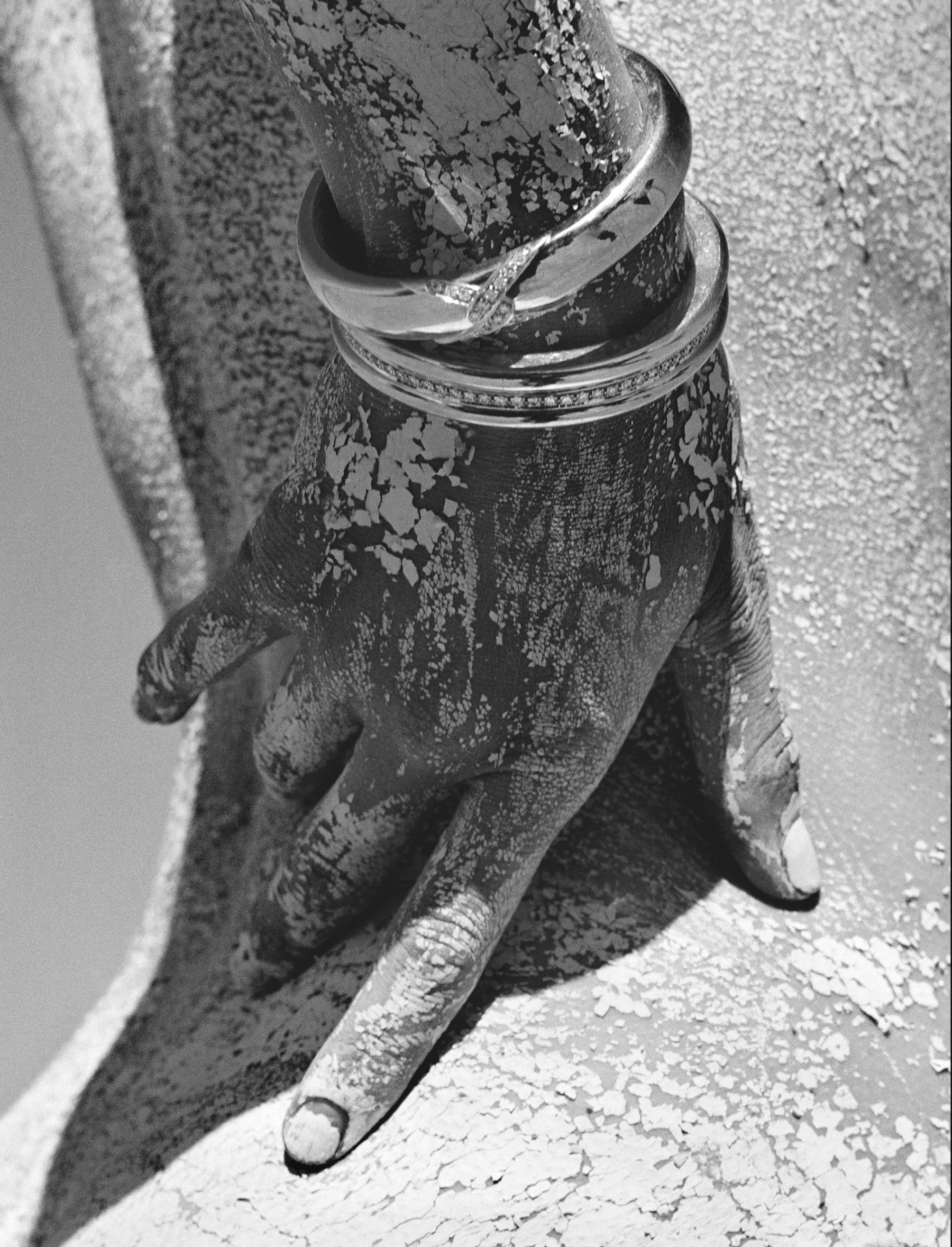
The Maison also focuses on the concept of “New Precious” gems, exploring colorful stones that go against the grain of traditional adornments. Crafted through decades of work from Pomellato’s artisans, diamonds and gemstones radiate through rich, intricate pieces of jewelry. The Mora and Rugiada rings encompass the Maison’s creative and artisanal autonomy.
Pomellato’s adornment reformation is owed to the chain, embodying the entanglement of contemporary technique and traditional style. Originally inspired by the 1967 Gourmette, master artisans are driven by the various techniques of Ricciolo, Catena Spiga, Intreccio, and Boule pieces. Revolutionizing sculptural volumes, Pomellato’s focus centers on materials, textures, and volumes hand-crafted in the Milanese atelier. White and yellow gold harmoniously conjoin in the Gemelle necklaces, while gold commands attention in the simplicity of the Raggio di Lucy and Amazzone chokers.
At its core, the Pomellato revolution is devoted entirely to women, in celebration of triumph, self-expression, and power. Le Joaillier Révolutionnaire will offer an immersive, visually captivating peek into the Maison’s anatomy since 1967. Book an exhibition appointment online: Pomellato Exhibition
“Every revolution needs a reason to exist. For Pomellato, it lies in the freedom to be oneself, beyond conventions and without compromise.”

Stay up-to-date with exclusive events and content.


