F L A U N T


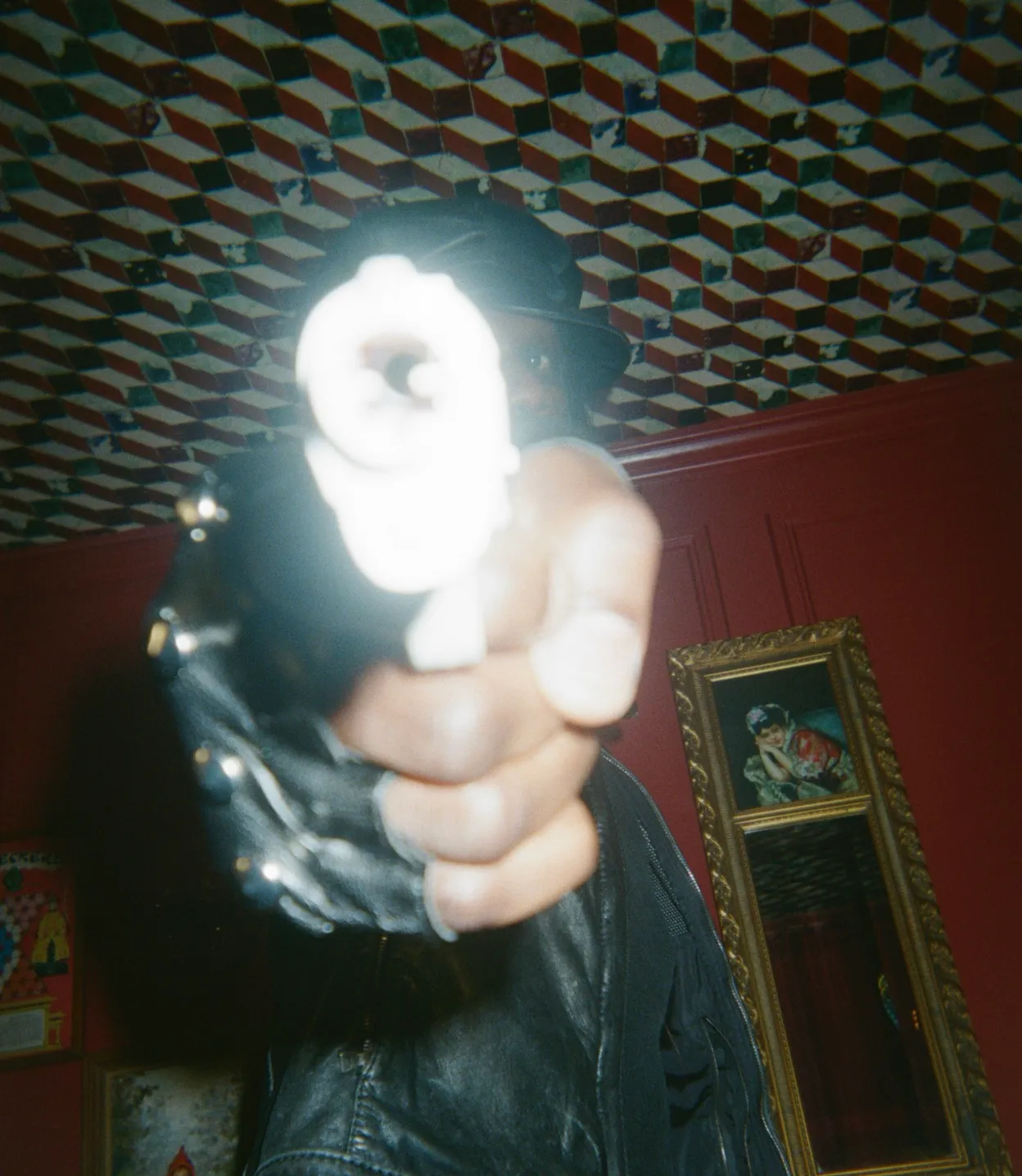
Forged from an indelible reality beyond our own, Jonathan Rosado’s third directorial concept Matador Bolero seeps psychedelia, carnality, and violence from every frame. Visually, the film’s language feels familiar–topless dancers undulating against a liminal Western backdrop–yet its outwardly nostalgic disposition and devotion to the art of obscurity transcend any previously defined conventions of the cult film. The auteur first discovered the Super-8 camera at the age of twenty-three, and its old-world viscera immediately sparking the genesis of his cinematic world. With earlier creative expeditions steeped in the experimental music scene, Rosado’s score proves just as revelatory as his visuals, sensorially merging to evoke the surrealist ambience of a crowded New York City nightclub. Matador Bolero juxtaposes the authenticity of nature with the dystopic technological overlords, focusing its eye on a permissible reality where machinery becomes spiritual effigacy.
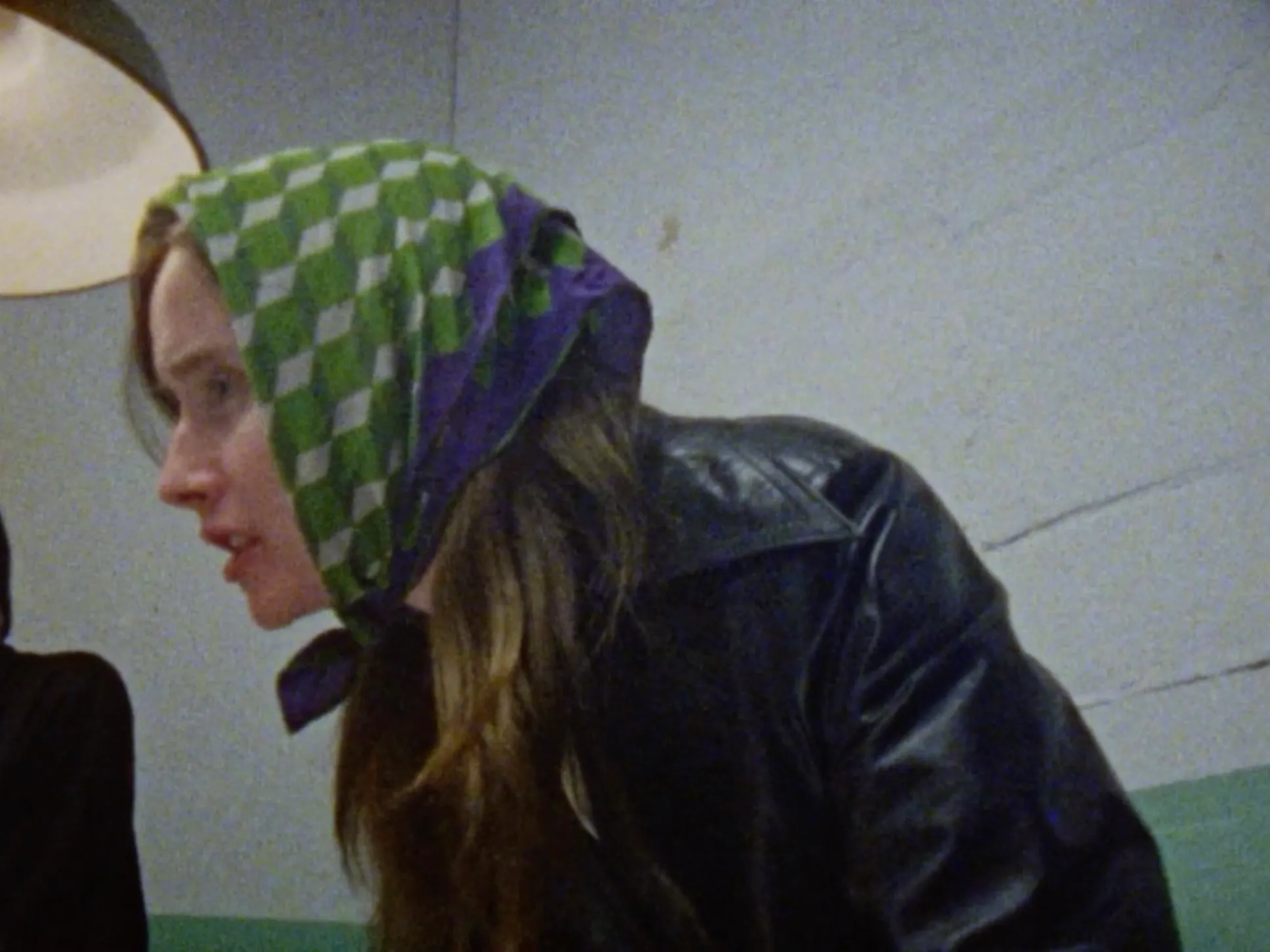
Rosado’s transgressive milieu was first established in his 2023 debut Viridian Hue and follow-up Brutalist Couture, fragmented narratives infused with kaleidoscopic figments and symbols. The film’s enigmatic veins, tangible in the retro dreamworld shaped by Rosado’s camera’s lens, reflect the composed deterioration of an existence in the underworld of New York. Matador Bolero’s characters similarly reflect the disfigurement of their setting, with its leading detective character–played by musician Yves Tumor–setting off on a crusade against the titular monster-computer that threatens the intactness of his universe. While the film’s throughline fluctuates between linear and abstract, its aesthetic purpose is maintained in Rosado’s devotion to a fleeting mystique consisting of masked figures, murdered actresses, and all-knowing machines. In the conversation below, the director speaks on processes of creation and destruction, technology and art, and an interest in saving the future of cinema.
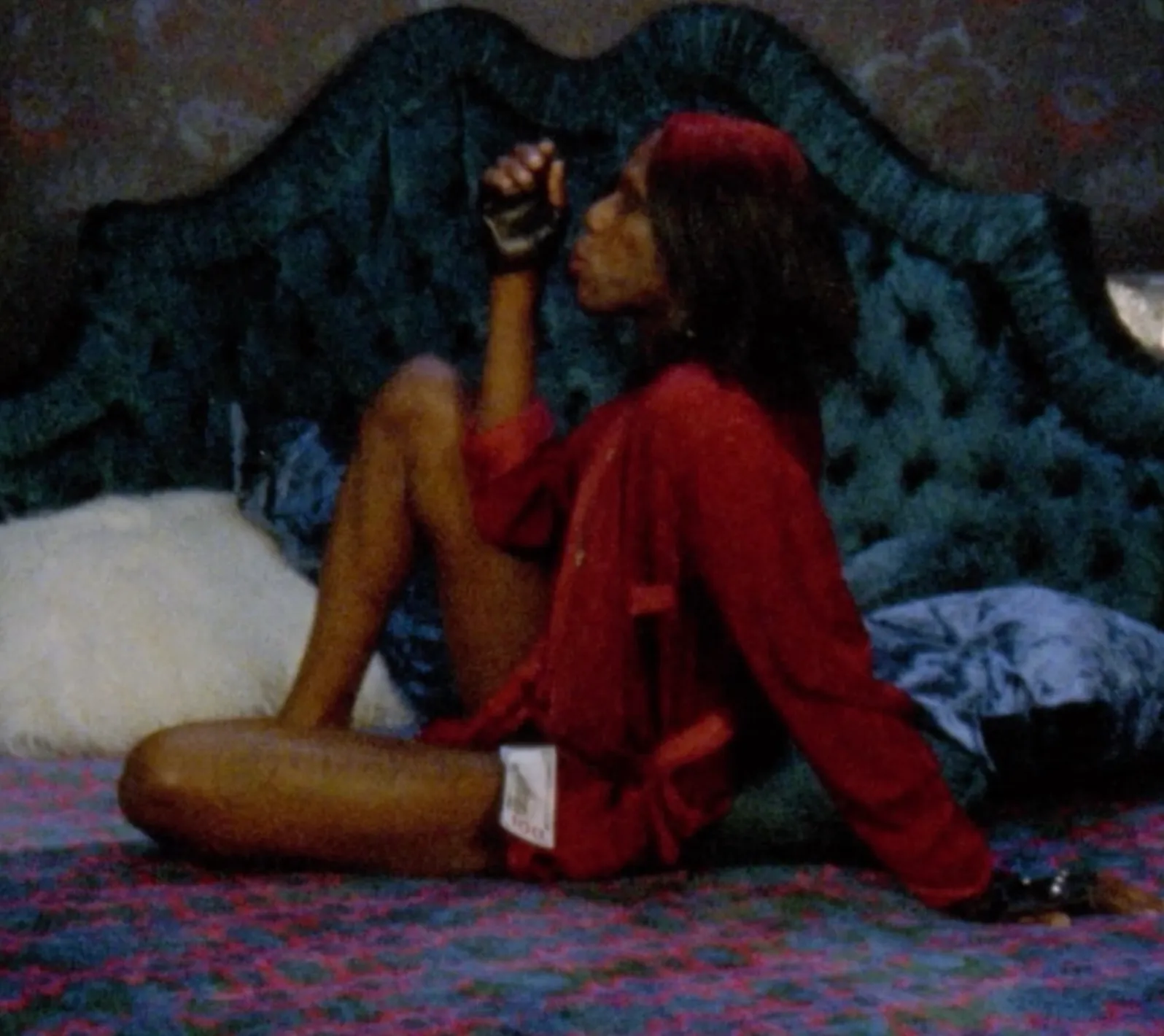
As someone who has dabbled in film and music, what were some pieces of art--or, alternatively, feelings that you had while interacting with art--that birthed you as a filmmaker?
I had a modicum of success in music early on with The Suede Hello and I was starting to gravitate towards a more progressive rock sound, which strangely pulled me further into my burgeoning visual interests. I began getting really into these expansive concept albums, like Genesis’ 1975 record “The Lamb Lies Down on Broadway,” which also turned me on to El Topo, one of my favorite films. I made a couple of home-spun concept albums of my own, most notably, “A Symbol For Eternity,” which included an accompanying story about a half human android named Feather Watts, who embarks on a hero’s journey after ascending into the sky on a penny farthing bicycle propelled by a hot air balloon. My ambitions for music started to feel increasingly lofty and better suited for a film. I also met Vincent Gallo, maybe 4 or 5 years back. He was nice. I gave him two copies of that LP. He is an avid collector of prog LP’s, or so I hear.
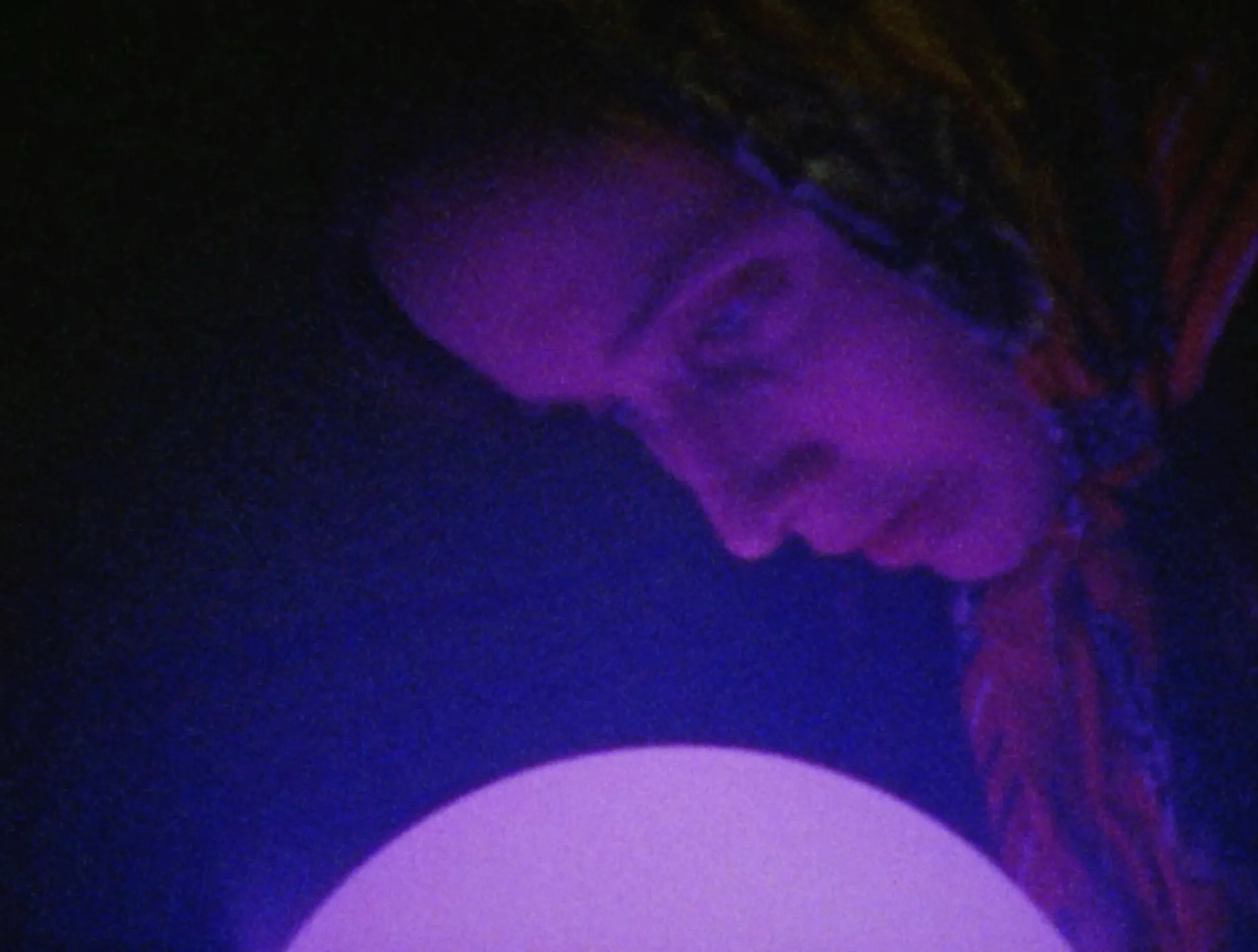
What textures, sights, and sounds informed Matador Bolero? How did you prune elements of the real world into the surrealist landscape of NYC in the film?
I think, most notably, there is a spiritual or religious element throughout the film because we have become the disciples of computers and algorithms. Maniacs have birthed a world where our lives are dominated by technology and we can’t do anything to stop it. I am directly exploring the ushering in of this “Age of Aquarius.” A supercomputer causes a fracture in the fabric of space time and the narrative bounces between the two worlds–“reality” which actually tends to feel fake or staged at times–and “The Bend” a pocket dimension where supernatural entities are observing the final days of earth from a distance.
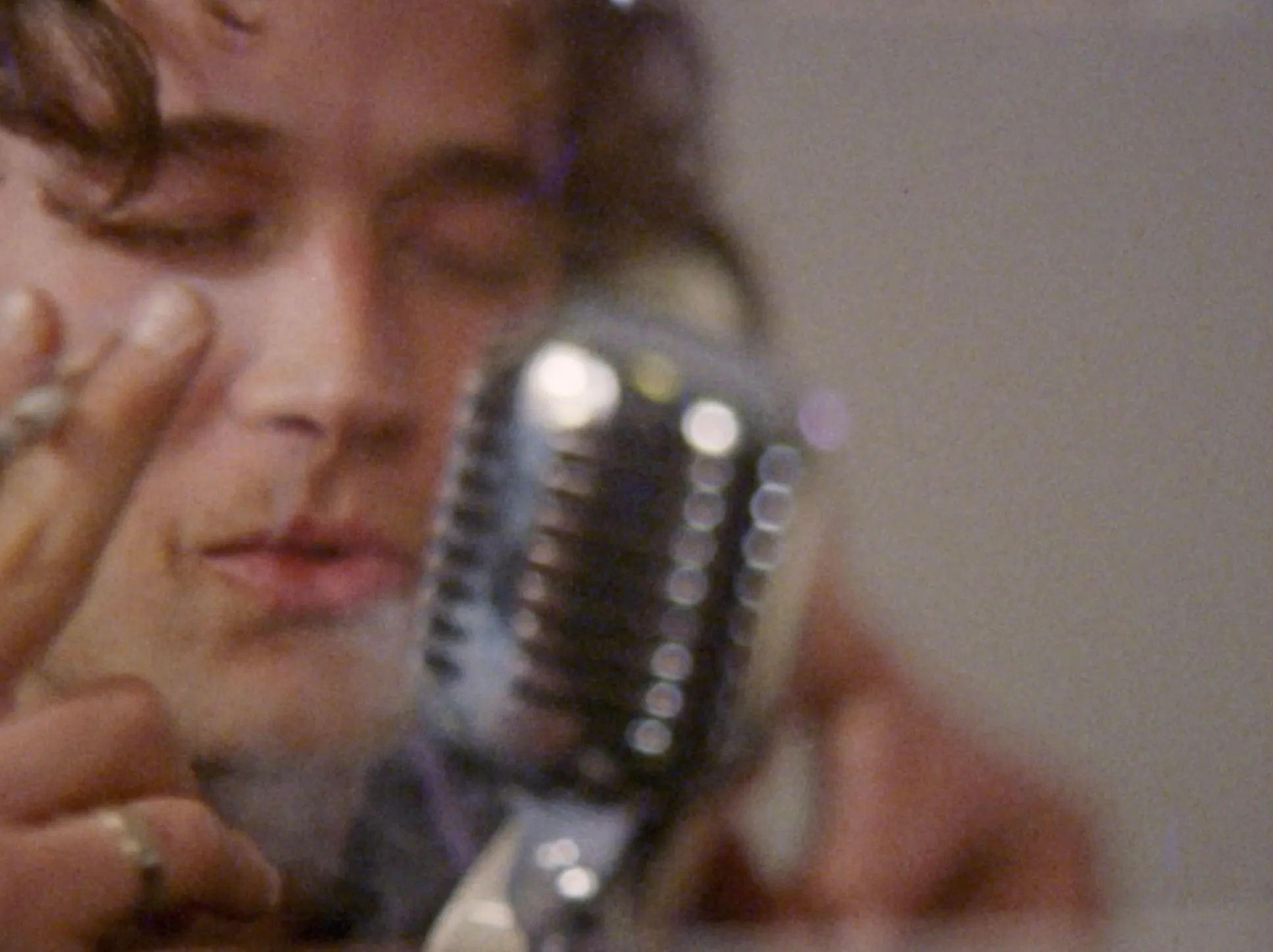
How do you think shooting on Super 8 alters the affective outcome of the film, aside from the obvious visual appeal? How does medium interplay with message in your work?
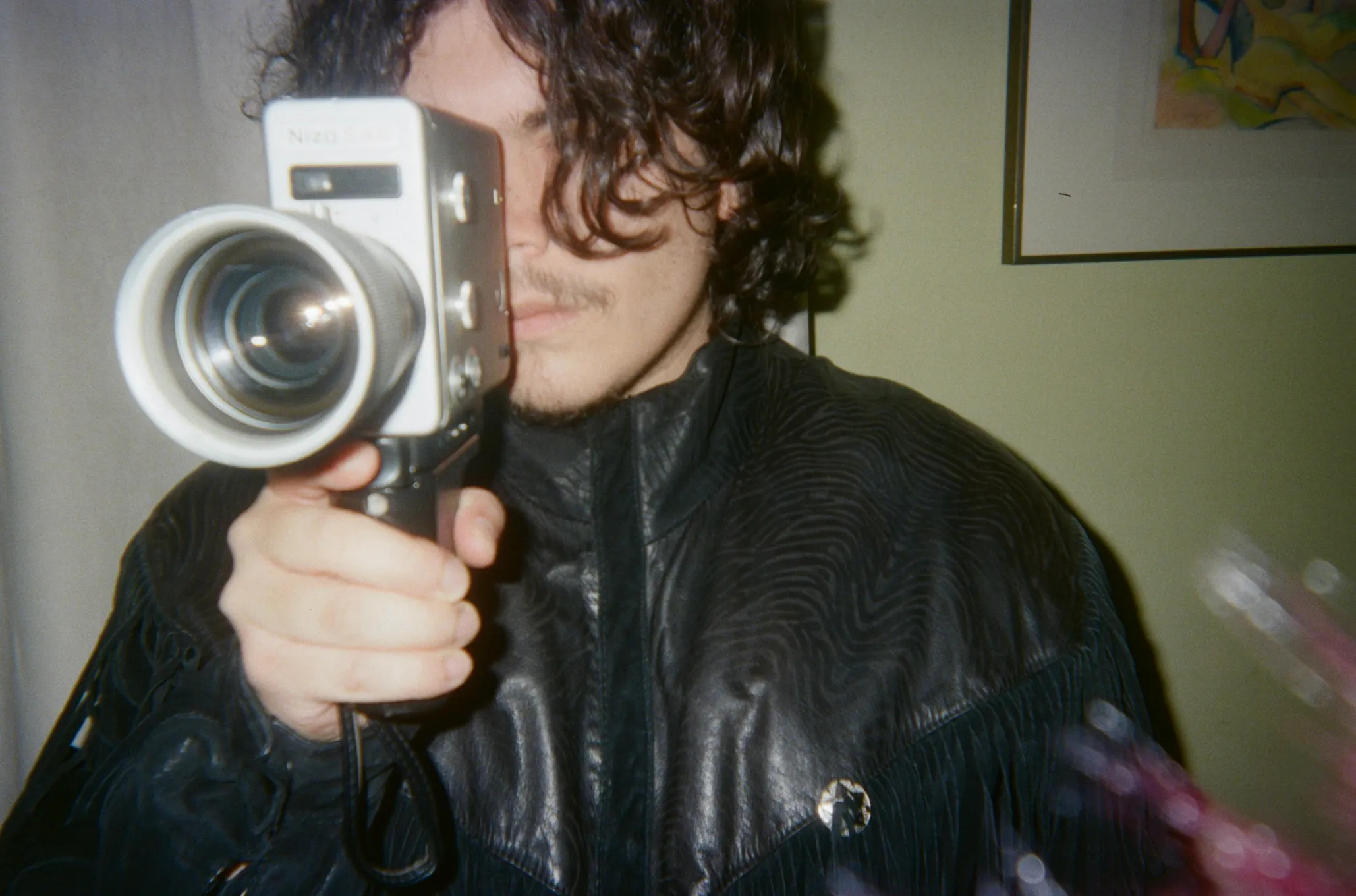
Super 8 frees me up to shoot with very small cameras and not have to fuss around with much more than a tripod and some lights. It’s really a drag to lug around a bunch of equipment all the time. My process is like “go” and I’m off, right away. I am not a fan of large technical setups or anything that gets in the way of the ideas flowing.The format plays into the message of this film because I am trying to contrast the harsh occult darkness of the new machine world, with the much softer romanticized aesthetics of a Route 66 cherry pie America. The raw celluloid look, to me, achieves some level of that classic visual ephemera while maintaining an interesting filter in which to view modern life through as well.
How do you see Matador Bolero as an extension of the language you began speaking with Brutalist Couture and Viridian Hue? What motifs do you see yourself continuing to explore in your future work?
Thematically, I seem to be drawn to vast concepts but perhaps the foundation to all of my artistic pursuits lies in the simple question of “What is reality?” I find that thought to be an unending fountain of inspiration for me.
Matador Bolero has it all: crime, sex, mystique. Why do you think these motifs are perennially exciting to audiences? What makes a 21st century noir exciting?
It’s interesting because I am not the type of person who considers the audience all that much while I’m making films, so it’s kind of hard for me to quantify that. However, immediately after this film was shown it received very emotional reactions. So many people were blown away by it and a number of people were also offended or didn’t know what to make of it. Even now, the film has only been out about a month and it’s already caused quite a stir. I guess it really works in that way. Although I never intend to be provocative, I definitely find some satisfaction in knowing that I’ve upset the right people. The people who try to control what cinema can be.
What's next for Jonathan Rosado?
I’m extremely motivated to make my next film which will be by far the most ambitious project I have ever worked on. I am beginning to enter the process of finding the right backers to work with who trust me and will let me operate freely. I wish I could say more but rest assured, I will continue to do my part to both decimate and save American cinema.
Stay up-to-date with exclusive events and content.


