F L A U N T


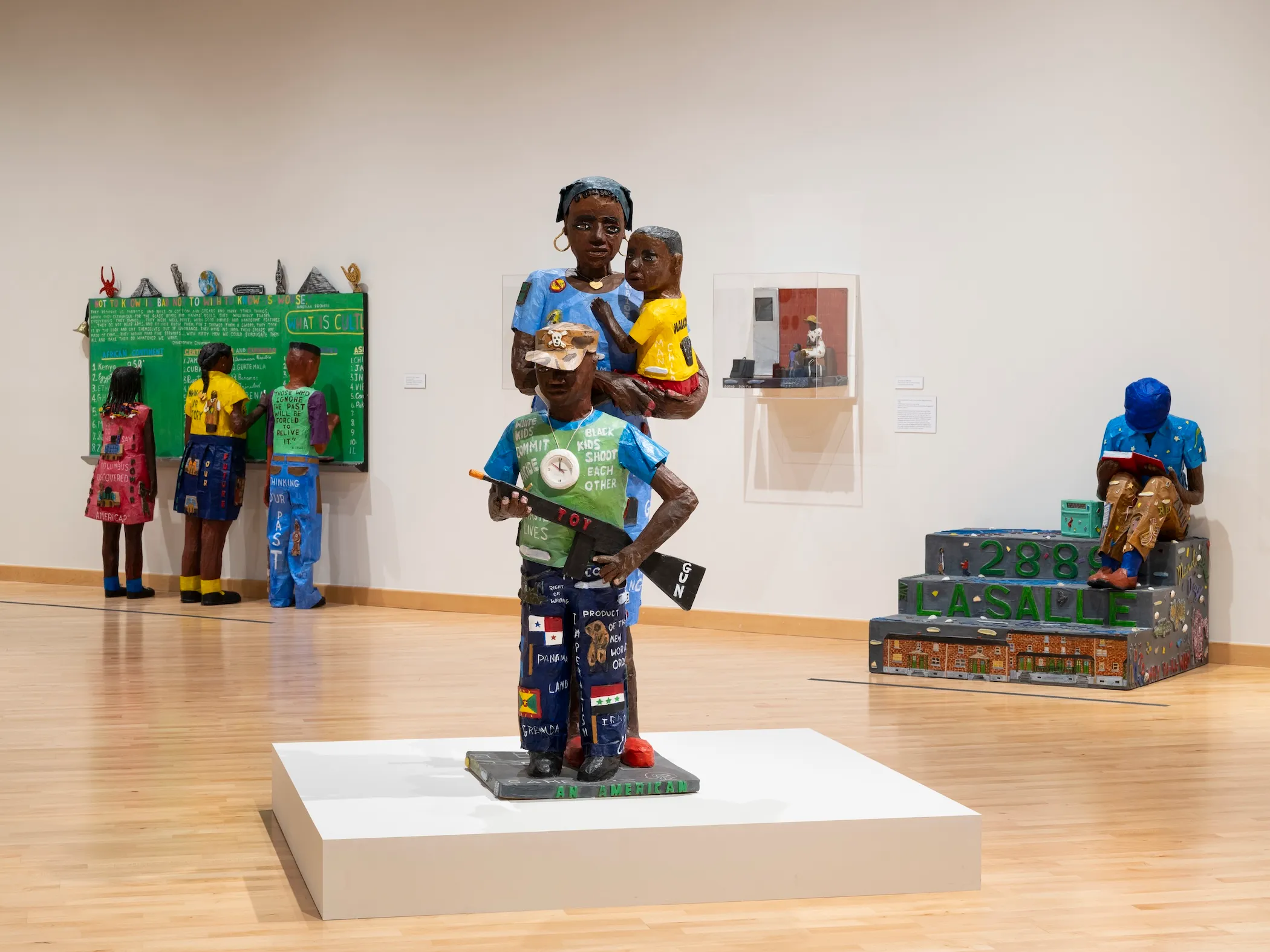
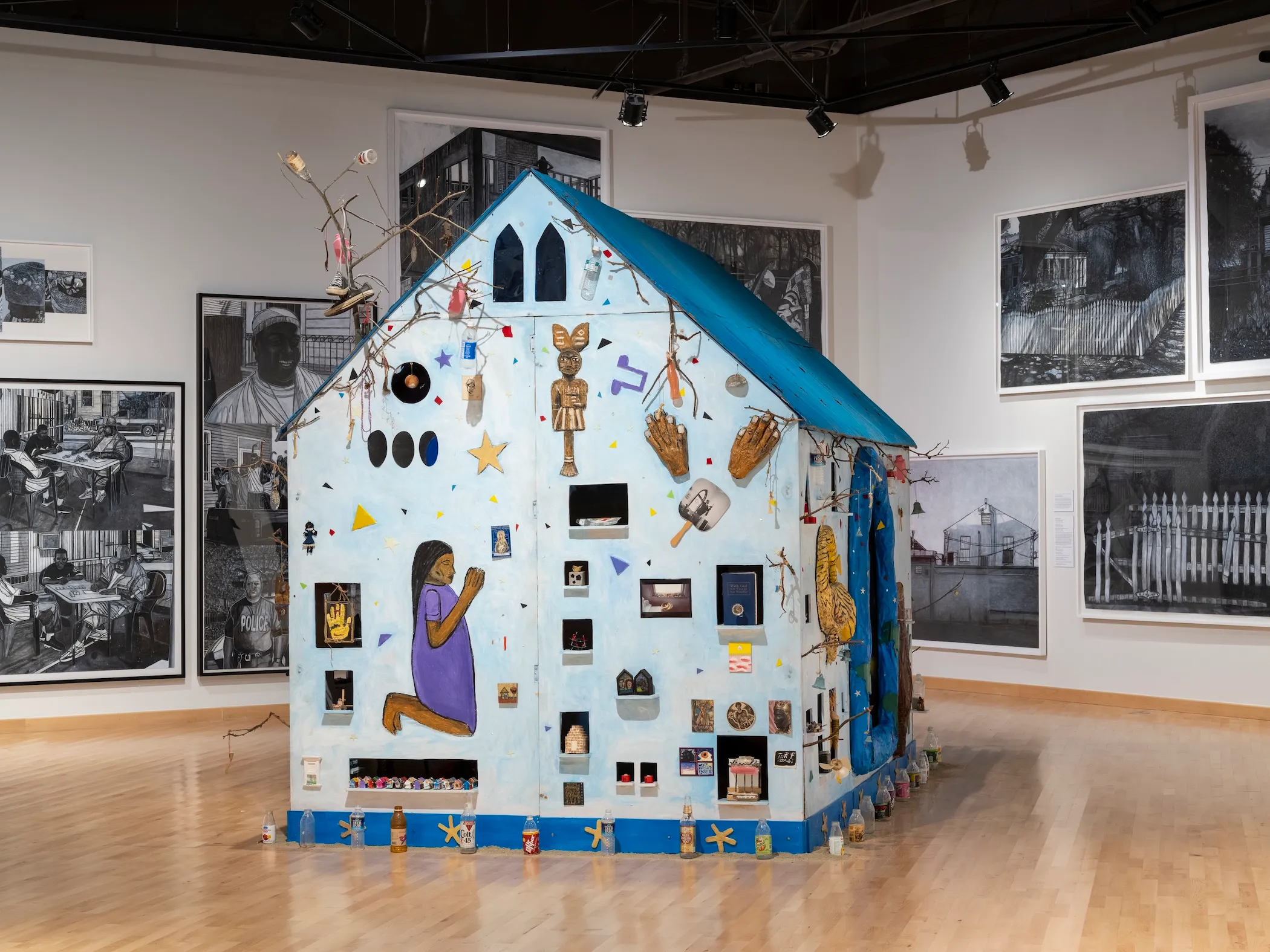
As part of its spring programming, Los Angeles’ California African American Museum (CAAM) presents the first-ever career retrospective of Willie Birch, Willie Birch: Stories to Tell, on display through the summer until the end of October.
Birch is an artist interested in observation: how art can push toward the truest, richest representations of life, engaging with as many layers of time and truth as possible, getting closer to what a particular moment reveals about its broader social and political reality. Birch uses the term “retentions” to describe enduring imprints that transcend time, geography, and form, serving as evidence of cultural narratives and traditions, and of how they exist within and shape one another. Though originally from New Orleans, Birch’s work has appeared in museums across the country, most ardently appreciated for his authentic depiction of Black American life, which highlights humanity and reconstructs artificial notions of race and class.
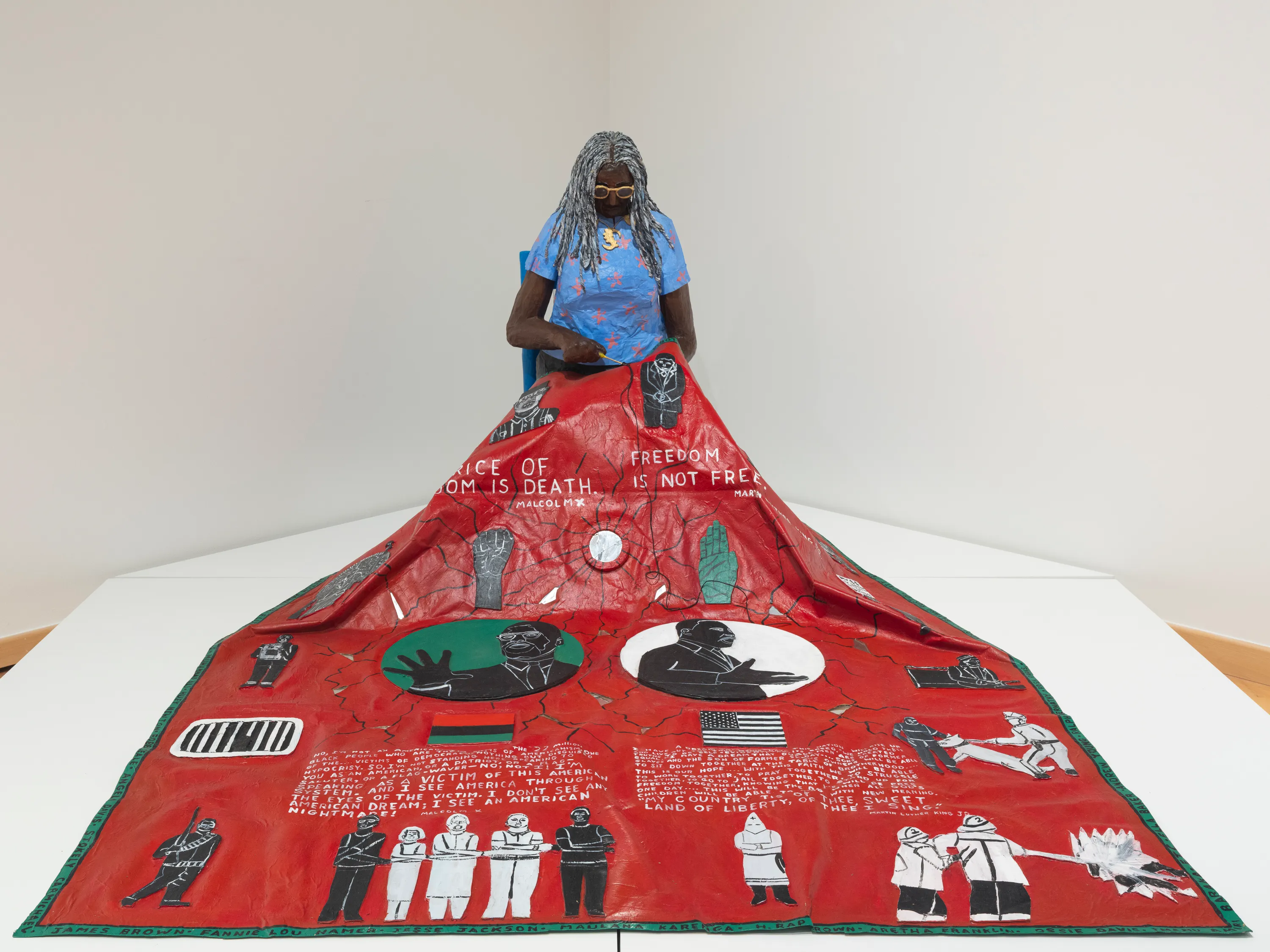
The American Federation of Arts (AFA) created the national tour of the exhibition, which will travel to four museums across the United States. Willie Birch: Stories to Tell features artwork from 1968 to the present. It is sponsored by Bank of America, and was co-organized by the AFA and the New Orleans Museum of Art and curated by Russell Lord, Chief of Curatorial Affairs at the Norman Rockwell Museum.
“Willie Birch has created a body of work rooted in the everyday lives, struggles, and joys of the Black community. His work does not shy away from the complexities of race, poverty, and systemic inequity, nor does it romanticize struggle,” says Pauline Forlenza, the Director and CEO of the American Federation of Arts. “Instead, his art holds space for contradiction — pain and joy, vulnerability and pride, endurance and resistance. Whether exploring the quiet dignity of his neighbors or the complex history of African traditions in American culture, Birch’s eye is unwavering and empathetic. His works carry the weight of lived experience and the light of cultural celebration,” says Forlenza.
The exhibition arrives amid CAAM’s spotlighting of artists who illuminate meaning in the mundane, “people who invite us to see the beauty and power in our everyday lives—what we choose to create, where we train our attention, and who and how we love,” says Cameron Shaw, the museum’s Executive Director and Chief Curator. The spring exhibitions, including Birch’s, explore how intimate routines and environments reflect the broader social and political landscape in which they exist, serving as catalysts for creative expression and social advocacy.
The exhibition is organized chronologically and divided into three major sections, guiding the viewer through Birch’s career and showcasing his various artistic phases. The transitions in medium attest to Birch’s sustained commitment to honest, accurate observation, as he evolves his visual language to suit the ever-changing world he represents. Accordingly, the exhibition is not only thematically intricate but also visually diverse, spanning papier-mâché, charcoal, and acrylic, rendered in vibrant colors and muted blacks, whites, and greys.
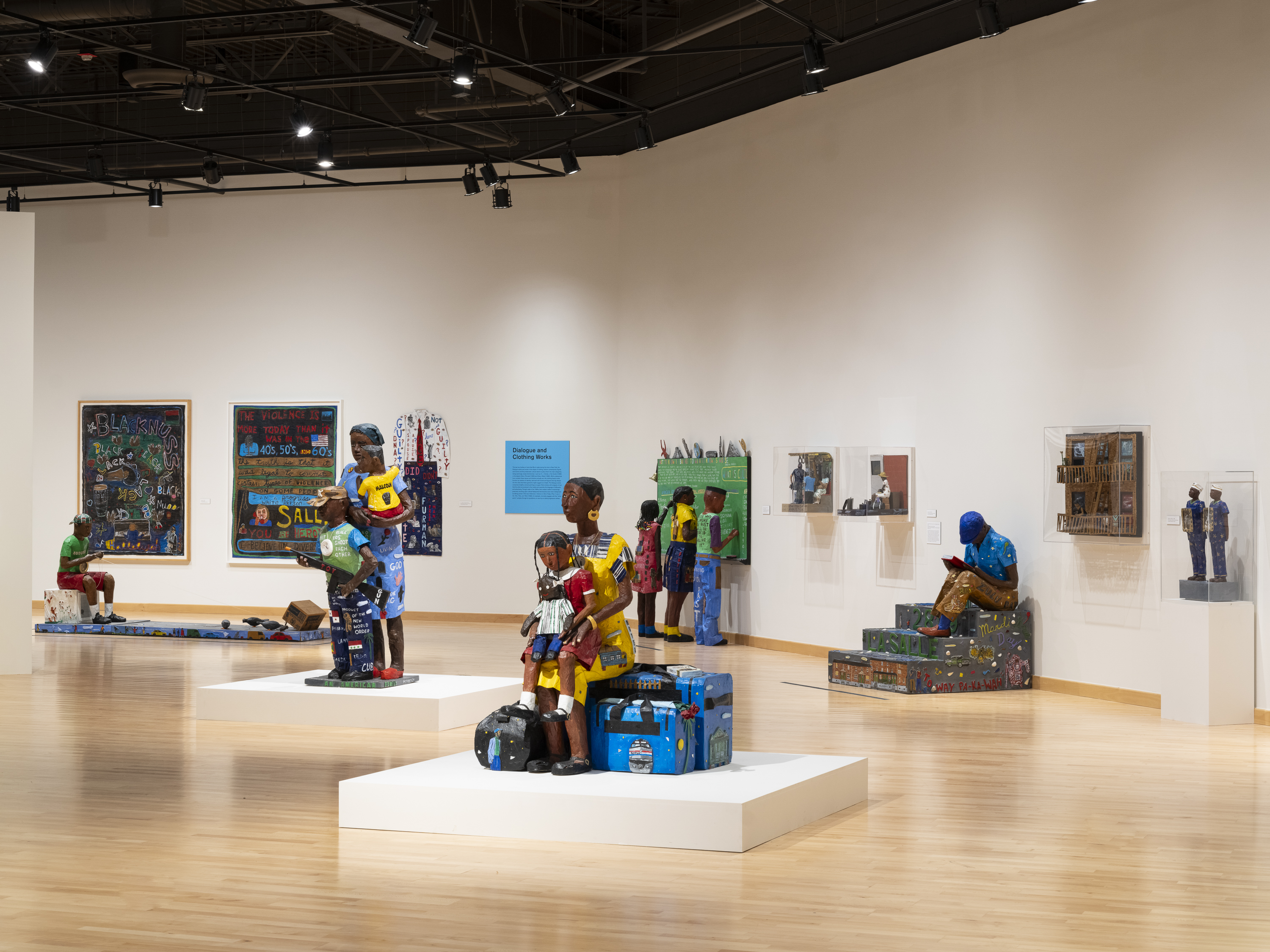
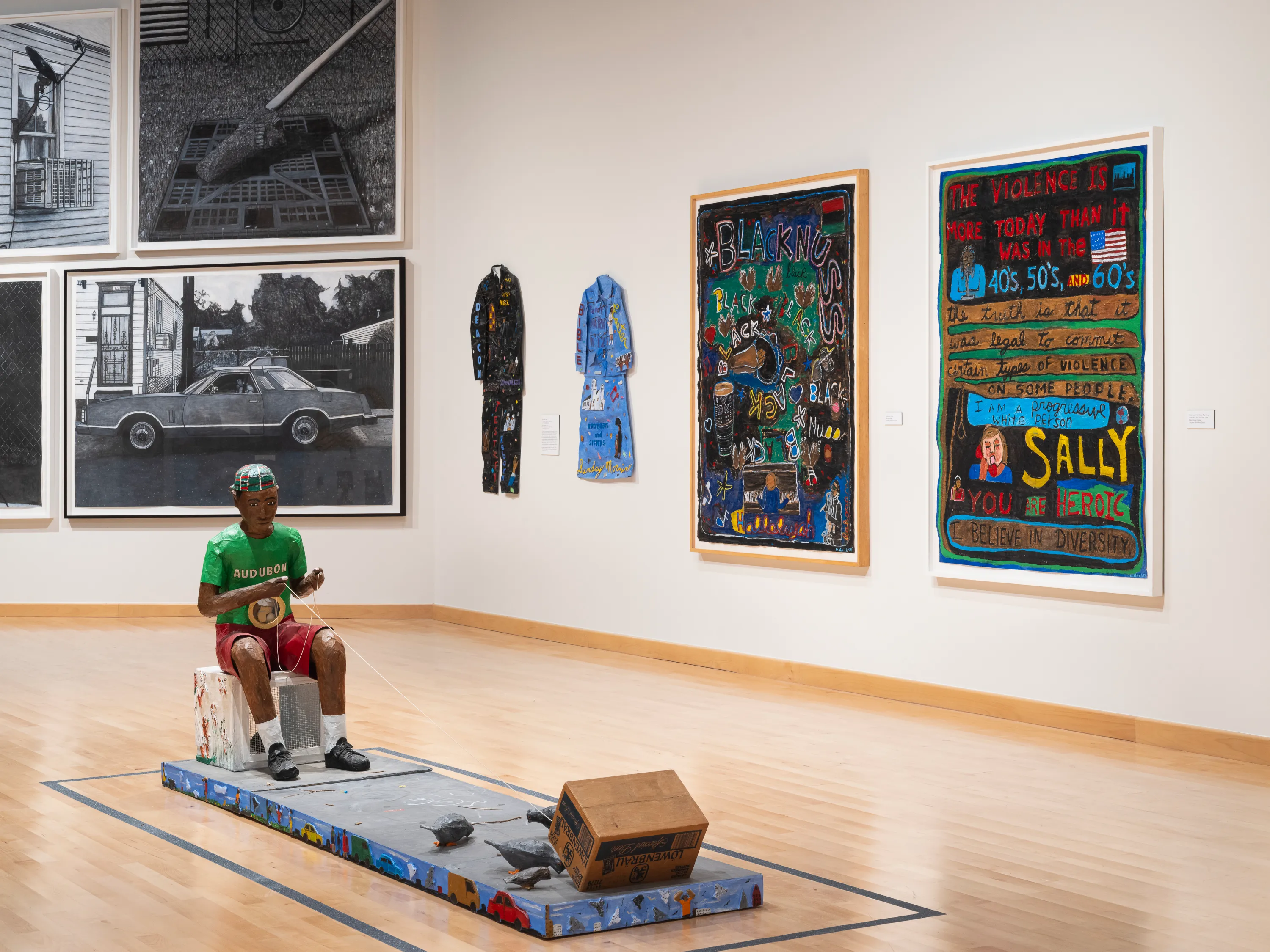
Birch depicts people playing, working, living, and loving—and whether shown alone or together, it is understood that the pieces form a profoundly interconnected ecosystem whose intimacy endures far beyond physical, formal, or temporal proximity. The exhibition is poetic, textured, even spiritual, questioning why certain things are retained while others are forgotten. As Birch regards art and culture as profoundly interconnected, he reminds us of the necessity of storytelling—to not only record and survive our realities but to imagine a better one.
Stay up-to-date with exclusive events and content.


