F L A U N T


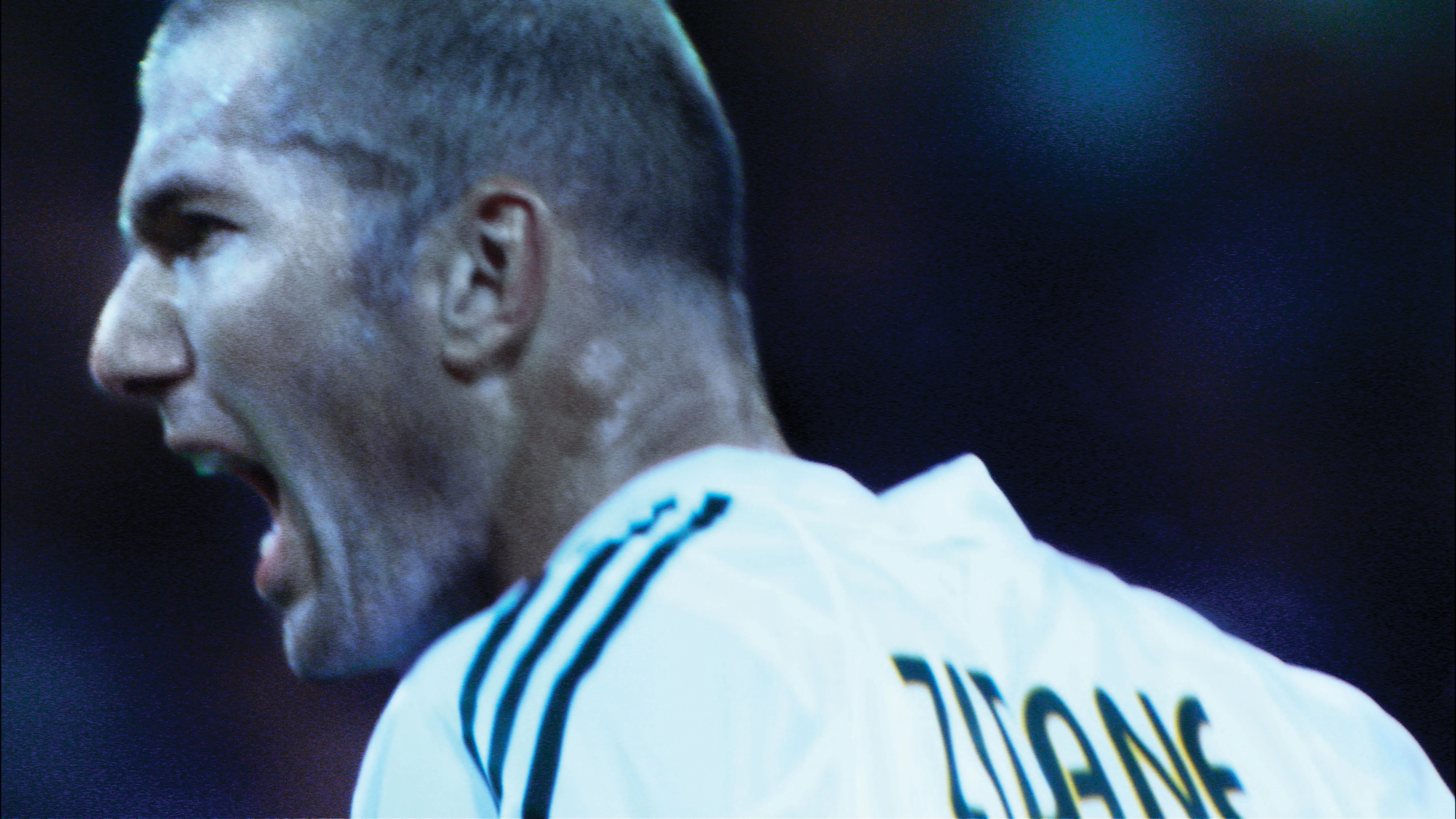
Athleticism has a way of extending itself beyond the realm of simple competitive sport, formulating a physical language through symbolic motion and effort. In soccer, pathways are whispered effortlessly in the union of the rolling ball, the calculated footwork, and the crowd’s encouraging roars. The synthesis of expressionism and strategy is difficult to capture accurately in any form, yet is devotedly studied by Douglas Gordon and Philippe Parreno in Zidane: A 21st Century Portrait. Initially released in 2006, the film spotlights French player Zinédine Zidane in the midst of a famous match between Real Madrid and Villareal Club de Fútbol on April 23rd, 2005.
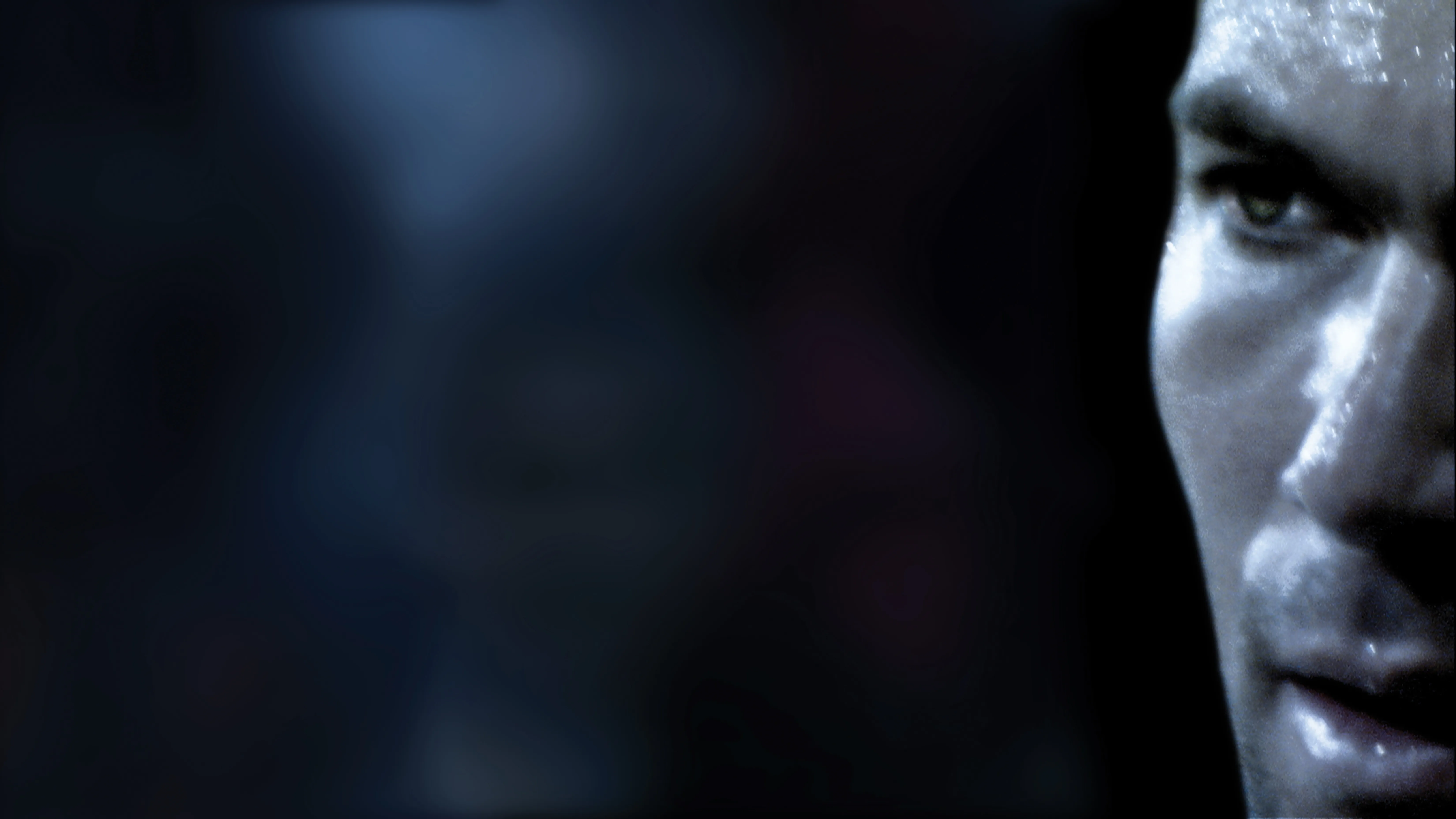
In these intimate moments of play, Zidane moves decisively across the stadium, tracked by 17 synchronized cameras relaying a range of specialized vantage points. Installed across two large projections, the museum version of the film accentuates the sensory details of the sport in parallel, showcasing one raw, undecorated cut of Zidane’s performance, while a secondary version offers a more cinematic and refined edit. While the scenery aligns at times, these contrasting perspectives offer the dual yet co-existent atmospheres of the sport, broadcasting 90 intensive minutes of sport merged with art. Committed to observing the sportsman as an individual rather than the object of the ball, the visuals remain attuned to the rhythm of Zidane’s body, demonstrating the metamorphic experience of the player as a singular piece within the world of the game.
The film will be on display this summer at the Guggenheim in New York City and at The Bass Museum of Art in Miami, in coordination with the World Cup’s presence in North America. On the film’s relevance in this particular year, Bass Associate Curator Jasa McKenzie shares,“Distilling a media spectacle down to the most deliberate level, this work is ahead of its time in removing the barrier between spectator and player, an investigation through intimate portraiture into the way we revere and consume idols in the contemporary media landscape.”
At the Guggenheim, the film will be part of the ongoing Collection In Focus exhibitions, marking the sixth chapter in the series, which has been designed to highlight culturally significant works from the museum’s extensive collection. To further gain insight into the film’s meaningful contribution to the museum, the public, and the Cup, we spoke with Nat Trotman, curator of Performance and Media at the Guggenheim.
How has spectatorship taken a new dimension in the 21st century? Or, more specifically, in the digital age? How have you seen that manifest in the curatorial realm?
In the 20 years since Zidane, a 21st Century Portrait was created in 2006, the notion of “spectatorship” has undergone a revolutionary change. In 2006, YouTube had just launched, social media was in its infancy, and the first iPhone had not yet been released. The forms of mediation that surrounded a public figure like Zinédine Zidane at that time now seem incredibly slow. One thing that I find so powerful about this film is the way Gordon and Parreno anticipate that more measured way of looking, with long steady shots of Zidane interspersed with bursts of television footage. Experiencing this film now is a reminder of how powerful a steady, sustained form of spectatorship can be.
What was particularly important to you in the physical presentation of this exhibition? How does one contemporize a film, 20 years after its debut, while maintaining the integrity of the original?
This presentation of Zidane is particularly special to me because of its location, in the Guggenheim’s incredible Peter B. Lewis Theater. This space is truly one of the hidden gems of the museum and is rarely open to general visitors as an exhibition space. Our founding director Hilla Rebay originally envisioned this subterranean theater as a center for experimental film, and Frank Lloyd Wright designed it in a remarkable circular form that extends many of the architectural elements of the museum’s Rotunda, which lies directly overhead. Being able to transform the space into an immersive film environment for the five-week run of the World Cup is really amazing.
What excites you the most about Zidane: A 21st Century Portrait? On a personal level, how do you connect with the film?
I love the steady focus and stately attention that this film pays to its subject, but really what excites me the most about the work is its soundtrack. The bursts of applause from the stadium crowds reverberating through the museum in surround sound are just so powerful, and I love the score that the Scottish band Mogwai composed for the piece. While the visual content of the work is truly remarkable, I encourage visitors to spend a little time with their eyes closed, just letting the sound wash over them.
Stay up-to-date with exclusive events and content.


