F L A U N T


Scholars of the human condition tend to wrestle with a similar question: What is our place in the world, among all these living things, with the limited resources our Mother Earth provides? Around 600 plant species have gone extinct in the last two and a half centuries or so, and with them, a vision of the world that once was there has been lost. One species survives and another perishes, and nature’s cruel game strikes again, bringing about life and death in their cyclical dance.
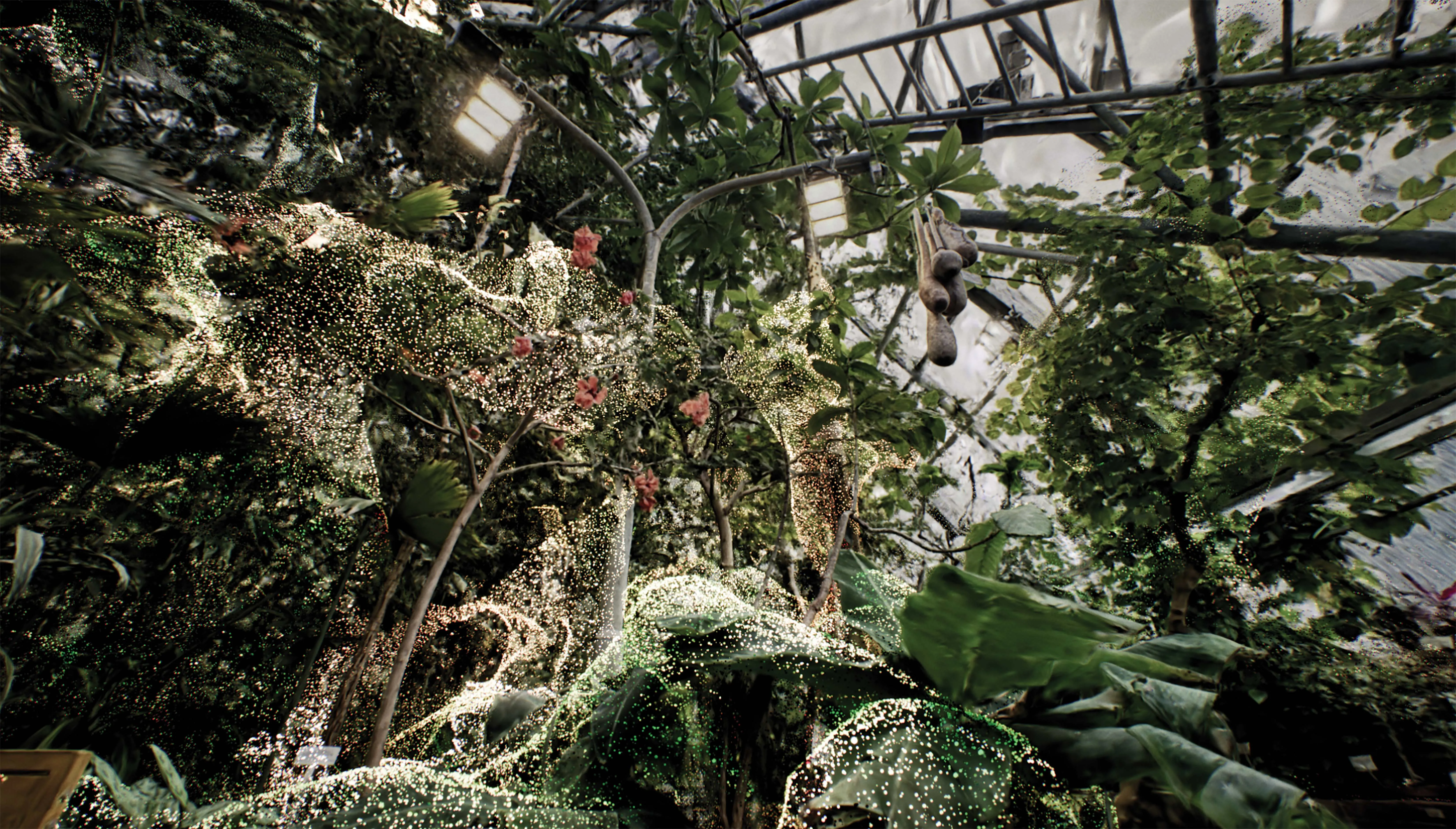
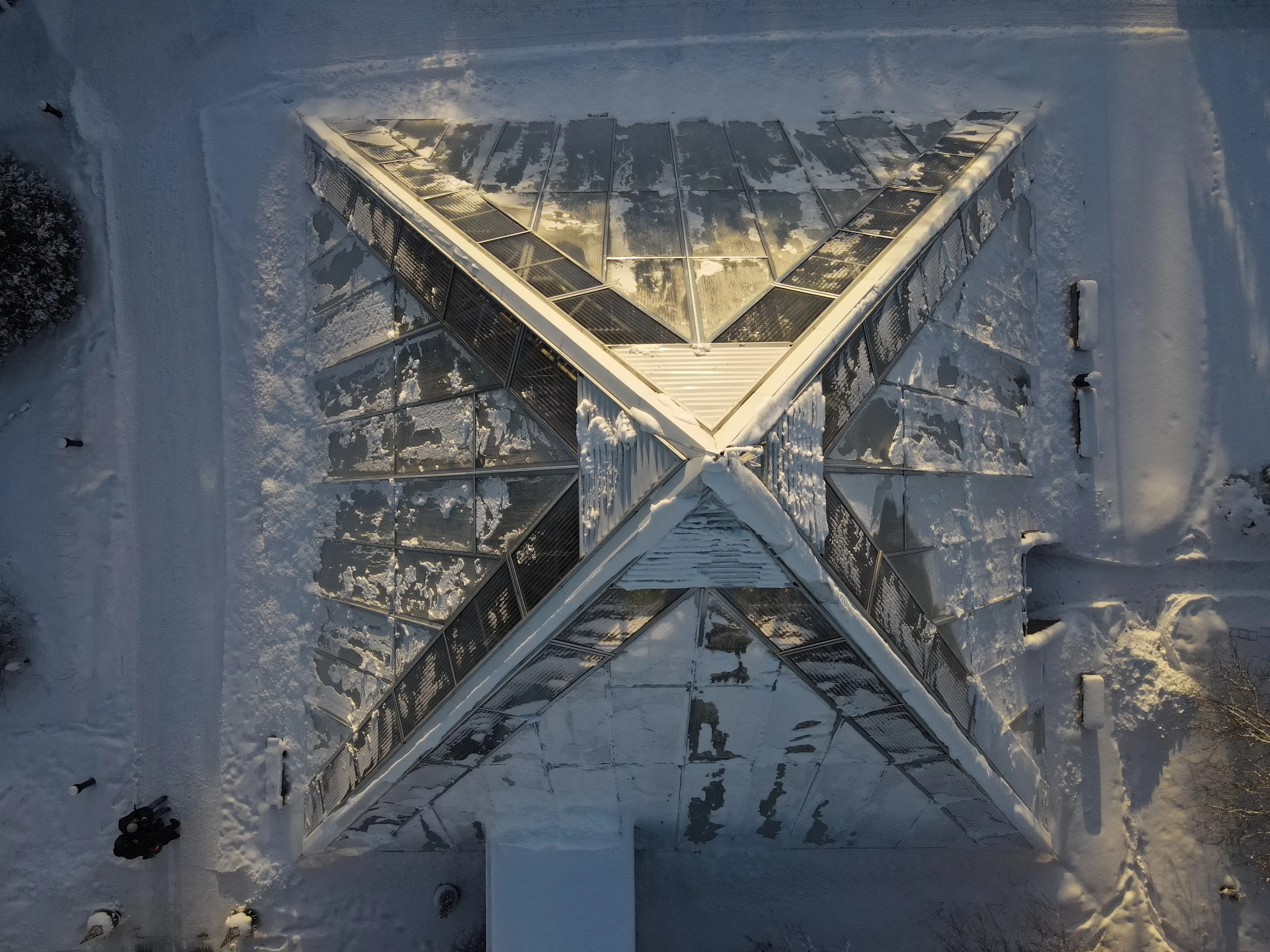
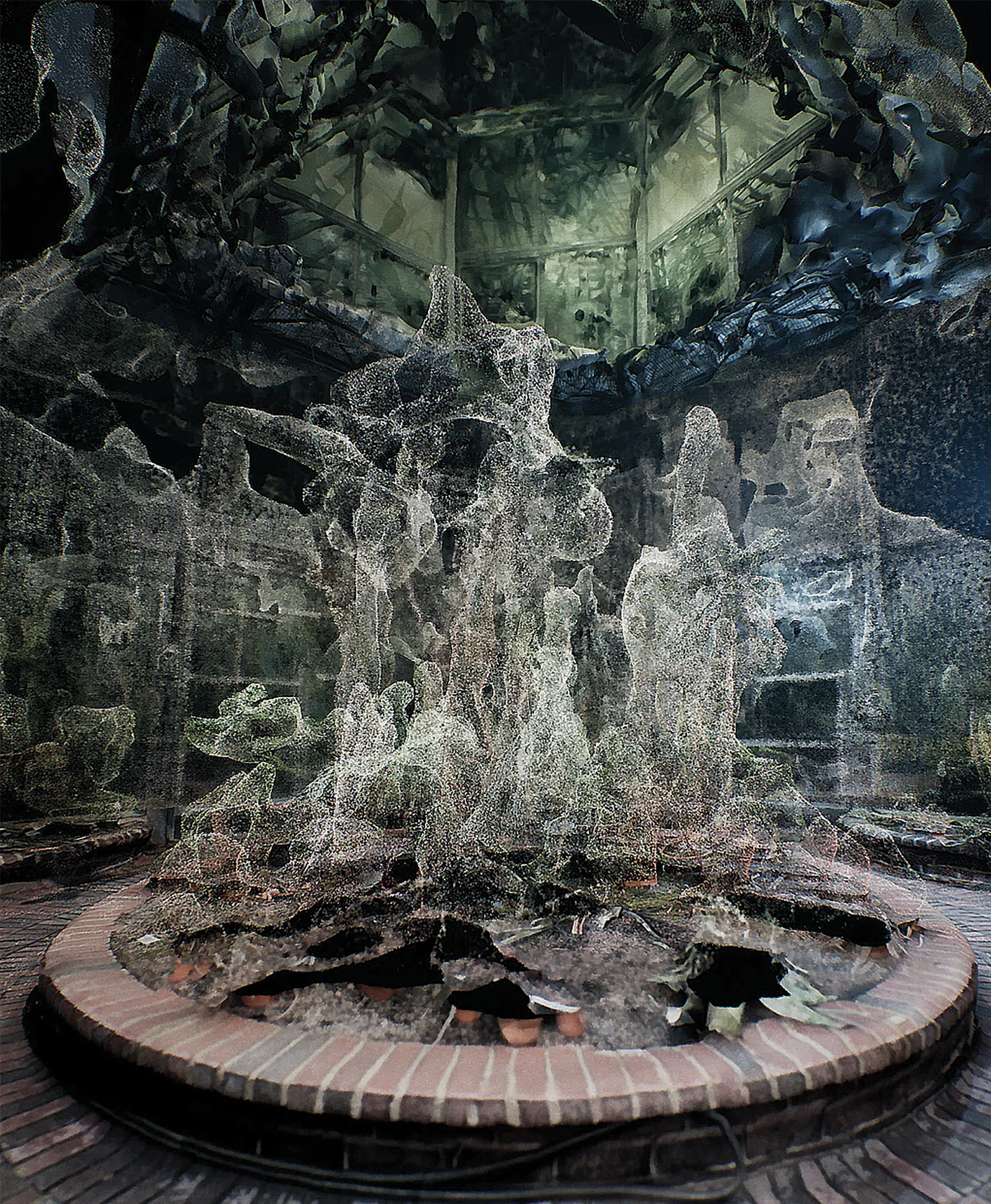
We can never truly revisit the past, but The Kuutar Garden, the newest work by Danish artist and harbinger of virtual worlds Jakob Kudsk Steensen, gets us pretty close. Premiering this September in a subterranean car park just outside the Arctic Circle (that is, at the Autumn 2026 Lumo Art & Tech Festival and the Oulu2026 European Capital of Culture program in Finland), Steensen’s latest work crafts an immersive virtual world in which many of the now-extinct flora have been preserved in a seed vault ecosystem, revived in a virtual replica of Oulu Botanical Garden at −21°C.
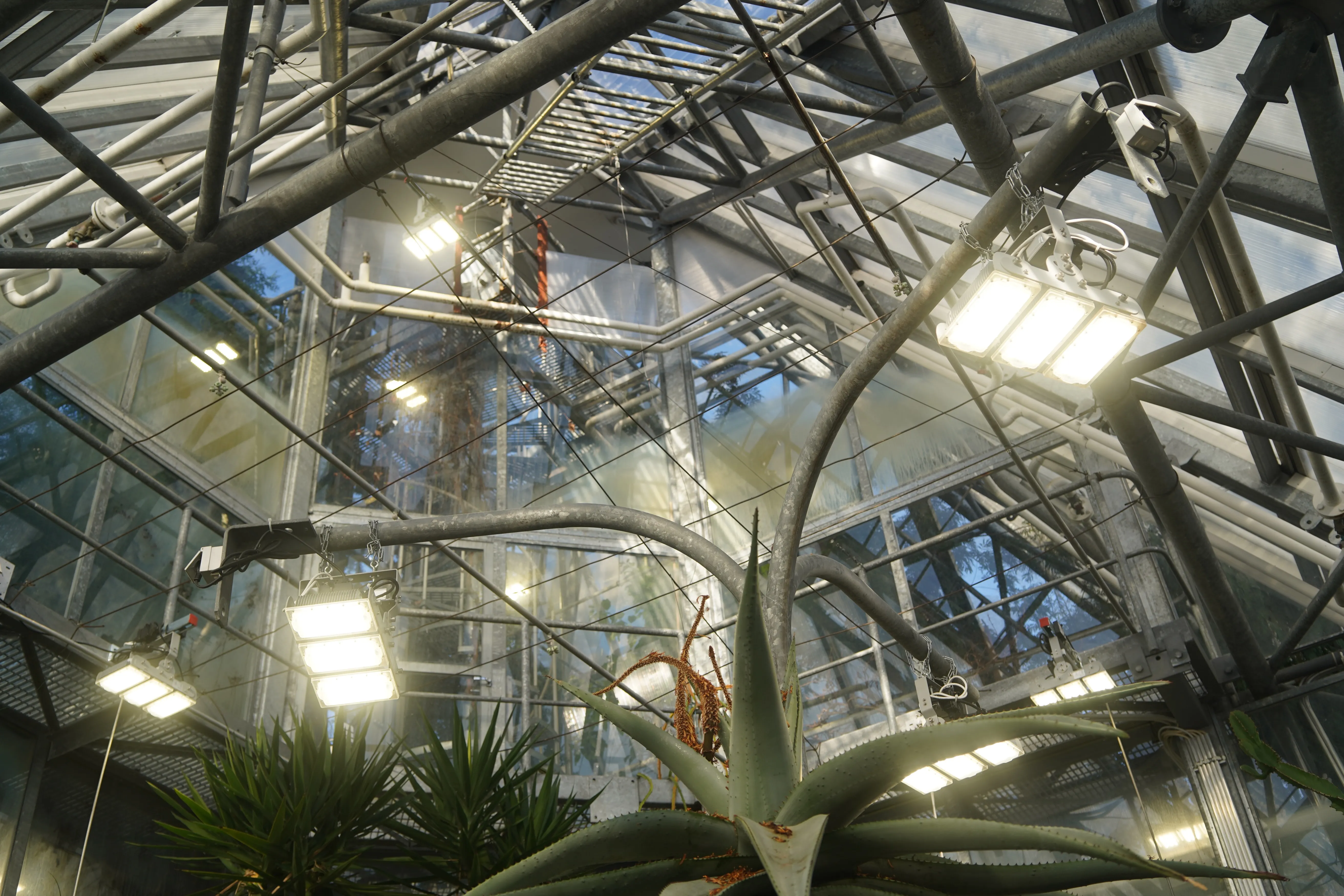
In 2022, Steensen began his project, interviewing scientists documenting seeds, plants, and architecture as they survive through Northern Finland’s harsh winters, adapting to the region’s harsh climate within the artificial botanical garden year after year.

“It was important for me to include when conceiving of the artwork, as I wanted to root it in something that felt distinctly and uniquely local to the area,” Steensen says. “I do not like how generic virtual worlds and digital imagery of the world are becoming, so I always look for places, concepts, and ideas that lie outside of centralized imaginaries. In this case, ecological and technological local landscapes, told through stories of a subarctic botanical garden and seed vault, fused with folklores of a moonlight goddess.”
Steensen developed The Kuutar Garden in synthesis with years of fieldwork, photogrammetry, and other forms of digital archival research. His work in immersive visual exhibitions, video game technologies, and transforming iconic sites has brought numerous collaborations in his career, each one deepening his ability to build virtual worlds that feel less like simulations than living, breathing ecosystems—places where science, mythology, sound, and image converge into something both ancient and newly imagined.
“Collaboration done well creates an end result no single individual can imagine from the onset,” Steensen says. “I find it breathes more organic life into a final project to the point where it becomes something beyond what I had originally imagined.”
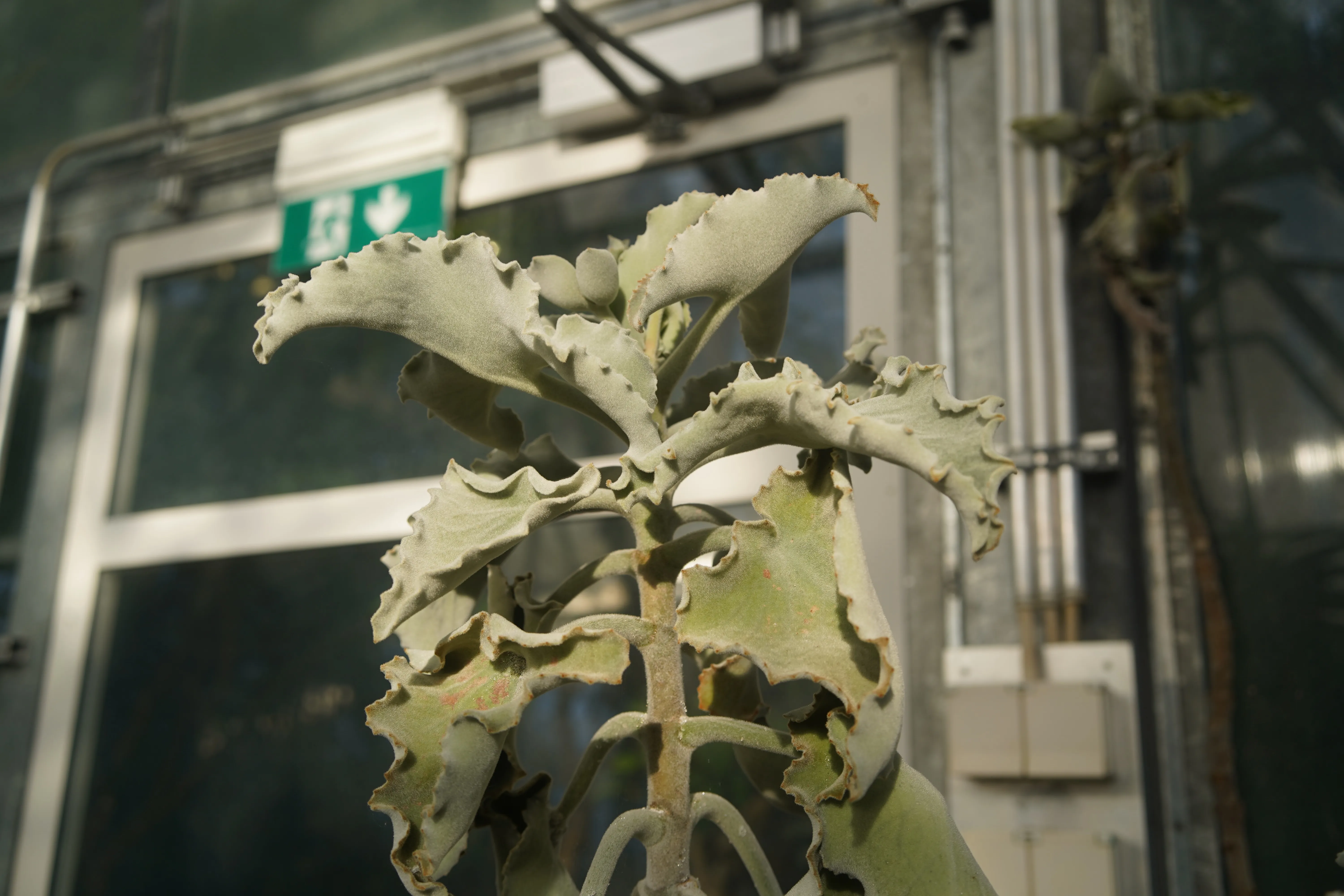
At the center of Steensen’s work in Oulu is this key question of a human’s interaction with the natural world and the natural order of life and death. To Steensen, these relationships are intertwined and have been for some time. A seed is simple enough to fit in the palm of a hand, but in that small package lives something enormous: history, survival, memory, and the possibility of a completely secular afterlife. A seed can hold a version of the world inside itself until the world is ready for it again. As he explores the seed as a vessel of life-bringing preservation, this connection becomes much clearer in the modern day.
“Seeds are therefore simple, commonplace things, with powerful abilities to tell stories about life at large today, and how our technologies and human language have woven themselves into life today,” Steensen says. “I also have become interested in questions of the afterlife, as we have now created seed vaults, cryovats, and systems made to bring back extinct species and protect plants in the future from vanishing.”
As of the writing of this article, 40% of the world’s plant species are at risk of extinction. As technological developments accelerate at warp speed, the push and pull between man and the earth becomes an all-out battle and a zero-sum game. While possessing the technology to create a sustainable world, technocrats tear down this natural world to build data centers for expanding AI systems. Pave paradise, put up a parking lot, etc. What if these plants, these species, could live on? What if we didn’t destroy what is natural, alive, and true?
That tension is built into the physical site of The Kuutar Garden. The installation will be presented in Kivisydän, an underground parking garage in Oulu, and simultaneously a nuclear shelter carved into rock. “The physical site has been central to the inception of the artwork,” Steensen says. “The artwork is experienced as an entire immersive landscape, with projects, sound, and a custom-designed architectural transformation that mimics structures of the actual botanical garden that I visited and digitized to make the artwork come to life… As a result, it feels like you enter a massive ghost-like seed vault beneath the city itself.”
Within this vault, sound echoes and resonates, complete with contributions from sound artist Matt McCorkle and composer Lugh O'Neil. “Sound can deal with vibration inside human bodies, in ways images cannot, and vice versa,” Steensen says. “I think about the artwork in its totality, as a world, a place, and an experience, where several elements connect.”
This totality is what separates Steensen’s work from the sleek, empty promise of so many virtual worlds. When I ask what he thinks draws people to video games and the other virtual realities of today, his answer is simple: “Animation, sound, space, movement, emotion, story, fused into a single rhythm and experience you engage with.”
Maybe this is also what draws us to nature, or to art, or to myth. It’s a system that makes us feel smaller, stranger, more alert to our own vitality. It is a tad ironic, crafting a manmade experience about a world beyond human intervention, but it’s a beautiful human irony. Throughout the centuries of man’s existence, art and artists have aimed to capture the incandescent, the transcendental, the constantly shifting, and what is no longer there. Steensen is doing something similar, only his canvas is made of code, sound, fieldwork, folklore, plants facing extinction, underground rock, and the uneasy human hope that something can still be saved.
When it comes to his hopes for what visitors take away from The Kuutar Garden, Steensen is less interested in prescribing a lesson than creating a world open enough for people to find their own way through it. “I don’t have specific hopes like that when I make artworks,” Steensen says. “What they get out of that also depends on who they are, where they are from, what expectations they have, and how much they are able to let go of themselves to absorb into them these images and sounds the artwork evokes? I do hope they feel something deep inside of them, a question or connection, to a new organic and virtual reality.”
Stay up-to-date with exclusive events and content.


