F L A U N T


"Living is being happy: seeing, hearing, touching, drinking, eating, urinating, defecating, diving into the water and gazing at the sky, laughing and crying,” Milan Kundera writes in The Book of Laughter and Forgetting. In the anthology, one learns that there is a surprising correlation between the physical sensations laughter involves and the emotional ones forgetting elicits, as the way our bodies react to sorrow and bliss, pleasure and pain, is actually quite similar: both have a lot to do with tears, aches, and a loss of appetite.
This fall, GAG, mixed media exhibition and accompanying art book titled: GAG: The Art of Comic Trouble, will debut at Rochester, NY’s George Eastman Museum. The exhibition explores a similar theme through the concept of the “gag,” a term with abundant, often contradictory emotional and bodily connotations. Emerging in the 15th century, the word described choking or strangling before it gained its lighter, comedic associations, only coming to define a joke, a bit, a laugh, or a surprise centuries later. In all its iterations, “gag” implies a meeting between internal sensation and physical reaction, each with the capacity to render the subject incapable of speech.
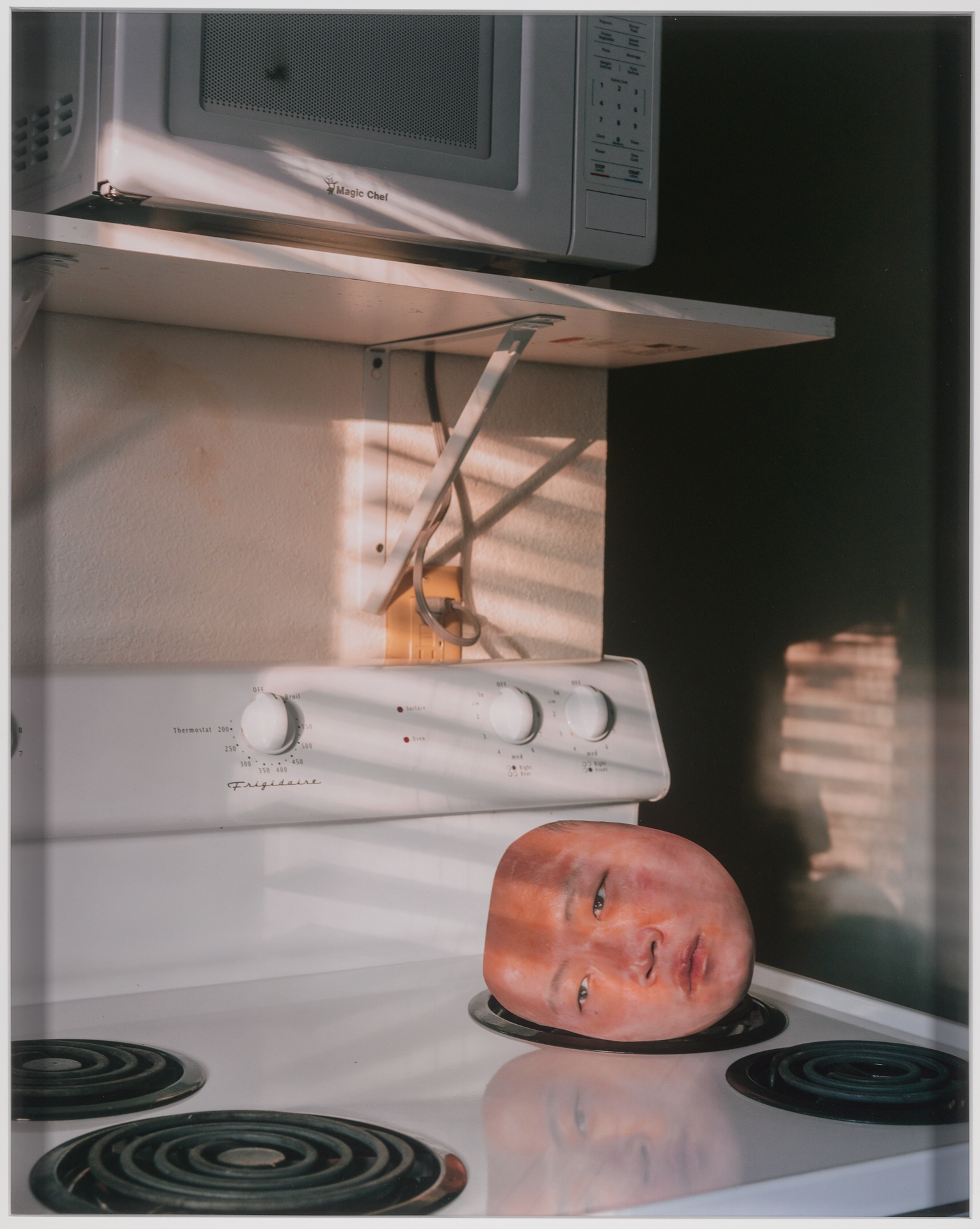
GAG embraces every definition, presenting works by contemporary artists—including Peggy Ahwesh, Lucas Blalock, Patty Chang, Talia Chetrit, Buck Ellison, Martine Gutierrez, Whitney Hubbs, Steffani Jemison, Arnold J. Kemp, Tommy Kha, Tala Madani, Paul Pfeiffer, Pope.L, Josephine Pryde, Torbjørn Rødland, and Erin Calla Watson—alongside historical photographs from the George Eastman Museum collection, which, together, illustrate a rich lineage of gag(s) and touch on the term’s queer, comedic, judicial, and sexual history. There is something innately ineffable about the gag, which the exhibition recognizes and seeks to address, providing a language for what evades conventional categorization.
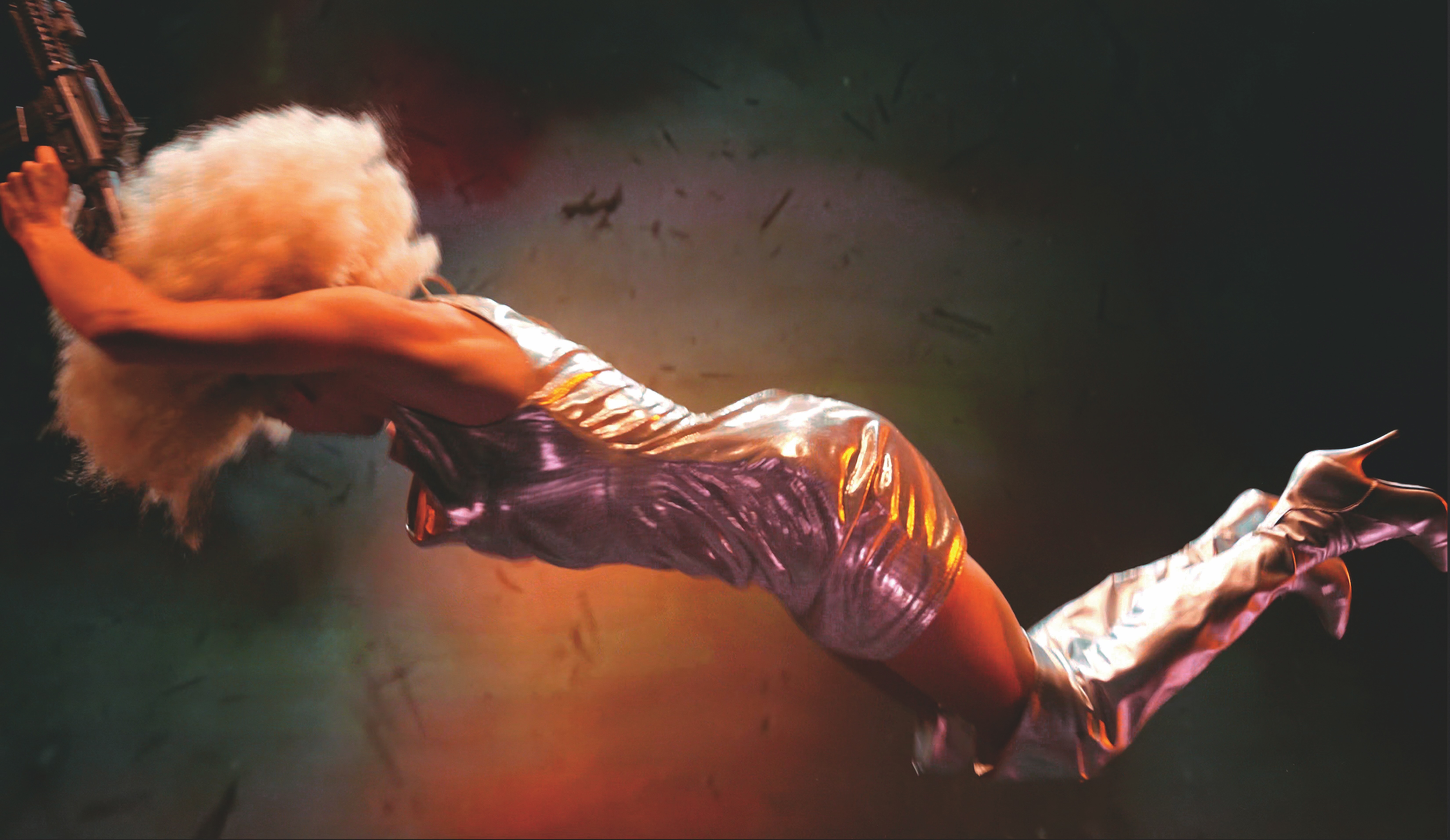
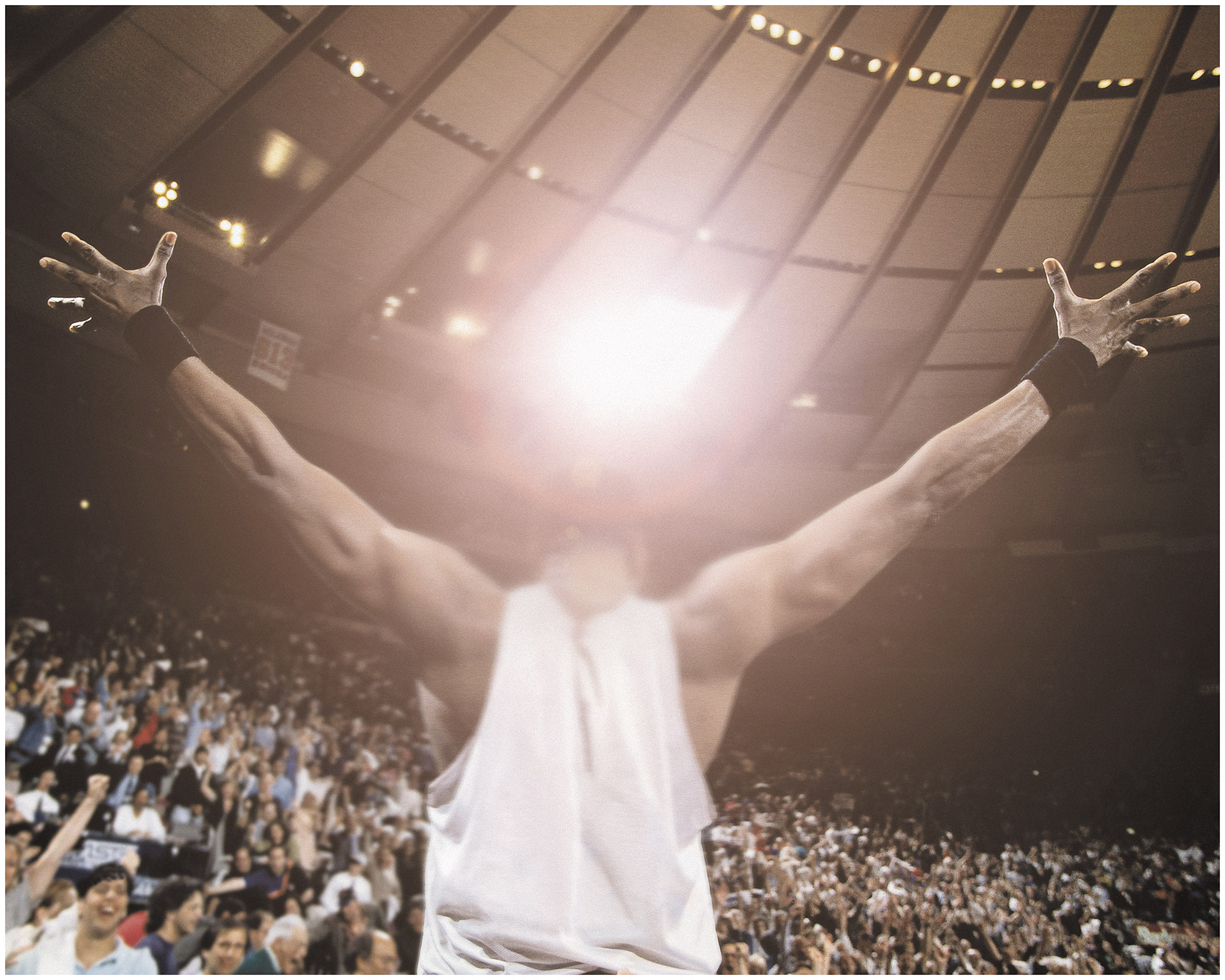
Curated by Phil Taylor, the photographs convey emotion that transcends rhyme or reason, expressed through a series of distorted, detached, disembodied figures. In embodiment theory, scholars examine how our inner and outer lives inform one another: how our psychological, emotional, and even spiritual experiences can be reflected in or represented by our surrounding environments and bodies. GAG echoes this search. At times, the bodies appear buoyant, floating mid-air; at others, glowing, engulfed in light; and others still, metallic, robotic, inseparable from machines. Each piece is somehow both silly and serious, an inquiry into how the gag transforms the way bodies inhabit space and one another, a reminder that life and discomfort and happiness go hand in hand.
Stay up-to-date with exclusive events and content.


