F L A U N T


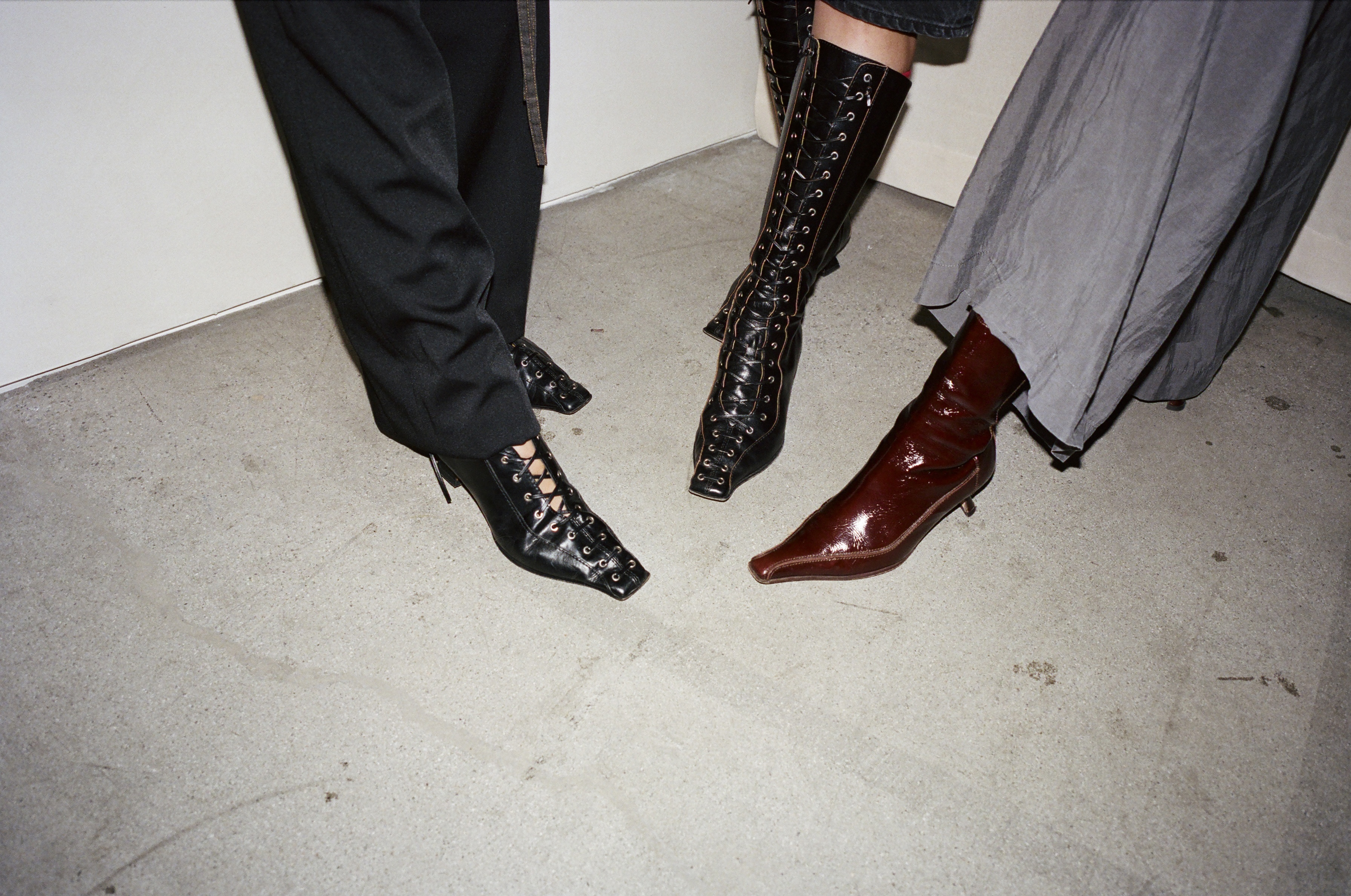
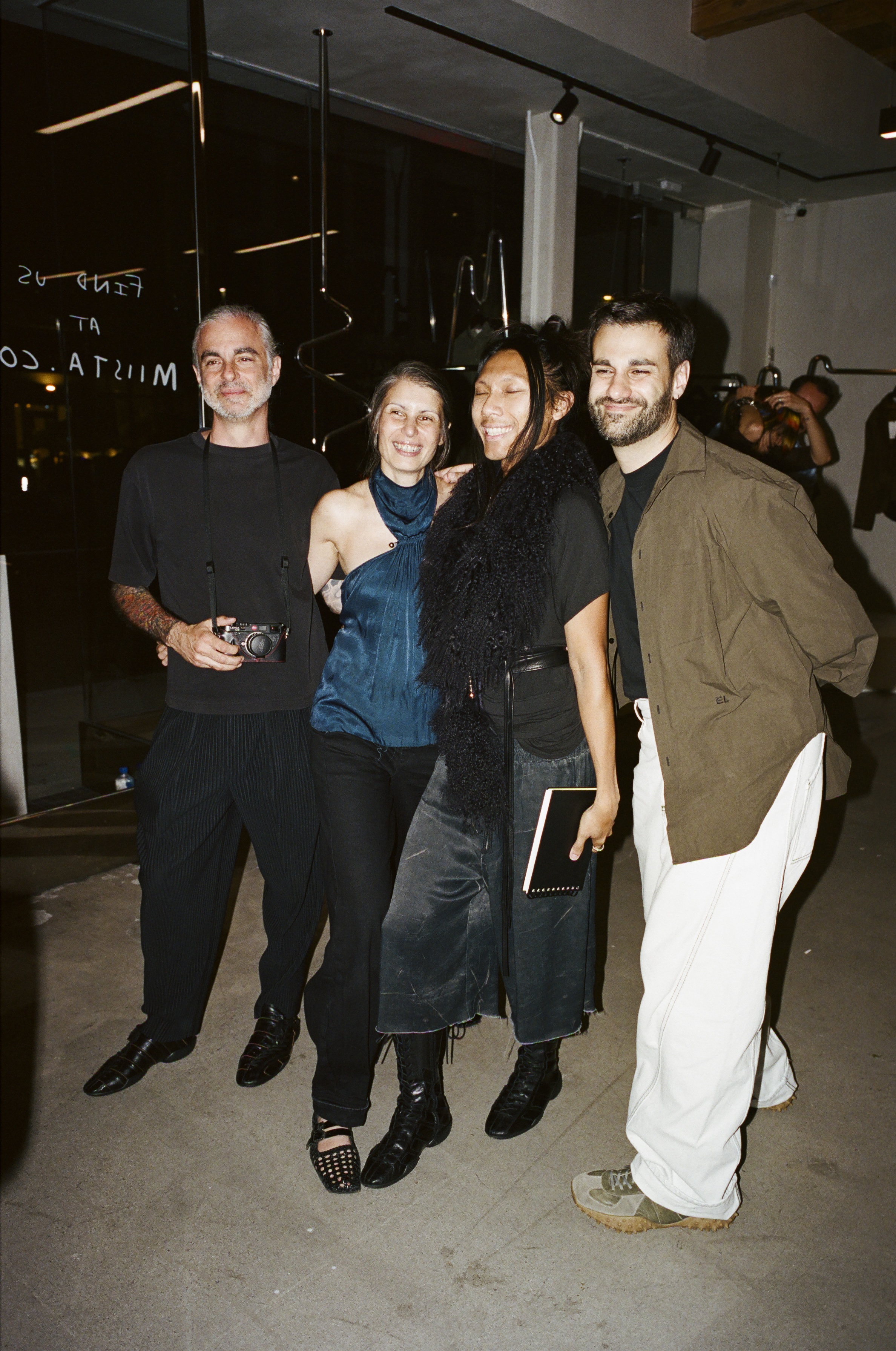
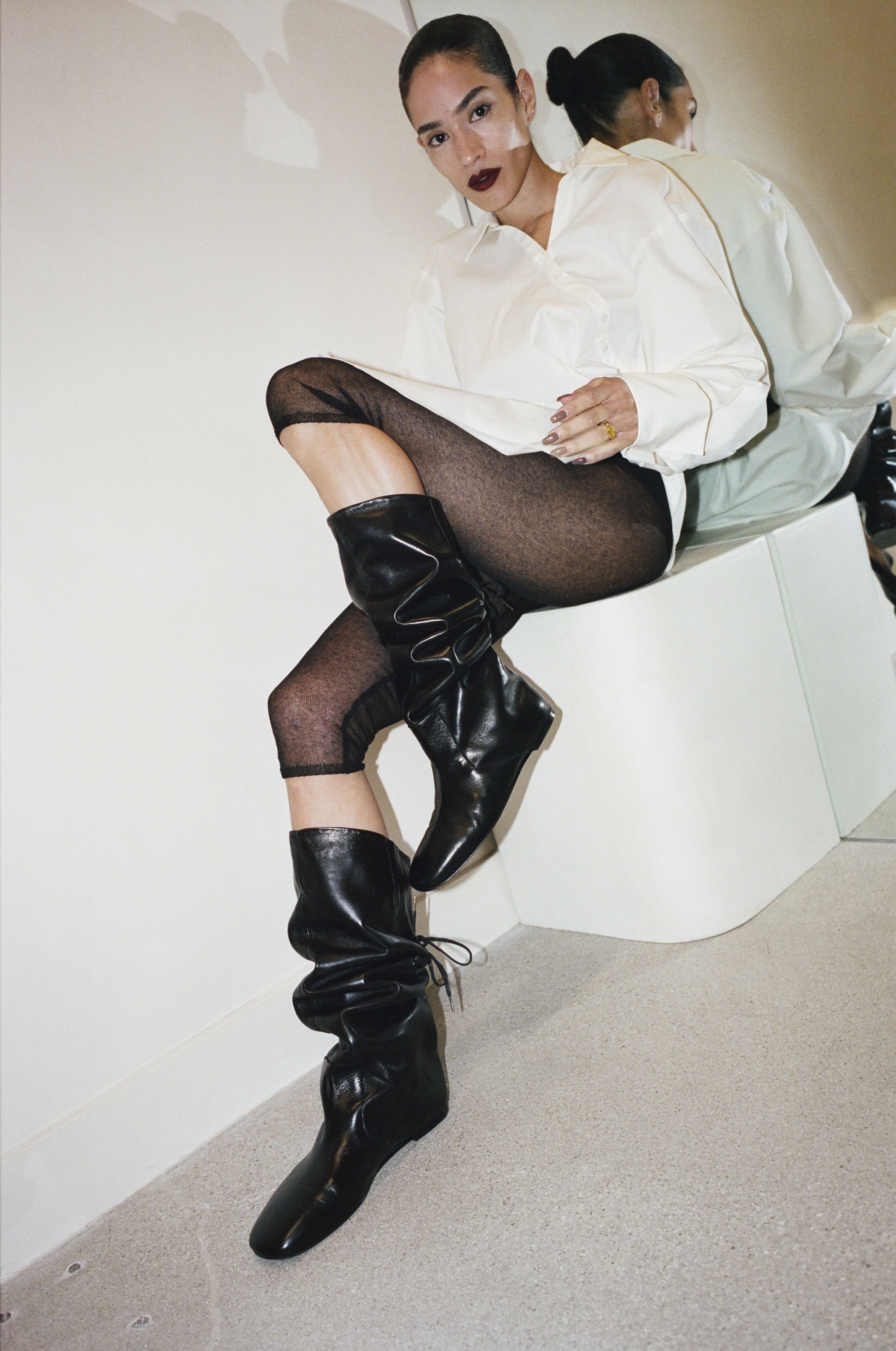

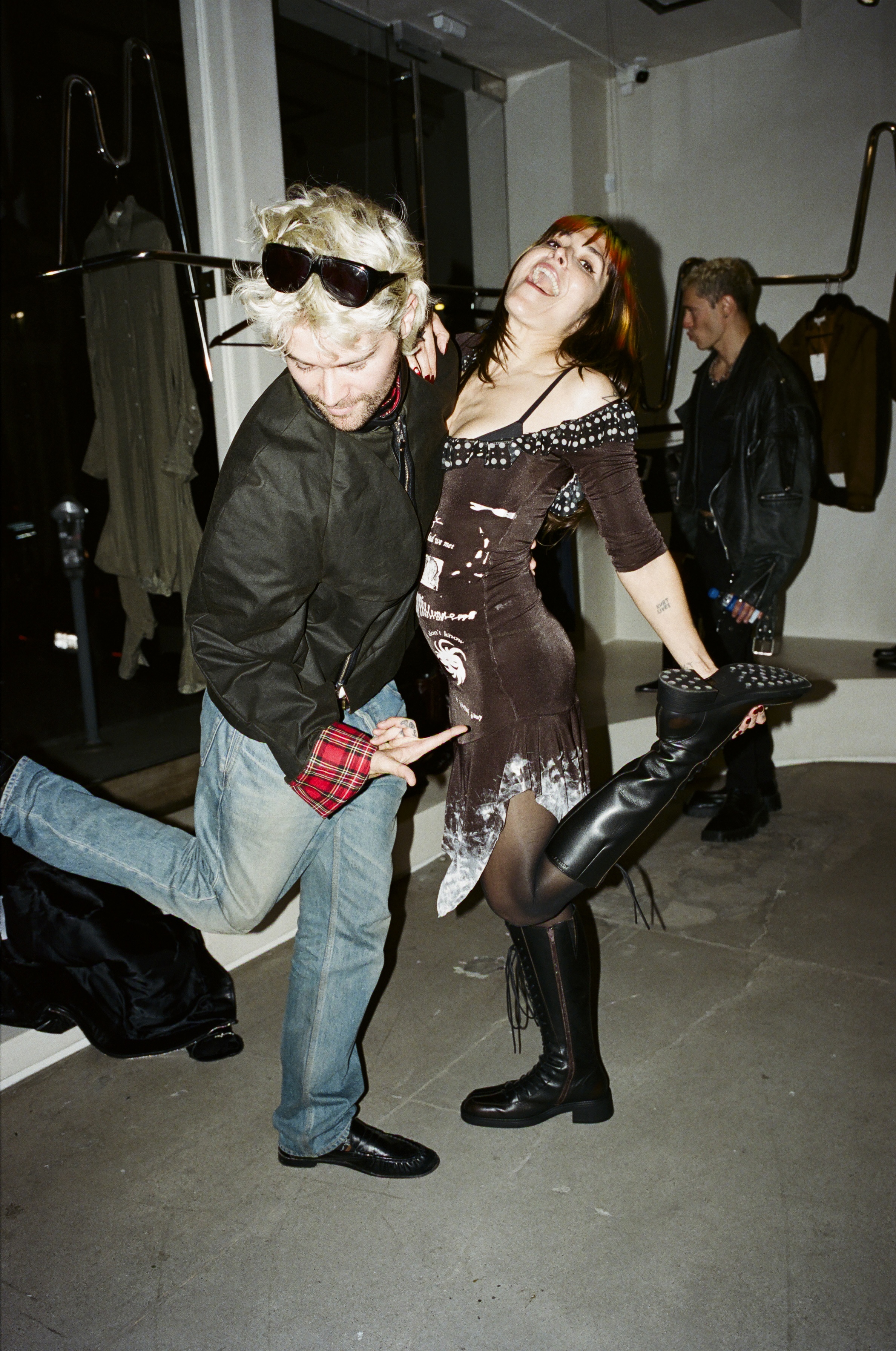
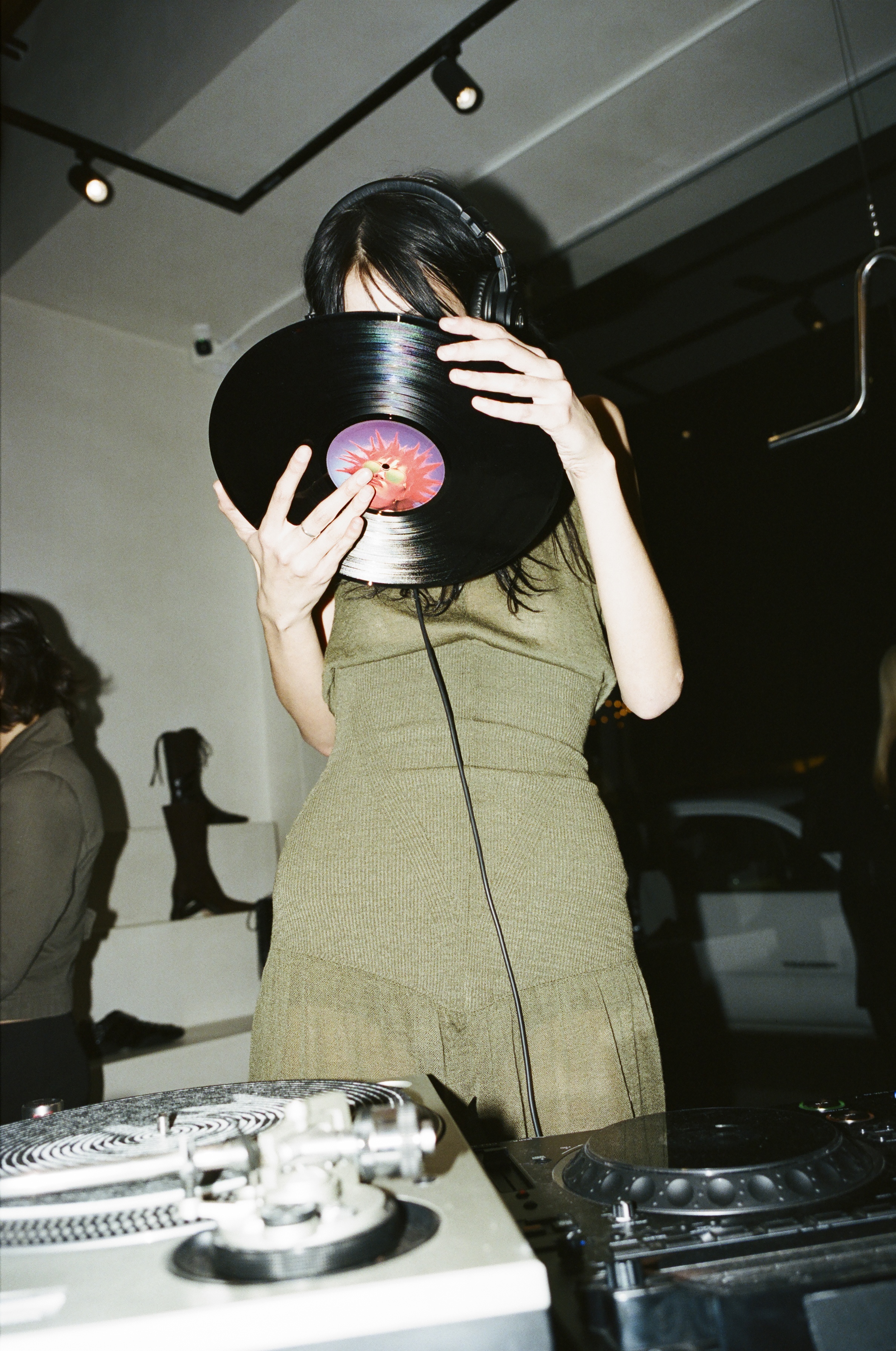

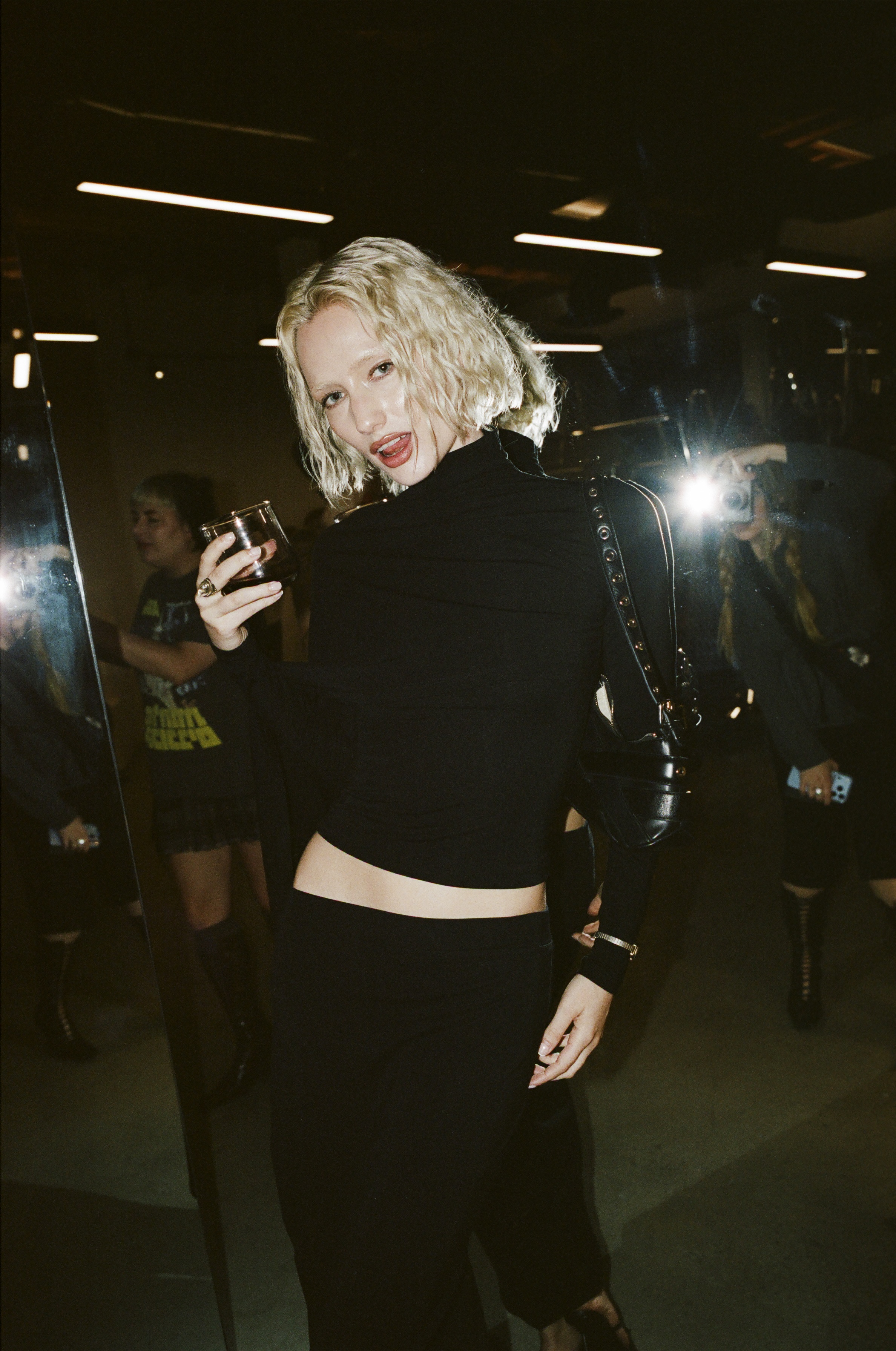
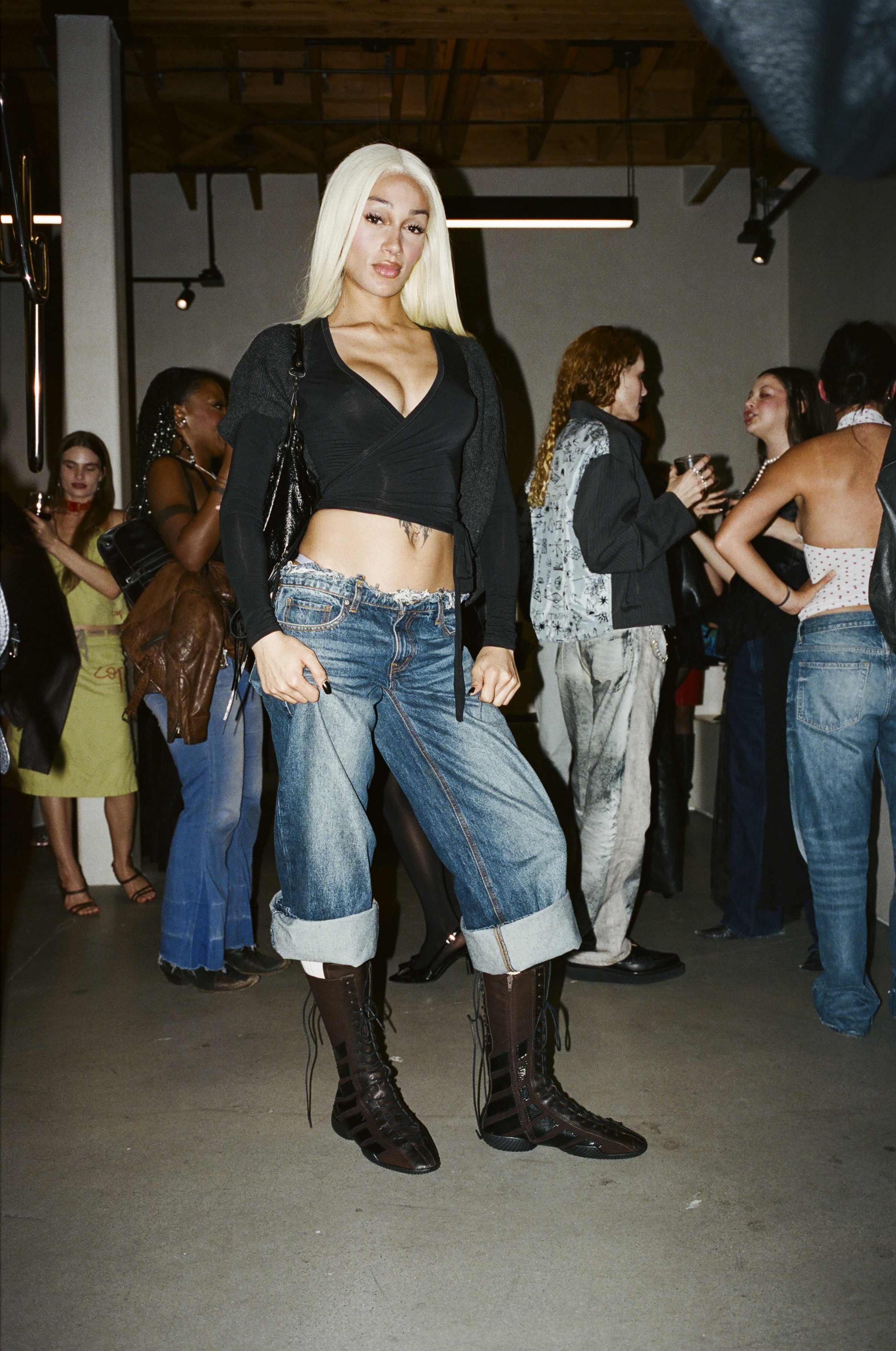
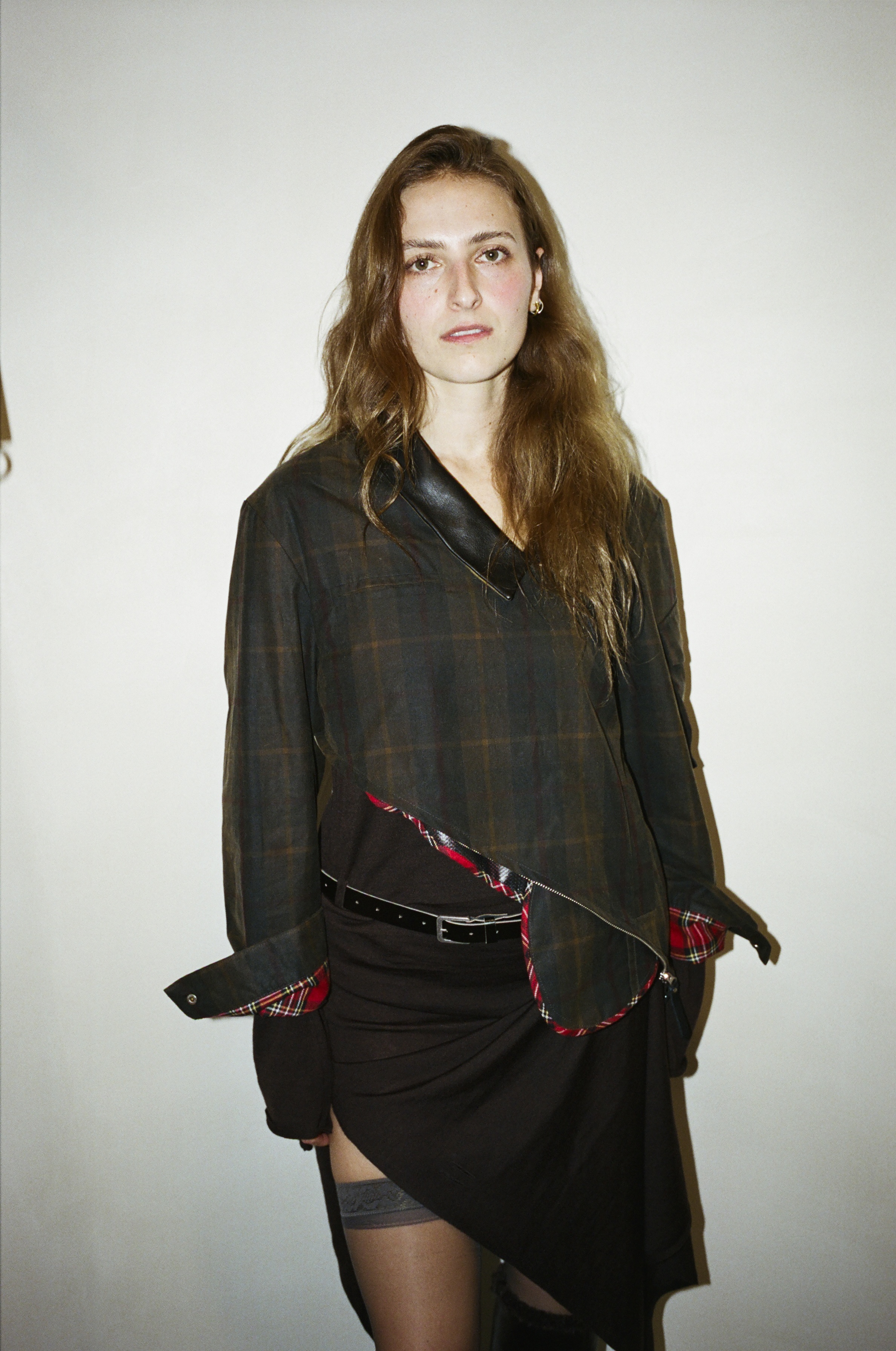
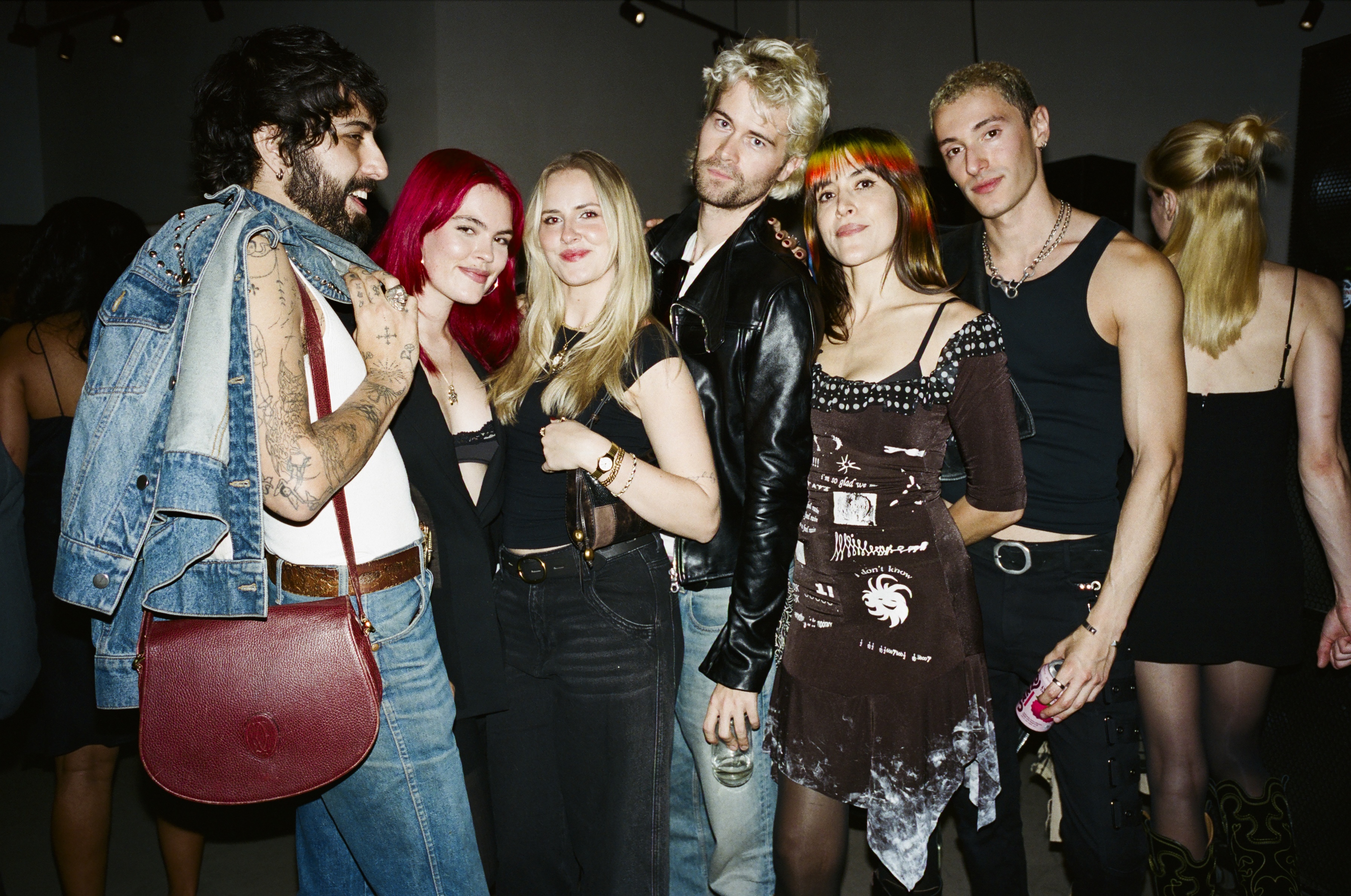
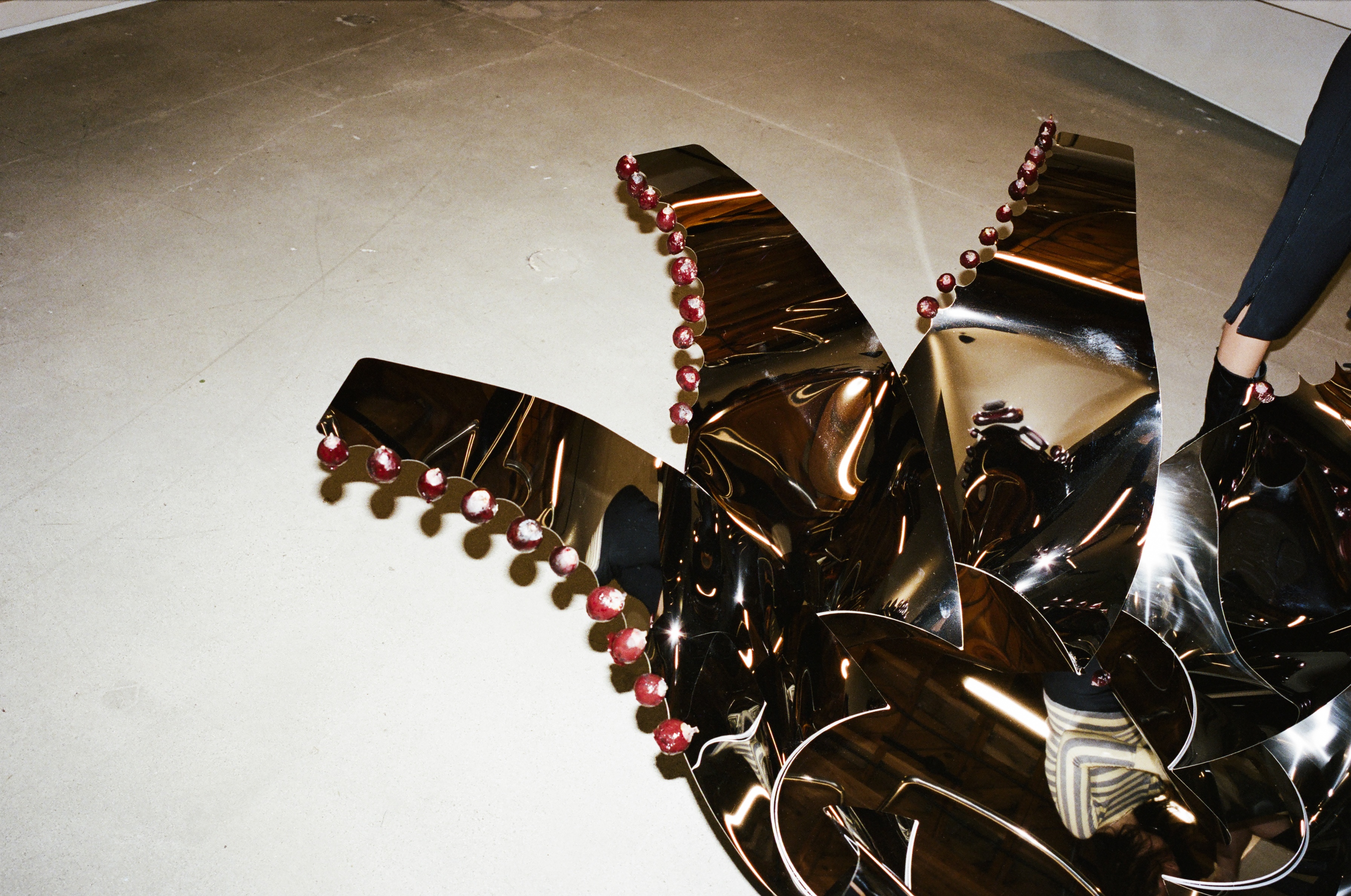
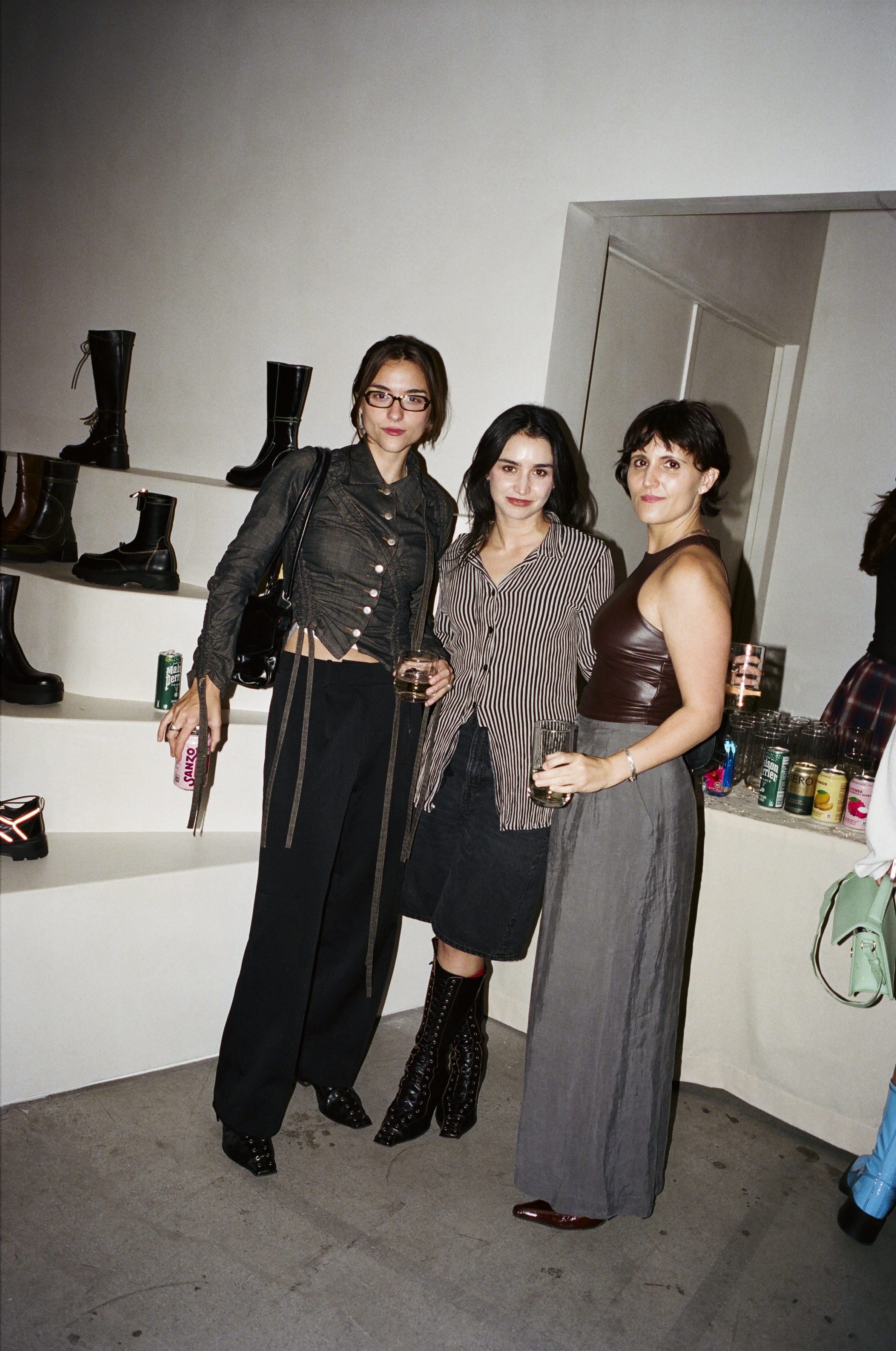
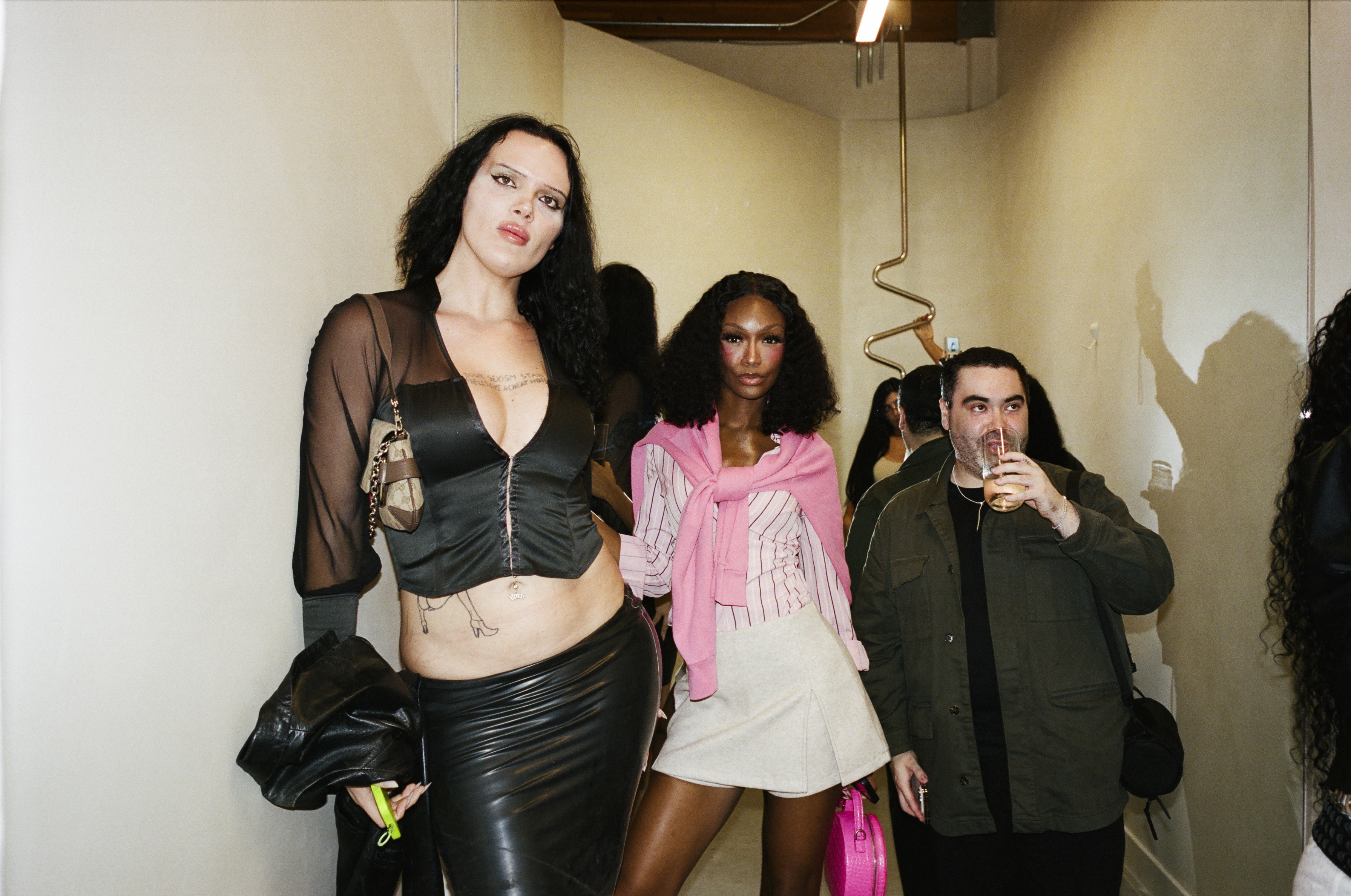
You can tell a lot about an individual by the way they treat their feet. The lower phalanges are, after all, the conduit between the human and the world who hosts them. The foot affects the legs affect the gait affects the stature affects the aura affects the soul, and a thoughtfully-selected shoe will synopsize all. As I stand adjacent to an oscillating metal flower adorned with chocolate-covered figs on the opening night of Miista’s inaugural Los Angeles store, I find myself surrounded on all sides by permutations of this soul-search. Miista, though widely beloved for its playful styles, is a brand that encourages deliberation. Who wouldn’t, when the soul is at stake?
Founded in East London in 2011 by Spanish designer Laura Villasenin with co-owner, business partner, and brother Pablo, Miista’s mission is to do what they have coined “The Opposite Thing,” — that is, to transgress previously established design, fashion, and business codes to create something interesting and filled with character. For Miista, this ethos has proven immensely successful. Though they started with footwear and accessories, the company expanded into ready-to-wear in 2021. They’ve got stores across the world (London, Paris, New York, Barcelona, and now Los Angeles). They adorned Charli XCX on her breakthrough BRAT tour. They upset right wing media on Rama Duwaji at the mayoral inauguration. A Miista boot is recognizable from a mile away and the Miista name is everywhere.
It is nice, as well, to see a brand this culturally ubiquitous take its responsibility to the consumer and to the world so seriously. Miista operates with what they call a short supply chain. All of their goods are handmade in their own factory in A Coruña, Spain and partner factories in Spain and Portugal and all of their materials are sourced within the EU. Production for a single product takes seven months. Central to Miista is not the look but the craftsmanship behind the look.
To put it bluntly, the wearer of a Miista piece is sexy not just because they’ve got leather laced like bondage running from their heel up the back of their calf, or because they’re brazenly embracing the absurd, but because they’re signifying that they’ve thought about what they’re wearing, and the brand has thought about them wearing it.
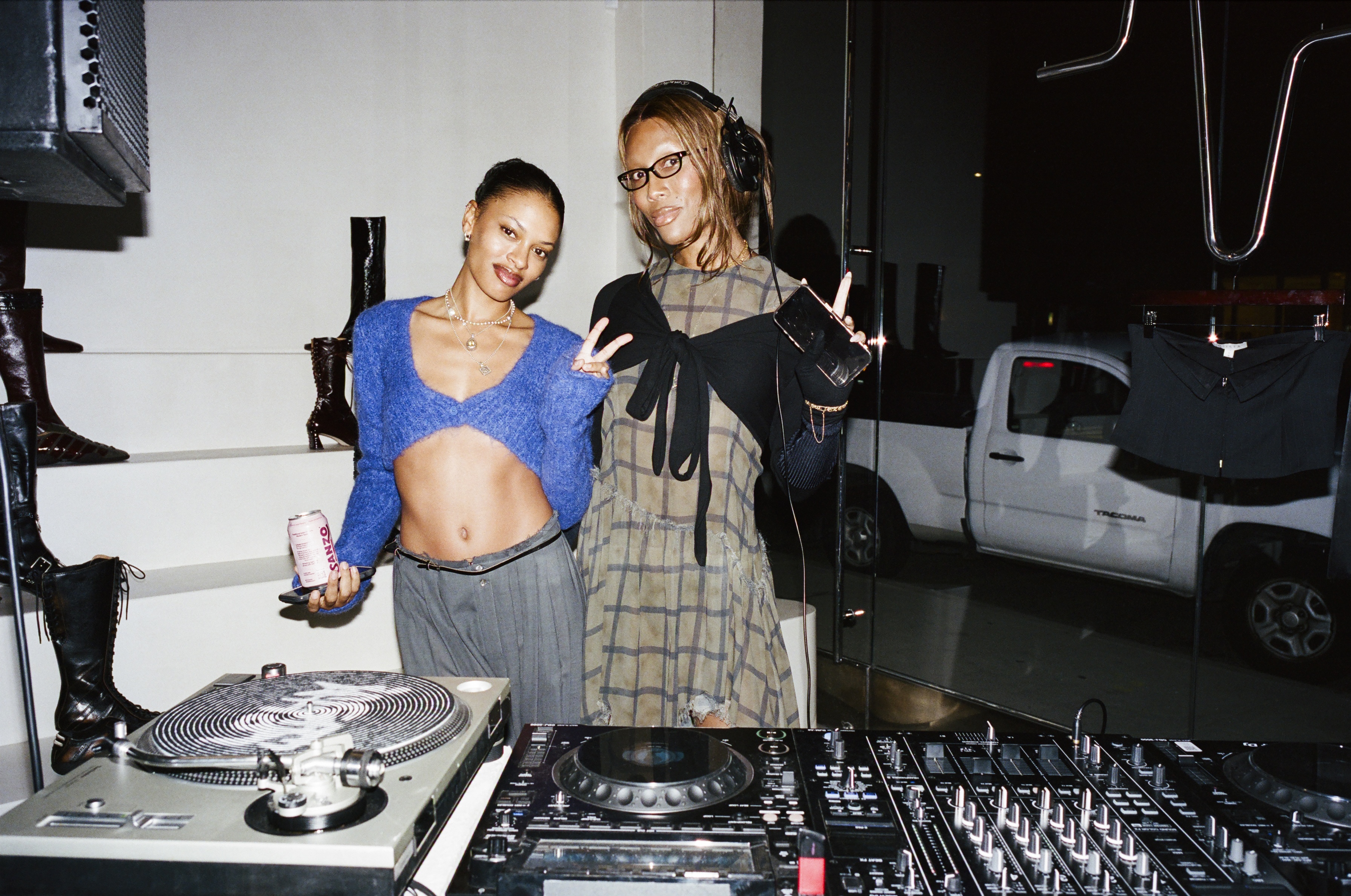
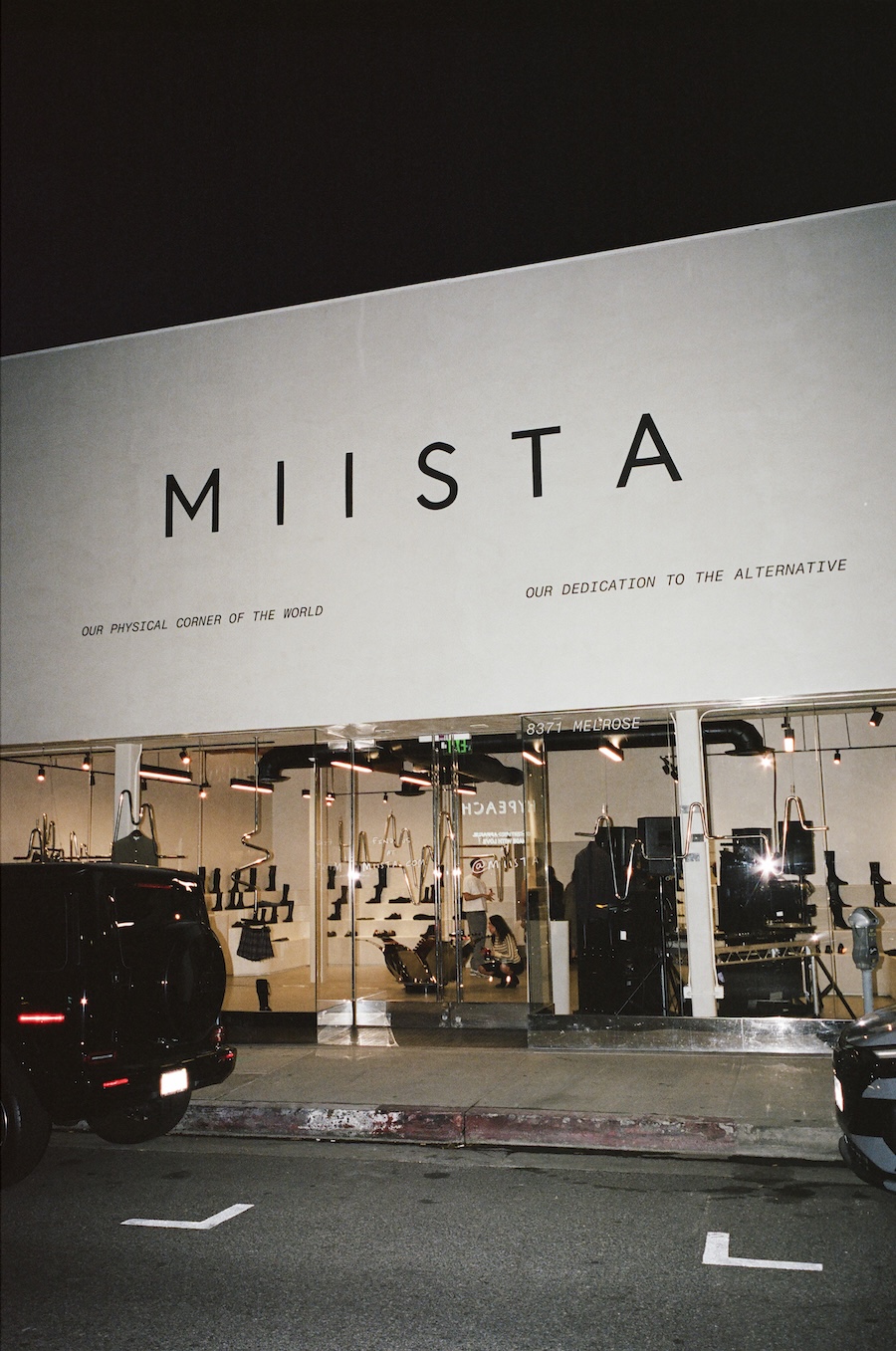
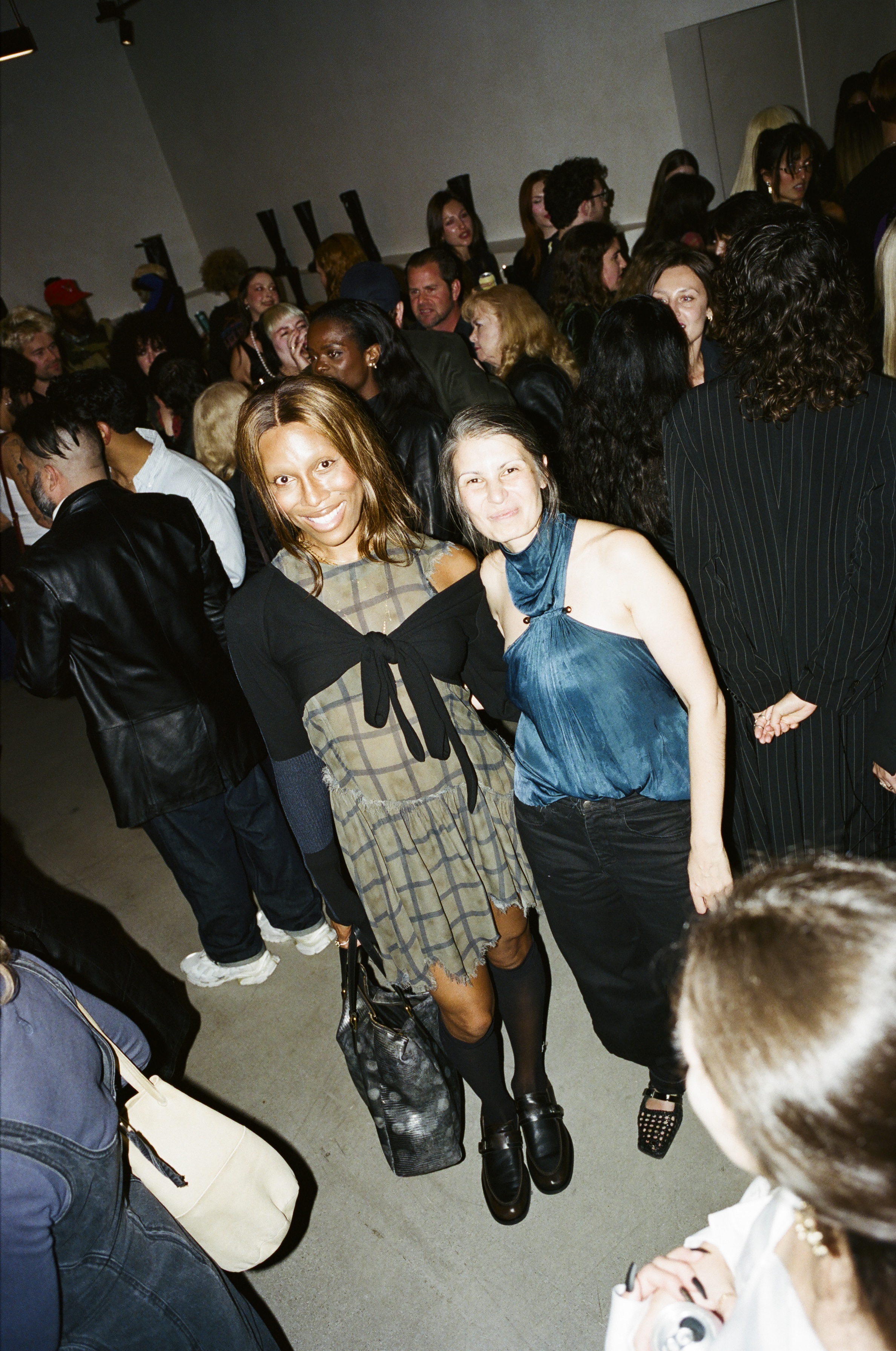
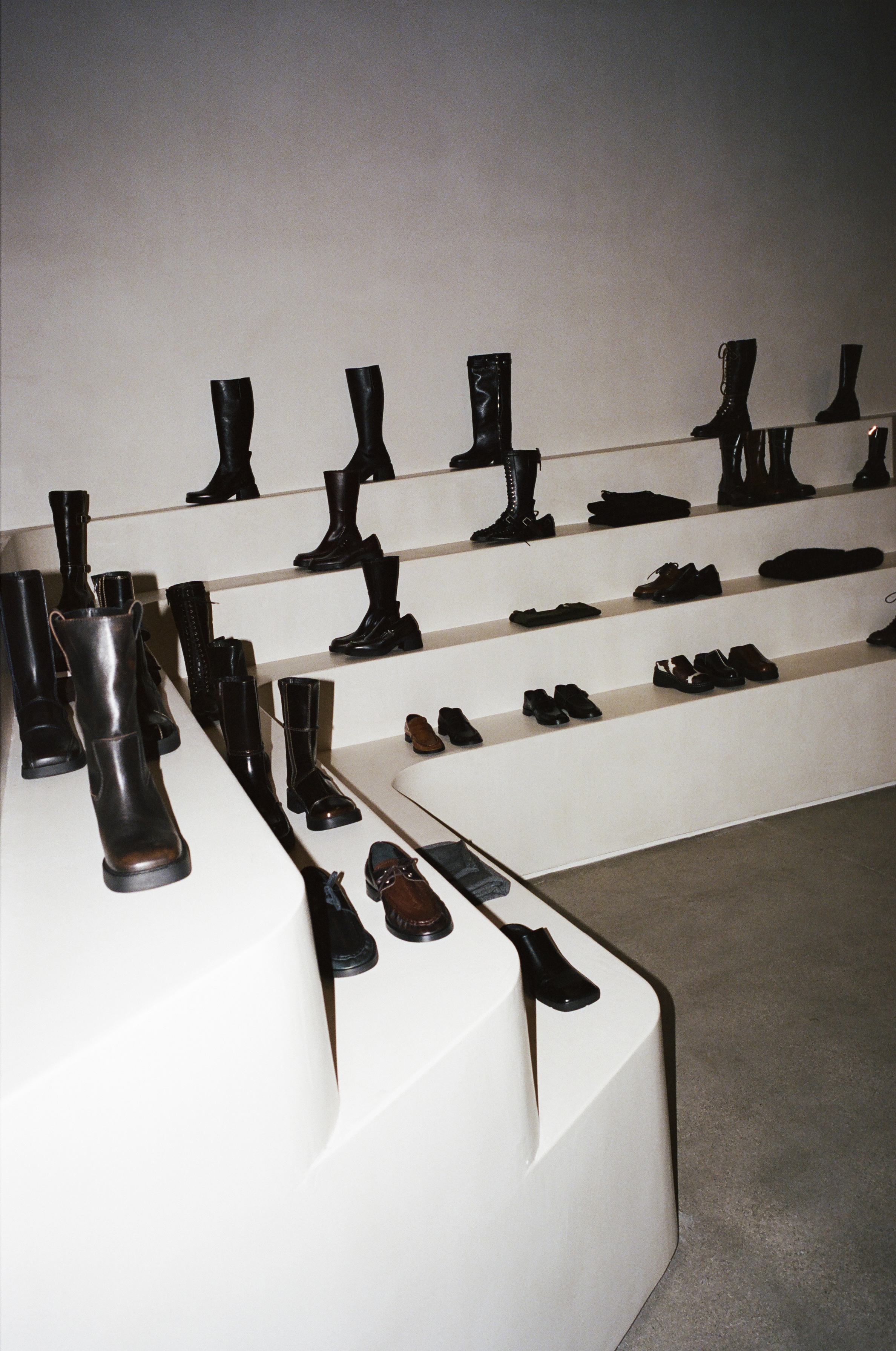
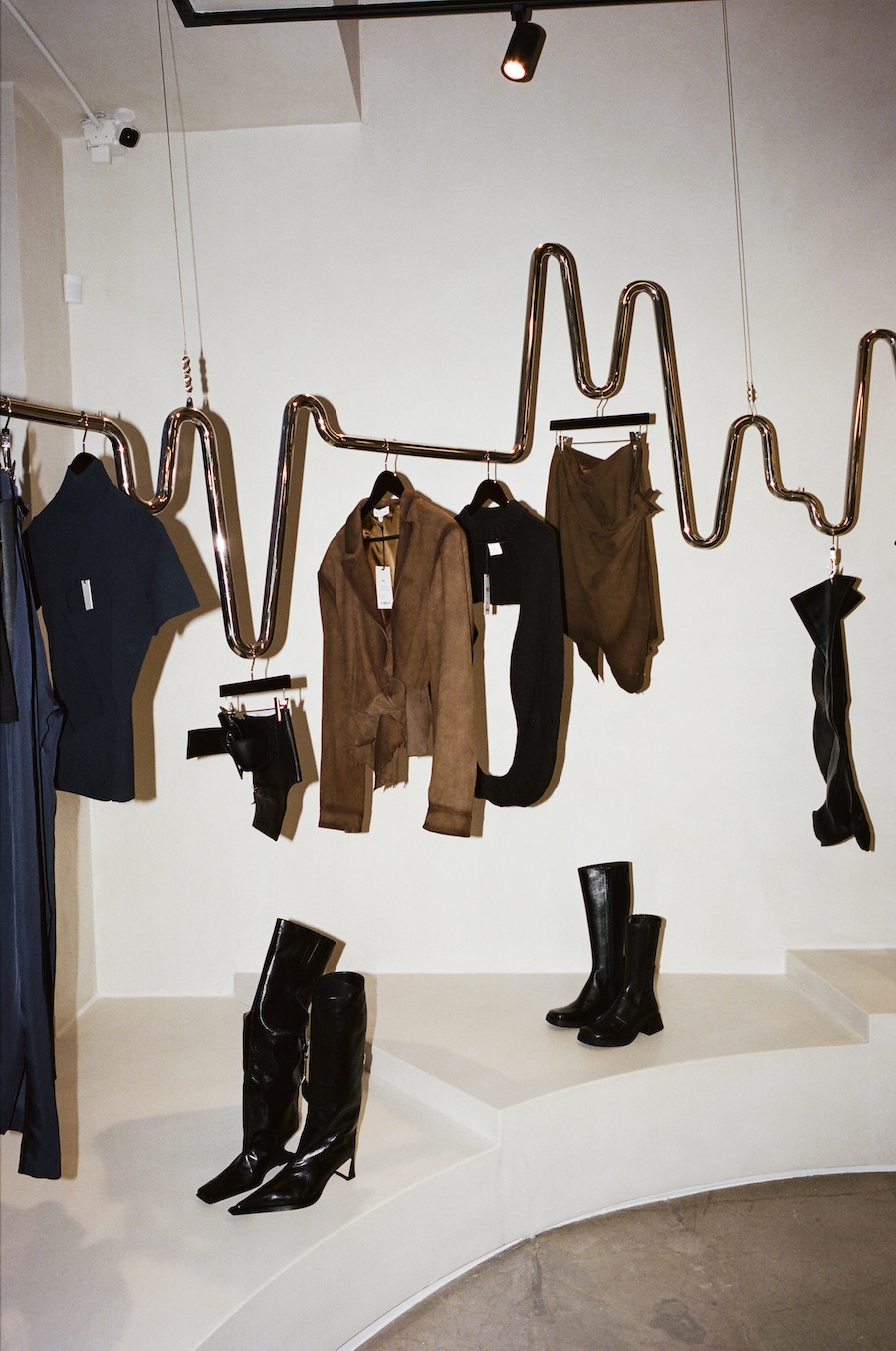
It’s evident that just as much care has been poured into the Los Angeles storefront. The opening featured the aforementioned experimental food sculpture by Ananas Ananas, music by the glamorous Saturn Risin9 (soon to be seen in A24’s Club Kid), and punk rocker Arrow De Wilde. In the space, the shoes rest on tiered platforms, hugging the walls, as if they are spectators to an arena of consumption. The dressing rooms look like caves. The clothes hang from squiggled rails, inspired by soundwaves. It’s a place that makes one feel as if they have stumbled, accidentally, into a gap between the future and the present, one in which everything that should be familiar looks and feels ever-so-slightly askew. Such is the Los Angeles way. Such is the Miista agenda.
Below, see FLAUNT’s conversation with CEO and founder Laura Villasenin about the Miista woman, the Angelino appeal, and the future of footwear.
Describe the ideal Miista woman. What are her tastes, her goals, her dreams, her fears?
If there’s one thing that connects the people who wear Miista, it’s curiosity. They’re looking for an alternative to the everyday. They want to know how their clothing and shoes are made, and they want to wear things that have been thoughtfully designed. They’re creative, confident and unafraid to share their point of view. We want to dress people who want to explore and play with their identities: serious and silly, feminine and masculine, understated and dramatic, ambitious and relaxed. They embrace their contradictions and are constantly evolving. They’re people who question the status quo that make mistakes but can find enjoyment in that process, in life’s journey.
What was the first garment that ignited a strong emotion within you, either positive or negative? How does Miista work to keep that feeling aflame?
I’ve always been attracted to things that feel a little unexpected. Something that at first, you might think is imperfect, or even ugly, but the more you look at it, the more beautiful it becomes. That tension is something we play with a lot at Miista. What’s always fascinated me about clothing is its ability to transform how you feel. You can put something on and suddenly become a slightly different version of yourself: more confident, sensuous, powerful or rebellious. So much fashion is about fitting into a trend, being part of a crowd. But sometimes a piece should challenge you a little, make you curious, make you question why you like it. We spend a lot of time challenging the standards and conventions of making clothing and shoes: inverting shapes, changing proportions and experimenting with different finishes and textures. We want to provoke an attitude, to offer another point of view.
Miista takes craftsmanship and artisanal heritage quite seriously. What is something about the artisanal history of the North of Spain that others may not know or pay attention to?
In Galicia, there is a long history of making things by hand, particularly in textiles and linen, and a strong culture of resourcefulness. People have always worked with what was available to them, repairing, adapting and finding ways to make things last. I think there is a lot of creativity in that.
Something that concerns me is that many of these skills are disappearing, not because they are no longer valuable, but because younger generations don't necessarily see a future in them. We like to say, we’re on a mission to make craft sexy again. I don't want craft to exist only as something we look back on nostalgically. I want it to feel exciting, contemporary, and be something a young person will want to dedicate their life to.
That’s one of the reasons we set up our own clothing factory in 2021 in Galicia. And why we’ve invested in building in a new, larger facility, which is due to be completed next year. You’ve got to have the infrastructure to be able to facilitate change like this.
You’re opening a boutique in Los Angeles. What excites you about this city? Why here and why now?
Los Angeles has been somewhere we've wanted to establish a home for a long time. I've always been interested in people who move between different disciplines and identities, and LA feels like a city where that happens very naturally. There's an energy there, so many amazing, bubbling underground scenes. In LA, you feel the fluidity between fashion, music, film, performance, art. People are open to experimenting and doing things their own way.We're an independent business, so every new opening is a big investment, and not one we take lightly. But we've been building a relationship with the city for some time, and it feels like the right moment to make that relationship more permanent.
For us, opening a home here is about making space for like-minded people to come together. It’s not just about a fixed location; it’s about creating a spirit – an attitude. Somewhere that embodies our values and what inspires us, and where ideas are continually remade in response to the people within it.
Our stores bring craft, connection, conversation together. They’re places where we can engage with the people who enjoy what we do and get to know them better. It's incredibly exciting, and a little terrifying, which is usually a good sign!
When you think of the future of footwear, what does it look like?
There’s so much product in the world. I hope the future of footwear is one where we reconsider our relationship with what we own: buying more selectively, based on how something is made, looking after the things we wear, repairing them and keeping them for longer. These shouldn’t feel like radical ideas.
For Miista, the future means continuing to make shoes, clothing and accessories that explore and experiment with shape, materials and proportion, challenging conventions, whilst investing in the people and process behind our craft. We’ll aim to shorten our supply chain even further. The more we can rebuild our industry in Europe, on our terms, the better. Creativity and responsibility shouldn’t be opposing ideas. It’s about finding ways to allow these elements to exist together. Technology will undoubtedly play a supporting role, but our future will be about retaining artisanal skills and knowledge and inspiring the next generation to carry them forward. The knowledge of a craftsperson, the way each piece is made slightly differently, embodying the decisions the craftsperson makes with their hands - these are things that give what we wear character.
At Miista, footwear was our starting point, but after launching our clothing line in 2021, clothing has become an equally important part of how we explore identity, proportion and the different characters we can become through fashion. For me, it's all part of the same conversation.
Stay up-to-date with exclusive events and content.


