F L A U N T


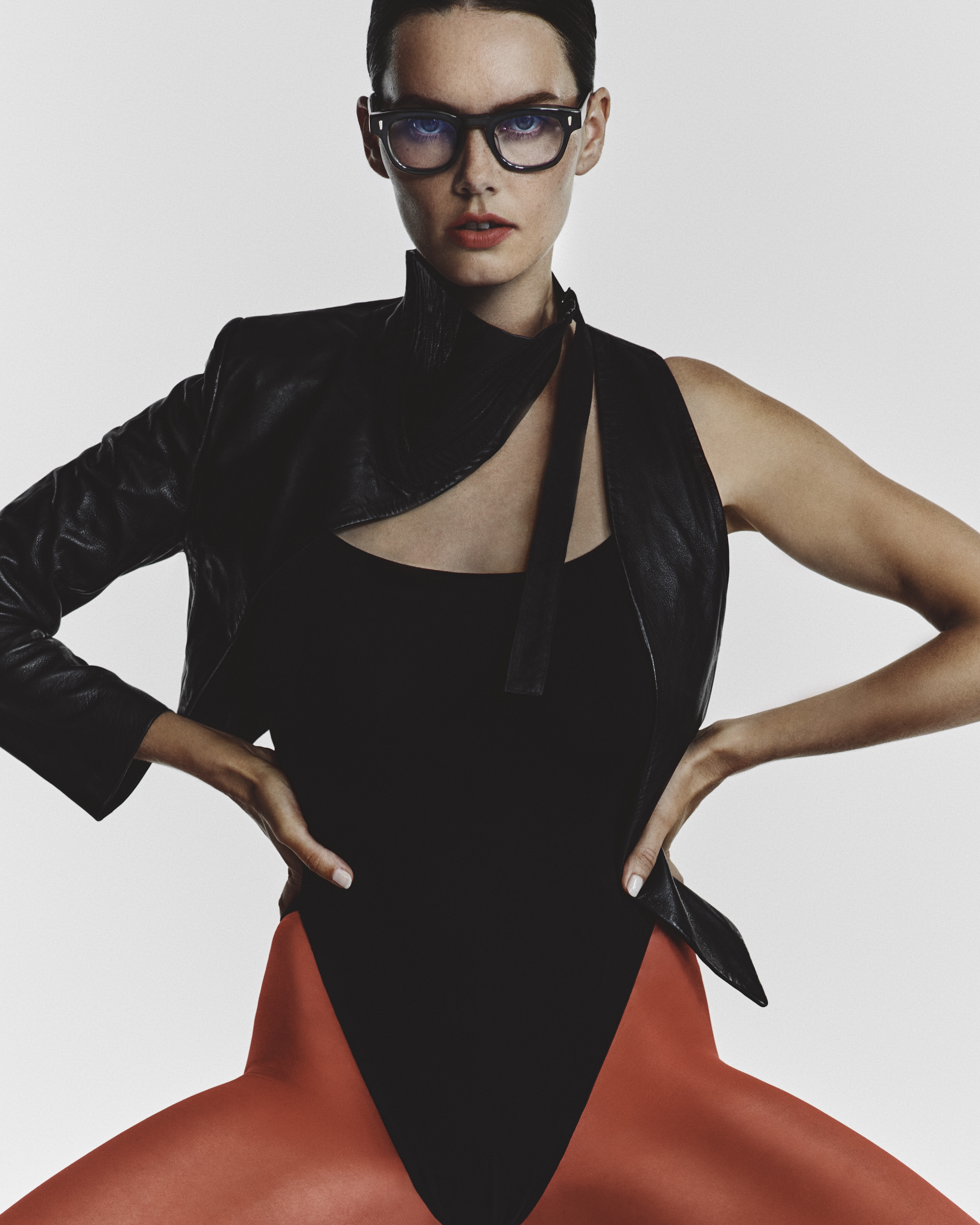
Eyewear should never be tedious. After all, we possess two little portable paradises that allow us to absorb all the poetry around us. Eyewear calls for adornment, for a level of detail mimetic of the gift of human sense. Thus, Morgenthal Frederics was born: the cult-classic eyewear institution known for adorning New York elites for over a century.
Morgenthal Frederics just released its Fall/Winter 2026 collection under the new direction of former DITA founders John Juniper and Jeff Solorio, their inaugural release since becoming the company's co-creative directors. “This collection establishes the breadth of our direction from the beginning. It moves across optical and sun, and across horn, acetate and titanium,” say Juniper and Solorio. “Some frames are quietly refined; others have a much stronger presence. What connects them is material integrity, confident proportion, and an attention to detail that rewards a closer look.”

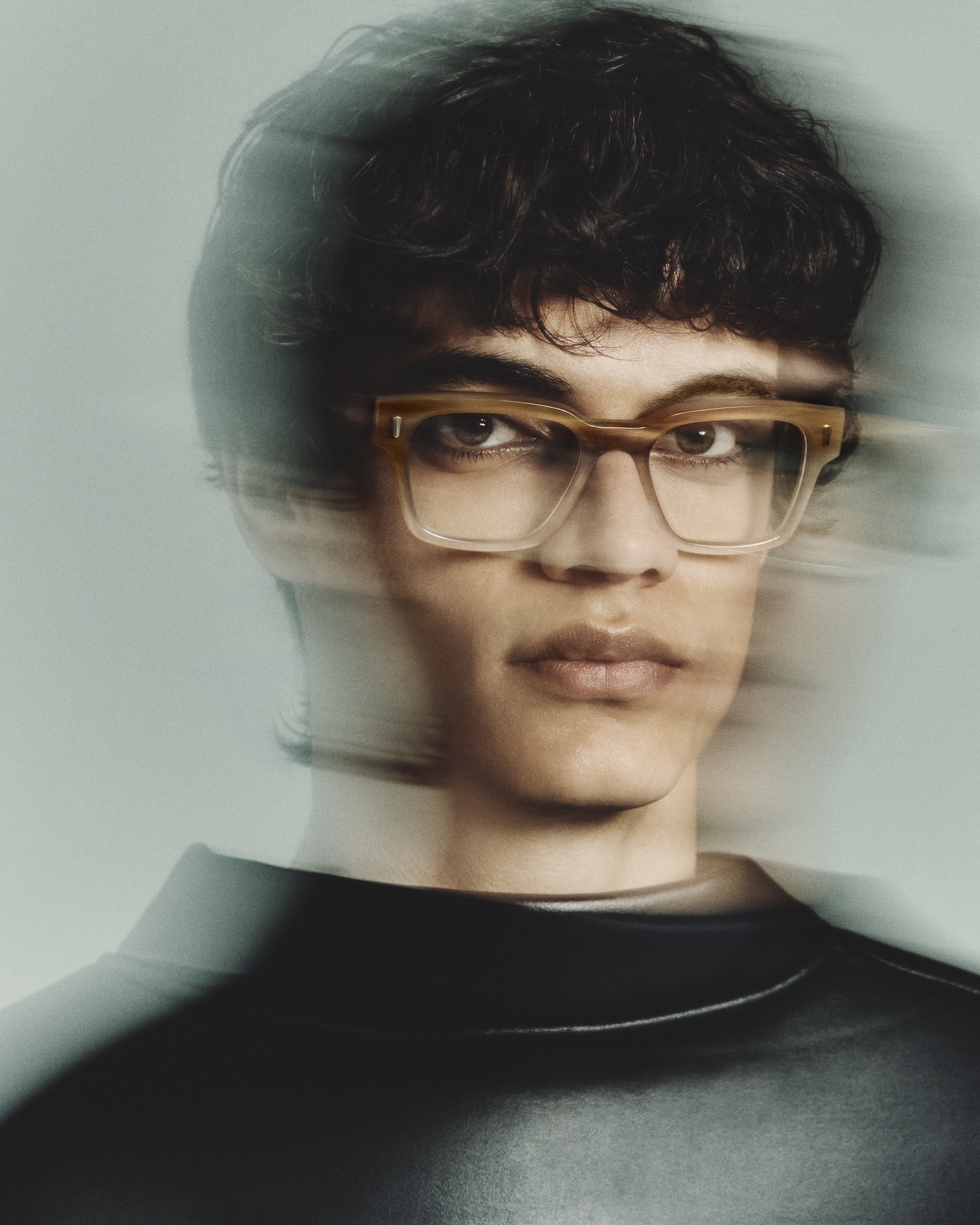
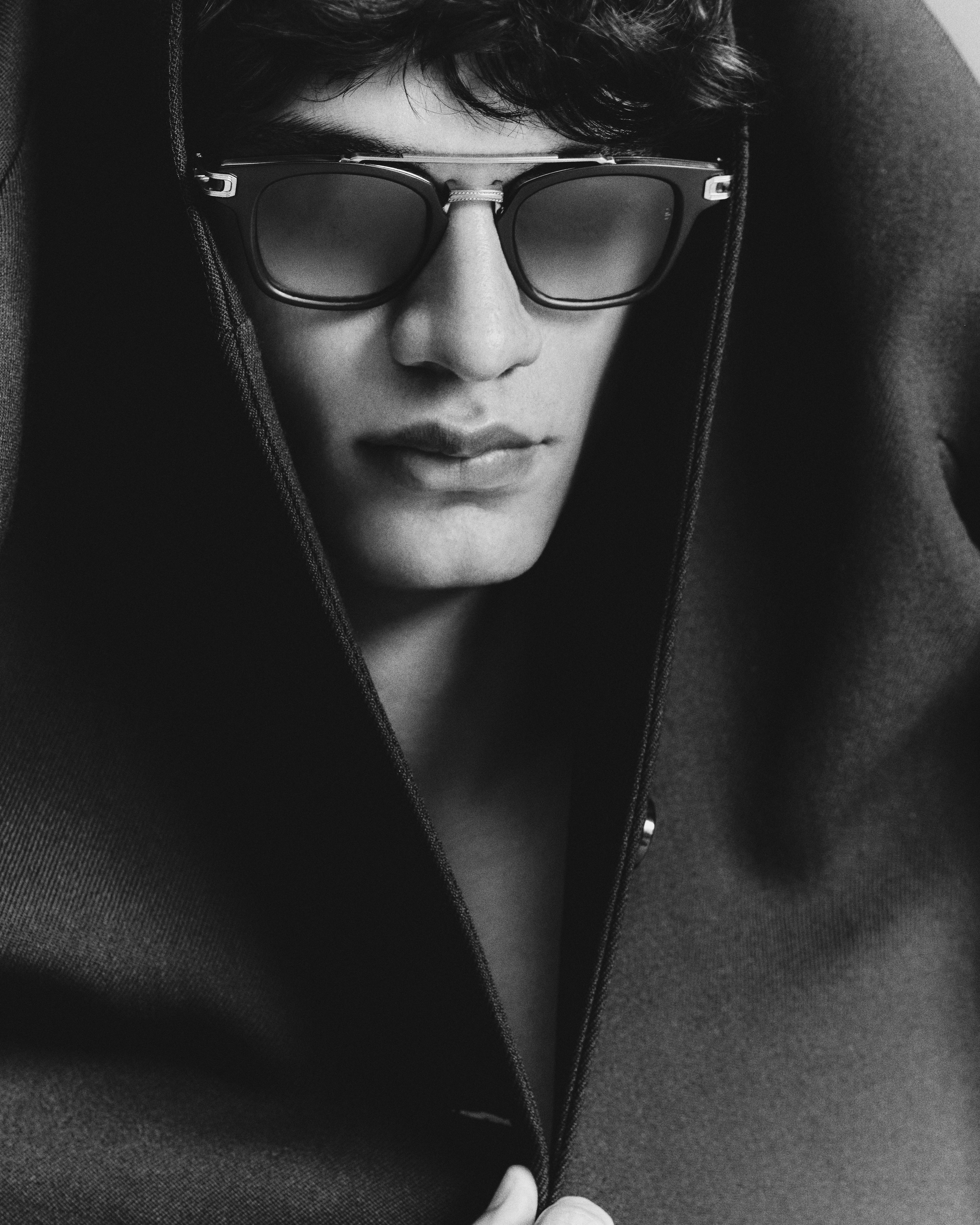
The glasses themselves almost make you want to develop astigmatism. Featuring their classic Japanese acetate and titanium offerings, their profoundly methodical and detail-oriented construction is palpable upon first glance. Juniper and Solorio somehow evolve Morgenthal Frederics' traditional use of buffalo horn without obstructing the company's distinct aesthetic. Ultimately, Juniper and Solorio strike a perfect balance between precise, minimalist designs that are somehow still avant-garde, making them compatible for virtually any glasses-wearer.
While their demographic has historically attracted some of New York's most notable socialites, Juniper and Solorio make it clear that Morgenthal Frederics is for everyone. The result is a convergence between Morgenthal Frederics' prolific lineage and Juniper and Solorio’s eclectic background in fashion.
You two bring a Californian sensibility to Morgenthal Frederics, which is known for dressing New York elites like Jacqueline Kennedy Onassis, Andy Warhol, and Tom Wolfe. How do you think your background will fuse with Morgenthal's New York sensibility?
If there is a California quality we bring, it is a certain openness. A willingness to experiment, to question convention and to let individuality lead. Morgenthal Frederics has a distinctly New York confidence and precision. It understands that personal style does not need to be explained.
Bringing those sensibilities together creates an interesting tension. There is ease, but also rigor and experimentation, with a strong sense of discipline. The result should feel expressive and unexpected while remaining beautifully resolved.
Morgenthal was founded in 1913–what traditions do you plan to maintain as creative directors? What do you hope to innovate?
We want to preserve the relationship among material, craftsmanship, fit, and individual expression. Morgenthal Frederics’ knowledge of natural buffalo horn is extraordinary, as is the role its opticians play in making each frame personal to the wearer. Those are not traditions we want to reinvent. They are the foundation.
The opportunity for innovation is in how those principles are expressed now. We are exploring stronger proportions, more architectural lines, unexpected color, and new surface treatments. We are also bringing greater distinction to acetate and titanium, allowing each material to have its own character while holding it to the same standards associated with the horn collection.
Morgenthal Frederics is already a cult favorite with an exceptionally loyal clientele, so our ambition is to build on that rather than disrupt it. Beyond individual product drops, we want each collection to contribute to a larger creative narrative, one that gives the brand continuity, momentum, and a clear sense of where it is going.
Is it exciting to build on the legacy of an over century-old company?
Absolutely. What makes it especially exciting is the tension between more than a century of expertise and the feeling that there is still enormous creative room. We inherit exacting standards in materials, craftsmanship, fit, and opticianry, but not a fixed set of answers.
We want to understand what has made Morgenthal Frederics unmistakable and use that foundation to push the brand forward. A legacy this strong is not fragile; it can support experimentation and a clear point of view. The goal is not to preserve its history behind glass, but to make that history visible in how the brand continues to evolve. If we do our job well, the next chapter will feel both surprising and unmistakably Morgenthal Frederics.
What about this collection makes it the perfect introduction to your reigns as creative directors?
This collection establishes the breadth of our direction from the beginning. It moves across optical and sun, and across horn, acetate and titanium. Some frames are quietly refined; others have a much stronger presence. What connects them is material integrity, confident proportion and an attention to detail that rewards a closer look.
It also makes our priorities clear. Horn remains the crown jewel of Morgenthal Frederics, but acetate and titanium are not supporting categories. We have given each material its own character and the design authority to stand alongside horn. In that sense, the collection captures exactly where we want to take the brand: grounded in what makes Morgenthal Frederics distinctive, but confident about creating what comes next.
What details in the collection are distinct to your design approach?
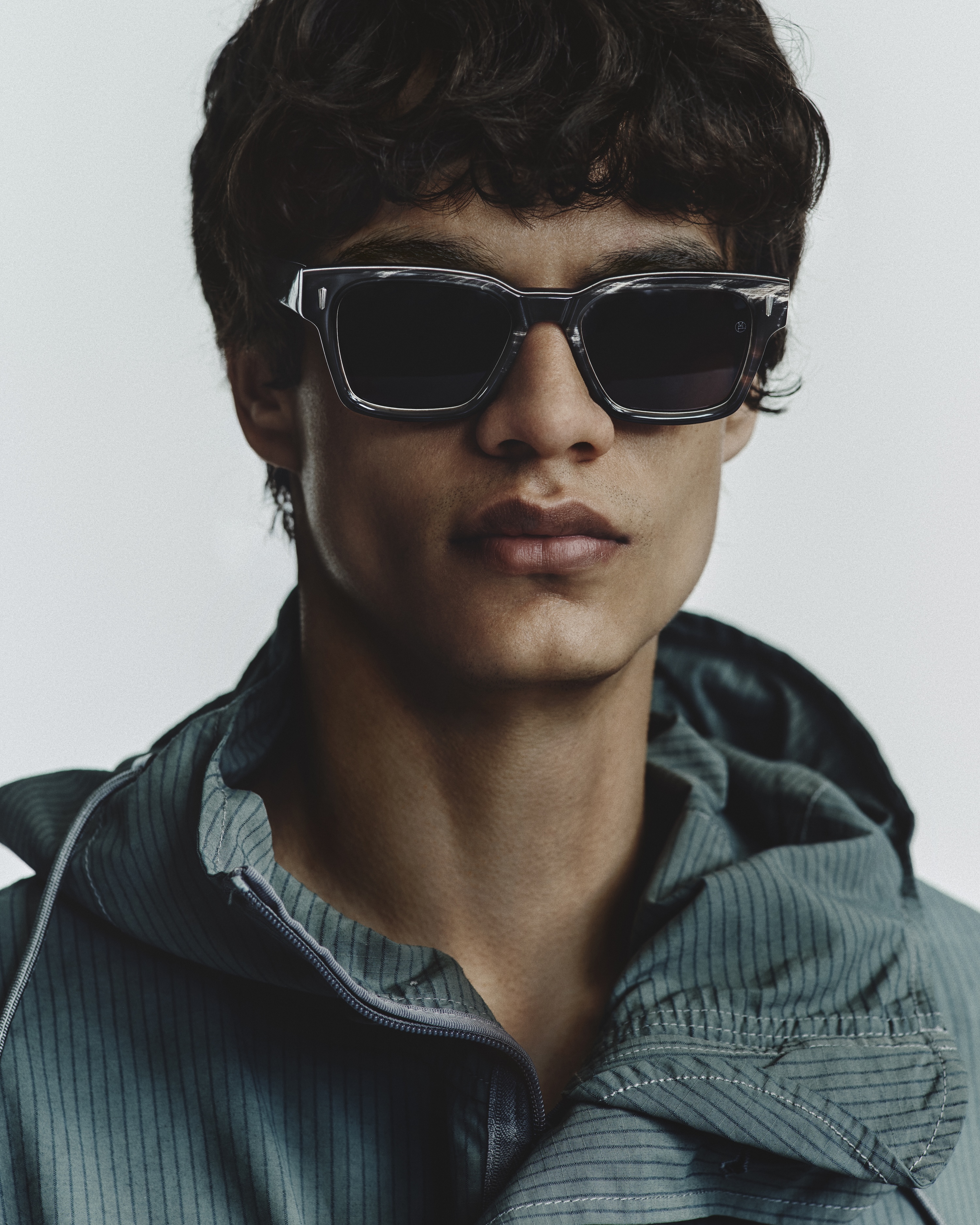
Our approach is perhaps most visible in the attention given to details that are not immediately obvious. Historically inspired metalwork, hand-etched surfaces, custom accents, and symbols on the lenses and nose pads give the frames depth from every angle. We do not treat those elements as decoration; each one contributes to how the object is constructed and experienced.
The purple temple tips are another example. They create a point of recognition, but one that feels personal rather than promotional. We like a frame to register immediately through its silhouette and then continue revealing itself as it is handled and worn. That balance between presence and discretion is central to our approach.
You guys developed your own eyewear brand, DITA, back in 1995. What is exciting about spearheading a brand with such a rich history?
Building a brand from the beginning taught us to consider every part of eyewear together, from design and materials to manufacturing and the experience of wearing it. Morgenthal Frederics presents a different kind of creative challenge. It already carries more than a century of expertise, a distinctive material identity, and a deep relationship with its clients.
What excites us is the opportunity to work from within that history and push it into new territory. We are not imposing a new identity or simply layering our signatures onto the brand. We are identifying what makes Morgenthal Frederics essential and finding contemporary ways to express it. That strong foundation gives us clarity while creating tremendous freedom for what comes next.
Stay up-to-date with exclusive events and content.


