F L A U N T


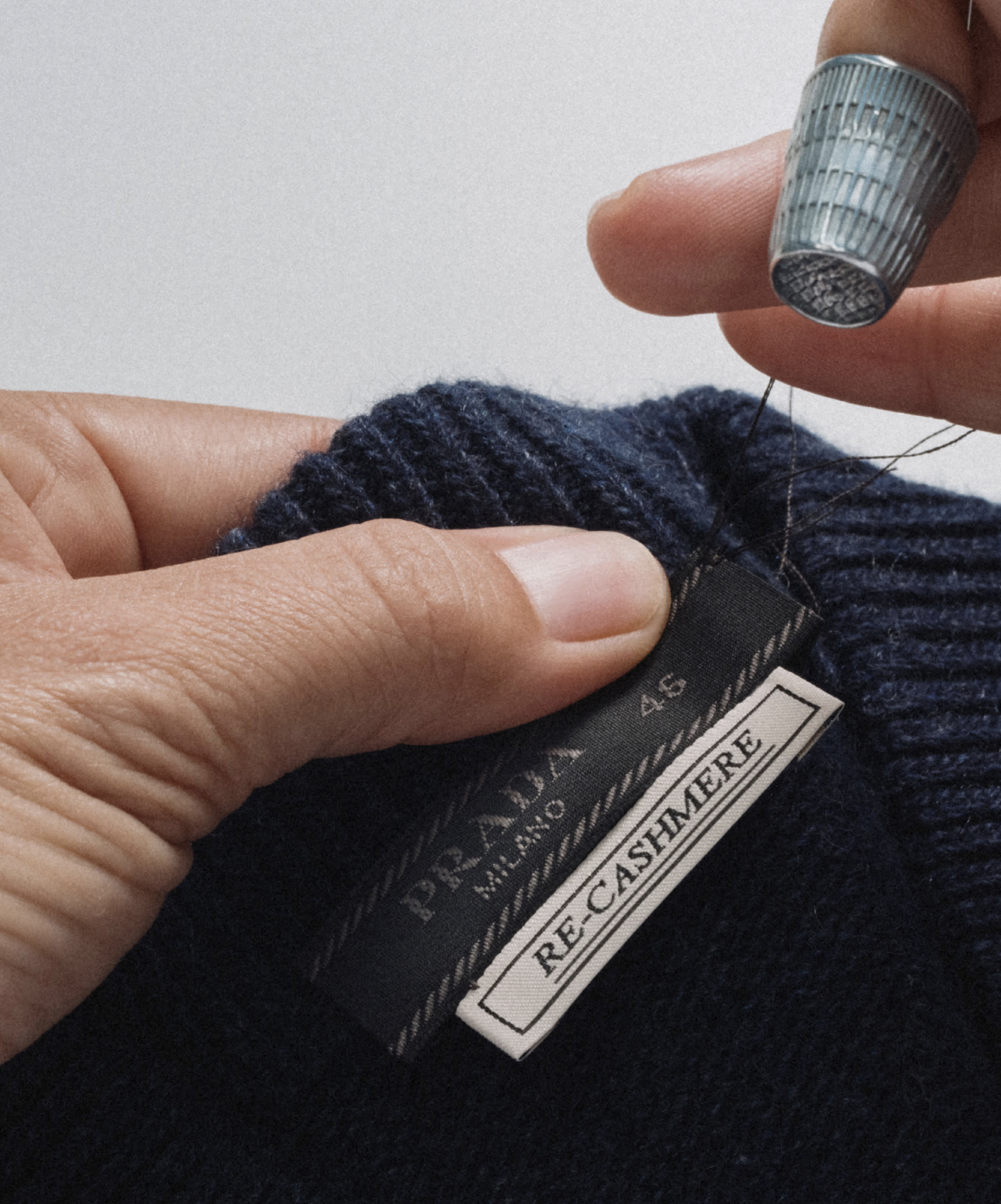
The cycle of today’s fashion usually ends in a landfill, but Prada began a new cycle, one where the landfill is the origin point. Maintaining their commitment to the environment and waste reduction, Prada introduces Re-Cashmere and Re-Wool, joining Re-Nylon, their first recycled fabric created in 2019. Re-Nylon is repurposed from discarded plastic waste collected from landfill sites, oceans, and textile fiber waste.

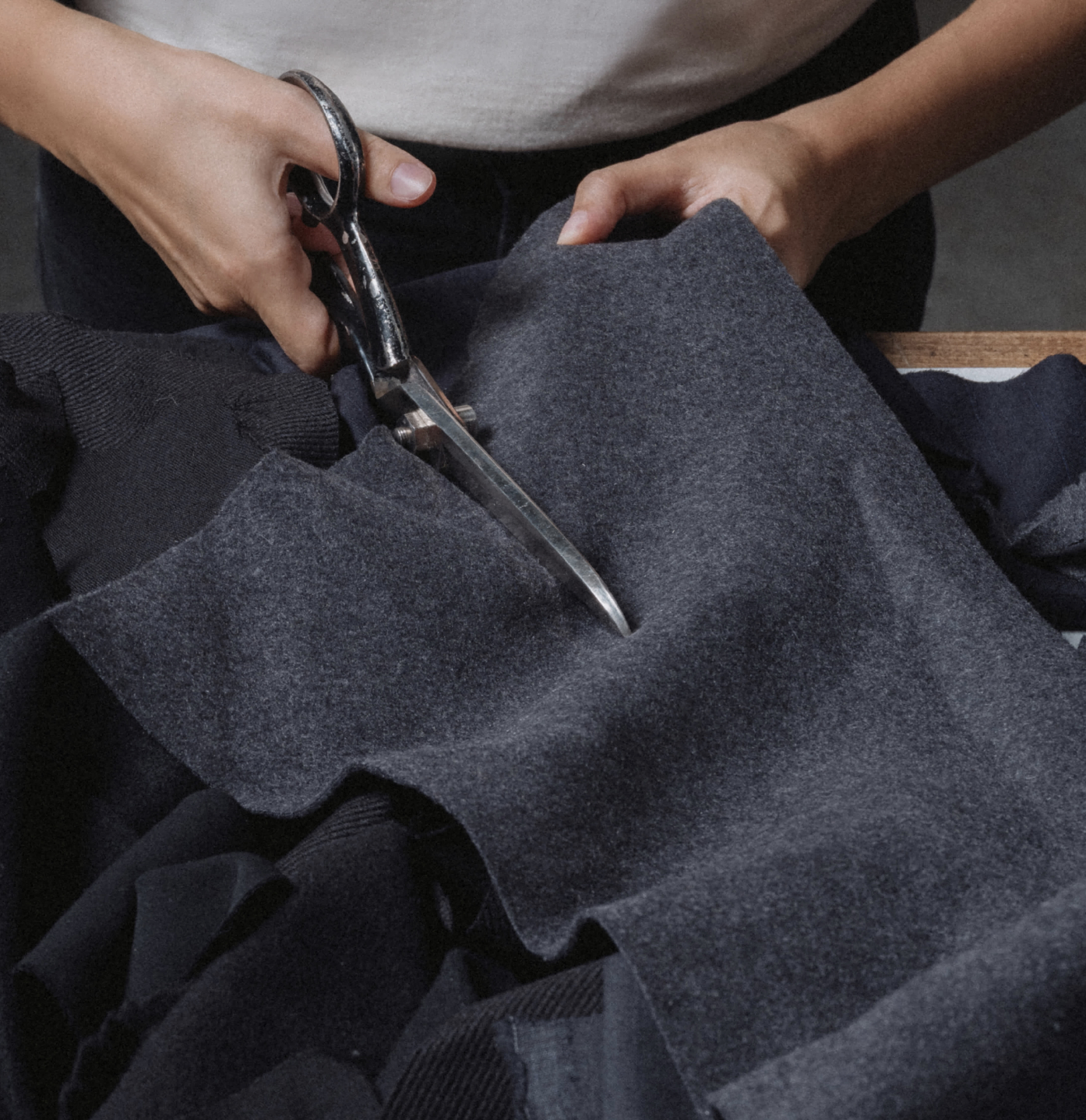
Gathering fabric that would otherwise be thrown out from the cutting room floor, Prada refines the remaining excess into freshly spun yarn, ready to be crafted into a brand new wearable piece. This emerges as a continuation of Prada Group’s 2023 plan to substitute raw materials with more environmentally-friendly options, diminishing the brand’s carbon emissions and contribution to global warming.
With each Re-Cashmere and Re-Wool piece, Prada includes an NFC tag with access to Aura Consortium. This enables consumers to track their piece’s production cycle. Here, Prada shares the origins of the fibers, the way they were processed, and the journey to the consumer’s closet from Italian production centers. While this not only demonstrates Prada’s commitment to sustainability, it also involves the consumer with the production process, allowing consumers to be just as knowledgeable about their piece as the creator and thereby eliminating the likelihood they will be discarded. Additionally, the NFC tag comes with a Digital Certificate of Authenticity, proving ownership and credibility, guarded through blockchain technology. By intrinsically verifying each garment, Prada generates lasting pieces that remind the wearer to practice sustainable habits.

Stay up-to-date with exclusive events and content.


