F L A U N T


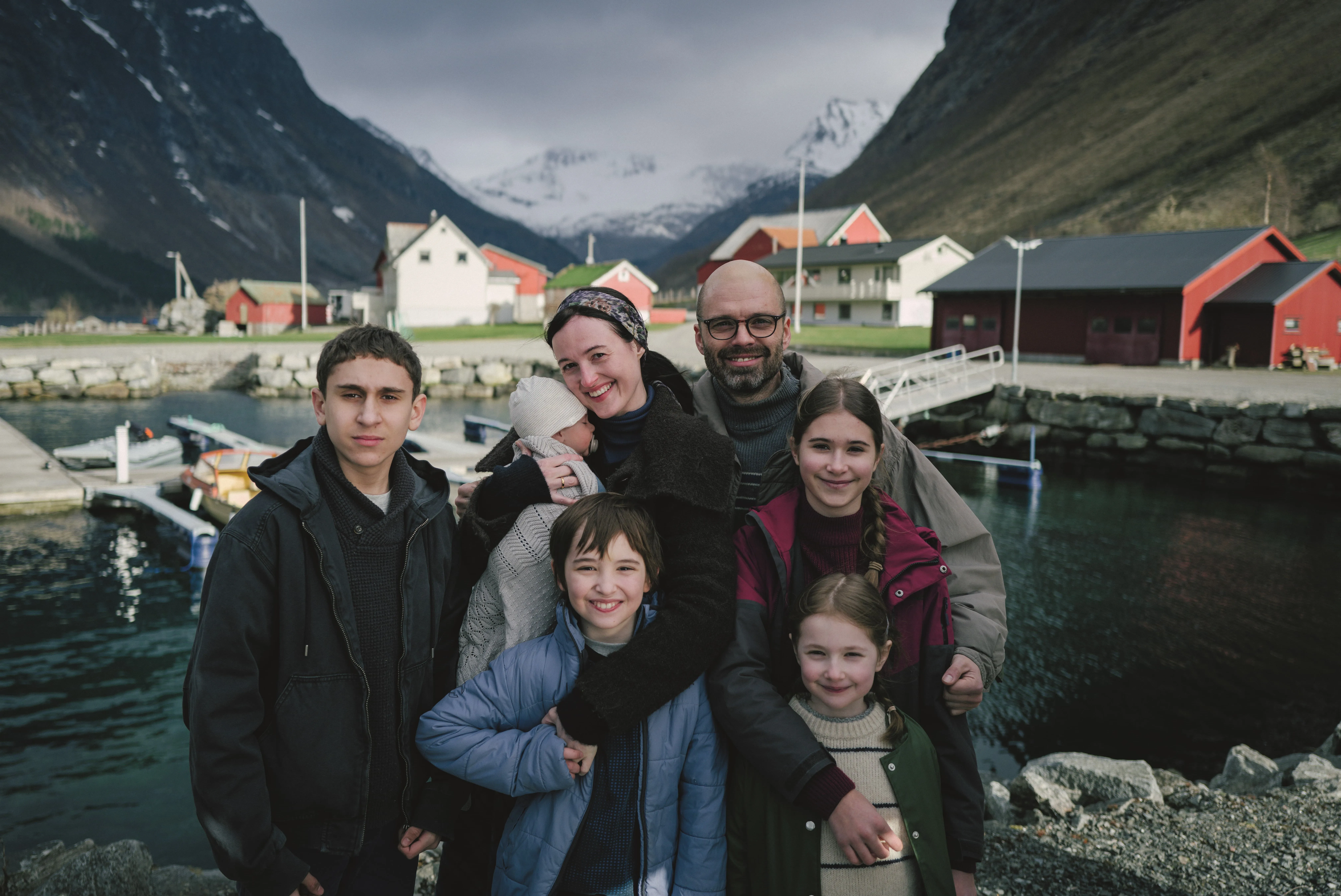
The big news going into Cannes this year appeared to be how American studios were not attending the festival to premiere their blockbusters on the Croisette. Well, if we are still stuck in the good ol’ old days of Metro-Goldwyn-Mayer and Columbia bringing their “pictures” with mega stars to the festival on the French Riviera, we are also still wearing 1960’s stilettos and hats and a tie to dinner. This is 2026, and the big studios are all basically owned by one company, or two, while the dressing code on the red carpet in Cannes has famously been relaxed. So much so that Kristen Stewart this year wore high-top all-black Converse sneakers under her Matthieu Blazy red and black Chanel dress for the Full Phil premiere, a movie in which she stars, along with Woody Harrelson as a father-daughter duo who travel to Paris in an attempt to reconnect.
Fact is, even the studios are different, and the presence of NEON at the Cannes Film Festival proves that theory. For the seventh consecutive year, the Palme d’Or went to a title distributed by the company, which is a subsidiary of the mega conglomerate, The Friedkin Group, a company led by a millionaire with investments in automotive, world football, and hospitality, and of course, entertainment.
Since its first film was released in 2017, NEON has garnered 57 Academy Award® nominations, winning Best Picture for Sean Baker’s Anora and Bong Joon Ho’s Parasite. And their commitment to what co-founder Tom Quinn called their core audience of those who “skew under 45, that have no aversion to violence, no aversion to foreign language and to non-fiction,” is ongoing and here to stay. They may not be a studio in the traditional sense of the word, but they did showcase a blockbuster slate that included this year’s Palme d’Or title, Cristian Mungiu's Fjord. Other non-traditional yet contemporary companies with a studio-like appeal include arthouse movies streaming service MUBI, Sony Pictures Classics, Bleecker Street, and Janus Films, all present in Cannes with titles this year. And of course, streaming giant Netflix is never far from the tables where distribution deals are made.
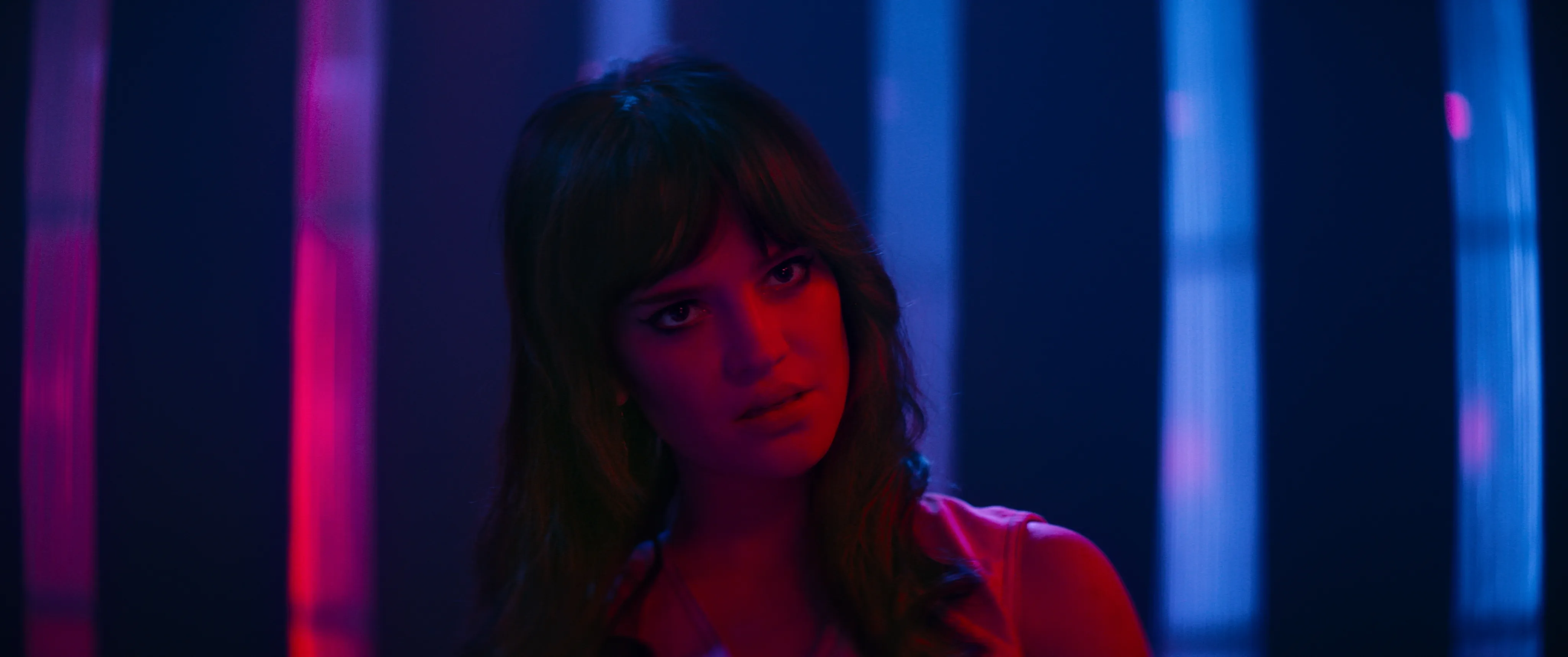
Among my personal favorites this year, Her Private Hell by Nicolas Winding Refn is indeed a NEON title and sits around the top of my list. World premiering Out of Competition, the film heralded Refn’s return to filmmaking after 10 years away. In between the 2016 film Neon Demon and his latest, the Copenhagen-born, NYC-bred filmmaker fought with death, and won. But also worked on a couple of TV series, Too Old to Die Young and Copenhagen Cowboy, the latter streaming on Netflix. Her Private Hell is an operatic glam monster film in shades of neon, to paraphrase the filmmaker who also participated in what proved to be the most emotional press conference in Cannes. “I was put together with electricity like Frankenstein,” Refn admitted, “I’m the Bionic Man.” When he broke down during the retelling of the 25 minutes when he was actually heart dead, the press corps present in the room erupted in a thunderous round of applause. Hearing him admit that “before I died, I came to the end of my career,” as he put it humbly, “there was nothing for me to do,” was a special moment to those who have followed Refn’s career, the work of a man who never doubted himself.
Her Private Hell is the story of three actresses, all wearing couture glam looks, who have been called together to make a movie in a futuristic metropolis, where the Leather Man is on the loose. He is part devil, part Hell’s Angels—a serial killer who literally tears his victims apart. Featuring Havana Rose Liu and Kristine Froseth along with Sophie Thatche and Charles Melton, the film proved a polarizing title after its premiere, with critics divided into one of two camps—pro-Refn’s film or against it. Her Private Hell does not allow for a stance in between; it is that visually striking and haunting and features an ongoing soundtrack by Italian chills maestro Pino Donaggio. The film will be released in US cinemas in July of this year.
This year saw Cannes first official partnership with Meta, which featured a blue-hued, tucked-away Meta House inside the five-star Hôtel Barrière Le Majestic, complete with its own blue carpet and hands-on demos of Ray-Ban Meta glasses, and their very own Meta influencers reporting from the glamorous red carpet.
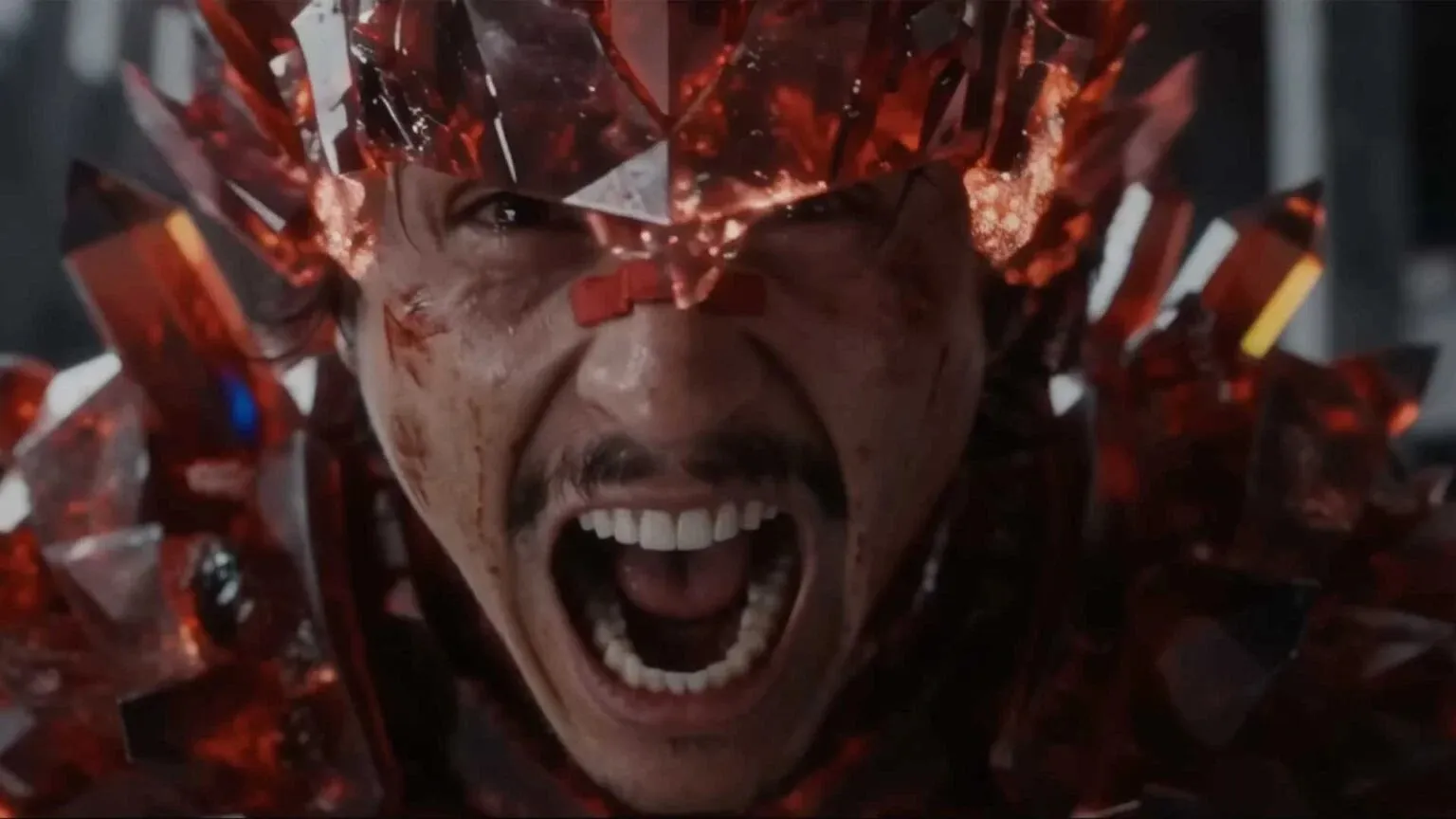
The talk of AI was also on everyone’s lips. Some journalists and behind-the-scenes film creatives fear the advent of the technology, which promises to wipe out some professions, but Demi Moore, on the official Competition jury this year, seemed to embrace it. “AI is here,” the American actress declared at the press conference introducing the jury members, “and so to fight it is to fight something that is a battle that we will lose. So to find ways in which we can work with it, I think, is a more valuable path to take.” Although AI-generated films have been banned in Cannes, Hell Grind, a 95-minute sci-fi action-fantasy produced entirely using generative AI by the San Francisco startup Higgsfield AI, premiered at a market cinema screening off the Croisette and received quite a bit of coverage in the trades.
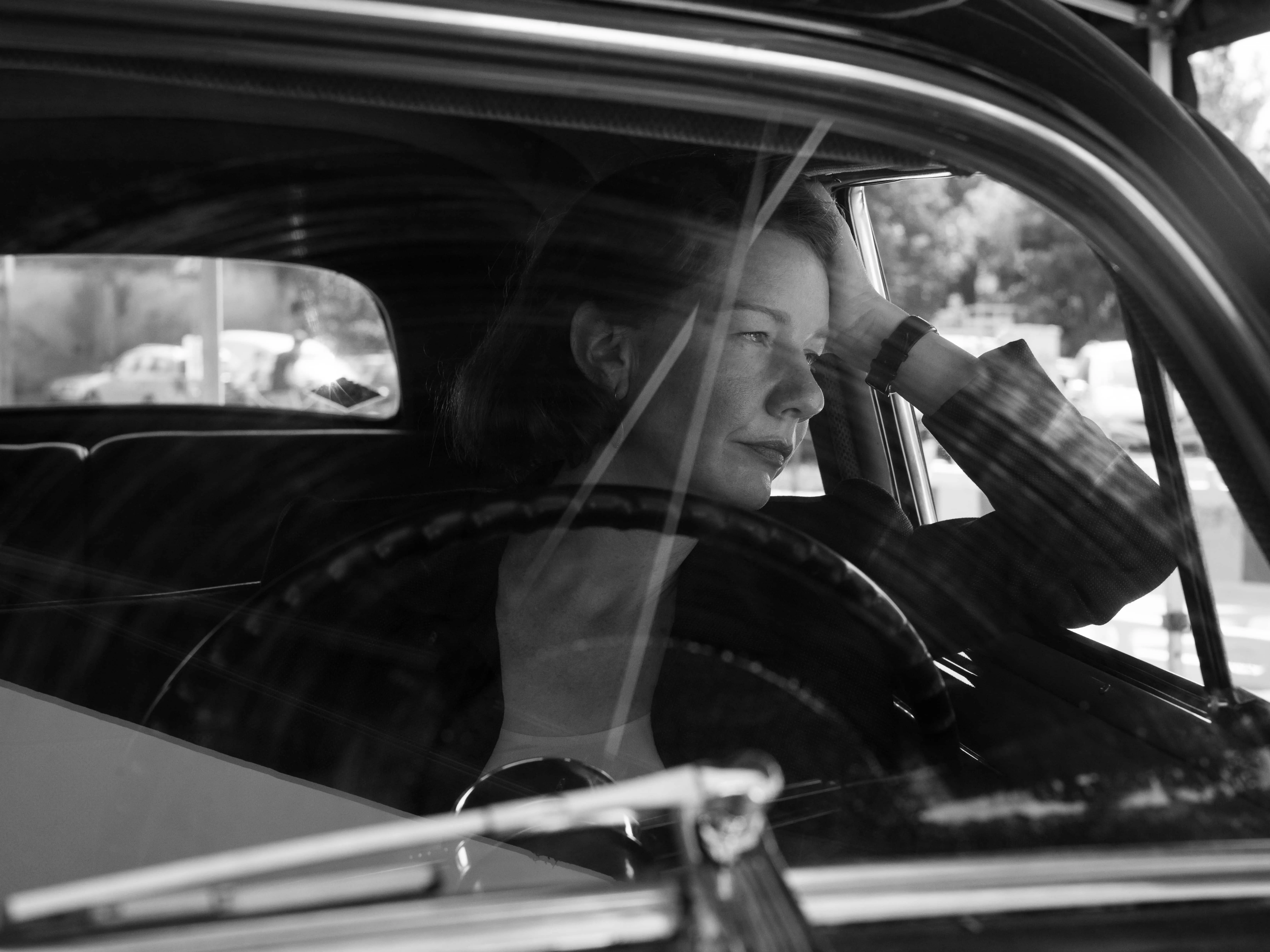
But back to cinema, which is the reason, along with those red carpet fashions, we go to Cannes year after year. Another film that grabbed this writer’s attention is the striking black and white Fatherland by Paweł Pawlikowski, which world-premiered in Competition and won the Polish Oscar-winning auteur the Best Director prize. Fatherland stars Sandra Hüller and Hanns Zischler as Erika and Thomas Mann, as the German author travels back to Germany after WWII to receive a prize, after spending years in exile in California. Fatherland is a black and white cinematic masterpiece with, at its core, a question about our ability to go home again, especially when that home has made it clear we are no longer welcome there. Following the Manns' journey into a divided East and West Germany, the story parallels the destiny of so many intellectuals who left the Third Reich due to their prophetic vision, only to be tragically proven right. Hüller is her usual shade of wonderful and Zischler is, as a German colleague referred to him, “the last of the great ones.” Fatherland is a MUBI title and will see a limited release around the fall of 2026 in the US, just in time for awards season.

Another favorite award-winning film, this one the top choice in Un Certain Regard, is Everytime by Austrian filmmaker Sandra Wollner. This is the story of a family of women torn apart by a tragic mistake, yet also somehow reunited in their grief. Everytime hit a chord with the jury of the sidebar section, which allows for a broader look—“a certain gaze” as the name gives away—into films and filmmakers with unusual styles and non-traditional stories. Everytime is haunting in its ability to remain with the viewer, mostly due to some images which are like those photos you view once and never forget. A building at sunrise, a doorway near the beach with a child playing, a green forest down view from the train tracks, all those moments have stayed with me long after I watched the film, and for that, Everytime is pure genius.
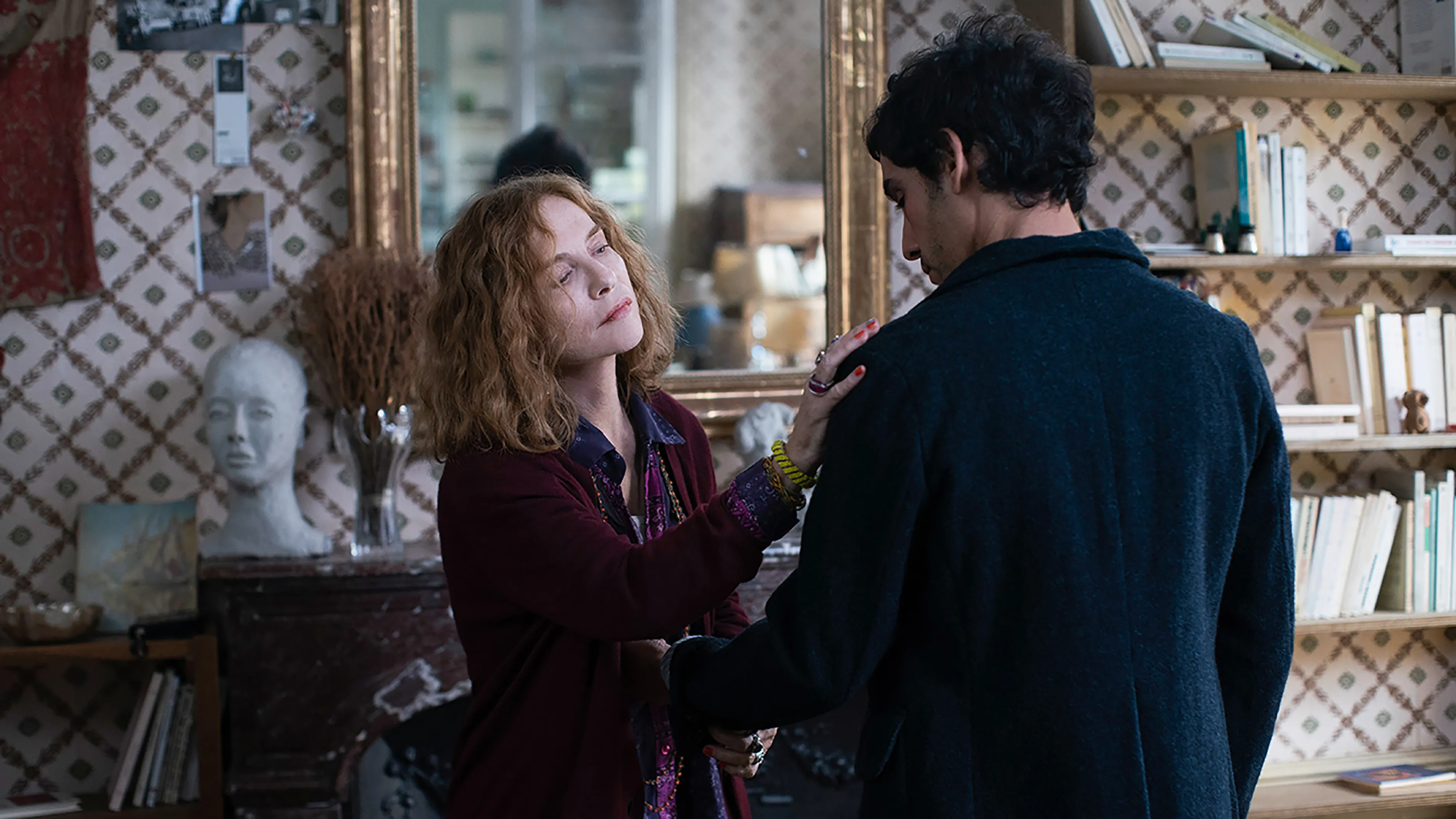
Iranian helmed Asghar Farhadi’s latest Parallel Tales didn’t end up winning any awards in the Competition section in Cannes, but I don’t think the title is done yet. For once, French mega star Isabelle Huppert’s performance is one for the books, complete with a wardrobe that endears her to the viewer for its panache and eccentricity. Farhadi’s version of one chapter in Polish helmer Krzysztof Kieślowski’s 1980s TV miniseries Dekalog, done in shades of “De Palma does Hitchcock,” as a French colleague put it, is thoroughly watchable and features a who’s who of French-speaking stars, including Vincent Cassel, Catherine Deneuve, Virginie Efira, and Adam Bessa. The longer I’m left to think about Parallel Tales, the more I grow to love it, and its intimate cinematography by Guillaume Deffontaines, as well as the covet-worthy costumes by Khadija Zeggaï. The film tells the story of reclusive novelist Sylvie, who spies on her neighbors across the street, imagining their lives in literary shades and drawing inspiration from them. When Adam, an unlucky young man, is brought into her eccentric life to help her move, he begins to hoard her possessions, as well as her thoughts and creative process. Parallel Tales is a thriller hiding in a human story that lulls you into thinking that Farhadi may have lost his edge, when instead he has just pulled the wool over your eyes and invented a new genre, complete with stars who are playing against type and a Paris you’ve never seen or heard before.
%20by%20Diego%20Luna.webp)
Actor, producer, and helmer Diego Luna brought his latest directorial venture to Cannes, a Special Screening on the Croisette. And special is an understatement for the world premiere of Ashes (Ceniza en la Boca), where friend and co-producer Gael García Bernal was there to celebrate Luna and his talented cast, along with Mexican filmmaker Alfonso Cuarón and Palestinian maestro Elia Suleiman sitting in the audience among press and industry delegates. Ashes tells the story of Mexican siblings Lucila (Anna Diaz) and Diego (Sergio Bautista) who share a special bond ever since they were abandoned by their mother, Isabel (Adriana Paz), as kids. They have since rejoined their mom in Spain, where she immigrated to look for work and get away from the stifling life she led in Mexico with their father. The immigrant experience is a theme that both Luna and Bernal tackle constantly in their work, and in this case, the film is based on writer Brenda Navarro’s acclaimed 2022 novel, which explores the resulting effects of what is called “the Ulysses Syndrome.” This is a state of chronic trauma that affects immigrants and explodes, at one point, very clearly, in Luna’s film. Ashes is the type of cinematic gem that requires the audience to let go and be completely washed over by the film’s story, its protagonists, and the ideas explored. It is an ocean of feelings that, if allowed to flow, will carry the viewer to a welcome and cathartic destination.

Other standouts this year included Pedro Almodóvar’s latest, Bitter Christmas, a tragicomedy that presents a stylish, well-told tale of trauma, writer’s block, and how creative personalities exploit those around them, for their stories to exist. It is a brilliant looking film and very entertaining, and while it has been released already in most European countries, its distribution deal with Sony Pictures Classics guarantees a U.S. run soon.
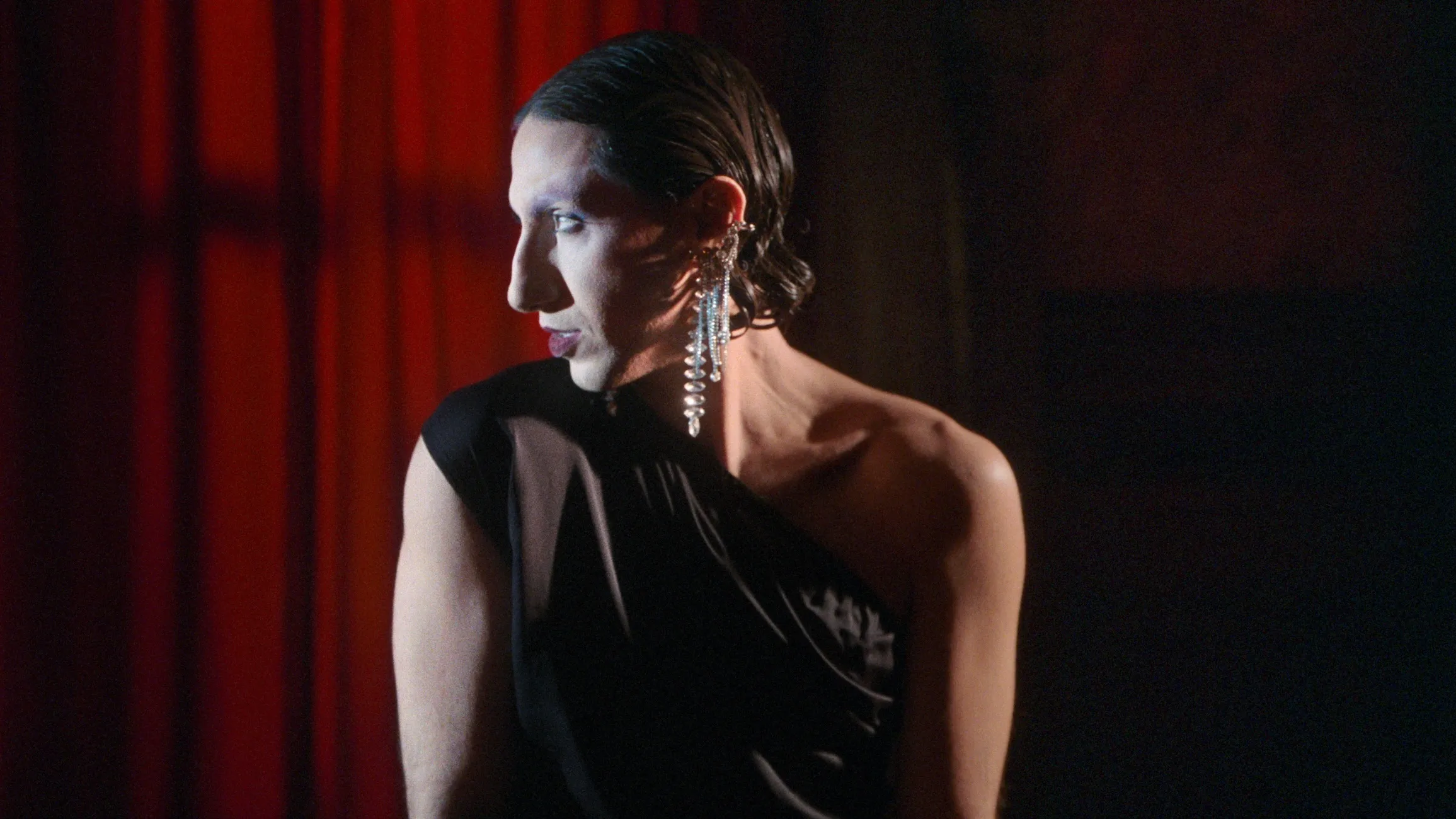
The impact of Ali Cherri’s short film La Sentinelle, which screened at the Critics’ Week sidebar, proved grand and seriously haunting. That it features one of the most exciting actors alive today, Nahuel Pérez Biscayart (El Jockey, 120 BPM), is just the icing on the proverbial cake for this gem of a short. The 29-minute film follows Sergeant Lafleur (Biscayart), a weary soldier on duty during Bastille Day, who is granted one night of freedom by a doctor (Éric Cantona) before he must return to the barracks by dawn. During this night out, in a fantastical otherworldly place that seems to wrap Lafleur in its sultry arms, he meets the beautiful Sbete, the alter ego of Georges Torbey, who sings in a cabaret. Lulled by the haunting song “Kil Rejjel” composed by Zeid Hamdan, sung by Khansa, and based on Oscar Wilde’s famous poem The Ballad of Reading Gaol, Lefleur seems to find his answer, although where that brings the young man may not be what the audience is expecting.

The one low point of the festival was courtesy of a certain hotel that shall remain unnamed. When arriving for a meeting, in a hurry at the gate, security stopped this journalist and prevented me from entering the property. “Journalists have been causing trouble in the past few days,” they said, “so we can’t let you in.” I felt like taking off one of my gold mesh Alaïa ballerinas and hurling it at them, but I refrained, lest I prove them right. “All the other hotels let me in, each and every time. What’s this nonsense?” I asked. The burly security guards, unmoved. Finally, my male colleague had to come out to meet me, and we decided to forgo lunch at their restaurant, choosing instead a welcoming, more relaxed Lebanese place down the street.
Stay up-to-date with exclusive events and content.


