F L A U N T


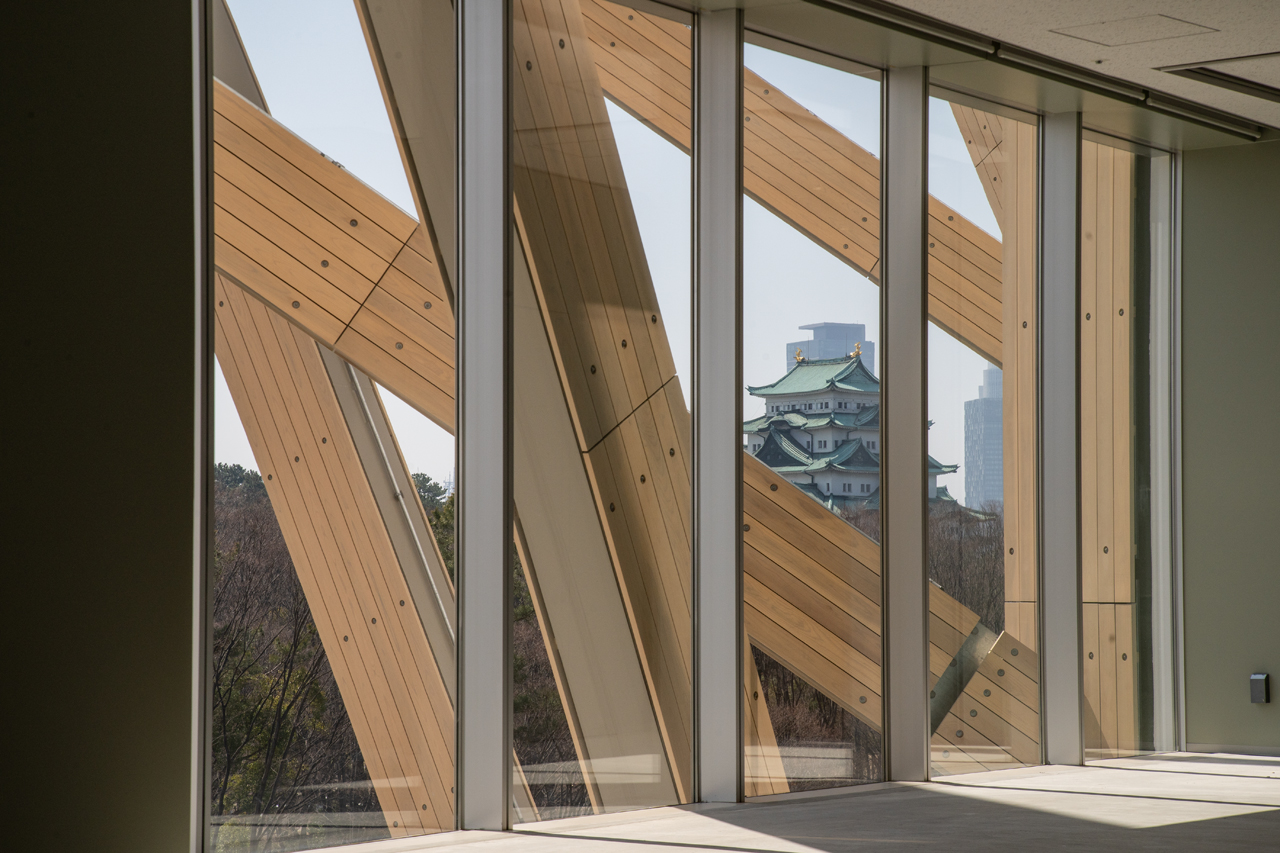
In Japanese, “MA” translates to negative space, an interval, a pause in time. Its character combines the symbols for “gate” and “sun,” evoking sunlight pouring through a cracked entryway. An architect creates material structures within natural environments, facilitating interaction between artificial and organic elements, with negative space serving as a point of connection.
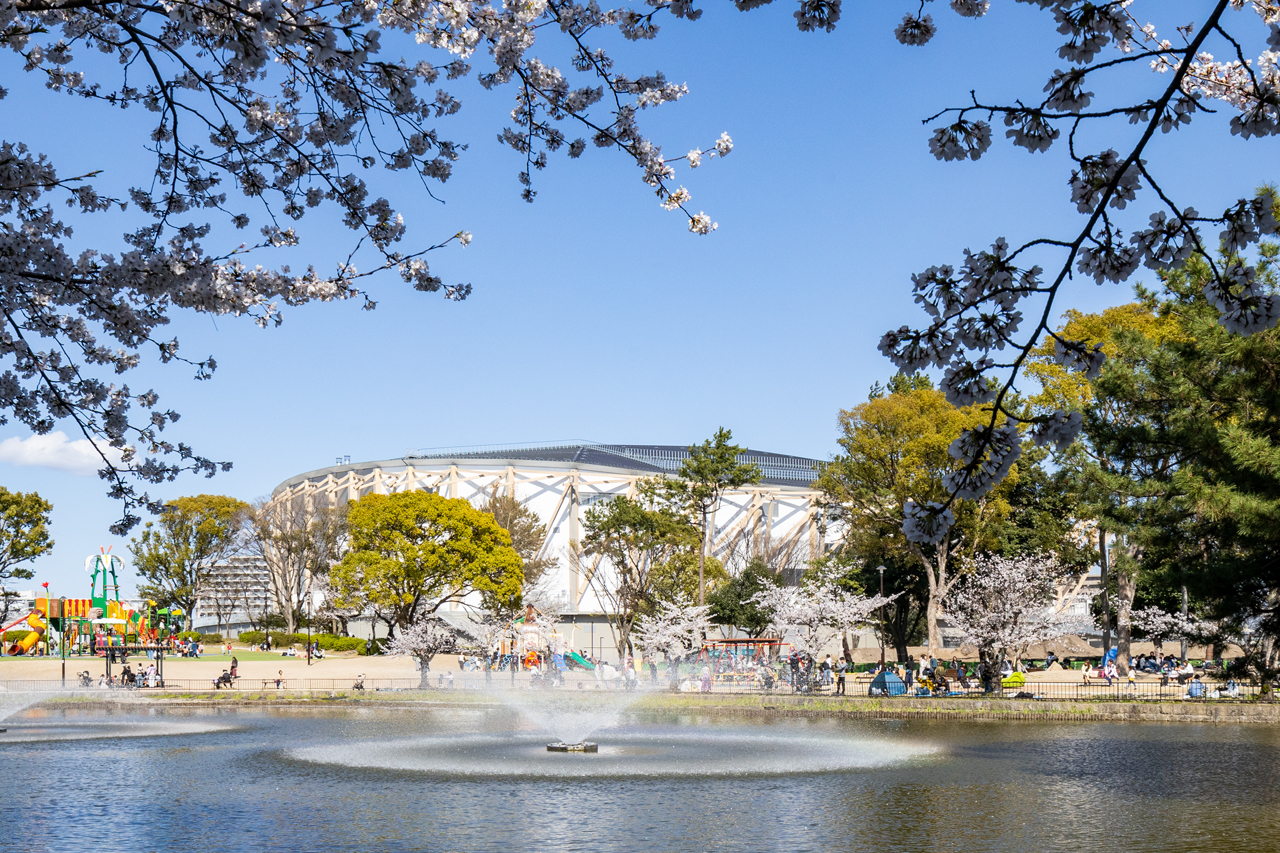
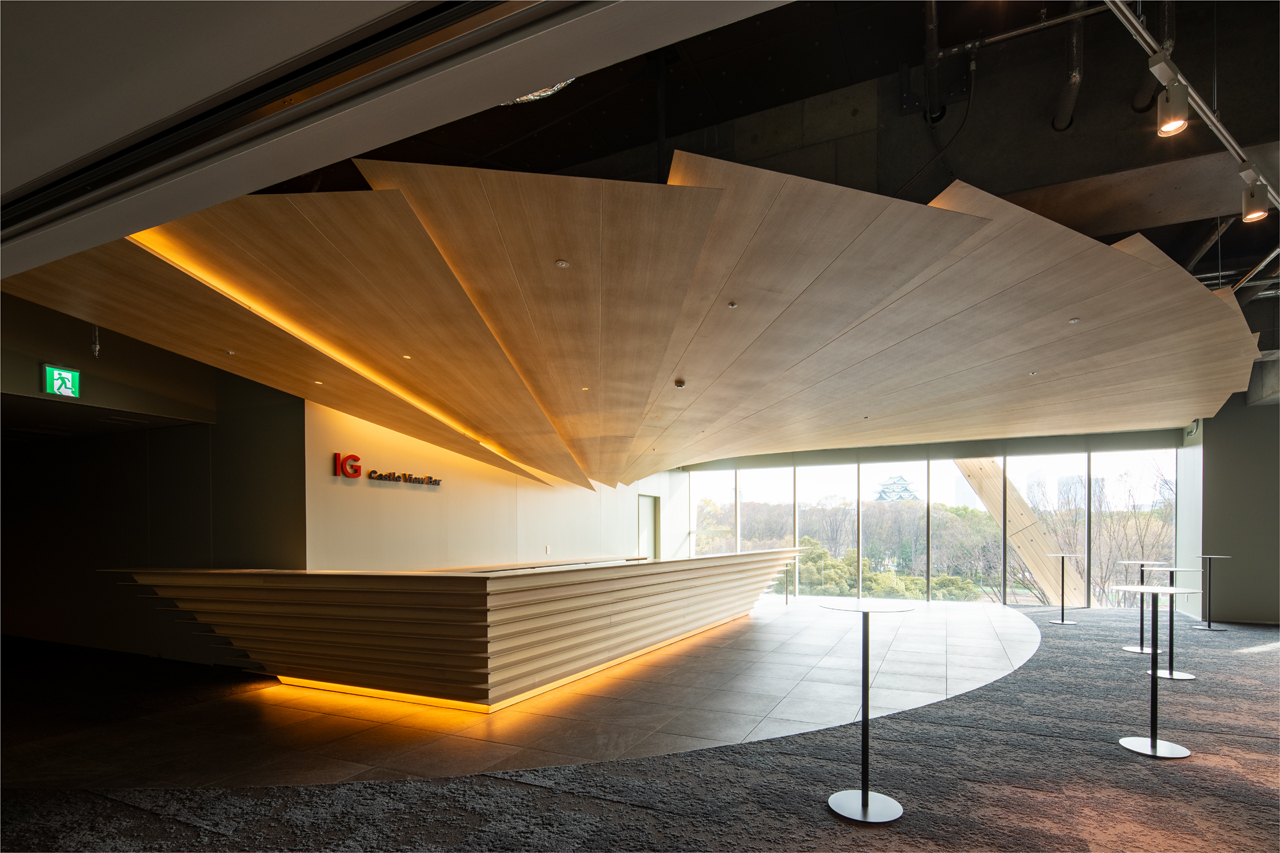
Japanese artist and architect Kengo Kuma has built a celebrated career on this principle, designing buildings that harmonize with their surroundings, in which empty spaces are often as crucial and active as filled ones.
Born in Yokohama, Kuma studied architecture at the University of Tokyo—where he is now a Professor Emeritus—and later conducted graduate research at Columbia University. While in New York, he met Kenneth Frampton, an architectural historian whose writings on the intersection of modern architecture and geography proved integral to Kuma’s burgeoning architectural philosophy. A year later, he returned to Japan and, in 1990, established his own firm, Kengo Kuma & Associates, in Tokyo.
Kuma’s early works include Water/Glass (1995), a villa overlooking Atami Bay, where he drew inspiration from German architect Bruno Taut, who championed “the framing of nature with nature.” Forest / Floor (2003) is a residential home, based on the founding image of “a house that floats in the forest,” with an elevated structure, floor-to-ceiling windows, and visual absence of elements between ground and roof. Chokkura Shelter (2005), located at the main station building of Hōshakūji Station on the Tōhoku Main Line, features a soft, permeable tunnel of stainless-steel mesh that blends with the surrounding greenery and sky, instilling an unmistakable impression of still being outside.
“Buildings that are deliberately made distinct from their environment are very different from those that attempt to mitigate this isolation,” Kuma writes in Anti-Object: The Dissolution and Disintegration of Architecture (2008), noting that “the difference is perceptible to everyone who experiences them.” Kuma urges architects to practice humility, reflecting on the forms and materials they use and on the heritage and vitality of the environments in which they build.

Today, Kuma’s work appears in more than 50 countries, earning him international recognition for his contributions to art and architecture. Most recently, the Créateurs Design Association & Awards named Kuma the recipient of the 2027 Andrée Putman Lifetime Achievement Award for demonstrating “how architecture can restore the relationship between people and the natural world.”
Earlier this month, Seiko Group hosted The Gift of Time in New York City, an event marking the U.S. unveiling of Kuma’s Tea House, inspired by the philosophy of MA and conceived as “a night of pausing.” In 1881, Kintarō Hattori founded the historic Japanese watchmaker in Tokyo, with the motto “Always one step ahead of the rest.” Yet even in forward motion, there is room for pause. “A tea house that flows through time itself,” Kuma says.

The first architecture that truly struck me was the Yoyogi National Gymnasium by Kenzo Tange, built for the 1964 Tokyo Olympics. At that very moment, I thought I wanted to become an architect. Back then, many buildings in Tokyo were still low-rise wooden structures, so Tange's gymnasium was an unusual presence towering vertically. However, gradually, I began to feel uncomfortable with imposing, vertical buildings, and I started aiming for low and soft architecture. In that sense, Tange and the gymnasium he designed serve as a negative example for me.
In architecture, it's light and shadow that show the passage of time. Even within a space, light and shadow constantly change, and wind acts as a sensor for those changes. I designed this Tea House with that kind of natural elements in mind.
I consider that traditional Japanese architecture is not about form or special techniques, but about sensitivity to natural phenomena. We value this 'tradition'; not only in this tea room but also in other buildings.
I want young people to travel a lot, in any case. I hope they visit various places and get to know the world. I myself studied abroad in New York, and without that experience, I would not be who I am today.
The younger generation is trapped in the world of games and computers. They are disconnected from nature. When I was little, after coming home from school, I used to play on the nearby hills and rice fields. The distance from nature was much closer.
About time. People often say things like using time effectively, or it’s waste of time, and so on. But I believe that viewing time from the perspective of efficiency is not appropriate. Isn't
it more important how to use time 'deeply?'
Up until now, we have designed many tea rooms, but they tended to lean either towards the avant-garde or the traditional. In the case of Seiko's Tea House, I feel that we were able to integrate these two elements at a profound level.
Stay up-to-date with exclusive events and content.


