F L A U N T


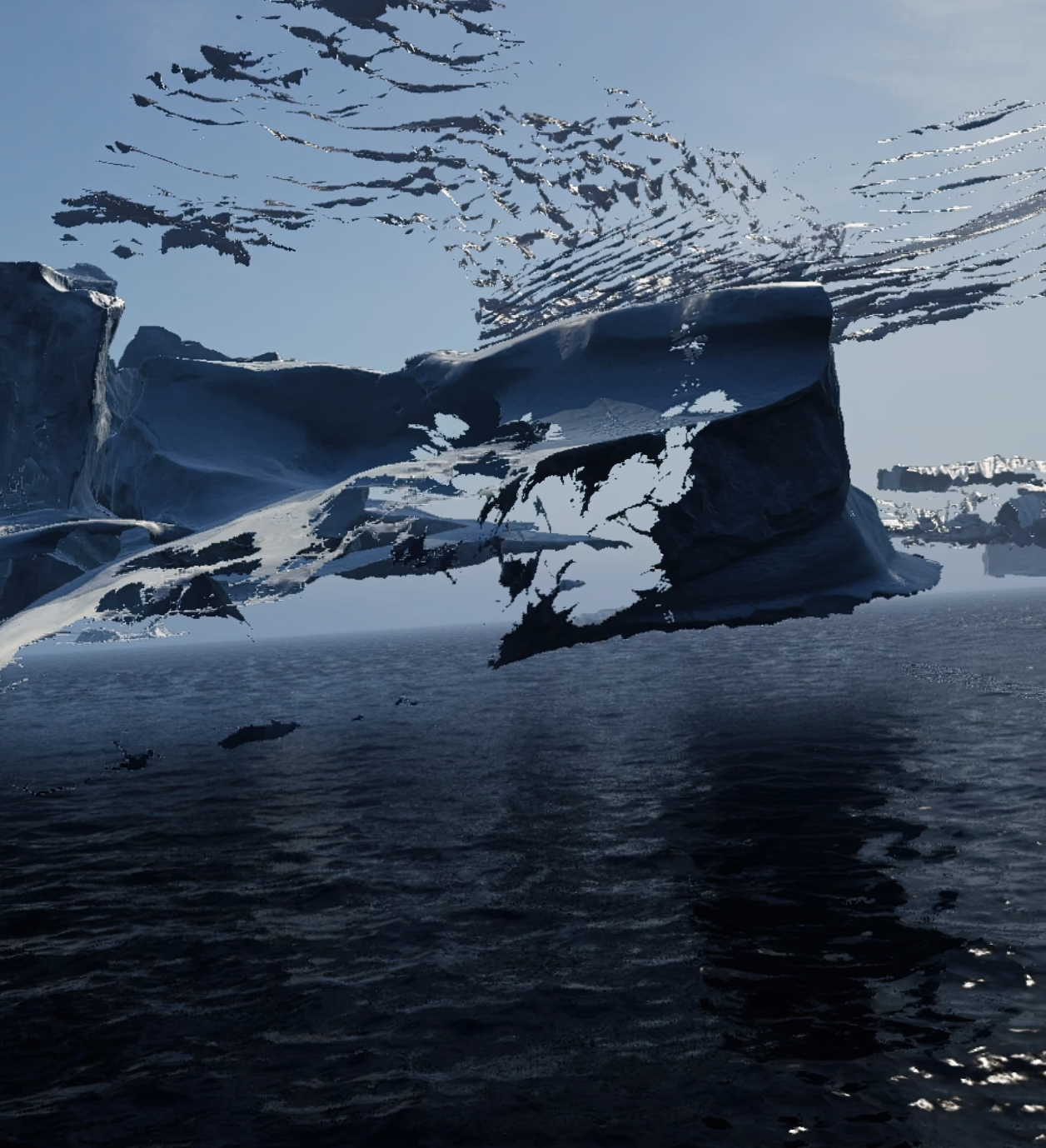
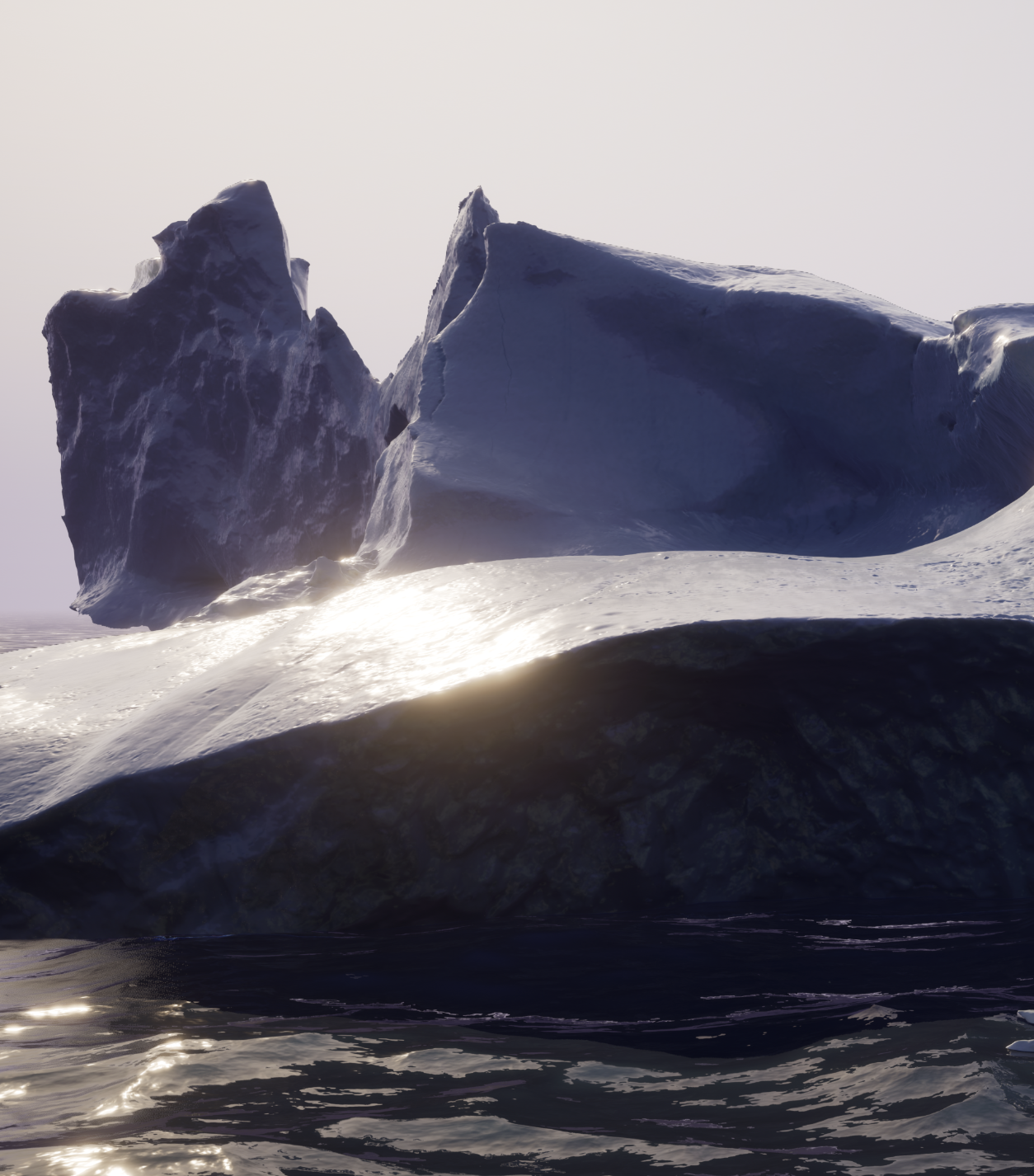
Visitors to the Venice Immersive dedicated virtual reality pavilion, occupying its own island during the 83rd Venice International Film Festival, find themselves in something of a predicament—whether or not to visit a show that, when activated by their mere presence like some kind of horror-show Heisenberg Principle, will leave the world worse off then they found it. This sublimity of paradoxes is The White Saboteur (Le Saboteur Blanc), a cinematic multimedia installation by artists Barthélemy Antoine-Loeff and Hugo Arcier that implicates the mere fact of the human gaze as a vector of ecological collapse. The eerie, hypnotic, unsettling, gorgeous uncanniness of the two-phase experience establishes a persistent, interactive virtual reality ecosystem where the viewer enters not as a detached observer, but as an active catalyst for planetary demise.
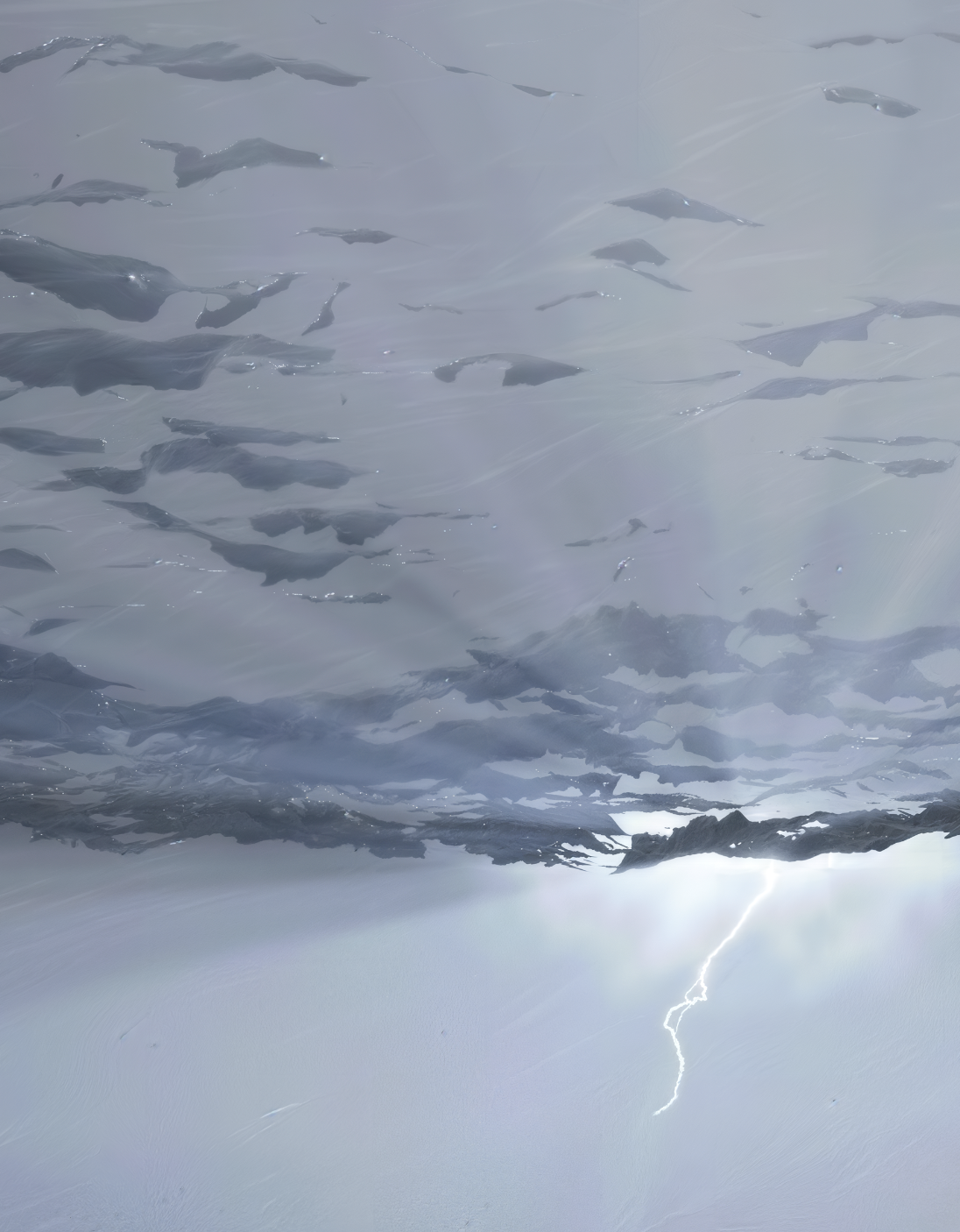
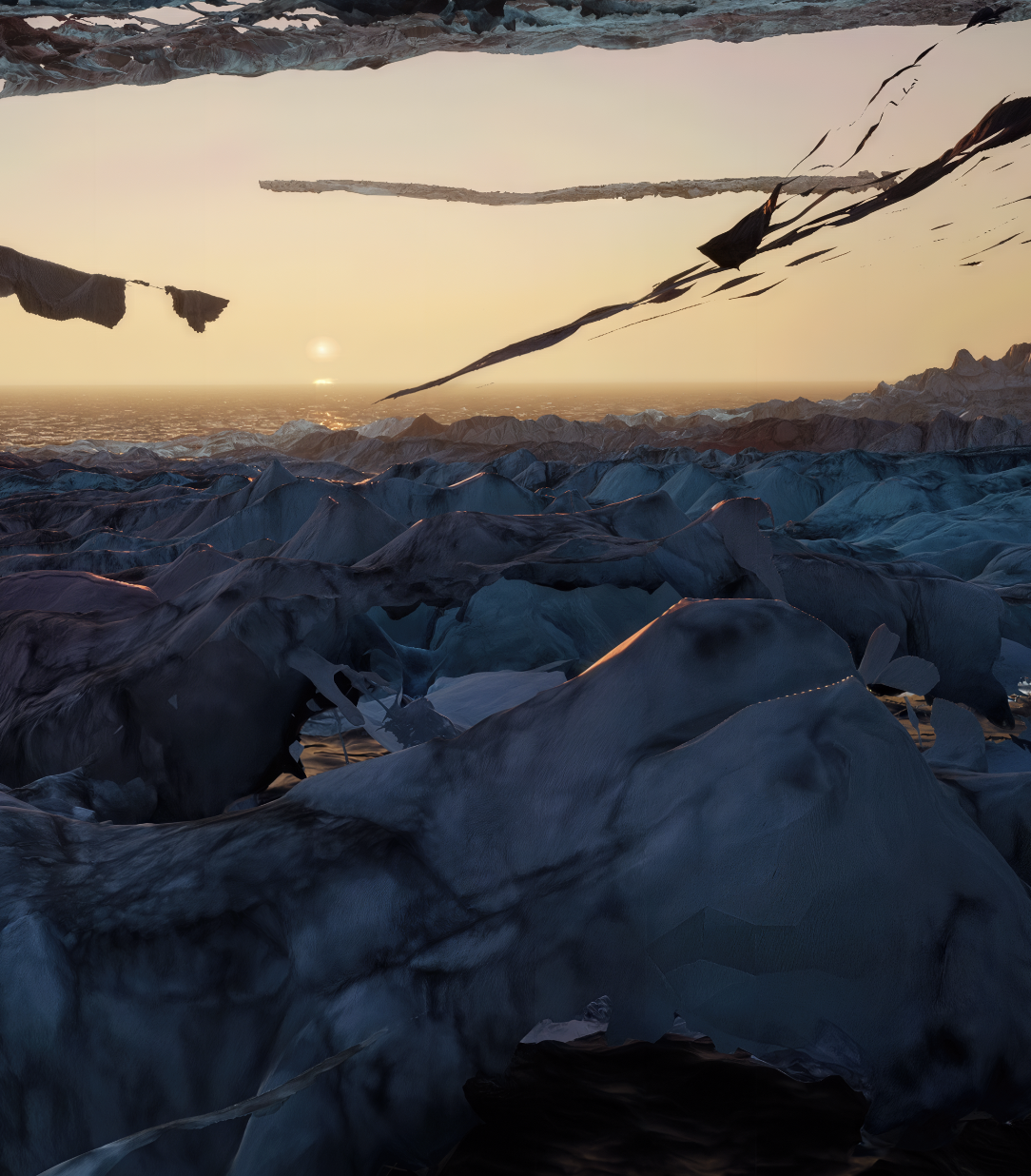
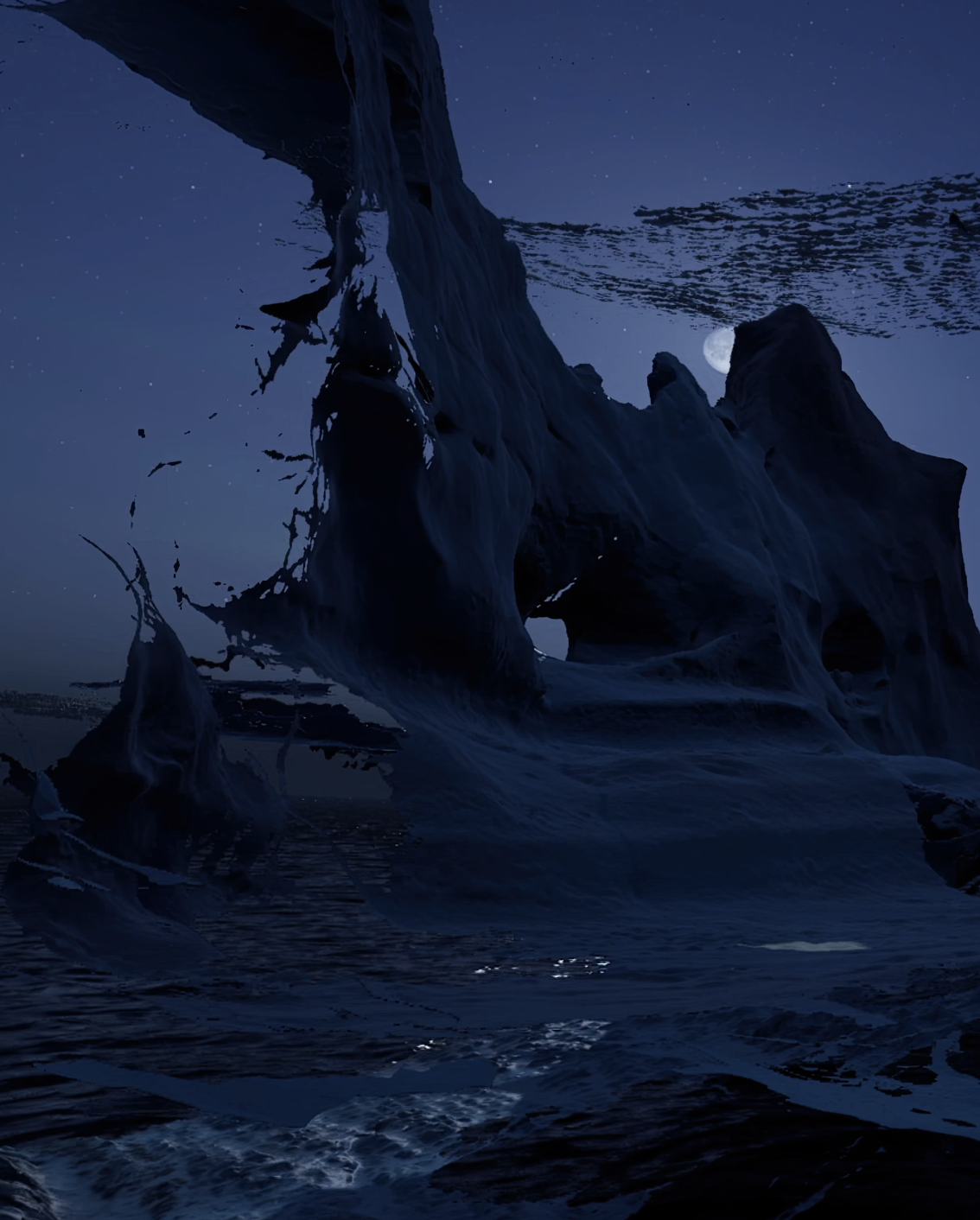
The mechanics of the experience are relatively simple and psychologically acute. As each participant dons the headset and looks across a sweeping expanse of virtual icebergs, their gaze functions as an invisible thermal agent. Every focused movement accelerates the melting of glaciers that never return, dissolving physical mass into particulate clouds that vanish into the atmosphere. Because the installation operates as a single world across the duration of the exhibition, no two visitors ever inhabit the same landscape; as each successive participant arrives in a terrain already compromised and harmed by everyone who has gazed upon it before them. In its most provocative distillation, the project extends an invitation to literally leave the world worse than you found it.
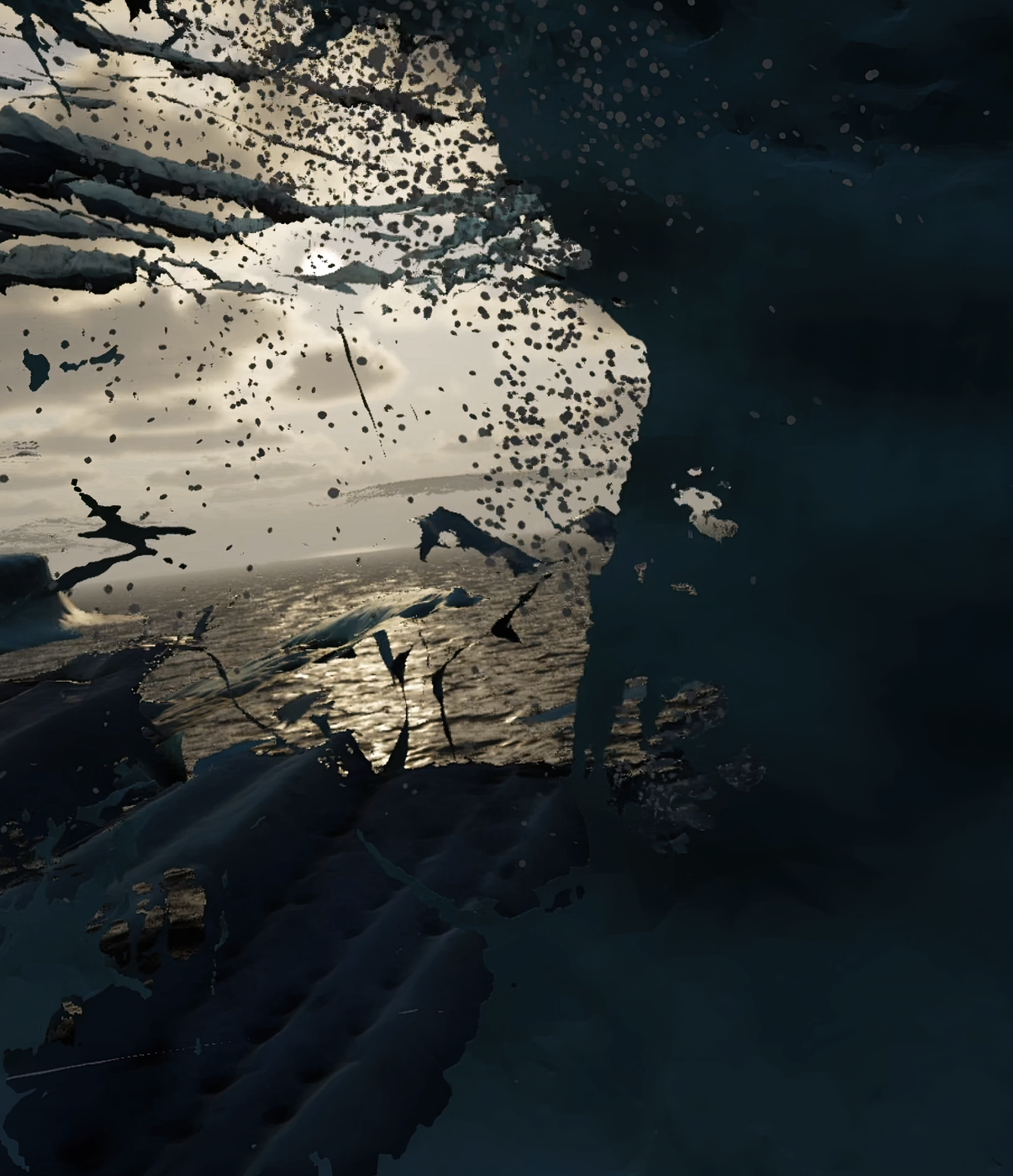
This dynamic invites a deeper examination of the project's title, as Le Saboteur Blanc operates across multiple registers, oscillating between the literal materiality of ice and snow and the broader sociopolitical dimensions of human culpability. While the color white conventionally signals innocence or purity, it simultaneously evokes the unearned race-based privileges of industrialized societies—which are, furthermore, the ones that disproportionately drive environmental decline. Further highlighting the project’s network of interrelated complexities, co-creator Barthélemy Antoine-Loeff reflects that, “There is something terrible, tragic, and paradoxically sublime about watching a world disappear. I wanted the visitor to no longer be merely a witness, but to become its author against their will. It is an ambivalence that places the visitor in an uncomfortable position, and one I fully embrace—it is precisely what we are doing, on a much larger scale, to the real world.”
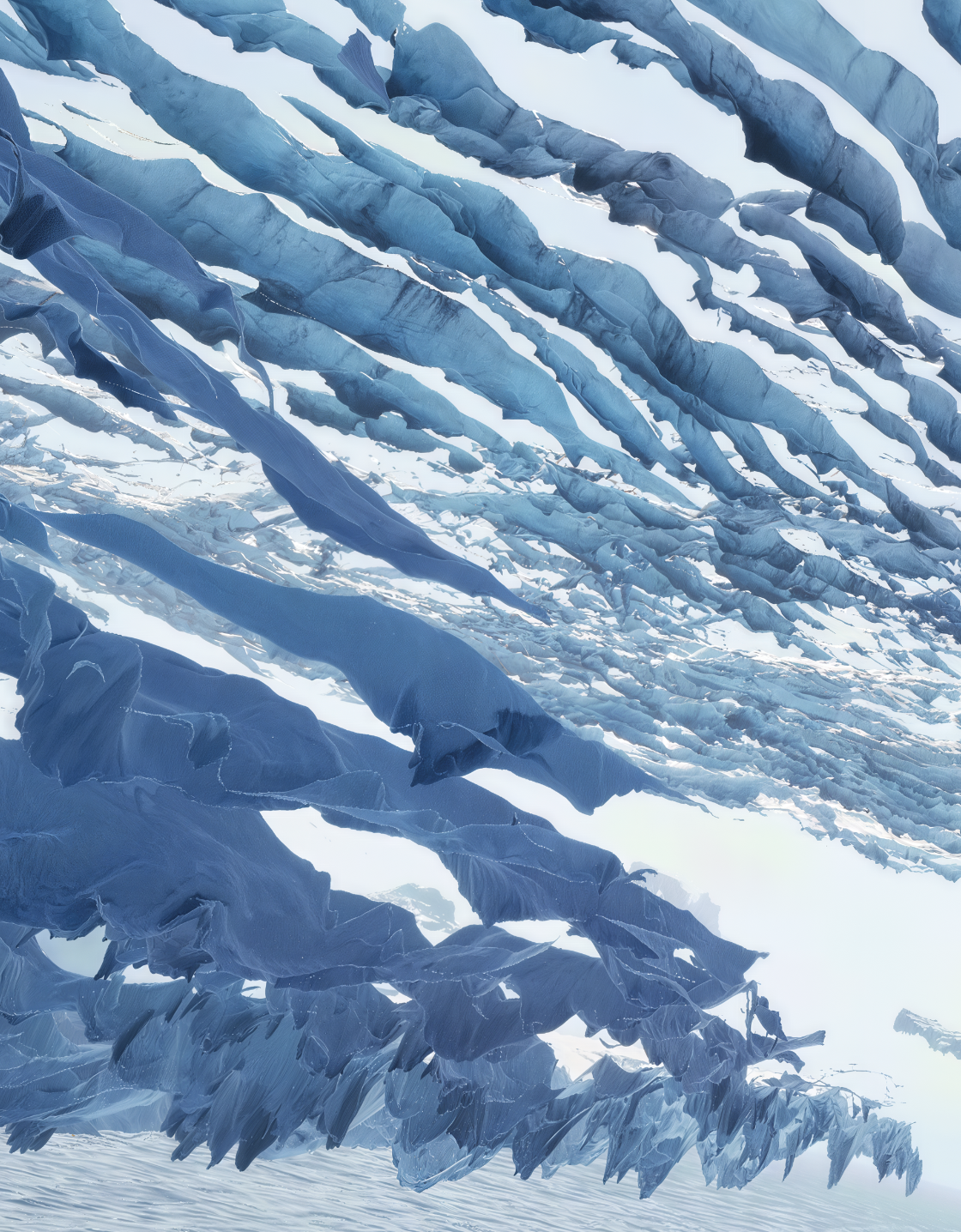
Beneath this conceptual framework lies a rigorous empirical foundation, where rather than relying on generic digital modeling, the artists integrated photogrammetric data and seismic recordings gathered during Greenland field expeditions, translating real-world ice formations into precise virtual environments. Having created the work in close collaboration with glaciologist Dr. Heidi Sevestre and researchers Dr. Richard Hann and Dr. Léo Decaux, and by way of addressing the emotional and perceptual gap between experience and statistics, co-creator Hugo Arcier notes, “Data tells us that the cryosphere is disappearing, but it doesn't make us feel its loss. The White Saboteur transforms that reality into an intimate experience: every gaze melts a little more of the world, forever. That's the emotion that matters to me, because it's what stays with us.”
This confrontation with loss extends directly to the paradox of the medium itself, as deploying energy-intensive virtual reality to critique ecological collapse introduces an inherent friction between artistic intent and technological consumption. Yet Antoine-Loeff and Arcier address this contradiction directly, contrasting the localized digital footprint of the installation against the staggering, fossil-fueled machinery of the traditional biennial circuit which routinely requires the international shipping of thousands of tons of material and the continuous air travel of production teams across continents (neither of which is involved in this case). As such, The White Saboteur raises urgent questions about how creators navigate the very technological systems that underwrite modern life. Pondering this inherent contradiction, Arcier asks, “Should I take this technology and put the headset on my head and enter this world, knowing that I will destroy it? It's exactly the same paradox that we have with the plane. When you take the plane to go and see the last iceberg, you are making them disappear faster.”
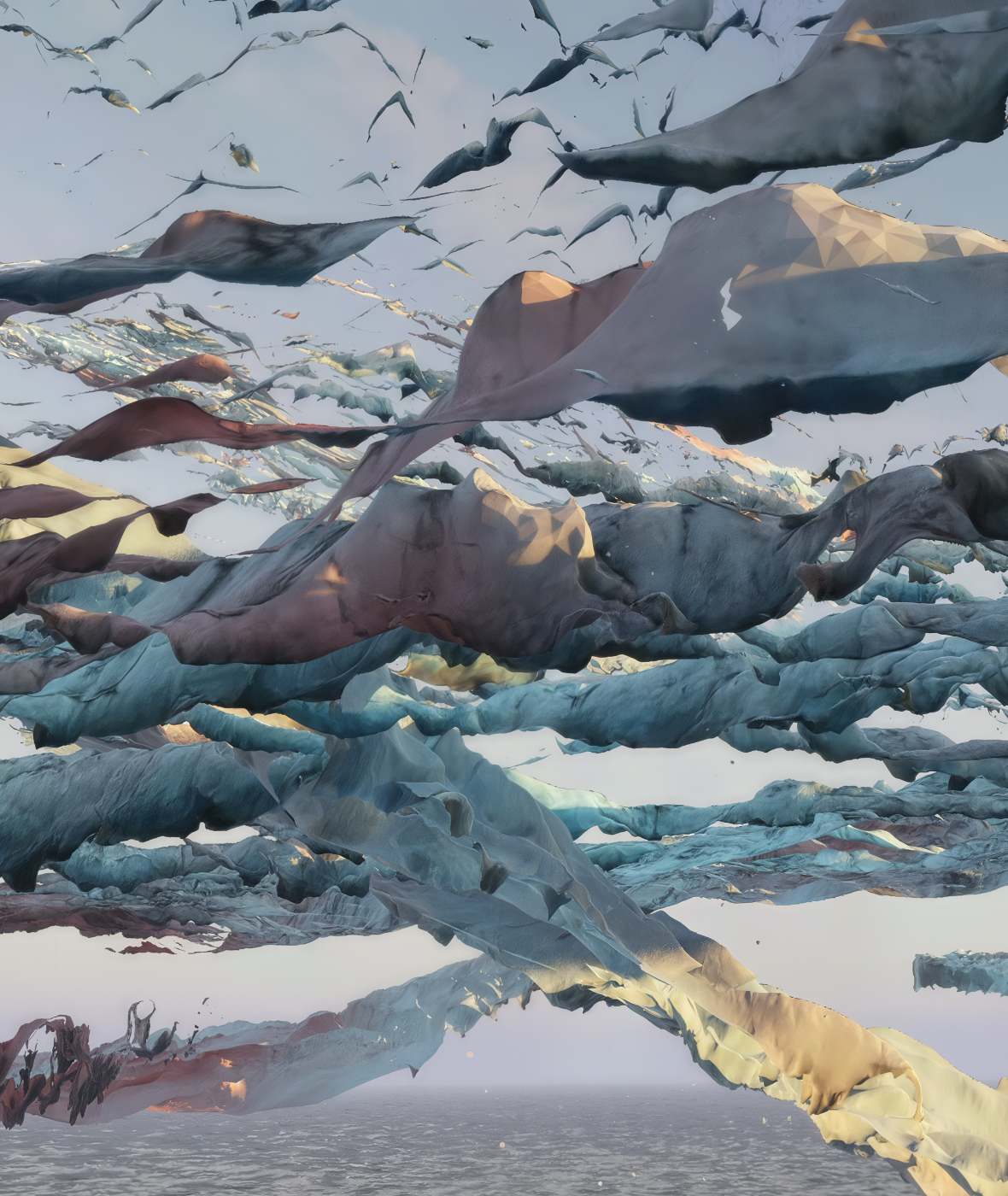
Within the exhibition, this tension is spatialized through a carefully orchestrated architectural diptych. While the participant sits in isolation while wearing the headset—experiencing accelerated time cycles where balanced weather systems gradually devolve into chaotic lightning and gray skies—an external projection screen renders the broader consequences in real time. The icebergs dissolved inside the virtual world are not simply erased; their fragmented, fossilized remains accumulate on the shared screen as drifting, meteor-like masses suspended in cosmic limbo, transforming private witnessing into a public spectacle. Acoustically, the installation deepens its resonance through its otherworldly sound design by Olivier Girouard, who integrates Greenlandic field recordings, seismic vibrations, distorted human vocalizations, and a live choir recorded in Germany, lending an organic, somatic texture and human traces to the cracking ice and shifting Arctic winds.
Ultimately, The White Saboteur refuses the comfort of easy resolution. When the installation reaches its conclusion, the virtual landscape dissolves into an expansive white screen—an ambiguous non-horizon that evokes both absolute extinction and potential renewal. By forcing viewers to confront their own complicity, Antoine-Loeff and Arcier transform climate anxiety from an abstract statistical doomscroll into a more intimate, visceral dread. It’s for your own good.
Stay up-to-date with exclusive events and content.


