F L A U N T


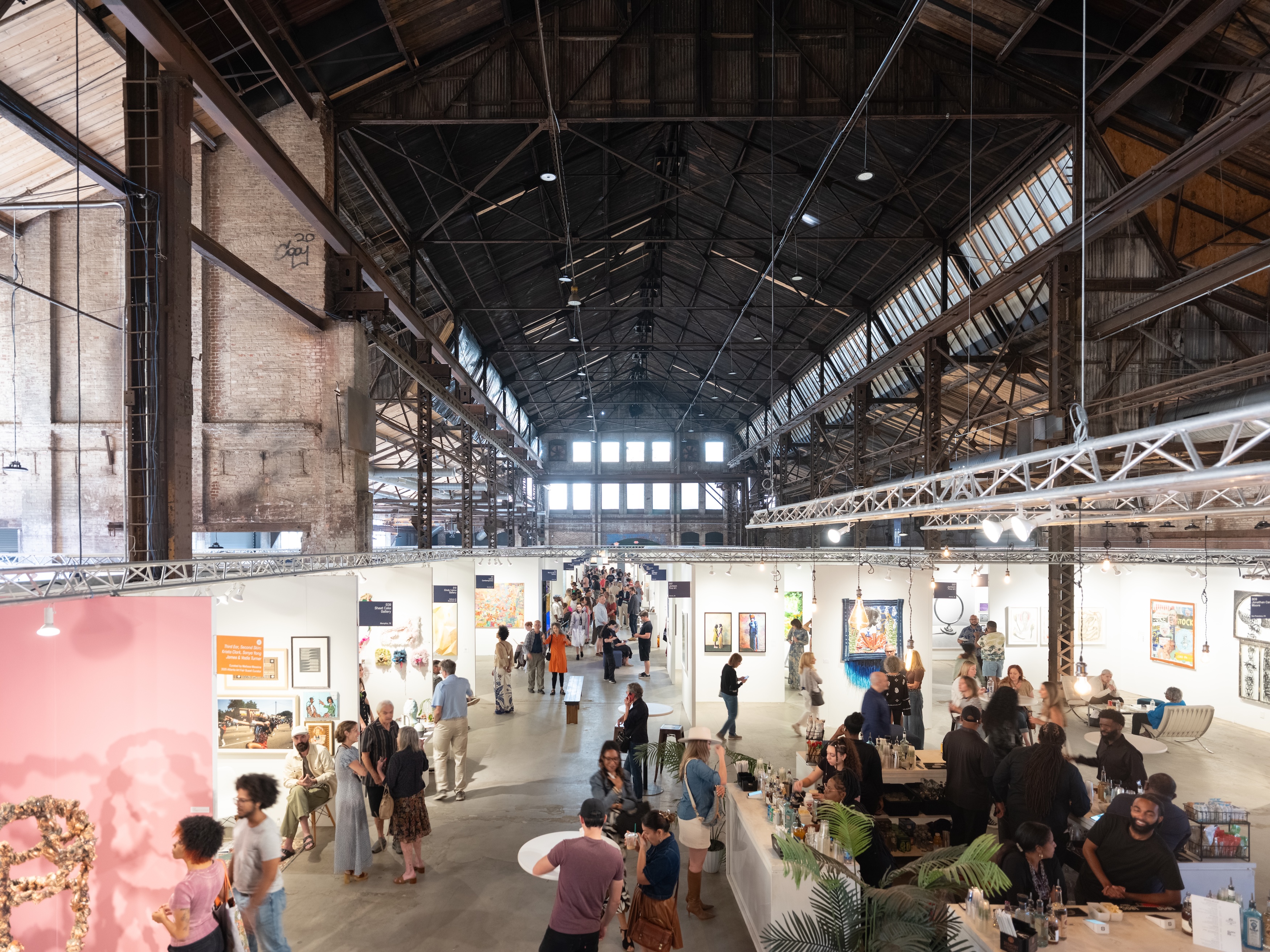
“Do you know Goat Farm?” Kelly Freeman, Director of the Atlanta Art Fair, asks me. She calls while on a walk, and I shake my head before remembering she can’t see me. The Atlanta Art Fair is preparing for its third year, drawing attention to the city’s distinct, rapidly expanding artistic ecosystem. “Part of what makes Atlanta so incredible is that it’s consistently growing and developing and expanding based on its creative roots,” Freeman explains.
The Goat Farm Arts Center, named for the goats the previous owner brought in to eat overgrown kudzu on the property, now operates as a creative-industrial arts complex and cultural center, with artist studios, performance spaces, and, most recently, the Museum of Contemporary Art of Georgia, taking residence. Earlier this summer, Goat Farm collaborated with Georgia Tech Arts to produce LOOP, transforming a 1940s-era industrial property into a contemporary arts programming space. “I bring these things up as examples of the change I continue to see in Atlanta,” Freeman says. “It’s so cool to be even a small part of that.”
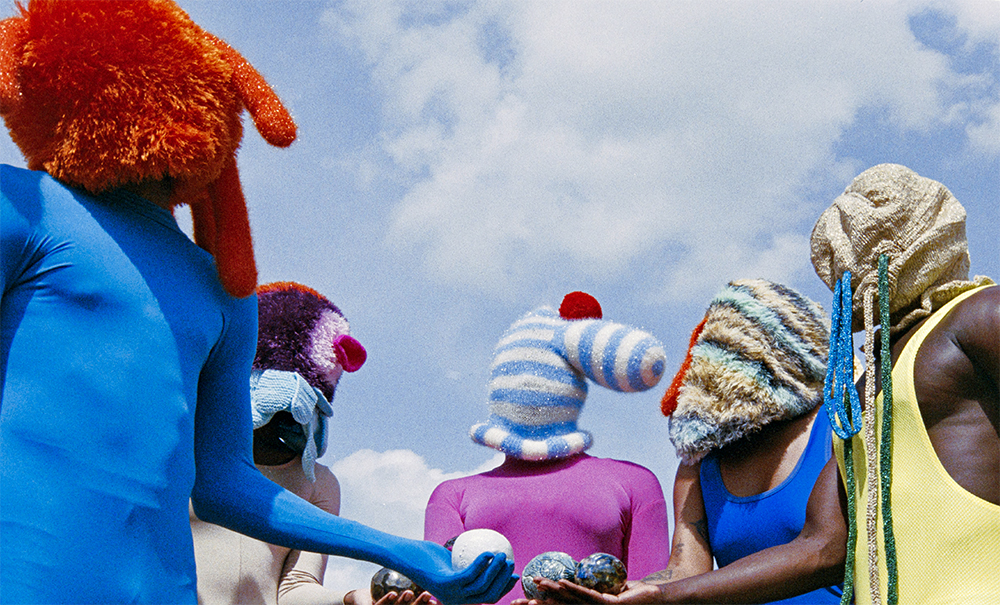
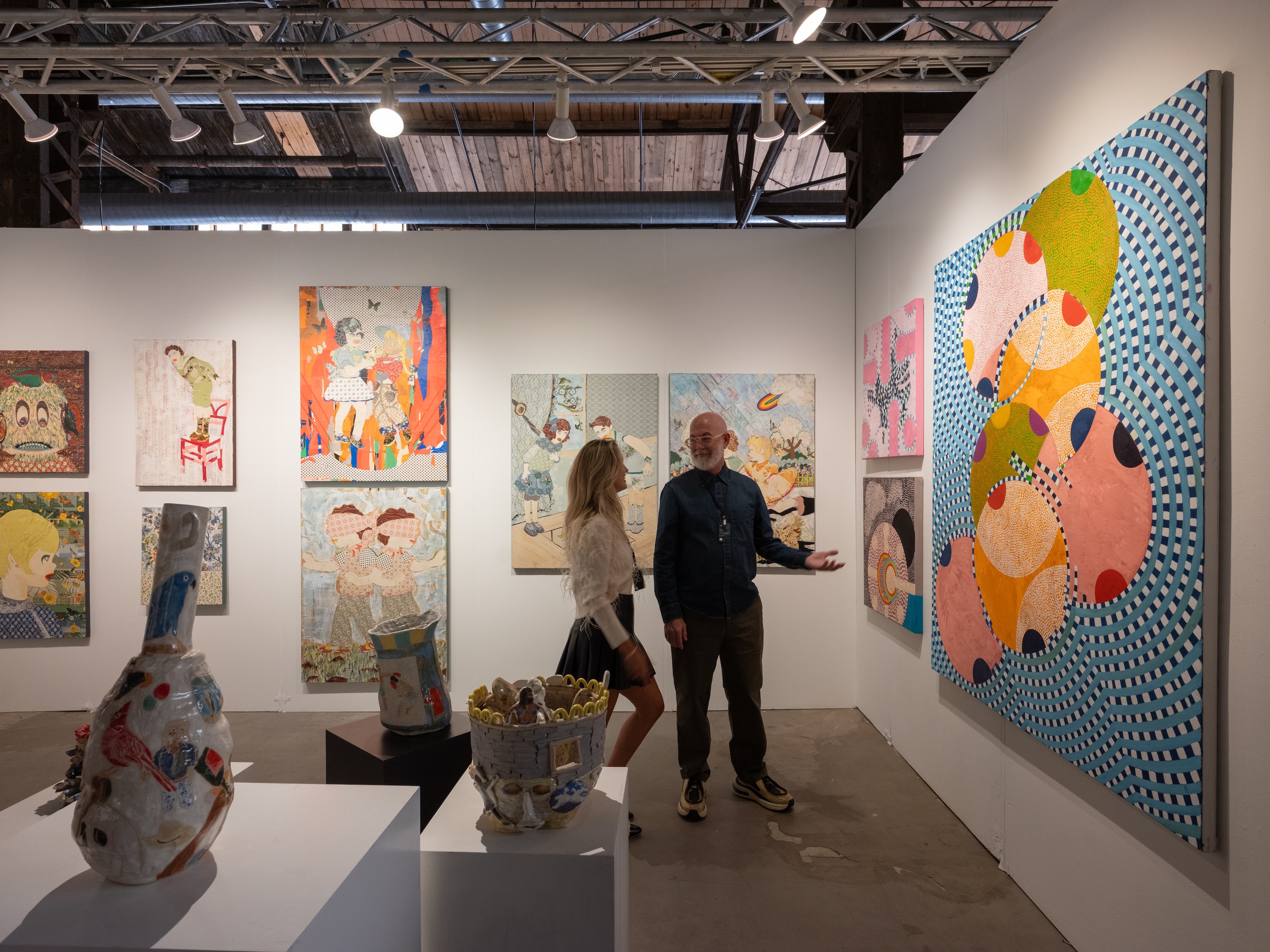
The Atlanta Art Fair, which began in 2024, will host its third edition the first weekend of October, featuring more than 70 galleries from the American South and around the globe. Returning Atlanta galleries include Jackson Fine Art, Johnson Lowe Gallery, Whitespace, and Spalding Nix Fine Art, joined by exhibitors from across the U.S. and abroad, including San Francisco’s Jonathan Carver Moore, New York’s Tanya Weddemire Gallery, Johannesburg’s Melrose Gallery, and Barcelona’s PIGMENT GALLERY. First-time exhibitors include Atlanta’s TILA Studios and aKAZ!ATL, New York’s Claire Oliver Gallery, and Los Angeles’ Art Melanated.
“Honestly, it’s really organic, which I love,” Freeman says of developing such a diverse roster. “I think once you try to force certain statistics onto an art fair … it won’t feel as organic, and the conversation won’t feel as original to the space.” For Freeman, who also produces Seattle Art Fair and the San Francisco Art Fair, “success” in arts programming often transcends conventional metrics. “It’s hard to measure,” she says, noting that impact isn’t limited to the three-and-a-half days of the fair but extends to the care, attention, and support participants should feel year-round. It seems the anecdotal moments—a conversation that becomes a relationship, perhaps eventually a sale—align most closely with success. “That’s the kind of thing that really resonates.”
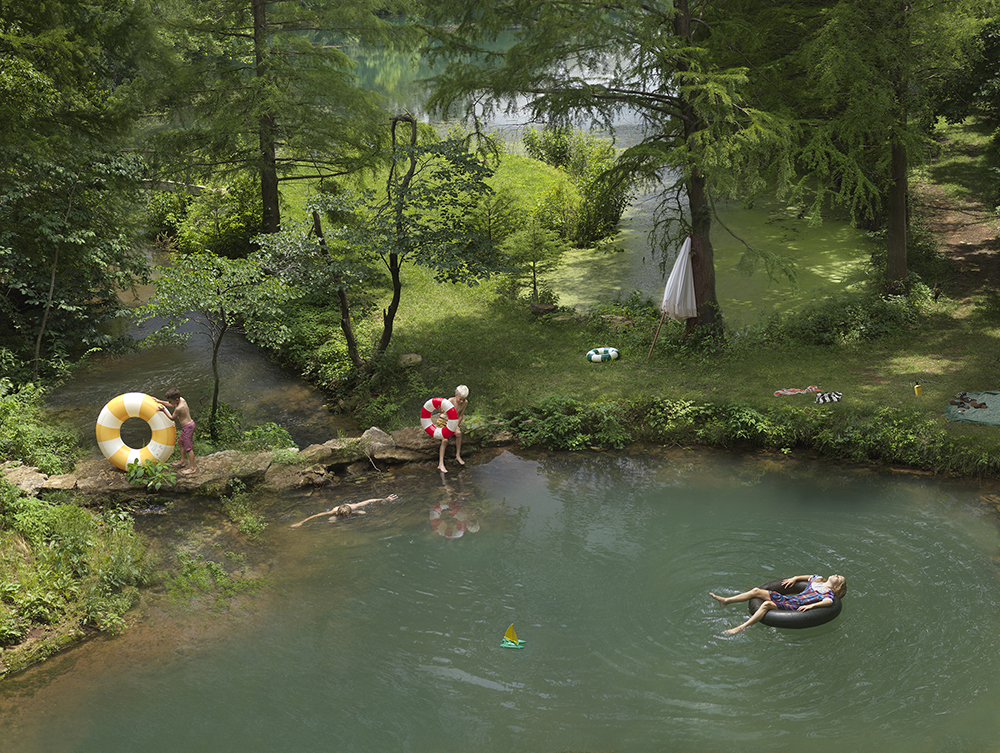
Another ongoing effort focuses on diversifying both the art represented and its audience. “It’s how to make sure we’re getting in front of everybody, right — making sure we’re not just operating within the very brilliant but localized art-world echo chamber,” Freeman says. This year, that includes a conversation on art and sports led by Josh Baer of The Baer Faxt, exploring the growing presence of art collections in stadiums. “We’re trying to reach out into the community and let people know that just because you haven’t been to the High Museum or the art fair before doesn’t mean there isn’t a voice here you’ll connect with.”
Even as the Atlanta Art Fair grows, it remains true to its core, devoting particular attention to uplifting Atlanta-based and Southern creatives, who make up about half of those involved. Presented by the Atlanta Art Fair in partnership with the Community Foundation for Greater Atlanta, ATL CURRENTS is a new initiative that supports Atlanta-based independent artists at the fair by connecting their work with collectors, curators, and arts professionals. This year will also feature the Balentine Prize, awarded to a promising emerging artist from the region.
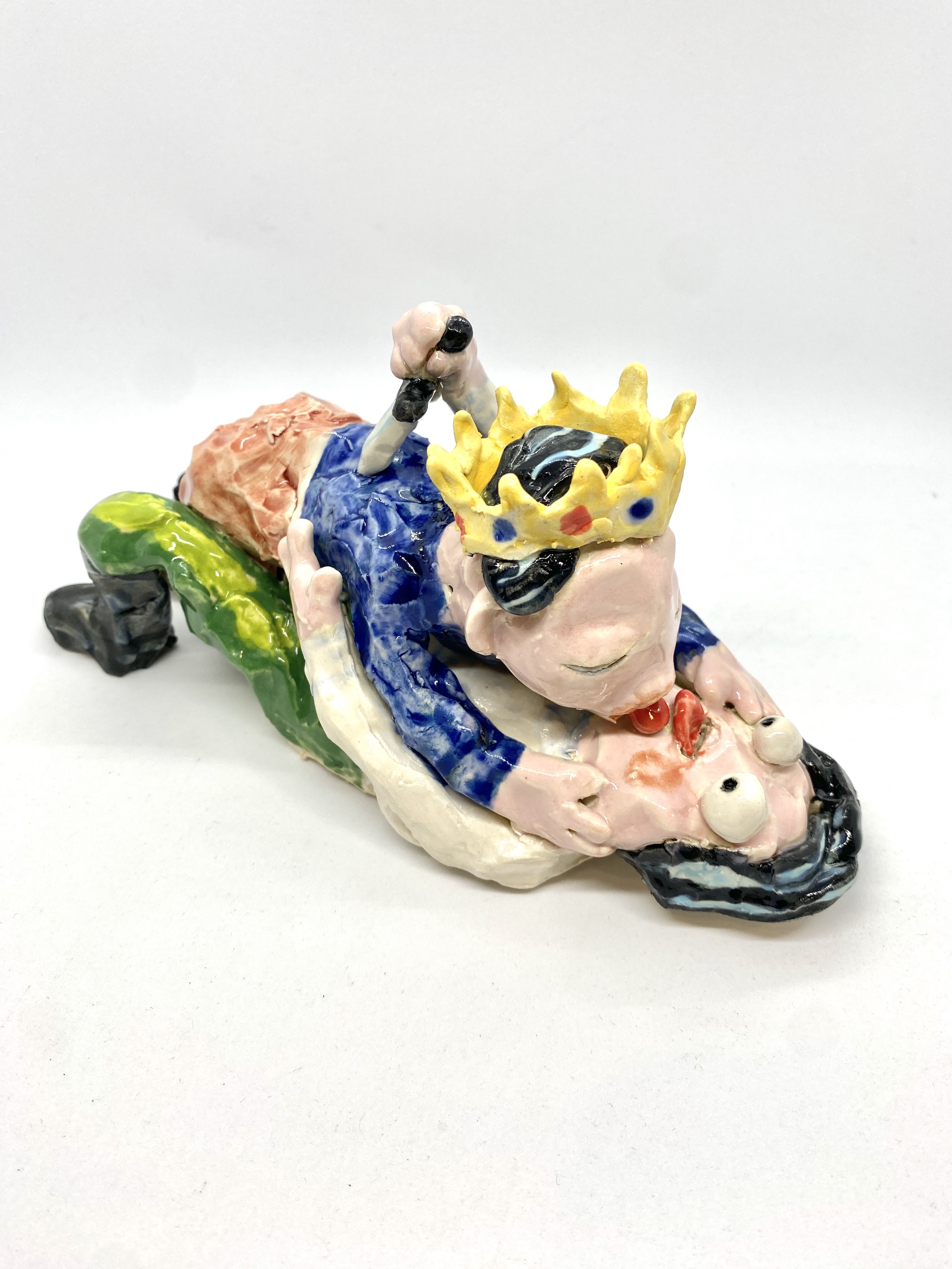
The team further embodies this goal by pairing the fair’s global curator, Nato Thompson, with a hand-picked local curator. “We’re setting the Atlanta Art Fair apart from shows that pick up an idea from somewhere else and hope a community rallies around it,” Freeman explains, describing this year’s program: Low Grit Grins. Organized by Sarah Higgins, with local artists Antonio Darden, Tori Tinsley, and Victoria Dugger, the group show explores how art can address heavier, intricate social realities through humor, absurdity, and camp. “It’s going to be scrappy and brilliant and authentic.”
In 2023, Georgia ranked 49th in government arts funding: just 14 cents per person, with a roughly $1.5 million arts budget—compared with New York’s $12.27 per person that same year. This trend has persisted over the past decade, with Georgia consistently ranking last or near last in the nation. “The whole point is to do our small part to shout from the rooftops about what makes Atlanta so exciting, to get more people to pay attention, and to get those already in the know to more robustly support the institutions doing such great work in the community,” Freeman says. “We all need to rally to make sure organizations keep getting the funding they need to do their good work, so local artists can continue to receive support.”
Stay up-to-date with exclusive events and content.


