F L A U N T


In 1868, American watchmaker Florentine Ariosto Jones endeavored against widespread skepticism to begin an international watchmaking factory along the Swiss river Rhine. In the century and a half that followed, the epochal Swiss horological maison IWC Schaffhausen emerged as a preeminent purpose-driven watchmaker, melding Jones’ intrepid American spirit with Swiss precision with the world’s finest line of aviation watches.
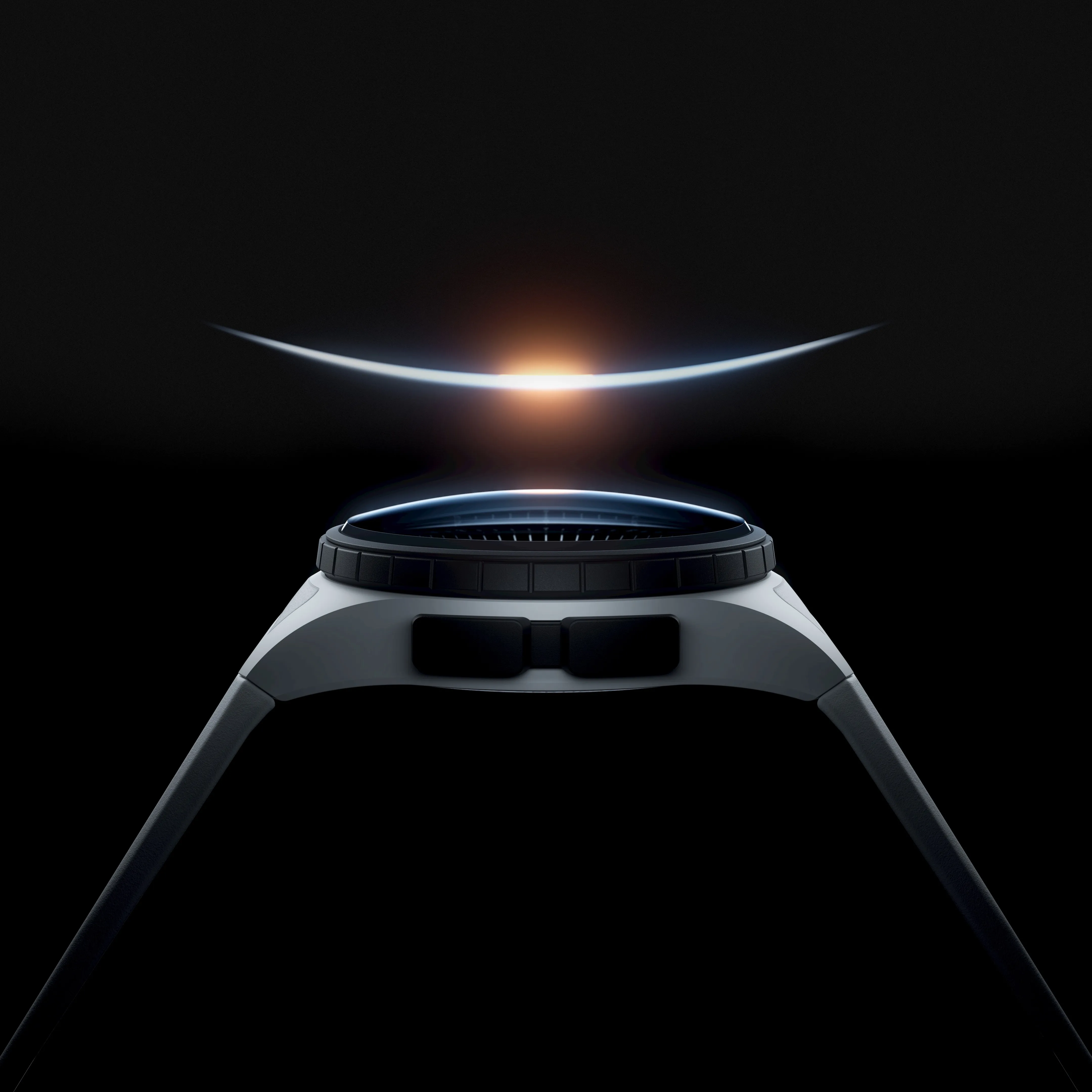
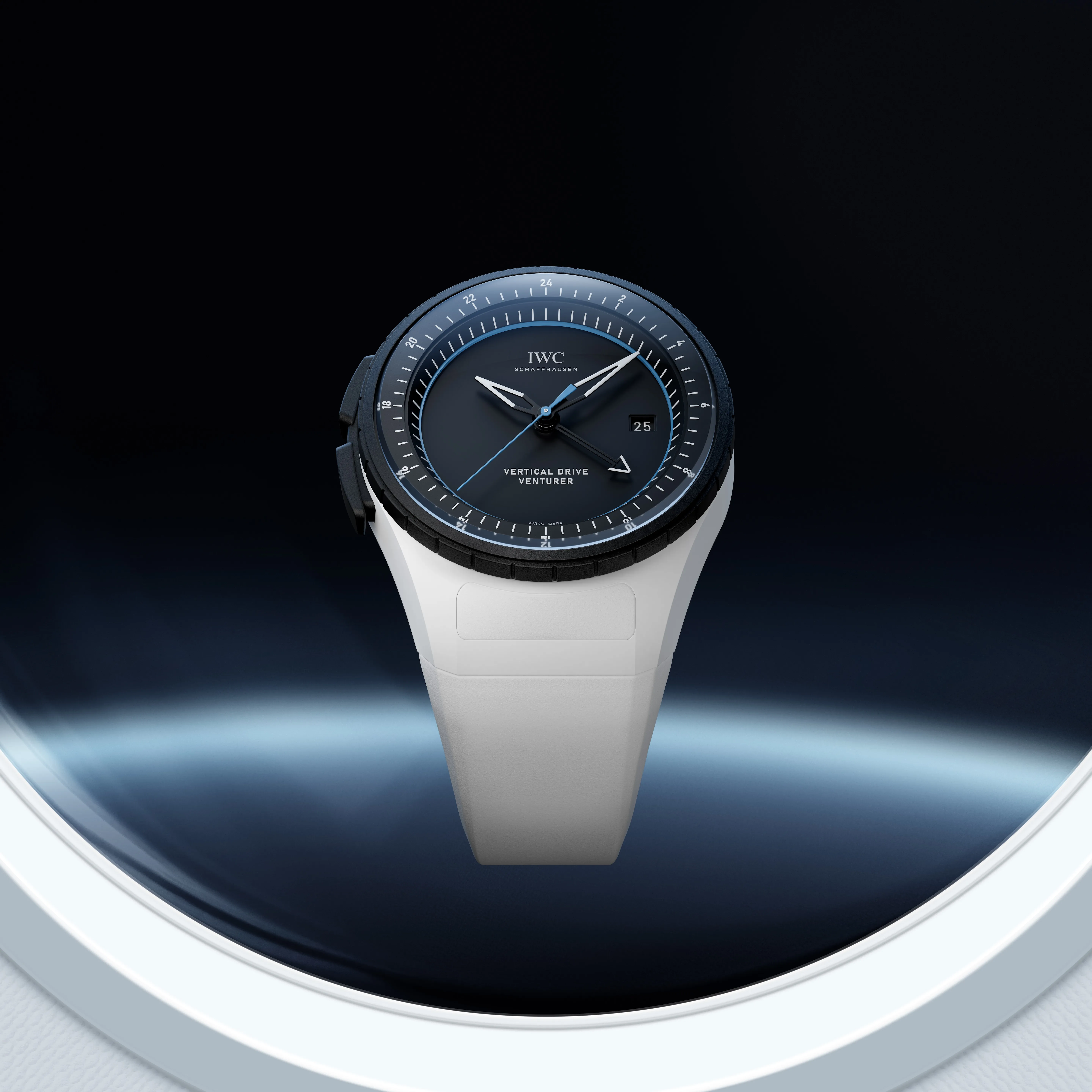
This week, IWC Schaffhausen upholds their legacy of innovation in the unveiling of the Pilot’s Venturer Vertical Drive timepiece, the first ever watch engineered specifically for human spaceflight. Fabricated in collaboration with West Coast spacecraft startup, Vast (with whom IWC has partnered as the official timekeeper), the watch is designed to withstand the extreme conditions requisite of space launch and long-term spaceflight.
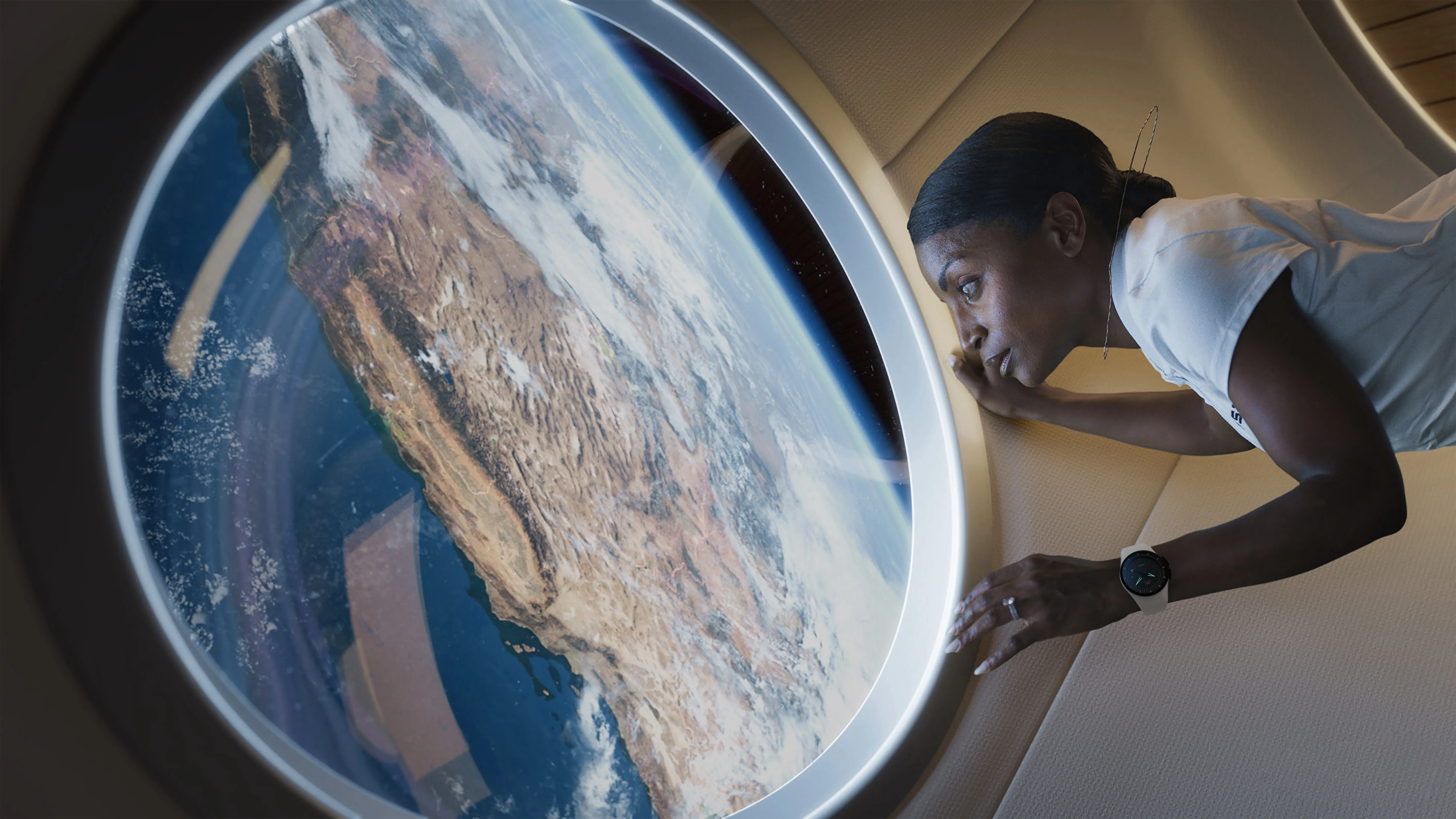
Headquartered in Long Beach, CA, Vast is actively working to develop the world’s first commercially viable space stations, the first of which (Haven-1) is set to launch next year, with hopes to eventually replace the international space station which will be decommissioned in 2030. In the making of these stations, Vast aims to create habitable, human-centric spaces that concern themselves with the relationship between use and aesthetics, aiming to make those who stay within them (private astronauts, scientists, government missions) feel comfortable; closer to home.
And, it is that ethos—this feeling of home—that braids together the aesthetic missions of both IWC and Vast in this collaboration. Suspended in the great unknown, the absolute necessity for order and the tender, sometimes superfluous-feeling human sentimentality blend together into one. To be human, in that great and terrifying vacuum, is to enjoy beauty. And, just as Haven-1 is designed with wood detailing on the interior in order to facilitate the feeling of creature comforts, so too does the design of the Pilot’s Venturer Vertical Drive balance function with form, with rounded edges and a thin, blueish hue to mimic earth’s atmosphere and curvature. The watch also allows the wearer to track time across multiple time zones (set to both the station control and to their home, so astronauts are able to communicate with their loved ones Earthside.)
We are no longer at the dawn of the New Space Age. We are, at present, living through it, actively interrogating what it means to be human outside of Earth. With this exploration comes a scientific rigor—which, of course, IWC is extremely well-equipped to handle—but also a philosophical negotiation of human design. See below, FLAUNT’s conversation with IWC Schaffhausen CMO Franziska Gsell on how the Pilot’s Venture Vertical Drive represents a natural extension of the maison’s longstanding legacy of innovation, and what it means to partner with Vast, a company at the forefront of the future of commercial space habitation.
The main thing that fascinates me about this collaboration is the concept of Earthly timekeeping in the great, vast frontier. It feels quite human—endearingly so. How did IWC factor humanity into the design of this watch and the collaboration overall?
This was really a moment for the brand to reflect on nearly 90 years of professional pilot watches and instrumental watches, and to ask: what is the next big thing? And the next big thing is space. So we asked: what would a watch look like when a professional needs to operate it during a space mission? That’s where the journey began.
When you are far from home, it’s important to still feel connected, and to feel human. Time isn’t just about scheduled intervals, it’s really about a connection to home. For me, a watch is a companion in life. It tells your story. If you treat it well, it can outlast a human life. Even in a venture as extreme as space, you still need that connection.
You can see it in the design of the [VAST] capsule as well. It’s surprisingly warm, with wood and a sense of comfort, which really resonated with us.The collaboration itself came through shared missions and connections. We met people in the space industry and found that we share the same values. We bring nearly 160 years of history. They bring the energy of a young company. It felt natural.
I was thinking about that—how storytelling and legacy work when one brand has over a century of history and the other is just beginning. How is there synergy between those two narratives?
First, as Chris said: we did it because we can. That mindset is something we share. We’re both engineering-driven companies. We focus on precision, materials, and performance. They do it for space capsules, and we do it for watches. When you start talking, you realize you share values. Time is central in both fields: it matters to humans, and it matters even more in space. Of course, we also need to genuinely like and understand each other’s mission.
Yes, we have nearly 160 years of history, but we were founded by an American pioneer [Florentine Ariosto Jones] who brought an unconventional idea to Switzerland. That pioneering spirit is in our DNA.They are also pioneers—growing rapidly, building things at incredible speed. If they fail, it could define their future. Our responsibility is different: to carry a legacy forward. But in terms of mindset—boldness, courage, engineering—we are very aligned.
What does luxury mean to you, specifically within IWC?
For me, luxury starts with time itself. Time is precious. We all have a limited amount of it. Our product belongs to “hard luxury”—something lasting, something crafted, something beautiful. A watch becomes part of your life. People remember when they received it, why they bought it. Watches [tell] a story. There is also craftsmanship. When you visit our manufacturer and see these tiny components assembled by hand, it still feels like magic—especially today, with AI and rapid change, there is comfort in something human-made, something enduring.
I once had a discussion about smart watches. I said: if my son graduates, I wouldn’t gift him a device…I’d gift him something lasting. Something that reflects beauty and craftsmanship. That’s really what luxury means to me: something human, meaningful, and enduring.
That ties into the relationship between beauty and craftsmanship—especially with pilot watches, where function might seem to come first. How do you see that balance?
Beauty is very personal—it’s what moves you, what tells a story. Yes, form follows function, but we have a very specific design language: clean, pure, never over-decorated. That’s IWC. The challenge is telling that story so people understand the design’s origin. Most people won’t go to space, but they can still appreciate strong design when they understand it. And then they pass that story on. That’s what makes this industry so human.
I love that idea. The timepiece connecting space to Earth, and people on Earth imagining space through the watch.
Exactly. A truly great design is beautiful today and still beautiful in 100 years. That’s very hard to achieve.It requires staying true to your roots while evolving, because people can sense authenticity.For example, our newer collection took four years to develop. Every detail matters. We think in long timelines—our product strategy spans 10 years. We’re not just designing for next year, but for the future, while staying connected to our heritage.
Lastly, I wanted to ask about Florentine Ariosto Jones and his legacy. How do you, and by extension, IWC Schauffhausen keep it alive?
I have a lot of respect for him. He was only 27, had a bold idea, was rejected, and still pursued it.He introduced industrialized watchmaking in Switzerland and even used hydropower from the beginning, really making sustainability happen before it was a concept.Our responsibility is to carry that forward. We respect the past while evolving. What helps is that pioneering spirit—it allows us to be bold. We also invest heavily in developing our own talent, training watchmakers across generations.Innovation can come from anywhere! Even apprentices. One of our major innovations started as an apprentice project and took years to realize.
It is that willingness to explore ideas—is something I find very American. And since we were founded by an American, it’s part of who we are.That’s also why this partnership works so well—there are many unexpected connections and stories between us.
Stay up-to-date with exclusive events and content.


