F L A U N T


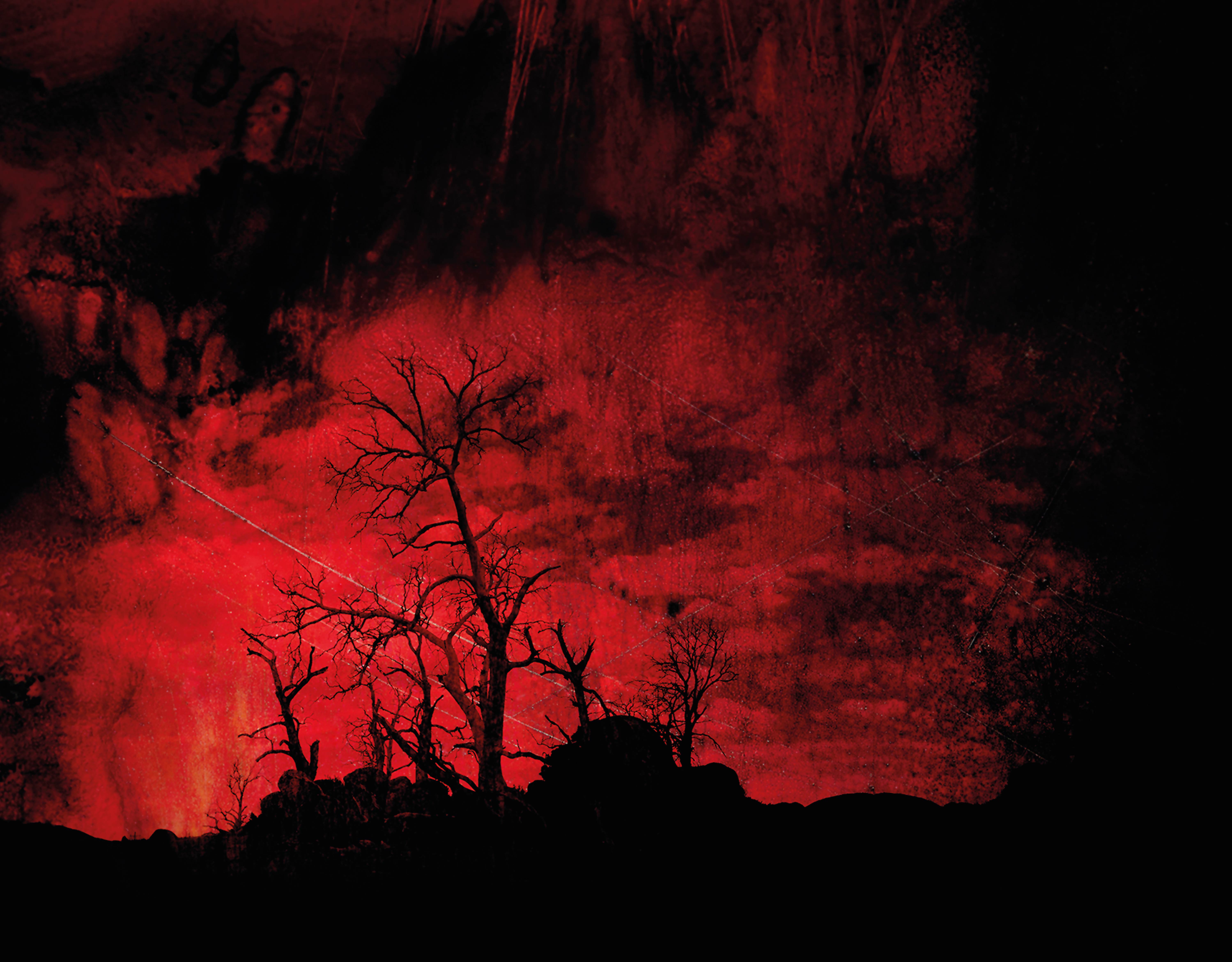
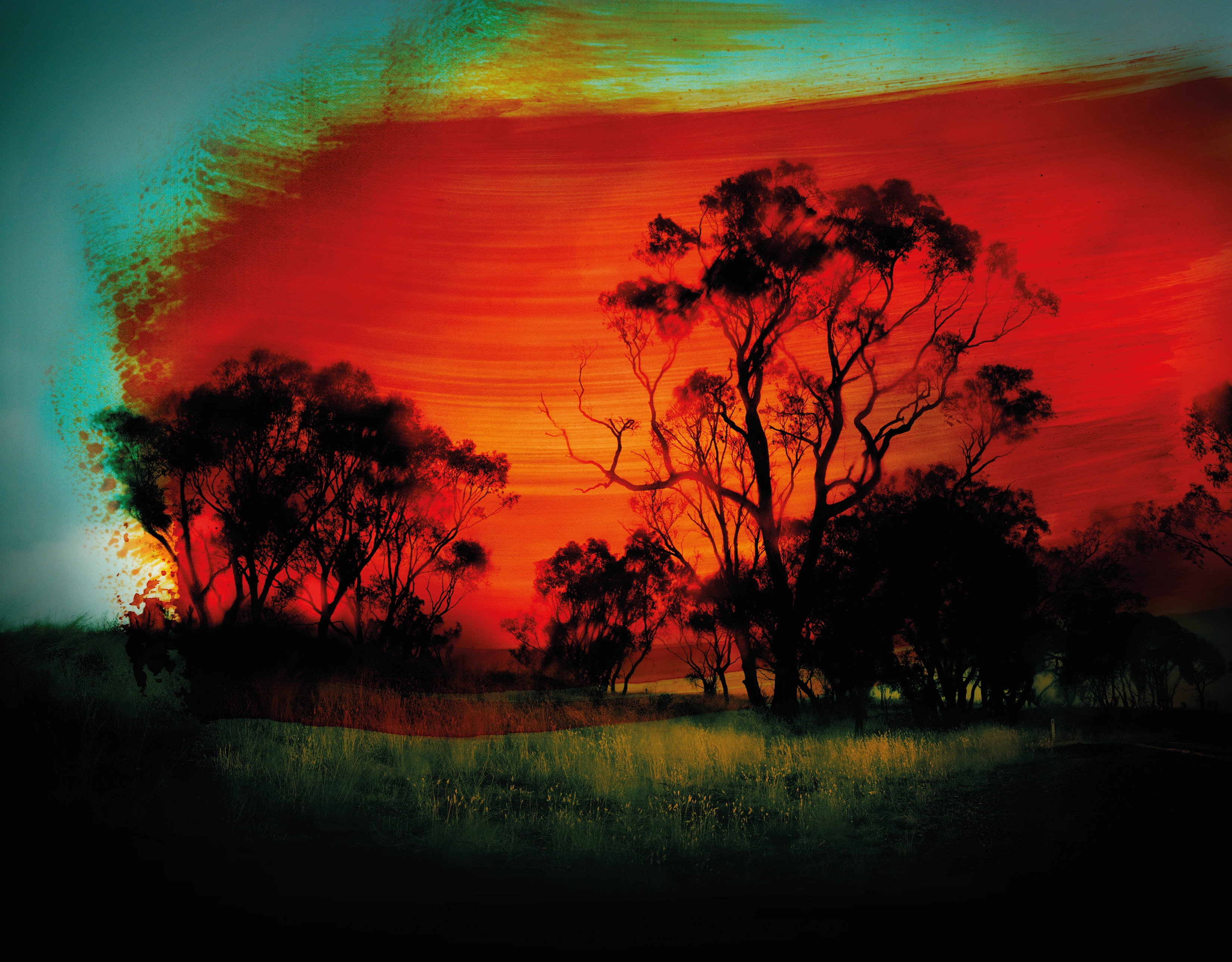
In work that seems to depict an apocalyptic vision of a once lush landscape, a sky brightened by scarlet, and specimens stuck in a twilight vase, even to the unknowing viewer, a sense of intrigue and beauty can be found amongst the ruination. Aletheia Casey, an Australian artist based in London, publicizes the detriment of these fires that devastated New South Wales, Australia, through a colonial and socio-political viewpoint in new book, A Lost Place, out via Damiani Books. Paintings featuring mixed media elements and juxtaposed images, taking photo prints and adding and removing layers of ink, Casey also uses prints of archival images of preserved animal specimens, including native species and animals from the Victorian era introduced during colonization.
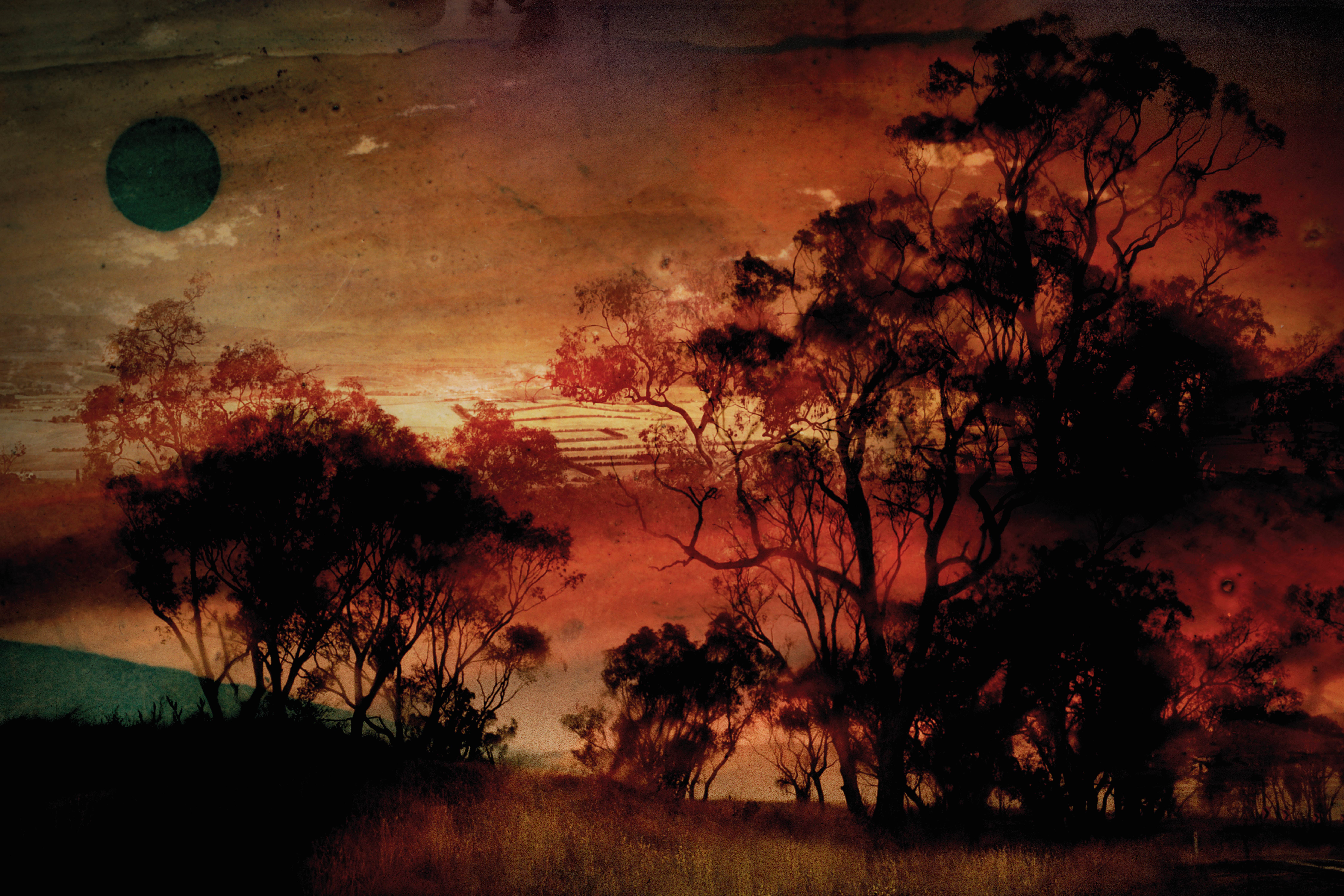
Every movement is intentional in the narrative of displaying the devastation. The photos that once displayed a brilliant and alive landscape are made to represent places lost to man-manufactured devastation over time. Brush strokes meant to represent human intervention, photographs of irony at the species that were never meant to occupy the Australian landscape, and the colonial introduction of invasive species to further strain a durable but vulnerable environment.
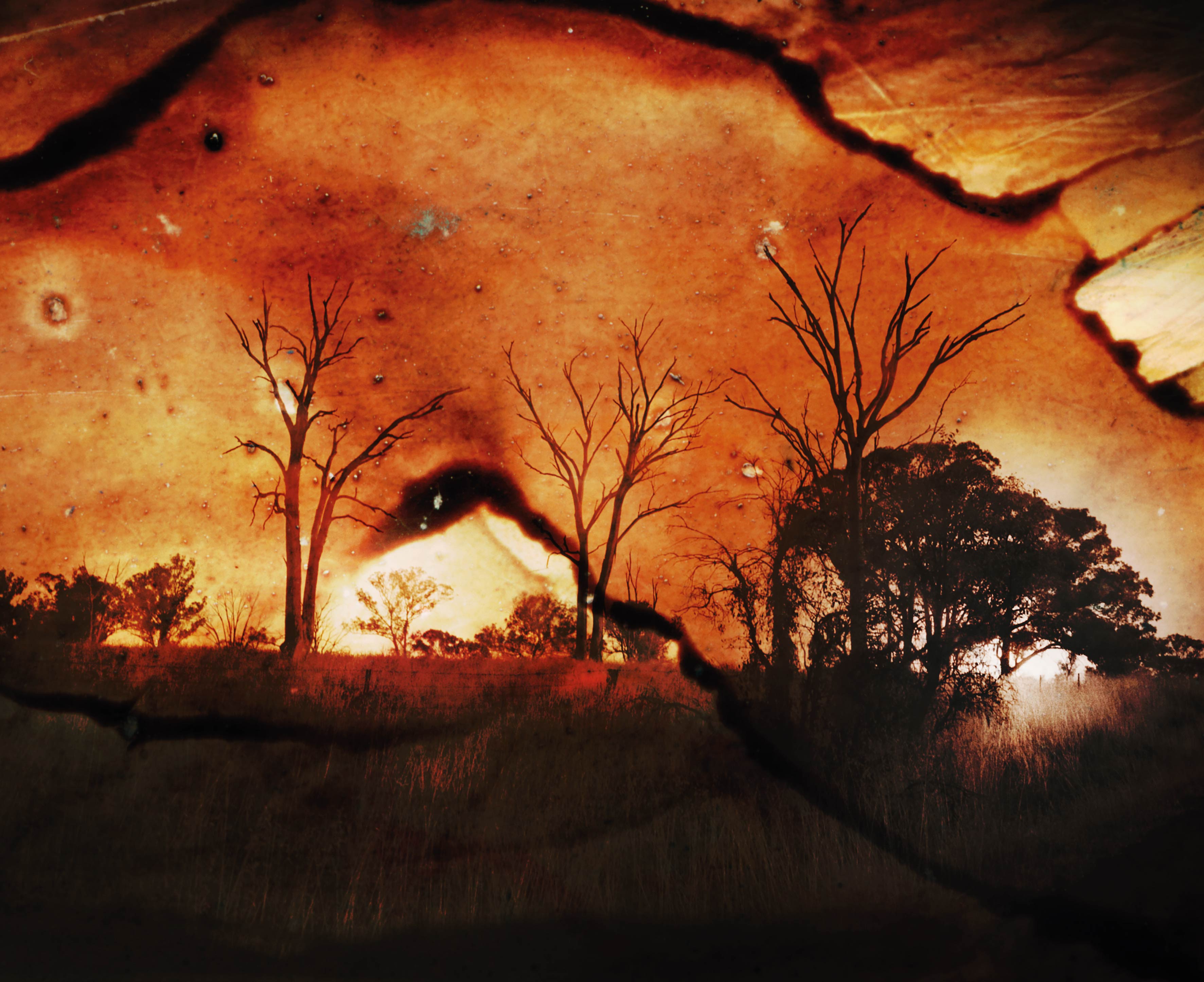
Her art is not only meant to reflect the devastation to the environment caused by immense wildlife destruction, but also to display the internal fear and anger of Casey herself at humanity and their unendurable ability to attempt to control the earth. The art also mingles with reflections not only on devastation and high emotions, but also to integrate these small moments of hope and beauty found amidst the loss.
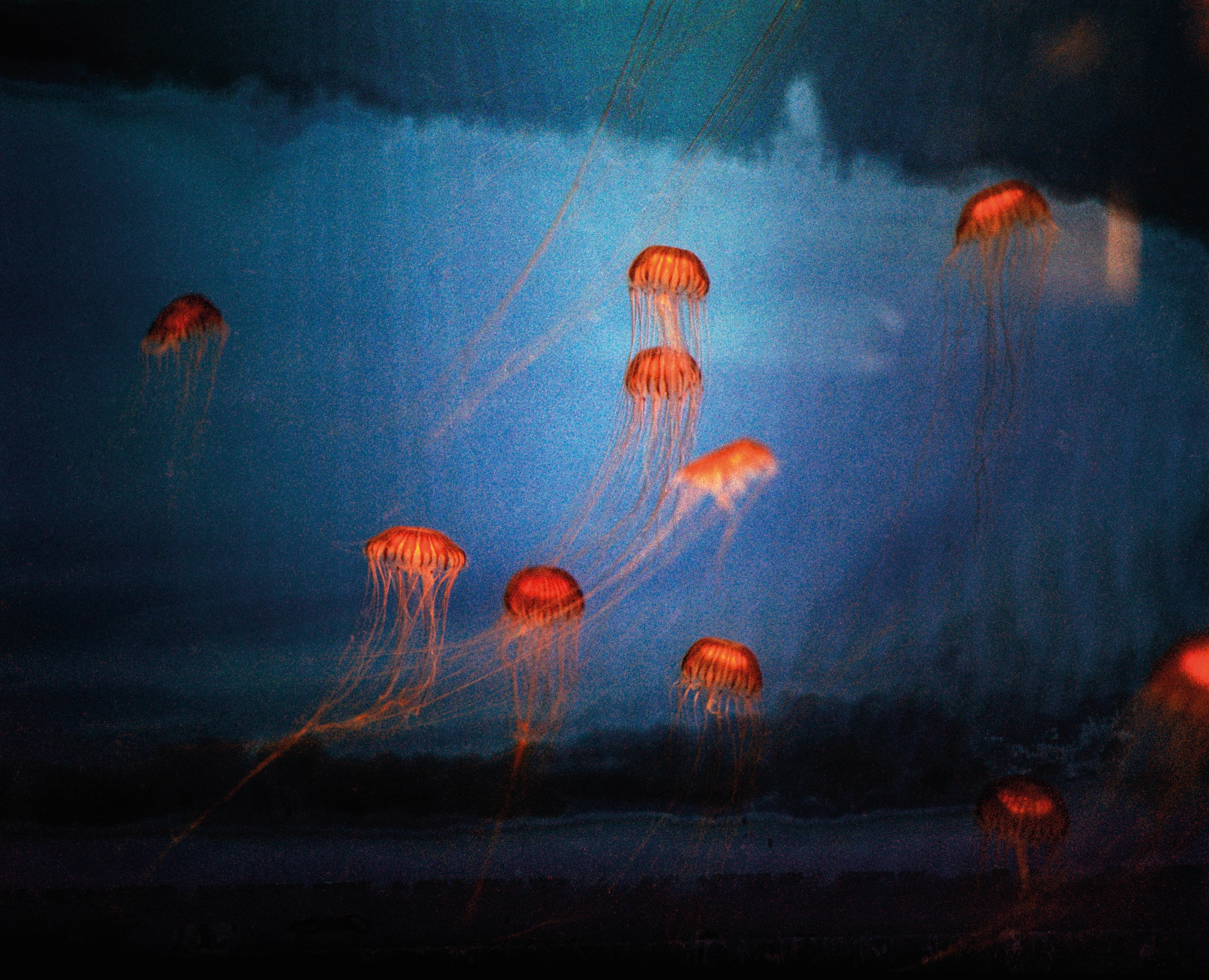
The elements of the art book are designed to highlight how the legacy of colonial ideology persists in Australia and continues to shape contemporary ecological crises in the modern era. Aletheia Casey’s work often features themes of environmental issues, family, home, and cultural identity.
Stay up-to-date with exclusive events and content.


