F L A U N T


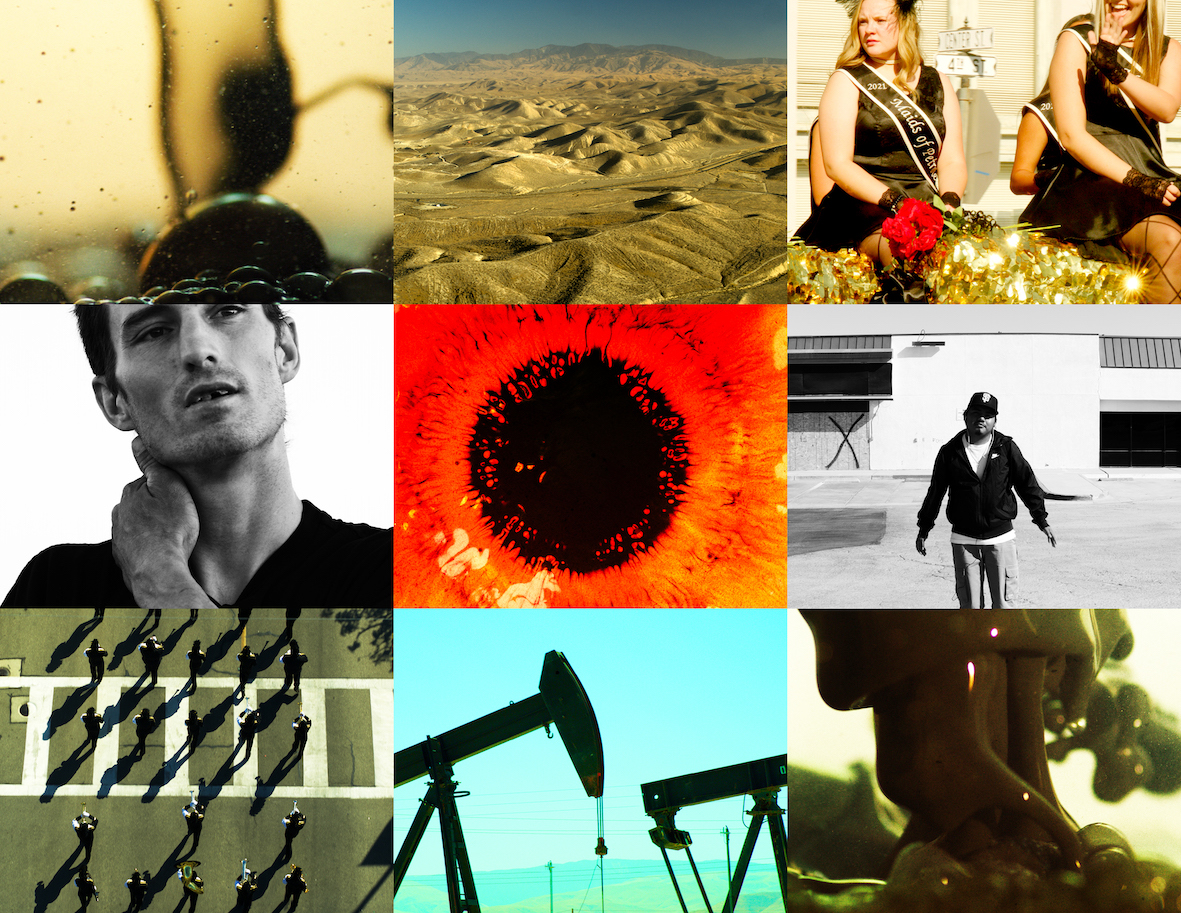
This fall, 303 Gallery hosts Doug Aitken’s newest exhibition, HOWL, pairing a multi-channel film installation with site-specific sculptures to depict a desolate desert town and those left navigating its oil drilling and excavation economy. The film installation captures the rise and fall, the boom and bust, of American towns that have relied on a Western demand for fossil fuels that skyrocketed in the early 20th century. It’s a poignant story of a town standing still, depleted of resources and hope, much like its residents– relics of another time, waiting to be rescued and reunited with the modern world.
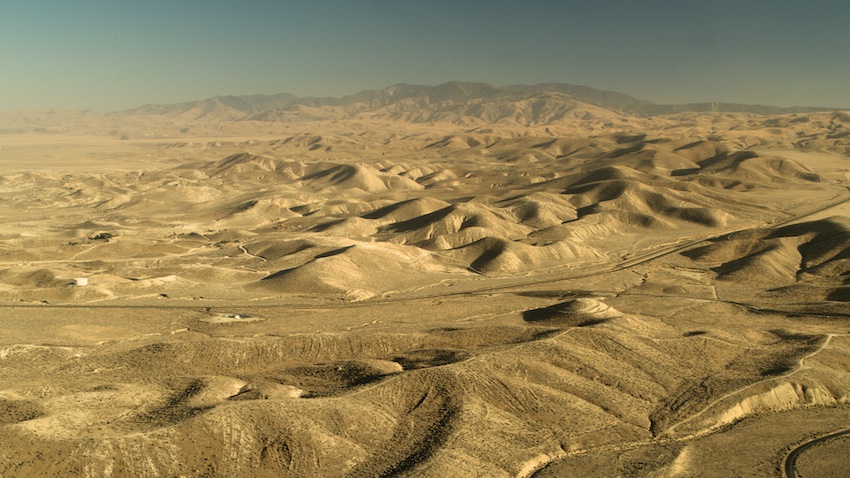
Closed storefronts and boarded-up buildings have replaced what was once a sprawling main street. Formerly a magnetic force for workers, infrastructure, and merchants, the town has lost its pull. An empty promise, its prosperity short-lived and obsolete.
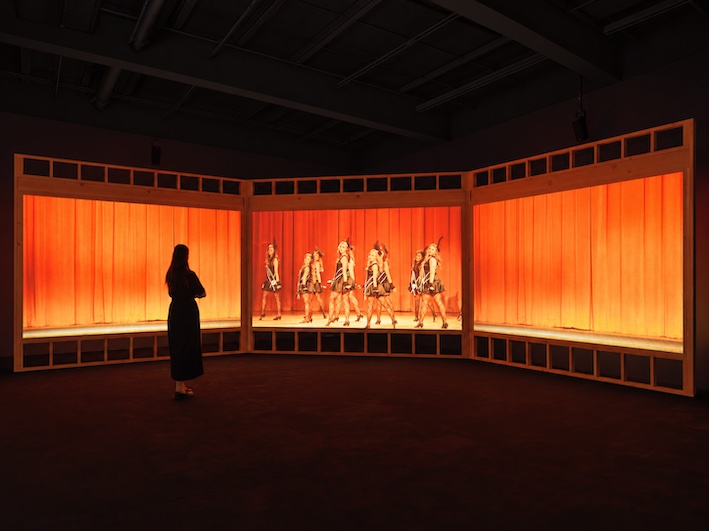
In Aitken’s video installation, the town’s residents speak candidly about their hopes for the future. Their voices are layered over the rhythmic visuals of drills pounding into the desert ground, creating a mélange of tension. Yet Aitken turns this visual dissonance into a fluid choreography, cutting back and forth between the sway of oil derricks and the swinging limbs of dancers. Though fragmented by nature, the two motions mirror and complete one another, revealing the exhibition’s underlying theme of entanglement between the natural and the industrial.
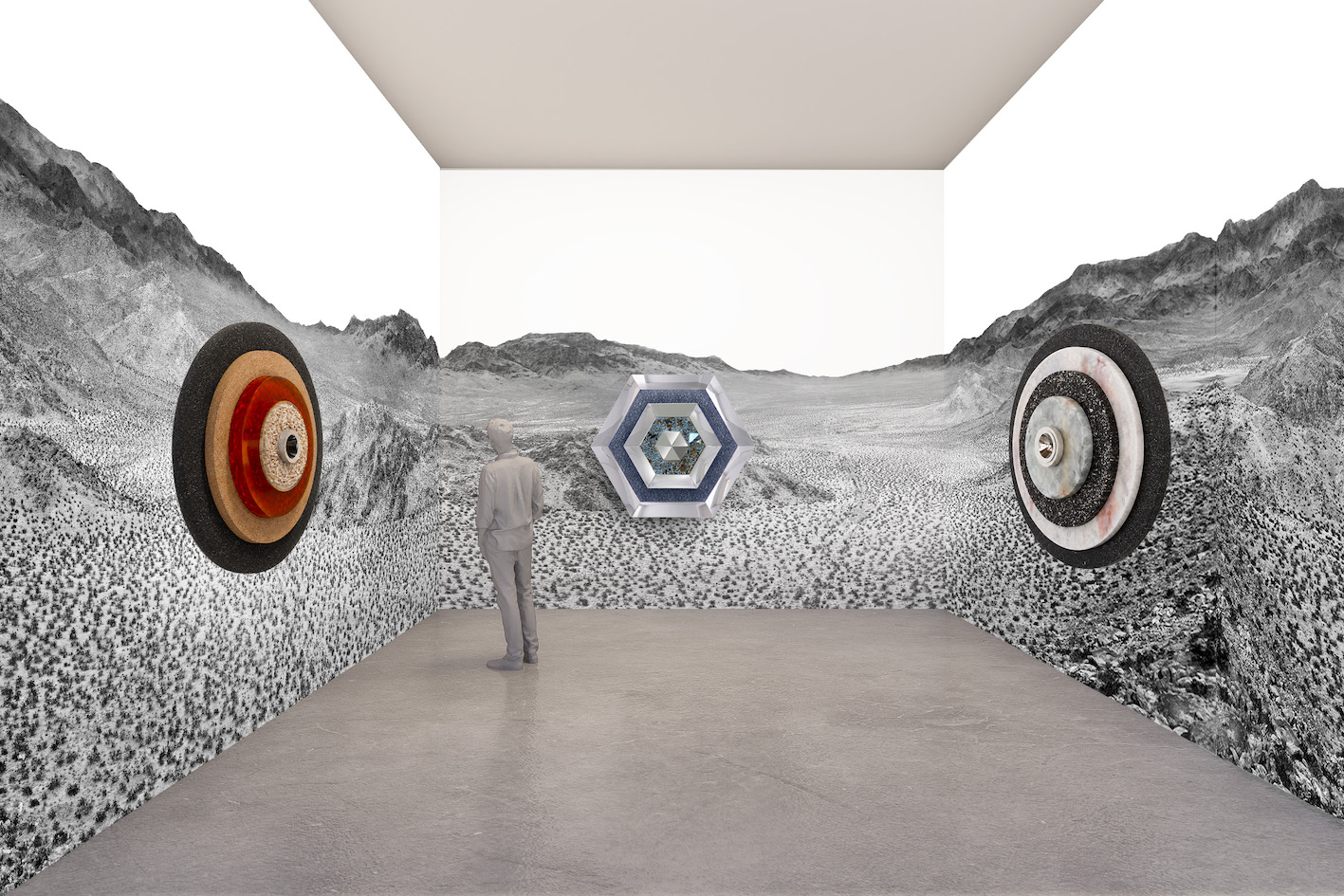
Aitken’s work is fully immersive, featuring a sculptural bus stop that offers viewers a seat while evoking the remnants of an industrial landscape. Even the sculptures leading visitors through the space reinforce a collision between wilderness and urban waste. Aitken forages freeway rubber, used tires, composted seeds, and washed-up microplastics to repurpose into complementary works.
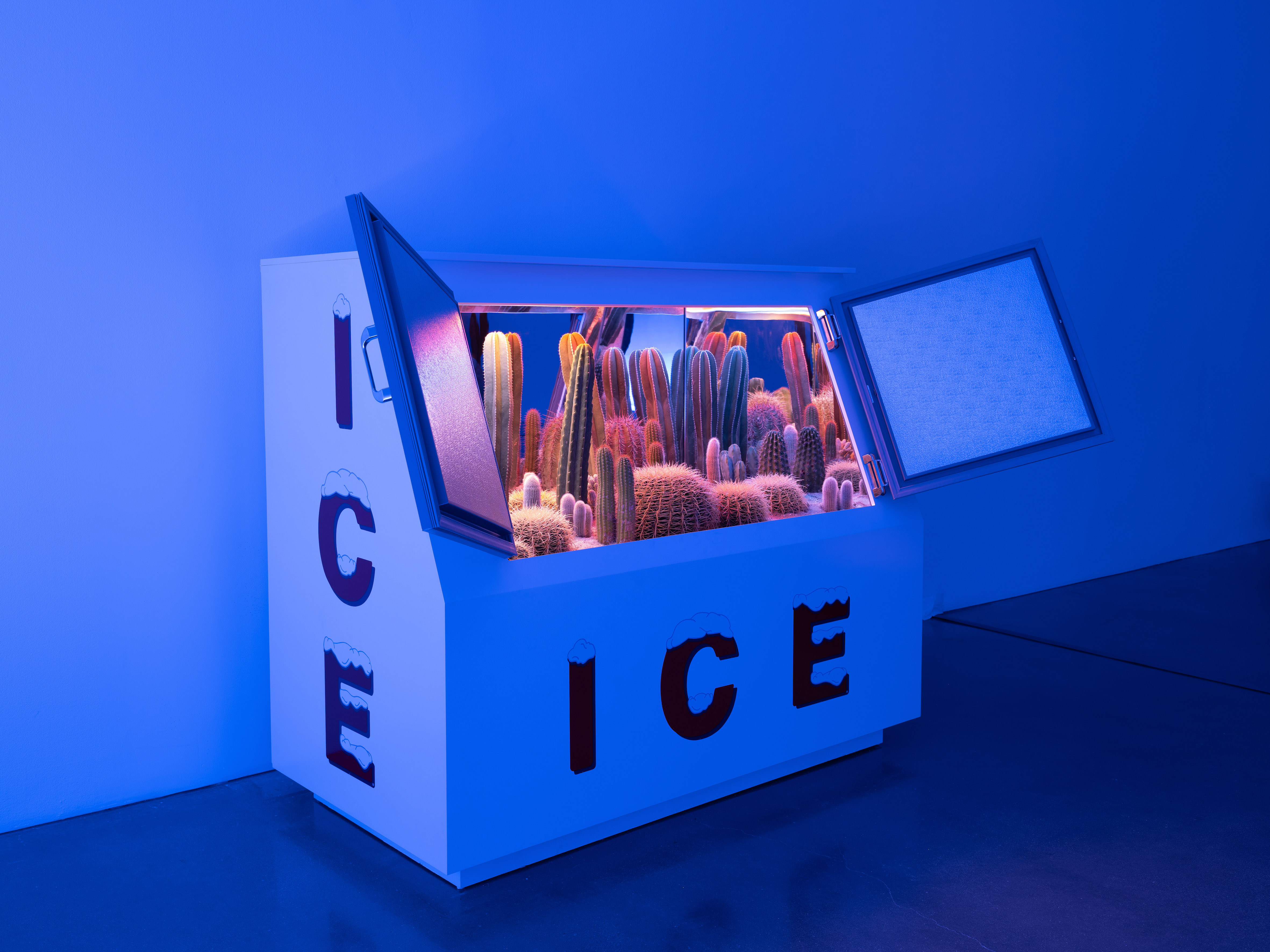
In one striking example, live cacti are enclosed inside an ice machine. An organism reliant on heat and dry surfaces, now trapped inside a moist, metalic coldbox, becomes a metaphor for the people of these towns– starved the warmth of progress and suspended in an idea that never reached its potential.

Aitken leans into this arid terrain to tell a much larger story, perhaps why the featured community remains unnamed. Far from an isolated case, his art channels a shifting energy towards change and breaking free from the past.
Stay up-to-date with exclusive events and content.


