F L A U N T


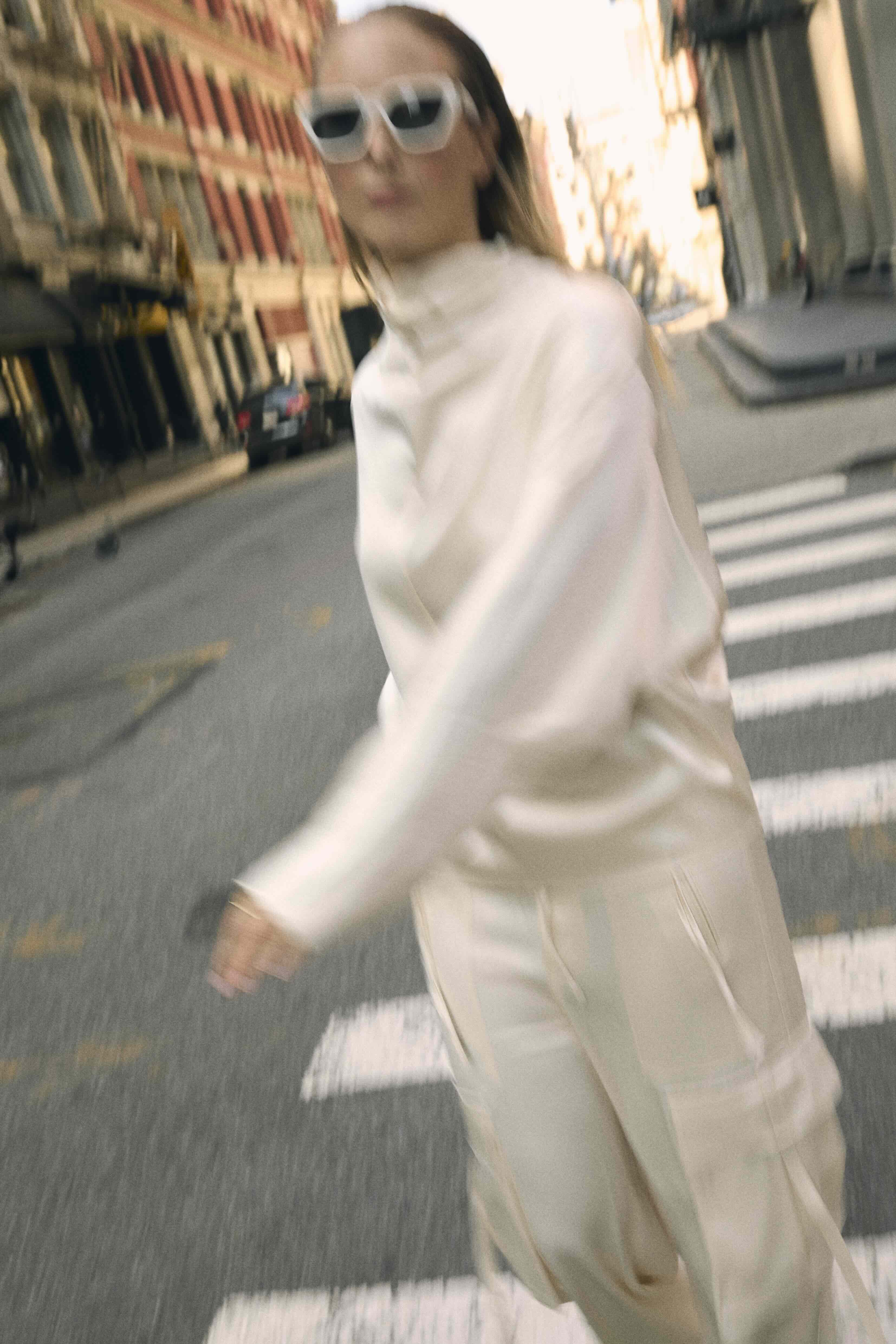
Celebrity portraits fill social media feeds, grocery store checkout lines, and newsstands. They are almost inescapable, the faces seen only on screens and pages. Each of these, though, captures just one instant; one breath memorialized in ink. Sophie Elgort understands this fleeting nature of portraiture, the daunting task to get the perfect second to represent someone’s life. However, in the second season of her PBS show, Portrait Mode, Elgort enriches this singular snapshot with an intimate look at photoshoots and the subjects she shoots.
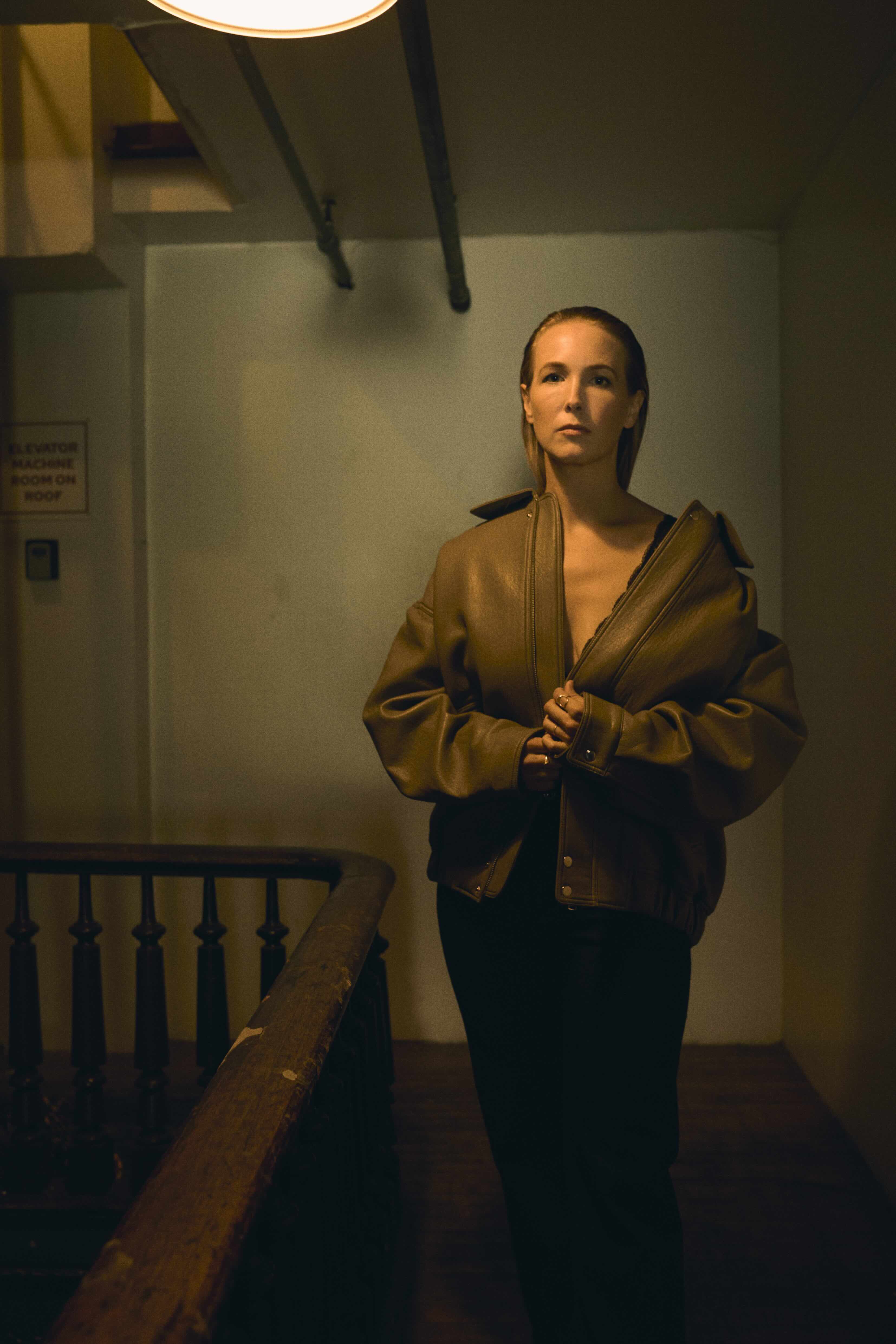
Elgort begins the episodes with a typical photoshoot: a white background and a celebrity going through poses while discussing what led them to their field. Switching to a video camera, Elgort delves into rapid-fire questions aimed at uncovering the details of the subject’s life, the human parts of them. With recreations of childhood photos and props brought in by the guest as mementos of their life, each episode exposes new facets to the subject as more than just their career. Elgort also passes the camera off to the guest, an invitation for the two of them to switch places and gain a new perspective. Ending each episode, she brings the guests out to the streets of New York, removing them from the empty background of the studio into a grounded setting. Throughout the episode, Elgort invites her guests to unveil their life and the artistry that inspires them.
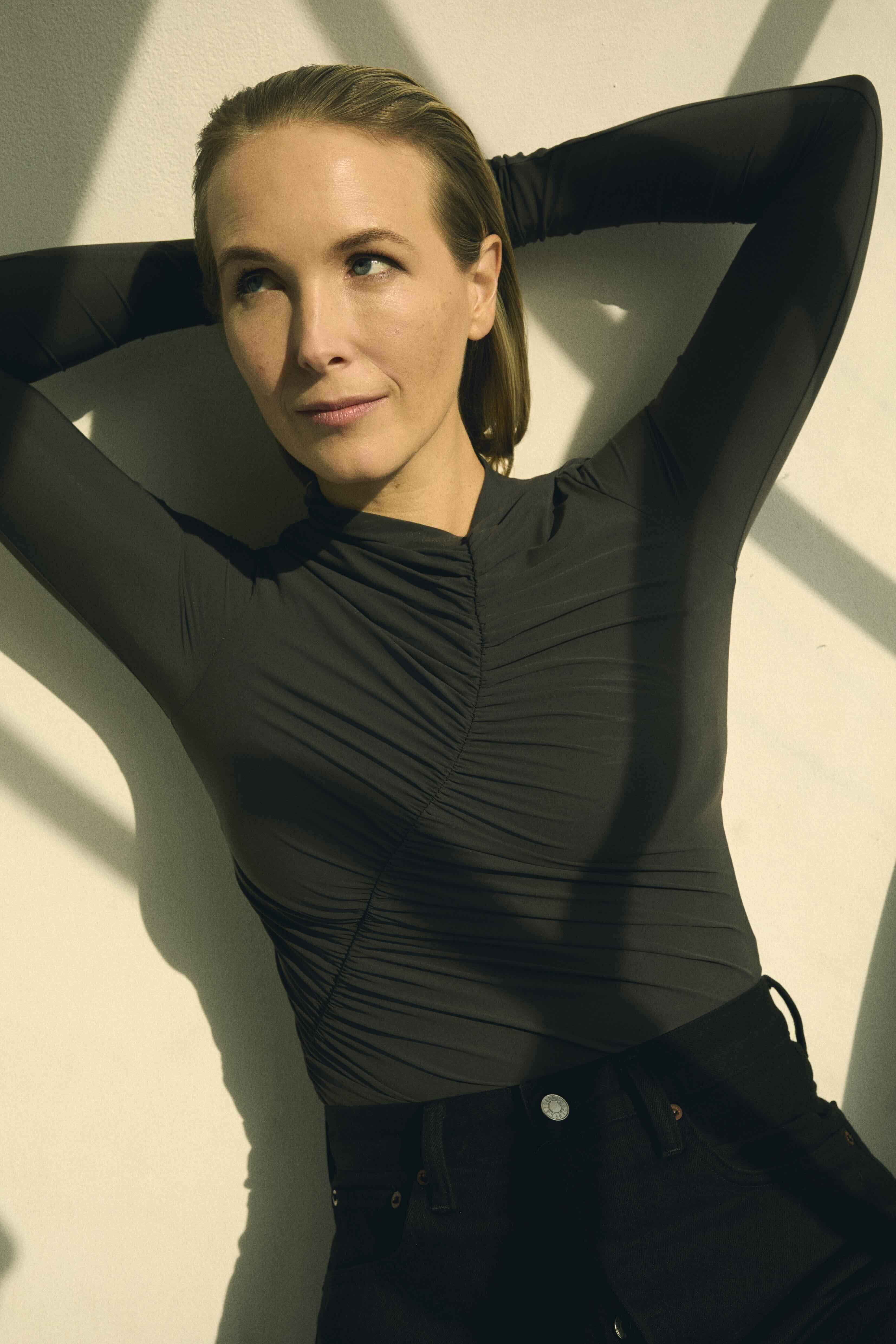
In the second season of Portrait Mode, Elgort continues her foray into the personal lives of celebrities, including comedian Hasan Minhaj and ballerina India Bradley. Through their conversations, Elgort captures the people behind the familiar personas. Revealing the stories behind career highlights, Portrait Mode breathes life into still photographs.
The first two episodes of Portrait Mode are already available to stream on PBS, with the third episode releasing November 8th, and the fourth releasing December 9th.
You have worked with the top talent across industries with your portrait work for the past 20 years. How do you continue to define your perspective in photography, while still giving space for the subject’s voice?
I’ve been working professionally as a photographer for more than 15 years, and my philosophy has always been that portraiture is a collaboration. That’s actually my favorite part of photographing people. I come in with my own perspective, ideas, and point of view, but then I’m working with another person who brings their own personality, experiences, and energy to the shoot. The best photographs happen somewhere in between. I can have a plan for what I want to make, but I also have to pay attention to what the person in front of me is giving me and be ready to respond to it. That exchange is what keeps the work interesting. I don’t want to impose an idea onto someone. I want the final image to feel like something we created together, where you can see both my perspective and something true about them. The way those two aspects meet is what’s cool.
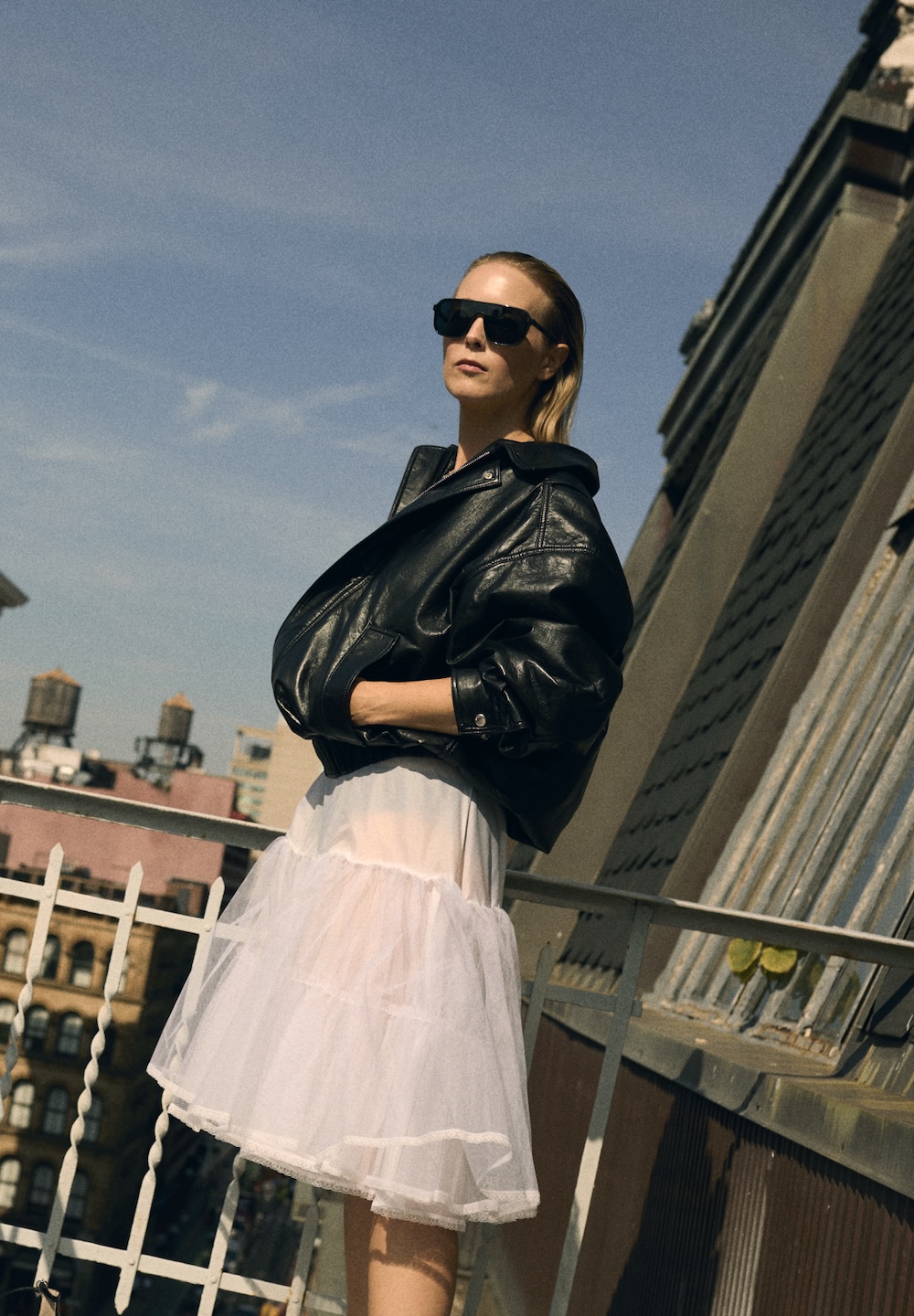
In an age where videos are easily accessible and primed for the algorithm, what continues to make photography the best introduction for a person?
Think about your own memories. One photograph can bring back an entire world that exists beyond the frame. You remember what happened before or after, who else was there, how you felt. Your mind starts filling in the rest of the story. I love that photography gives the viewer that space to recognize something and then bring their own imagination and experience to it. Photography is also a curated edit. As the photographer, I’m making very specific choices about what shots I want to show you and what I think is worth paying attention to. But then I hand those moments over to you. In that way, it’s more like a painting or a work of art. I can give you my perspective without telling you exactly what to see.
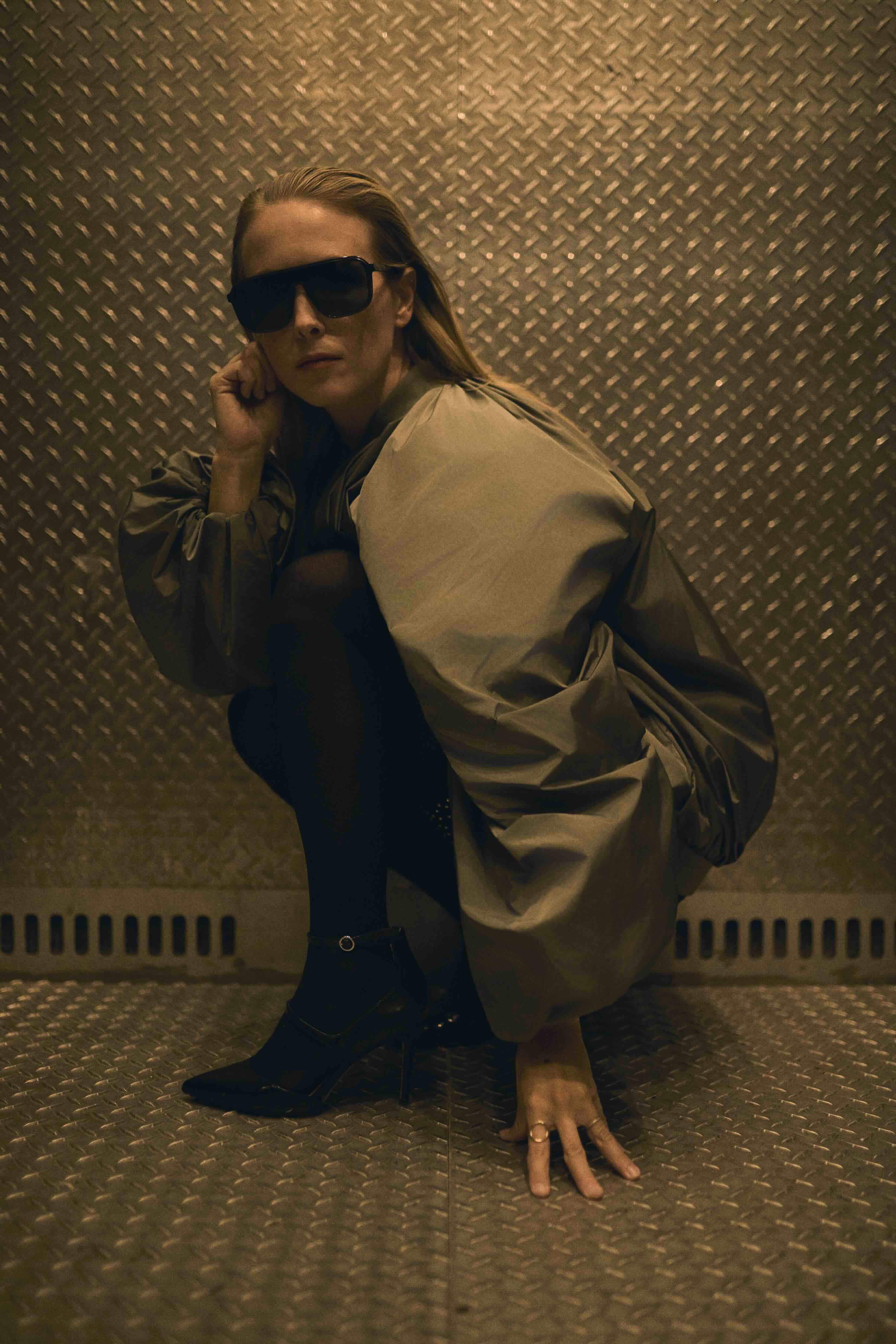
For Portrait Mode, you step in front of the camera to provide greater insight into your guests, creating space for an honest discussion. What challenges did you face in becoming a subject instead of photographer?
The biggest adjustment was getting comfortable giving up some control. As a photographer, I’m used to being the one behind the camera, making decisions about what we’re seeing and how we’re seeing it. Suddenly, I was in front of the camera, and I had to trust the people around me to make those decisions. But what surprised me was how much of the job actually felt familiar. I’ve always approached portrait photography as a collaboration, and so much of what I love about it is getting to know the person I’m photographing, asking questions, and creating an environment where they feel comfortable enough to reveal something about themselves. That’s really what I’m doing as a host, too. One of the biggest lessons I’ve learned throughout my career is that you can prepare as much as possible, but you also have to be willing to adapt and embrace what happens in the moment. That’s especially true in a conversation. Some of the most interesting moments come from going somewhere you hadn’t planned, and I’ve learned to trust that process on both sides of the camera.
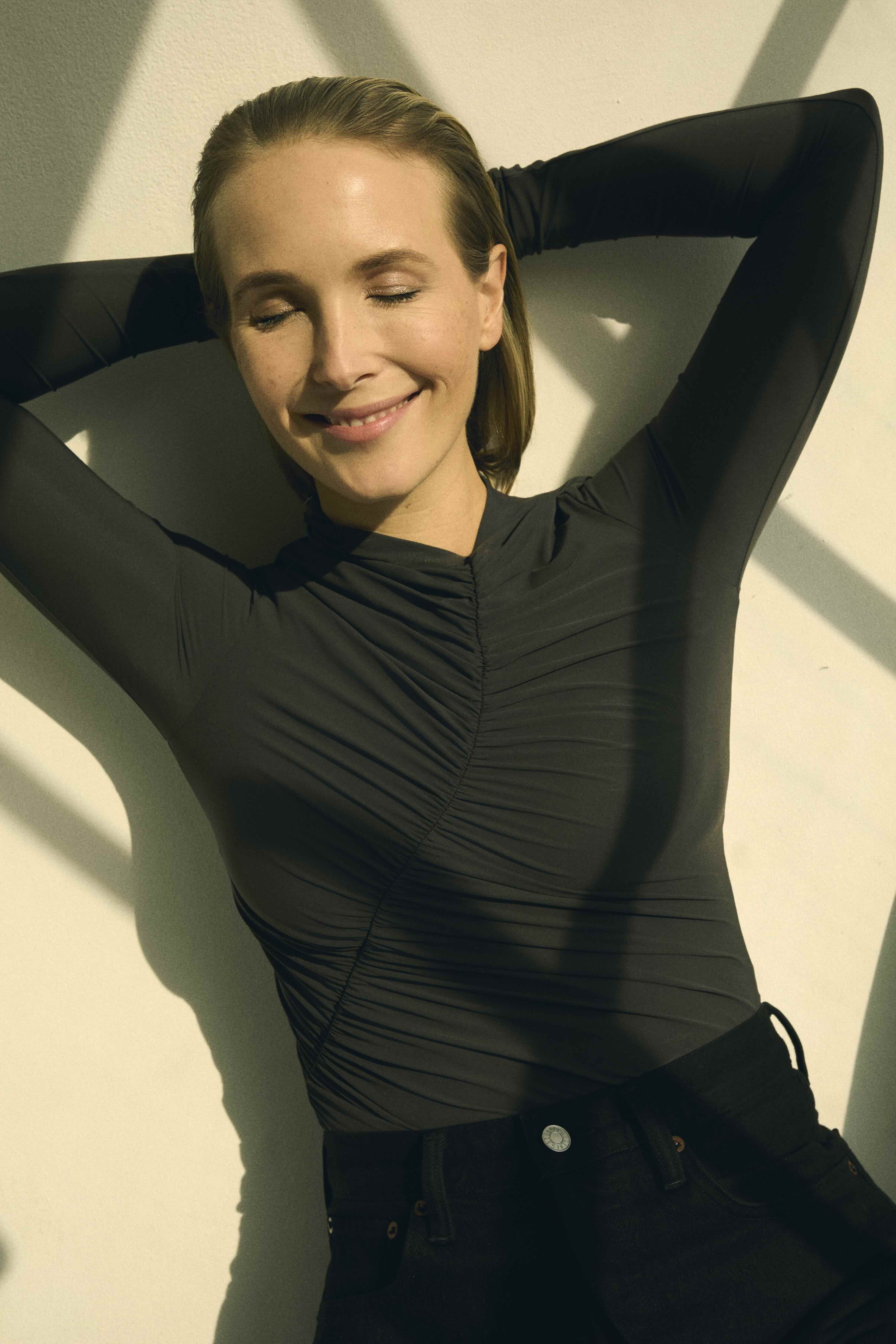
Portrait Mode offers an intimate look behind celebrity portraits, using the studio as a setting for open conversations. In what ways do you strive to restructure viewers’ perceptions of guests, or do you hope to further contextualize their understanding of the guest?
I’m not necessarily trying to change people’s perceptions of my guests, but rather expand them. We often know public figures through their work, their accomplishments, or the image they present to the world, but there’s so much more to a person than what we see on the surface. What I love about Portrait Mode is that it’s not just an interview. We’re making a portrait together, which creates a natural environment for conversation, but there’s also an interactive or performance element where you get to see the guest in action, sometimes in a way you’ve never seen them before. I think that combination allows us to reveal different sides of a person, both through what they say and what they do. My hope is that viewers come away not only with a deeper understanding of someone they may already admire, but also with something they can take into their own lives. Maybe it’s a new perspective, or simply the realization that even the most accomplished people have had to figure things out as they go.
Now that you have completed two seasons of Portrait Mode, how has the show transformed your role on editorial photoshoots? Do you carry anything over from your experiences with the show to other sets? I think the biggest change has been how much more curious I’ve become about people, and how much more comfortable I am asking them questions. I’ve always loved connecting with the people I photograph, but hosting Portrait Mode has pushed me to go deeper, to ask questions I might not have asked before, and to really listen to the answers. I’ve found that this carries over not just to my editorial shoots, but to my everyday life. I’m genuinely fascinated by people’s stories, how they got where they are, what motivates them, and what they’ve learned along the way. And the more questions I ask, the more I realize how much there is to learn from everyone. I think that curiosity makes me a better photographer, a better host, and probably a better person, too. It reminds me that some of the most interesting things happen when you stop thinking about what you’re going to say next and just listen.
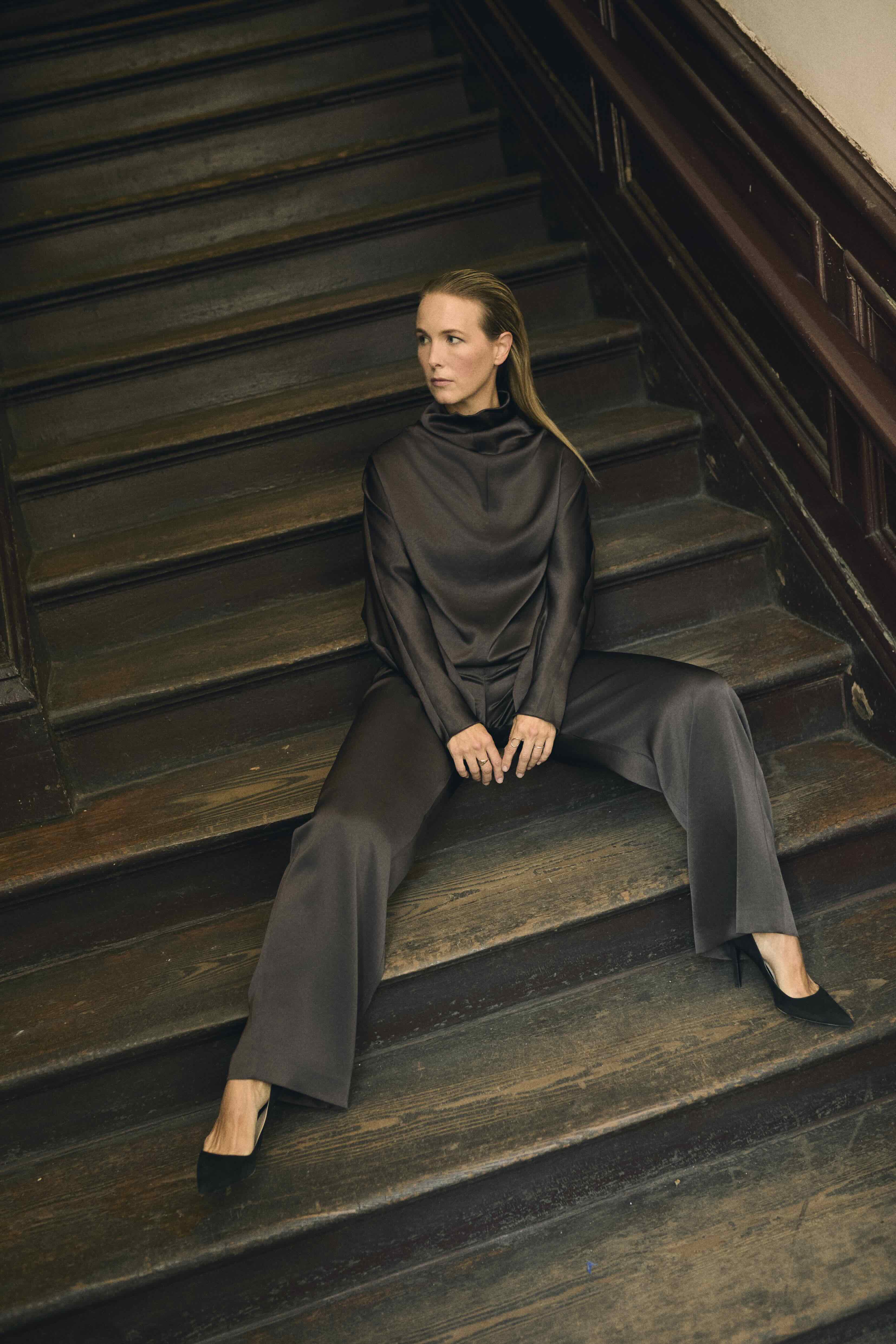
What is the most important lesson you have taken from the studio to your home?
That you can have the best plan in the world, but you have to be willing to throw it out the window! On a photoshoot, I can prepare every detail, but inevitably something unexpected happens, and often those unplanned moments end up being the best ones. Parenting three kids is not so different. I’ve learned that rather than trying to control every situation, it’s much more rewarding to be present, pay attention, and adapt to what’s actually happening in front of you. Sometimes the moments you didn’t plan for turn out to be the ones you remember most.
You work across mediums, from photography to directing, hosting, and moderating. Through all these projects, how do you maintain and evolve your creative vision?
I think my creative vision has always been rooted in the same thing: curiosity about people and a desire to tell interesting stories. Whether I’m photographing someone, directing a fashion film, hosting a television show, or moderating a conversation, I’m ultimately trying to connect with people and share something that others might not otherwise get to see. What evolves is how I choose to tell those stories. I love learning new things and challenging myself to work in ways I haven’t before. Each medium teaches me something different, and those experiences inevitably influence one another. I also think it’s important not to become too attached to the way you’ve always done things. Some of the most exciting opportunities in my career have come from being willing to try something new, even when I didn’t know exactly how it would turn out. For me, maintaining a creative vision doesn’t mean staying the same. It means knowing what matters to you while remaining open to where it might take you next.
Stay up-to-date with exclusive events and content.


