F L A U N T


Individuality, in an era shaped by algorithms, automation, and rapid digital circulation, has become valuable currency. Personal style holds space for human instinct, experimentation, and the subtle irregularities that distinguish one person from the swaths of masses. Today, fashion is one of the most immediate ways to assert that difference.
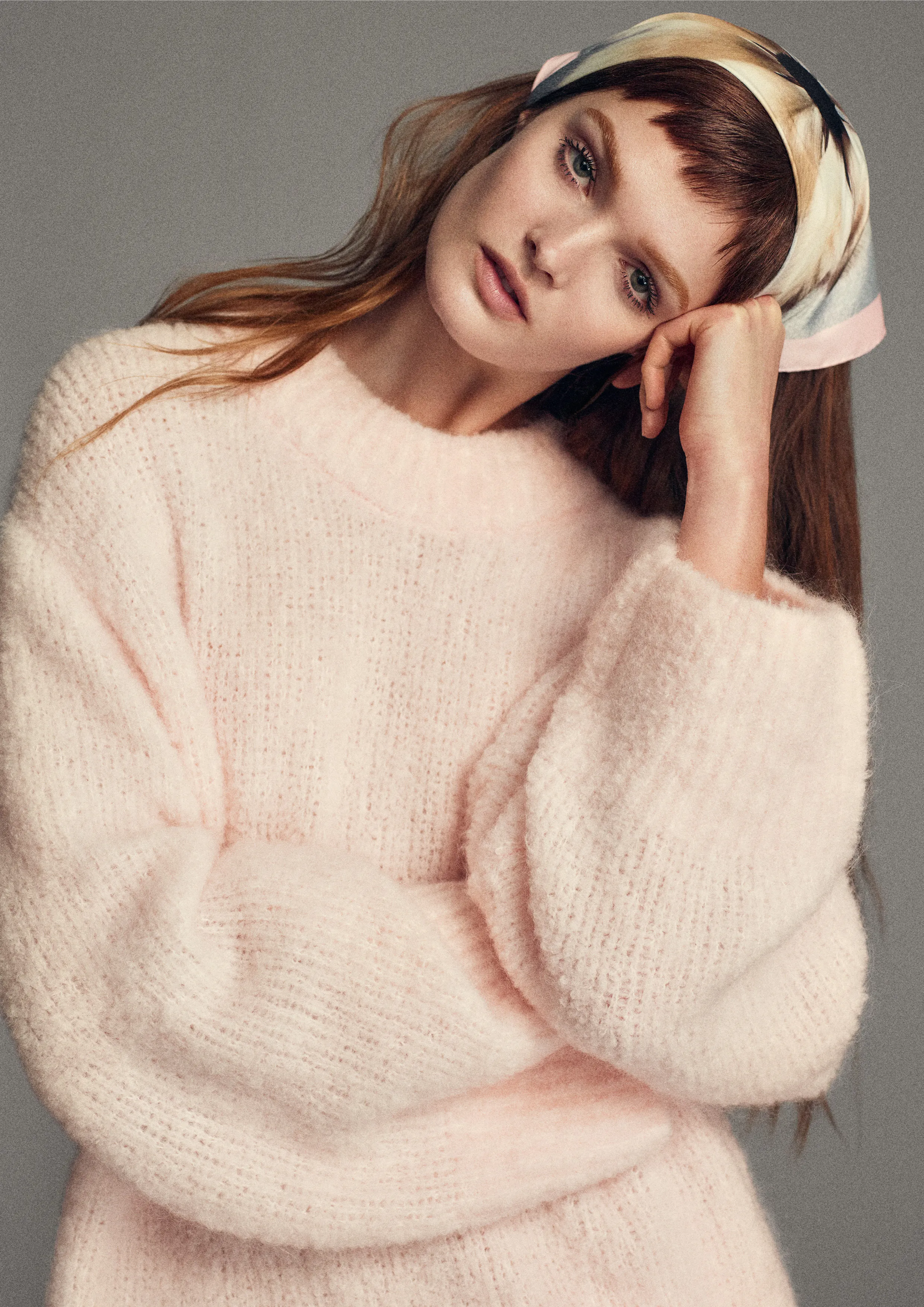
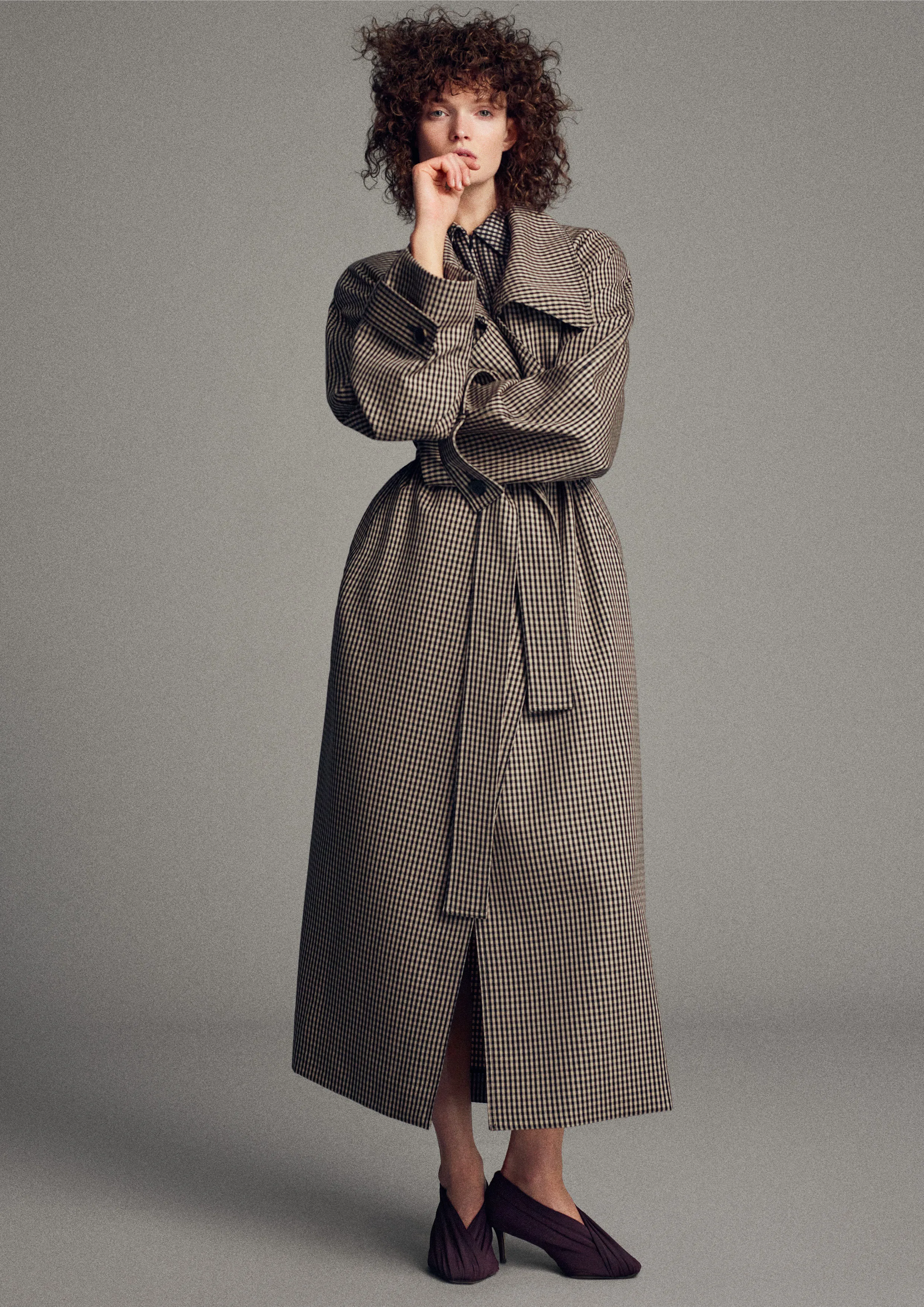
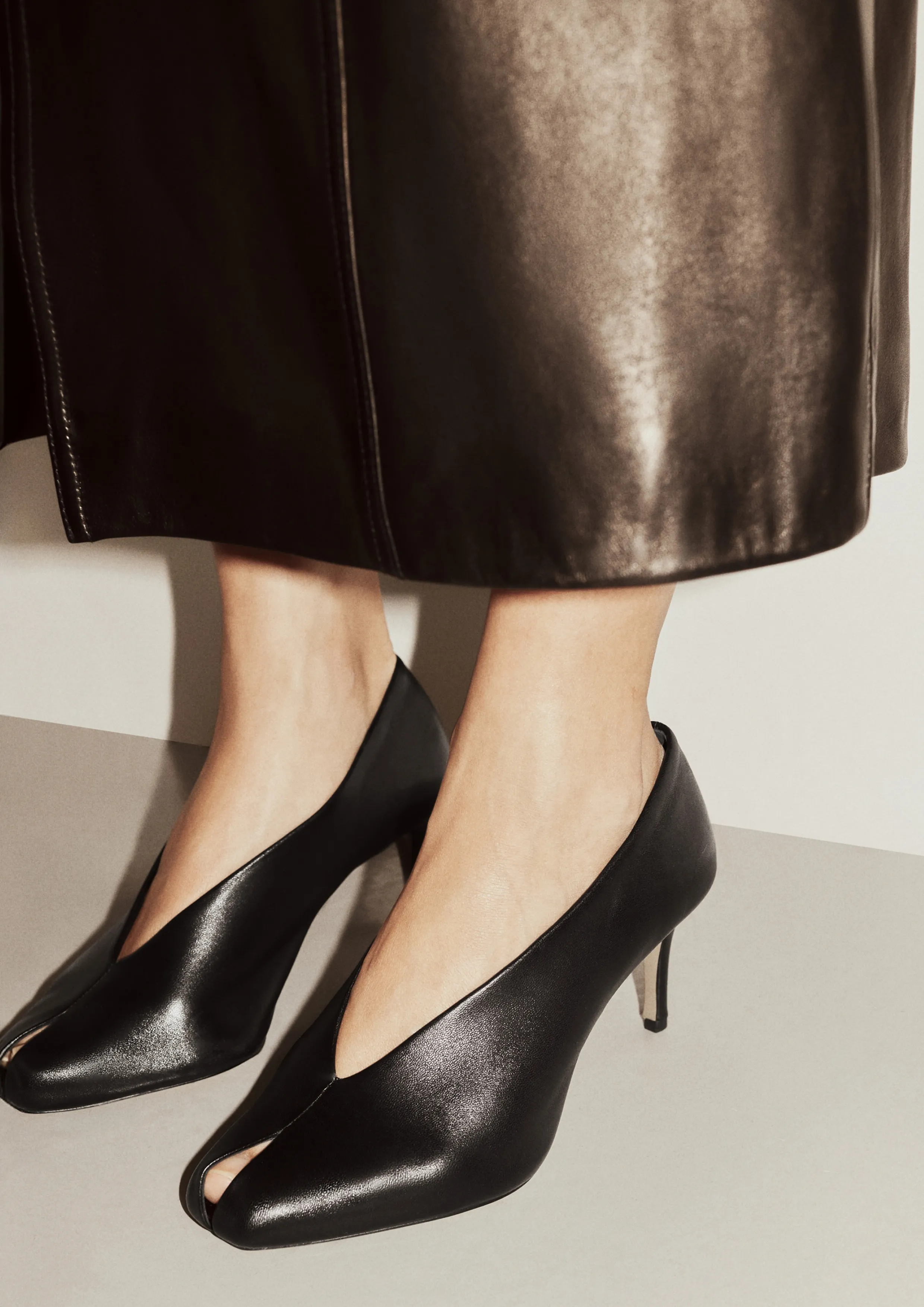
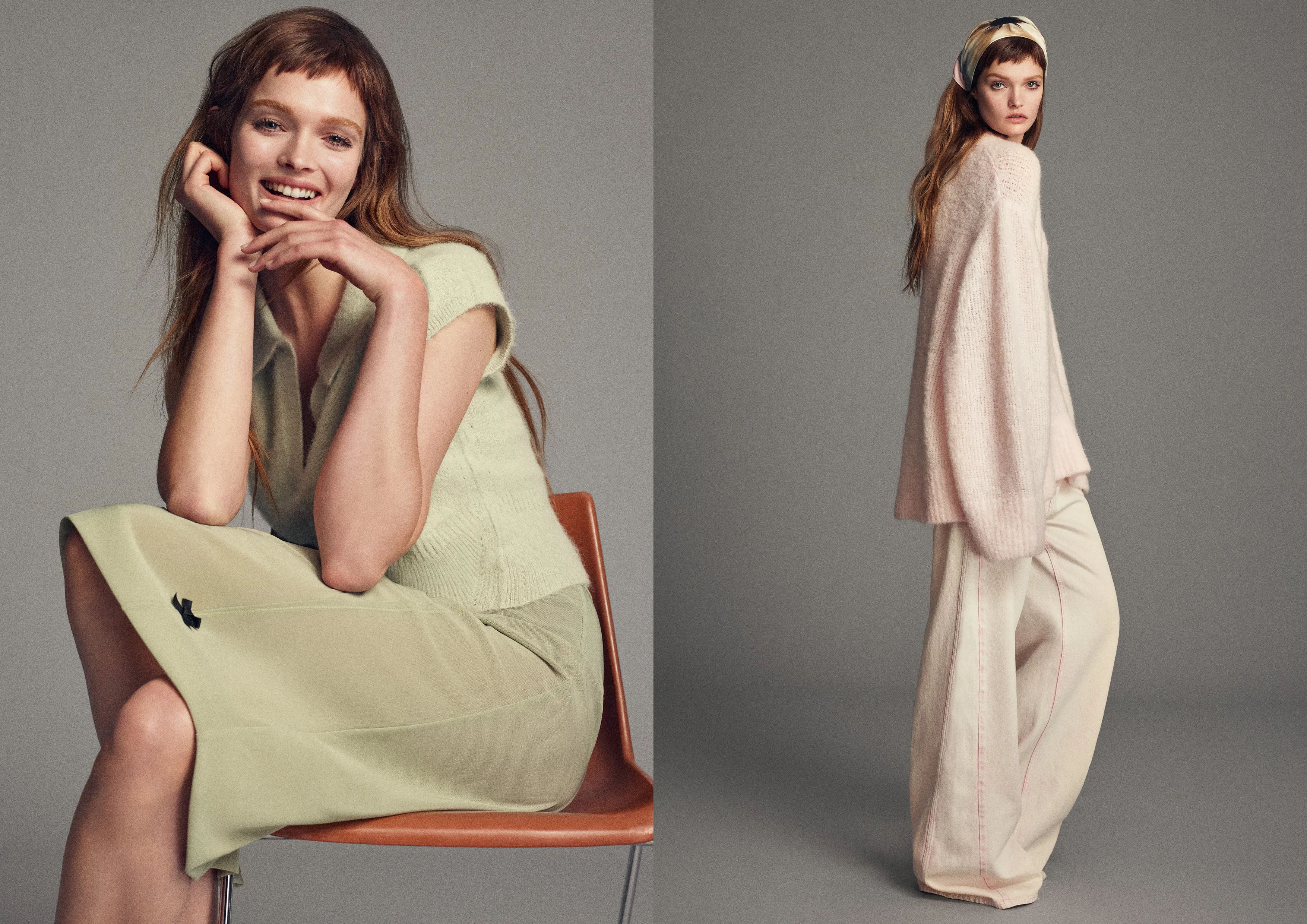
The H&M Studio Spring/Summer 2026 collection speaks to the little eccentricities, the things that make us singular, creative, and interesting individuals, in an accessible, fashion-forward line. The collection explores asymmetry, unexpected uses of proportions and color, and unique cuts to channel the independent spirit of personal style—where individuality takes shape through pieces that feel both distinctive and entirely wearable.
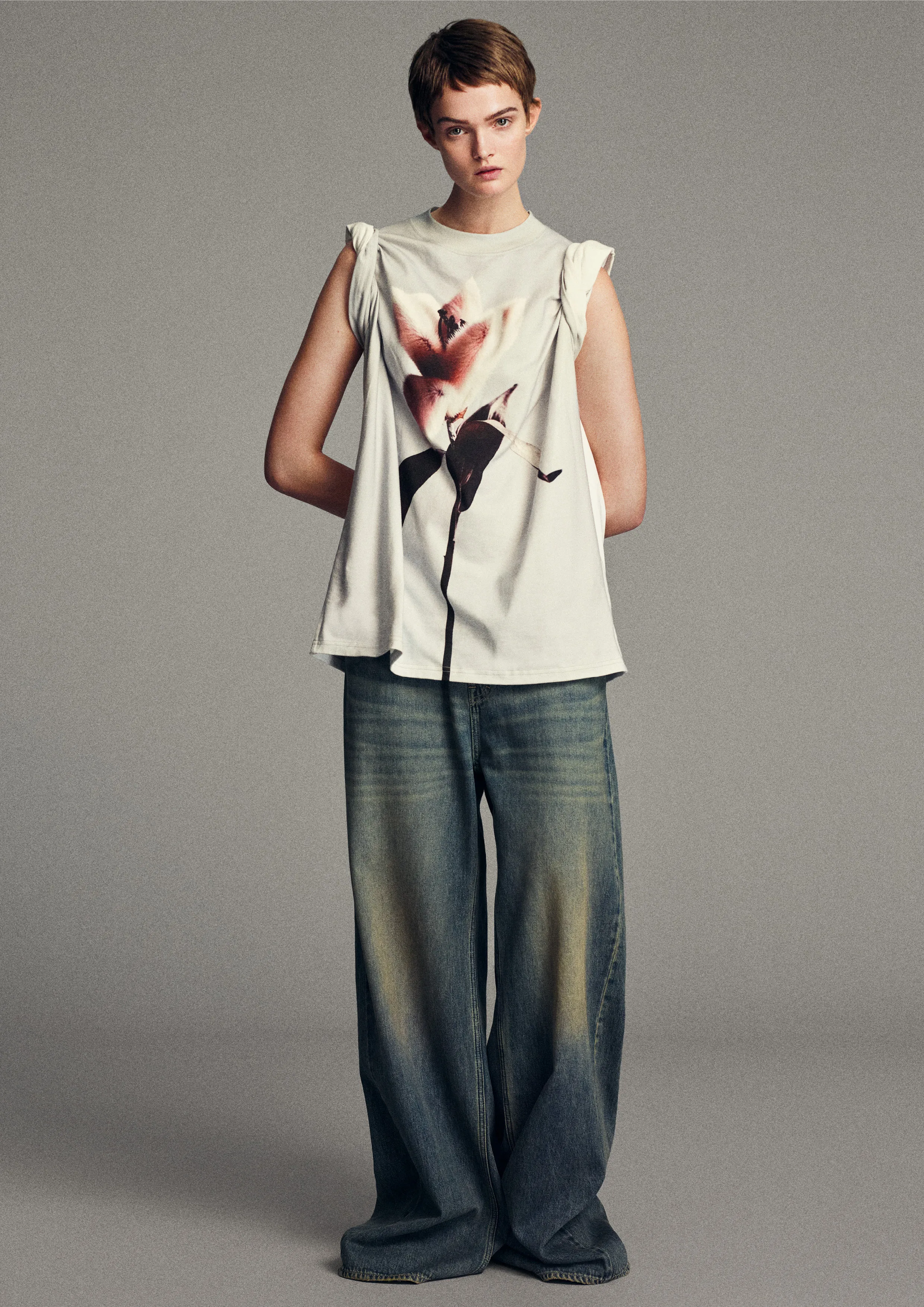
There’s painted-effect denim, an oversized nylon parka, customizable black pleated pants, and more, all of which speak to the ingenuity of the human spirit. Wearers can customize and utilize the garments as they so choose, imbuing the clothes with their individual charm and flourish. In an era increasingly shaped by technology and algorithmic taste, the collection reasserts the value of the personal touch: clothing as something to be adjusted, interpreted, and made one’s own.
H&M Studio Spring/Summer 2026 follows the new H&M Studio Essentials collection, which dropped in early February. The Essentials collection centers on elevated, everyday pieces, harkening back to the days of ‘90s minimalism with a touch of athleticism. Where Essentials refines the uniform of daily life, Studio pushes it outward—experimenting with form, proportion, and detail to reflect a moment when individuality persists alongside the accelerating pace of technological culture.

Fashion, at its most basal level, is a means for human expression. Swedish designer Ann-Sofie Johansson, Creative Advisor to H&M and former Head of Design of womenswear, spoke to FLAUNT about H&M Studio’s latest collection, her journey as a designer, and the importance of humanity in fashion.
Read below for FLAUNT’s conversation with Johansson.
You started on the retail floor, working at the H&M store. How did you come to be the creative advisor and head of design for womenswear?
I played a lot with Barbie when I was little, and the only thing I did was change outfits all the time. My mother made a lot of outfits for my Barbie dolls, which was really nice, so I think it started there, to be honest. I love drawing and sketching and then I just got more involved with art. I studied art history and archaeology, but that was more theoretical, and then I realized that my way of expressing myself and my creativity was through clothes and fashion.
I had to travel for an hour to get to an H&M store. For me, H&M was heaven. They had everything I was looking for. So then when I wanted to become a designer, I thought it was a clever idea to start to work at one of the H&M stores, just to get to know the company. During that time, I went to a lot of evening classes in design and pattern making. I put my portfolio together, I shared it with the then head of design, and then it started as a design assistant in 1987.
Did you find that working in the store was actually quite useful or helpful to understand who the customer was?
I learned to meet a customer, to see what they want, and what they ask for. It's super useful, and even up until this day, I think it's so good to just walk around in the store and listen to people and see how they’re chatting. You get some harsh, very harsh comments, but I think that is the best way.
You do a lot of work for H&M’s designer collaborations—incredibly popular collaborations, even after 20 years. Is it inspiring to see other designers’ processes?
It’s super inspiring and also very different from designer to designer. We learn things from each other. We learn from each and every designer about what is really important for that designer. We learn their little tricks and their signatures. Casey Cadwallader was studying architecture from the beginning, so for him, the angles were super important. He thought it should be 90% angle.
And when brands work with us, we learn a lot about how we think about building collections, in that we think there should be something for everyone there. Regardless of your wallet, you should be able to buy something from the collection. That is why we usually have something like the jerseys in there, for example, or accessories, because then everyone at any price point can buy something. A lot of the business thinking we get to learn from them.
What would you say have been some of the most memorable moments for you working at H&M?
There have been a few. The designer collaborations have been really good, and I think that's always very, very interesting, and you learn things, and everyone is different. When we started the studio collection in 2013, that was also really exciting because we had the possibility to do something that is more limited but also by that, be able to push creativity and further, you know, push innovation. And working with more premium quality and, also, being able to, to tell a story in another way than we can do with the main collection. The main collections are quite wide, you know that. So, this is more, you know, storytelling is more conceptual. So I think building on the studio collection and really making that the signature label of H&M, I think that has been really exciting, and it's been very exciting because I think we can do even, you know, go even further with it.
Now tell me a little bit about this collection, and you said the narrative. Who is this woman?
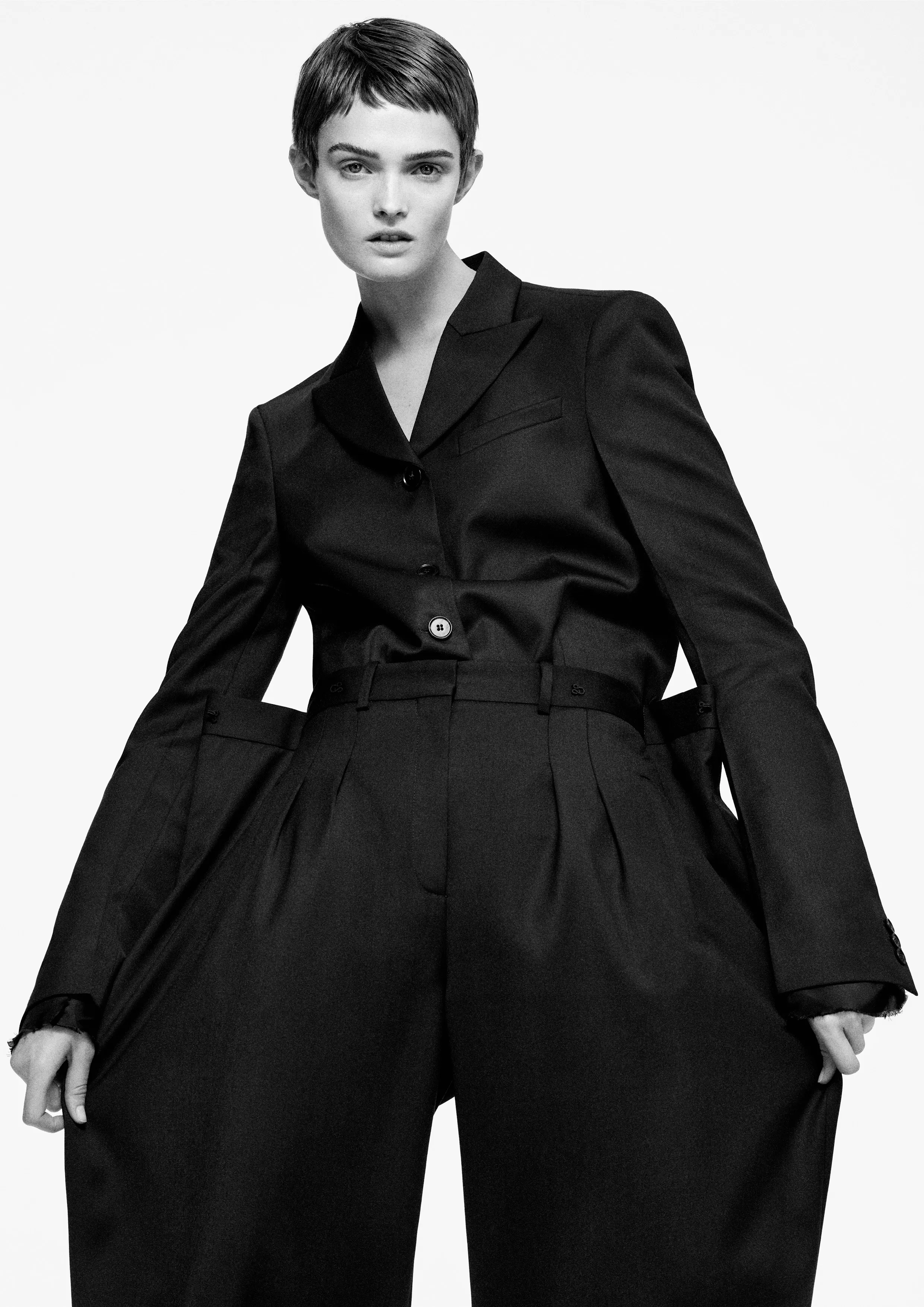
We need a little bit of eccentricity today. Everything feels a bit streamlined today. Things need to be a little bit more creative, you know. Everything looks the same in a way. So we talked about eccentricity, and eccentric means off-center. We talked about this girl, or woman, who goes her own way; she’s a little bit more rebellious, a little bit more daring, and a little bit more weird. Maybe you had to look twice at her unconventional pairing. She’s intellectual in that sense. That is very much an approach to fashion and to life, I would say, if you're a follower or you're paving the way. And then jumping to Grey Gardens because everybody now and then talks about Grey Gardens and how it’s such a good source of inspiration, with how they dressed in a very playful, unconventional way. Like, is it just a pair of trousers, or could you wear them in another way? We were also talking about Tokyo and street style in Japan, and how they’re obviously very out there. So there was a whole kind of narrative in the background stories, and then turning that into a collection that is still going to be wearable because it's still H&M. We talked about these small details that actually can make a big difference. There’s the ripping, the waistline, or raw endings here, a longer sleeve at the back here. It’s about how you can wear the garments in different ways and make them yours, make them personal.
What is the one piece that really kind of exemplifies the collection? What are you most proud of?
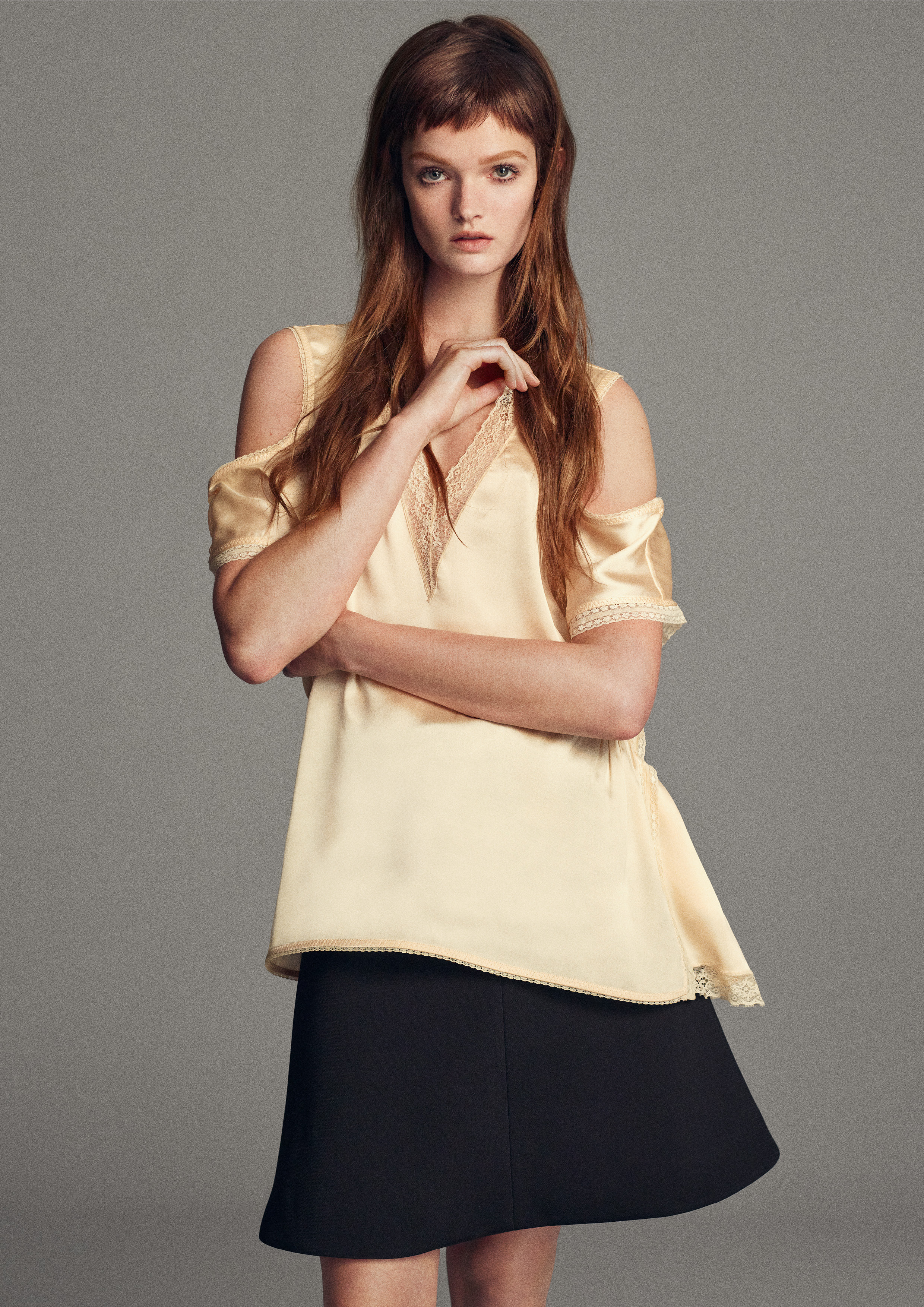
I think it's what I'm wearing, these lingerie things that are weird, but in a good way. I love tailoring, too. I think they're really, well cut jackets. There are these trousers to go with them, that you can unhook so they become really wide at the sides. Or you can wear them as ordinary black pants. It's a lot of thinking that goes into every piece.
Which is nice because we do live in a world of fast fashion, right?
We do.
And so the idea that there's so much thought put into every piece is really kind of refreshing, right?
Yeah, it's refreshing for the design team also, to think about all of the clever things, clever details.
Also very Scandinavian.
It is very Scandinavian. It's human. We just talked about it before. It's that kind of human touch you need. That’s the humanity in it. The more digital you get, the more you need a craft than ever. You need a human side. I just read somewhere that typos, now, are getting chic, because it shows a human being has been writing. We need that; we’re still humans.
Stay up-to-date with exclusive events and content.


