F L A U N T


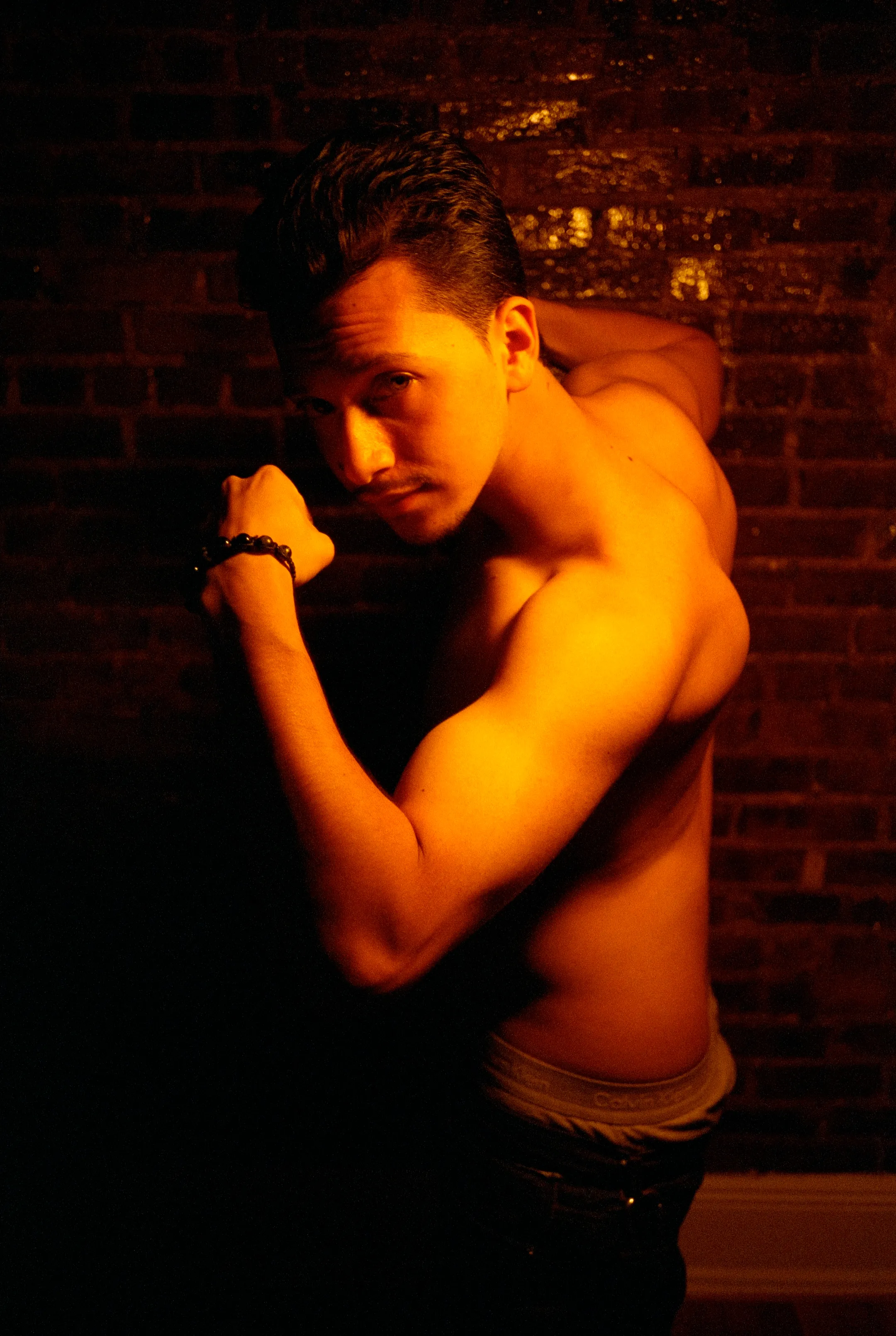
The image has an impossible and necessary function: to preserve a moment lost to time the instant it is conceived. The image maker recognizes this need. All people do eventually. We are somehow both dulled and sharpened by the motion of time, as the river does the bedrock.
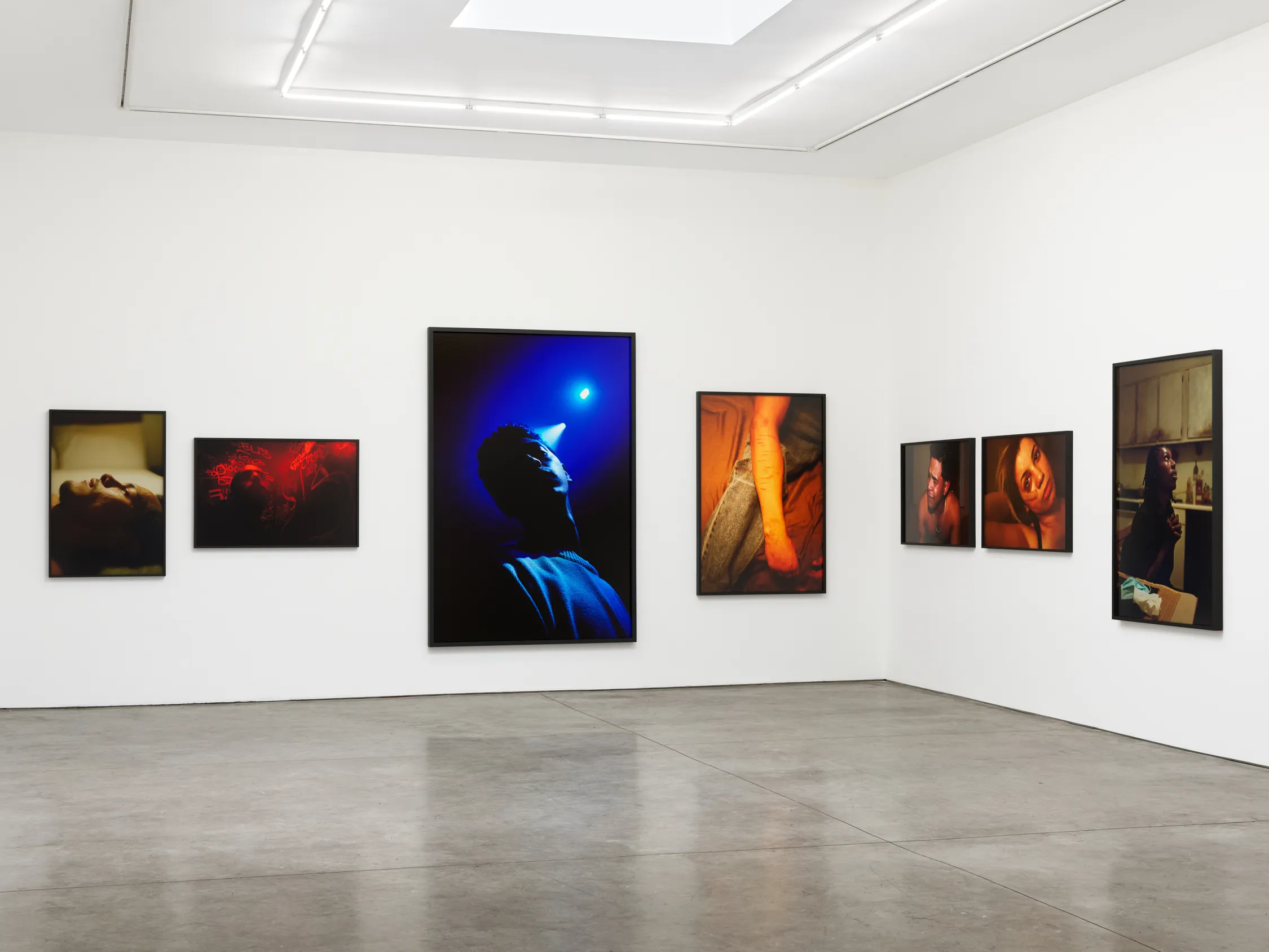
Dean Majd explores this sacred act of documentation and tribute in his debut solo exhibition: Hard Feelings, presented by BAXTER ST at the Camera Club of New York. Majd is a Palestinian-American lens-based artist from Queens, New York. Curated by Marley Trigg Stewart, Hard Feelings opened on February 4, 2026 and will have a closing reception at CCNY on April 8, 2026.
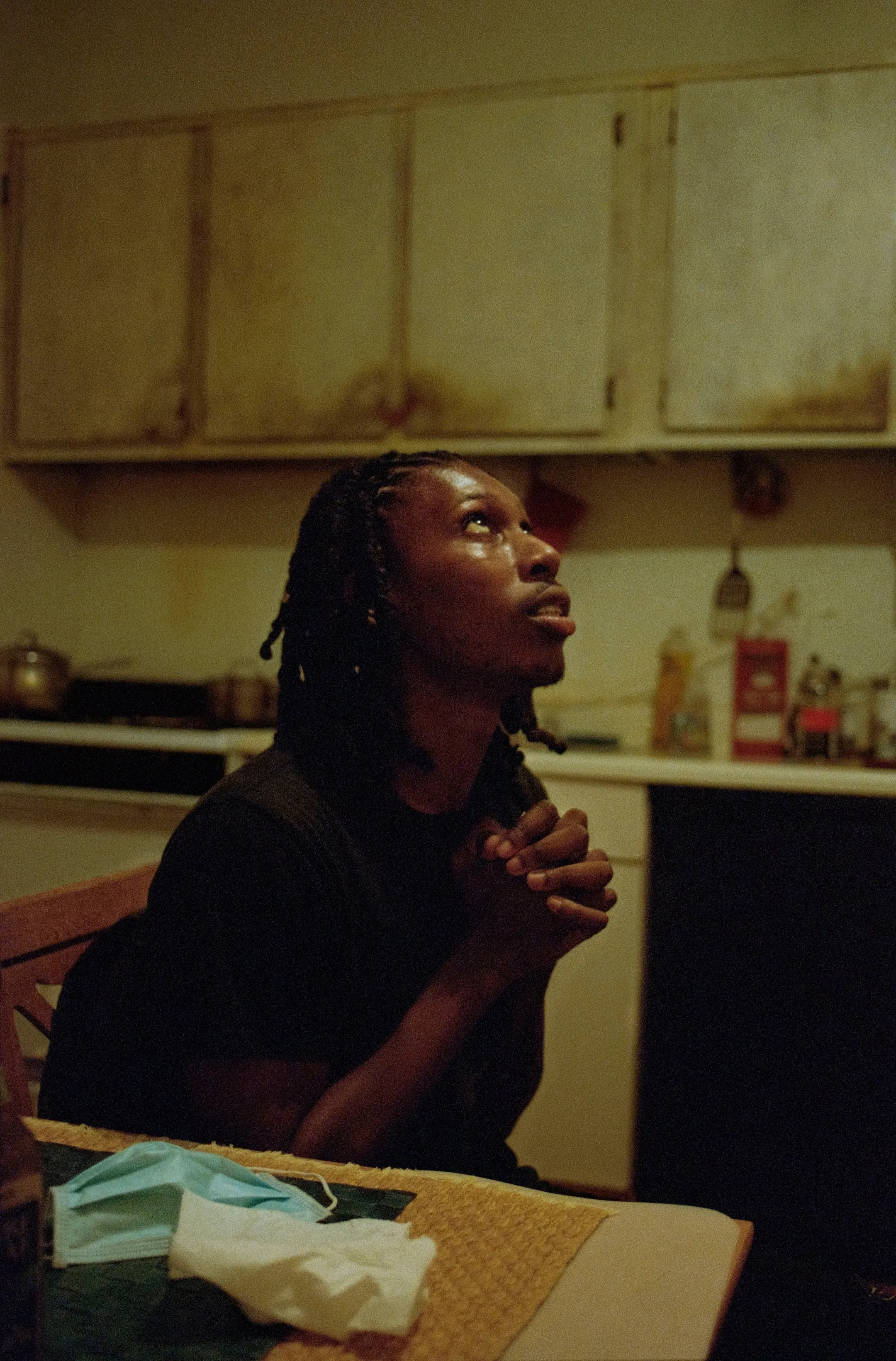
Hard Feelings is a tribute to the lives of Majd’s immediate friend group. The images in this show were made over the last decade, catalyzed by the death of Majd’s childhood friend, James, after which Majd began to photograph those closest to him. Loss and grief are the undercurrent of Majd’s work. “The ten years of the series,” he says, “has been bookmarked several times [by] the death of friends.” He adds that seven friends he has photographed have now passed due to drug and alcohol related causes: “The show is dedicated to them, and specifically my friend Suba.”
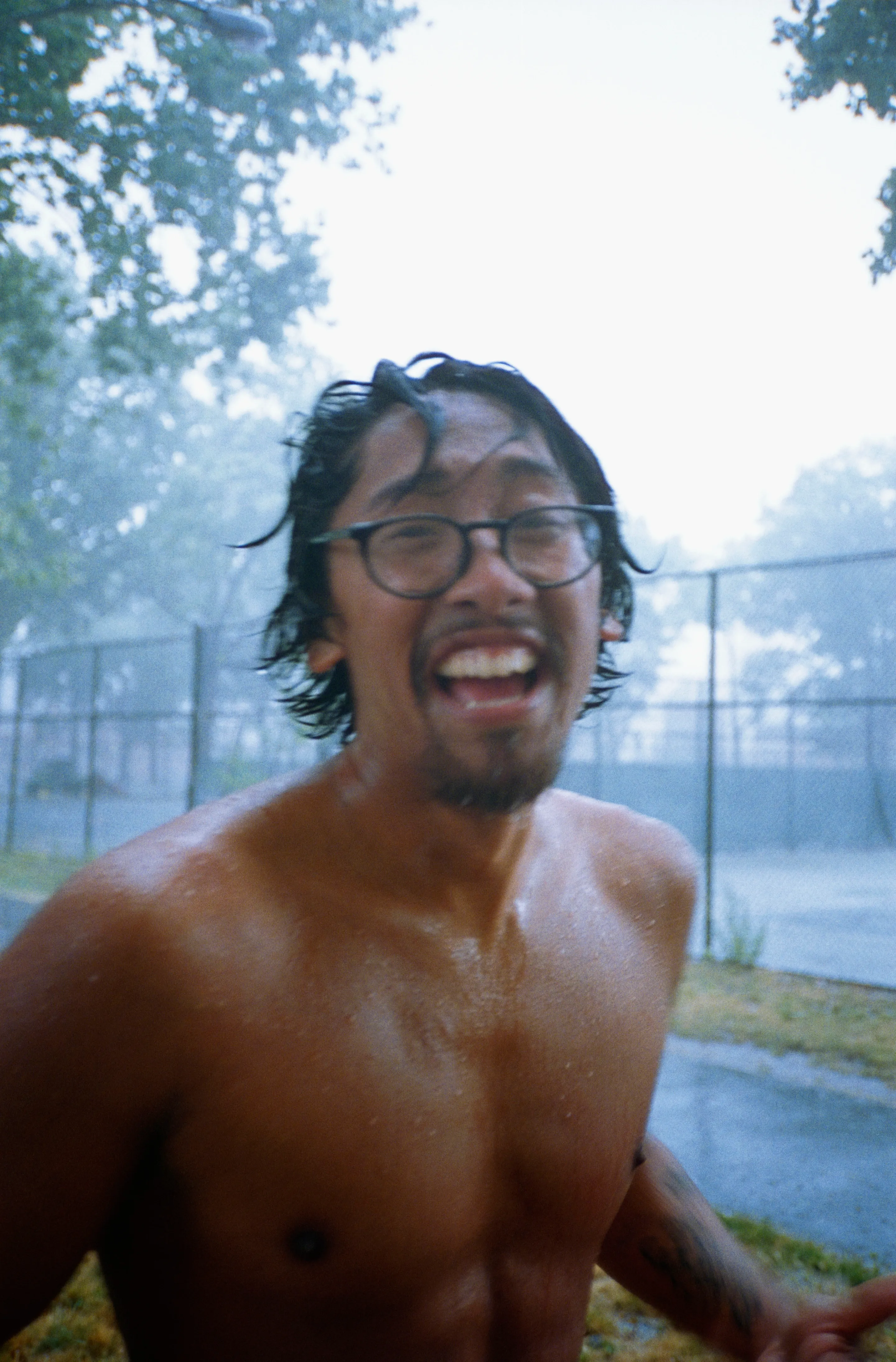
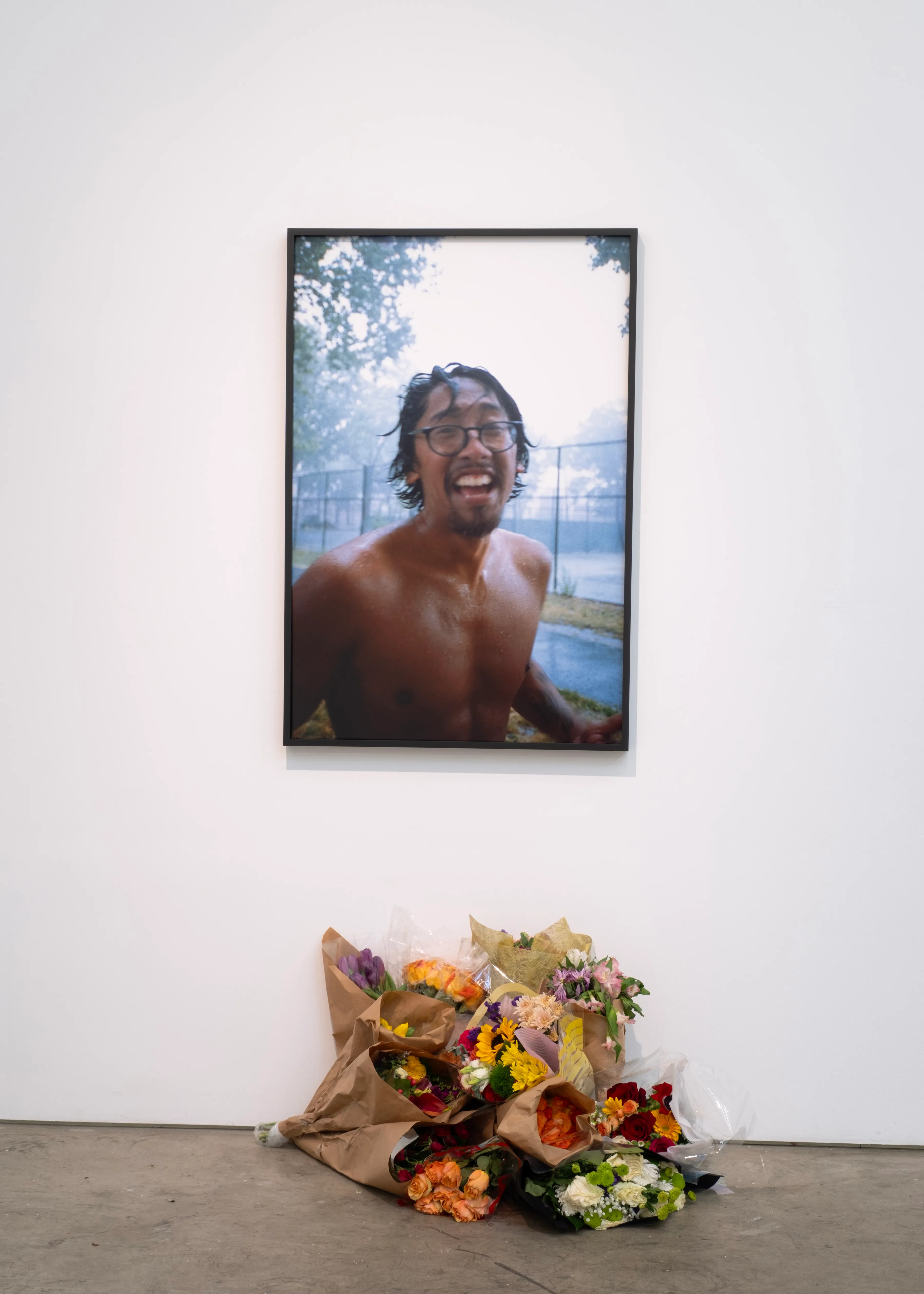
Majd was left to his own devices from a young age. Their parents fiercely overworked, Majd and his brother spent a lot of time outside with other boys on the block. He says his conception of masculinity is informed by the need for survival as the child of refugees. “We were told we had to be invincible to survive, by our families, by media, by the culture of Queens, by our ethnic identities, and by the world,” he reflects, “the era of New York I grew up in felt much rougher in many ways, yet still very much way more connected.” As a teenager Majd naturally fell into graffiti and skating, communities that struggle with hyper-masculinity and addiction (the connection there is not lost on him).
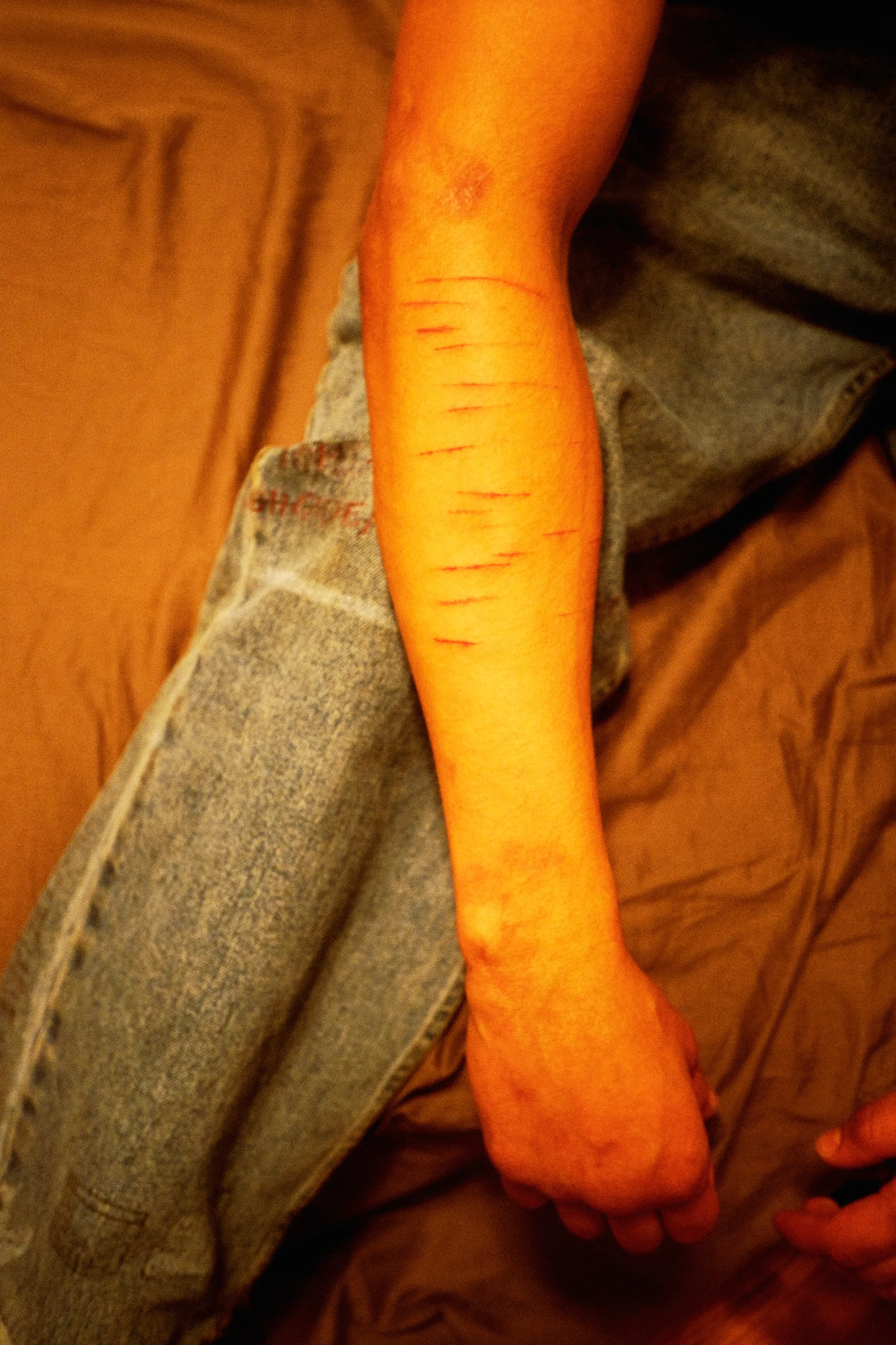
A completely self-taught photographer, Majd’s mother gifted him his first camera, a point-and-shoot, at seven years old. As he grew older and developed his practice, the camera became a place where Majd and his friends could express a necessary vulnerability. The images in this series convey an intimacy that can only be created between a photographer and a subject who deeply know—and deeply see—each other. Majd uses light and shadow as tools, evoking a dramatic baroque sensibility throughout the portraits. Majd both reveals and questions the voyeuristic nature of photography with Hard Feelings. He sees this rampant in New York City: where drug use is glamorized in high-fashion editorials and soirees yet criminalized and moralized in the streets. self mutilation (getting high), (2018) and Suba’s bedroom after clean-up (the place of his overdose) exemplify Majd’s concerted efforts at ‘anti-voyeurism’. In documenting and displaying these private moments, the “best and worst moments of my life,” Majd and his subjects claim these stories as their own.
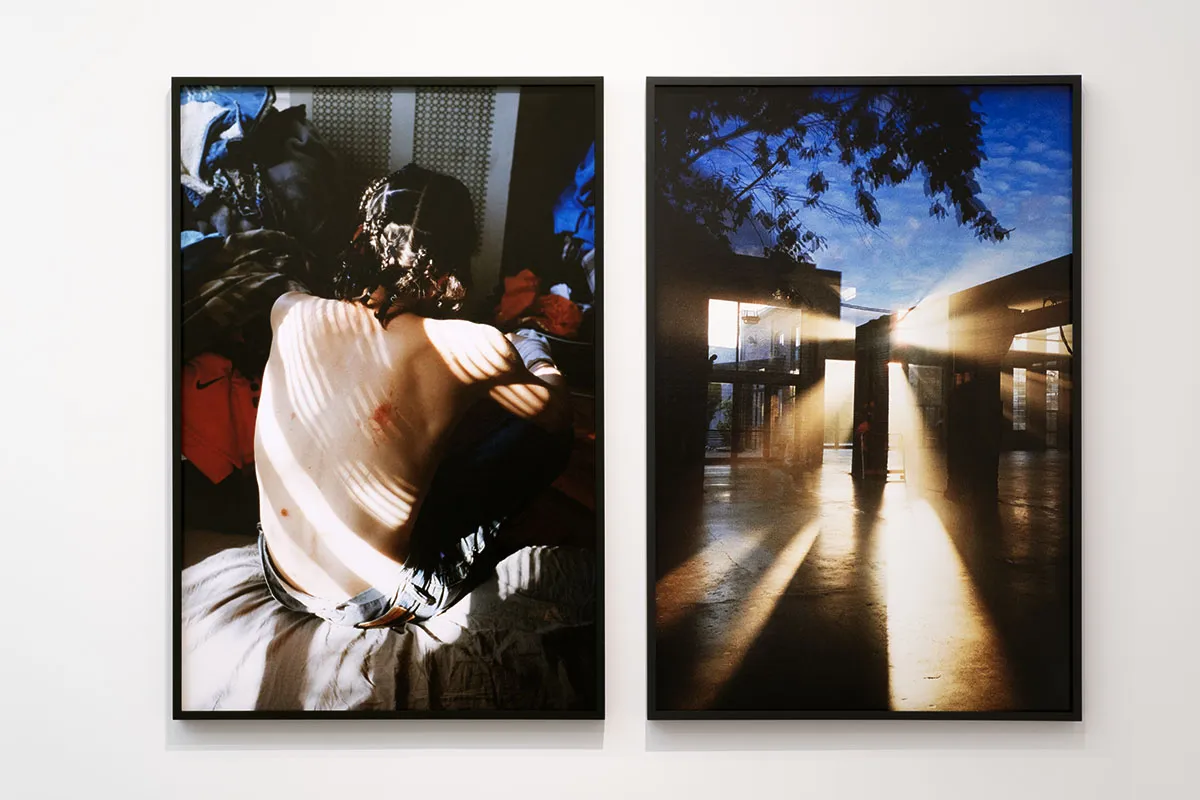
Majd hopes that his work can still be meaningful and generative for those who did not personally know his friends. “I hope people find a bravery of expression, that there are paths towards healing, and that we can find those paths together,” he shares.
The dynamic between strength and sensitivity permeates Majd’s work, which can also be read as a study on masculinity. Majd’s understanding of which is informed by a similar interplay between hardness and softness he sees in his Palestinian culture, and the greater Arab world. Arab men often express physical affection with each other in friendship and solidarity, embodying what Majd identifies as a deep strength and stoicism. He says, in the last two and a half years of the livestreamed genocide: “I saw constant viral videos of Palestinian men dig their loved ones out of rubble with their bare hands, and speak to their families with such poetry, all while being vilified by Western media...we are protectors, providers, and poets.” Dehumanization of the other is Western civilization’s ethos. Dehumanization of the Arab man, specifically, is the preeminent tool wielded by corporate media, the mouthpiece of the state. It works to preclude a social death that the general Western population must normalize as a precondition for allowing genocide to carry on with our tax dollars. In this light, Majd sees the exploration of Arab masculinity as an important part of his practice.
“Being Palestinian, I experienced grief at a very young age, which taught me that empathy and grief go hand-in-hand. I developed a deep understanding and an infinite well of empathy that has become the foundation of my life and work.” Although there is no direct reference to Majd’s Palestinian heritage in this series, he says “being Palestinian is an integral part of why I am able to make my work.”
Hard Feelings is a record of collective grief, the only salve to the scar that forms after loss. I say this as her reluctant student. Healing is a spiral. It happens in the dark, alone in the mirror and deep in the crowd, with other bodies. I am held together by my sisters. We heal, despite.
Stay up-to-date with exclusive events and content.


