F L A U N T


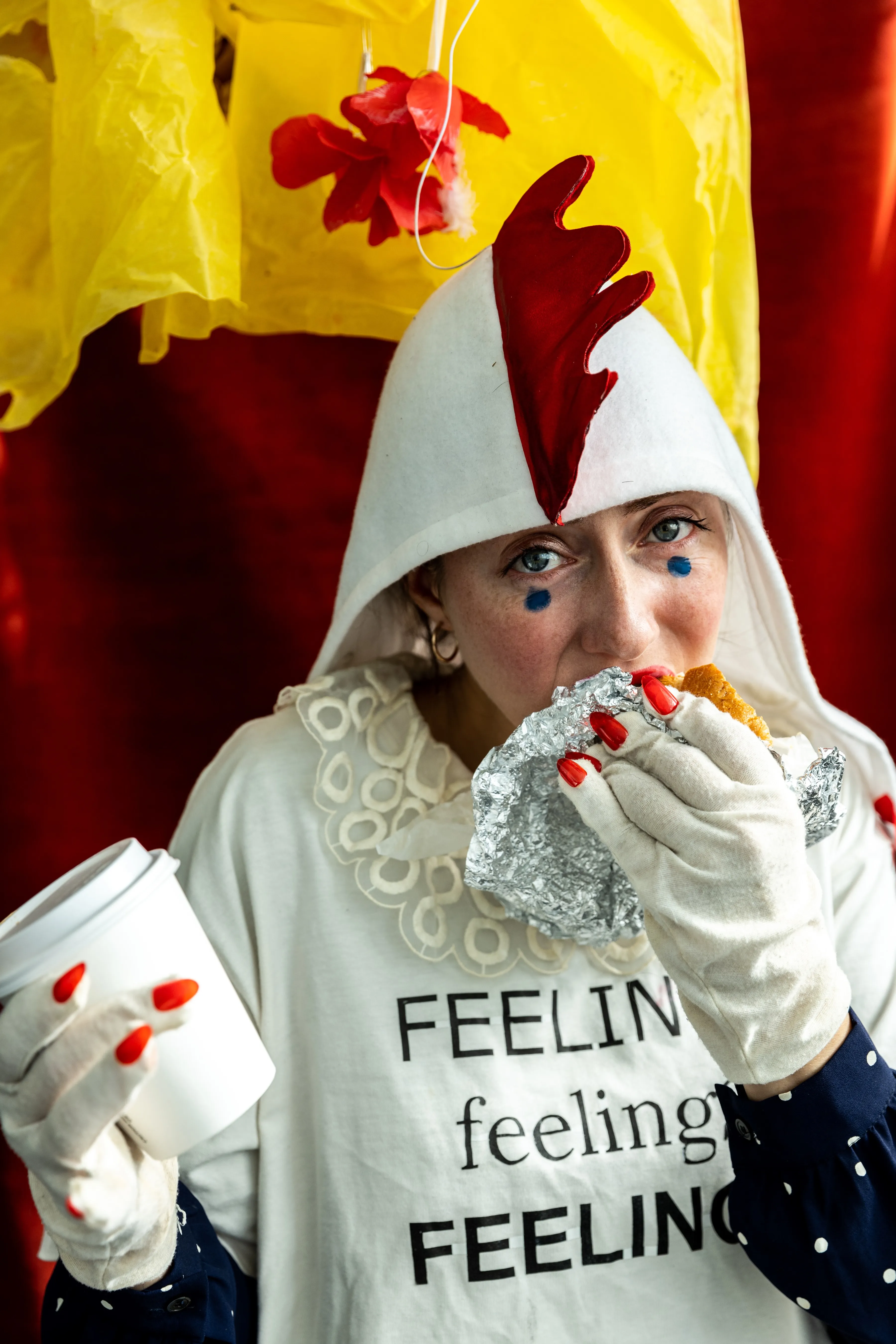
Everyone in LA knows a clown. Whether they’re of the painted-white-face-and-red-button-nose ilk, or the kinds that just seem trammeled by this world’s perpetual irony, clowns run Los Angeles.So it’s no surprise that when “experimental clown artist” Alex Tatarsky decided where to take her anguished clown cabaret next, she settled on la-la-land.
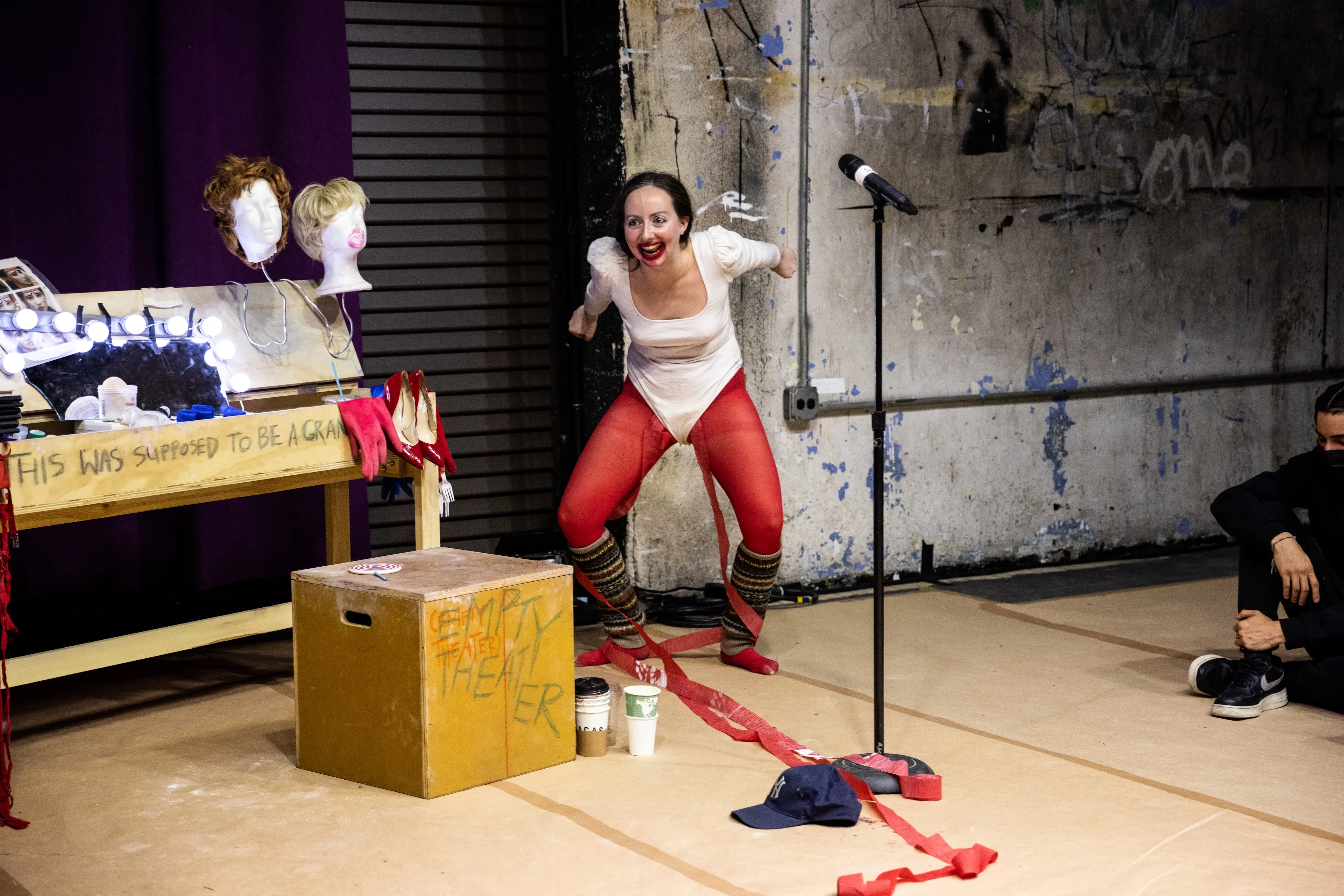
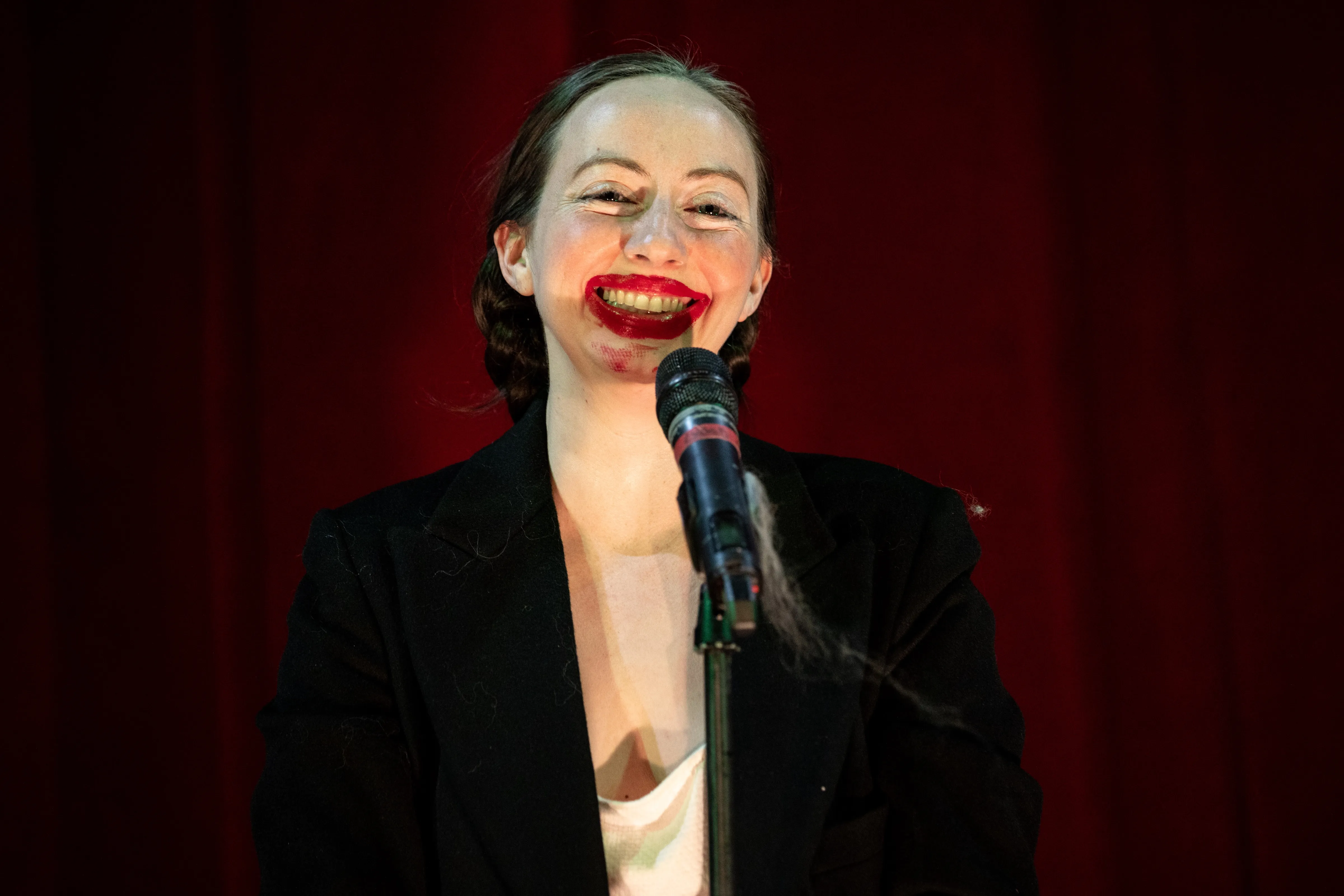
Tatarsky opens her latest piece, Sad Boys in Harpy Land at the The Roy and Edna Disney/CalArts Theater (REDCAT) in Downtown LA after successful runs at Manhattan theaters Abrons Arts Center and Playwrights Horizons. Tatarsky’s show is a series of vignettes embodied through a wide array of characters inspired by the likes of Goethe, Dante, Amiri Baraka, Helen Adams, Seinfeld, and the artist herself. Told primarily through the eyes of a young Jewish woman who thinks she is a small German boy who thinks he is a tree, Sad Boys in Harpy Land spirals through grief, absurdity, humor, and despair with the slippery logic only found in a dream.
Sad Boys will run from March 19th to 21st, with an in-person Q&A with Tatarsky, moderated by Deputy Director and Chief Curator Katy Dammers.
Ahead of the performance, Tatarsky spoke with FLAUNT about shared struggle, theatrical unraveling, and the strange, elastic possibilities of clownery in Los Angeles. Read Tatarsky’s conversation with FLAUNT below.
You often blend humor with themes of anguish and despair, especially in Sad Boys in Harpy Land. Would you say these sorts of contrasts drive your art forward? What other dichotomies do you find yourself working within?
Well, right now I’m sitting in a coffee shop wearing a cream-colored knit beret decorated with a smiling skull. I am really embarrassed that I am going to run into someone I know, and here I am: drinking coffee, writing, and wearing an actual beret with a skull on it. Yet for some reason, I don’t take my dumb beret off. What am I trying to say? Being a human is humiliating. And this is my ongoing obsession. Getting into the hum in human, the hum in humility, the hum in humus (the rich top layer of soil, not the delicious dip).
Your work draws from a diverse range of influences, including classical literature and popular culture. What parallels have you seen between popular culture and antiquity recently?
I think the magician is back in fashion. The people in power are openly playing tricks on us, manipulating reality to consolidate their wealth and power while the rest of us struggle, and using all kinds of hypnosis and distraction tactics to keep us disorganized, confused, spellbound, or depleted. The magician is a metaphor that helps me make sense of this strange and disorienting time, where it’s very hard to tell what’s an illusion. In the face of so much demonic statecraft stagecraft, we need to be re-energized by real magic. The magic of plants, the magic of collective liberation.
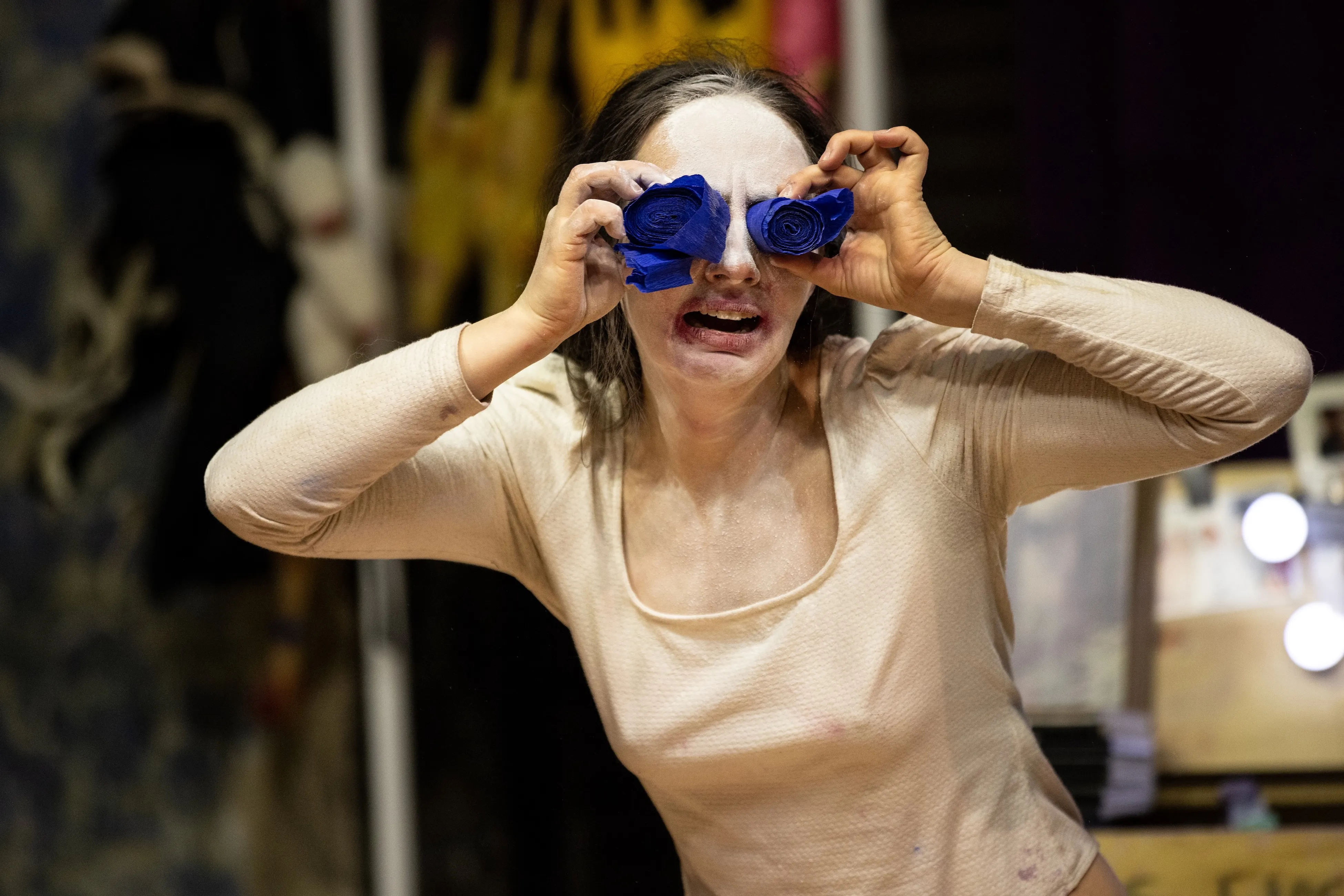
You describe yourself as an “experimental clown artist.” How does the archetype of a clown inform your approach to storytelling? What do people get wrong about the clown?
The clown emerges from the tradition of mask performance. They say the clown’s red nose is the smallest of masks. The paradox of the mask is so beautiful: a mask conceals in order to reveal. Sometimes artifice allows us to be more honest. More vulnerable. Fiction helps us be more truthful. Clown for me is an attempt to listen, reflect, and respond to the excruciating present! Also, the clown is desperate to be loved. We want so badly to make you laugh! Which, as anyone who frequents comedy open mic nights knows, can be very, very tragic.
We’re taught that we became human when we stood upright. But we continually fall down. And eventually we’ll all end up back in the ground. Sorry to be so morose! But let that set you free. The clown is all about falling down. The clown finds pleasure in the lows.
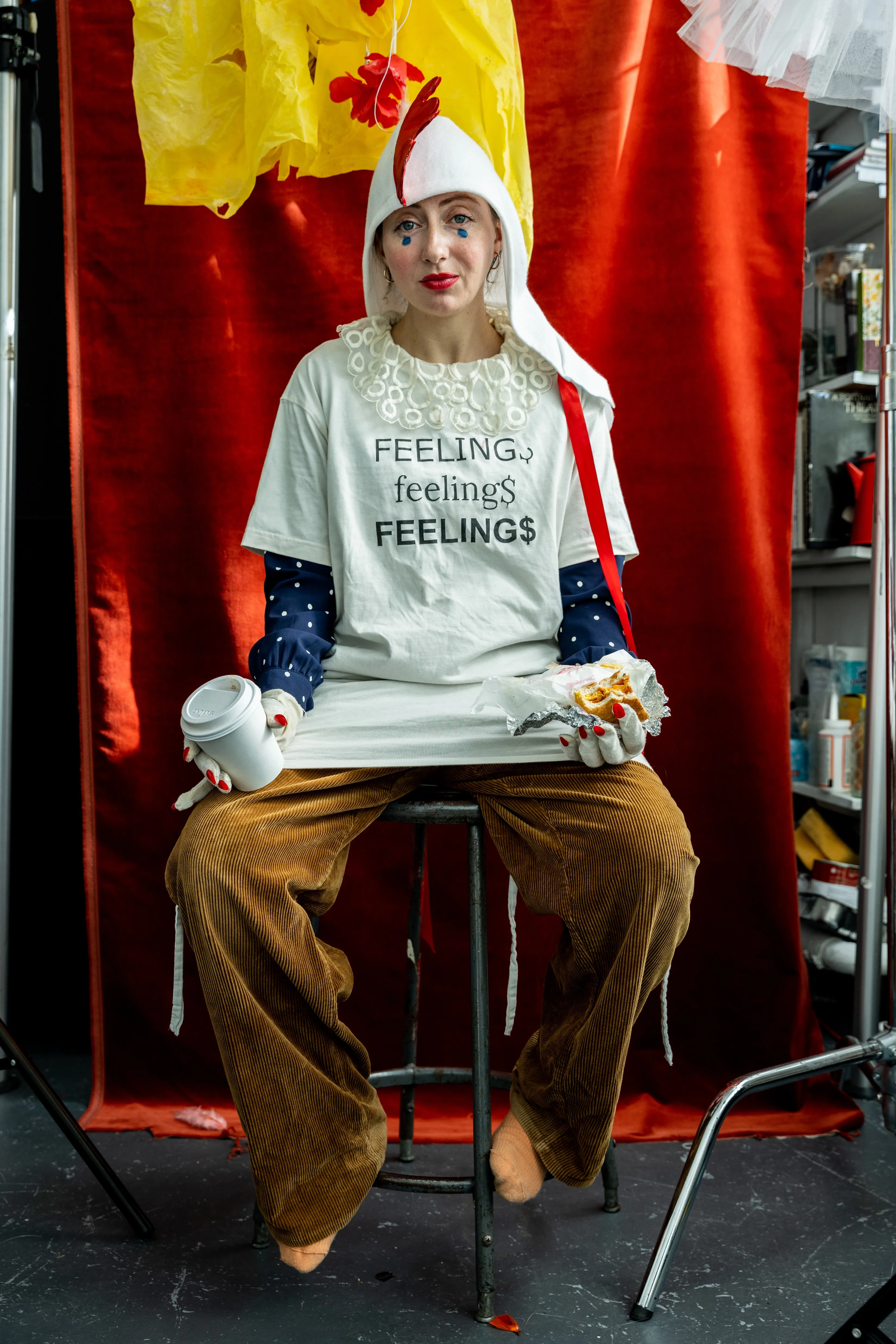
You hope that the performance embraces the “turbulent maze of shared struggle.” How do you believe the audience will relate to this notion of a collective experience during the show?
I really believe all our struggles are entangled, and this idea that anxiety or depression is an individual affliction to be medicated away misses the more complex and bigger problem. Society is pretty sick at the moment! No wonder we all feel crazy trying to remain functional. If you’re not feeling anxious and depressed… what’s wrong with you?!
No but seriously, that’s not to say if you’re struggling, you shouldn’t seek professional help. Please do! But this show for me is also about trying to stay in touch with our “bad feelings” and what they might be trying to communicate to us. And then move through the despair and alchemize it into something else. That’s where the clown can be very helpful.
What are you most looking forward to discussing in the post-show Q&A? Are there specific questions or topics you hope the audience will raise about the show?
I’m always curious to hear what comes up for the audience! Your questions, confusions, delights… all that helps me understand the show more and keep shaping it as I share it. The research is never done! Ask away.
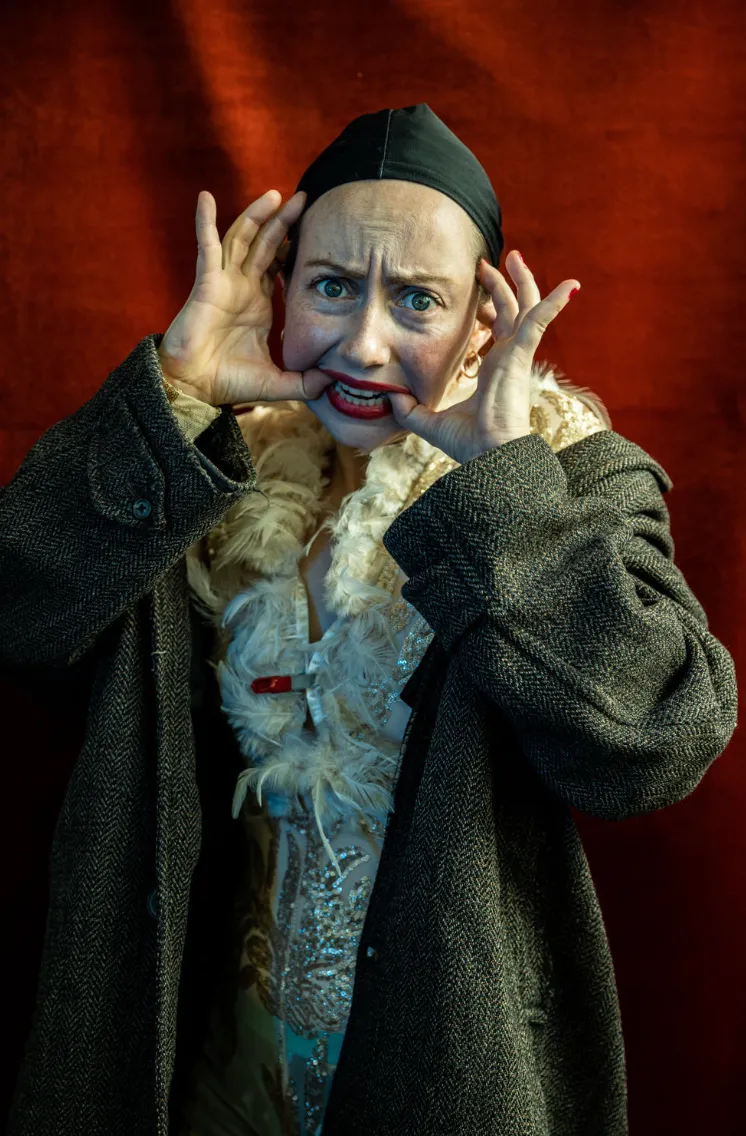
How do you think the theater as a medium has changed in the context of popular culture? Where does live performance fall into popular culture, now? Why do we need it, still?
Live performance is so exciting because it takes us away from screens and into the exhilarating and grotesque experience of being squished together in a room for over an hour! There is nothing like that special, sometimes uncomfortable, sometimes ecstatic intimacy that comes from breathing shared air.
What's next for Alex Tatarsky? Are there any future projects you are looking forward to? What themes do you want to explore next?
Right after this run of Sad Boys in Harpy Land at REDCAT, I’m headed to Vegas for the first time, baby! Going to spend a week deep in magician research. Our lives are shaped by so many made-up things! Money. Nation-states. Maybe it’s time to make up some new illusions.
Stay up-to-date with exclusive events and content.


