F L A U N T


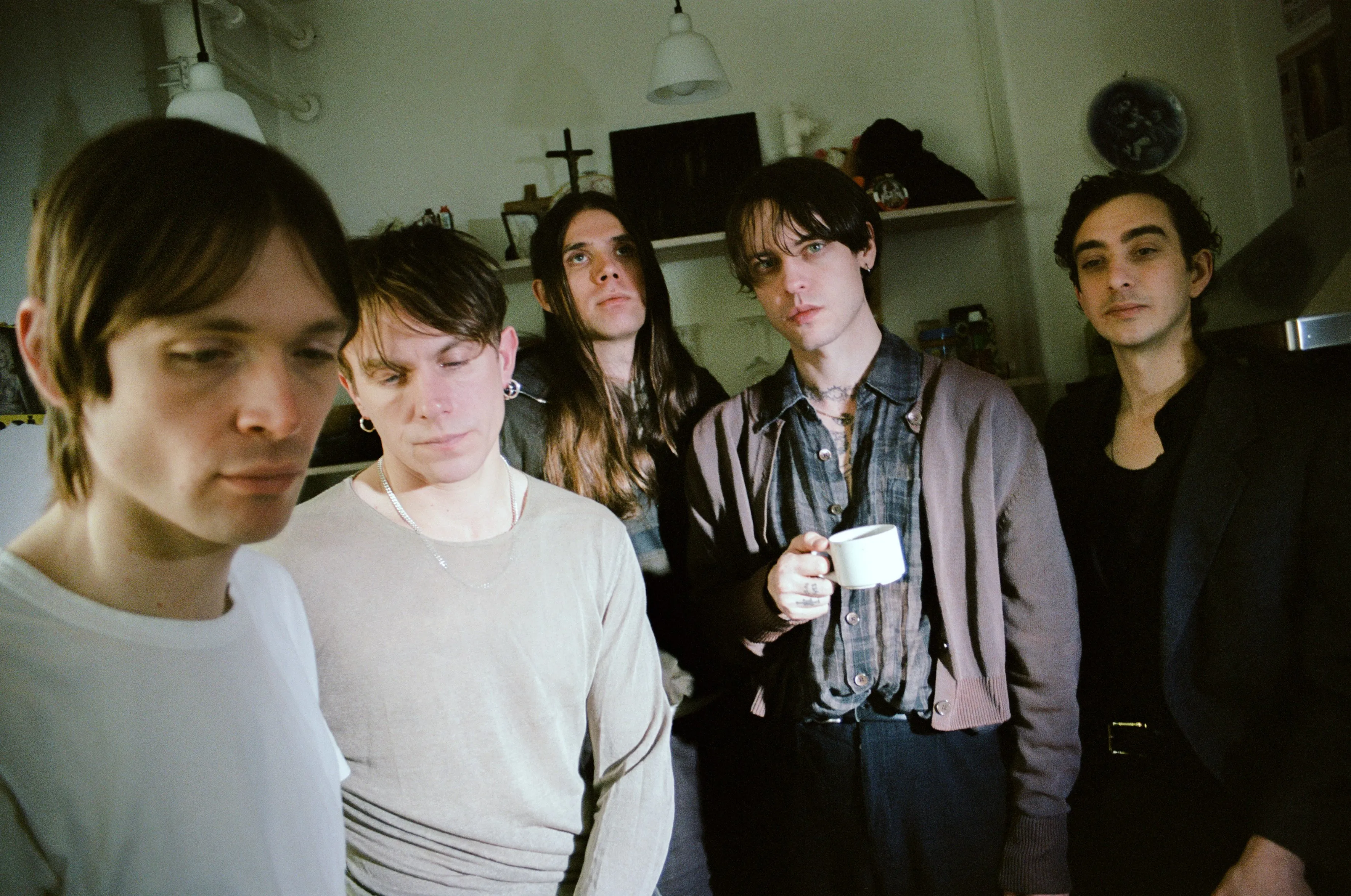
There is a psychological phenomenon called semantic satiation in which repetition causes a word or phrase to lose meaning for the speaker temporarily. After almost two decades of their punk-inflected musings, you would expect some erosion or withering to take hold. But for Danish band Iceage, there seems to be an inexhaustible well of existential fervor and bruised affection still waiting to be revealed.
After forming in 2008 (when the average age of the band was 16) and now having done what they have (6 studio albums over the course of 18 years), Iceage has never been burdened by the fear of running out of things to say or the possibility of losing sight of meaning. Time and time again, Elias Rønnenfelt, Johan Wieth, Jakob Pless, Dan Kjær Nielsen, and Casper Morilla have continued to endure the inevitable without sacrificing the urgency or curiosity that first defined them. And while you could say longevity is inevitable to repetition, together they transform that sweet youthful volatility into something richer, more reflective, and no less vital.
“Every time I finished a record in the early years, I would immediately run into extreme existential dread and fear that I'd kind of spoken my final piece. But now,” Rønnenfelt tells the morning after his solo LA show. “I've been doing this for a while, and I've gained a bit more understanding of what it means, and it doesn't feel as fragile anymore. There's some snowflakiness going on there.”
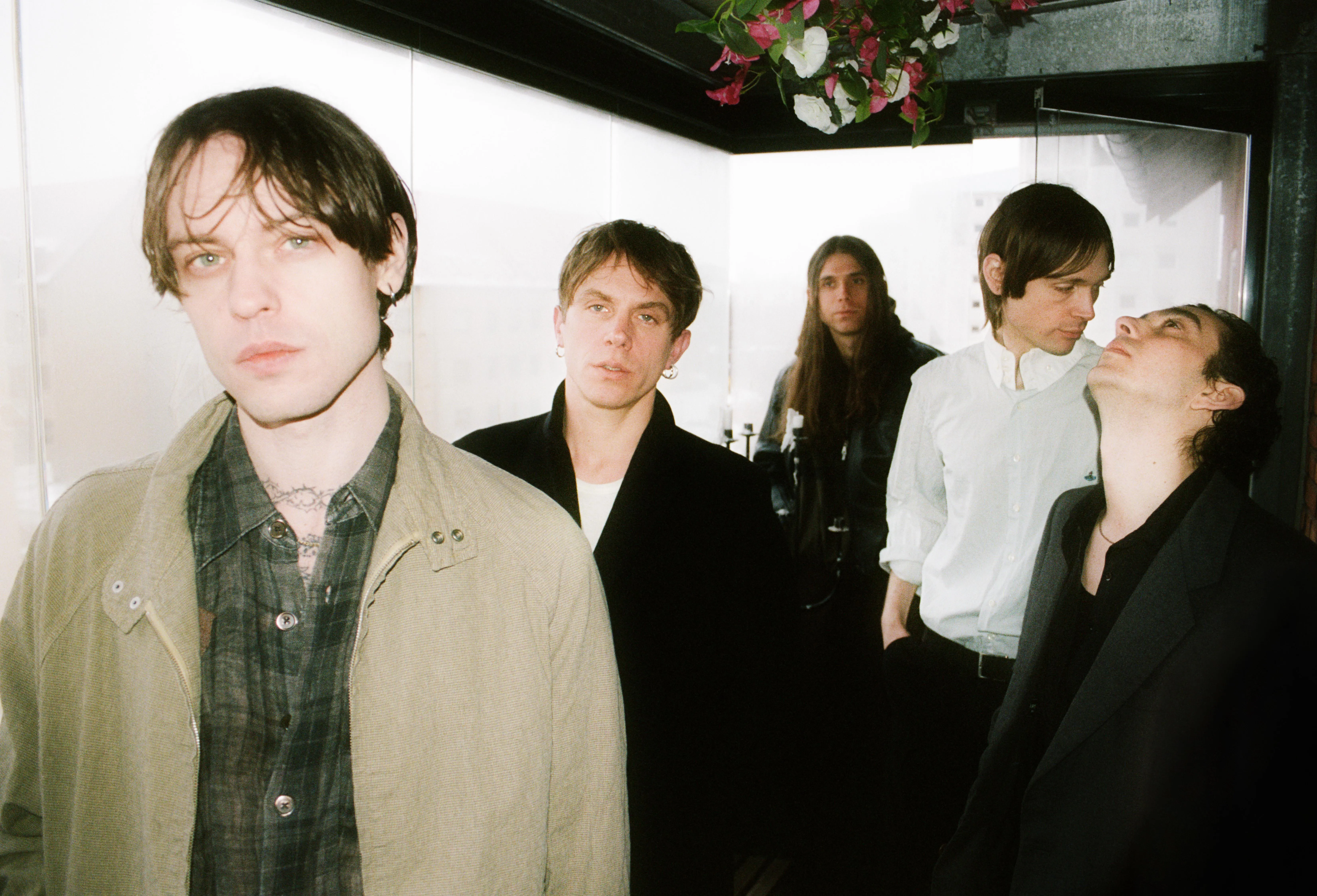
This season’s falling snowflake takes form as Iceage’s latest offering, For Love of Grace & the Hereafter, a 12-track record of windswept romanticism and hard-earned grace. Recorded at Silence Studio in rural Sweden, the same studio that birthed their seminal Plowing Into the Field of Love, the band’s most tightly wound record has every song having to “earn its keep,” because this time around, the band only allowed themselves just enough time for an idea to reveal itself before fully falling into their instincts.
“When we write, it is rare that we verbalize things in a big way; when you've been together for this long, everything tends to flow unspoken organically. Usually, the first thought is the best thought,” Johan says. “However, this is not necessarily true for any creative process, but in our case it is so.”
Instinct might not be the opposite of intention. But what if it’s actually intention’s purest form? After all, what are we if not the sum of our choices? And there are many: what to follow, what to leave behind, what to preserve. But what was decided here, in Silent Studio, was a promise, a long-lasting devotion to the full spectrum of feeling, allowing tenderness, longing, ecstasy, grief, and devotion to coexist. Where previous records often chased distinct corners and sonic territories, For Love of Grace retraces these explorations into a singular sentiment, sewing together the Americana lean of Seek Shelter, pop instincts from Beyondless, the melodic abandon of the aforementioned PITFOL, and the restless ambition of New Brigade.
Iceage isn’t necessarily writing about new emotions; they're discovering new meanings within the same ones. Never laboring in its search for meaning, the band continues to write about the same elemental forces because these subjects refuse to stay still. There is love as devotion and destruction in opening track “Ember,” “Salve for Every Sore,” and “Tender Blades;” grace as something earned and fleeting in “Match Head Girl;” mortality as terror and liberation in “The Weak.” It is understood that no heartbreak, no revelation, and no encounter with death ever arrives in quite the same form twice.
“We're just circling around these pretty archetypical human subjects. You know, love and loss and grief and longing and dread, or whatever it is.” Elias explains, “I think we're wired to believe that our current predicament is intrinsically unique to the world, or at least to our own life. So there's always a new angle, and I don't think any new moment resembles another one.”
And it is true. Our experience can feel both singular and universal, whether through some kind of oral tradition or collective consciousness. But what we know is that we’ve all desired. We’ve loved and lost, and, for the most part, we always find ourselves trying again, regardless of what has been taken or undone in us. Yet, it is in the smallest subtleties, the feelings so precise you have to live them to recognize them, that For Love and Grace finds its hold. Iceage understands not only what it means to feel, but why snow must melt when held tightly in your grip and why certain things are made more beautiful by their impermanence.
“We were always insistent on being in flux. I think from an early age we felt that stagnation and comfort equaled the death of an authentic output,” Johan shares. “I think what sparked us in the very beginning was a feeling that something was missing in our immediate world, and we set out to try and fill that void. In a world that seems to be growing exponentially hopeless by the minute, I see glimmers of hope in the people I am privileged to be surrounded by, love and work with.”
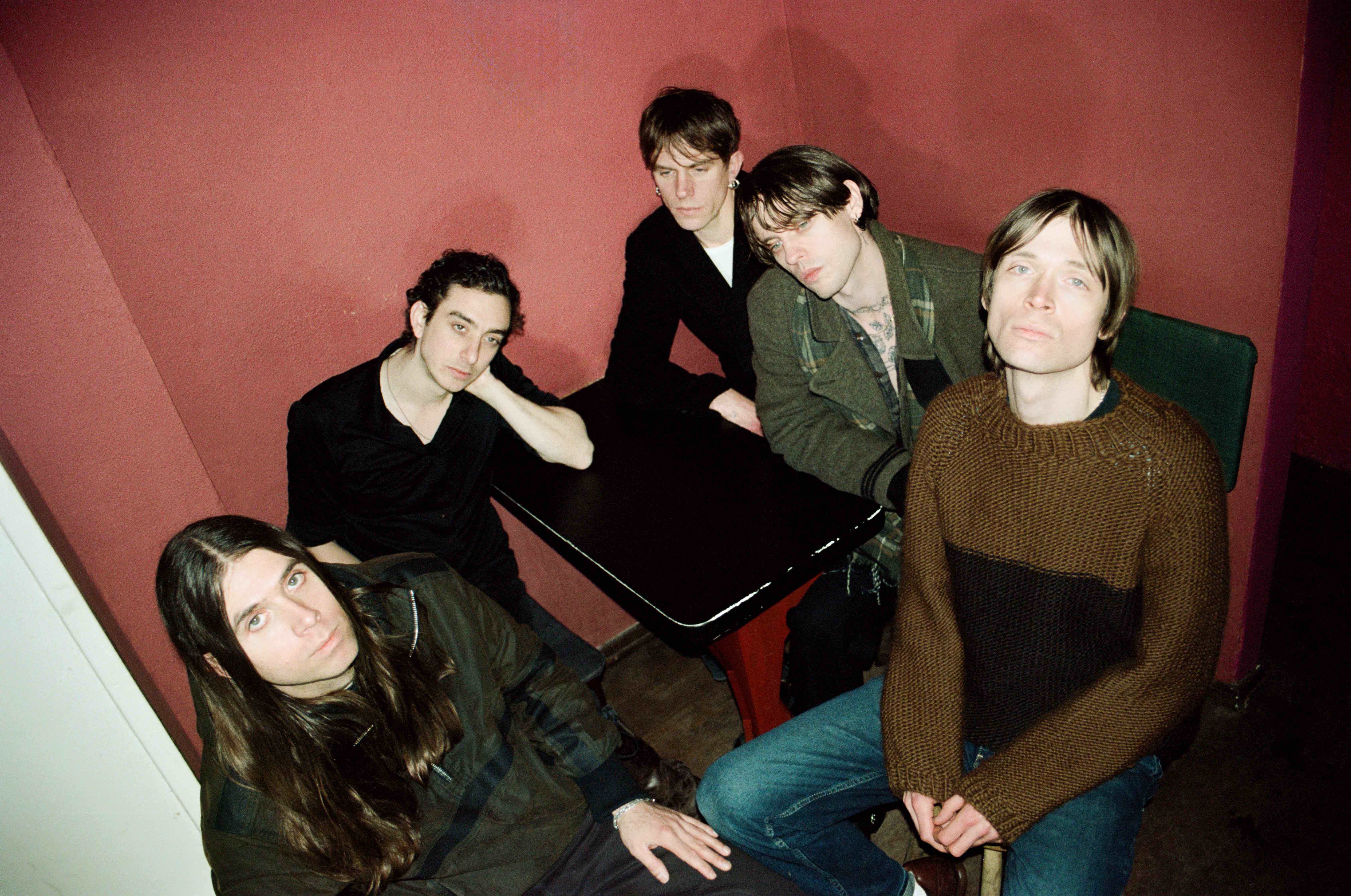
If to live is to endure, then perhaps to endure is to live? And if that’s true, what makes it all worthwhile? In the ever-so don’t-blink-or-you’ll-miss-it world, maybe the point is not only to lay in awe, even if only for a second, but to miss it afterward, to cherish it, to long for its return.
Elias offers a fitting image: “I'm sitting out here in a garden, and there are hummingbirds. It's almost like getting to capture a hummingbird and crystallize it in a sense. This is something I've remained really interested in, capturing these things that could just as well never have been,” he trails. “And that's kinda how I go hand-in-hand with living: trying to distill, alongside life, a simultaneous sort of document.”
This is what Iceage has always done: refracting each era into something newly coalesced. Beneath every record lies the same impulse, to preserve what is already vanishing. Fleeting moments, passing thoughts, feelings that threaten to dissolve before they can be understood. Ideas disappear. Feelings disappear. But we keep trying to catch our hummingbirds anyway.
It kind of sounds romantic, the way he says it. Is Iceage a group of romantics? (Elias: “It feels gross to say yes to something like that.”) Whatever they might be or not be, it seems that with the band has always had a tinge of romanticism or fantasy of sentimentality, but one rooted in the conviction that the fleeting is worth preserving. So do words lose meaning the more you say them? Does love become less profound because it has been written about a thousand times before? Does grace diminish because we continue searching for it? Iceage would suggest the opposite. Some words refuse to be exhausted because the experiences they describe are never lived the same way twice. And maybe that is all any of us are really doing, returning to the same feelings, hoping that this time we might understand them a little better than the first time.
Stay up-to-date with exclusive events and content.


