F L A U N T


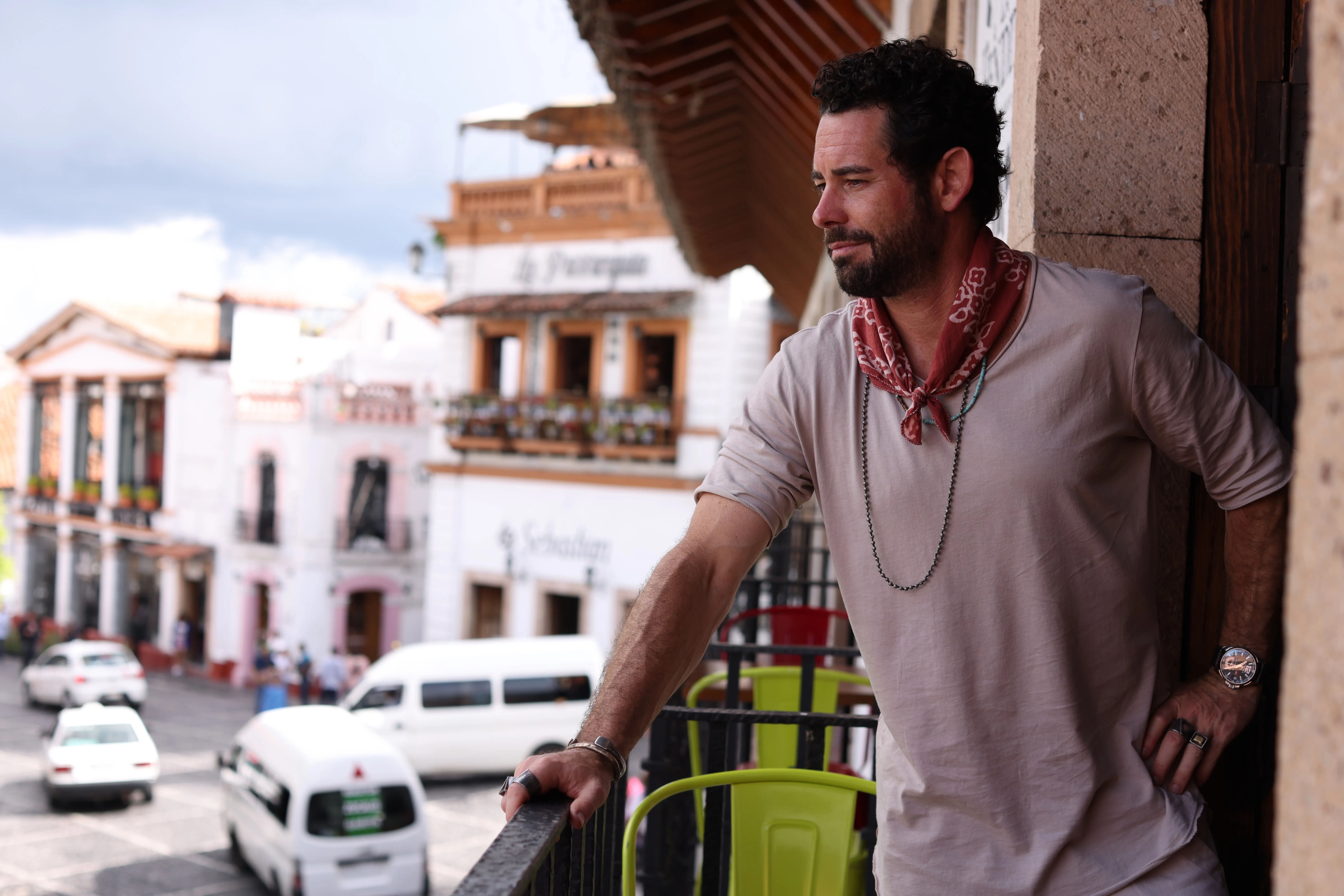
Ben Rosenfield is an LA-based designer and founder of the clothing brand COPALA by Ben Rose. Described as eco-chic luxury resort wear, the brand emphasizes intentional design, regenerative practices, and mindful luxury.Recently, Rosenfield hosted an immersive pop-up at Miami’s Hotel Croydon during Art Basel 2025, catering to an audience dubbed the “Conscious Explorer,” who is well-traveled and committed to conscious living practices.
At the heart of the brand is its ethical commitment to quality. The use of Supima cotton sourced in Arizona adds a luxury veneer to signature pieces such as The Perfect Tee, Aspen Long Sleeve, and the Phoenix Duster. With all the clothing crafted in earth tone shades, items are modular and easy to pair with each other.
Alongside COPALA, Ben also started his own nonprofit, 501SEED3. An organization that utilizes fashion for a collective good, providing support to regenerative farming practices, reforestation, sustainable supply chains, and waste conservation of clothes.
With a strong focus on sustainability, ethical practices, and making the world a better place, Rosenfield and his brand COPALA are utilizing the medium of fashion to make a significant impact in promoting conscious living. By dressing people in thoughtfully designed, eco-friendly garments, COPALA not only elevates individual style but also encourages a deeper connection to sustainable living and consumption. We spoke with Ben to gain a better understanding of COPALA, 501SEED3, and what it means to be a Conscious Explorer.
The name COPALA references both copal incense—used by Mesoamerican cultures for cleansing and healing—and Copala, the mythical city of treasure sought by Spanish conquistadors. Did these ideas inspire the brand from the beginning, or did the name emerge later in the creative process? How do those origins connect to COPALA’s identity as an eco-luxury resortwear brand?
Since I was 14, I have always known I wanted to start a lifestyle clothing brand. It was only in the last few years that my own purpose, consciousness, and spiritual journey, combined with my love of fashion, came together to actually launch this dream. I was always playing with other names that sounded good, but were never quite the right fit. I wanted more than just a name. I was a year into developing the brand before the name COPALA came to me.
In Mexico, copal incense is burned in some of my favorite sacred places. Whenever I sense it, I’m always pleasantly moved by its calming energy. When diving in and learning more about the history of copal, I discovered its use ceremoniously throughout history in many cultures, and that it was part of a much larger story in the 1600s: an exploration of an ancient civilization and the myth of a lost city of gold. According to Aztec legend, the “lost city of gold” wasn’t a place, but existed within the inner world. Copal is an incense; a copala is the “vessel” you burn the incense in. In a spiritual sense, we are also a vessel.
As an explorer, I knew the name was a world aligned perfectly with my intention of building a conscious, impact-driven brand. A brand committed to sourcing the most beautiful, softest fabrics, grown sustainably and manufactured ethically. Clothes that, when you wear them, you feel the difference.
How does the brand appeal to a “conscious explorer,” and how does the conscious explorer appeal to COPALA by Ben Rose?
The Conscious Explorer is someone who moves through the world with curiosity and intention. They travel not just to see new places, but to truly connect: with people and cultures. The quiet exchange of wisdom that happens when you listen deeply. They are adventurous by nature, committed to their own personal evolution, and grounded in a responsibility to the collective. Above all, they believe in leaving the world better than they found it.
COPALA doesn’t simply sell clothes; we are cultivating a community devoted to being part of the solution. Throughout history, clothing has served as a symbol of identity, belief, and values. COPALA embraces that legacy, striving to become the uniform of the conscious explorer movement. Pieces you wear when your choices reflect who you are and what you stand for.
You’ve described your Supima cotton T-shirt, sourced in Arizona, as “The Perfect Tee.” What frustrations or gaps did you personally experience with existing T-shirts that pushed you to create your own? What specific details—fit, fabric, construction, or philosophy—ultimately earned it that title?
First off, fast fashion and the use of synthetic, non-biodegradable materials like polyester (even recycled) are a worldwide issue. Environmentally, 80 billion pieces of clothing are made each year, and 87% end up in landfills within 18 months, with only 3% of all clothing being sustainably made. Biologically, skin exposure to microplastics and chemical additives found in polyester and other synthetic materials is not healthy. Because large fashion brands weren’t established with sustainability in mind, it’s too difficult and expensive for them to completely change their standards and supply chains while maintaining customer loyalty. A low price point beat sustainability, and profit beat planet. COPALA’s purpose is to show it doesn’t have to be this way anymore.
We believe that with proper sourcing and a focus on ethical manufacturing, a luxury brand can be committed to sustainability and still thrive.
What makes the perfect T-shirt comes down to three things, two of which almost any brand can do. The first is the source material, the second is nailing the fit, and the third, something that most brands never achieve, it's what makes it the holy grail: is the feeling.
It’s not just a soft hand, it’s the feeling you get when you touch the fabric and put it on. The feeling you get when you see yourself in the mirror, and it drapes just right, accentuating the right parts of the body. We all have one or two items in our closet that we always go to first when they’re clean. These items last for years, worn hundreds of times, sometimes even getting better with age.
That magic feeling comes from how the clothes are made and who makes them. At COPALA, from seed to closet, we are very intentional about where we source our fabric and the people who sew the garments together. We choose Supima cotton because it’s grown sustainably in a highly controlled and standardized way. The farmers don’t overgrow the land or use pesticides; they slow-grow it. Less than 1% of the world’s cotton is Supima, resulting in a long-staple fiber that’s softer, provably more durable, and holds its color longer.
Regarding the fit, after trying on over 1,000 T-shirts, I wanted to design a tee that felt casual yet stylish, wearable every day, for any occasion. Effortlessly cool, made from 100% all-natural Supima cotton, nature’s silkiest-feeling cotton. It gives off an essence of stealth luxury, no logos, no printing, the perfect neckline and length, and beautifully finished seams. All dyed in earth-tone colors, even people who aren’t into clothes notice the feel and quality of the product. That’s all because of the people who helped make it through an ethical supply chain.
That’s what makes a tee… well, perfect.

You also founded the nonprofit 501SEED3, which supports regenerative farming, reforestation, and fair-wage practices worldwide. How does 501SEED3 intersect with COPALA by Ben Rose, if at all? In what ways are you using fashion as a vehicle to advance the nonprofit’s mission?
501SEED3 and COPALA are intrinsically linked through a shared commitment to regeneration, sustainability, and conscious living. Currently, 501SEED3 is in the process of setting up its programming to support global initiatives in regenerative farming, reforestation, and fair-wage practices, principles that directly inform COPALA’s supply chain, sourcing, and storytelling.
Fashion is a powerful vehicle for impact: through ethically made, eco-luxury apparel, COPALA funds 501SEED3 projects, raises awareness, and invites its Conscious Explorer community to participate in change. Every garment is more than style; it’s a statement of intention, rooted in restoring the earth and empowering the communities that sustain it.
With COPALA BEACH at Art Basel, you transformed the brand into a physical, communal experience. As you look ahead, how do you envision scaling COPALA by Ben Rose? Does the future include a new consumer audience, a hospitality-retail hybrid, or an entirely different evolution of the brand?
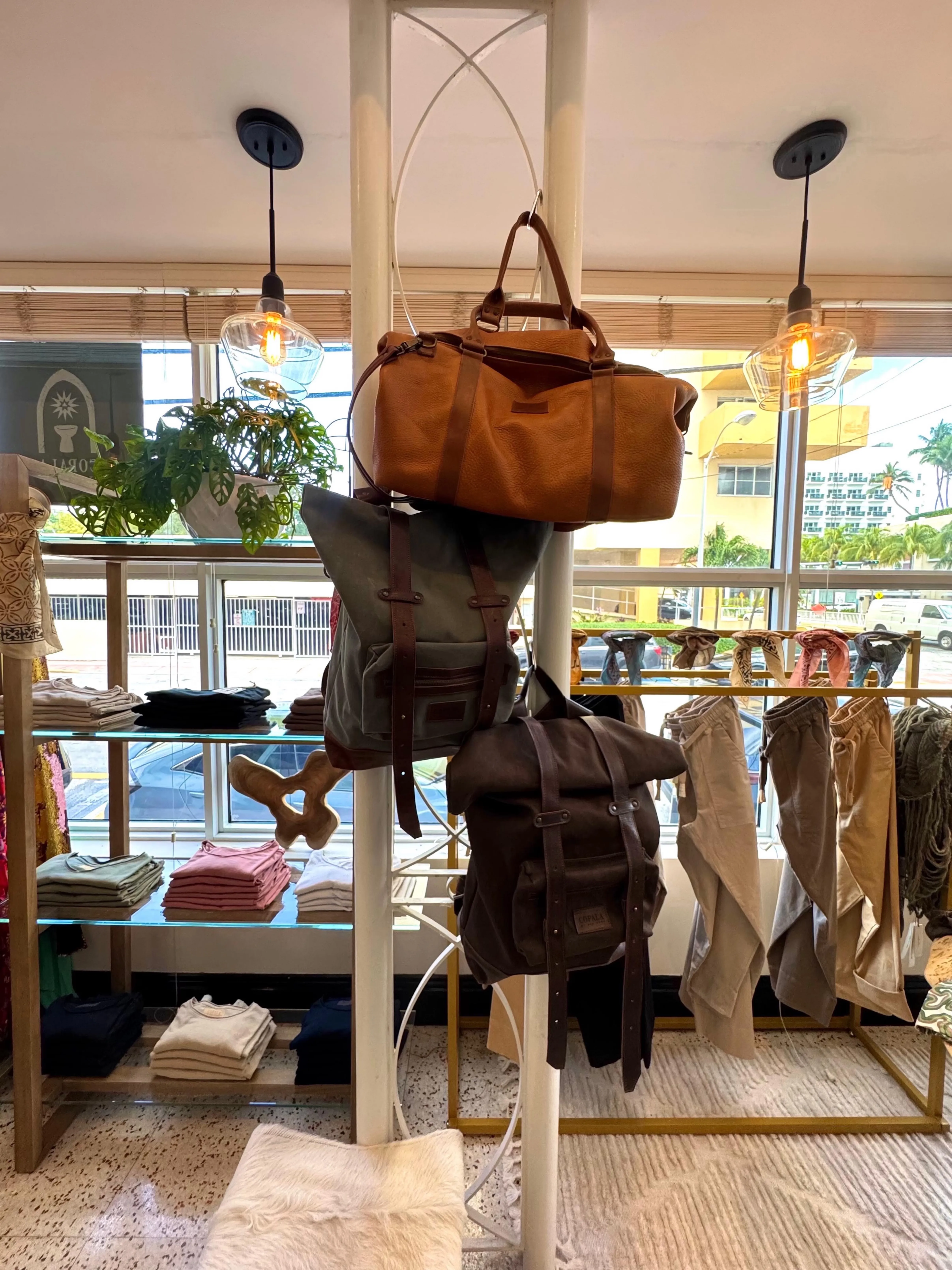
2026 marks a pivotal chapter for COPALA. Art Basel was our first public expression beyond e-commerce, and it affirmed something we’ve always believed—that COPALA is meant to be experienced, not just worn. The response was deeply validating and reinforced the idea that, at its heart, COPALA is a community-first brand.
As we look ahead, our focus is on creating spaces where culture, connection, and consciousness intersect. We’re developing hospitality collaborations with select hotel groups that allow COPALA to live beyond retail, alongside partnerships with renowned artists for limited product releases and immersive pop-ups in key global markets.
At the same time, we’re thoughtfully expanding into wholesale, both domestically and internationally, partnering only with retailers who share our values. The vision is to grow COPALA not just as a brand, but as an ecosystem, one that brings people together through shared purpose, presence, and intentional living.

Stay up-to-date with exclusive events and content.


