F L A U N T


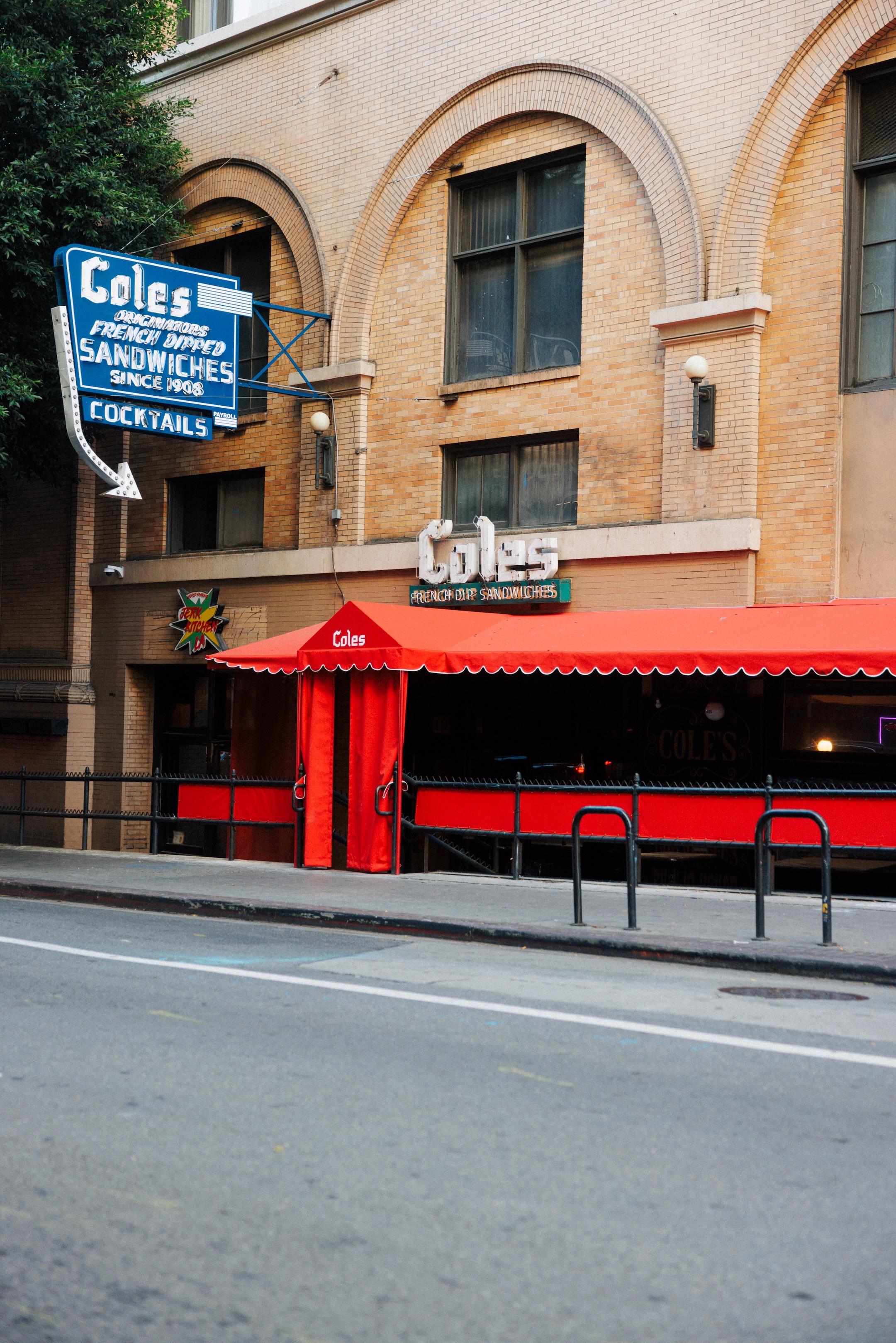
Seven months ago, Los Angeles residents lined the sidewalks anticipating their last meal. Everyone was mourning the loss of a titan: the legendary 118 year old Los Angeles hotspot and progenitor of the French Dip, Cole’s was set to close forever. For the six-months following the sad day, the LA streets ran dry without the restaurant's iconic menu and logo lighting the sidewalk. Little did everyone know—there was an ongoing, dedicated effort behind the scenes to keep the restaurant alive.
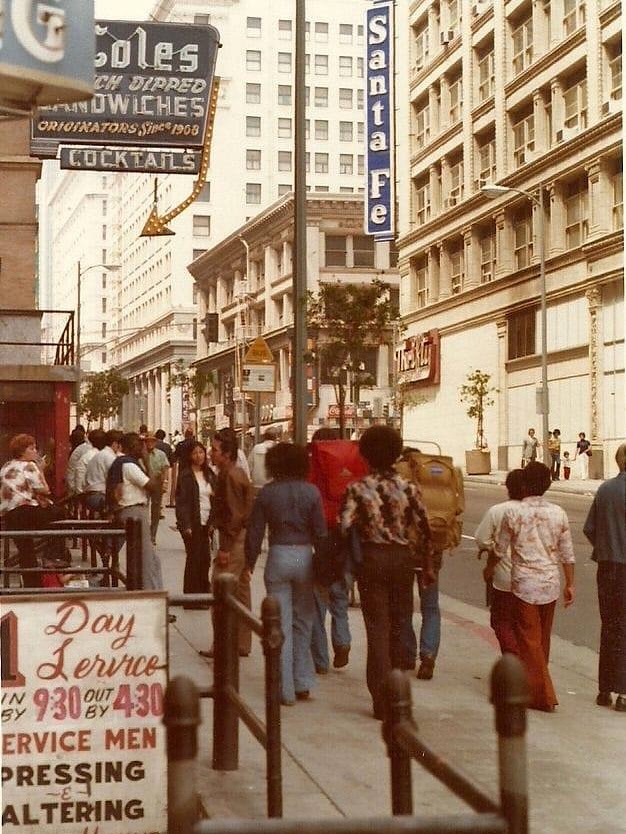
Cole’s' grand reopening comes after what many assumed was a permanent closure in March. Saved by celebrity chef and restaurateur Jeremy Fall and Sean Maloney, former Chief Hospitality Officer of Mozza Group, the iconic restaurant will make its comeback this November, with a restoration process that reimagines the restaurant based on its own historic timeline, integrating what has made the restaurant so beloved for generations.
Fall himself has made a name in the industry as an award-winning chef and restaurateur, having opened the first location of Drugstore, the food and beverage house built on 100% made-from-scratch menu items; he has also more recently launched Short Order, a talk show breakfast in which he sits down with both strangers and celebrities on the street to have open conversations that focus on culture and identity.
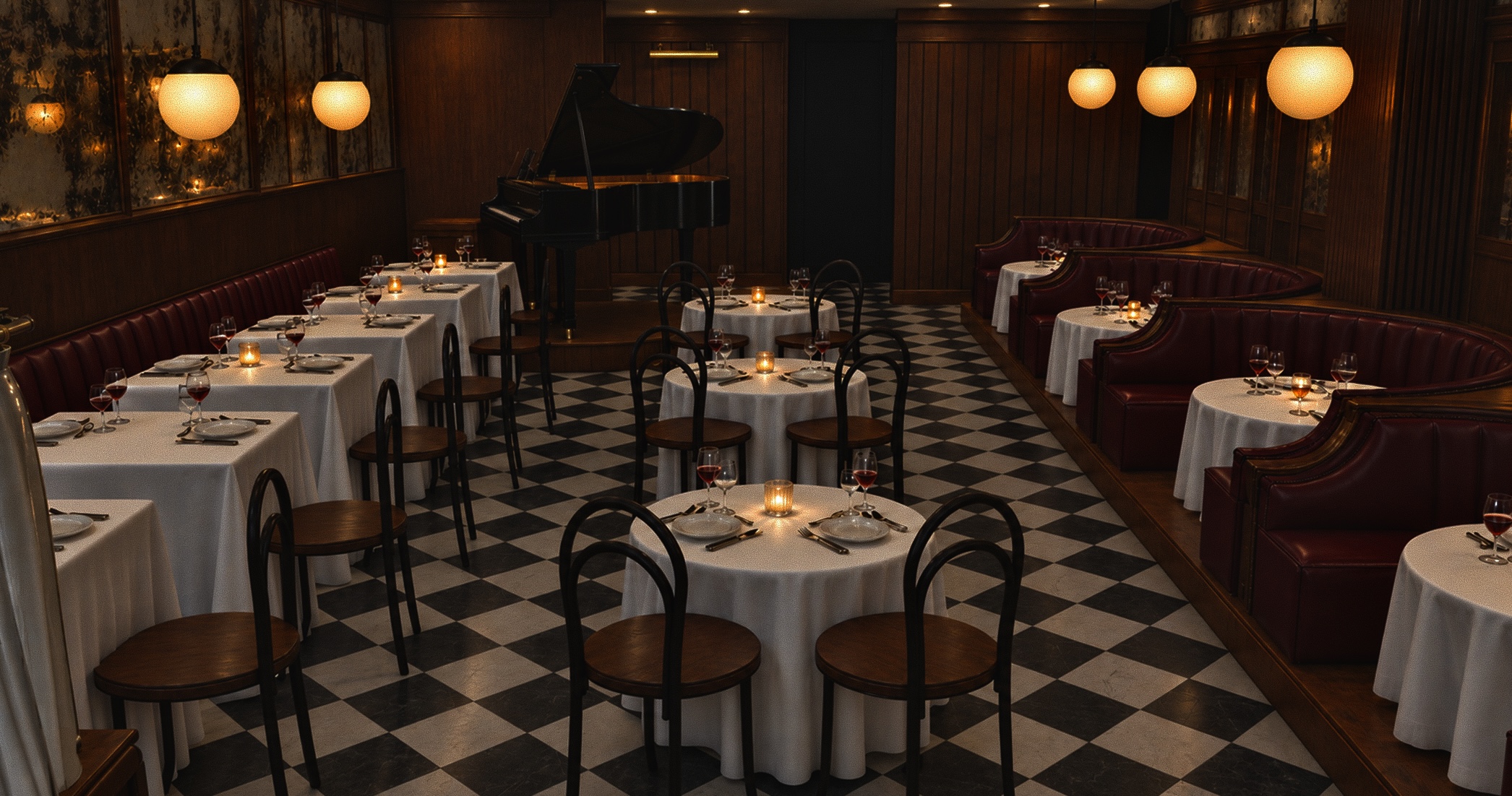
Fall has his own reasons for taking on this renovation project; a native Angeleno, born and raised in downtown LA, Fall recalls the memory of his first time dining at Cole's at eleven years old. The redesign process, coming from a place of nostalgia, the French Dip itself will be revived with premium ingredients, and the space itself will be entirely revived with its original elements in mind, to continue to enhance the spirit of the establishment as it was, led by LA-based designer Sophia Bernard. Elements of the remodel come from Bernard's close work alongside the Los Angeles Historical Society: black-and-white diamond and mosaic floor tiles, ivory stamped-tin ceilings, large vintage distressed mirrors, and a grand piano. Integrating what originally made Cole’s the recognized institution with a 118-year reputation that it continues to uphold. The design of the restaurant as a whole is integral to keeping its memory alive; whether through the menu or the design, the institution is finding ways to incorporate its history and consequence into every mosaic tile or grand piano.
1. What’s your earliest memory of Cole’s?
I was 11 years old, sitting in the booth directly across from the bar. I can actually picture exactly how I was sitting, and that’s not some bullshit romanticized story. I remember it really clearly. I only ate fries and didn’t even try the French Dip. And I grew up two blocks away, so Cole’s was part of my neighborhood long before I understood anything about its history or significance.
2. Besides the iconic French Dip, was there anything you remembered about the restaurant as a kid that you wanted to bring back?
There’s something about old restaurants that you can’t recreate, no matter how much money you spend on design. I remember that feeling, although back then I would’ve just called it “old.” Now I understand that it’s the imperfections and personality a place develops over generations.
I think there’s a temptation when you take over any restaurant to leave your fingerprints all over it. I’m actually much more interested in figuring out what not to touch. Sometimes the best creative decision is restraint.
3. You grew up in Los Angeles—just two blocks from Cole’s. How has your relationship with the city changed as you’ve gotten older?
I think I’ve become more protective of it. Los Angeles has always been a city of reinvention, which is something I love about it, but I think we’re sometimes too quick to get rid of things in the name of progress. I definitely didn’t understand that as a kid.
Growing up Downtown, I was surrounded by this incredible intersection of cultures. LA is a city shaped by immigrants and people who came here to build lives they might not have been able to build elsewhere. As a first-generation American, I don’t think I realized until much later how much that shaped my understanding of what being American actually means.
4. What does it mean to take over a place with more than a hundred years of history? How do you balance introducing new elements with honoring old ones?
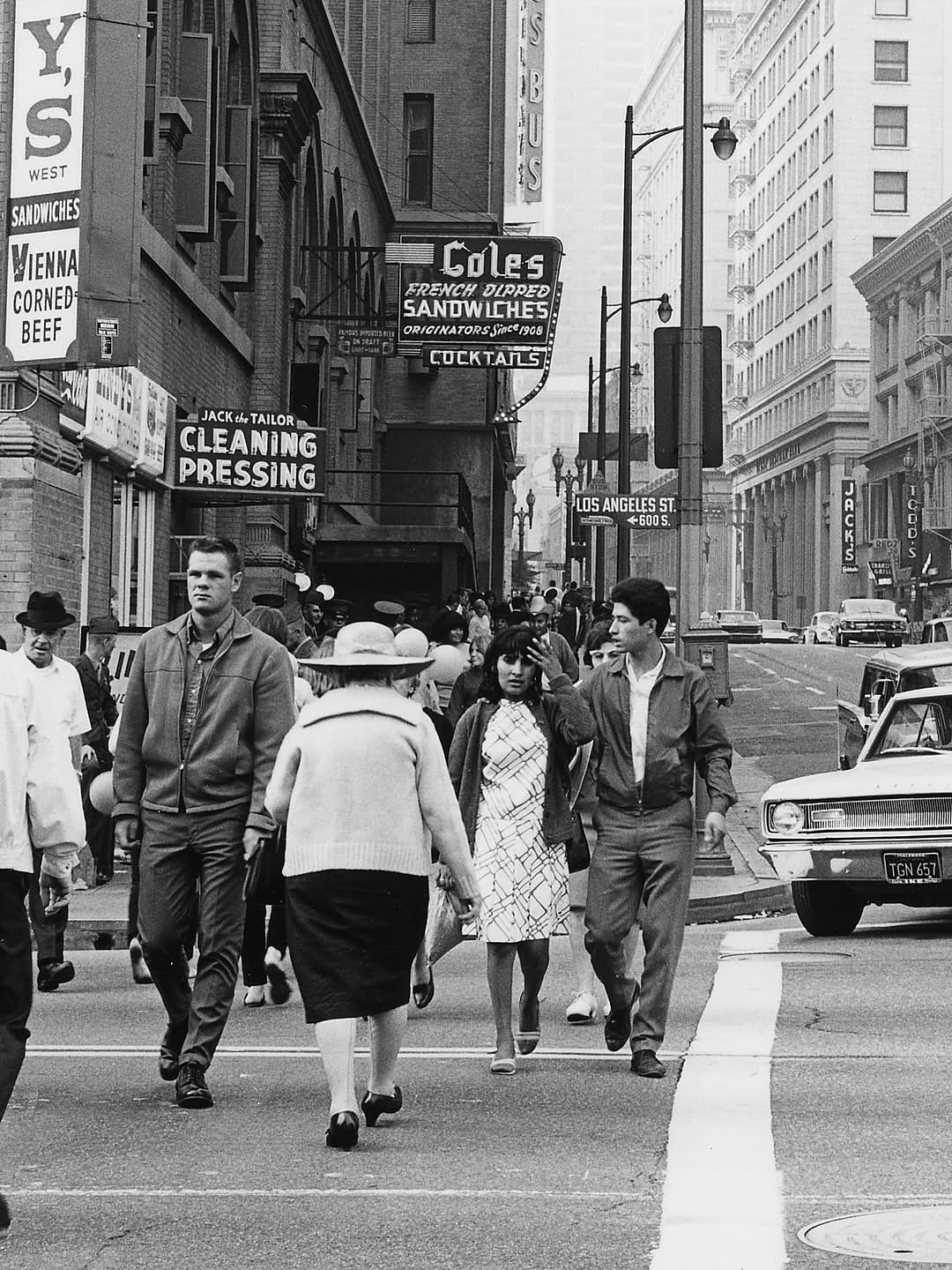
I think the interesting thing about taking over a historic restaurant is that you don’t really own its history. You’re just responsible for what happens next.
And I actually think nostalgia can be dangerous for old restaurants. People get so attached to preserving something that they forget it still needs to work in the present. A restaurant has to be good today, not just important yesterday.
With Cole’s, I’m constantly asking myself how little we can change while making the experience meaningfully better. I want someone who’s been coming for fifty years to recognize everything they love about it, but I also want someone walking in for the first time to have no idea why the place would ever have needed saving.
5. On your show, Short Order, you chat with people over a diner-style breakfast. What have you learned about socializing from working in the food industry?
I’ve learned that people are a lot more interesting when they don’t feel like they’re being interviewed.
With Short Order, I wanted to democratize the traditional talk show. We bring people from completely different backgrounds to a table on a public sidewalk, where anyone walking by can stop and become part of the experience. The guest could be a huge celebrity or someone you’ve never heard of. That shouldn’t determine how interesting the episode is. The conversation is the star, not how famous the person sitting across from me is.
And I really don’t think those conversations would happen the same way without food. There’s something about breaking bread with someone that immediately changes the dynamic. You’re eating, you’re sharing something, you’re not just sitting across from each other trying to come up with interesting things to say. People naturally let their guard down.
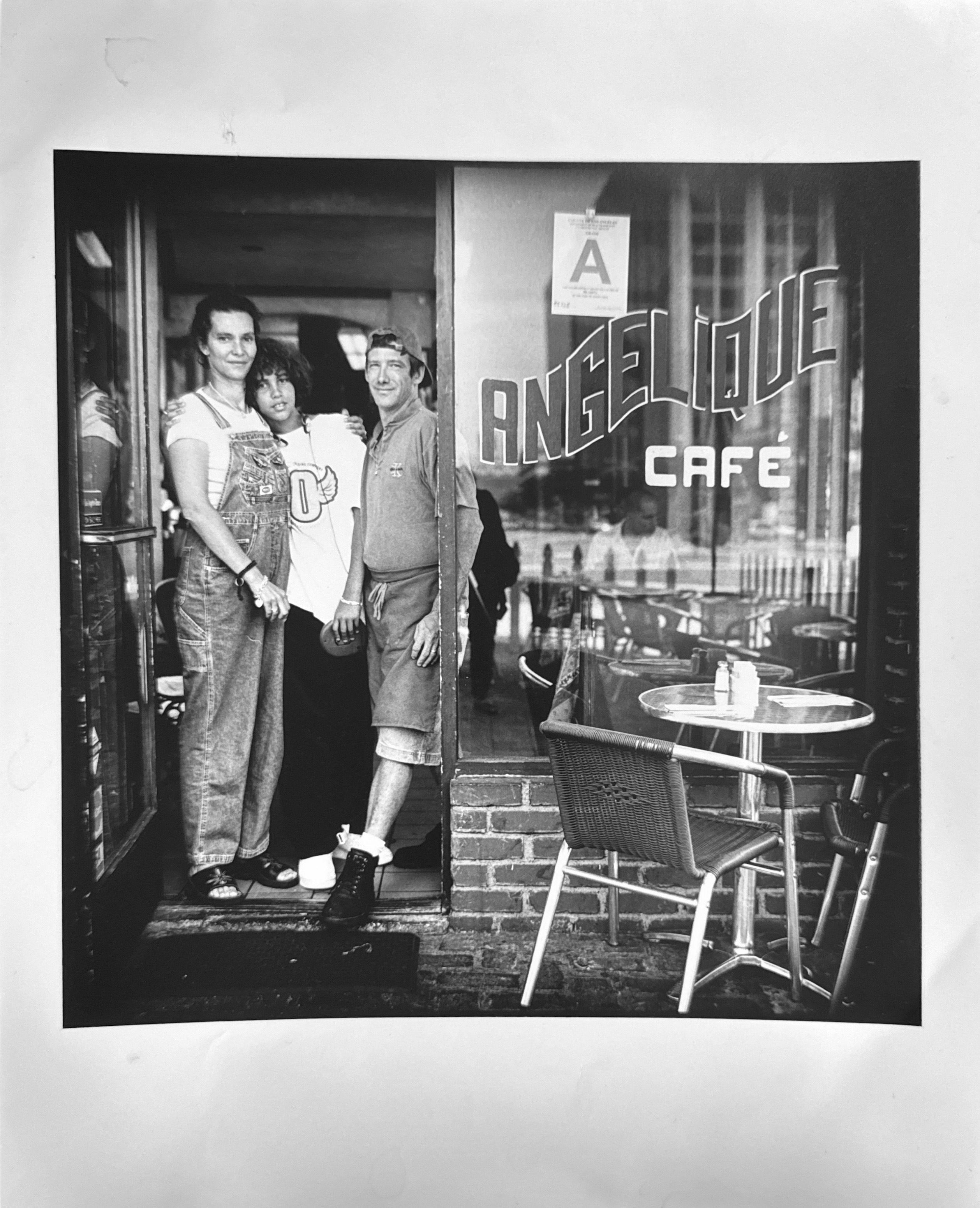
6. What are your kitchen non negotiables?
Ingredients, intention, and knowing who you’re cooking for.
I’ve always found it strange that we’ve made simplicity seem less impressive in food. Getting something simple exactly right can be so much harder than making something complicated.
With Drugstore, my restaurant in New York, I use actual organic ingredients whenever possible, prioritize quality proteins, and pay attention to where everything comes from. Not because I think food needs to come with some moral superiority or wellness lecture, but because I think people deserve to know what they’re eating. And honestly, better ingredients just make better food.
That philosophy carries over to Cole’s and everything else I do. I want to apply the same discipline and techniques you’d find in fine dining to food people eat every day. A French Dip deserves just as much thought as something on a tasting menu. It doesn’t need to be complicated, and the person eating it doesn’t need to know how much work went into it.
7. Is there a particular detail you’re most proud of in the new Cole’s?
The restoration of the original design elements. We’ve spent a lot of time digging into what Cole’s used to look like, finding details that were changed or lost over the years, and figuring out how to bring them back without making the restaurant feel like a museum.
One of my favorite parts of the process has actually been the branding. A lot of the graphics and typography we’re using come directly from Cole's original materials. Things that existed decades ago, disappeared somewhere along the way, and are now becoming part of the restaurant again.
What’s interesting to me is that we’re also translating all of that into a digital identity, which obviously didn’t exist when Cole’s opened. So rather than creating some completely new visual world, we’re using its own history to inform how it exists today. I like the idea that we’re preserving parts of Cole’s in places they never existed before.
8. What’s your Cole’s order?
Beef Dip, extra jus, American cheese, and pickles on the side. I like cheese on everything.
Stay up-to-date with exclusive events and content.


