F L A U N T


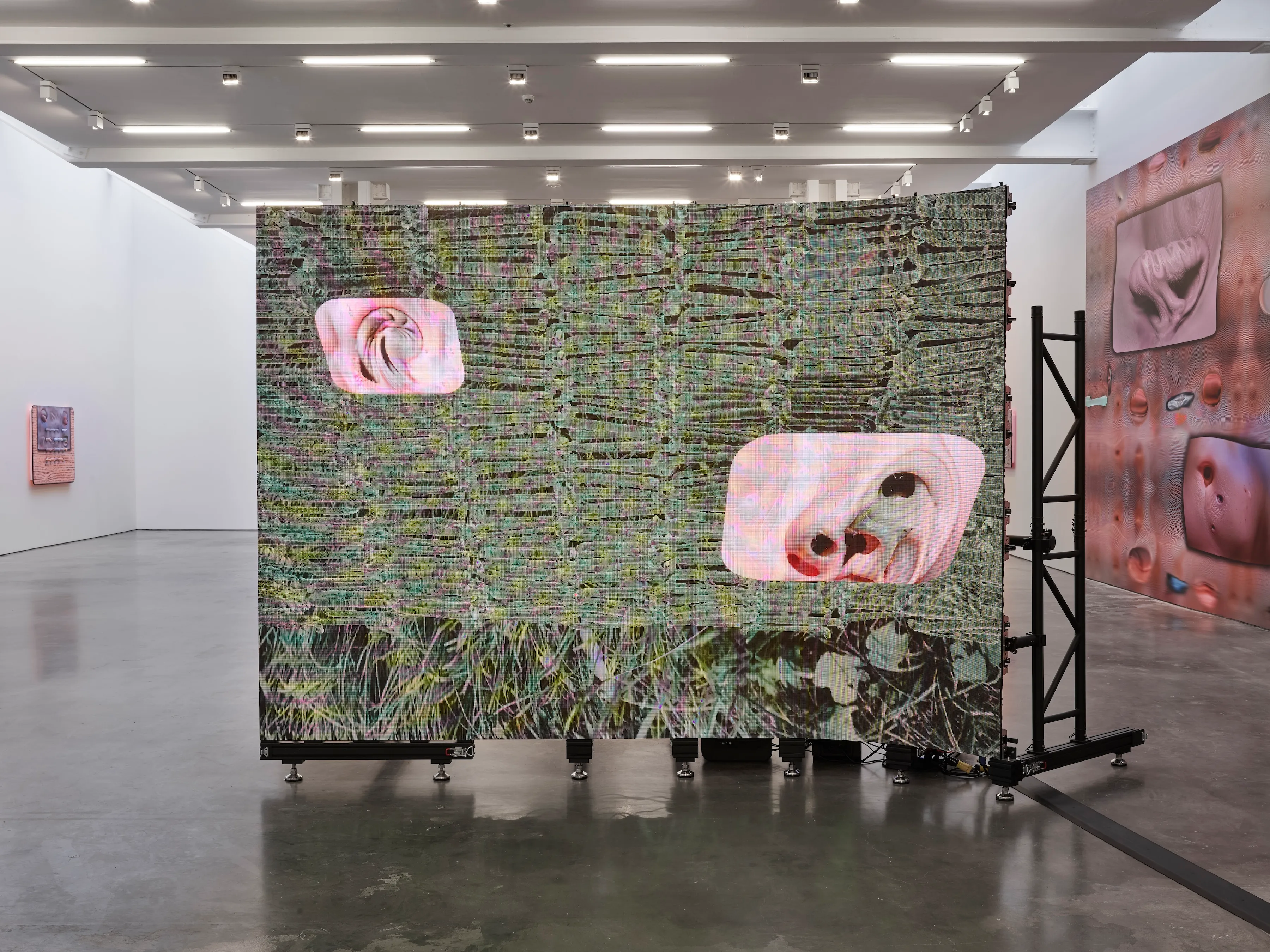
Ironically enough, when contemporary artist Tishan Hsu joins our scheduled Zoom call, we experience some technical difficulties. We are meeting to discuss his latest exhibition, emergence, a mixed-medium meditation on the joining of technology and biological life, inspired by many of the contemporary advancements in medical tracking and healthcare tech—his first in five years in New York City and first ever at the Lisson Gallery. For a couple of minutes, I can only hear his voice, disembodied as a green-highlighted fuzzy gray rectangle. A technical failure unique to our modern world—for it was only a few decades ago that hearing someone’s voice from thousands of miles away was a miracle of modern technology, now a sigh-inducing inconvenience, momentarily forgettable.
Of course, it’s only a few moments until things are back on track. I mention it, though, because this disconnective blip is what Hsu’s work has been wrestling with for the past forty years. “I think there is the influence of where technology is going now, particularly with the emergence of AI. AI has opened up much more radical questions about this interface between the human and the technology, or just our own bodies and our interactions with our technologies in a more political, social way,” he tells me. “All of my work is really just a simple proposal that there is this change going on in the particular span of my own life that is somewhat unprecedented in terms of the quality of the technology that is emerging in our lives.”
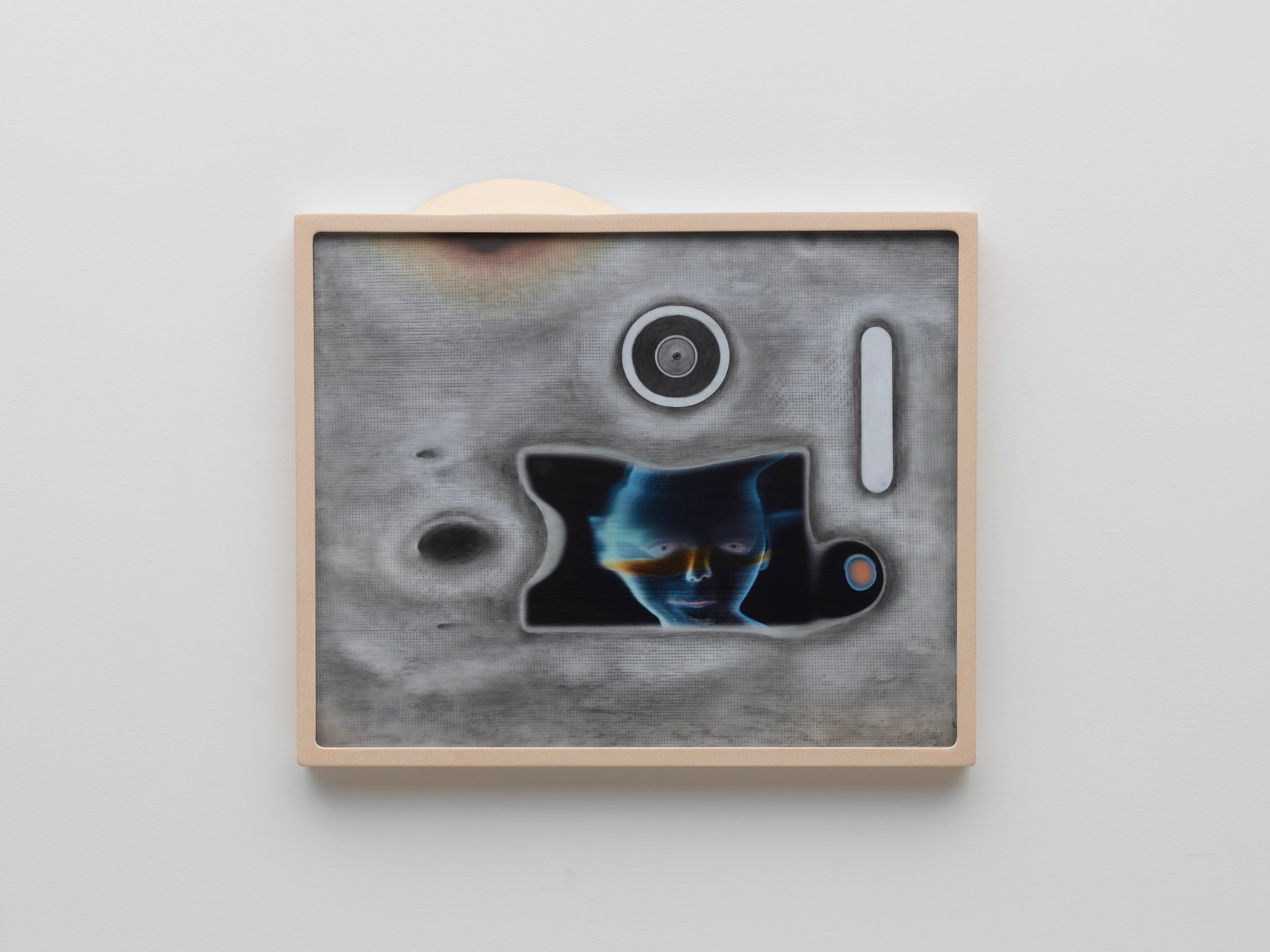
Certainly, there is. Hsu began his career as an artist in the 1980s, creating works that positioned humans melded together with machines—then they were thought of as outlandish, now prophetic. Now, with emergence, Hsu is tackling human and botanical life, and how they cannot seem to fully separate themselves from the technology of today, without significant effort or intervention. Contemporary examples, such as the Oura Ring, Neuralink, and other medtech advances, served as inspiration for the collection. While many wax poetic about the downfall of man at the hands of an AI-powered consciousness, Hsu isn’t trying to scare anyone with his work. “It's really about the body, nature, technology, and how they’re all connected. We created this technology as a species, and it's organically us. No other species has done this. If we see technology as being some alien, dangerous element that's entered the human species, I think we're forgetting we created this stuff. So, to some extent, it’s human.”

The decision to dedicate his artistic career to unraveling the human relationship to technology was inspired in part by an interaction Hsu had with a word processing machine. “I was working with this word processor, and then I was aware of my body in front of that machine. The two major elements of just being there in a sort of gestalt, the screen that my cognitive mind was very much engrossed in, my physical body in front of it, and the combination of the two,” he says. “I saw that as a distillation of this change going on, that suddenly the technology is, in some sense, having agency.”
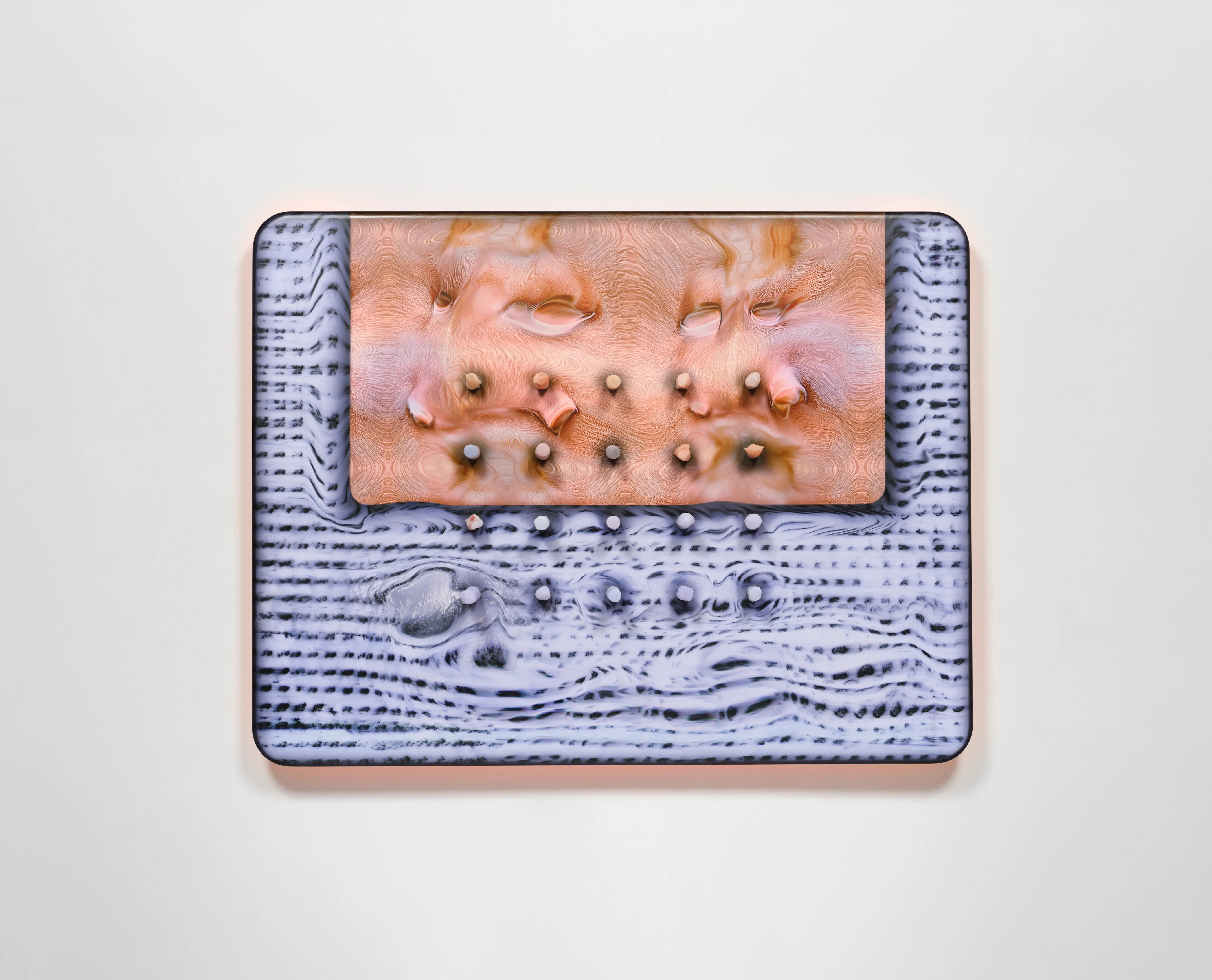
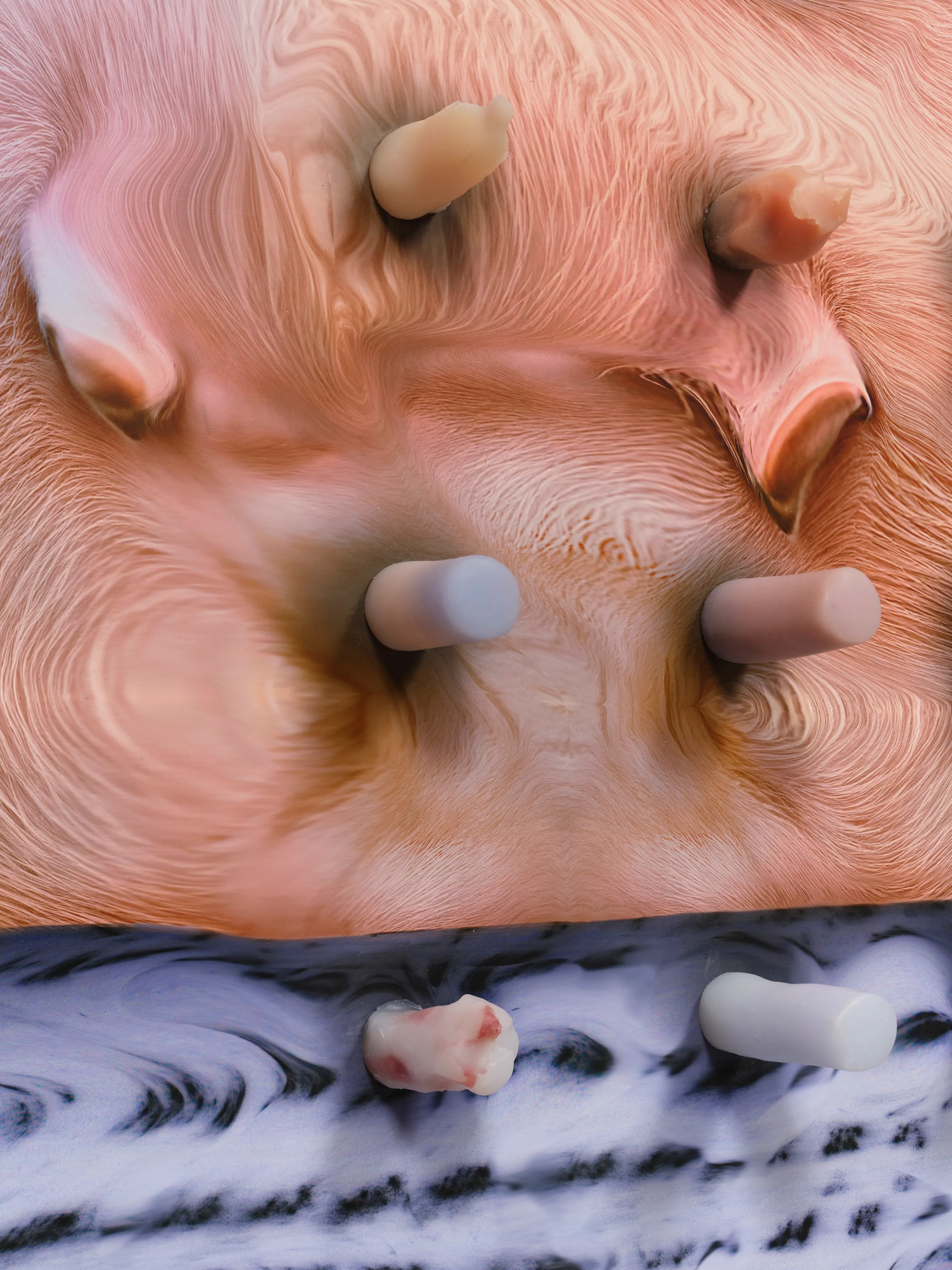
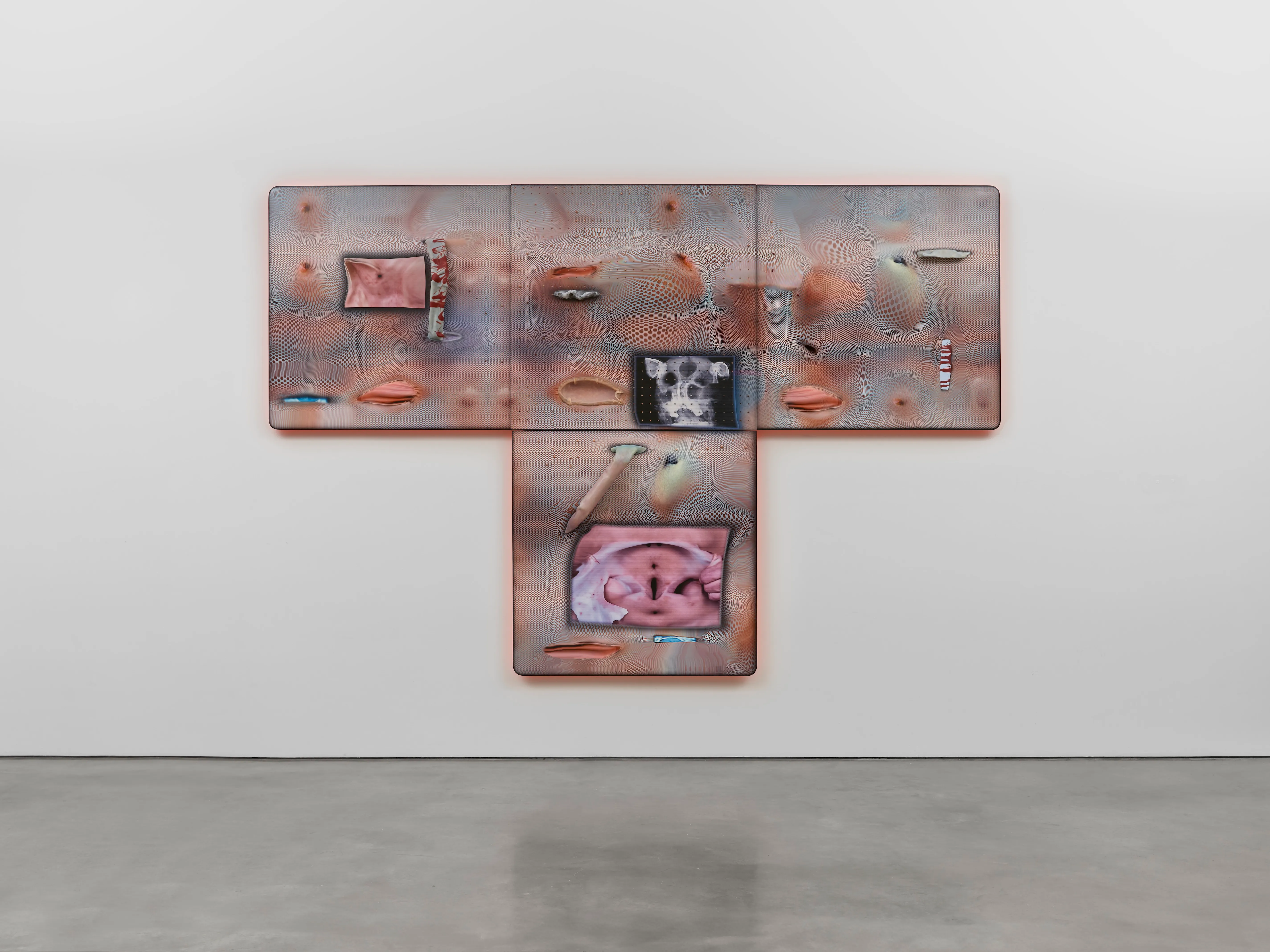
The connection between the physical and metaphysical continues to influence his work today, as seen in emergence, where mixed-relief, oil-on-wood paintings feature silicone elements and immersive digital experiences flood the gallery. “The materials I use came out of this drive to somehow capture this paradoxical quality, of being there and not there,” he tells me, describing the way silicone ripples under light, the way a screen’s glow feels both alien and familiar. His practice, in that sense, mirrors the condition of contemporary life itself: analog and digital, corporeal and coded, coexisting in fragile harmony.
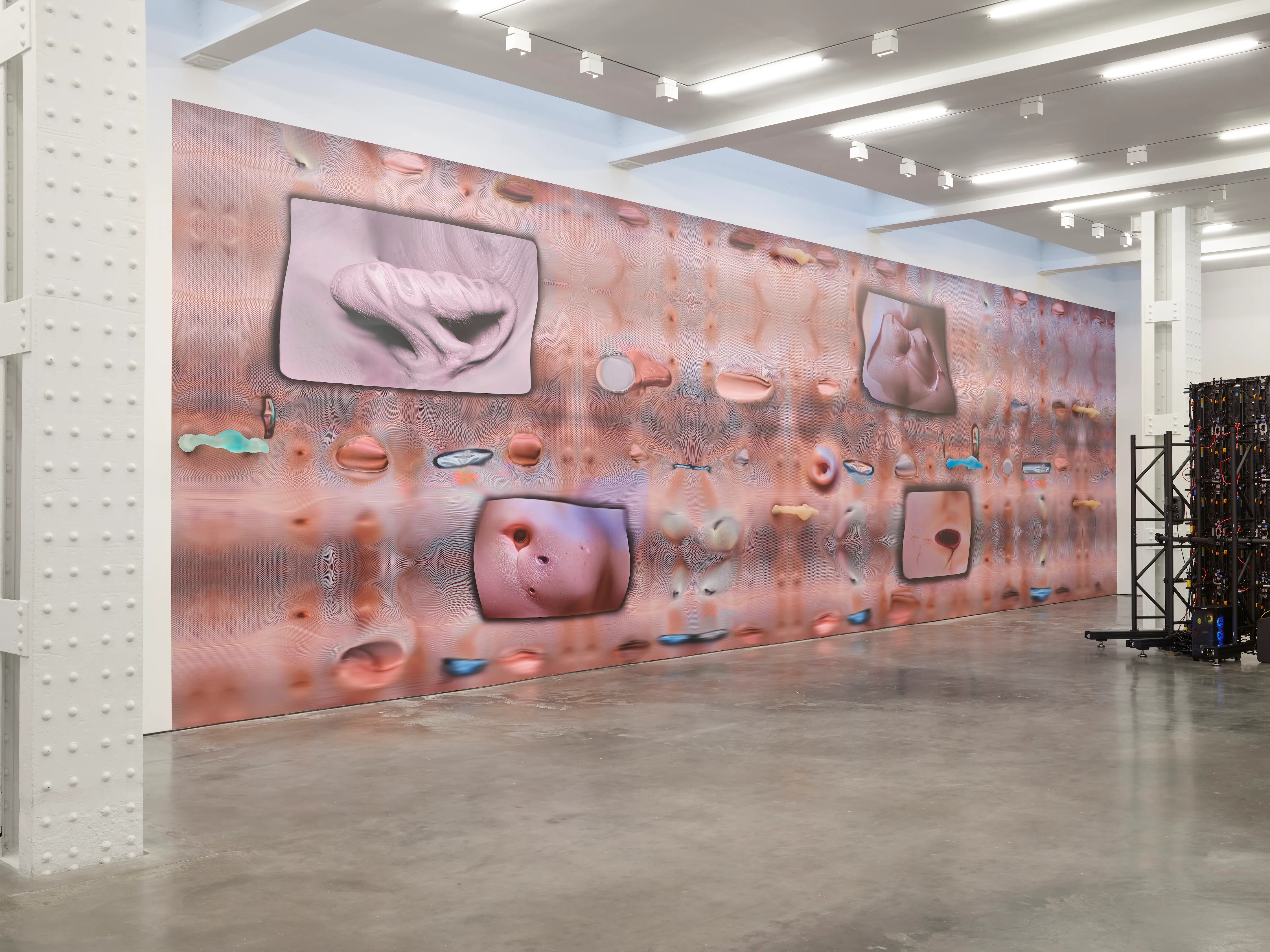
That tension—the urge to define, to decode, to make sense of what’s rapidly changing—runs through his work, though Hsu resists the need for resolution. “I don’t think my work has any answers,” he admits. “It’s just trying to propose that there’s something here that’s really complex and big, and we don’t quite know how to deal with it. Maybe art is one area of culture that has the potential for openness—to examine that a little more.” That openness defines emergence—not as a critique of technological progress, but as an invitation to feel its strangeness, to acknowledge its pulse within our own.
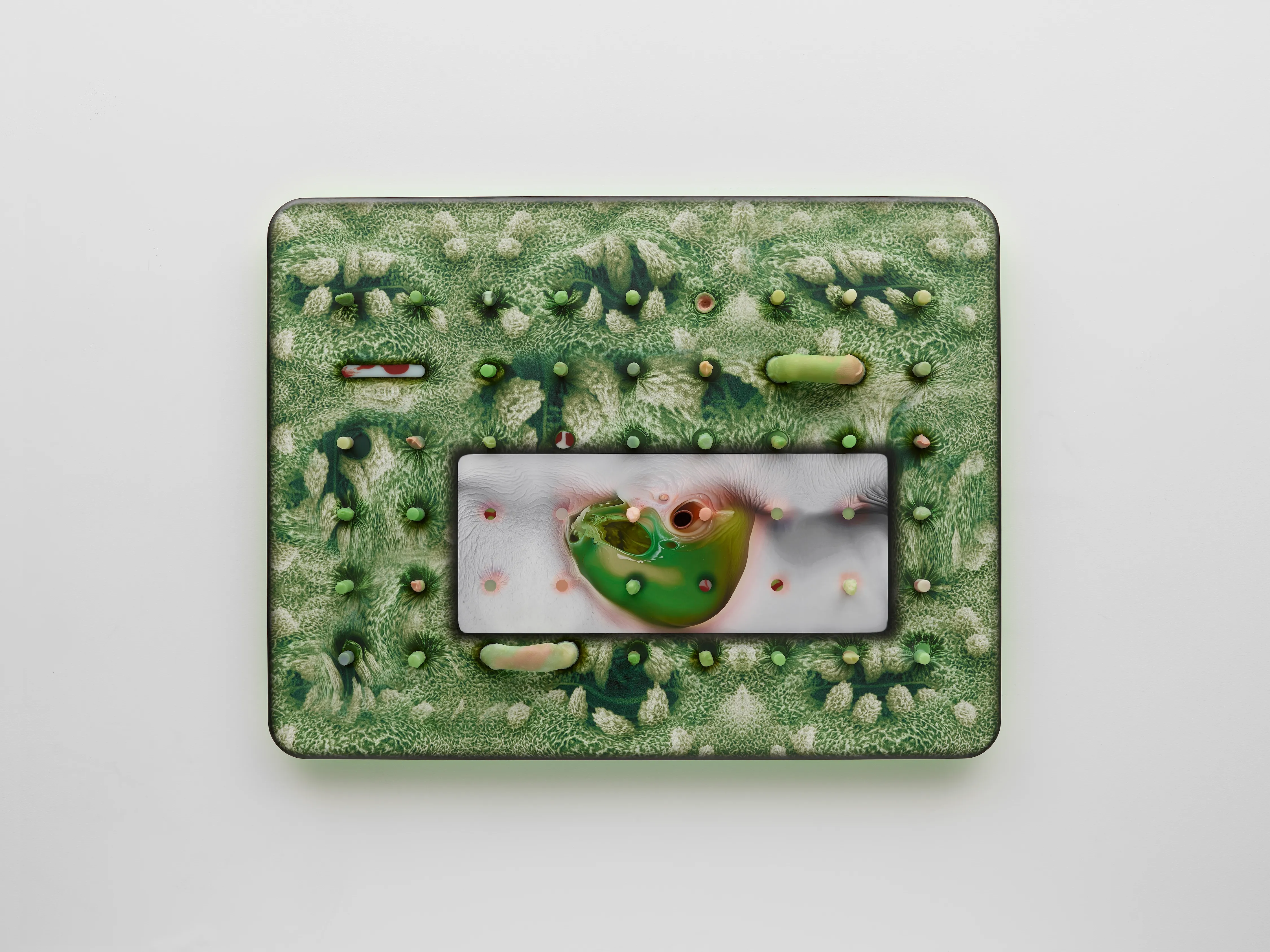
As we exist as physical creatures with access to the natural and digital world, full presence and immersion in one or the other seems impossible. Whether your smartphone feels like an extension of your hand or you can’t help but spill your real-life guts in a Reddit thread, the digital and physical realms can’t help but merge. In the art world, this issue is increasingly pertinent. When AI can create images in a matter of seconds, it’s difficult to discern whether these new technologies are friend or foe. “It opens up the question of how relevant can more traditional art forms be in this digital, virtual world?” Hsu poses the question many are too afraid to ask. “There's a feeling, I think, even by artists, you know, that somehow they're being eclipsed, and that the art form may completely transform to something that we're not yet attuned to. And my answer to that is we're still physical bodies. We're still very much a body, and regardless of how transformative our technologies are, I don't think that's going to go away. I think the world we're living in now is proof that we're still living with the conditions of the body and all of the political effects of the body and the body in pain.”
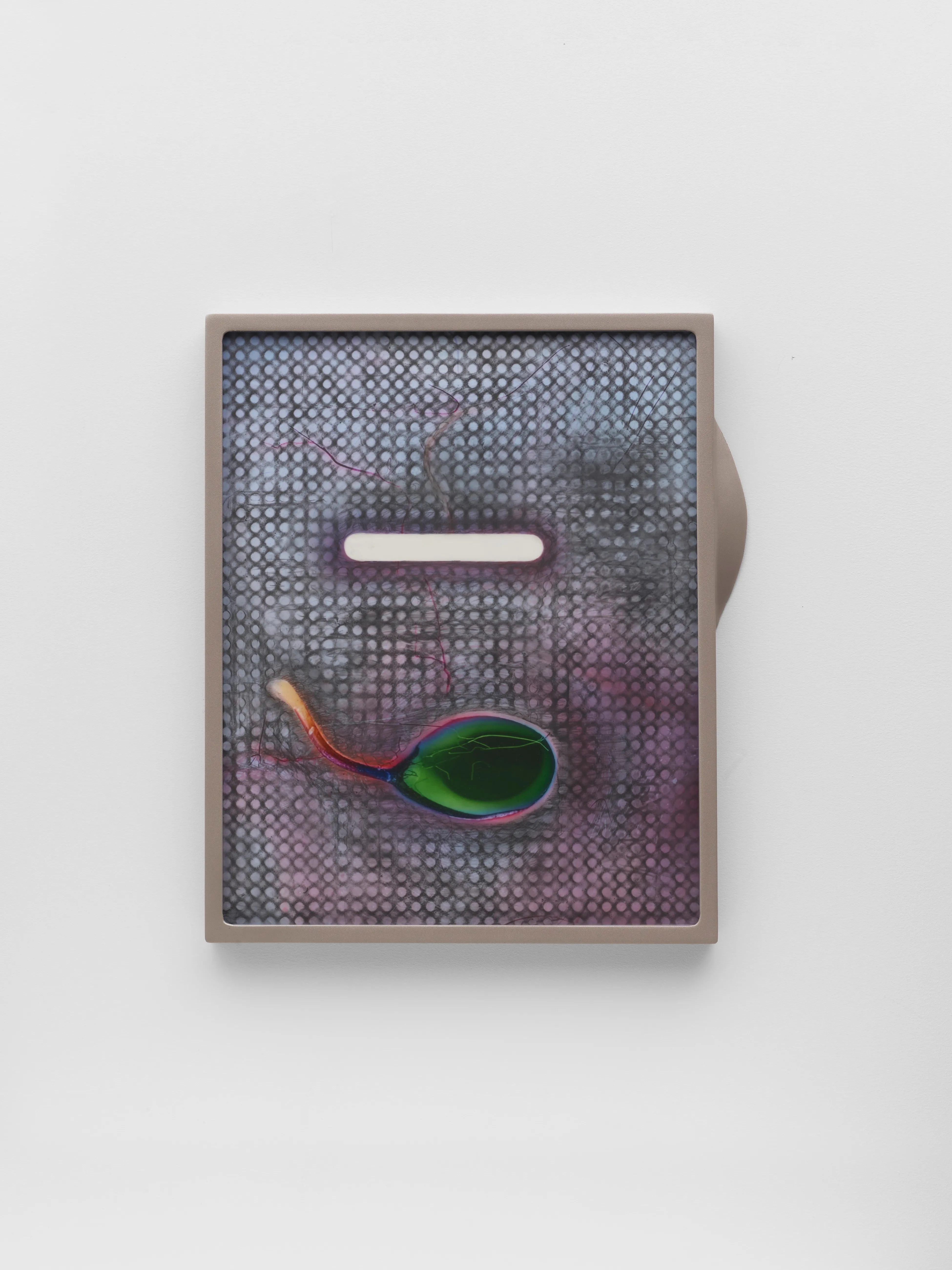
As our call winds down, I think back to that opening glitch. It feels fitting. In Hsu’s world, connection and disconnection aren’t opposites but intertwined states, proof that even in moments of failure, something new emerges. Perhaps that’s the quiet truth of his work: in every distortion, a signal; in every interface, a trace of the human hand that built it.
Stay up-to-date with exclusive events and content.


