F L A U N T


To perform is to create; to present; to set forth a piece of one’s self that might otherwise be kept within. It's a means of communication and a vessel of human experiences. For some, it's a medium—akin to a painter’s paint, a sculptor’s clay, or a photographer’s lens. Such is the case with the children of Performa, a worldwide platform of performance art that looks to support both established and emerging artists through curatorial and production support. Their 2025 Biennial animated New York City throughout the month of November with three weeks of performances, conversations, screenings, workshops, and installations—a feat that took over the city, blanketing it in constructive items of artistry.
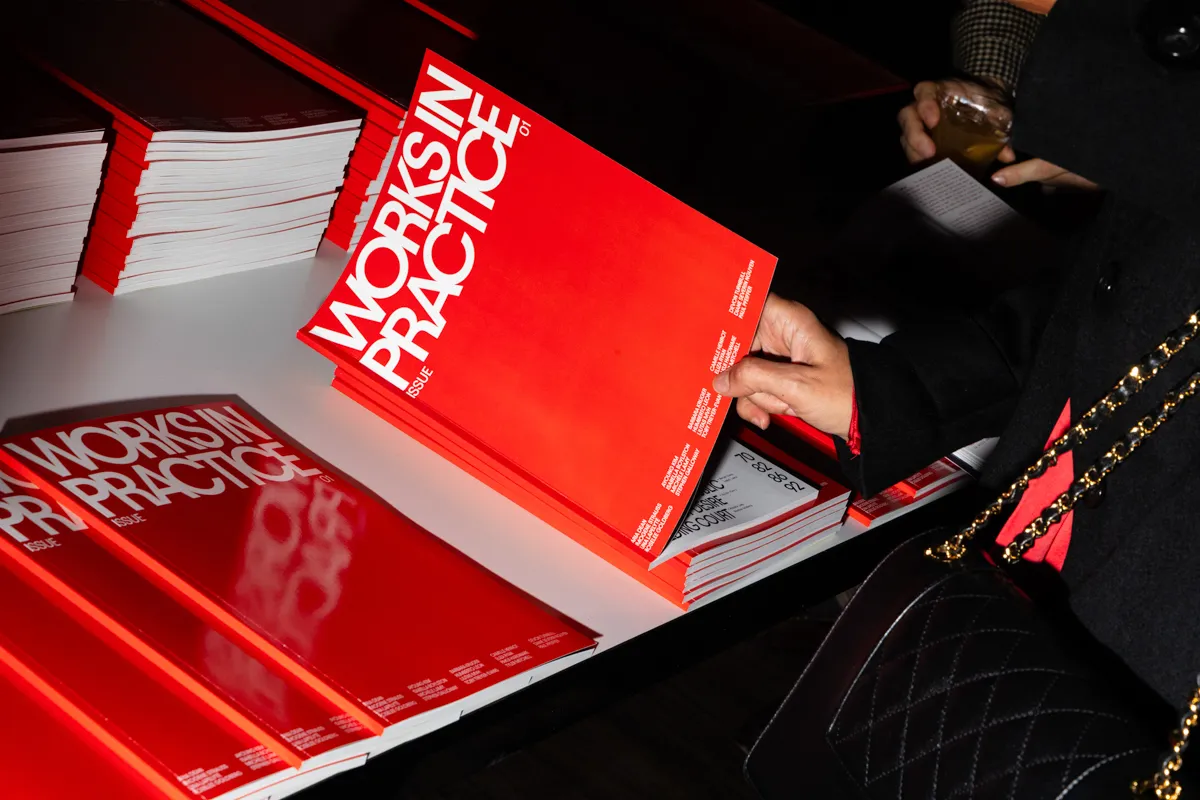
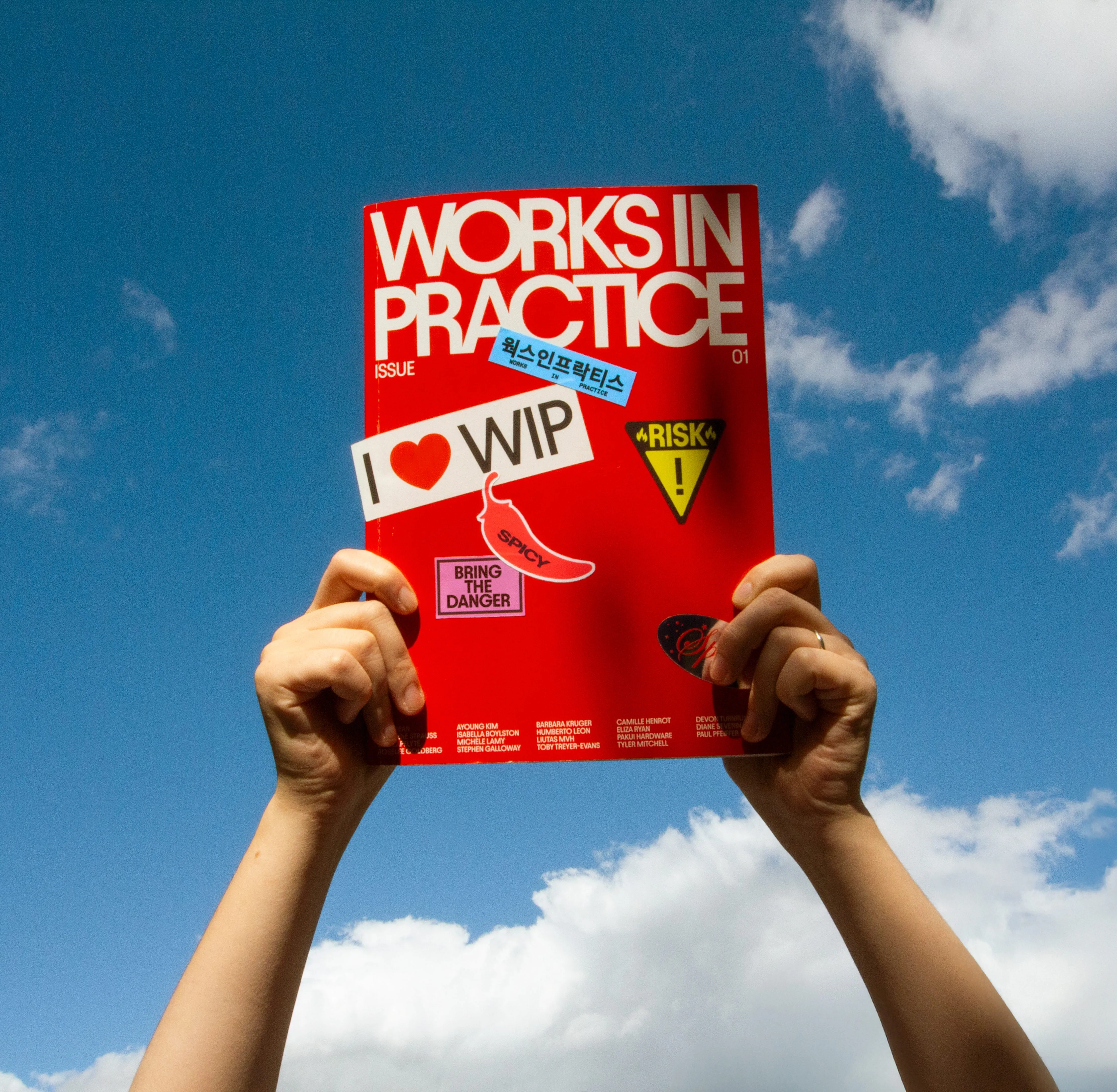
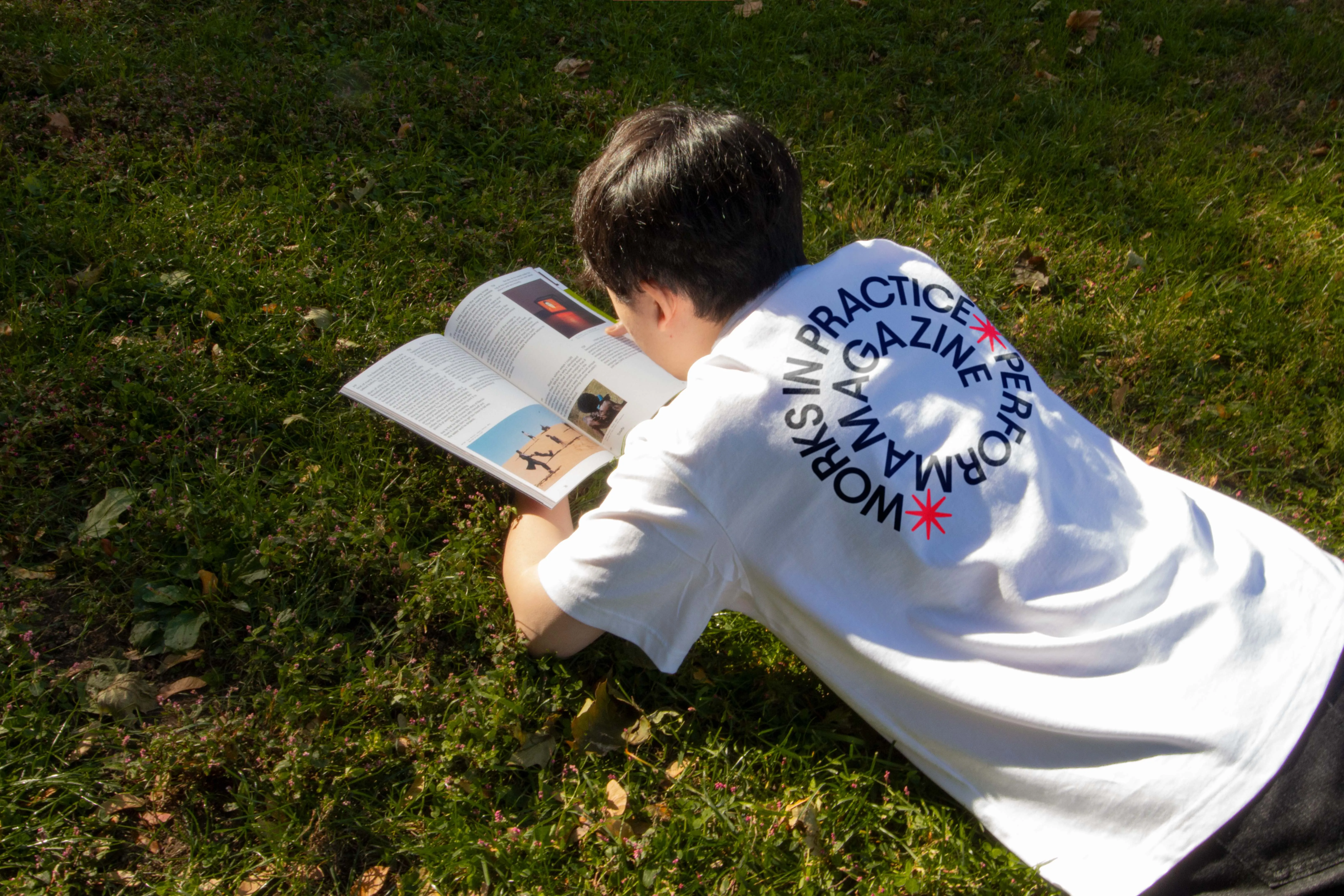
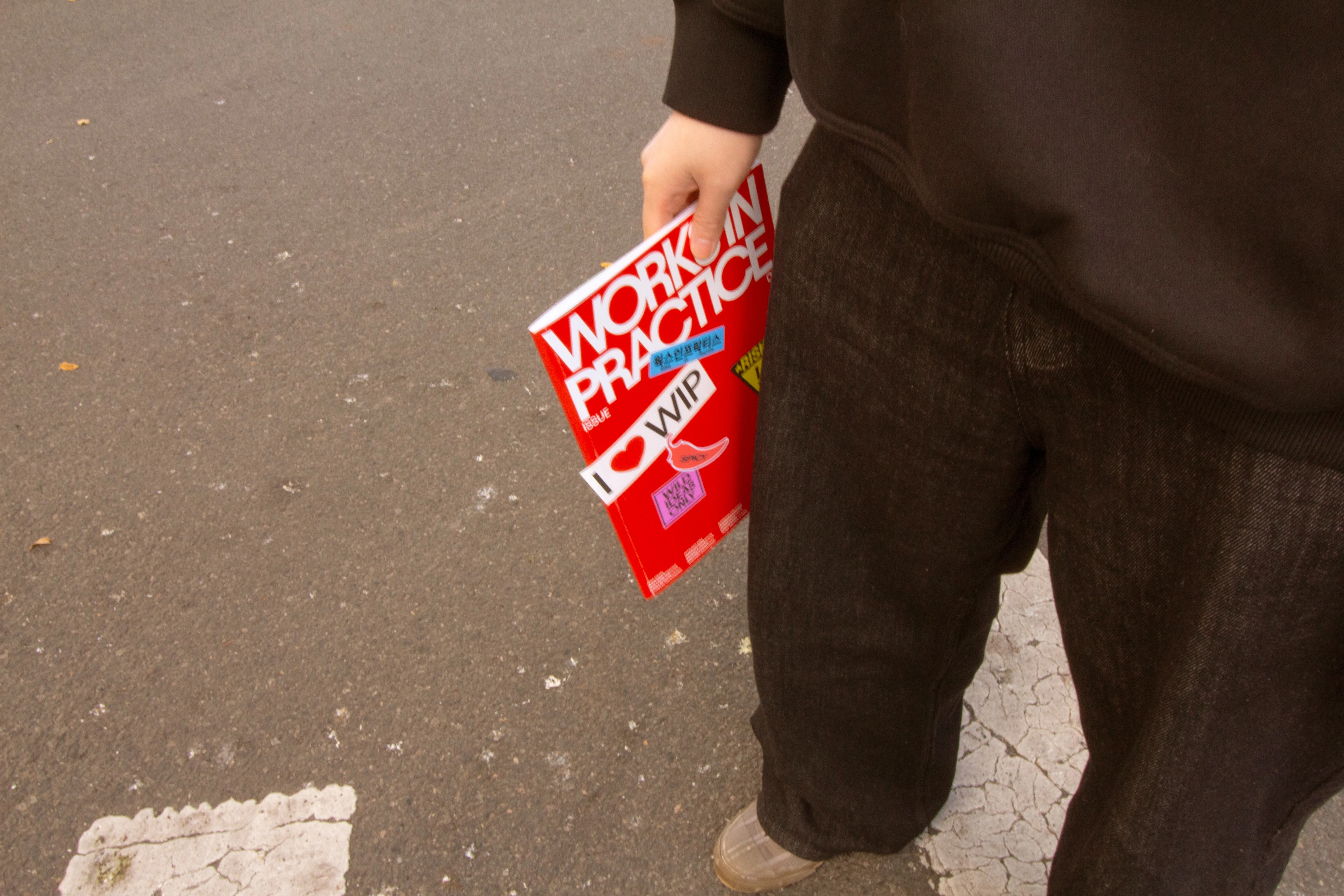
In conjunction with the 2025 Biennial, Performa debuted Works in Practice, a new physical and digital magazine documenting performance art two-dimensionally. Performance is an experience—an immersion, so to speak, but Performa is showcasing how it can transcend medium and exist beyond the open air into something much more inanimate, tangible. It’s cultivating a dialogue between not simply performers, but filmmakers, dancers, visual artists, and creative expressionists alike—a synthesis of minds into a single, yet ever-evolving product.
Kendalle Getty is a multimedia artist acutely familiar with Performa’s bequest as a commissioning council member of the organization—see below for an exclusive conversation with the visionary talking all things boundaries, magazines, and the dynamism of visual art.
How did you first fall into the Performa world, and how do you see Performa’s 2025 Biennial fitting into the preexisting landscape of visual art and artists? Or is it an outlier, and proudly so?
I first fell into the Performa world when I met Job Piston. He came to my studio one day, looked around a bit, sat on the couch and calmly exclaimed, “Well, you’re in the right profession!” We had an extensive conversation that day about process and work, and he blew my mind. Job’s an exceptionally intelligent person, and we’ve had a continued friendship and art dialogue ever since. I meant to attend my first Performa Gala in May of 2022, I believe, but my body decided to get COVID instead. I’ve been an admirer of Performa since I first moved to the city in 2006.
I’d be remiss to define the 2025 Biennial strictly within the preexisting landscape of art, because performance has always been in flux. Performa is daring; an arena of outsider thinking meets insider art, where friction creates fertile ground. There are works that demand time and attention, pieces that unsettle, provoke, and spark ongoing conversation, which proves the validity, virility, and necessity of the work. The Biennial does, pointedly, stand as a testament to Performa’s founder, RoseLee Goldberg—a visionary and groundbreaking curator whose belief in performance as a living, evolving form continues to shape the field. Like RoseLee, I strongly believe in supporting this community of artists, curators, and thinkers; we need to sustain one another both financially and existentially, ensuring that this spirit of experimentation and dialogue endures for the rest of humanity. The Biennial reminds us that the best performance art doesn’t seek comfort or consensus; it thrives on the edge—experimental, fearless, and beautifully outlier.
Performa just launched its new magazine, Works in Practice. How do you feel about this idea of capturing performance and process in a print medium? What role do you think the publication will play in the future of visual arts?
I feel excited about the documentation of performance art, which certainly has happened in print before. As a chaotic young person, I did a lot of performance art that went essentially undocumented, and while there’s beauty in that kind of ephemera, it’s hard to keep track of my small part, if any, in the conversation of performance art. I realized then, especially after looking through art books documenting the works of The Guerrilla Girls, Linda Montano, Narcissister, the Fluxists, the Viennese Actionists, and so forth, documentation provides another opportunity to express in objective terms what scrapes at the ineffable, and the fact that it can’t replicate the experience of the performance further validates the original work in all its short-lived beauty. It’s like looking at photos of people who lived a hundred years ago or long-since demolished buildings—delicious morsels of hints, forms to project the ghosts onto, inviting the imagination to fill in the blanks. Hopefully this practice will provide the antidote for TikTok brain rot.
"Works in Practice" in particular excites me: the passionate editors, Pierce Jackson and Dianna Mesion, invite nuance and synthesis between differing minds across differing creative fields to dissect what we think we know from new angles. The interview with Barbara Krueger and Toby Treyer-Evans comes to mind. I think of this publication as an influential chef, pairing unlikely ingredients for exciting new dishes that feed our increasingly malnourished brains.
Your work spans multiple media and engages both visual and experiential forms of art—what calls you to blur those boundaries and do it all? You seem feared by labels and stereotypes.
Thank you, you’re right. Fundamentally, I consider myself a political person, and my refusal to pigeonhole myself very much reflects my personal philosophies: to create art for a market context inherently bowdlerizes the work; to break character over and over again scrapes at what we can fathom of freedom; some hypocrisy is necessary, and the term is over-villainized because an unpredictable people is the hardest kind to govern. I aim to create the art I think the world needs, rather than the art the world buys—and the art I need to make rather than the art I feel pressured to create.
When we define something, we inherently also confine it. This proves especially true of any movement, from Surrealism to punk rock. As a semiotician, I have always been especially aware of how my dynamic, creative, or authentic self gets flattened into an identity in the eye of each passerby. This impels me to keep breaking rules, character, and expectations so I can thrive forever in liminal spaces and nuance. Essentially, I long to be free.
Stay up-to-date with exclusive events and content.


