F L A U N T


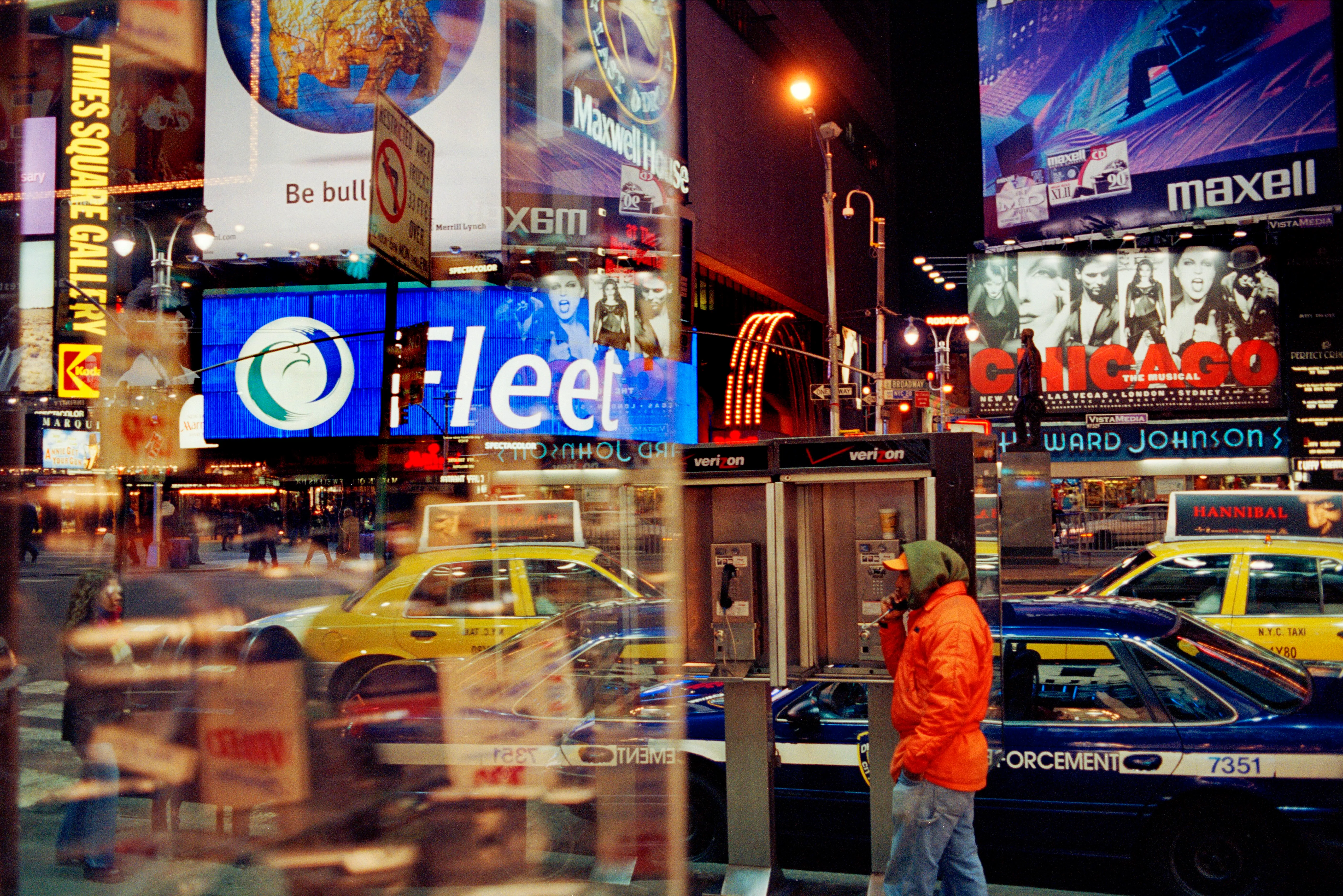
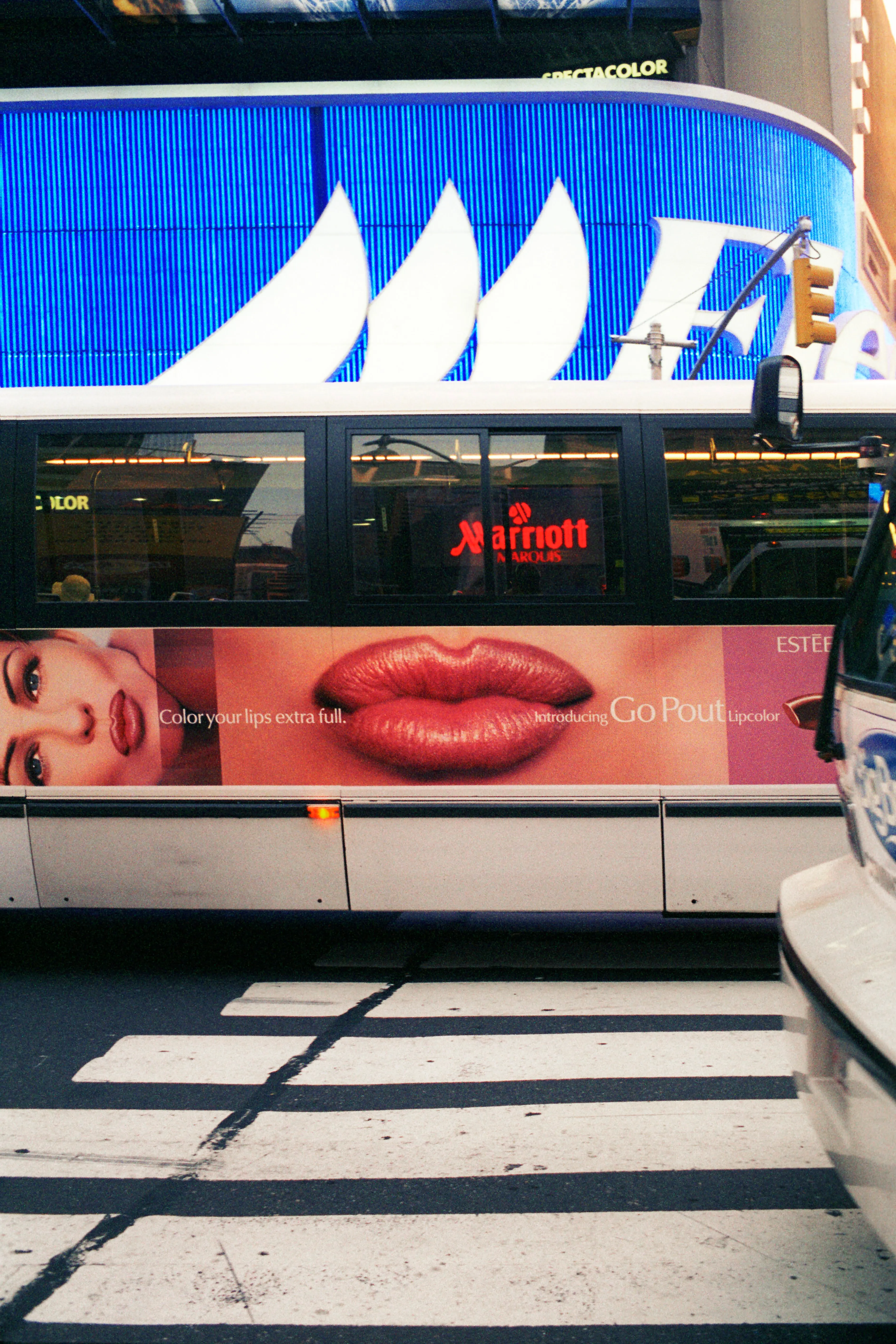
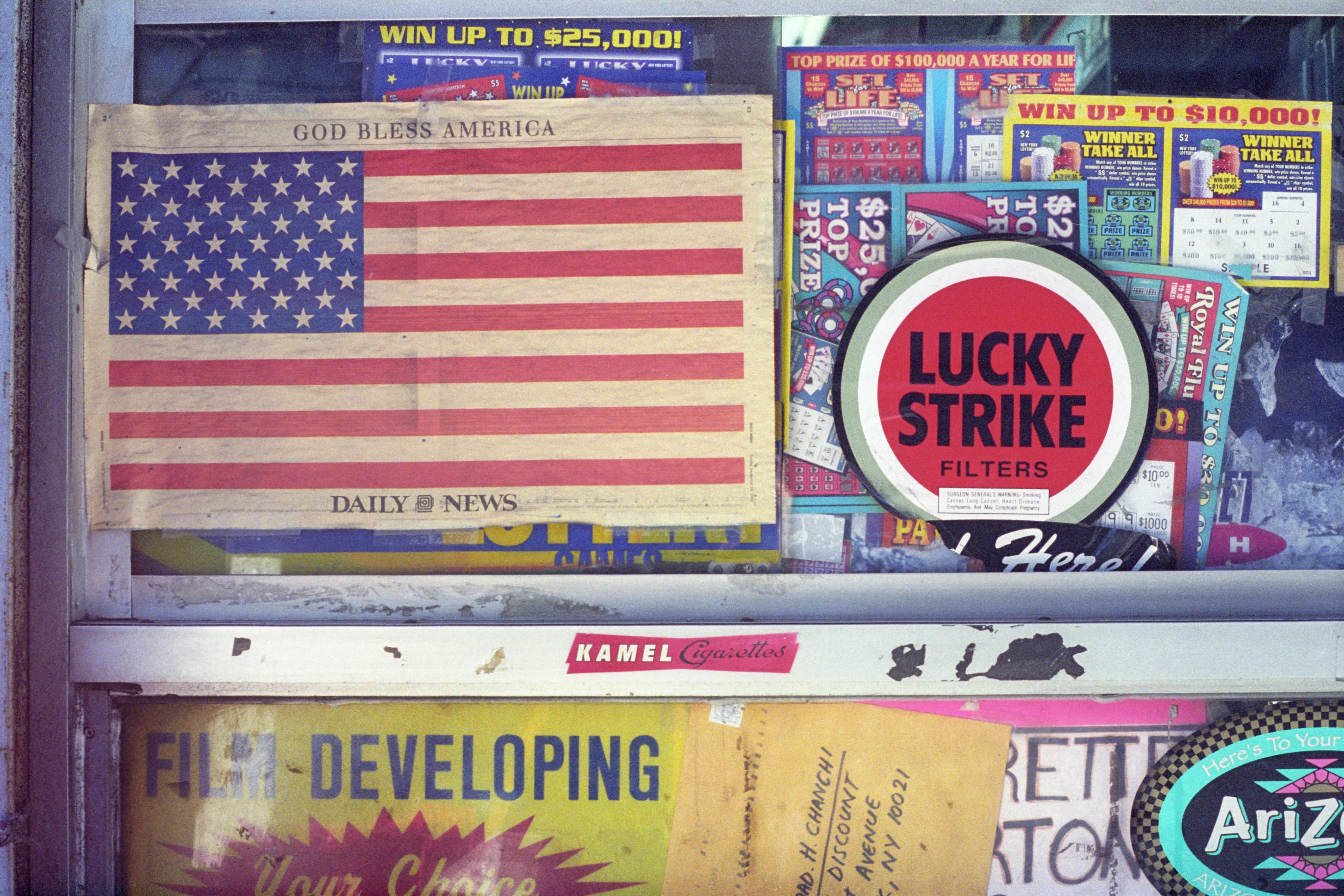
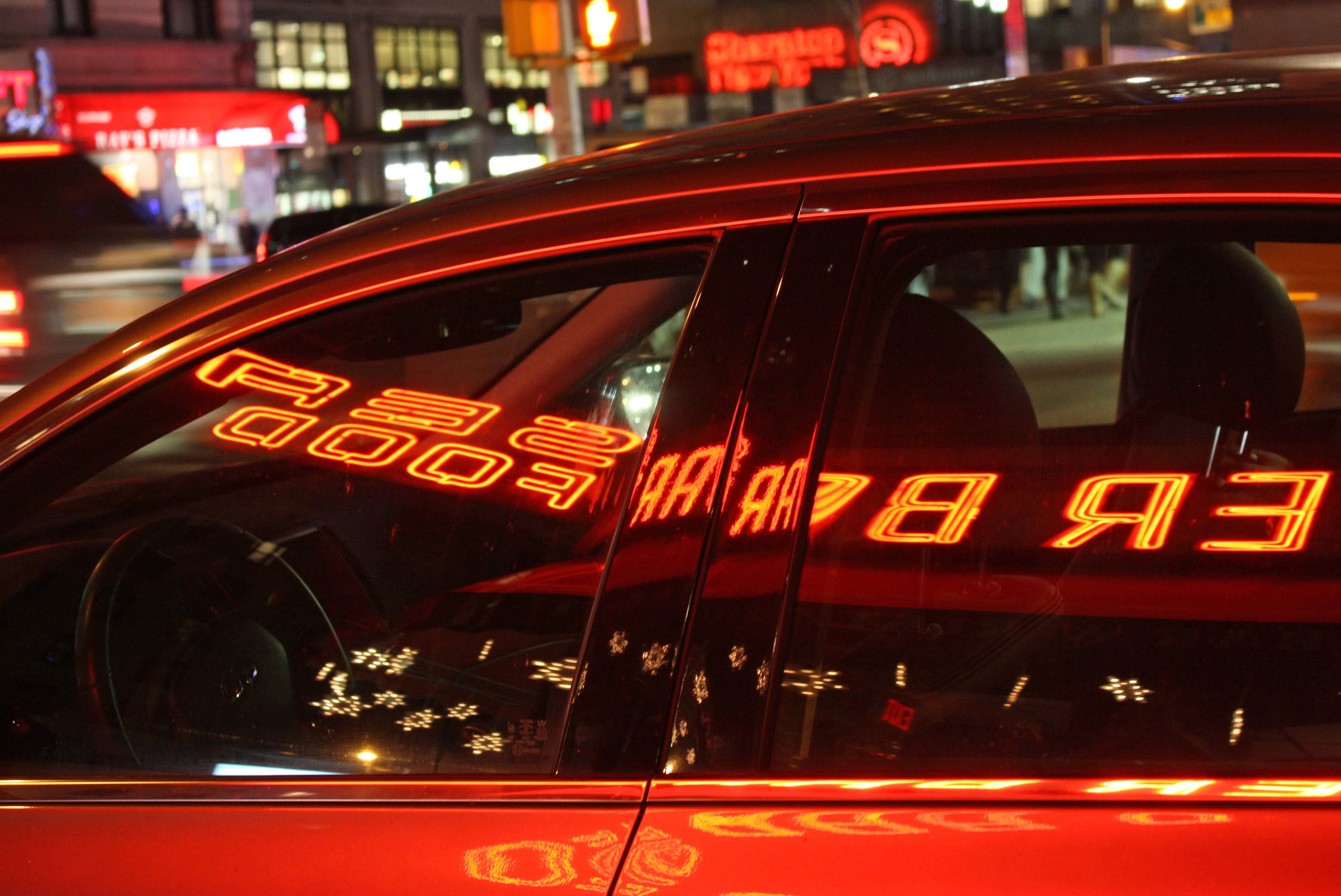
The artist and auctioneer Philippe Garner is a preeminent authority on the history of photography and 20th‑century decorative arts. Hugely respected for his distinguished tenures at Sotheby’s and Christie’s, he is also an active practitioner whose work brilliantly distills the subtle poetry of the urban landscape. Born in 1949, Garner was instrumental in securing photography’s place as a respected fine art in the auction world, fundamentally shifting institutional attitudes towards the photographic image, weaving it – with an almost conspiratorial insistence – into both the art‑historical narrative, and the commercial marketplace. And his authoritative books – from monographs on Cecil Beaton and Helmut Newton to studies of Sixties design – have become indispensable references for academics and collectors alike. In his current exhibition at Hamiltons in London, Garner continues to lift a curtain long drawn across his own private art practice, revealing images of New York streets honed by a patient, iterative conversation with historical precedent, alongside constructed still life assemblages of everyday objects that exude the vivacious essence of the 80s. His New York images concentrate on urban vistas of the sprawling city in the early noughties, and are soaked in layered neon lights and commercial signage – prosaic artifacts of modernity that insist on being read as elegy. Nostalgia and documentary truth are not opposed in these pictures but complicit: they masquerade as instant records and, within a breath, unfurl into mnemonic apparatuses – inviting one to immerse themselves in hidden synergies of colour and form. As such, these photographs stage a temporal slippage – concreteness yielding to collective recollection – and in that slippage Garner finds his subject. Here, the artist speaks exclusively to Flaunt about what propels his work and what, precisely, he is attempting to hold to account via the eye of his lens.
What would you say is a key aspect of your approach to photography?
I will often have my camera with me without any specific intent, so one key aspect of my pictures is that they are largely unplanned and opportunistic. My New York images, for example, often happen simply because I get up very early with jet lag, and find I've got an hour or two just to prowl relatively empty streets. Having a British father and a French mother, I’ve also always had this ingrained sense of the ‘otherness’ of places, if you like, because I used to spend long summer holidays in the south of France in the 50s, when a significant proportion of the British public did not have a passport. As such, my life, from early on, was one in which I regularly switched from one culture to another, and I know that sharpened my visual senses.
What do you think drives you to shoot scenes that seem to seek out or transmit something magical in the mundane?
I've always had a hungry eye. I just love looking; I love absorbing. I am relentlessly visually curious, and I have this instinctive desire to hold on to traces of what I have seen and experienced. In a sense, making pictures of places that I am engaged with is a part of that process of fixing the now as it quickly becomes the past – a trace of sorts that I can refer back to. I think as I get older, I am ever more conscious of the importance of living in the now, but also that the now instantaneously becomes the past. The past is important to me in a broader sense somehow, because everything lived, everything seen, and everything experienced becomes a kind of compost out of which your present can be richer. It’s a sense that it mattered then, and still matters.
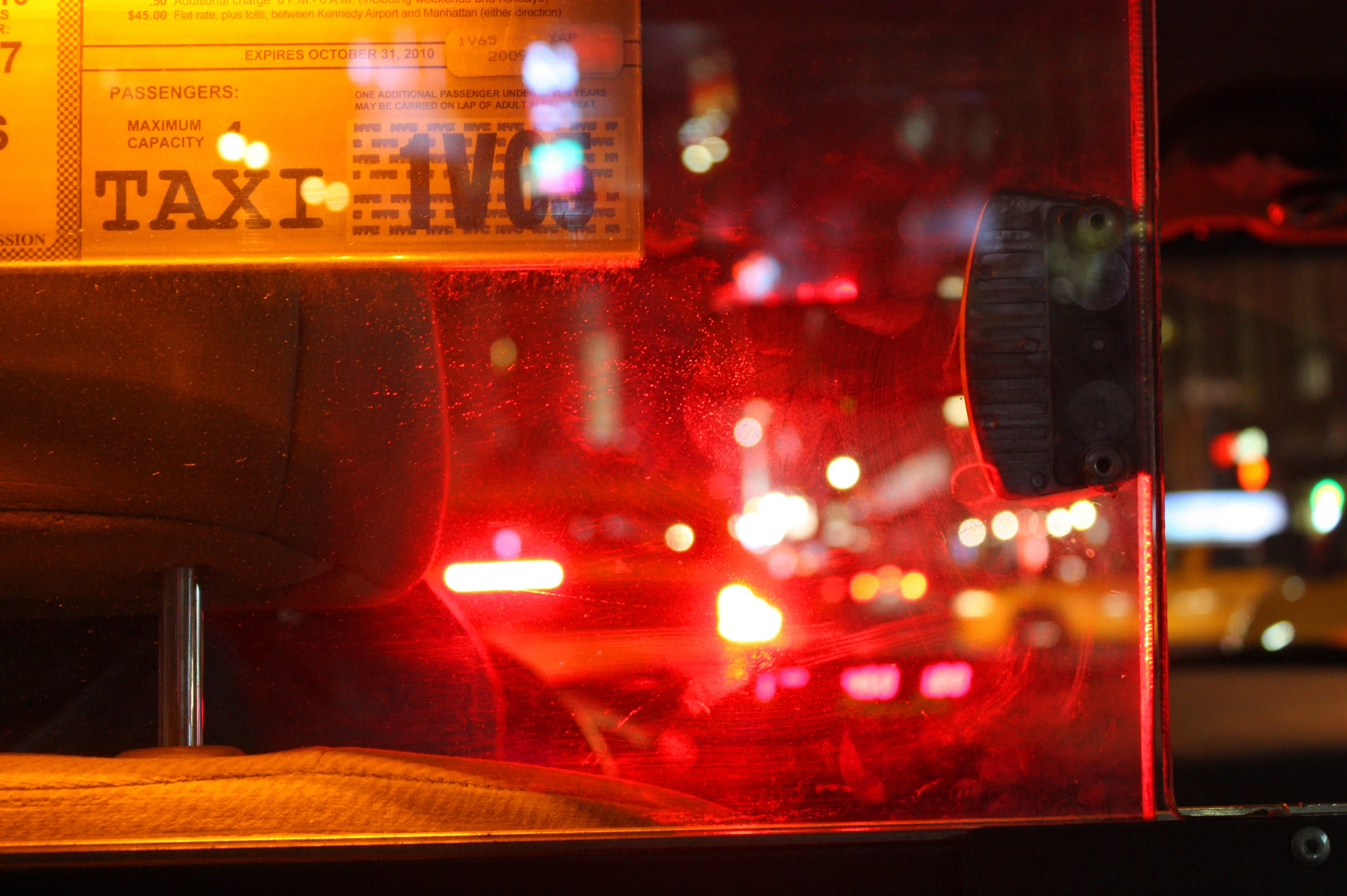
You definitely get that sense of capturing atmosphere in your images taken from a rain-soaked New York cab window …
That is a great example. It was a bright day, although quite a rainy day, and I had to go from A to B. I jumped in a cab in midtown, looked out the window, and realised I was looking through all these droplets on the cab window. Immediately, I saw it as an opportunity and was sort of poised and clicking away focusing on the droplets, knowing that whatever was going in the street would be out of focus, so, yes, it was about capturing the atmospherics of the moment.
Would you say that the photographs from your archive are a kind of index of your existence?
Yes. I’m conscious that everything I have photographed means I've caught it for, hopefully, a long time to come – but also, of course, that it's a moment that has gone. I'm so aware of the fugitive nature of things, and rather than being somebody who would feel sad about the wonders that pass, it makes me all the more aware of how precious now really is. Through my professional career I have also enjoyed the privilege of this conveyor belt of material from the past passing through my hands, and it has hardwired me to understand and accept the fluidity of things, because all of these works of art that I've handled will outlive me. My eye has undoubtedly been honed by handling thousands and thousands of examples from the history of photography and art.
Talk to me about the very densely layered photographs of Times Square …
Well, I don't like to overanalyze these things, but I know instinctively that what I'm trying to achieve on the flat surface is a layered effect, so that the viewer's eye has to work on multiple planes. I was a great fan of the photorealists, and particularly the paintings of Richard Estes, who was fascinated by reflections on windows, and so on, as kind of visual puzzles. In the Times Square works, I'm making photographic reinterpretations of photorealism – so, kind of a loop within a loop. I suppose that you can add to that, my awareness of how the cubists constructed paintings, which were all about multiple angles on a subject. A friend described these particular images as refined chaos, and I thought, yes, you're onto something. Of course, so much of that wonderful neon lighting is gone now, and the sort of jungle of different types of light and lighting that made Times Square what it was has been superseded by screens.

There is a wonderful nostalgia in the counterpoint of your still lifes in the show, which I find so evocative of the 80s …
Yes. They're fundamentally different. In the New York pictures, I'm at the mercy of what's happening, whereas these still life compositions are constructed in the most simple way possible, which is to lay out a towel flat and then take great care in the selection of the objects upon it, and the structuring of how they sit together. For me, they really are just a wonderful evocation of the spirit of high summer in the south of France and the holidays my wife and I enjoyed at that time. The Walkman image and the very deliberate choice of the Flashdance soundtrack have proved very popular, and the cassette tape was very deliberate – my wife and I were just obsessed with the film. I don’t know how many times we went to see it. Then there are the pants, which are also so of that time, and the classic Hawaiian Tropic suntan lotion, which you feel actually had very little protective purpose.

How do you feel about digital photography, and the way in which the contemporary ubiquity of the photographic image has kind of flattened hierarchy in visual culture?
Well, I use a digital camera, but I was formed with film, which imposes a particular kind of discipline on you. For a start, every click costs, because you're paying for the film and the processing, and all the rest of it. And that instinctively makes you more rigorous in the choice of moment for clicking. That same rigor has stayed with me through digital. I have gone digital, but my way of seeing the disciplines I impose on myself haven't changed. But you are absolutely right to point out that the ubiquity of digital photography has flattened out, and diminished the critical faculties.
Do you have concerns about AI, and what would you say, ultimately, you are seeking to capture in the eye of your lens?
When I'm making photographs, I'm always trying to contain a fragment of the world in front of me in that rectangle. It has its own logic, its own completeness, and it is a reflection of the way I see things. They were made in the real world. What I am nervous of today is that picture making with digital cameras and digital support is ever more inclined to be removed from any kind of reality. But the world has been evolving for a long time, and continues to evolve. And I watch with curiosity, and yes, a degree of apprehension. It's not going to change the way I make pictures, though. I really just like to keep it pared down to the equipment with which you make the picture, so it really is about my brain, my eye, my decision.
It thereby contains the watermark of your consciousness…
I think that's a lovely way to put it. Yes. And if, if you see something of that in my pictures then I guess that is there. My curiosity might sometimes be described as voyeuristic, in that I'm just fascinated by watching people – how they behave, how they live, and the kind of social anthropology of it all. But I'm just constantly enthralled by the dynamism of what is happening, and it's just all the more emphatic as a reminder of the transience of things.
New York - all seasons & Summer Still Lifes I - V by Philppe Garner exhibits at Hamiltons until March 14
Stay up-to-date with exclusive events and content.


