F L A U N T


Since the beginning of the 20th century, the city of Beverly Hills has been a destination synonymous with opulent living and affluence. Remnants of Old Hollywood and cinema’s golden age linger in local historic landmarks and signify the area’s longstanding tradition of influencing cultural currents on a large scale. Beverly Hills is appropriately located at the intersection of metropolitan excitement and suburban serenity, home to some of Los Angeles’s most high-profile residents and the iconic shops that line Rodeo Drive.
As the city continues to evolve into its modern iteration, it maintains ties to the traditions of storytelling and style that built its character–indicated by One Beverly Hills’ ongoing development, and the associated Aman Beverly Hills’ recent Pre-Golden Globes Party. As an opulent and high-demand sanctuary, this new development plans to cultivate residencies that protect privacy, security, and wellness. With financing led by J.P. Morgan and VICI Properties Inc., this project is set to be among the largest of its kind in the last 10 years.
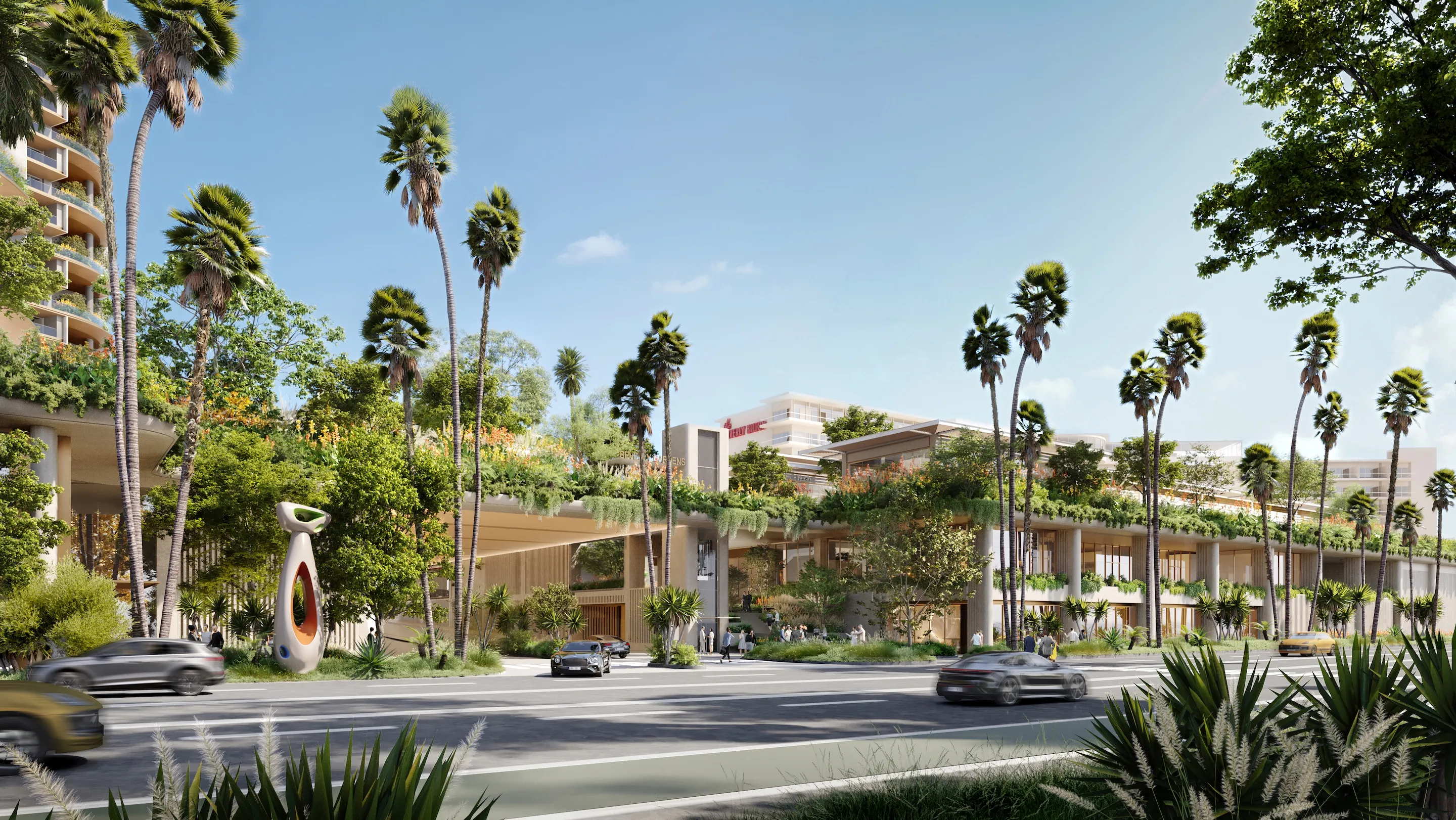
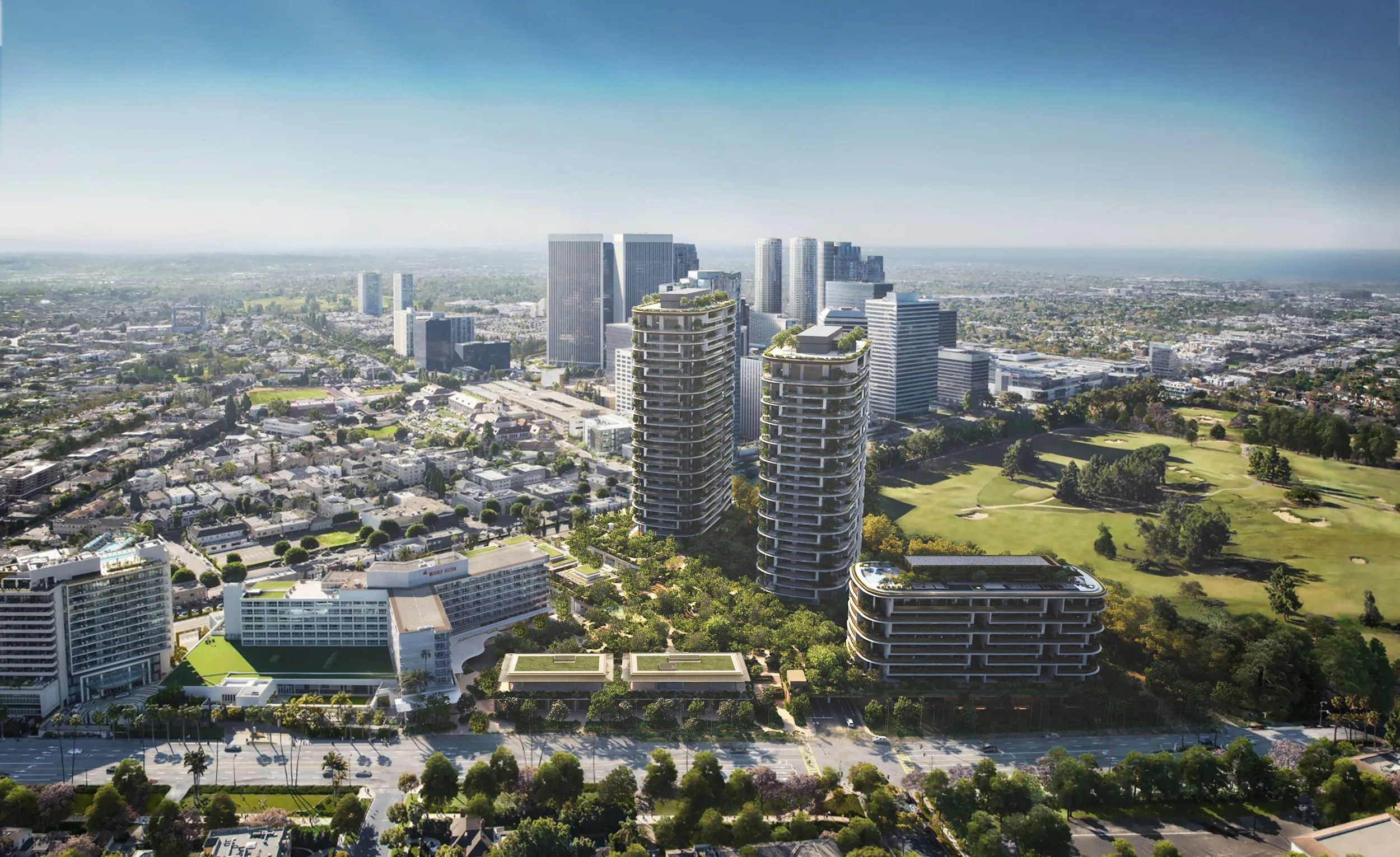
Situated at the city’s westernmost point and led by owner and developer Cain, One Beverly Hills aims to reflect its location’s storied legacy while solidifying an equally glamorous future. The 17.5 acre development promises a mixed-use haven featuring ten acres of botanical garden and lush open space designed by RIOS, intended to house restaurant, retail, wellness, and cultural experiences. The site’s development is anchored by the simultaneous construction of Aman Beverly Hills, marking the brand’s first West Coast establishment.
One Beverly Hills is proposed to include two Aman-branded residential towers, as well as a 78-key all-suite hotel and club devised by KHA. In addition to residential establishments, retail and dining partnerships are expected within the development, including Dolce & Gabbana, Casa Tua | Cucina, and Los Mochis. Connecting with the Beverly Hilton and Waldorf Astoria Beverly Hills, the development will be structured with 10 acres of botanical gardens. With construction currently in progress and completion projected for early 2028, One Beverly Hills marks a continuation of Beverly Hills’ presence as a city built to inspire creativity and indulgence. This new advancement plans to bring ultramodern luxury and splendor to residential living in Beverly Hills. Read below for Flaunt’s conversation with Cain Development’s senior managing director, Larry Green about the project’s prospective impact on Beverly Hills’ cultural landscape.
How does One Beverly Hills reflect changing priorities in real estate investment and the growing appeal of hospitality-driven, multi-functional destinations?
What we’re seeing today is a clear shift toward fully integrated environments where residential living, hospitality, wellness, and public space are conceived together from the outset. That is exactly what One Beverly Hills delivers.
Across 17.5 acres, we are bringing together Aman Beverly Hills, curated retail and dining, and ten acres of botanical gardens and open space within a single, unified masterplan.
There is also a broader evolution underway in how people choose to live. Buyers are placing greater value on service, security, and ease of ownership, which is driving demand toward hospitality-led residential models. Aman Beverly Hills offers a highly serviced, private residential experience supported by a globally recognized standard.
As Aman introduces its first urban residences and members’ club on the West Coast within One Beverly Hills, how will the brand’s signature “discreet, design-led” hospitality adapt to Los Angeles’ diverse and dynamic cultural landscape?
What distinguishes Aman Beverly Hills is its intrinsic value: enduring design, exceptional craftsmanship, and a deeply considered expression of refined luxury. The intention is not spectacle, but to deliver something that is lasting and entirely in keeping with Beverly Hills.
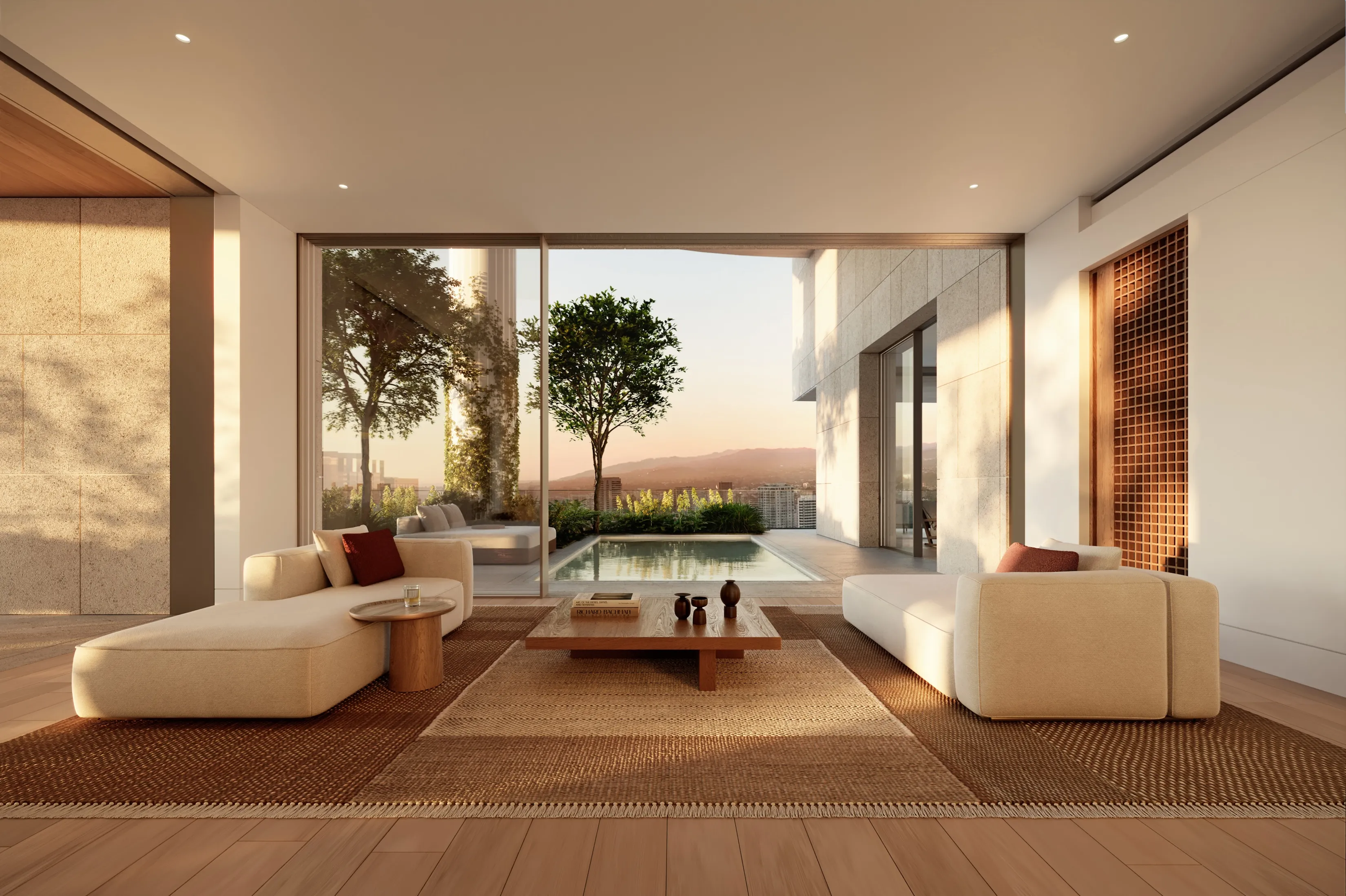
Throughout Aman Beverly Hills, that is expressed through a context-driven design by KHA, where architecture and landscape are fully integrated and the lines between indoor and outdoor living are blurred. Double-height spaces allow the gardens to rise through the buildings, and a restrained material palette of limestone, composite timber, precast concrete and bronze creates a calm, residential character.
With a curated mix of retail and dining—including Dolce&Gabbana, Casa Tua Cucina, and Los Mochis—how is One Beverly Hills redefining the relationship between commerce, culinary experiences, and residential living for both residents and the community?
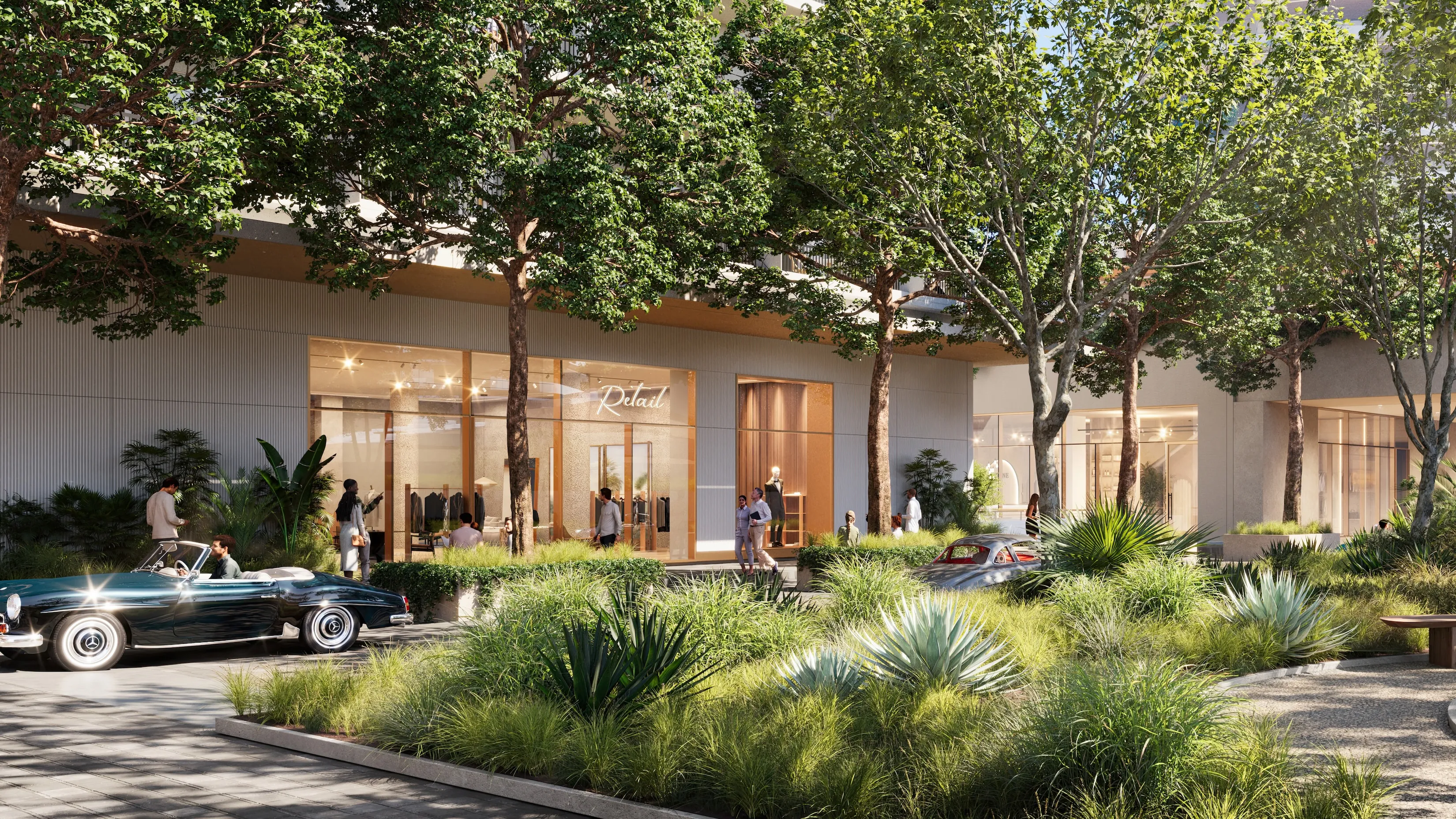
The curation is very deliberate. Dolce&Gabbana extends its presence in Beverly Hills in a way that complements Rodeo Drive, while Casa Tua Cucina introduces an Italian marketplace and dining destination that operates as both a neighborhood gathering place and a broader culinary experience. Los Mochis brings something entirely new to the market with its U.S. debut, layering multiple dining concepts within an indoor-outdoor setting anchored by its own garden environment.
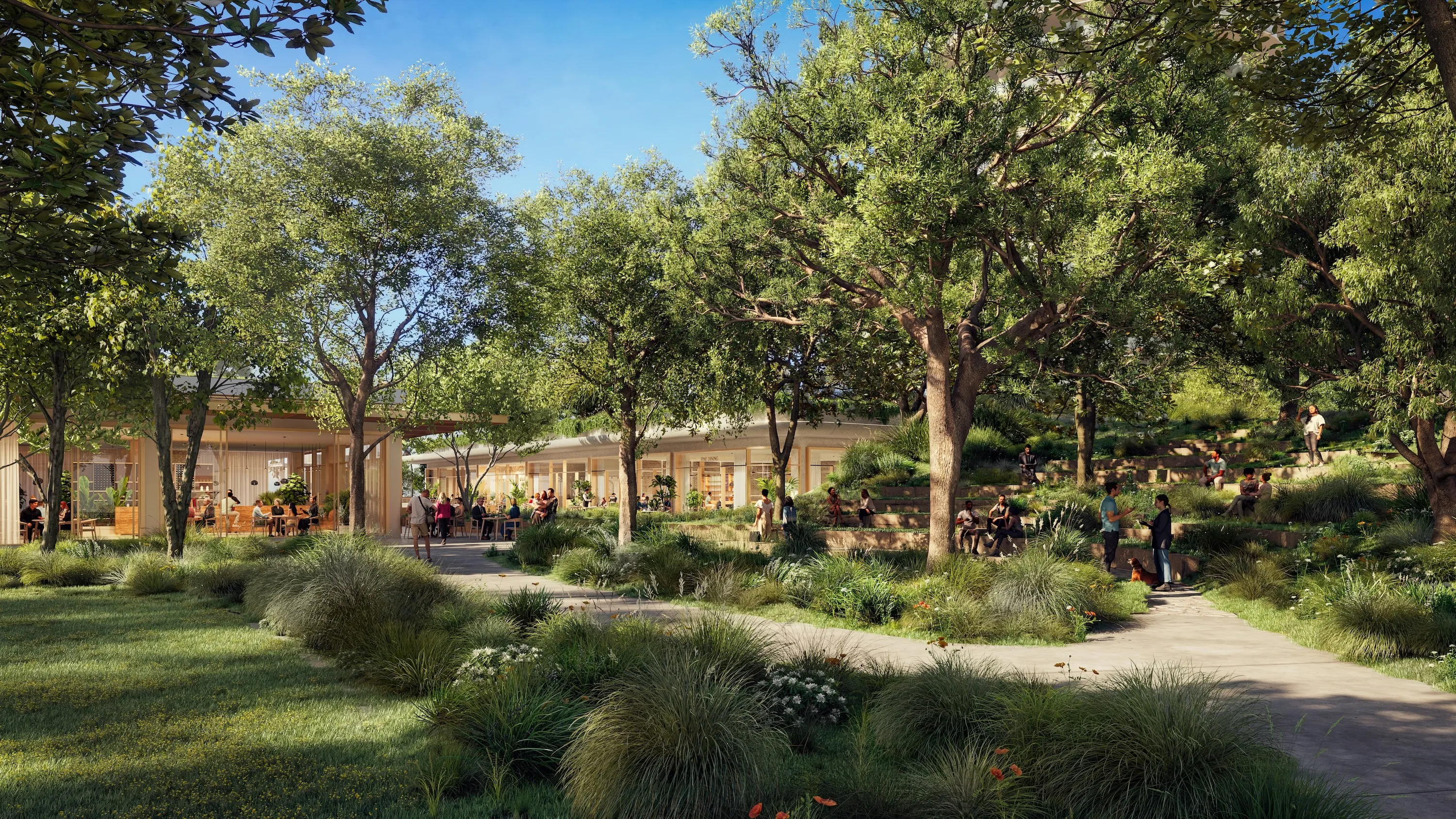
These concepts are set within the botanical gardens, with each space designed as a distinct experience that people move through intuitively. That creates a more natural connection between how residents live day to day and how visitors engage with the site, shifting the focus from transaction to experience.
For residents, that means an environment designed for ease and discretion, where dining, shopping and daily experiences are integrated throughout. For the community, it establishes a destination that is not defined by transaction, but by experience, one that reflects Beverly Hills’ role as a global center of culture, and refined living.
Beyond aesthetics, in what ways might the ten acres of botanical gardens and open space at One Beverly Hills set a new standard for integrating nature and sustainability into luxury urban developments?
The landscape is foundational to One Beverly Hills. It has guided the masterplan from the beginning and functions as both civic space and environmental infrastructure. Ten acres of botanical gardens and open space, The gardens will include two miles of walkways and more than 200 species of native and adaptive plants, drawing on California’s ecological zones and honoring the site’s history.
Sustainability is embedded into the infrastructure from the outset. The landscape is supported by recycled greywater, captured stormwater, geothermal systems, and thermal energy storage, allowing it to operate without reliance on potable water while reducing emissions, heat-island effect and is targeting LEED Gold certification.
Given its close connection to iconic neighbors like The Beverly Hilton and Waldorf Astoria, will One Beverly Hills operate as an extension of these landmarks, or will it cultivate a unique identity and experience for its own respected residents and guests?
The Beverly Hilton is the cornerstone of the site. Our approach has been to honor that legacy through its most significant transformation to date, while integrating it into the broader vision for the masterplan. The Beverly Hilton has been such a defining part of Beverly Hills for decades, and carries so much of the city’s history and identity. Making sure that continues, while bringing it forward, was always central to how we approached the site.
At the same time, One Beverly Hills is designed as a unified district with its own identity. It brings together the Beverly Hilton, Waldorf Astoria Beverly Hills, and Aman Beverly Hills within one campus, alongside gardens, retail, and dining, creating a highly concentrated collection of hospitality and lifestyle experiences.
What defines it is not any single component, but the way these elements come together to create something that does not currently exist in Beverly Hills.
As One Beverly Hills positions itself as a “landmark of culture, sophistication, and sustainability,” what measures will be used to assess the impact of these values on the city of Beverly Hills and its residents?
“For us, success is about creating a community that adds real, lasting value to Beverly Hills and meaningfully enhances how the city is experienced over time. We believe Aman helps us deliver on this commitment. Our restoration of The Beverly Hilton and the curation of up to 45 luxury boutiques and dining establishments also support this objective. Additionally, there are the broader impacts that an investment the scale of One Beverly Hills delivers, including 2,700 construction jobs, $40 billion in local spending over the next three decades, and over $100 million in public benefits.
From an environmental standpoint, performance is tied to long-term outcomes, including reduced emissions through geothermal systems, water conservation through recycled greywater and stormwater capture, and a landscape that supports biodiversity and climate resilience.
Equally important is the day-to-day impact. The introduction of publicly accessible gardens, improved walkability, and a more connected pedestrian environment changes how people experience this part of Beverly Hills in a meaningful way.
Stay up-to-date with exclusive events and content.


