F L A U N T


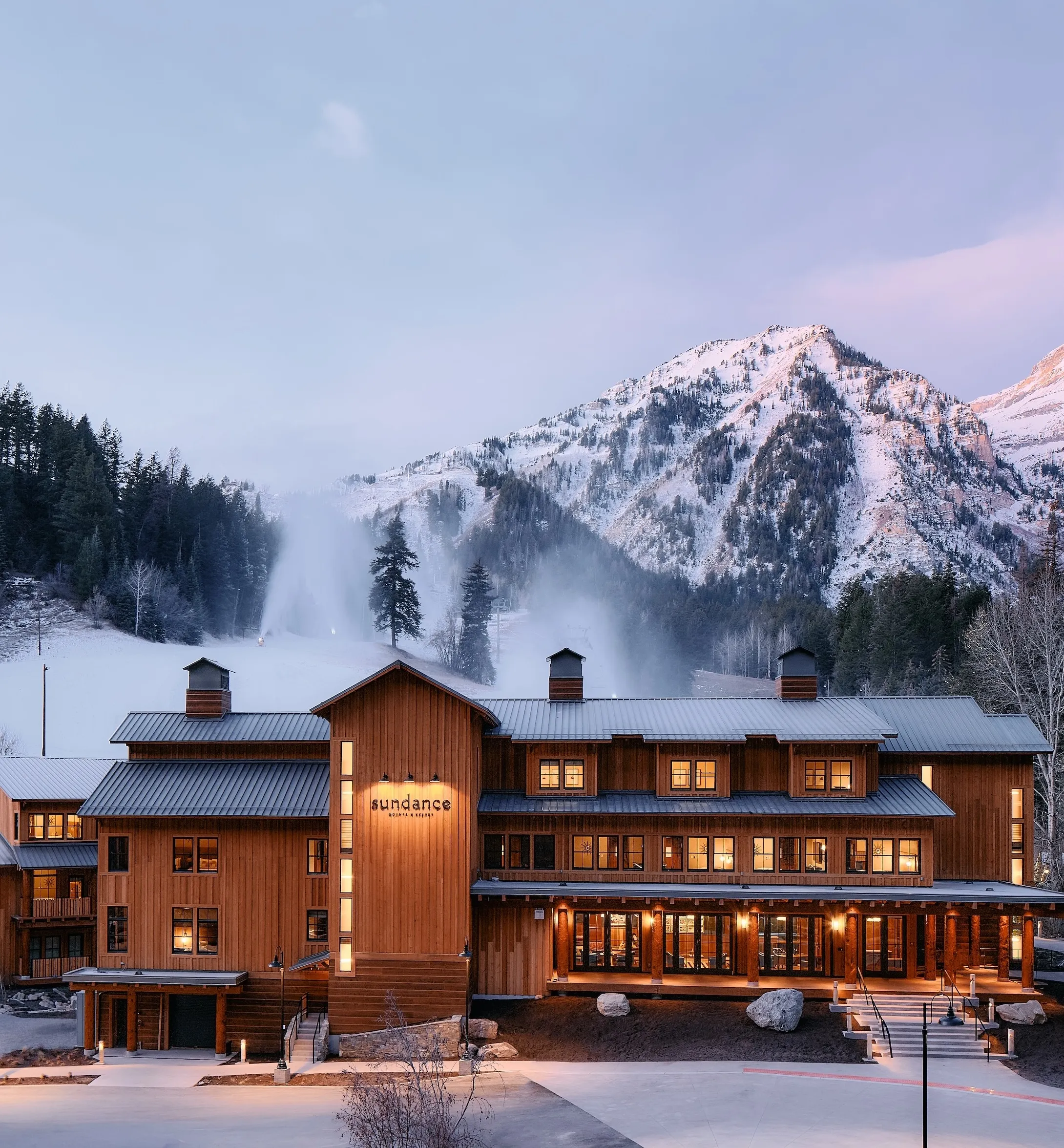
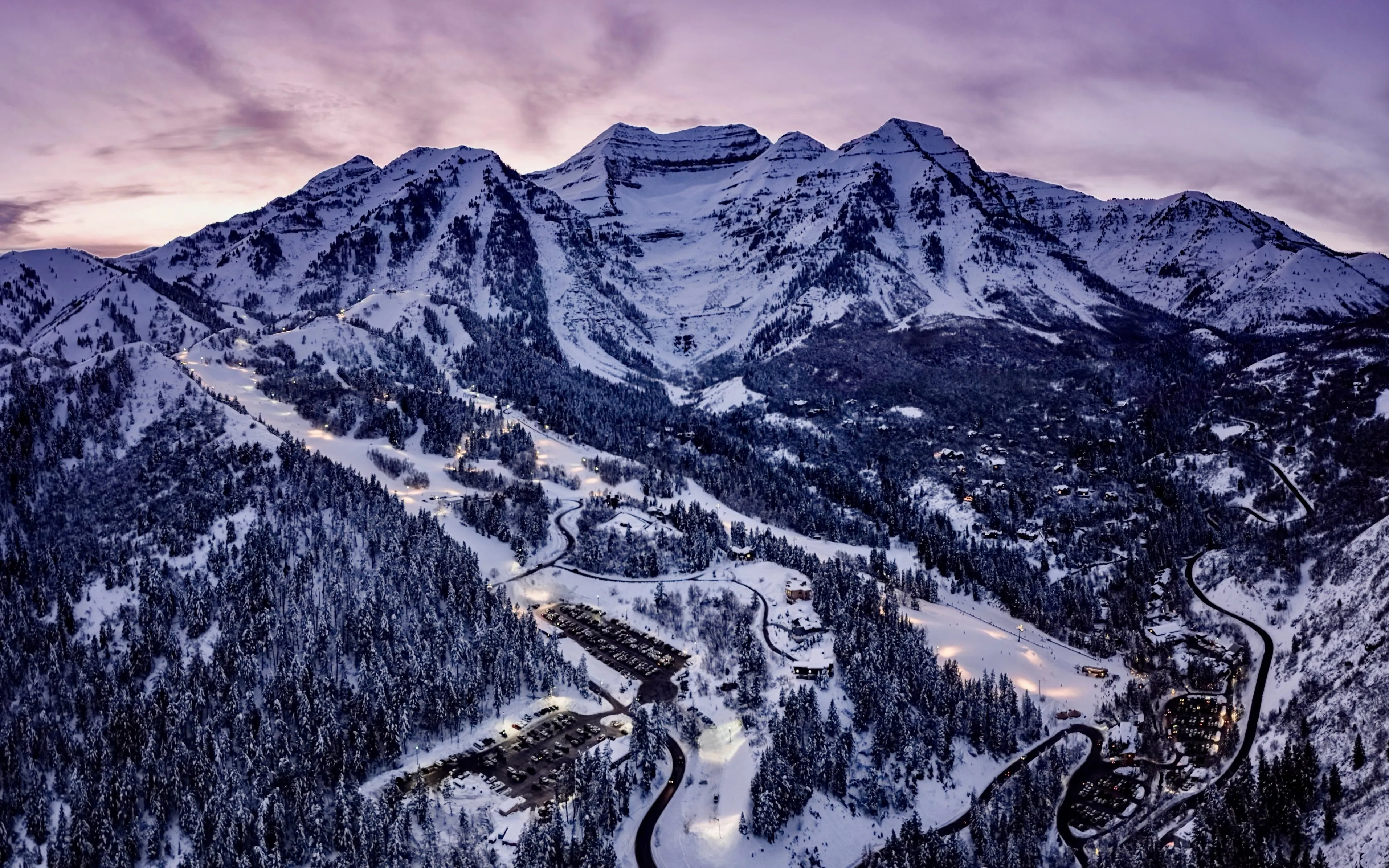
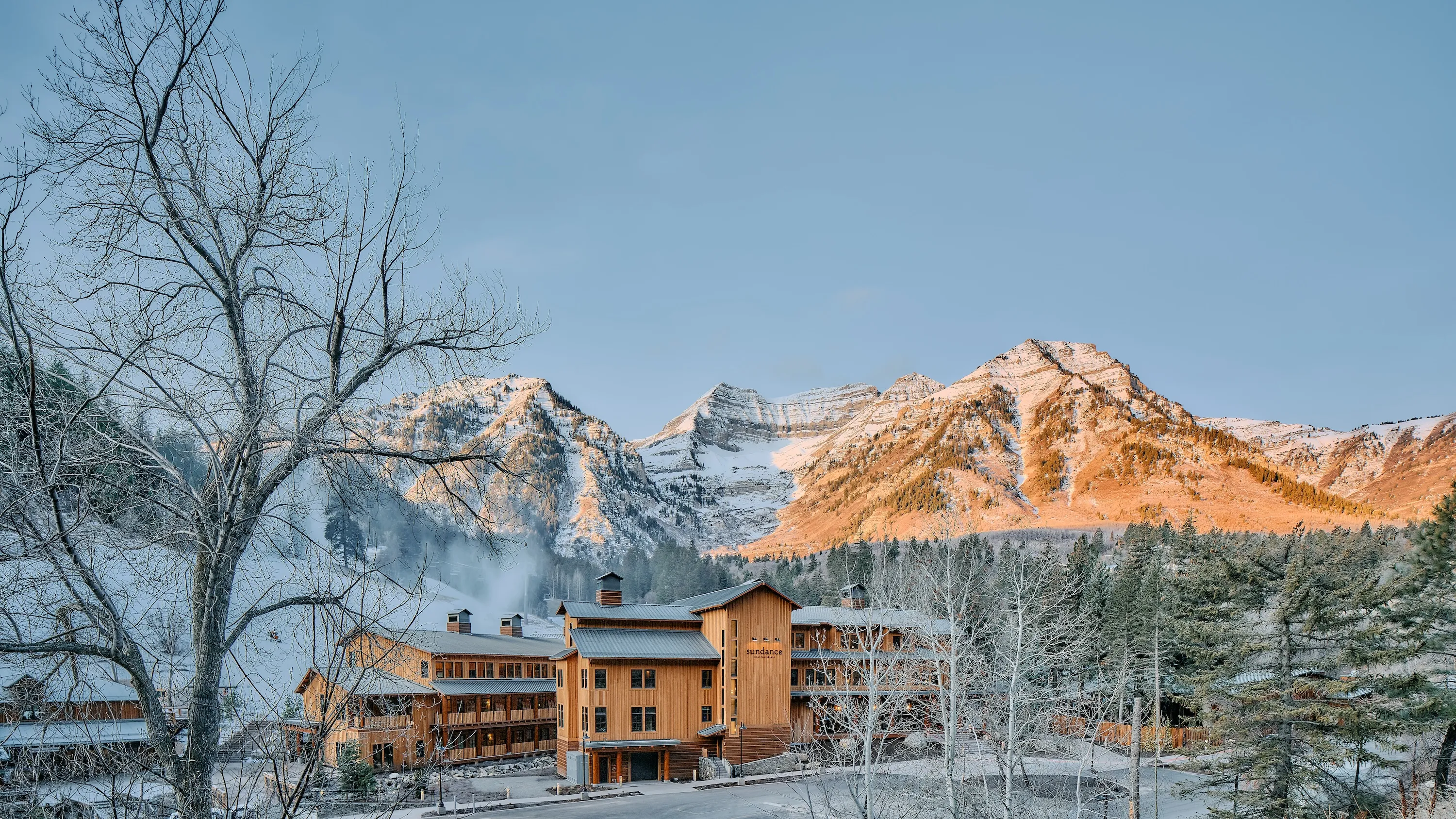
There's nothing quite like magical Utah and Sundance is the western state's mythological jewel. That the destination derives its name from the Wild West's own outlaw and freedom chaser—his mischievous mystique made famous by the iconic Robert Redford's portrayal of The Sundance Kid (AKA Harry Alonzo Longabaugh)—is splendid, yes, but here indeed is a spot that dances, tangos even, with the streaks of sun that spill over the summit of Mt. Timpanogos like nowhere else. That birthed a world renowned film festival and culture incubator, that championed preservation before it was a buzzword or a line item, that’s breathtakingly beautiful. Sundance is in a lane of its own, and The Inn at Sundance Resort is where this splendor hangs its hat.
.webp)
Sundance originated with actor Robert Redford as an escape from Hollywood, a small parcel of land in the Wasatch Mountains which he acquired in 1969 and named after his breakout film role. A few years after his procurement of Sundance, Redford—I’m told during an on-site walkabout by The Inn’s management team—got wind of a purchase and potential development afoot, and determined to cut it at the pass as The Sundance Kid might have, forging instead a deal with the lineage of the original site-settling family to sanction several thousand acres as a nature preserve. The small yet mighty ski resort soon took shape and the rest is rustic history, every advancement absorbing Redford’s cooly confident vision while maintaining the cinema star’s mantra: "develop a little, preserve a lot”.
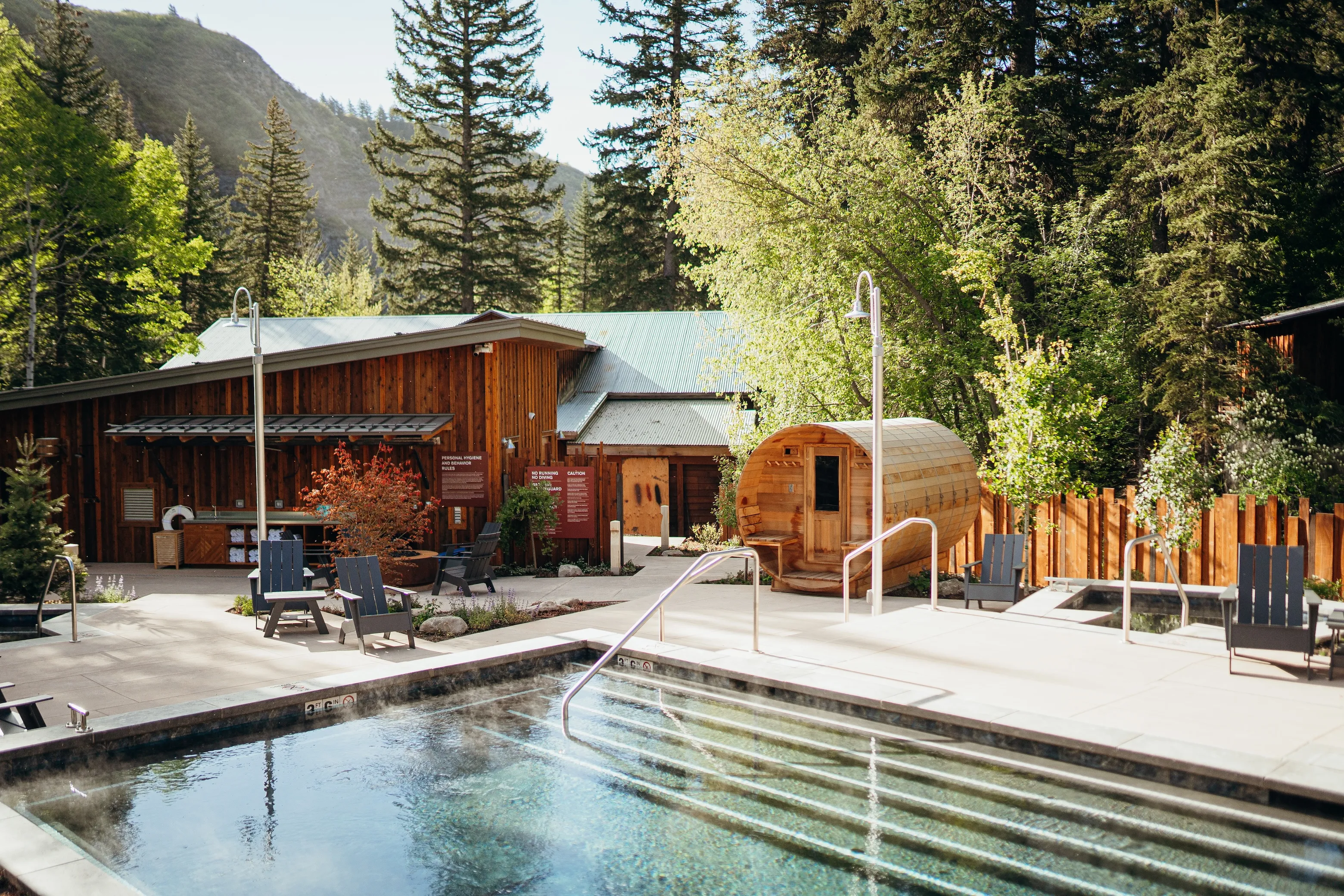
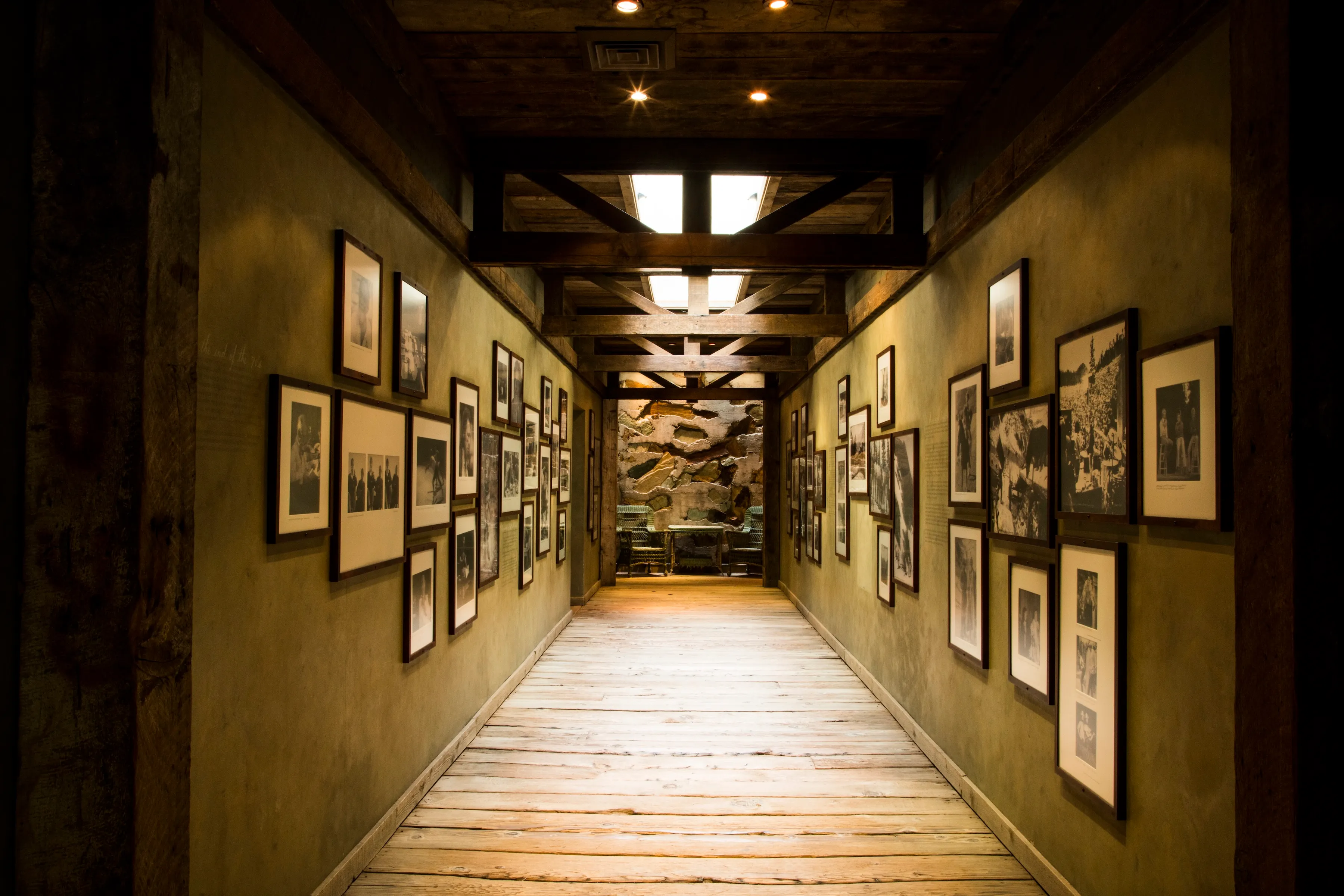
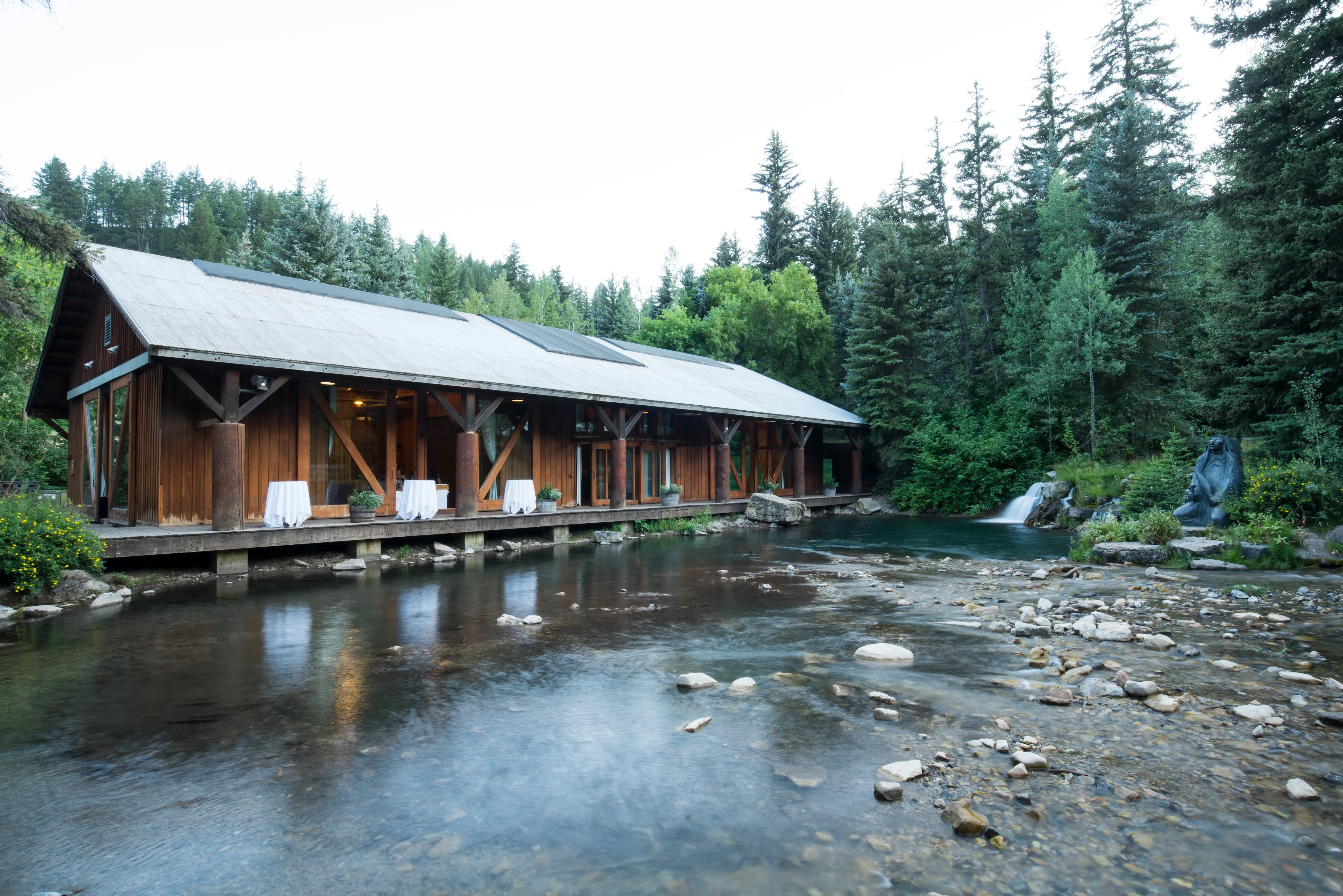
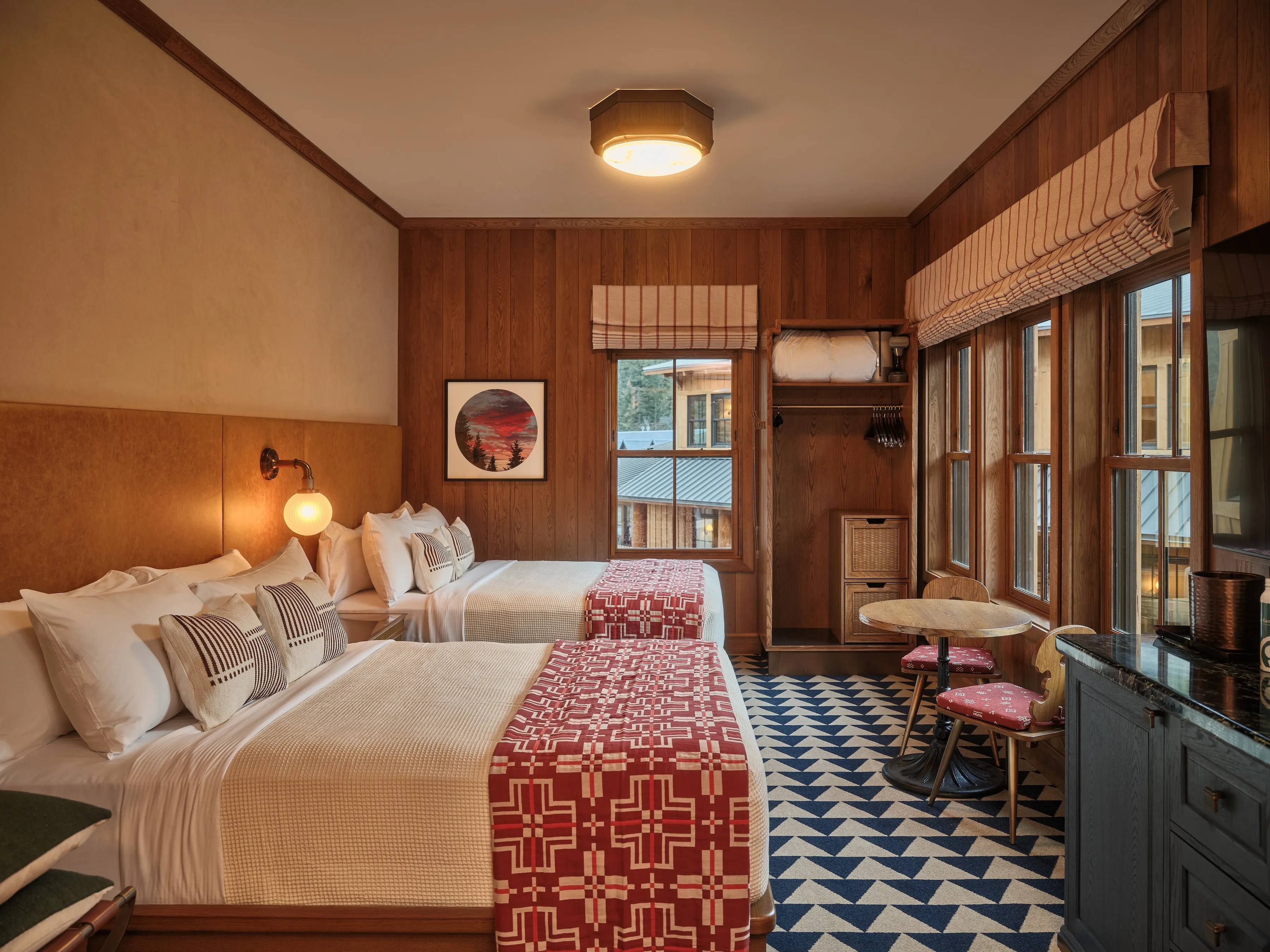
Redford, of course, passed away last September at 89, and so it’s a poetic and fitting nod to his remarkable legacy and contributions to the region that The Inn at Sundance has recently debuted a new 63 room ski-in/skin-out hotel. The property boasts a footbridge straddling the Provo River, a wellness center, an art gallery, as well as new dining options and an immaculate ski valet.
But here’s what’s special and keeping in step with the ethos of Mr Redford: despite the modern alpine attitude of its chic new decor, contemporary art touches, and fresh food and beverage offerings, the continuity from the historic resort to the latest chapter is seamless. Give this place a season or two and you’d never know about the expansion—in a good way. It all gracefully flows like Redford’s transition from film sets to the back country, as considered as his art collection, philanthropy, and independent cultural advocacy.
.jpg)
.webp)
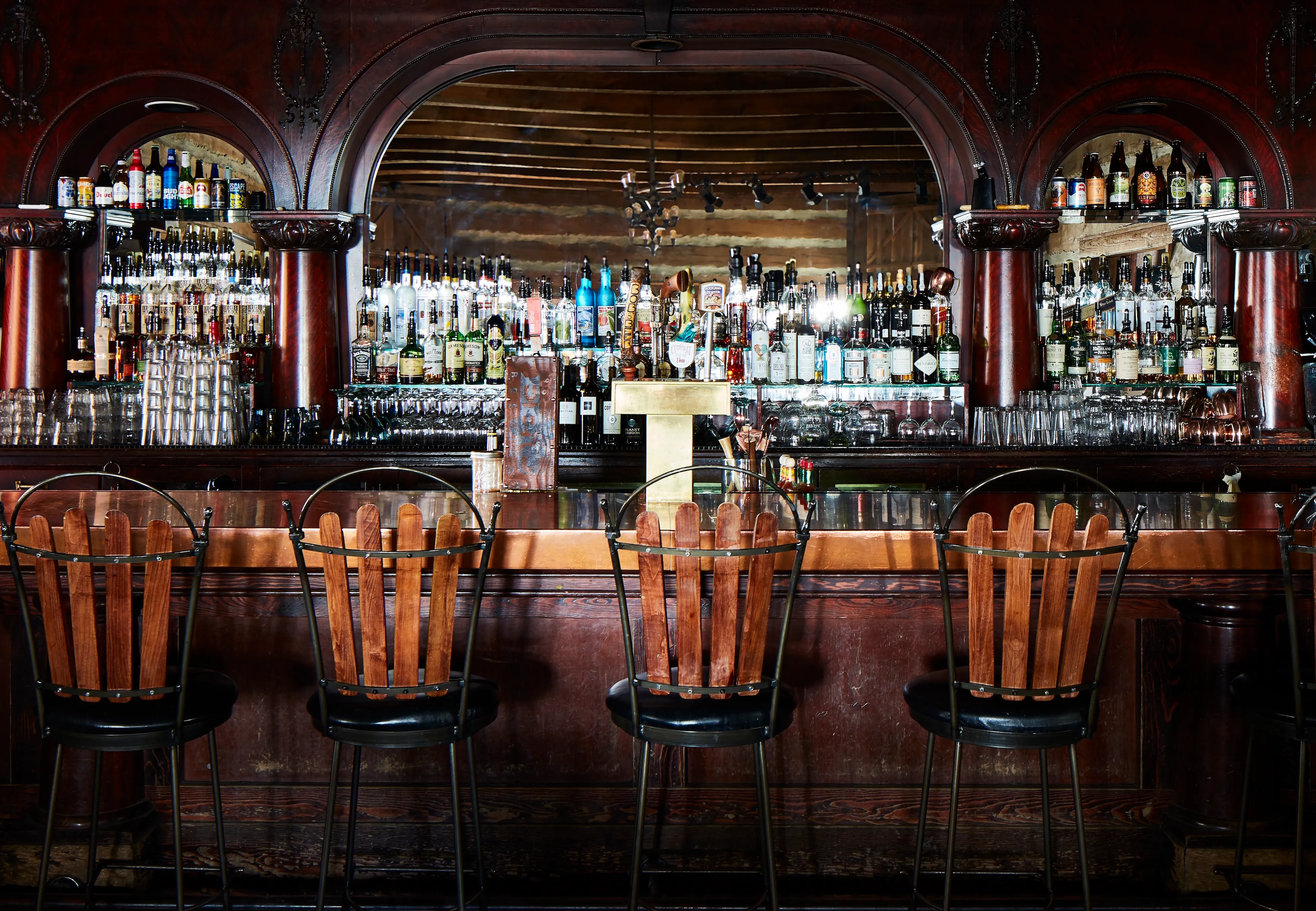
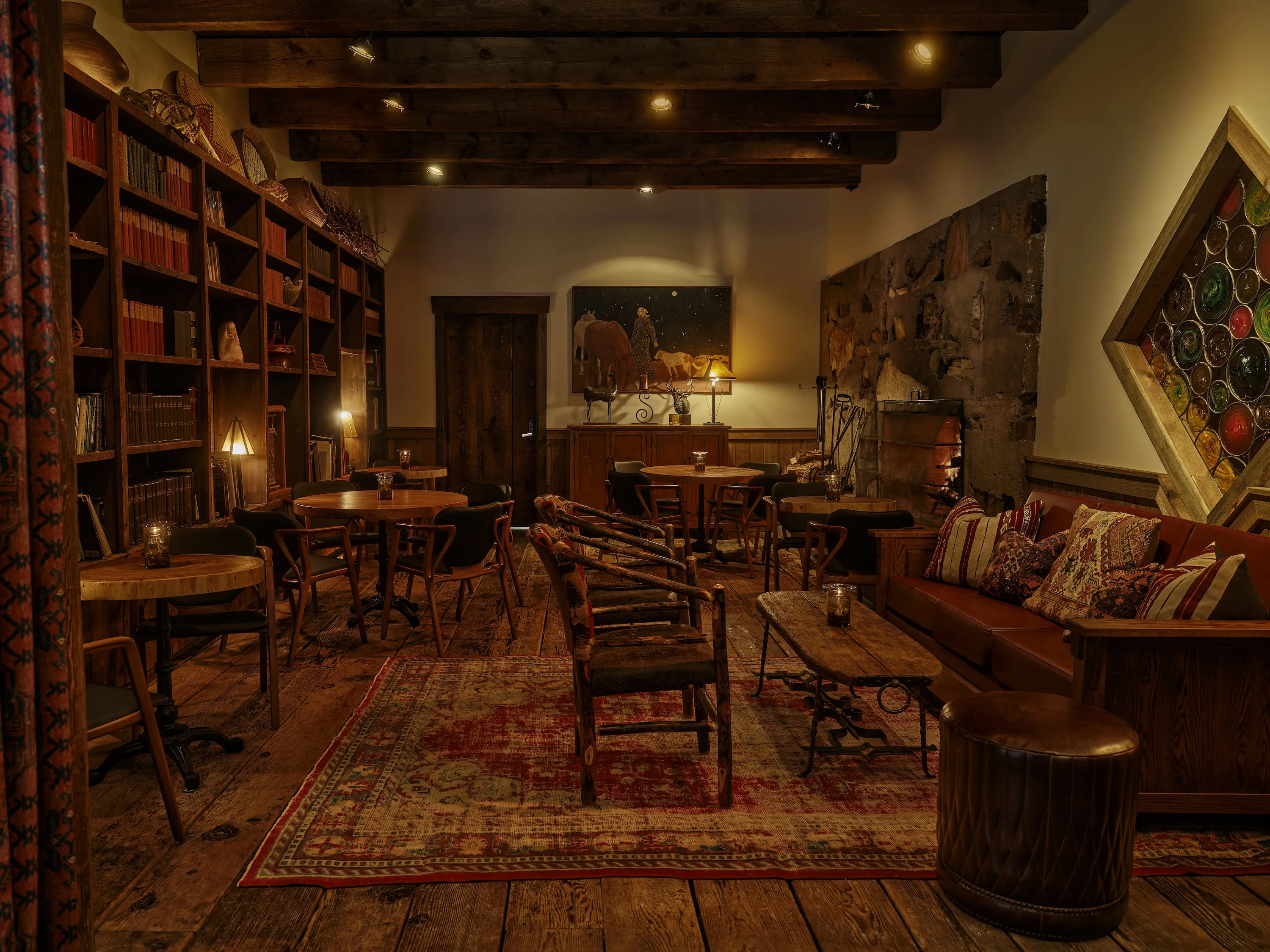
Still thrumming on site, of course, is the amphitheater that boasts a regionally defining summer concert series, pottery studio, outdoor pool with a special cold plunge carved into the Provo River that zig-zags through the property, and an iconic saloon known as The Owl—anchored by a massive bar that Redford reportedly purchase and hauled from Wyoming after learning that the IRL Sundance Kid used to spend his time drinking atop it—which welcomes live music, resort guests and locals alike.
After a few days on site, I of course did not want to leave. Luckily, I got to hear some insights from a few of the property’s key players, all of whom—in that charming Utah way—invited me back with warm sincerity, next time to spend a bit more time and witness something I might have missed the previous effort. In conversation is Chad Linebaugh, President and General Manager at Sundance Resort; Tom Parker, Co-founder & Creative Director at Fettle, the design firm that helped bring to life The Inn at Sundance; Terese Coco of Sweeney Co. Art Advisers, a consultant on Fettle’s efforts; and lastly, Sorrel Grow, Public Relations Manager for the Utah Board of Tourism.
Each of these individuals have an interesting take on this special place, and each of whom invite you to visit this summer and fall, before the days become shorter and give way to what everyone hopes is a remarkable ski season.
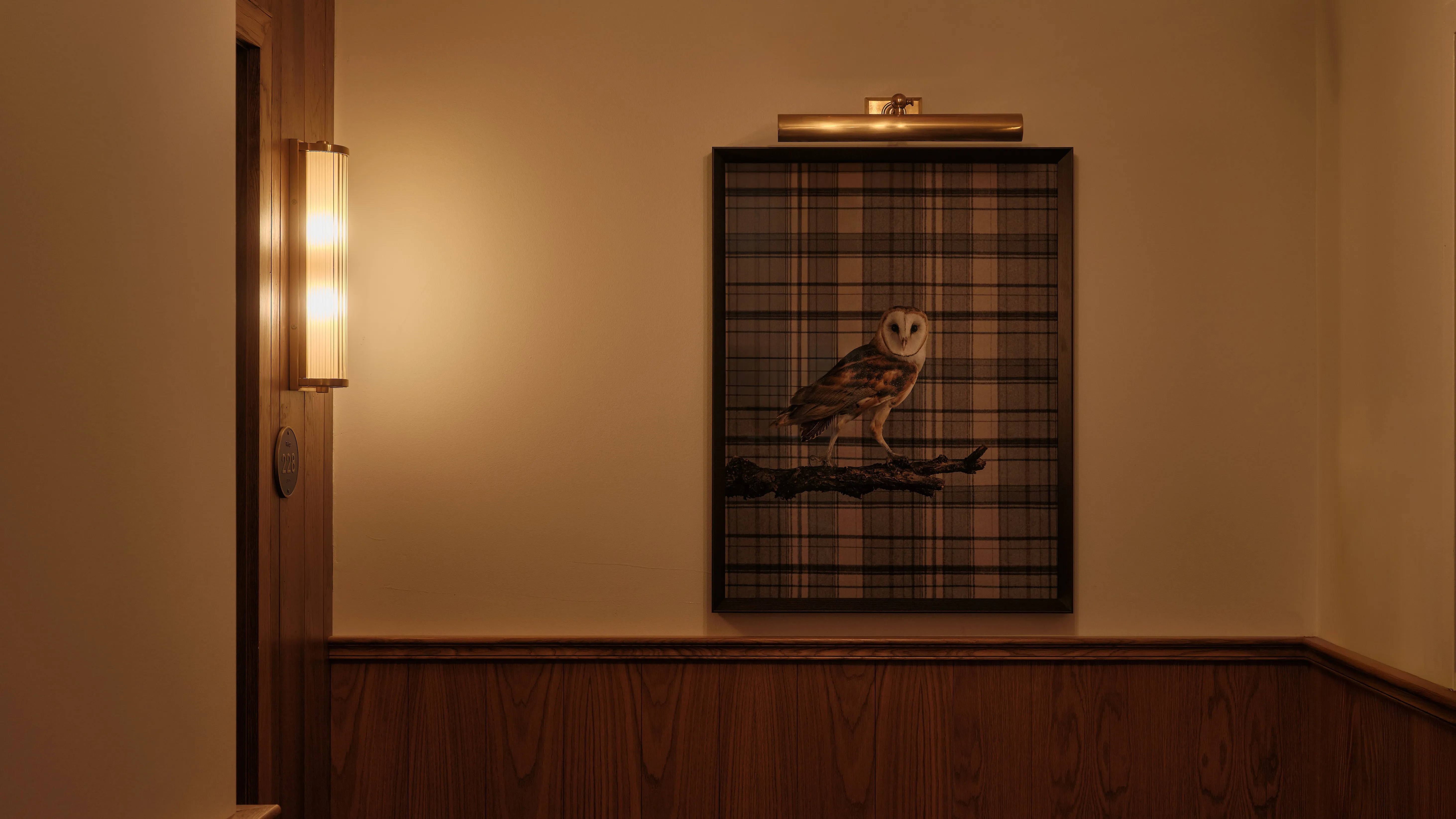
Tell me about the Owls motif throughout the property. Where does this come from and what was the process in artistically staging these?
The owl has long been a quiet but powerful symbol at Sundance, representing wisdom, observation, and a deep connection to the natural world. It reflects the spirit of this canyon: thoughtful, grounded, and a bit mysterious. Not only do owls tie to nature but it’s also the name of our bar which, originated from Thermopolis Wyoming along the Outlaw Trail and was frequented by Butch Cassidy and The Sundance Kid.
As we developed The Inn, we approached the owl motif not as décor, but as storytelling. We worked with local and regional artisans to interpret the owl through different mediums of wood, textiles, metal so that each expression feels discovered rather than designed. The intent was to create moments of subtle surprise for guests, almost like spotting an owl in the wild. It’s part of our broader philosophy: art should feel integrated into the landscape and experience, not placed on top of it.
.webp)
What about The Inn most champions the ethos of Robert Redford?
At its core, The Inn reflects Robert Redford’s original vision for Sundance: development that is in harmony with nature, not in competition with it. That shows up in both what we built and what we chose not to build. The scale is intentionally intimate. Nothing taller than the tallest trees. The design uses natural materials and thoughtful siting to preserve views, trees, and the feeling of being immersed in the mountain environment.
Redford always believed Sundance should be a place of renewal and inspiration. The Inn carries that forward in a very real, tangible way.
What was a challenge you didn't anticipate in bringing The Inn to life and how did you overcome it?
One of the biggest challenges was balancing modern guest expectations with our commitment to preserving the character and constraints of the canyon. Building in a setting like Sundance requires a level of restraint you’re working within tight environmental considerations, limited access, and a desire to minimize impact.
At the same time, today’s guest expects a high level of comfort and seamless experience. We overcame that by being incredibly intentional in our design and operations, prioritizing quality over quantity, leveraging smart technology where it enhances the guest experience, and staying disciplined about every decision. In many ways, the constraints forced us to be better, more creative, and more aligned with who we are.
%20(1).webp)
What are the goals for the exhibition space as you plan for the upcoming seasons?
The goal is to create a living, evolving space that reflects both the legacy and future of Sundance as a home for artists.
We want the exhibition space to showcase a diverse range of voices—local, regional, and national across disciplines, while maintaining a strong connection to the natural and cultural landscape of the canyon.
Describe the ongoing commitment to nature preservation at Sundance?
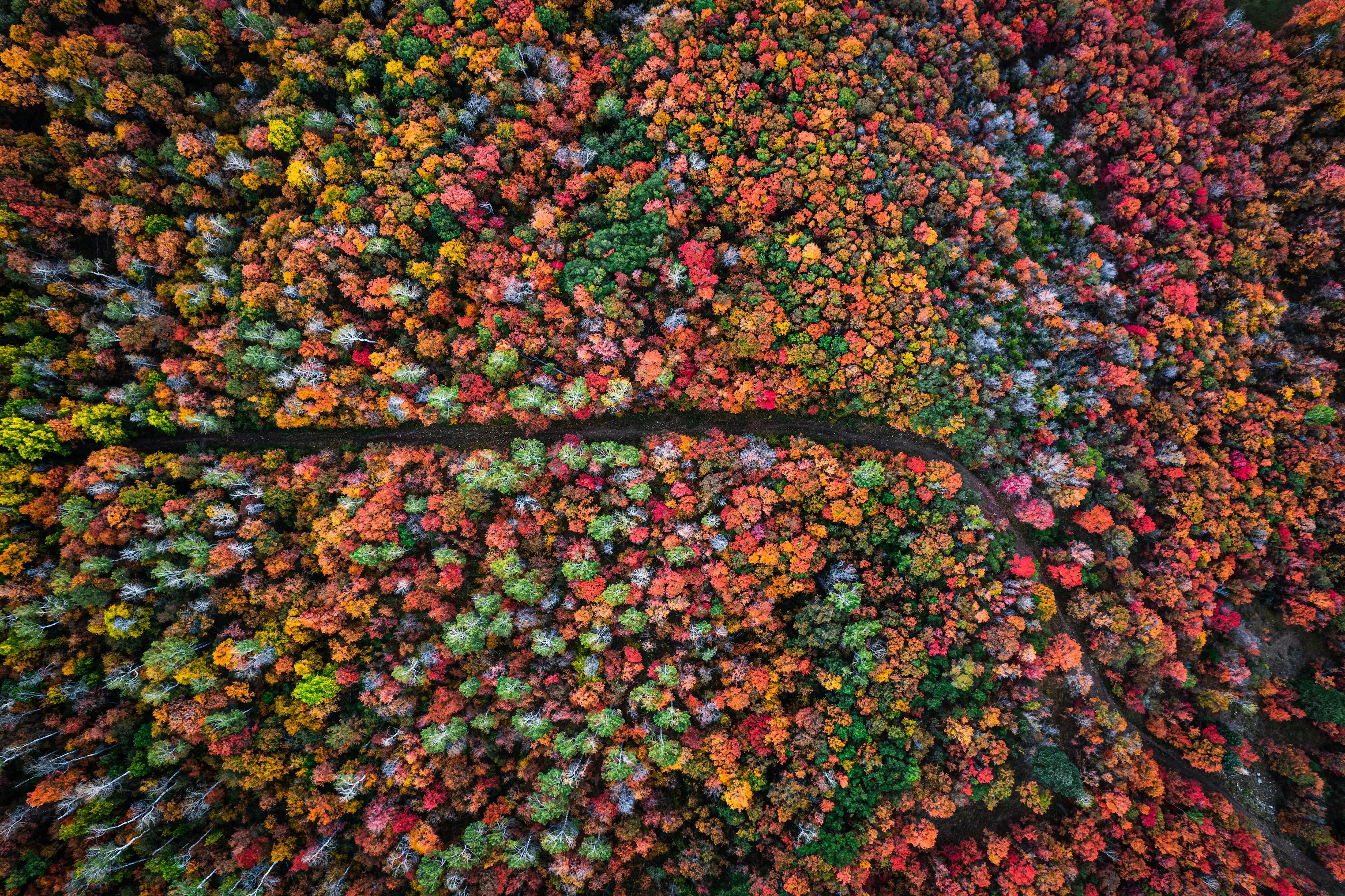
Preservation has always been foundational to Sundance—it’s not an initiative, it’s a principle. From the beginning, the approach has been to protect the land first and build thoughtfully within it. That continues today through responsible development practices, habitat preservation, water and energy conservation efforts, and ongoing stewardship of the surrounding environment. Equally important is education, helping our guests and team understand the significance of this place and their role in preserving it.
.webp)
Describe how some of the programming offerings speak to this? How about the continuation of the Sundance Institute's output now that the festival has parted ways with the state of Utah?
Our programming, from art studio workshops to music, culinary experiences, and seasonal events, is designed to invite participation, not just observation. We want guests to create, explore, and engage in ways that feel personal and memorable.
The Sundance Institute remains an important part of the broader Sundance story, and its mission to support independent artists continues to have a meaningful impact globally.
.webp)
With The Inn now open, what are you excited about across the rest of the year?
What excites me most is seeing The Inn fully come to life across all seasons. Winter gave us a strong start, but spring and summer bring a completely different energy guests experiencing the mountain for hiking, biking, music, art, and simply being outdoors. The Inn becomes a basecamp for those experiences. Ultimately, it’s about momentum. The Inn is not the finish line. It’s a foundation for what’s next at Sundance.
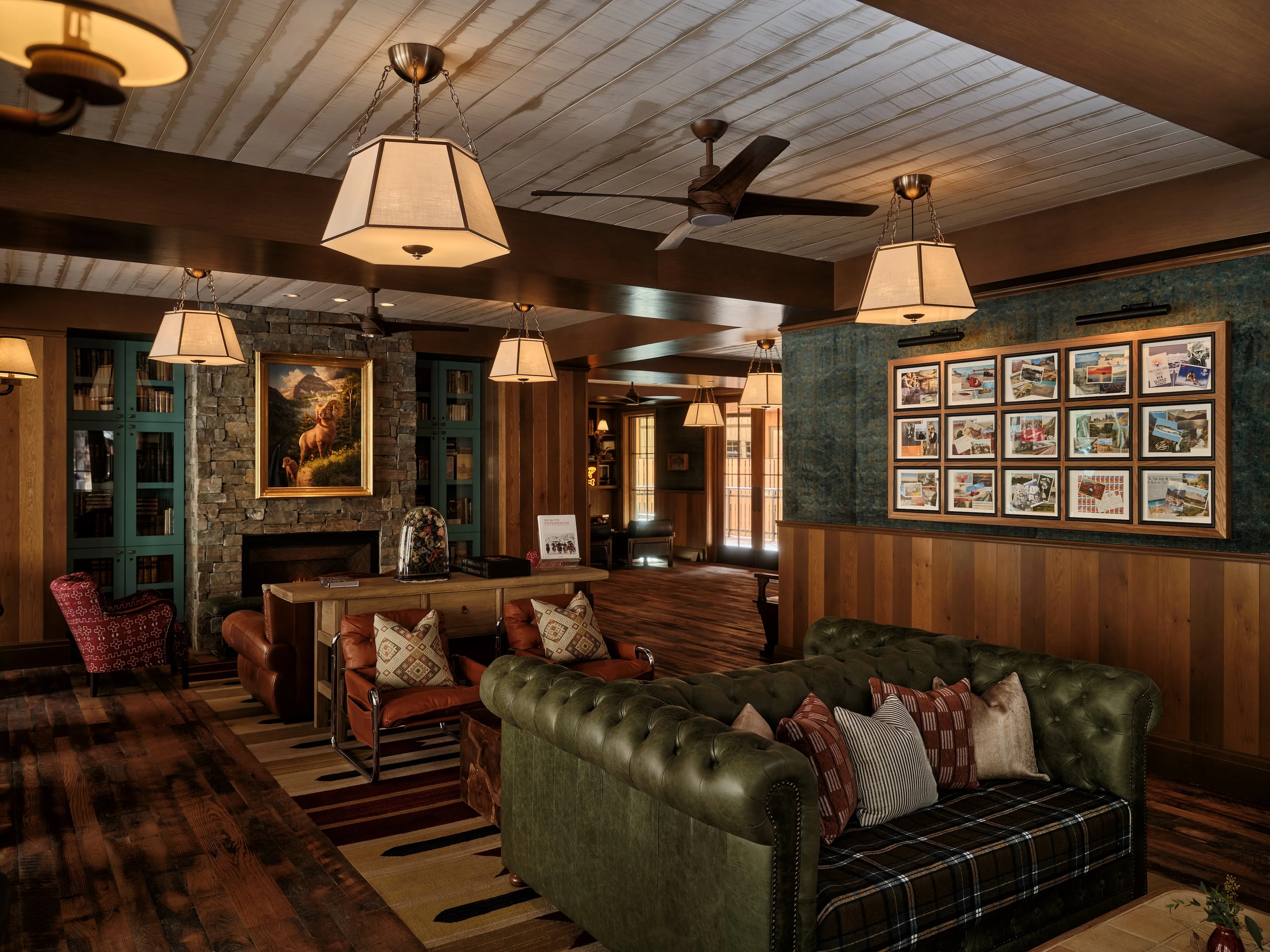
‘Eclectic’ is an often overused word and idea in contemporary interior design, and yet it's elusive and hard to execute without feeling forced. I'd say that The Inn accomplishes this sought after flair subtly yet effectively. How did you bring the interiors to life bearing in mind the history and legacy of the grounds but also the goal to do something modern and chic?
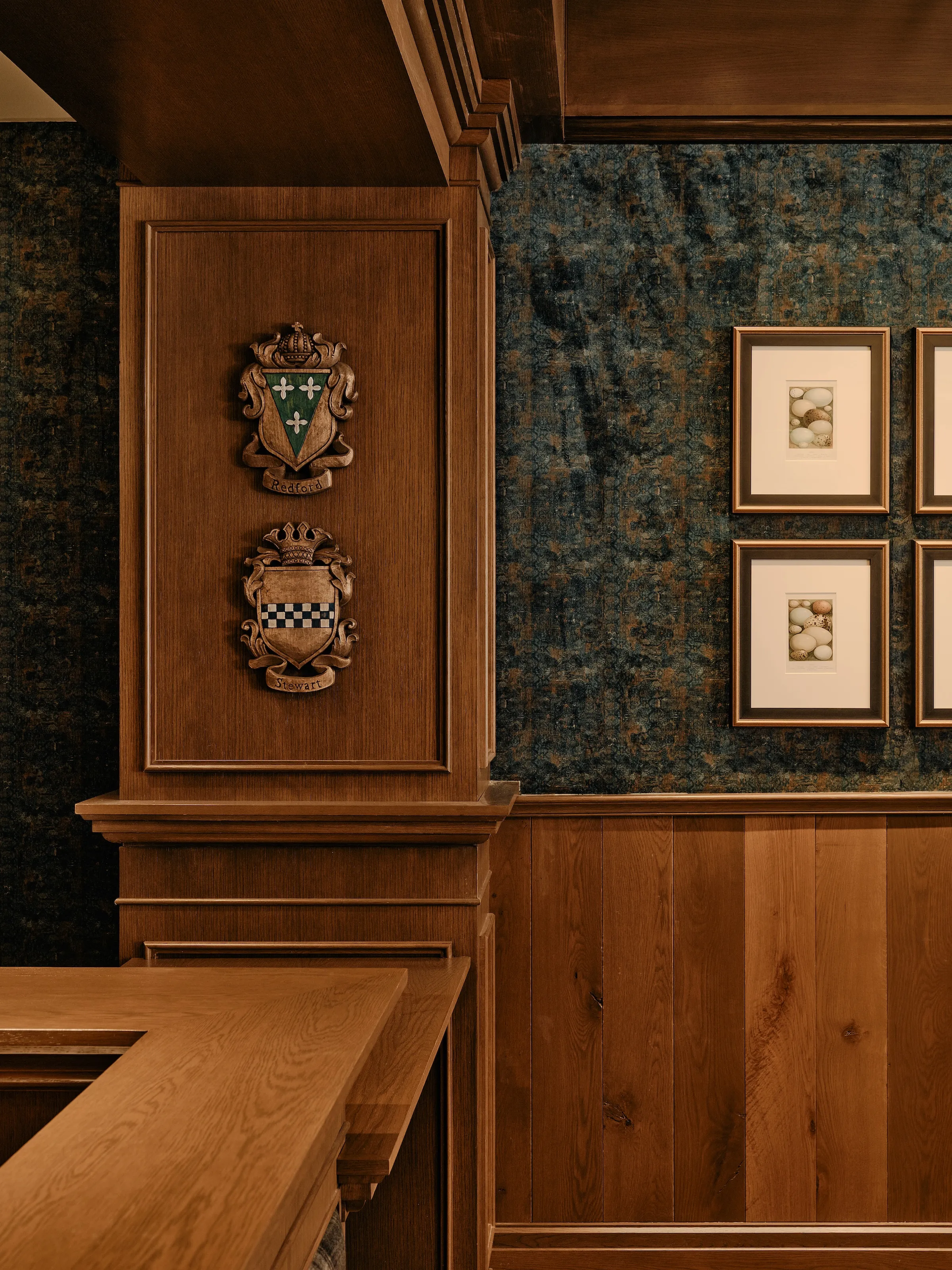
Parker: Basically what we tried to do with the aesthetic was to cover the history of the Stewart family (using The Fife Arms Hotel in Scotland as a reference point), as well as the native and western heritage of the area. The design narrative stood on that balance— not over using any of them. Western patterns and Tartan plaids were all abstracted influences. We also found ways to include Redford’s influence among the design.
Coco: Ownership wanted the artwork to embrace the funky and be unexpected. Most pieces of artwork were commissioned specifically for the property, and each have a nod to the locale or the history of the Stewart family or the Redford Family. Much of the guestroom artwork was hand printed using various printing techniques like cyanotype and woodblock. Being handmade adds to the eclectic feel of the design.
Talk about the eggs motif in the artworks throughout?
Parker: The egg cabinet at the reception desk came from one of Ownership’s childhood homes. The eggs relate back to the idea that there is always a starting point. A road map of what you can do at Sundance.
Coco: The oological cabinet is at the front reception. Oological refers to the study of eggs, especially bird eggs. We all know that birds are related to dinosaurs, but more accurately, in evolutionary terms, birds are dinosaurs, more specifically theropod dinosaurs. This cabinet was inherited by a Storyteller whose mother purchased it from a defunct natural history museum in upstate New York in the 1990s. Its relevance to Sundance is not only as relates to dinosaurs, but also as to the vital importance of eggs, without which so much of life would simply not exist. This does indeed bear further thought, study and reflection on these “everyday” and “ordinary” objects. The antique English natural history chromolithographs remind us that even the smallest forms carry entire worlds of meaning and that eggs, especially, matter.
Were there any limitations imposed on the art curation or furnishings? What creative guidelines were proposed before commencing?
Parker: Zero from furnishing. We could do whatever we wanted.
Coco: Same for the art. We were told to be brave, bold, and confident and include the maverick spirit that has always been a part of Sundance.
%20(1).webp)
***
In what ways does Utah continue to offer best in class tourism , adventure, recreation and cultural exploration?
In Utah, the possibilities for adventure are as close as they are diverse. Utah's proximity to an award-winning international airport allows travelers to hop off the plane and get to 10+ ski resorts and a handful of state parks within an hour, as well as an easy road trip to the Mighty Five national parks.
Utah is also on the precipice of several historical and culturally-significant events, such as the 2034 Winter Olympics and the 2027 Salt Lake Temple Open House (the first time the Salt Lake Temple will be open to the public since 1893!), as well as other notable additions to the visitor experience, like a recently added NHL hockey team, the largest ski resort expansion in North American history taking place at Deer Valley Resort, and a billion-dollar redevelopment project at the airport.
.webp)
Describe your personal relationship to Sundance? Why is it special?
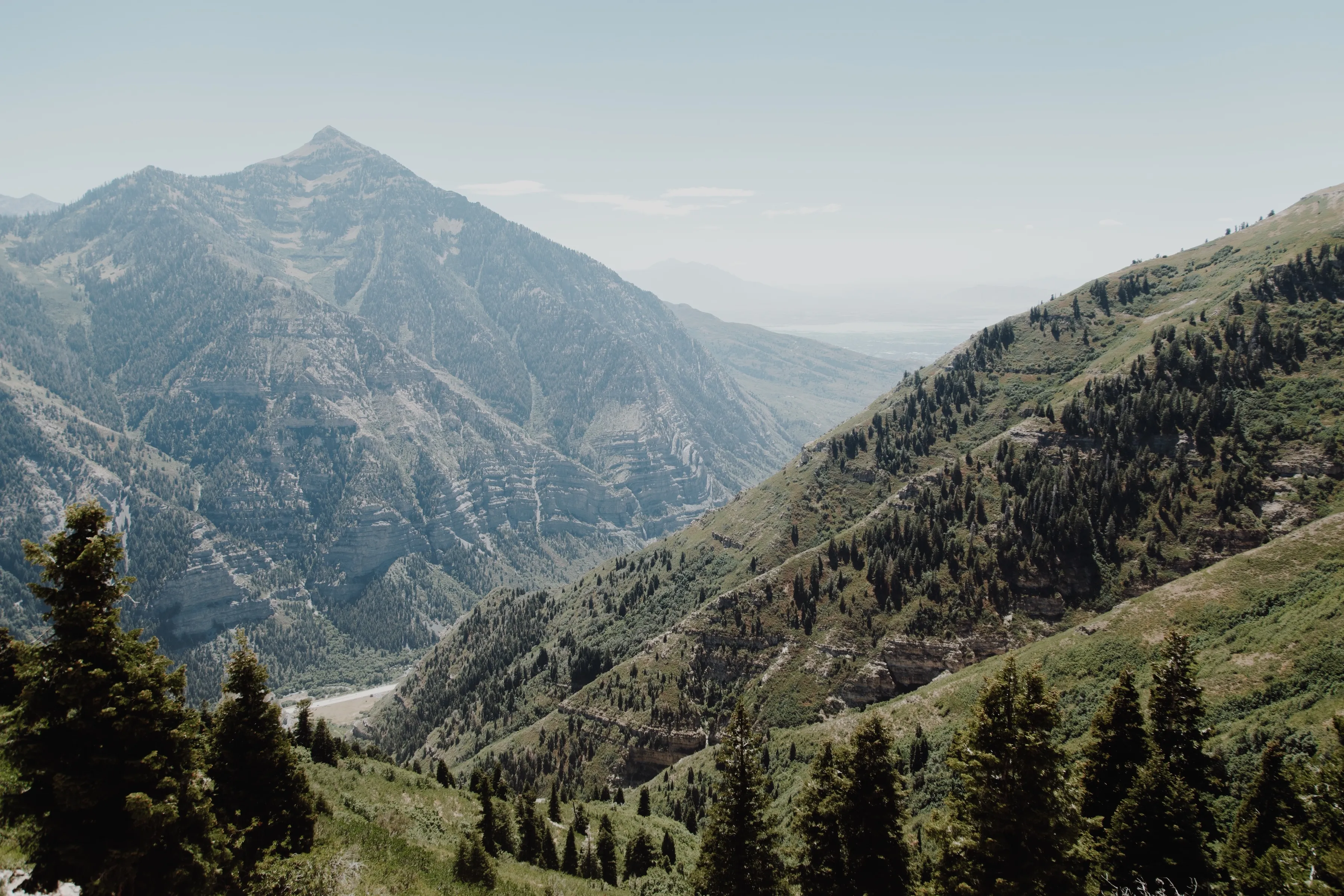
If you've been lucky enough to see Mt. Timpanogos in person, the snow-lined peak that is the backdrop of Sundance Mountain Resort, it's no surprise that Robert Redford was just as captivated by the scenery of this area in 1969 when he opened the resort as you likely are.
With its tucked-away location in Provo Canyon—still conveniently located just 30 minutes from the Provo Airport—everything about Sundance breathes rustic charm and the bliss of slowing down amongst nature. Through new additions such as The Inn at Sundance, the resort has done an incredible job at delicately preserving its artistic environment, boutique feel and slower pace.
Stay up-to-date with exclusive events and content.


