F L A U N T


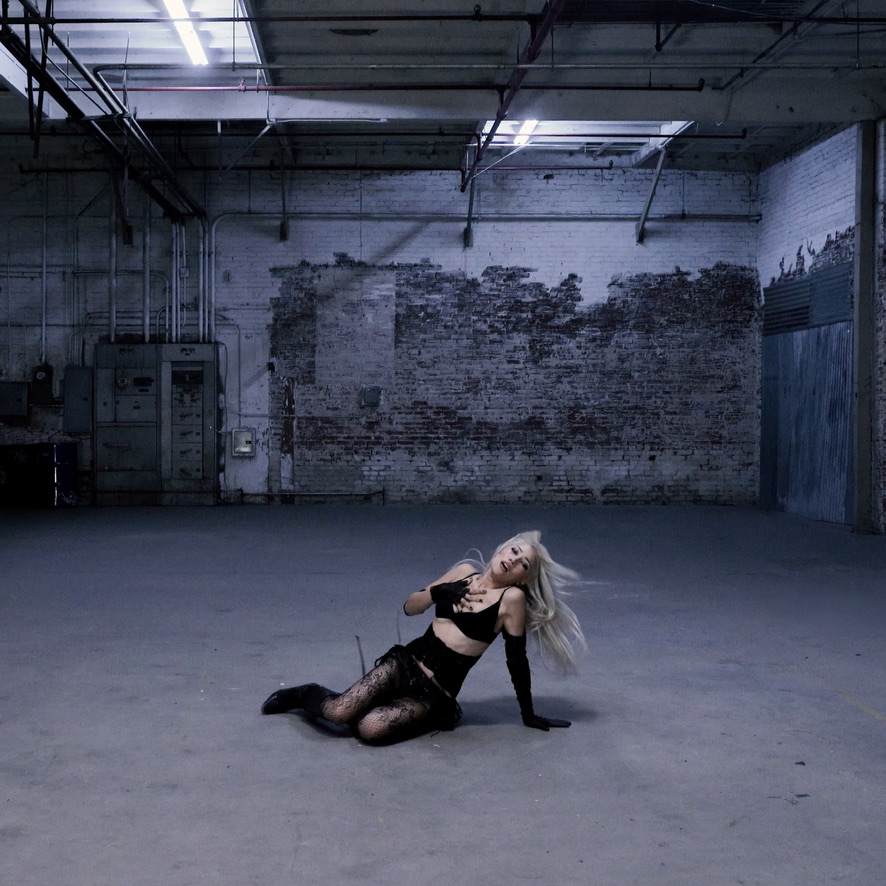
Humiliation gets a bad rap. At least, that’s what emerging popstar Kyra Machida thinks. Her new song, “Humiliation Ritual,” dropped last week, just five months after her debut EP Blonde, hit streaming platforms everywhere. The Los Angeles-based, Japanese countryside-born performer has spent over a decade exposing herself to the world, training tirelessly to become the Next Big Thing. But as the saying goes, superstars aren’t born, they’re made. Some break under the pressure. But Kyra Machida was built to withstand the heat.
“A lot of people will definitely think a humiliation ritual is something that's just so negative, and I think it's misunderstood,” Machida tells me, Zooming in from her apartment.
“To me, choosing to be exposed is power and control,” she continues. “I feel the most myself when I'm not afraid to flop. I'm not afraid to lose everything. There's something so erotic about risking your own image; it's what gives me the most power. Getting out of your comfort zone, that's a humiliation ritual. Doing something that's like, you will probably cry, that's a humiliation ritual. I think at the end of the day, I would gladly take all of those things than to just not do anything and sit in the box.”
Even as a young girl, Machida felt like she was difficult to define.
“I grew up in a very diverse family. Both of my parents are mixed. My dad is Italian-Japanese, and my mom is Turkish-Filipino. Growing up in the countryside, I definitely was someone who stood out, and not in a good way. At first, I hated it—because who wants to be bullied—but I later on learned to find peace in being the black sheep. I love being different. That's what built me into who I am.”
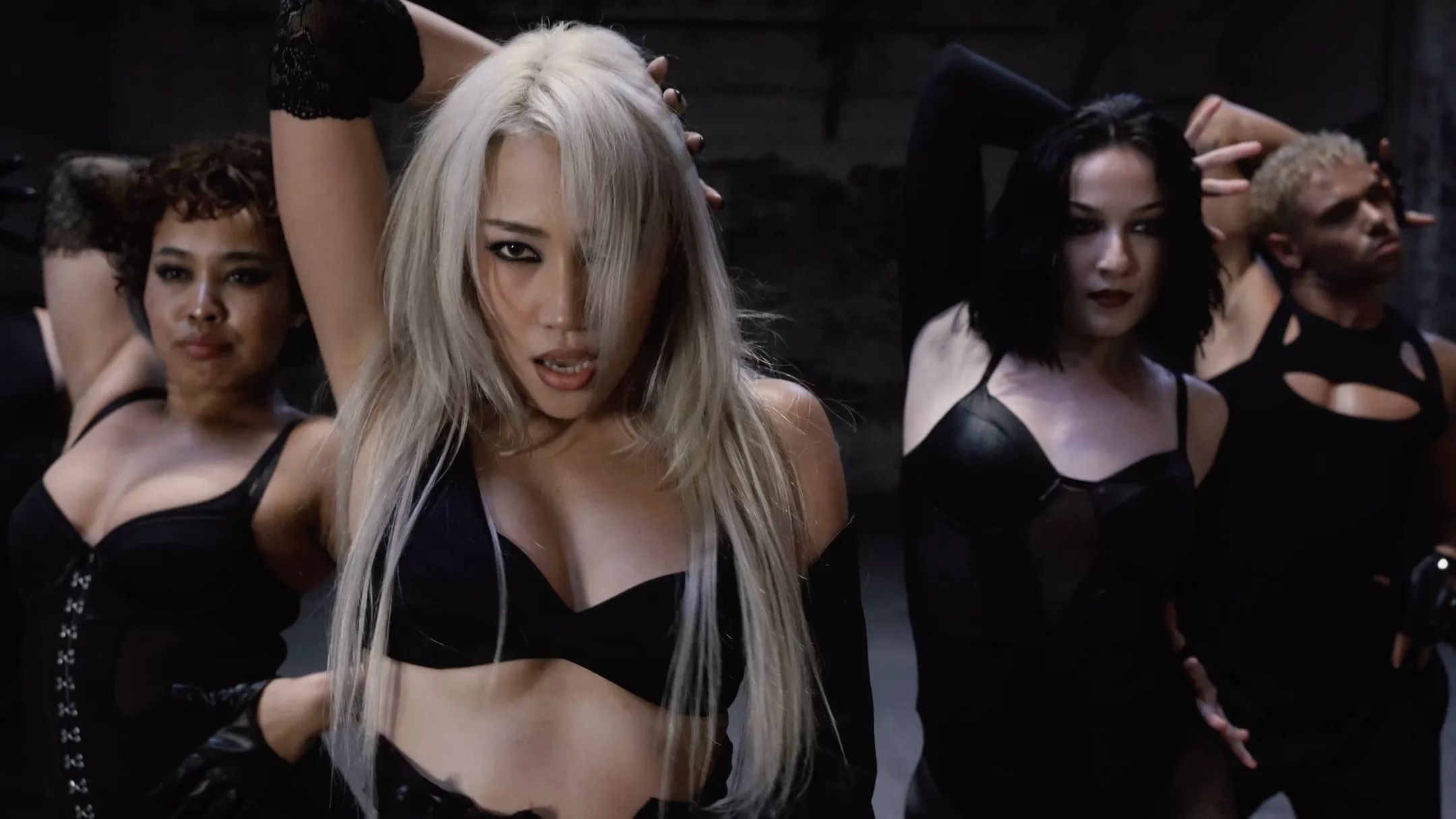
At the age of 14, Machida signed with a Japanese record label and moved to Korea to undergo four years of intense vocal and dance training, equipping herself with the skills required to become a bona fide pop performer. She idolized two pop idols: one American and one Japanese. Madonna, she worshipped for her unending drive; Namie Amuro for introducing her to electronic music.
“I saw how tunnel-vision [Madonna] was with her art,” she says. “I really loved that about her. She really gave me that strength to not care about the distractions around me, once you’re so focused on my craft. You just see [your craft] and only that; it’s literally the brightest light that you see.”

Recently, Machida’s light has been shining brighter than usual as she continues on her path to stardom. She gave her second-ever live performance two weeks ago at the Subculture Party at Catch One in Los Angeles, playing her then-unreleased single to a crowd of screaming fans.
“I was such a perfectionist when I was training that when I get on stage, I black out and just truly have fun,” she says. “I go crazy, and I lose my shit.”
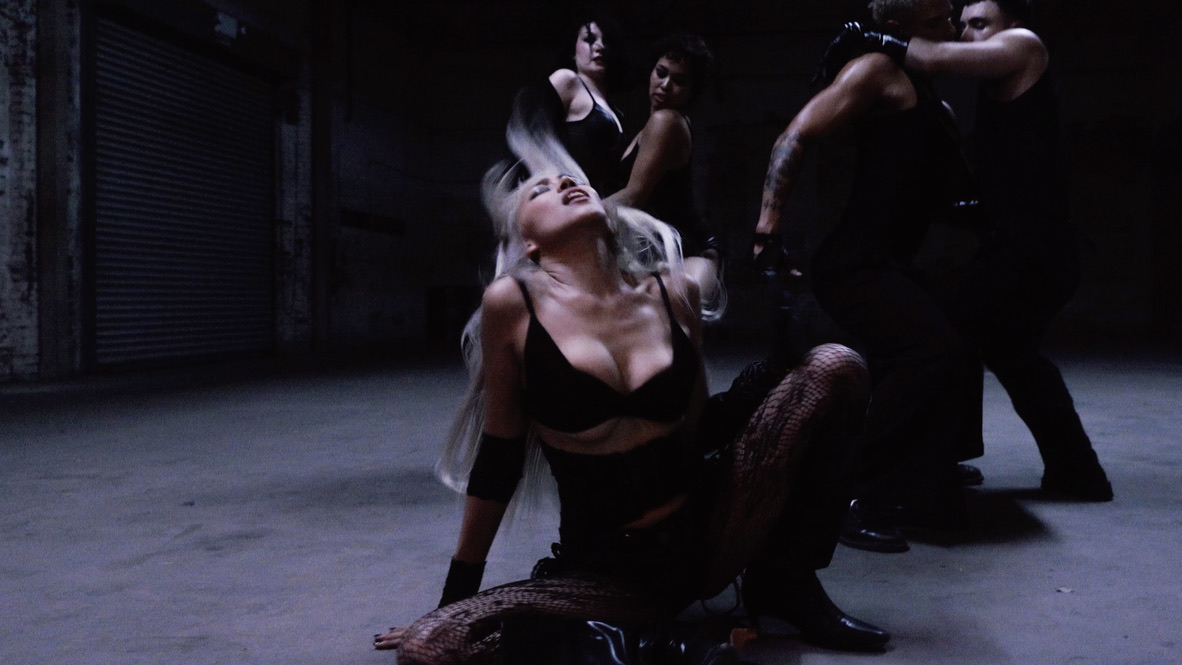
Watching Machida onstage, you can see her laser-like focus coursing through her body. Yes, she’s lost her shit, as she says—but she’s found something else entirely in the process. Her movements are sharp and synchronized, fully realized under the red and purple stage light. Whether she’s dancing onstage or in the “Humiliation Ritual” music video (choreographed by Symone Kimeka and shot and directed by Nathan Kim), Machida simultaneously surrenders and embraces her true self, self-actualizing before the audience’s very eyes.
“I communicate way better with movement,” she says. “The [music video] dance is crazy. You could really see the storyline of the song just with movements.”
This kind of surrender is part of Machida’s daily practice. She tells me that with this new era, ushered in by “Humiliation Ritual” and the accompanying dance video, her art is the most aligned with herself it’s ever been. The performance, the persona, the exposure—they aren’t separate from who she is. She’s complex, free, and fully embodied—her life’s mission acting as a constant exercise in exposure therapy.
“When I crash out, I like to just leave—literally, leave,” she confesses. “I like to go places where I have never been before. I could sing out loud where people are like, ‘This girl is crazy!’ Even in my daily routine, I just dance outside while walking. If I’m waiting for the light, I’ll dance my ass off. I’m trying to desensitize myself by putting myself continuously into uncomfortable positions.”
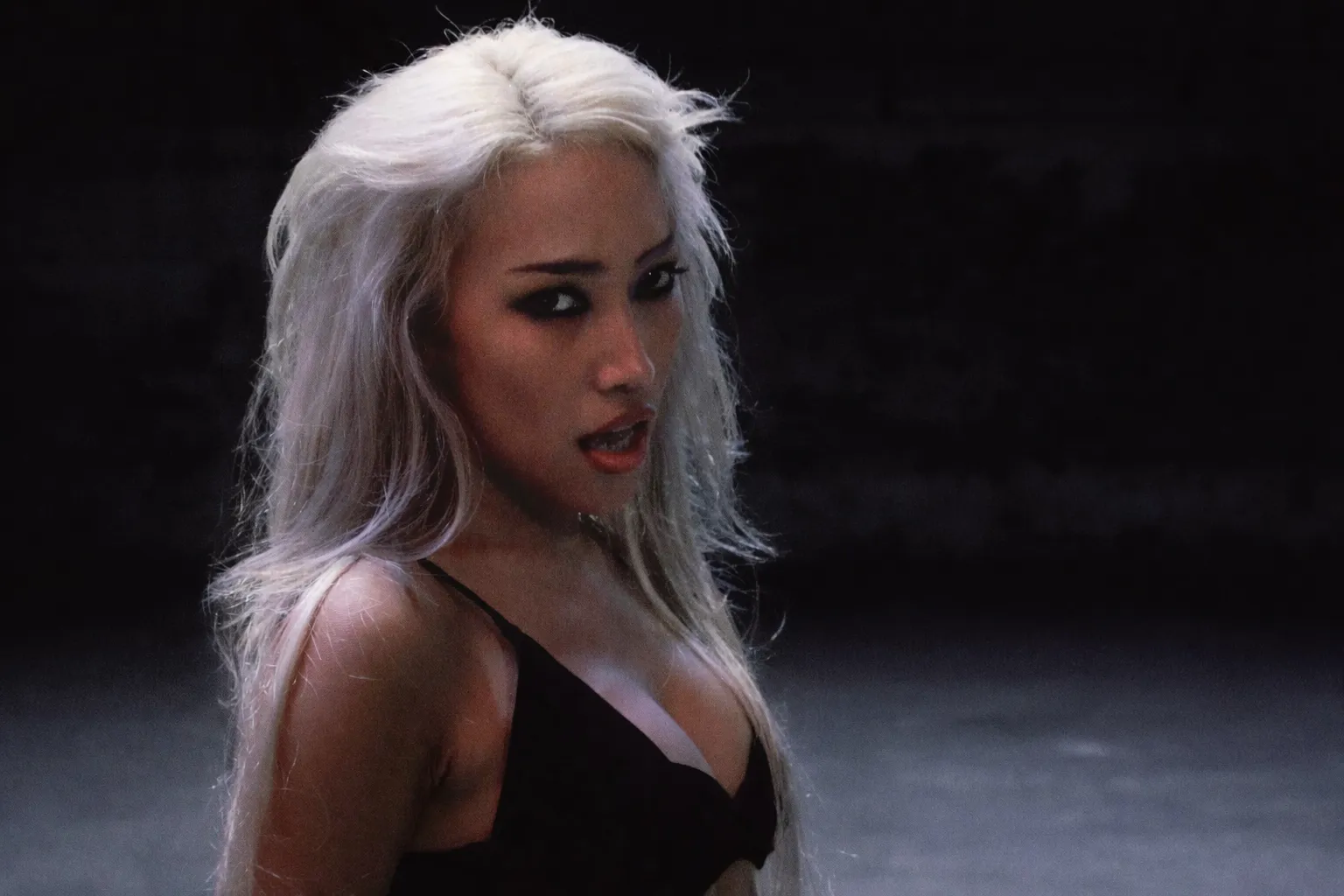
For Machida, discomfort functions almost like a muscle. On Blonde, she dove into her insecurities head-on, fleshing them out for all to see, her electronic music influences seeping in at every corner. Now, she’s conquering that vulnerability, twisting it into an anthem to lose yourself on the dance floor. This tension between the medium and the message—balancing her inner life with her outer performance—drives Machida’s work forward, transforming vulnerability into spectacle and ambition into motion.
“I know how to make ugly things look really pretty,” she says, smiling.
That instinct sits at the center of her work. What might read as chaos from the outside—crashing out, dancing in public, throwing herself fully into the performance—becomes, in Machida’s hands, a deliberate aesthetic.
“I don’t really see them as two different things,” she says, referring to the line between persona and authenticity. “The persona that I put on and the authenticity—everything comes from myself. It’s my choice, my willingness. It’s something that I create. Nothing is borrowed. I don’t feel pressured at all. And even if there was pressure—I love pressure.”
Stay up-to-date with exclusive events and content.


