F L A U N T


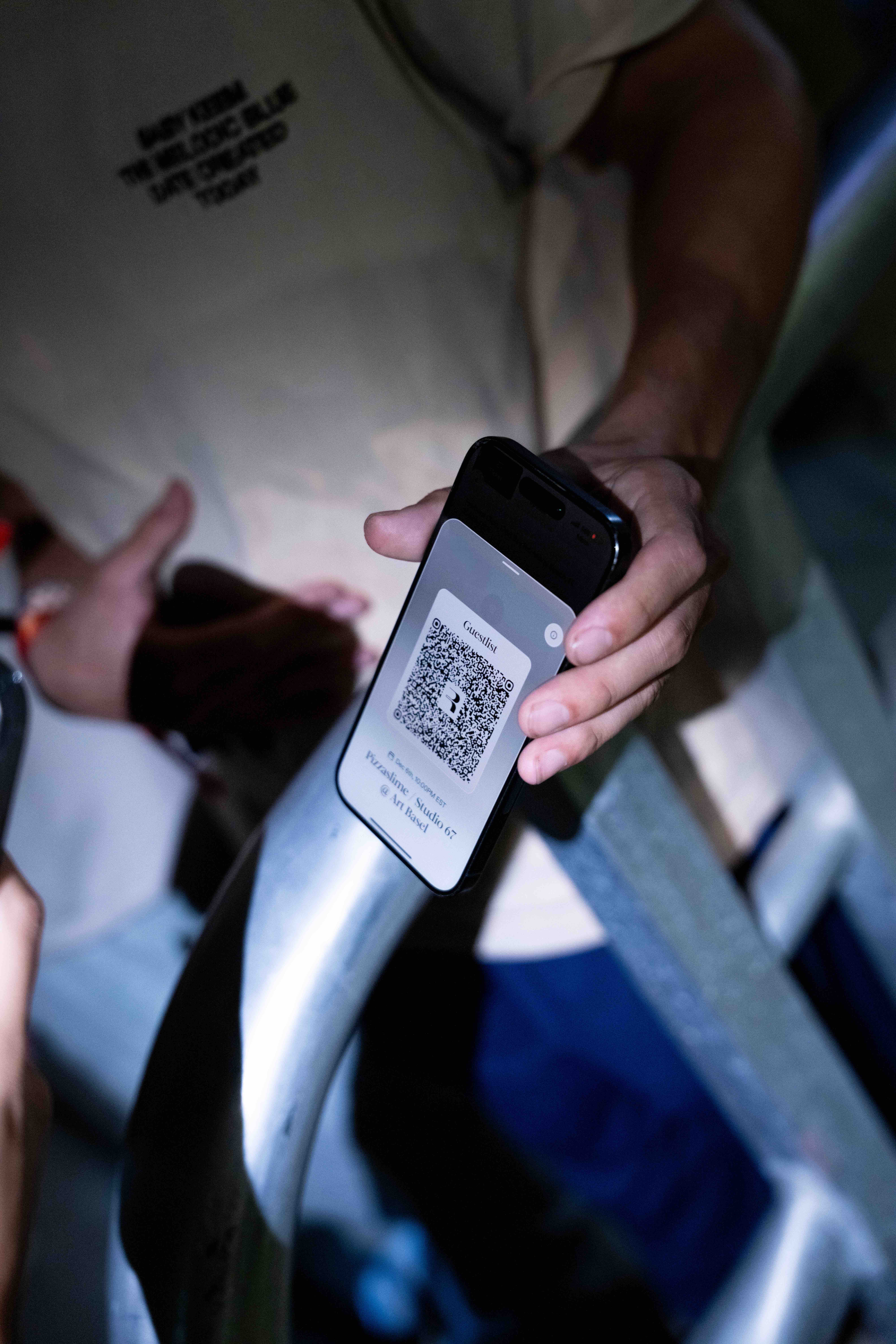
People crave a good night out. Even the non-socialite secretly enjoys letting loose under the lights and letting the music wash over their bashful soul every once in a while. In a society that treats experiences and presence at parties, bars, and clubs like currency, nightlife feels oversaturated—yet people are still left searching for buzz, for an outing worthy of their precious time. Simultaneously, brands and creators alike are looking for easier ways to manage their high-profile events—long gone are the days of lost RSVPs and manual processes. Rumor has it figured out, bridging the gap between influential hosts and sought-after guests.
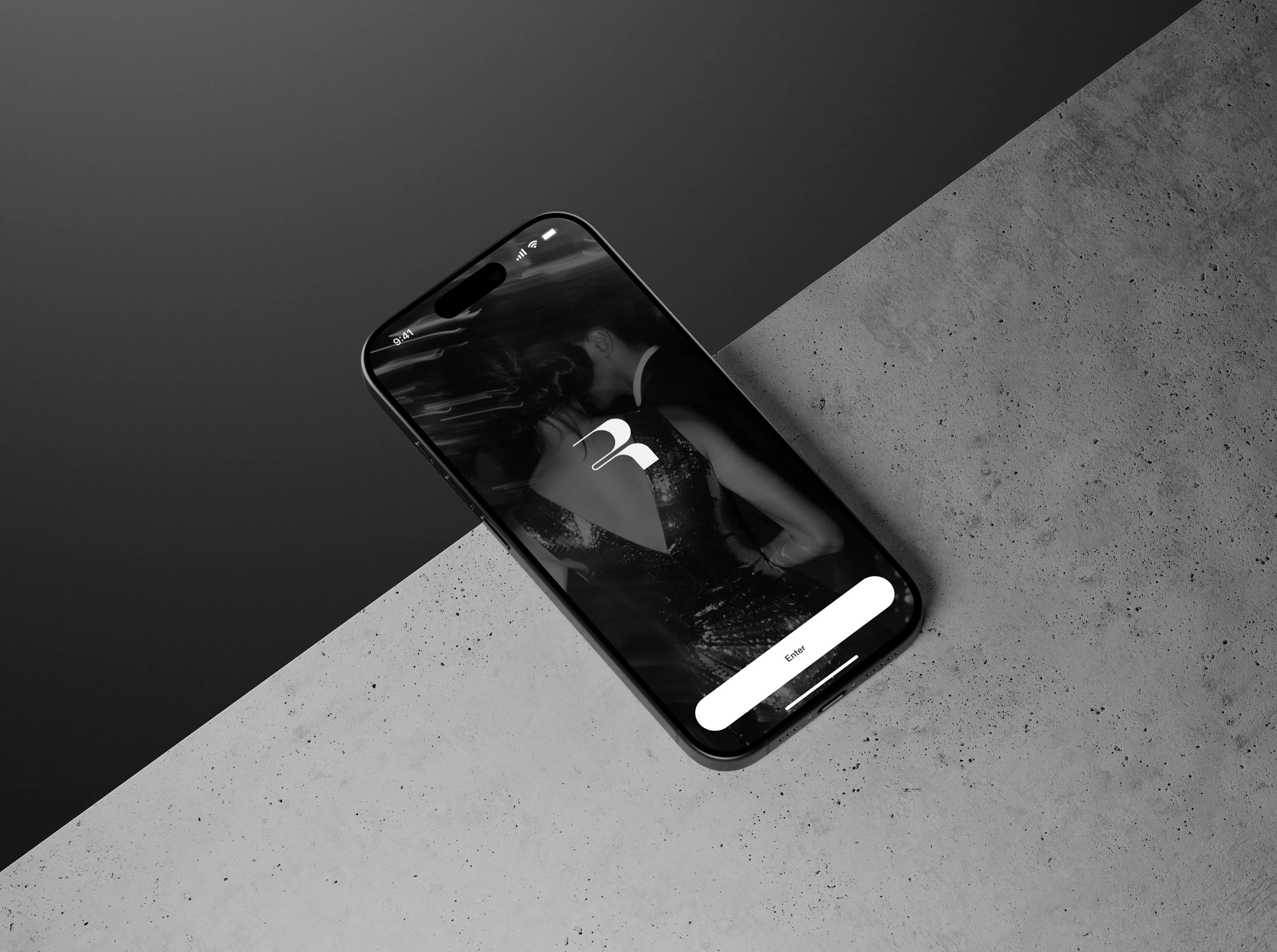
Founded by Josh Zipkowitz, Rumor is an app and event management platform for exclusive events across fashion, music, art, entertainment, and tech. The network allows hosts to easily send out invites and manage guest lists; meanwhile, guests can locate and secure these invites directly—no hoops to jump through, no scouring the internet or your already full inbox for information. Exclusive meets exclusive in Rumor’s world, where hosts and guests connect at eye-level.
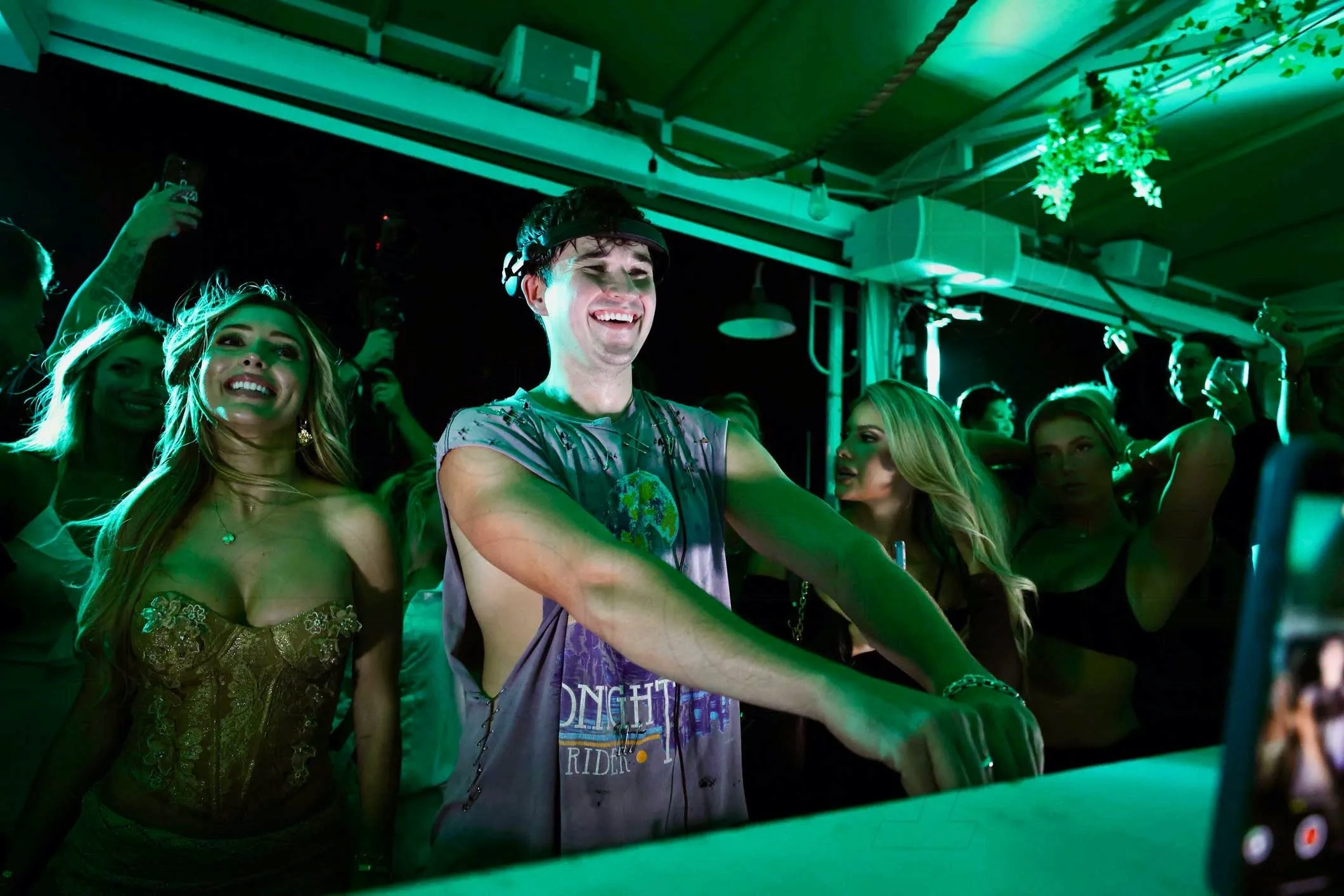
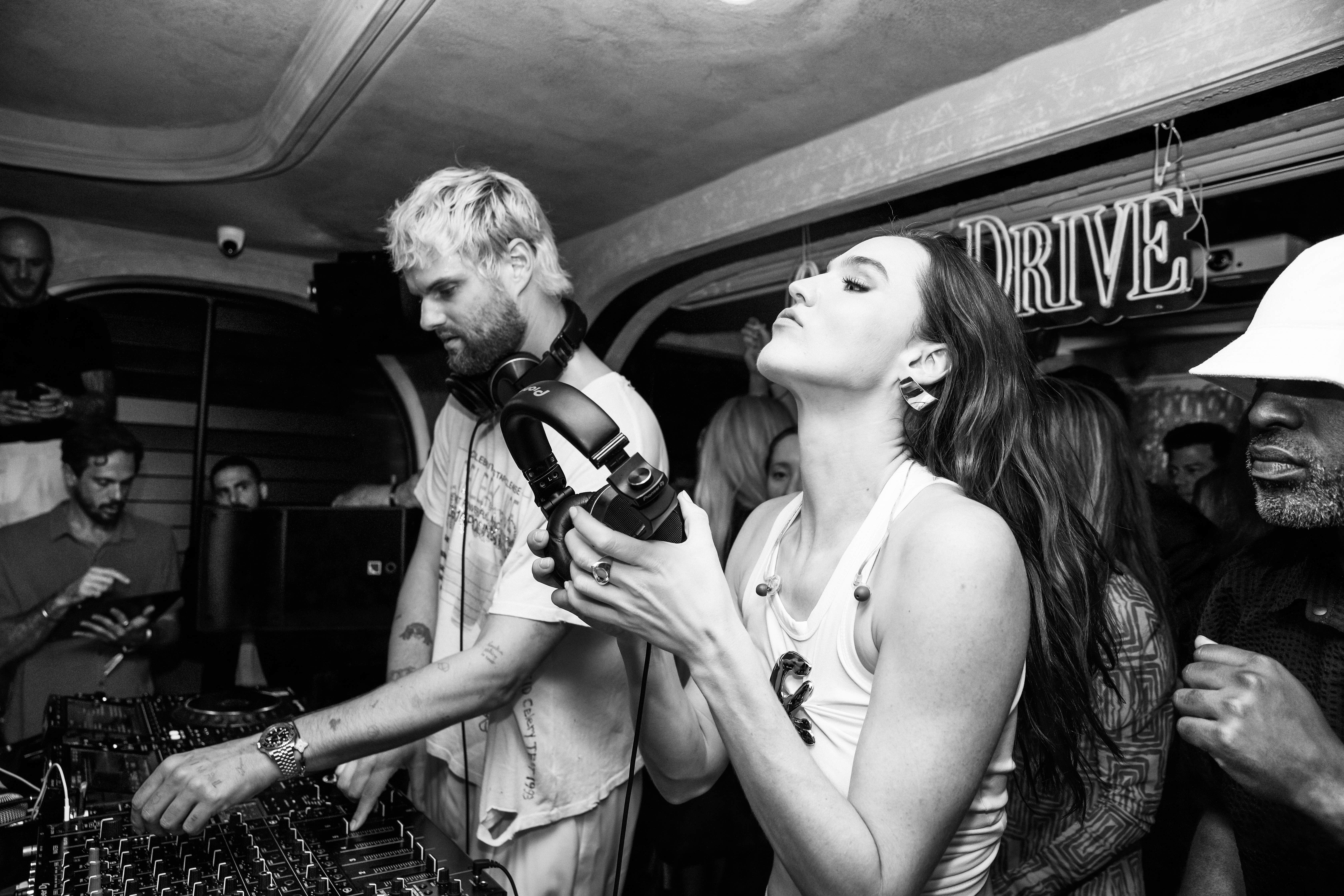
Soft-launching in May of 2025 at Stagecoach Music Festival, the app officially launched in the Summer of 2025, most recently commanding a presence at Miami Art Basel, teaming with the likes of Nylon House, Alix Earle, John Summit, and yours truly, Flaunt Magazine. Up next on the calendar, the platform will be gracing events across New York Fashion Week, award season after-parties, and Coachella this April.
Rumor has stationed itself at the serendipitous intersection of cultural happenings and exclusive accessibility, congruent with the pulse of a social media-driven and VIP landscape. As the founder and CEO, Zipkowitz brings over a decade of industry experience into the platform, previously co-founding the venture studio and event production agency Uncommon Entertainment, and now, he’s building something not only worth talking about, but trying for yourselves. See below for an exclusive conversation with Zipkowitz.
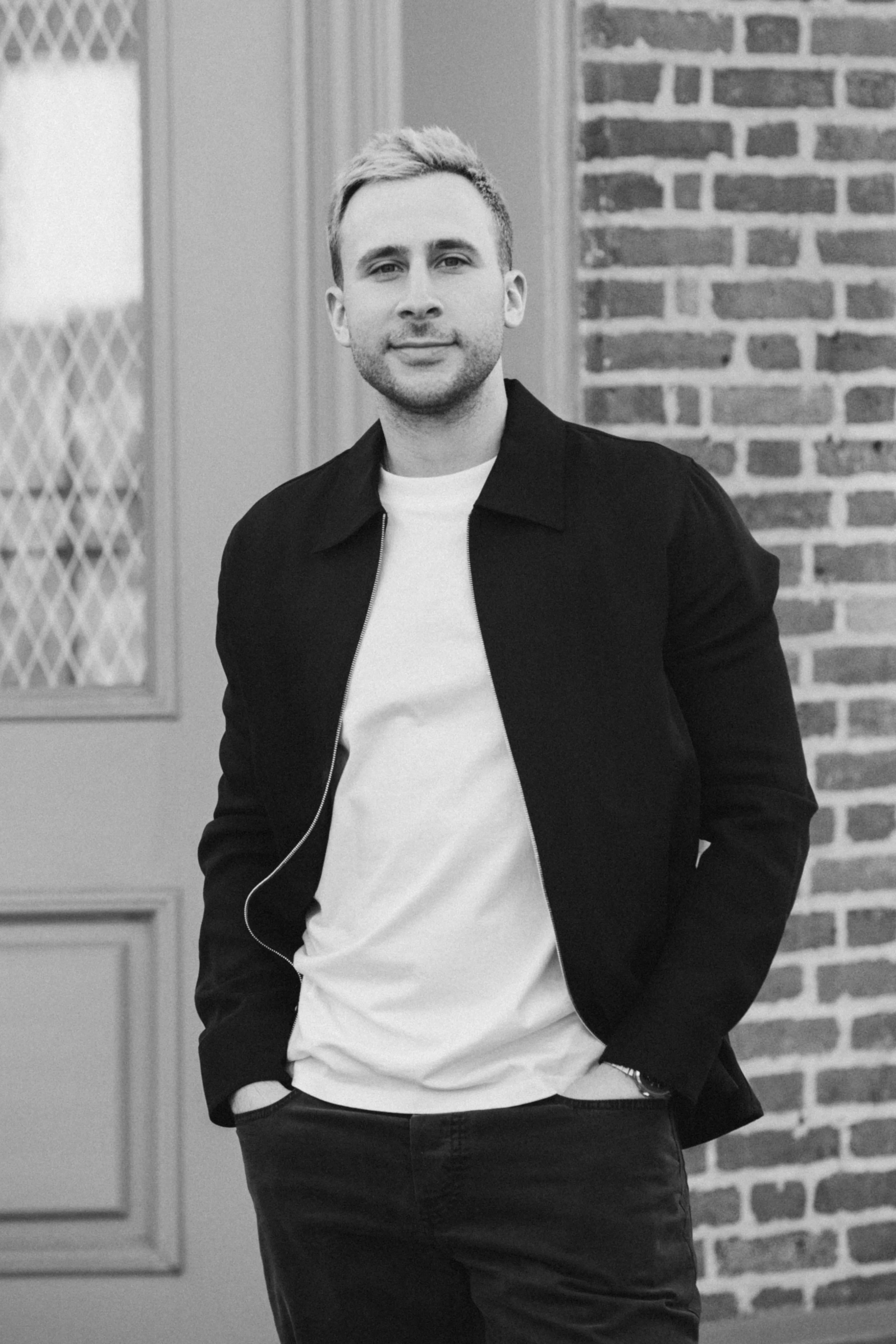
The platform is built on this idea of Raya meets Partiful; RSVP meets VIP—what inspired that blend, and how do you define where Rumor lands within that gap?
After producing events linked to culture the last decade, I realized that not only was a better utility needed to manage an event's audience but that there was a gap in the market for a brand to be created around the concept as well. The other RSVP platforms have a more generalized approach, receiving an invite on Rumor has a cache to it - something you'll want to make sure you take a look at. To define the space Rumor specifically sits within, we mostly look at an event's cultural ties, talent involved, previous events from the host, the partners participating and overall exclusivity.
When you look back at the earliest version of this idea, what throughlines have stayed the same and what has changed?
Truthfully, not much has changed in terms of our vision since we first started ideating two years ago. The prominent thesis remains true; build both a great fundamental utility for event hosts to leverage and a network effect to help connect dots between great people and great experiences. That said, we've definitely gotten a handful of product requests from hosts over the last few months since launch, and maintain the approach that we are super hands on and accommodating to build features our hosts want to see.
What makes Art Basel such an important moment for a platform like Rumor? I’d imagine its global prestige and cultural magnetism opens doors for partnerships with many other galleries, brands, and talent-driven events going forward.
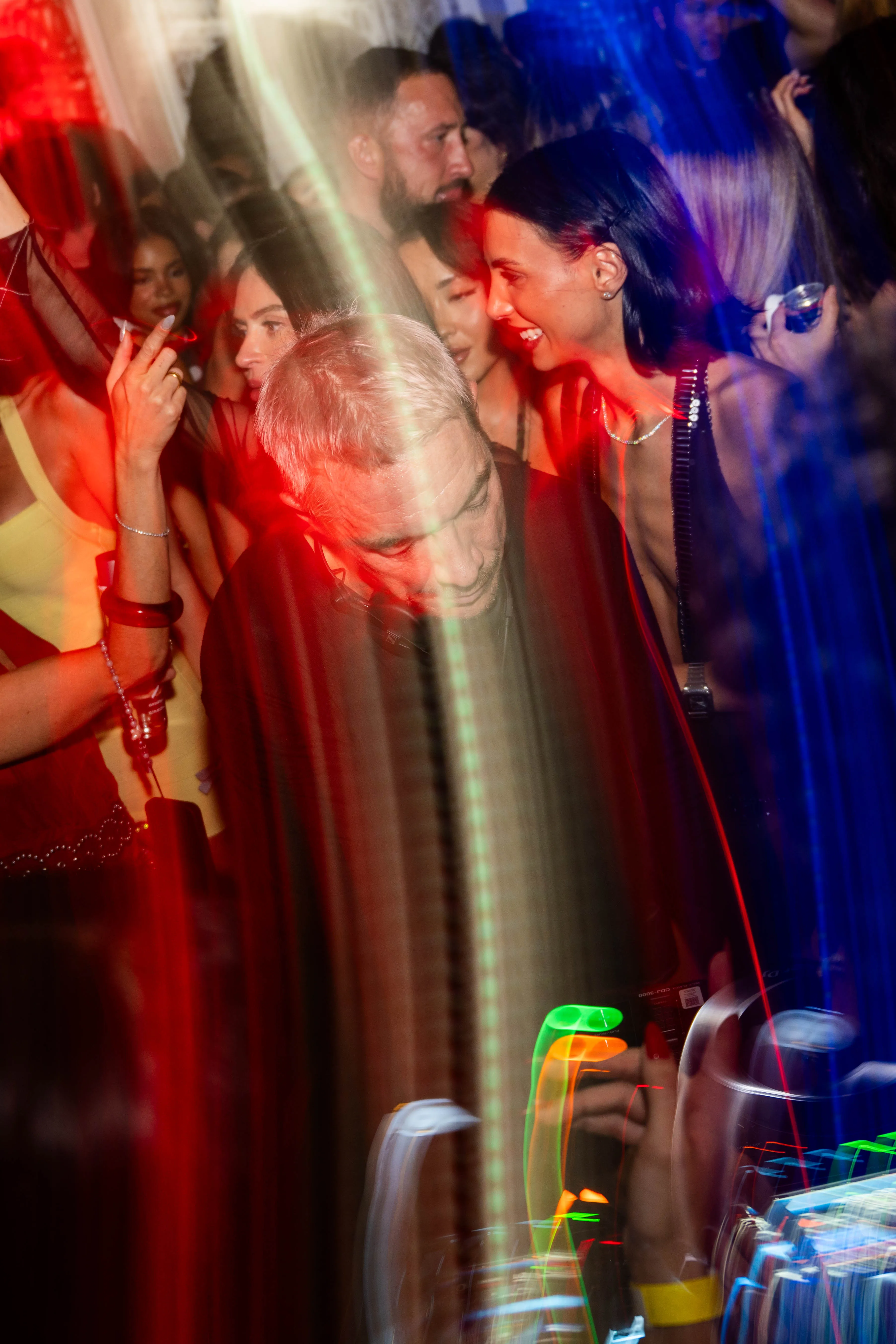
Rumor was first born out of pure necessity. Being known for someone who was 'well-connected' in the events world, during cultural weekends such as Art Basel I would get bombarded with questions like 'Can you help me get into this?', 'Do you know who's running that list?', 'What's cool going on I should go to?', etc. While I always tried my best to connect the dots, ultimately I realized that there should be a centralized place for all the information to actually live, and an experience for guests to use their social currency to find their way past the velvet rope. Looking back at last weekend, having powered the top 15 events throughout the week, it's gratifying on a personal level to see the vision come to fruition.
Did you see any patterns in how different communities—artists, collectors, performers, brands, influencers—were engaging with Rumor throughout the week?
There really is only one pattern that comes to mind, which proves our core thesis for Rumor. People want access, both to experience and information. They want to know what's going on and how to get in the door. This common denominator is what makes Rumor special. By giving our hosts the best utility to make insightful decisions across their guestlist, and the same, seamless experience to guests across RSVPs and event discovery—Rumor positions itself to align with this pattern in an intentional way.
How does Rumor adapt to events where spontaneity, exclusivity, and last-minute adjustments are part of the culture?
We've built Rumor with this exact lens in mind. Having witnessed the 'organized chaos' that comes with events first hand through my previous company, Uncommon Entertainment, we have unique insights as to what solutions are needed to adapt in real time for events of this nature. The underlying thought process is that the platform is intuitive, sharp and simple despite having complex features, in order to put hosts in control no matter the spontaneous circumstance.
Exclusivity is powerful but delicate—how do you foster trust on both sides of the platform while maintaining that sense of access?
It all starts with carefully selecting the hosts utilizing the platform. As mentioned previously, the cache around Rumor is our most unique asset—outside of the product. By keeping this level of quality control, we ensure the right events are on the platform, which in turn leads to the right guests. On the community side, we are timing our community approvals to start in Q1. After Art Basel, our waitlist is right around 40,000—we'll be slowly accepting guests who most fit the needs of our hosts to ensure the perfect match.
Looking forward, where do you see the future of event culture heading, and what does Rumor hope to contribute to the ever-evolving landscape of how people gather?
I strongly believe that IRL experiences are only at the beginning of their cultural upswing. Events have proven to be one of the most powerful drivers for growth, content and connection, with no signs of it slowing down. Rumor's positioning aims to connect the two parts of the ecosystem: people and experience, with a focus on culture driven events. Powering the connectivity between the two will allow brands, talent, producers and the likes to make more insightful decisions across events and activations through their ability to predict their audience, content and cultural impact.
Stay up-to-date with exclusive events and content.


