F L A U N T


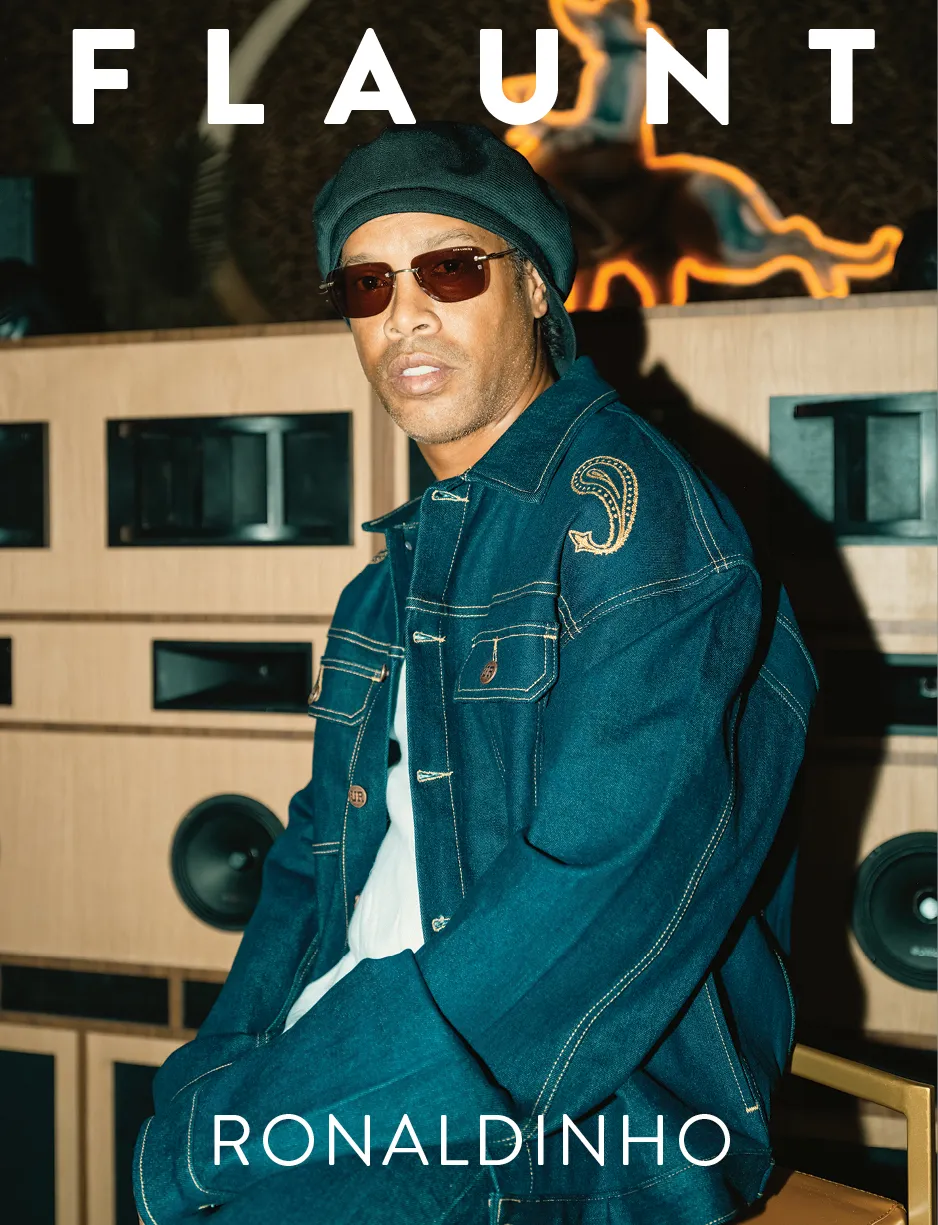
There was the smile first—wide, unmistakable, almost childlike in its joy. For a while, it became its own shorthand: “The smile of Brazil.” Then came the ponytail: black curls slicked back to perfection that swayed across the pitch. His skin recognizably deep and tan in tone, it’s a hue a bit more precious in Porto Alegre, Brazil, where he grew up, but politicized in the sport he played. There was the celebration, too: samba woven into movement, every touch was beat into the grass with a musicality that made football feel closer to dance. And then came the polish that transformed mononymous soccer legend Ronaldinho into something larger than the game itself: the oversized watches, the baggy clothes, the “Big R” chain with diamonds that danced against his chest. He wore backwards caps, donned stylish eyewear, appeared onstage with American rappers, and carried an allure of a pop star the sport had rarely seen before.
“My style has always been about what felt natural to me. The ponytail was practical, it was what I wore. The smile was because I was happy doing what I love,” Ronaldinho tells me. “I was just me being myself. When I started noticing that children were imitating me, my hair, the way I dribbled, that’s when I understood that something bigger was happening.”
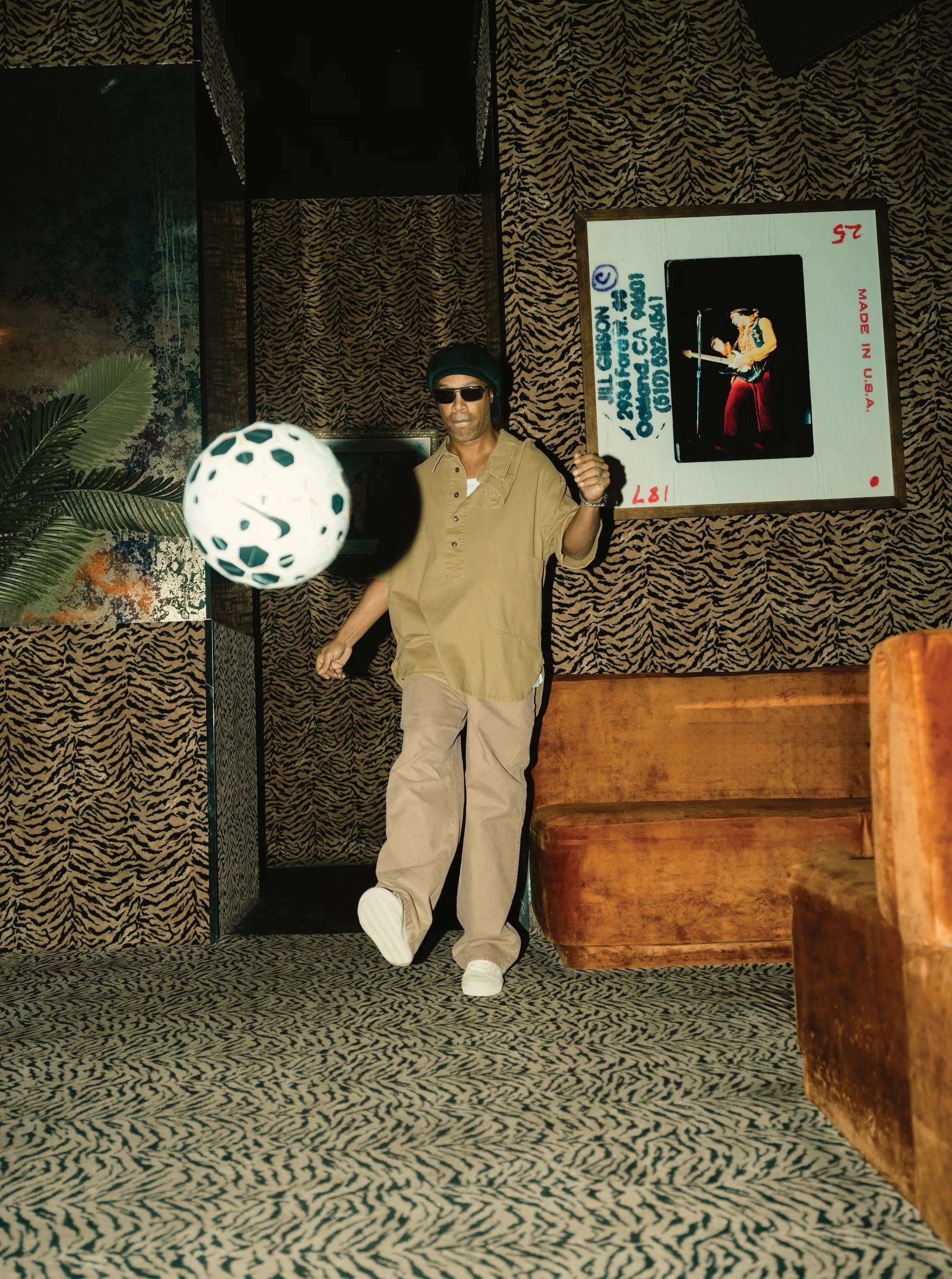
Born Ronaldo de Assis Moreira, all of those flashier characteristics worked together to make capital R-Ronaldinho, a titan of the sport, but they also helped shape what modern football would become in the early aughts. Ronaldinho, who premiered with the Brazilian elite Grêmio youth squad in 1998 before getting called up to the senior national team in 1999 (hence, earning the “Ronaldinho” moniker, which means “Little Ronaldo” in Portuguese, as Ronaldo Nazário was already on the squad), transferring to Paris Saint-Germain in 2001, and later breaking out into megastardom on Barcelona in 2003, singlehandedly pulled the sport away from pure numbers, statistics, and analytics, and brought entertainment back into it with dance, improvisation, and joy. Ronaldinho, attacking midfielder, embodied Joga Bonito, as Brazilians call it—The Beautiful Game. This was simply because he made people feel tuned into football again, without having to study the structure or have a hand in the stats of the game itself. “Joy has always been a part of me, ever since I was little,” Ronaldinho says. He speaks about music with the same ease and warmth that once defined his football. “Samba, pagode, hip-hop,” he says, ticking through genres. “Music has always been a part of my life and my career. At games, training, in the locker room. If there’s good music and my friends around, I’m happy.”
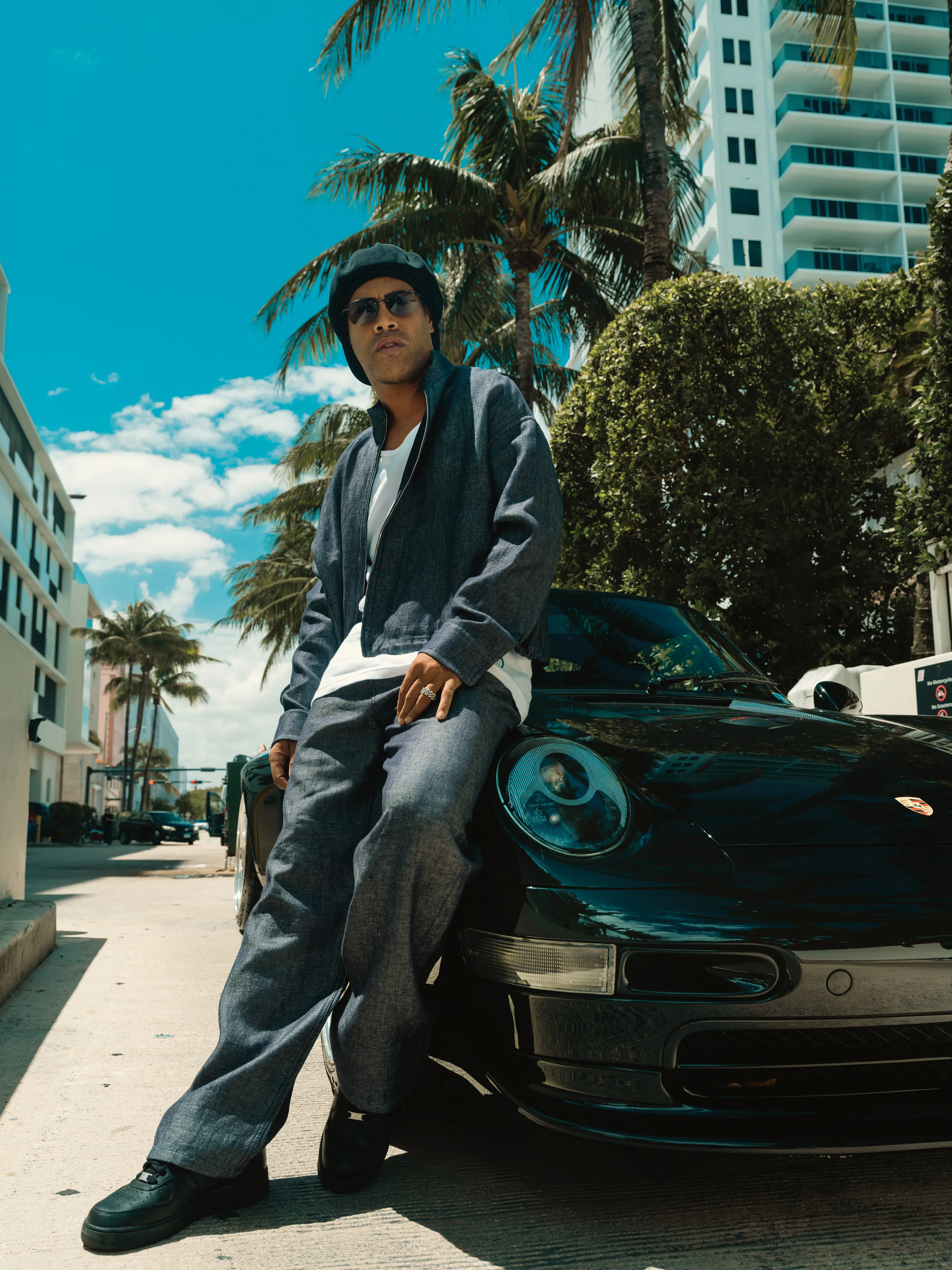
It all started in a big city, but in a small house, in Porto Alegre, Brazil, where his father formed his feet to the ball, bare. Growing up, Ronaldinho believed and was told that playing this way would make him a better footballer. But in reality, it was because his family couldn’t afford cleats. “My father and my family have always loved football. I was lucky enough to share a room with my idol, who is my brother,” he admits. His father and his older brother both played football on an advanced level, his brother achieving one of Ronaldinho’s biggest dreams just before him: playing for Brazil’s national team. “That was part of my life and my growth.” He continues, “With the ball, it was always where I felt happy, whole, and fulfilled. It wasn’t just an escape, it was my life. It was where I could say things I didn’t know how to put into words.”
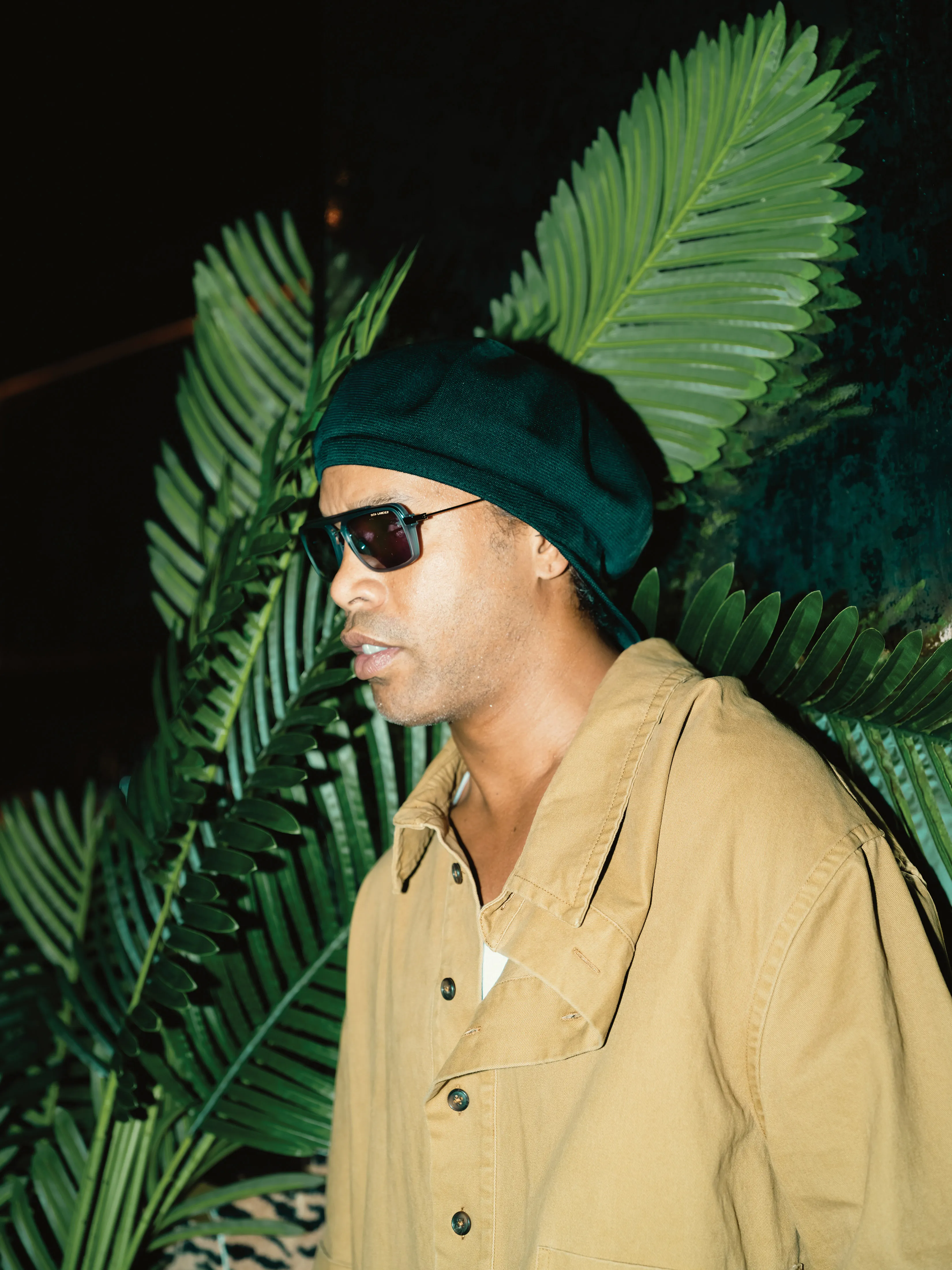
Despite his upbringing, he remained light, playing the game out of love rather than for money or a higher pursuit, while, of course, making it onto Brazil’s national team like his brother did.
“I think everything I carry with me started in Brazil, in my home, in my childhood, with my friends and family. The joy, warmth, laughter,” he says. “And the humility of knowing where I came from. I grew up without much, and I never forgot that, not even when I was at the biggest clubs in the world.” He continues, “Brazil is in me in the way I play, in the rhythm, in the smile, and in the way I treat everyone.”
He wears his Brazilian pride physically, in his smile, heard through the tongue of his accent, and on his back in the national team kit. “It doesn’t matter where I am in the world, everyone knows I’m Brazilian. I’m very proud of that,” he tells me.
It would, of course, be easy to frame Ronaldinho’s success through his numbers: he was a prolific player—with 235 goals and 181 assists in 640 senior club and international games, totaling 421 goal contributions, Ronaldinho’s peak came during his time at FC Barcelona, when he won the 2005 Ballon d’Or and the 2006 Champions League. But reducing Ronaldinho to statistics misses what made him so distinctive. He played in an era less defined by numerical output or physical obsession, and more by entertainment, because he shaped it to be that way. Of course, he was a star player, but not always the defining star of FC Barcelona during his time there. Even so, he stood out, less because he owned every stat line, and more because he restored a sense of joy, community, and delight to the club that had been missing prior due to his unconventional style of play.
Then came the wins. Multiple titles during his tenure at FC Barcelona, an on-pitch partnership with Lionel Messi that felt nearly unfair, and the rise of Ronaldinho not just as a footballer, but as an idea grew. He was, really, a dancer moving through defenders with a signature “Elastico” move, and a kind of style and seduction that made the pitch feel less like a field.
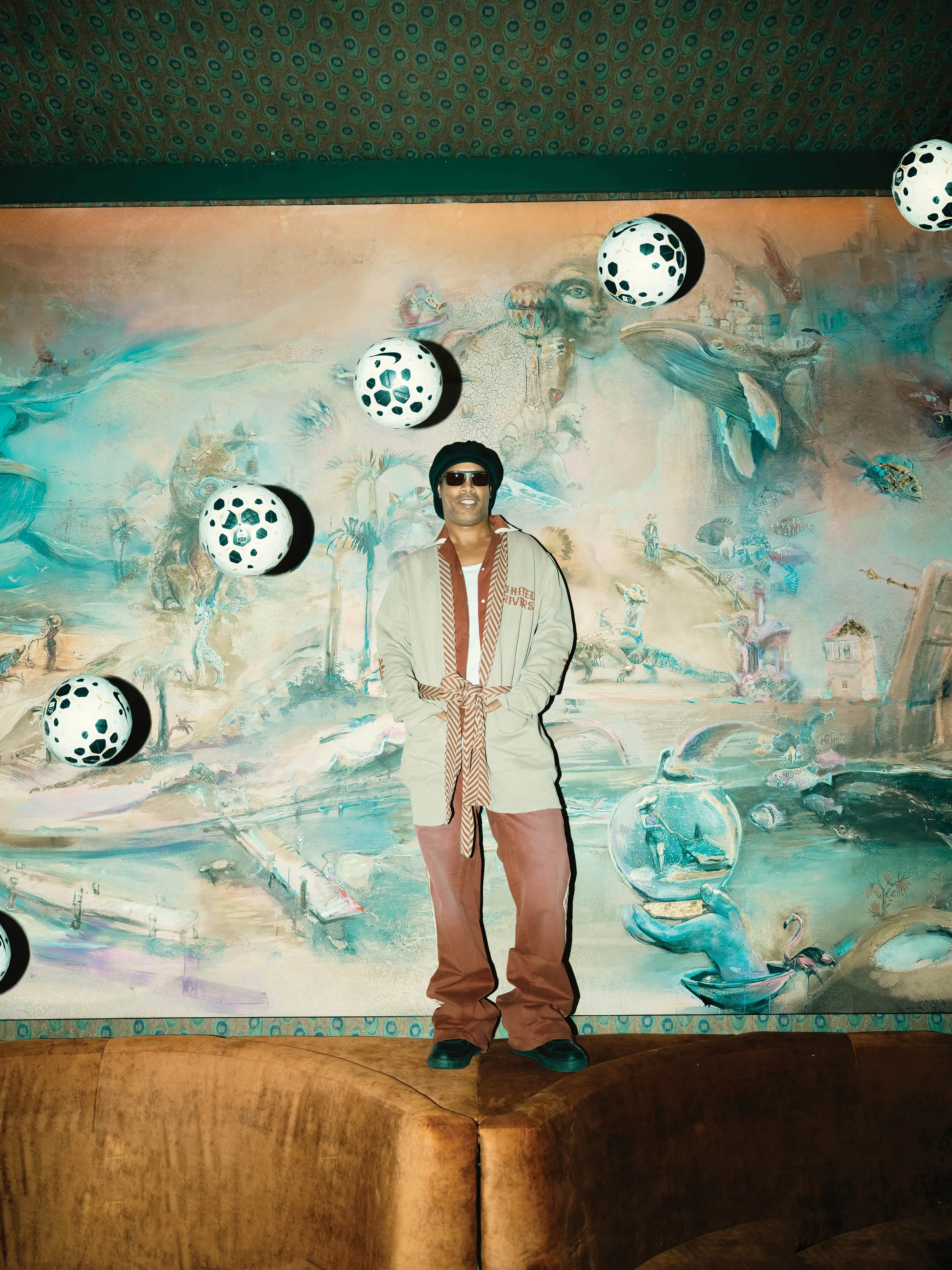
But as the grandeur surrounding Ronaldinho grew, so did the noise around him. Slowly, everything beyond the pitch began to cloud the Ronaldinho name. “I grew older, the pressure increased, but I never let that take away my smile,” he says plainly. “In fact, when the pressure came, I used it as fuel to do something even more beautiful, more joyful, and that brought joy to everyone. Happiness as a way of playing has always been my answer.”
Yet, for all the joy he brought to the sport, one question has followed him for much of his career, lingering in football circles long after his 2018 retirement: What if Ronaldinho had faced the game with more discipline? Or, at least, more “seriously,” as he addresses in his Netflix documentary. The tension between discipline and delight became central to the mythology that surrounds him. Ronaldinho played with such freedom, such visible pleasure, and his name led with off-the-pitch headlines that orbited him. And many struggled to reconcile that his brilliance didn’t follow traditional athletic prowess that was seen in Lionel Messi or Cristiano Ronaldo. To some, his joy represented unrealized potential.
He tells me he never once tried, nor has wanted to, perform a version of “Ronaldinho” designed for the world’s approval. “The Ronaldinho the world saw was the same one who woke up every day. I didn’t fake happiness, I didn’t fake a smile. What people saw on the field was what I was off the field too.”
In speaking about those difficult years, Ronaldinho acknowledges that, “Everyone makes mistakes, everyone goes through difficult, less happy phases, and I’m no different,” he says. He continues, “What I’ve learned is that you can’t let mistakes define who you are. There will always be very good moments, and others not so good.”
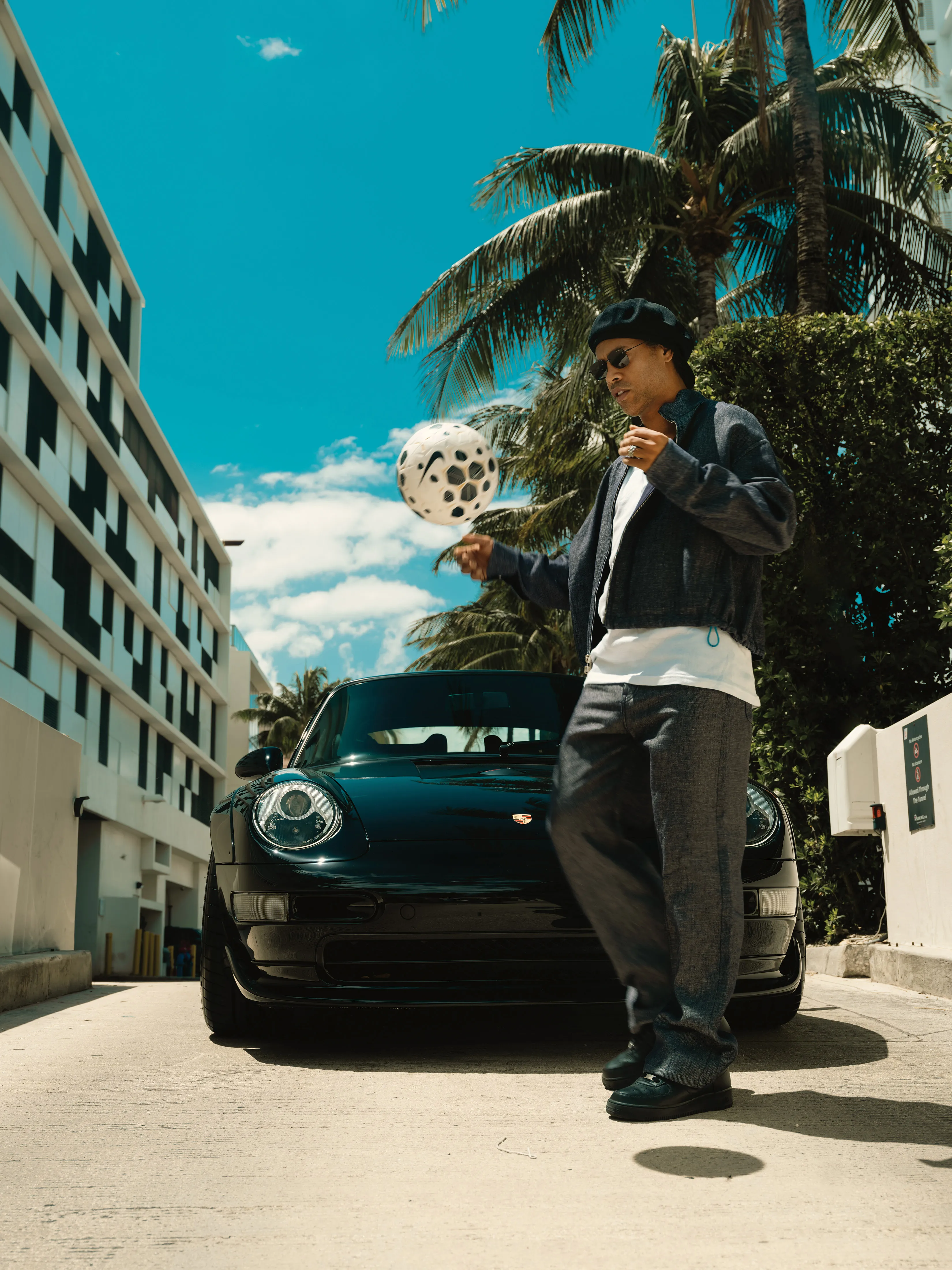
Still, the psychological weight of that period is something Ronaldinho remembers vividly. “It’s true that we didn’t talk about it [mental health] like we do today. But I always had my family close by, and that made all the difference.”
In the years when scrutiny around him intensified and the mythology of Ronaldinho often eclipsed the person beneath it, he says his family became a refuge. His mother, brother, and sister were his “safe space.” He continues, “When the burden became too big, I stayed with my family. And there was music too, which always helped me find happiness and balance.”
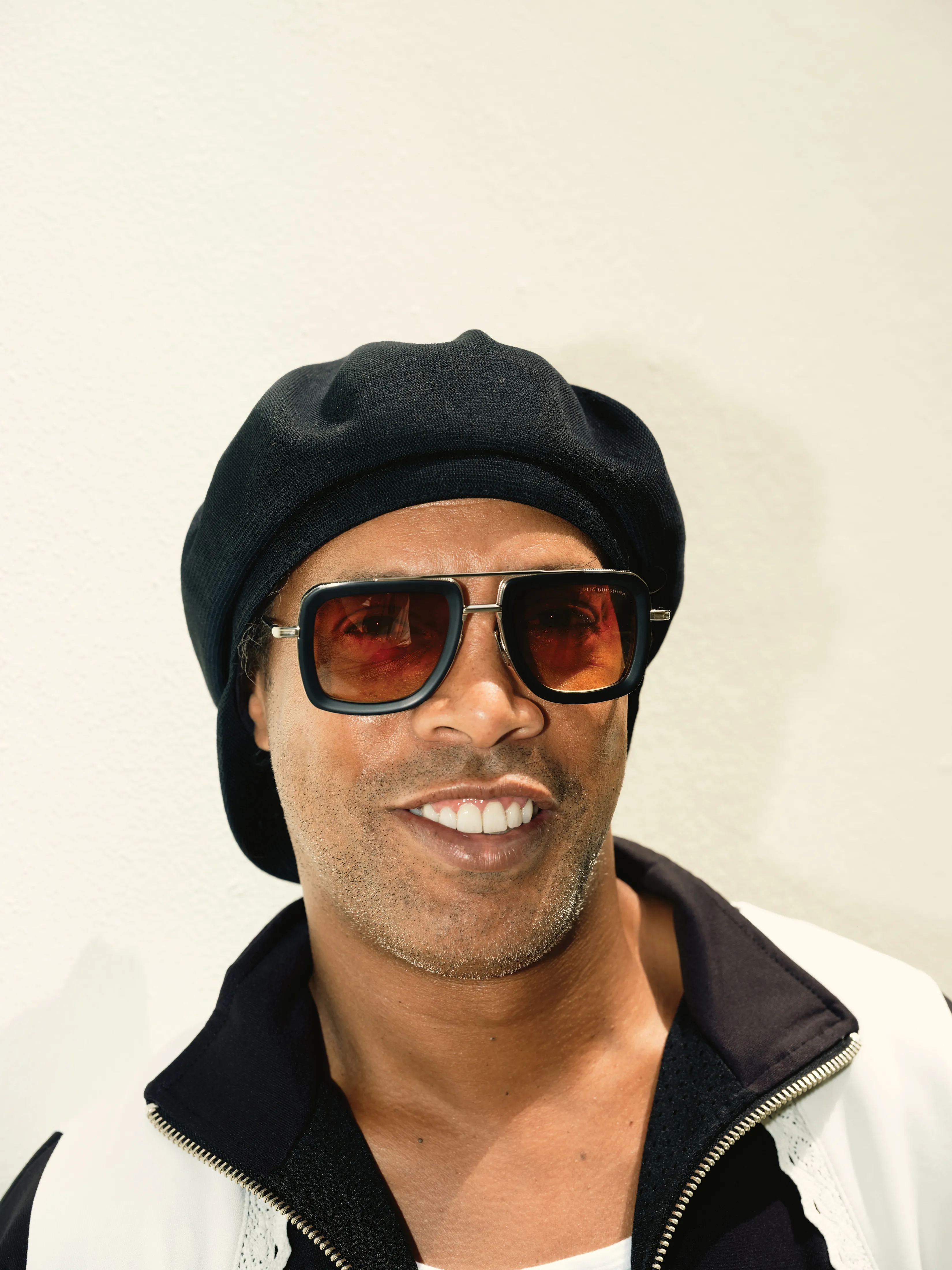
There is a striking simplicity in the way he describes coping then: retreating toward the people who knew him before the spectacle, before the headlines, before the pressure hardened into narrative. Music, too, offered its own form of escape, a return to rhythm and joy at moments when both felt increasingly difficult to access.
Now, in his retirement, Ronaldinho is leaning into those polyrhythms. This March, he debuted a new global music label, Tu Música, which is slated to release a large project in celebration of the World Cup. He’s also leaning into the fashion world, a natural step after having been known for his natural swagger and distinct personal style. In 2024, he walked in Paris Fashion Week for KidSuper, wearing an outfit plastered with his own face on it. Now, he’s partnered with DITA Eyewear to bring to life an exclusive collaboration: three frames; two of which are fabricated for high-performance environments, and one designed in a signature luxury, refined style. Timed to release this summer in conjunction with the World Cup, the designs honor both Ronaldinho’s world-famous sartorial flair and his athletic prowess, heightened by DITA’s precise engineering. The collaboration comes as a natural next step for the player, as style has always been integral to Ronaldinho’s public persona. “It has become a bit of a running joke among my friends that I basically wake up with my sunglasses on,” he admits. “I never leave the house without a pair. That’s why partnering with DITA makes so much sense to me.”
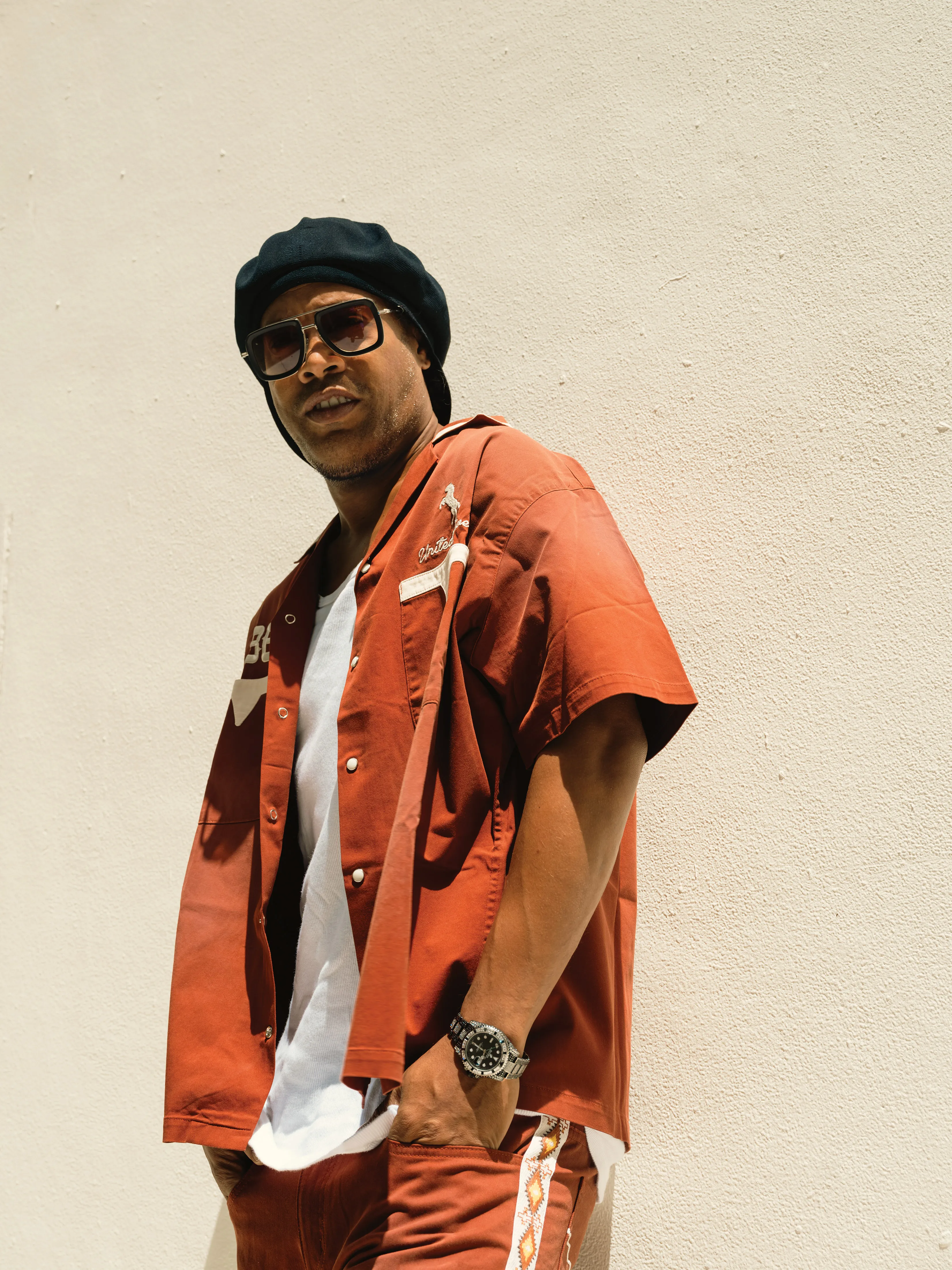
Ronaldinho hesitates to describe this stage of his life, one in which he pours himself into artistic endeavors outside of sport, as a “redemption arc.” “[Redemption] is a strong word,” he says. “I prefer [the term] learning.”
In May of 2026, at 46 years old, he steps onto the pitch in Miami ahead of a Champions League match as a special guest representing FC Barcelona alumni. There are traces of time now, gray threaded through his hair, but much of him remains unchanged: the familiar stride, the humility, the similar build that once glided past defenders in his prime. Only now, there is a noticeable calmness to him as he waves at the crowd surrounding the field. And yet, he still carries the same child-like smile.
“After you stop playing, you discover other passions and have more time for your family,” he says, explaining where his priorities now rest. Family, music, social projects, partnerships, the quieter beats of a life no longer dictated by the weekly demands of elite football.
Still, he looks back often, not with regret so much as certainty. “Today I am myself, as I always have been. What I do today, whether in music, events, social projects, or partnerships, is a natural continuation of who I am. My legacy on the field is already written. Nobody can erase that.”
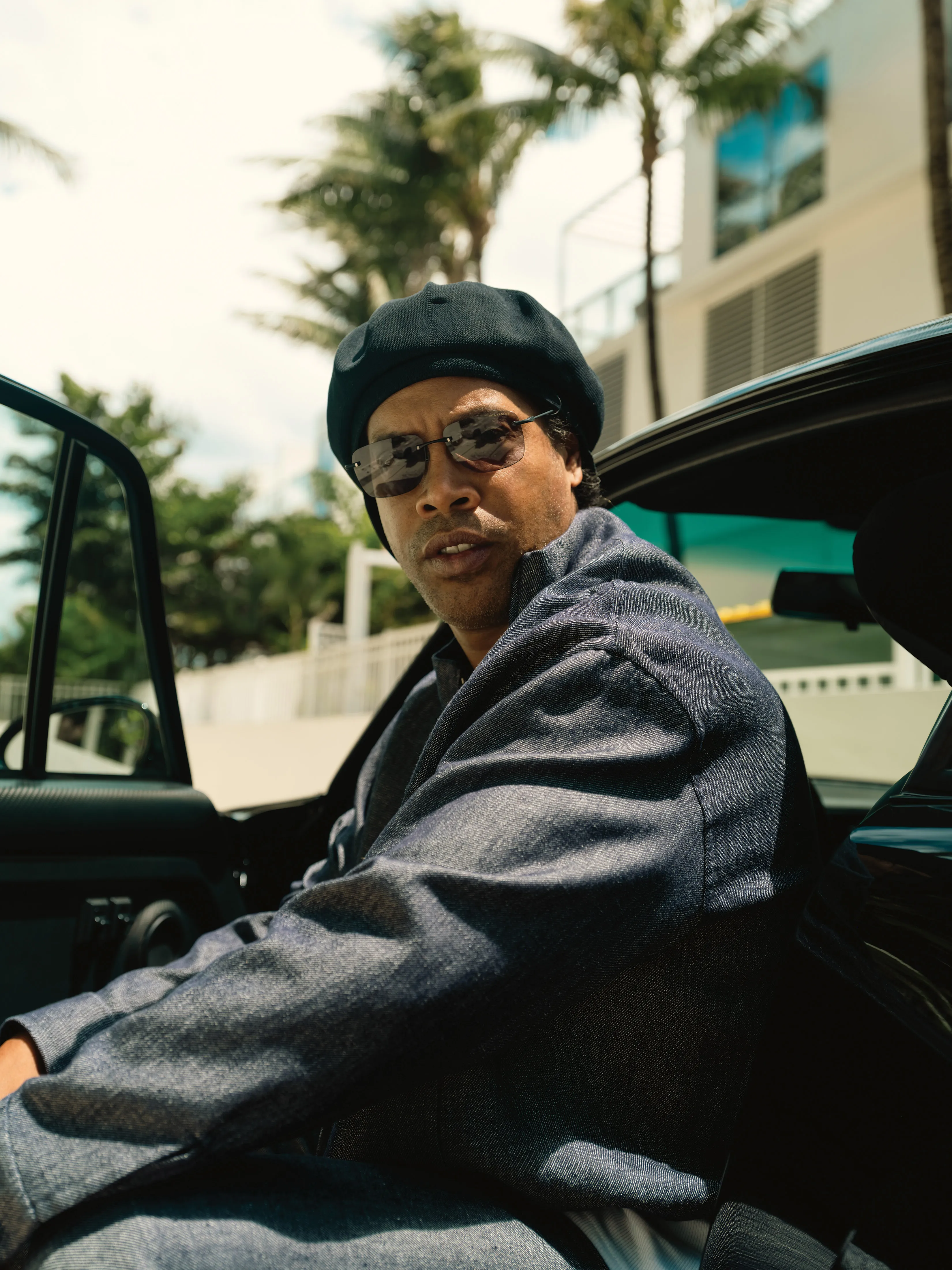
Photographed by Riocam
Styled by Julian Rios
Written by Tiana Randall
Production: Rose Thorn
Location: Mary Lou’s Miami
Stay up-to-date with exclusive events and content.


