F L A U N T


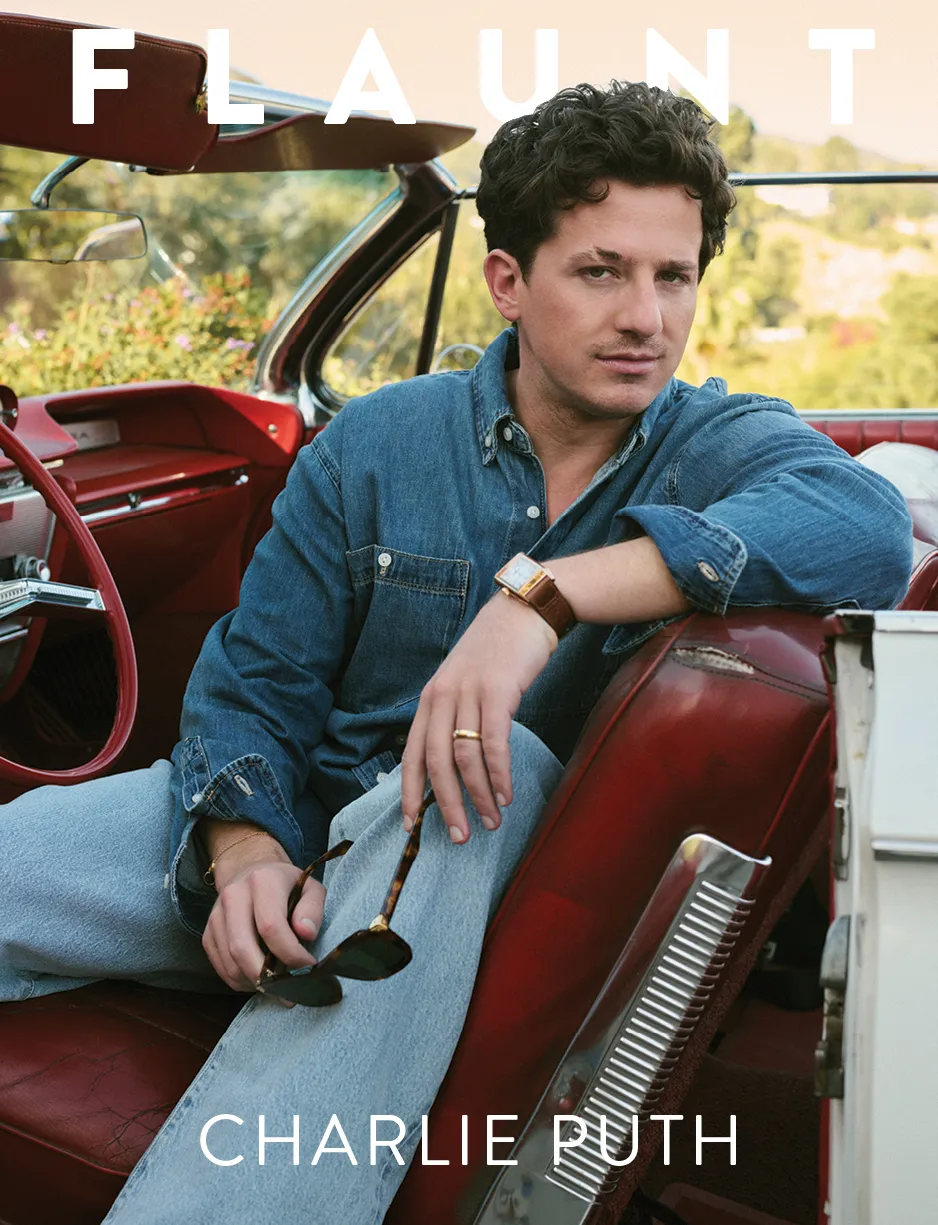
Charlie Puth is experiencing something of a comeback. I say something of, because although he’s just released his first album in almost half a decade, someone like Charlie Puth never really stops making music. Even on our call, despite being ill with a cold—the first thing he does is apologize for sounding “nasally”—he melodically relays the beat to “Faith” by George Michael in “bum, bum, bums.”
It’s no wonder Puth’s immune system has taken a hit. He’s in the midst of the press tour for his fourth studio album, Whatever’s Clever!, which has included appearances on Jimmy Kimmel Live, The Jennifer Hudson Show, a slew of interviews with YouTubers and podcasters, and a feature in the Los Angeles Times. “I think I promo-d a little too hard,” he concedes.
It’s been a big month for Puth. But the album, which dropped three days before we speak, isn’t the half of it. On March 13th, Puth welcomed his first child with wife Brooke Puth (formerly Sansone), a little boy named Jude after The Beatles song. (Puth’s Instagram post announcing his birth received a congratulatory comment from The Beatles themselves). Due to his cold, Puth is sequestered away from the new baby, but tenderly explains that he’s been stealing glances at him through a little window. From now on, he says, all of this is for him. “That’s what fuels my drive for making music officially now.”
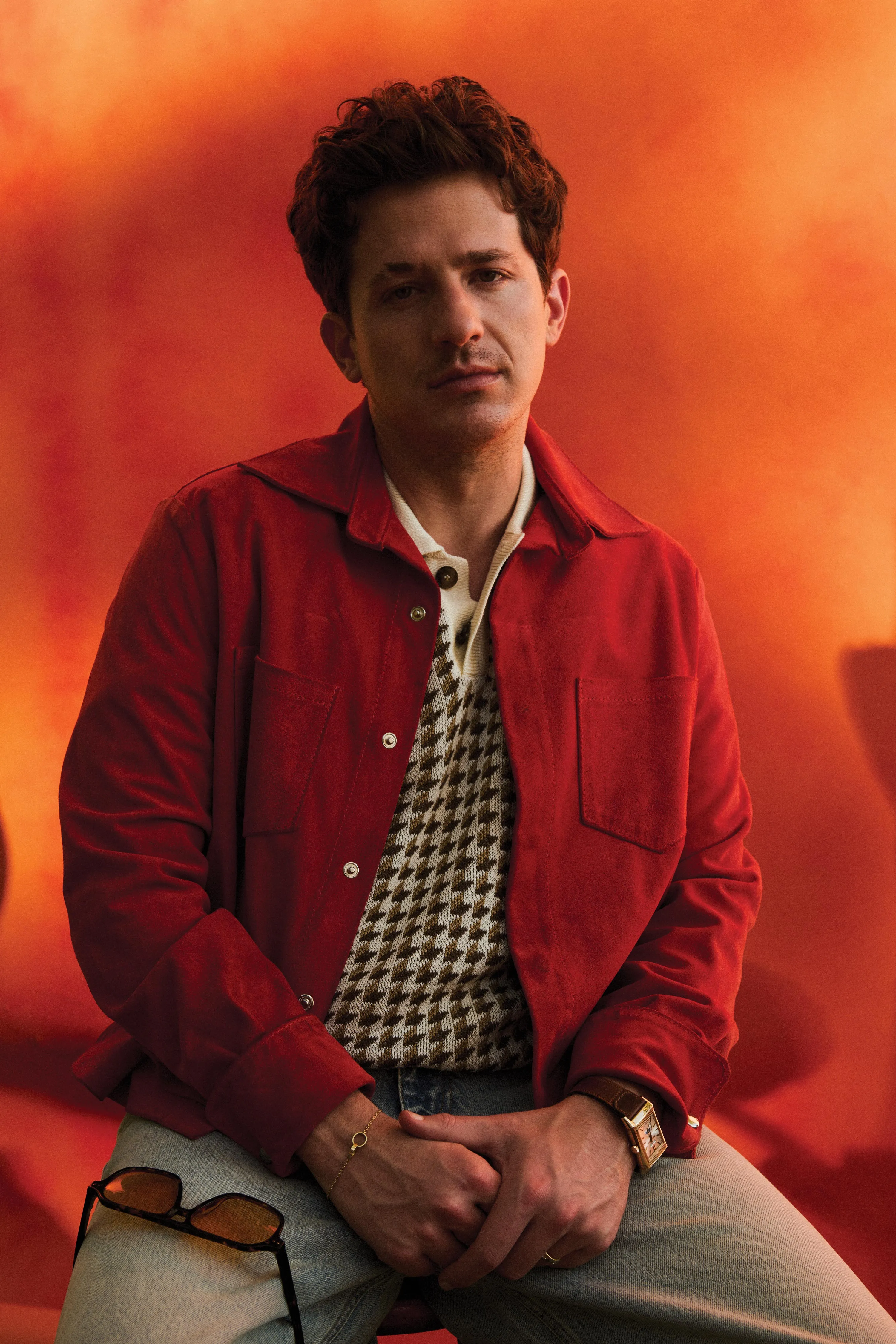
Yet Puth is in high spirits. Despite being open in interviews about feeling nervous around people, and occasionally resembling a deer-in-headlights when probed about his life before a microphone, this Monday morning, at the tail end of March, he doesn’t seem nervous at all. He chats easily and enthusiastically about home life and the album, teasing me for posing cheeky questions (I can’t resist asking who “Don’t Meet Your Heroes,” a song on the new album, is about; thoroughly media trained, he doesn’t acquiesce). His relaxed tenor may stem from the fact that ours is not a live interview, that his team is hovering silently on the call, or that (on account of his cold) his camera is off. Either way, his casual chattiness belies a world-renowned singer with just shy of 20 million Instagram followers and with four top 10 hits on the Billboard Hot 100.
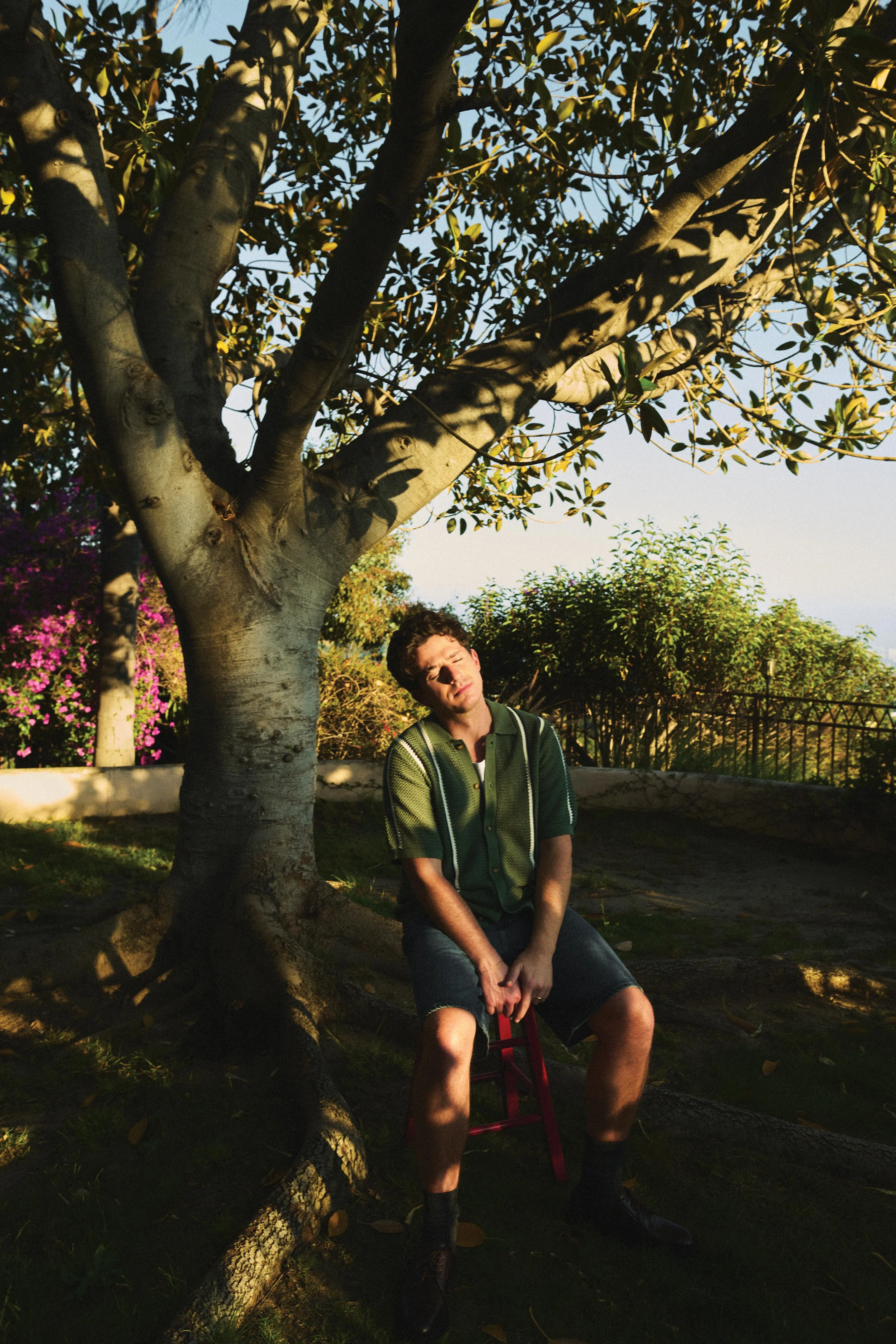
Whatever’s Clever! feels less overproduced and self-serious than some of his old infectious club hits like “Nothing But Trouble (Instagram Models).” and “Attention.” Its 12 tracks are upbeat and humorous, yet introspective. It’s also more wholesome: there’s no critiquing women for attention-seeking or being nothing but trouble. Instead, it’s a love letter to Puth’s wife, parents, and brother; a meditation on universal experiences like growing up (doing away with his performative persona), disillusionment (with his mysterious former hero and fame itself), and home (New Jersey, where he grew up, and the home he’s created in California with Brooke and Jude). “It was my collaborator, Bloodpop, who mentioned to me that there were a lot of topics that I hadn’t sung about yet. About my family, about why I acted the way I acted in the past, a young man growing up and figuring things out. ‘There’s more,’ he reminded me, and I kind of instinctively knew this as well—there are more things to sing about. That’s how you grow as an artist,” he says of the gear shift.
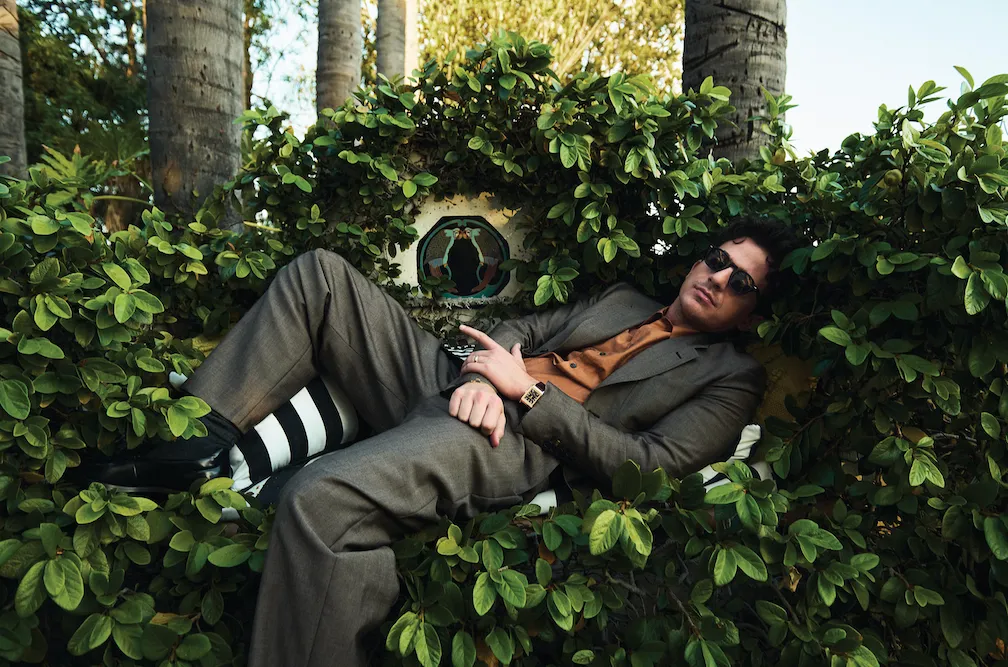
Although the album—which has been dubbed by some critics as his “best work yet”—feels more mellow than his old tracks, it’s still Pop with a capital P: inordinately catchy and easy on the ears. But it also features subtle choral, soft rock, 70s and jazz influences, and a motley of cross-genre collaborators, from Coco Jones to Hikaru Utada and Kenny Loggins. On “Until It Happens To You,” actor Jeff Goldblum, who became a father in his 60s, delivers a monologue about parents’ inevitable passing and the advice he wants to impart to his kids. “Well boys, if I could tell you one thing, don’t miss a second of it!” his voice, theatrical and instantly recognizable, booms over the jingly beat. “It was so touching. We were all crying while he was freestyling, just speaking from the heart. It was just such a nice moment,” recalls Puth.
But it wasn’t the only one that resonated with Puth on a deeply personal level. “I remember when I made the song ‘Cry’ with Kenny G…I knew I needed to write a song about expressing emotion and how it’s okay to express emotion. But there wasn’t an example that was happening to me in life at that very moment while writing that song. And then two weeks later, I see my dad’s reaction to his mom passing away, and then suddenly that song has a place in my life and now in his life…and I knew, again, deep down inside of me, something was almost like predicting the future. I knew I needed this song.” In an interview a few days before ours, Puth opened up about being hypersensitive to sound and emotion, to the point that he feels like he can almost anticipate people’s reactions to things; this almost feels like an extreme example of that.
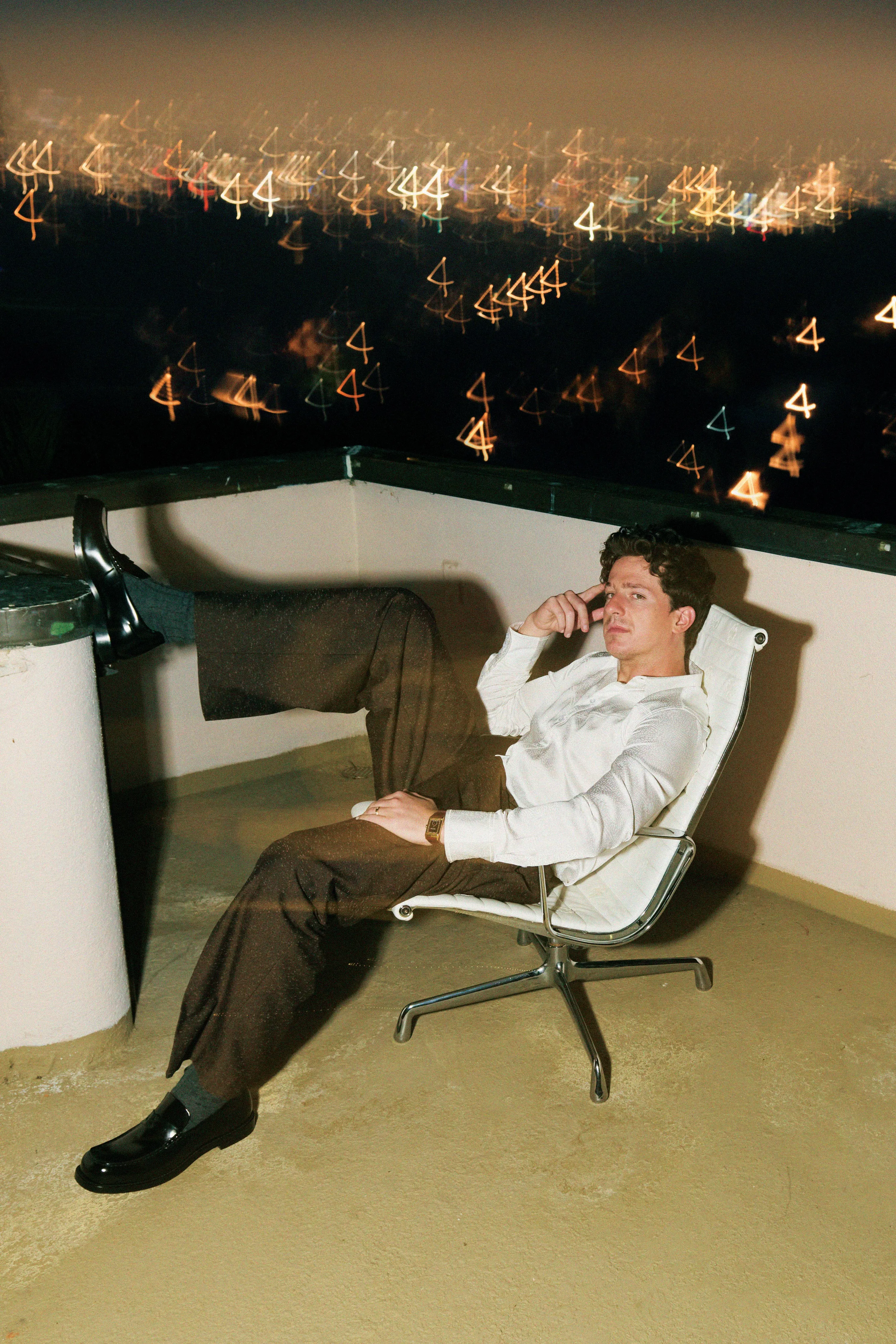
In February, Puth stood, admittedly nervous, behind a keyboard in Levi’s Stadium to deliver the National Anthem at the Super Bowl. Was it strange to sing a nationalistic song at such a fraught time in America’s history? “My goal there was to make the point that as divid—,” he stalls for a second, unsure of how much to say; of how to get his point across. “I’ll say it like this: as divided as this country is, I believe in two minutes of music. If I do a good job, maybe there’s a moment where however many people were in that stadium, maybe there was a moment of musical unification. My goal was to honor Whitney Houston and just do a good job musically. And realizing that we live in a very divided country, maybe the chords could bring people together just for a moment. At times I feel a bit helpless, but music is the thing that I lean on.” He adds that Bad Bunny’s performance was “one of the most impressive performances I’ve ever seen.”
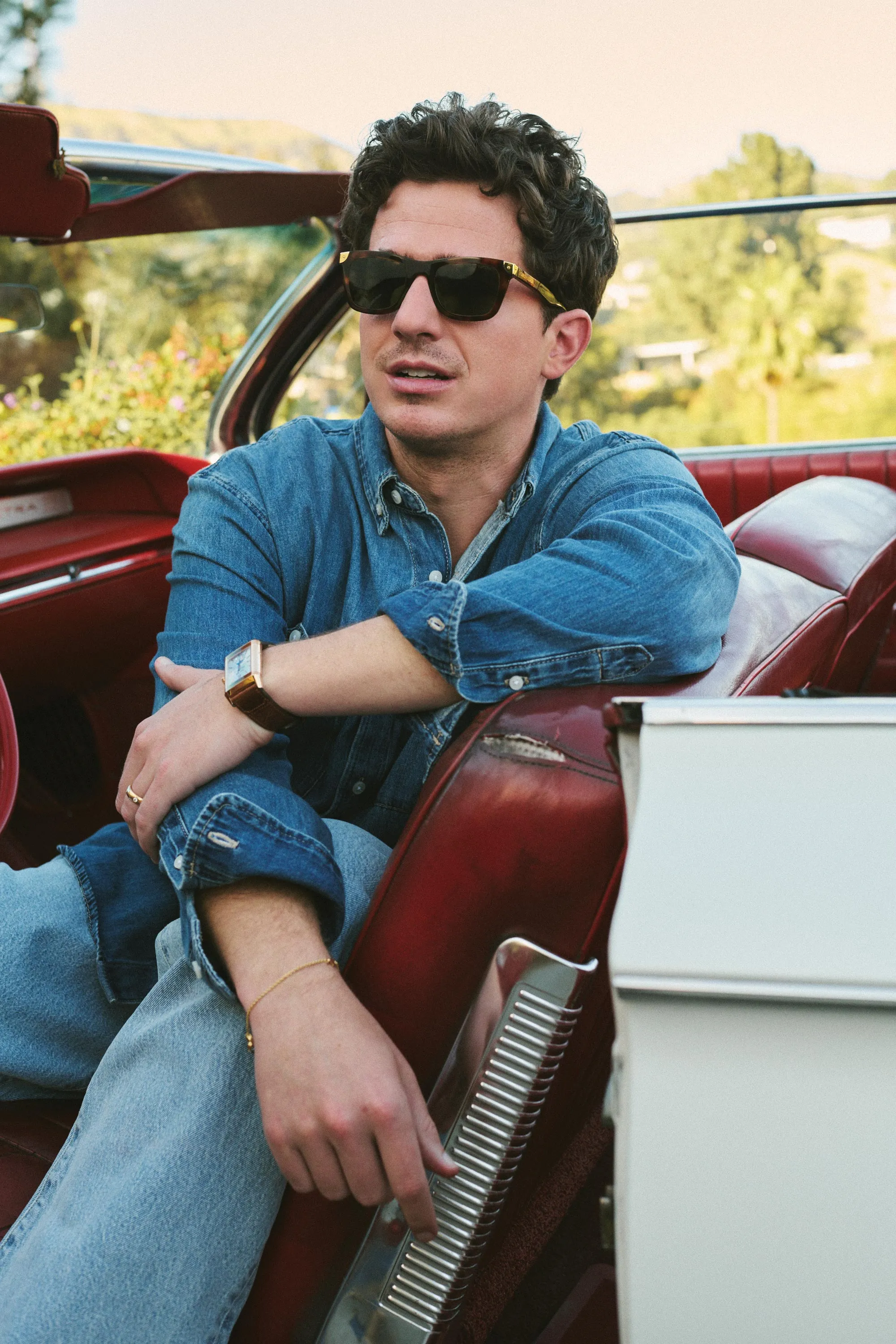
The show was a harbinger of gigs to come. On April 22nd, Puth will embark on a tour across Europe and the US, including his first time headlining Madison Square Garden, a signifier of having made it for both athletes and entertainers. Is he nervous about the tour? Not in the same way he was nervous about the Super Bowl. “I am nervous about having a new child, and just immediately, I’m just speaking honestly, going around the world. At times, it will be…because I won’t be able to be with Jude. But it will be worth it when I do see him, which is going to be a lot. I’m very fortunate that I can work things out to have my child around me as much as possible.”
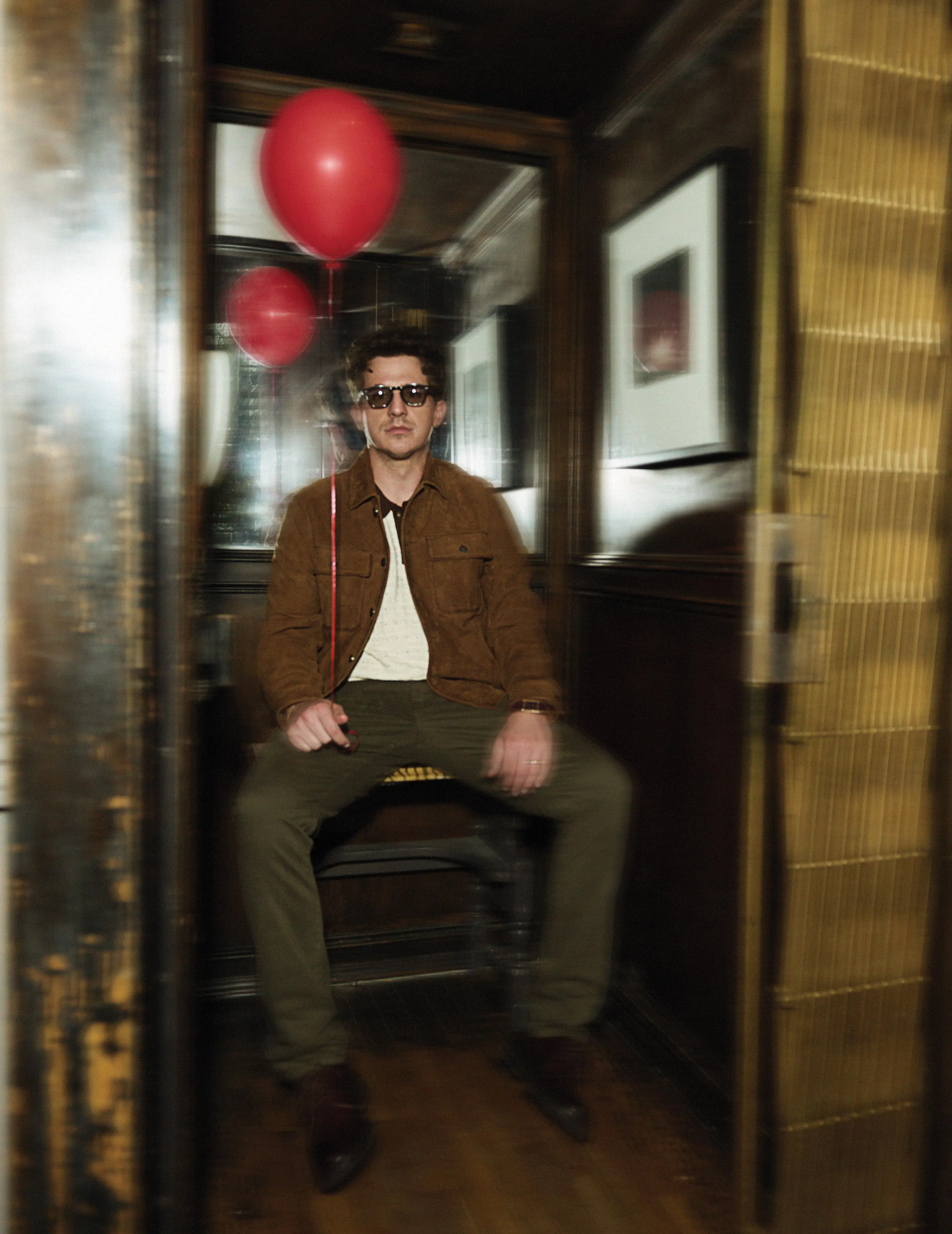
Puth’s is the kind of 2010s come-up story you rarely hear anymore: he rose to popularity covering songs like Sia’s “Chandelier,” and Demi Lovato’s “Skyscraper,” on YouTube, and broke into mainstream success when he was featured on The Ellen DeGeneres Show at 19. Yet despite coming to fame (and heartthrob status) young and impressionable, Puth has somehow evaded major scandal, cancellation, and a public struggle (at least outwardly facing). Given that he lives in Santa Barbara (as opposed to Los Angeles, the epicenter of all things celebrity) and his wife is a digital marketer he’s known since childhood, this likely isn’t incidental. “My life is so noisy and so exciting and I’m so grateful for it, but I really want my life outside of the recording studio, outside of the stage, to just be as normal and as conventional as possible,” he confirms.
Has he ever chewed on the idea of giving up fame? Of doing something else entirely? “I never considered doing anything else because, even now, as I speak to you with a head cold and having just done all this promo and all of this work and I’m not feeling my best right now—it’s still all worth it to me because music is out in the universe now. Thoughts that were originally in my head were configured into sounds, and now they’re actual memories that other people can have memories to, that live out in the atmosphere...I know that I’m an artist and I have to be in front of my music, but it’s really not about me, it’s about the person on the other side listening to it.”
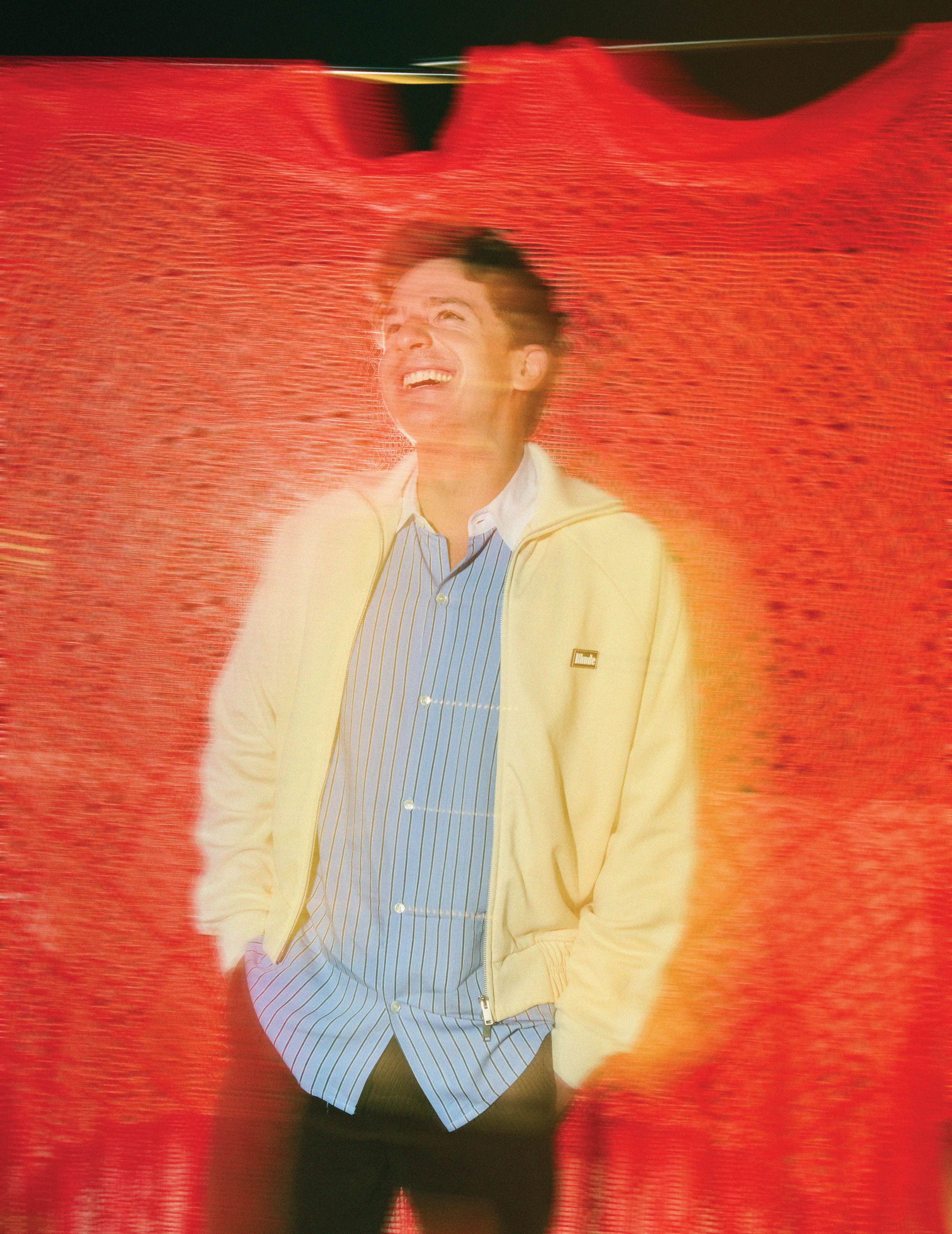
Many of us have comfort objects: a childhood toy, a necklace strung with religious iconography, crystals, and increasingly, our phones. Puth’s is a keyboard. More often than not he has one before him, professing in interviews that that’s how he feels most at ease. (Though he’s sick and likely lolling across a couch or bed, I can still imagine him with a keyboard before him). It’s a skill-cum-coping mechanism, whatever you wish to call it, that he’s determined to bestow to others: “The reason why I even do this is because I want people to pick up an instrument. I want them to pick up anything, any instrument, any painter’s utensil, and I want them to express themselves through art because it seems to be—not a dying culture, but it seems to be not highly regarded as much as it used to, especially in schools in America. And I really want the arts to be in the forefront of people’s minds, always.”
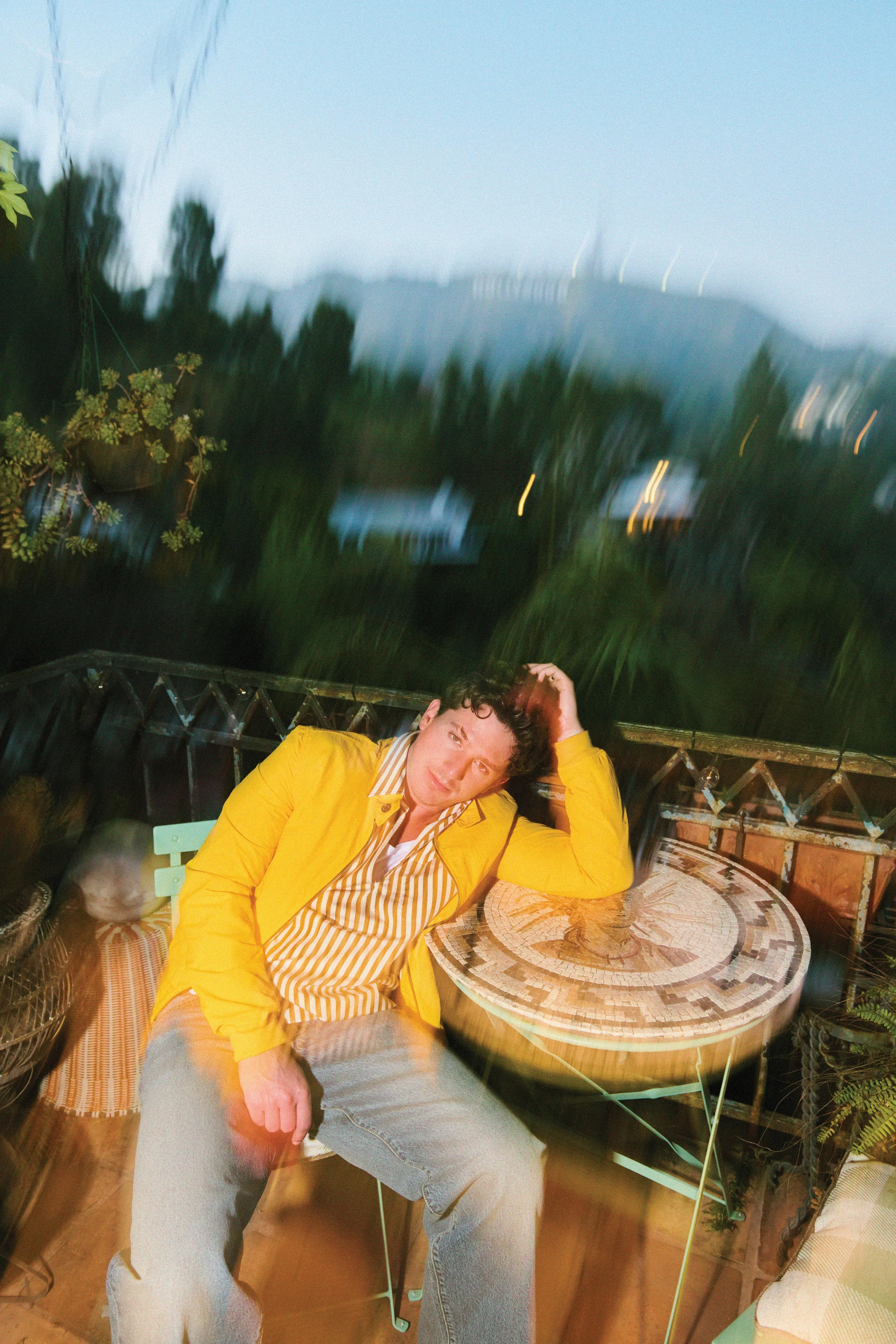
In researching and chatting to Puth, what’s glaringly clear is that he’s not a career popstar, in the same way that your local, impassioned councilman isn’t a career politician. Rather, he’s a music nerd who casually reels off types of organ, someone who, if it wasn’t Madison Square Garden, would be performing at a friend’s birthday party. “I’ve played at friends’ birthdays before,” he confirms. “You can move a room with chord changes…that anticipation, the acoustic guitars are coming, your body just moves…And that’s the power of sound. And that’s what I was trying to encapsulate on this album. I’m preaching the power of sound and I get to participate in the power of sound every day.”

Photographed by Ian Morrison
Styled by Christopher Campbell
Written by Juno Kelly
Grooming: Rachel Burney at The Wall Group
Flaunt Film: Jonathan Ho
Flaunt Film Editor: Roberto De Jesus
Colorist: Juliana Ronderos
Digi Tech: Michael Seeley
Photo Team: Justin Seeley
Styling Assistant: Sophie Saunders
Stay up-to-date with exclusive events and content.


