F L A U N T


For over 20 years at Noma in Copenhagen, René Redzepi cultivated a mythology of blended berries, mosses, ferments, and fleeting seasons, each dish an edible thesis to the pleasures of paying attention. With repeat appearances as global #1 on numerous reputable lists, Noma is a tour de force. Since its founding, the restaurant morphed in different ways, from test kitchen to experimental pop-up space. Noma is running its current season until the end of January, after which the brand will see many different projects unfold, with a larger focus on research and innovation, serving guests from time-to-time in Copenhagen and abroad.
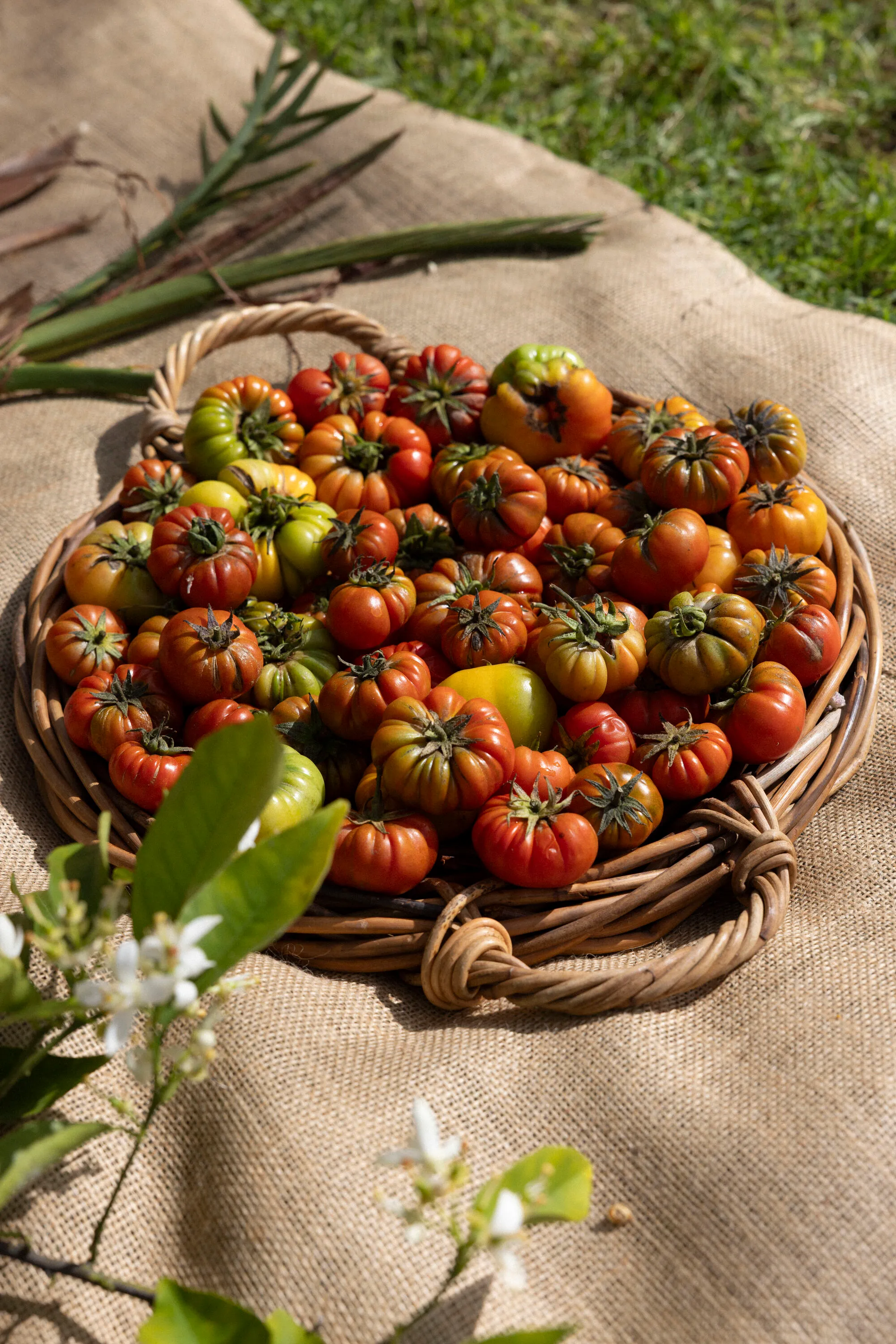
But now Redzepi eyes our dear City of Angels with a sixteen week 2026 residency. Noma’s next chapter will embrace another coast of imagination, where freeways and citrus groves may prove as inspiring as Nordic fjords. This spring, Noma will introduce a multi-pronged presence in Los Angeles, with the dining residency and a Noma Projects shop in Silver Lake, and a slew of other events and partnerships hosted across the area. With support from local vendors and ingredients sourced within a 300 mile radius, Redzepi aims to synthesize the Noma’s intrepid spirit with the zany and diverse offerings of the West Coast.
In addition to these culinary endeavors, Redzepi aims to uplift the existing communities of LA: Noma will be partnering with local programs, directing 1% of revenue from public bookings to dinner programs for school districts throughout the area, administered through Copenhagen-based sister nonprofit MAD and in partnership with Brigaid. Additionally, Noma will be offering an Industry Table night, where young industry professionals are invited to apply to attend Noma LA, on the house, with the intention of nurturing those just starting their careers in hospitality.
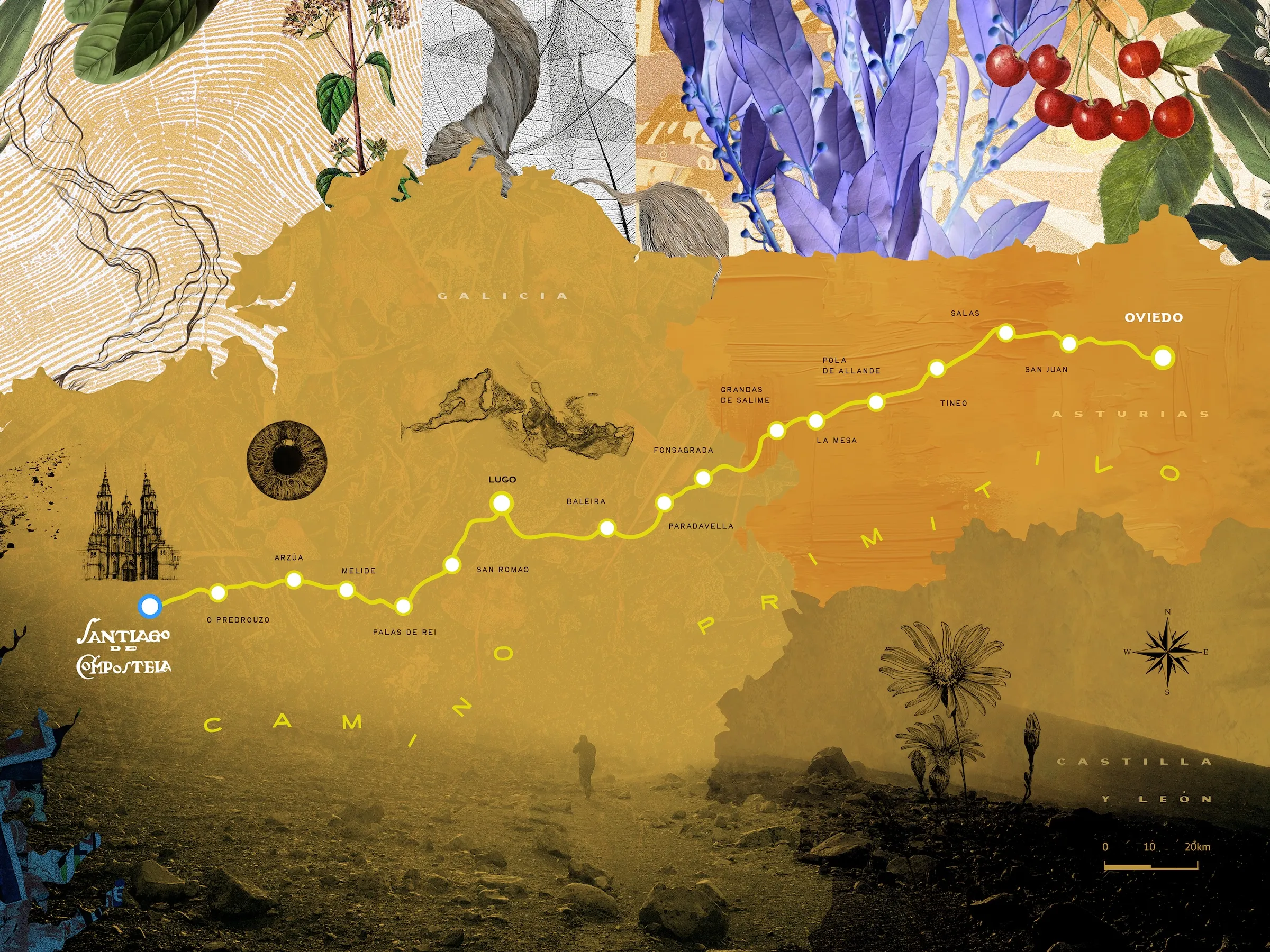
Redzepi spends a great deal of his free time traversing the wilderness on foot. Below, he shares some of his favorite hiking trails, drawing parallels between culinary creation and meditative walking, as well as what he might conjure in Los Angeles. In the spirit of this monumental 200th issue, Redzepi nominated a trail—the Camino de Santiago—depicted to scale herein, which canvases 200 miles and evokes a certain kind of mimetic joy—not a cloying, sentimental joy, but the sharp, crystalline kind that stupefies; joy that feels like biting into something that you didn’t know you were hungry for.
***
“Walking is one of the most progressive things you can do. Walking is taking your time—it’s reflection, it’s physical, it’s a true analog experience in a digitalized world. Over the years I’ve done many incredible trails. The longest one is the Shikoku 88 in Japan, where you visit 88 temples over 1,200 kilometers. The most strenuous trail I’ve done is in the Caucasus Mountains in the country of Georgia—high peaks where the air gets thin, loose shale under your feet, dangerous descents where one bad step could send you down the slope. The ones I’ve done that have been—I don’t want to say the most enjoyable—but the ones where you needed to think least about: Where will I sleep? How will I sleep? What will I eat?—are walking any of the Camino de Santiagos. I’ve done three of them myself, and I would recommend the Primitivo, a medium-distance trail with incredible nature, starting in Oviedo and walking inland all the way to Santiago de Compostela.
Walking is experiencing the micro-seasons of a day: you feel the cold of dawn in your bones, you hear the insects rise with the sun, you taste dust in the afternoon, and then the stillness that comes before evening. What we try to do at Noma [is locate] a feeling of time and place. We ask ourselves all the time—what does today taste like? And through our imagination and creativity we try to surprise our guests, and put them in that place, that mindset. I find walking does the same: it puts you in a time and place, more than any other way of traveling.
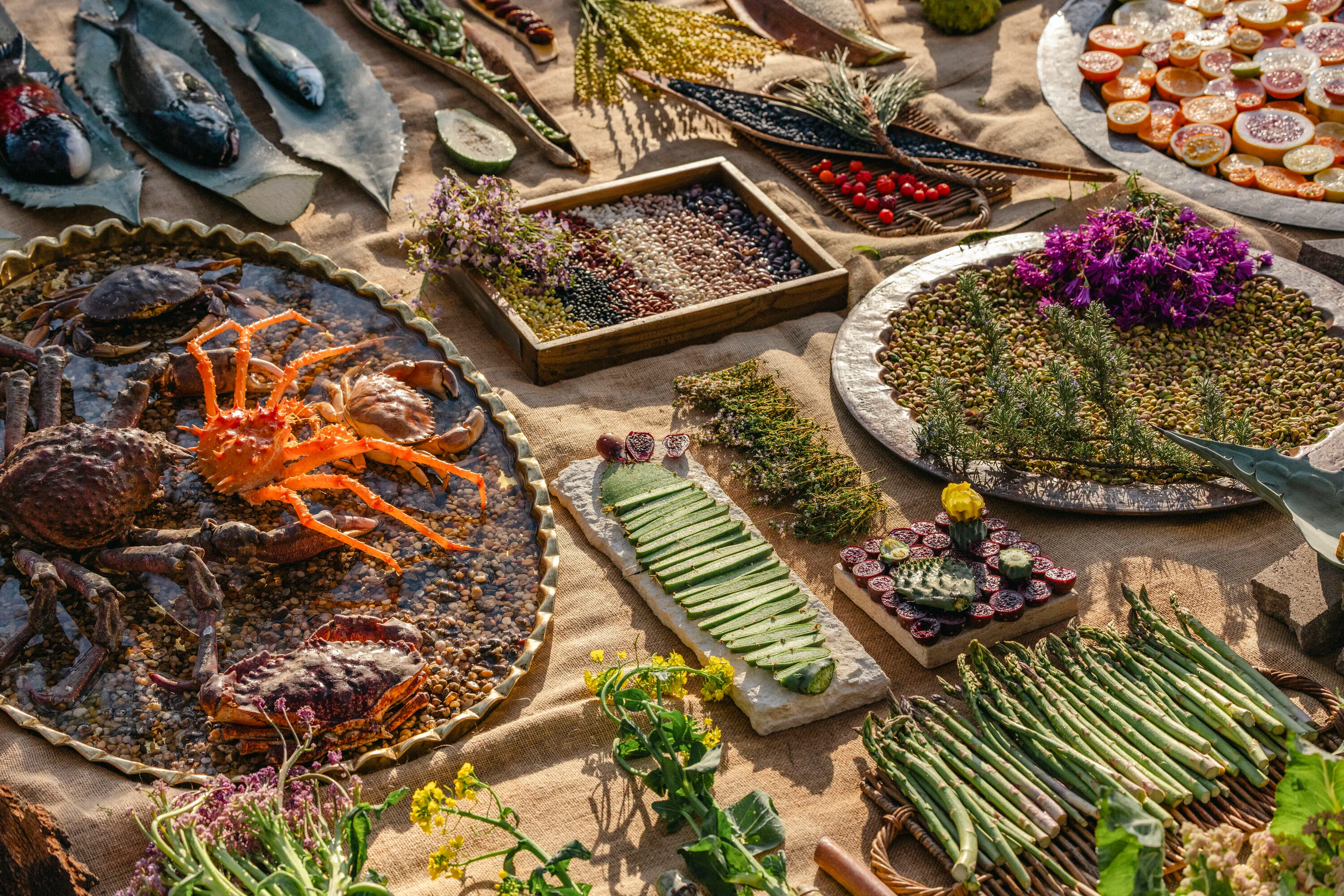
The great thing about walking on a longer trail is that you’ll typically experience several different landscapes: farmland, meadow, farmland again, then meadow, the peak of a small mountain, coastline, places where the temperature suddenly drops ten degrees just from the altitude. And so when you walk in a place like Asturias or Galicia in Spain, you find in villages and farmland bushes of bay laurel—the smell when you crush a leaf between your fingers—wild fennel everywhere with stalks brushing against your legs, oregano hanging to dry on porches. And then, as you move more into the landscape, you see sorrel with its tangy leaves, wild asparagus poking out of the soil, thistles standing sharp, and fruits: wild cherries, and if it’s the right season, wild strawberries, sweet and tiny. But of course, for all of this to be noticed—or to be eaten—you need to know where it is and how to look.
When I go on my walks, it’s to clear the mind first. It usually takes me about a week to really relax. And it’s not relaxation in the sense of lying down—I’m walking 30 kilometers every day—it’s very physical, but the mind relaxes. You feel it almost as a thump in the skull after a week, like a pressure valve opening, your brain just goes poof. And then, depending on how much time you have, with each passing day or week, you start seeing the future clearer: What’s next? That’s how LA came to be.”
Stay up-to-date with exclusive events and content.


