F L A U N T


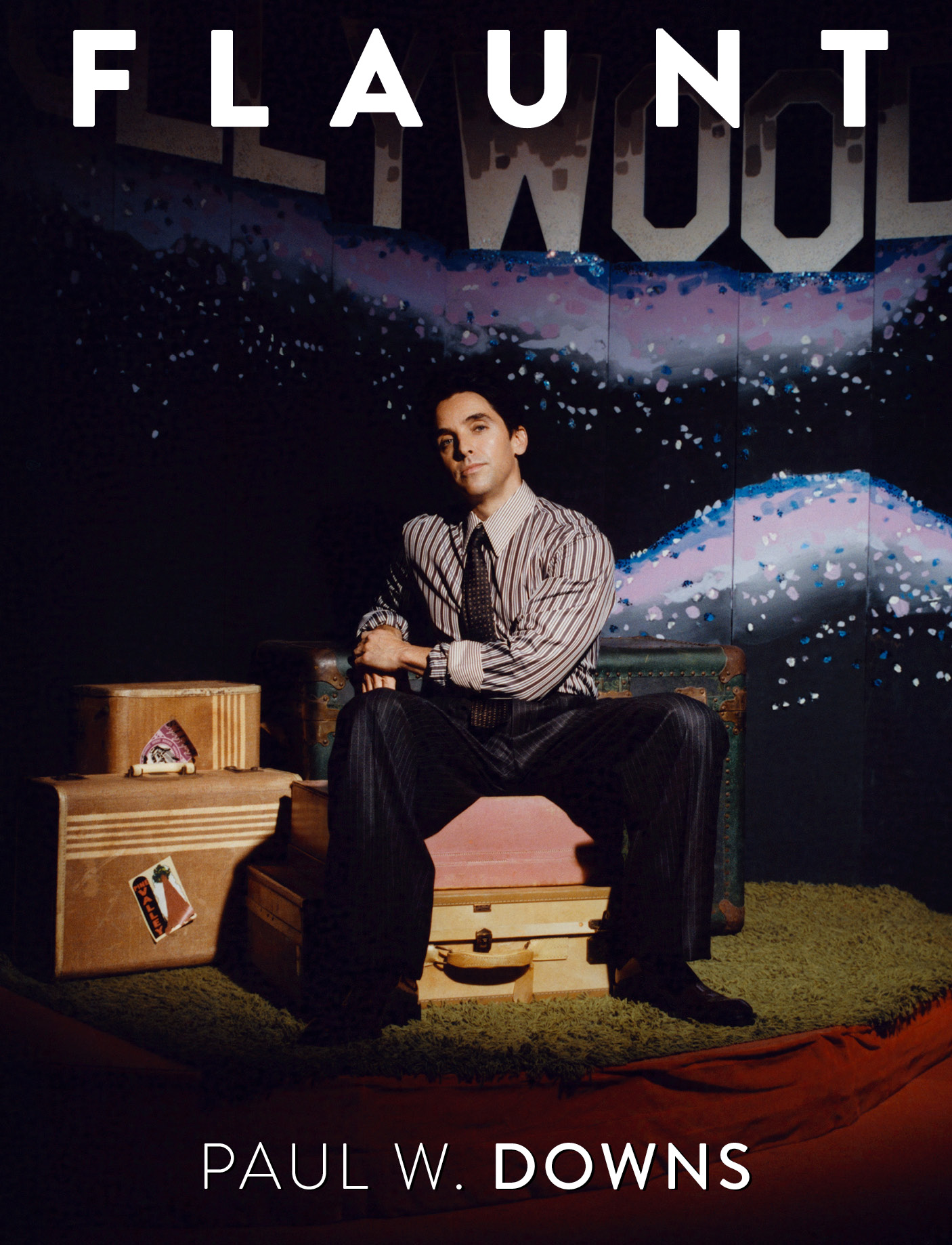
“Am I being too comedy nerd? Paul W. Downs asks, mid-sentence, mid-interview, mid-lineage—in the last 10 minutes, he has run down a list of improv technicalities and is now found four names deep into a genealogy of comedy duos that started at Abbott and Costello and is headed somewhere toward Lucy and Ricky—and he sounds pretty concerned about it. “Oh my god, I’m being too comedy nerd.” He could not be more comedy nerd if you handed him a whiteboard and a pointer.
He is also wearing a baseball cap that reads SCHAEFER & LuSAQUE, the name of a talent management firm that does not exist, founded and subsequently lost within the fiction of Hacks by the character Downs plays, a manager named Jimmy LuSaque Jr. Paul W. Downs is, professionally speaking, a man who dons many hats—co-creator, co-showrunner, director, executive producer, and Emmy and Golden Globe winner. Today, we are here to mainly discuss one of these hats—the one that belongs to LuSaque Jr., who he’s repping on his head today.
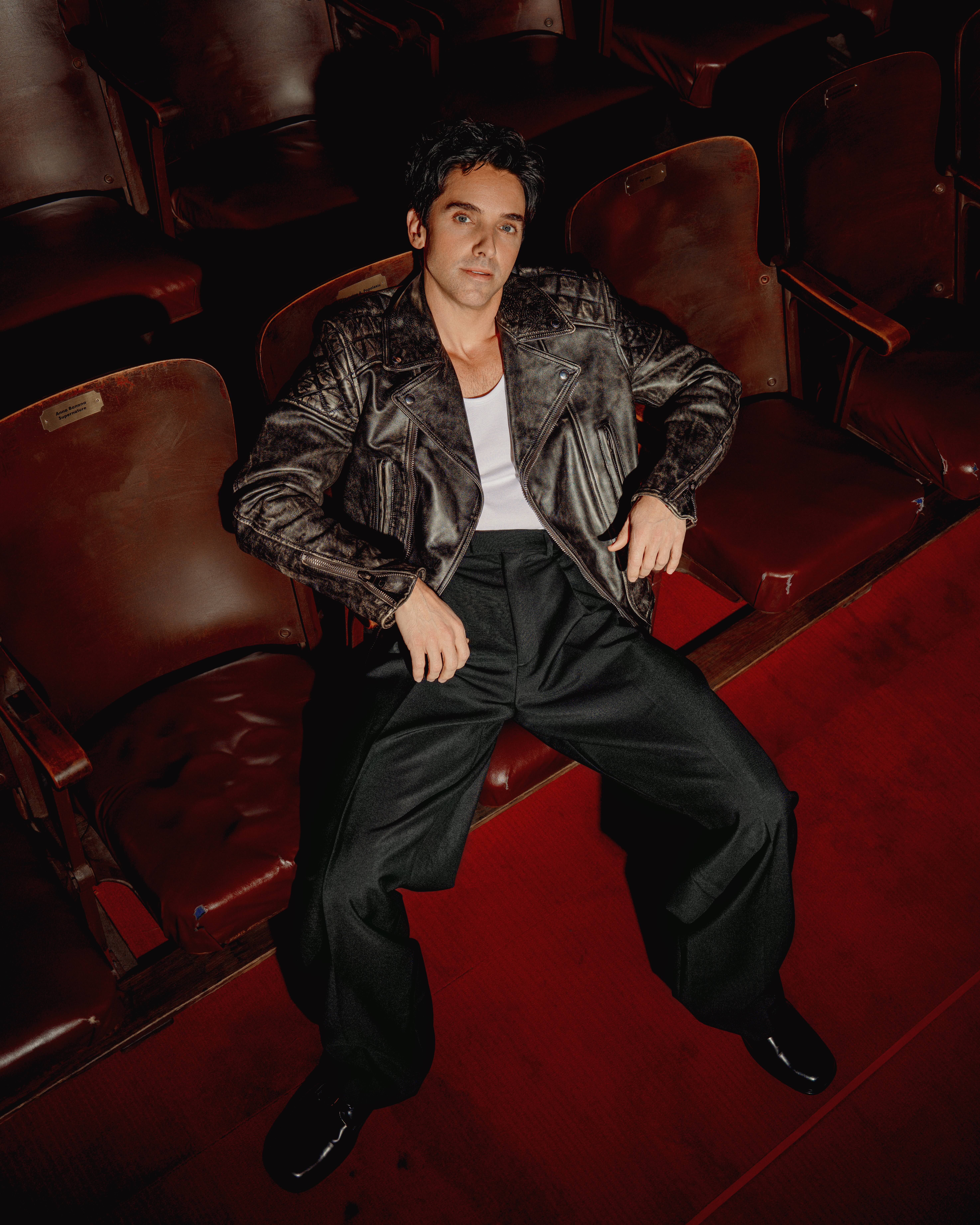
For the record, this is a very significant week to be on a call with Paul W. Downs. In case you haven’t looked up at any billboards whilst driving through Sunset Boulevard or Melrose Avenue in the last few months, allow me to deliver the haps: Hacks, which he co-created with creative partner and wife Lucia Aniello and best friend Jen Statsky in 2021, closed its fifth and final season this spring with 24 Emmy nominations—the most any comedy series has ever received in a single year. Hacks follows Deborah Vance, a less-than-velveteen Las Vegas comedy legend whose residency is quietly dying, and Ava Daniels, the blacklisted young writer hired to punch up her act—a partnership that begins as mutual contempt and becomes, over five seasons, the central love story of both their lives.
The show’s yearly nomination haul has climbed with accumulating inevitability: 15, 17, 16, 14, and then, for the finale, 24, bringing its all-time nomination total to 86. Downs picked up one of those 24 himself, for supporting actor, playing the manager of Deborah and Ava, and whose befallen company is now merch on his own head. “Being nominated for my acting means so much to me—it’s my face and body, after all—because I got into this to make people laugh,” Downs shares. “I hope this means that I’ve done well at that.” The show’s success prompted Warner Bros. Television Group to sign Downs and Aniello to a multiyear overall deal shortly after it premiered in 2021, a vote of confidence that, several years into a career built mostly out of unpaid sketches and off-kilter day jobs, was not remotely guaranteed.
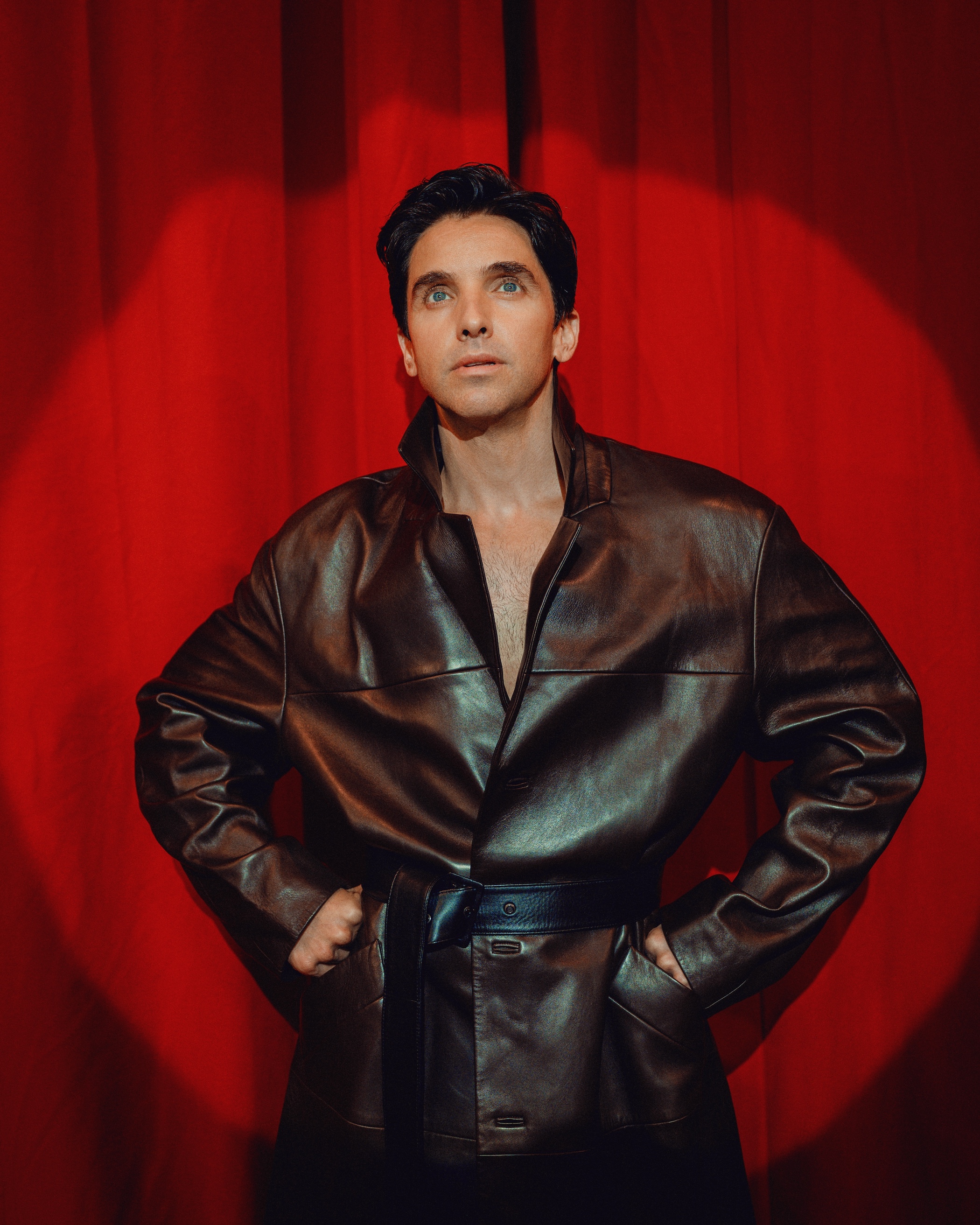
Jimmy LuSaque Jr. belongs to Downs and to a hyperspecific and hypercurrent television archetype: the load-bearing man inside an electrically unhinged ensemble; the moral fiber that still skews somewhere between golden-retriever sincerity and the low-grade, Nathan Fielder-adjacent discomfort that’s become its own comedic capital this decade.
Jimmy is of an increasingly scarce breed of Angeleno. He never fails to show up with a decent heart to his management job in spite of it never going particularly well, and he’s the straight guy who stayed up all night long in hopes of getting tickets to Fiona Apple’s Idler Wheel Tour. “My guy Jimmy is like one of the only good straight guys on TV,” wrote Reddit user BlackWhiteCoke, with a critical precision that outshines any formal reviews.
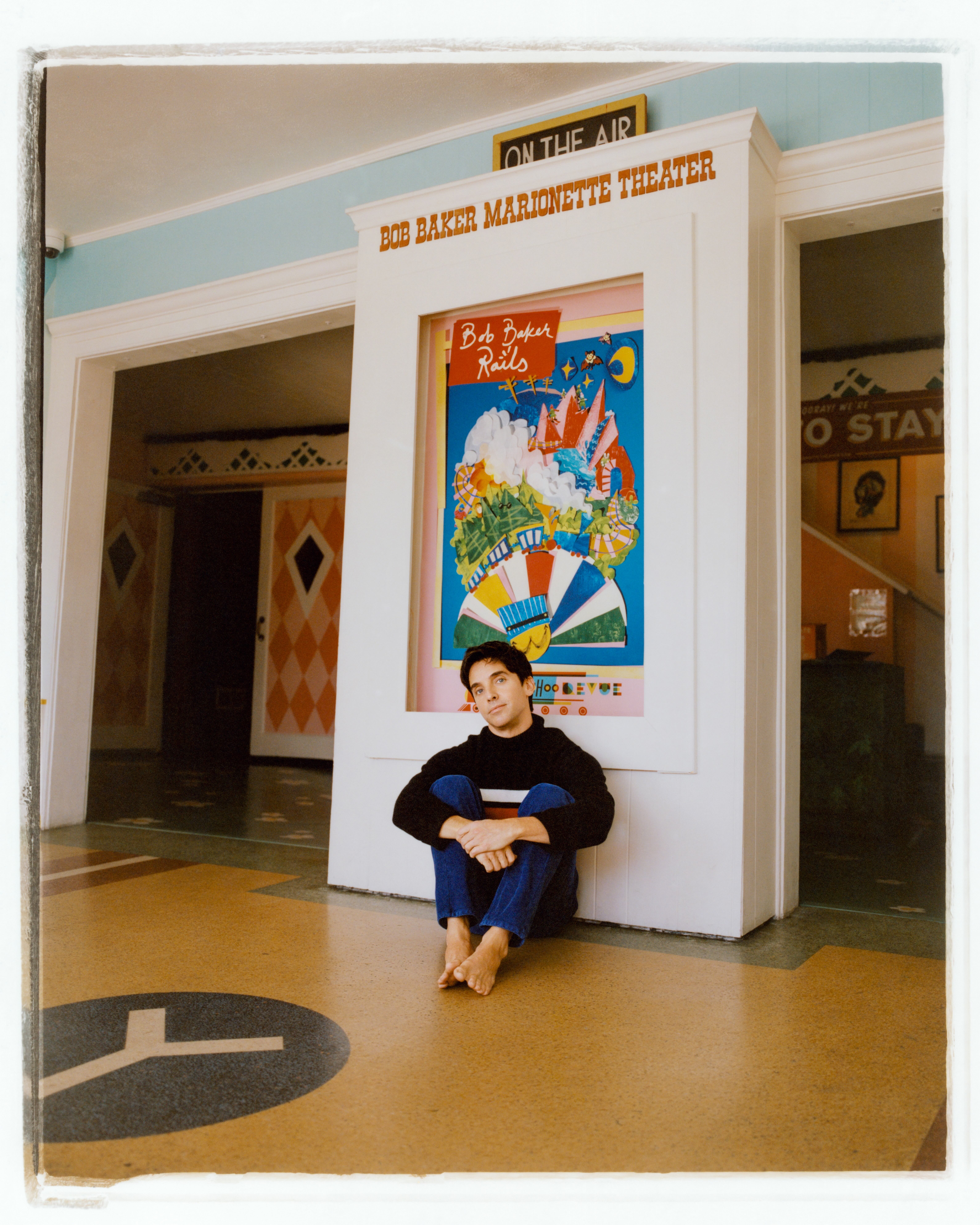
Downs came up through improv and sketch at Duke University and the Upright Citizens Brigade, disciplines crafted almost entirely around being the strangest scene-stealer in any given room, then wrote himself a character whose entire job is the opposite of that. “One thing that I’ve learned is how to play the straight man in a way that’s also funny,” he says. “A lot of times my role as Jimmy is to do the setup—Kayla has the punchline.” It is important to note that it takes a genuinely funny performer to undertake the herculean task of being a Hollywood straight guy with the ridiculously clad name of Jimmy LuSaque Jr.—and, several years prior, a millennial fitness instructor in Williamsburg. “To do that, and also find ways to still be funny, has been something that I’m still learning how to do.”
That fitness instructor was Trey Pucker, Abbi Abrams’ insufferably sunny boss at the Williamsburg gym, Soulstice, on Comedy Central’s Broad City, where Downs also wrote, directed, and executive produced across five seasons. Trey is, in most respects, Jimmy’s photographic negative: a man of bottomless enthusiasm, whose sincerity is not a moral position but a concrete fact about him. What the two characters share—and what makes the pairing instructive rather than merely biographical—is that both are men who mean it. Trey means his protein shakes, Jimmy means his clients. They are earnest in nature, which is precisely the condition that makes them funny and, in Jimmy’s case, occasionally devastating.
There is an old theorem, articulated and exalted across every vaudeville stage and comedy lecture hall that has ever tried to explain why some people are funny and others merely intend to be, which holds that the laugh cannot be manufactured. It can be set up, invited, made structurally probable—but the moment itself, the thing that tips the iceberg from polite attention into actual laughter, cannot be engineered. It arrives or it doesn’t. The comedian’s task, in this account, is not to produce the laugh but to anticipate it: “Being a good comedic actor, you develop technique,” Downs shares. “It’s really doing your 10,000 hours and reps that help you not only define your particular voice, but you will better understand the things that technically work in terms of comedy.” This framing has the advantage of being both genuinely true and an almost perfect description of how Paul W. Downs talks about what he does. “If you’re true to the thing you find funny, it will always come across.”
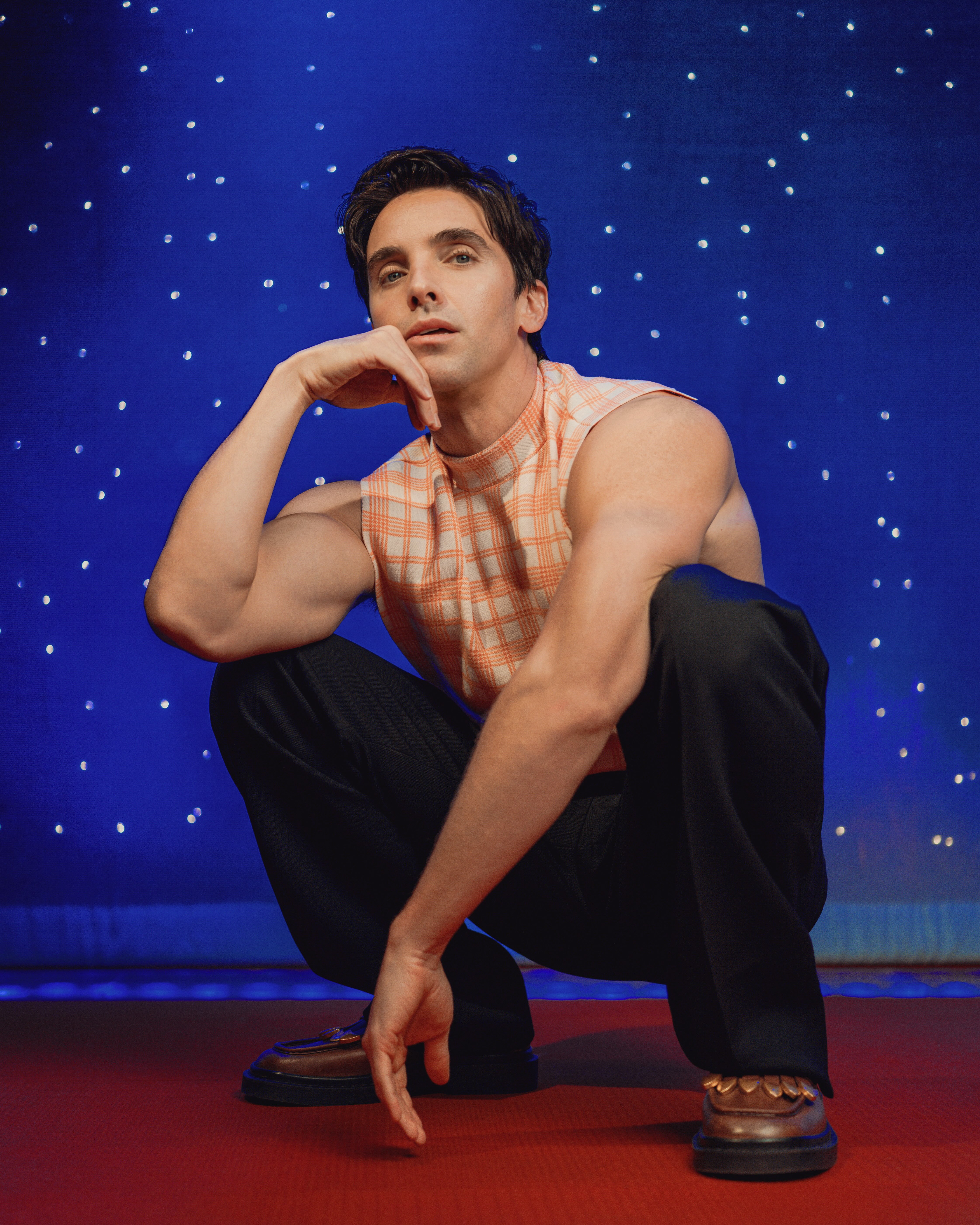
The duo he actually built, rather than inherited from vaudeville, is with Meg Stalter, his Hacks co-star and the Prettiest Girl in America. Stalter’s Kayla Schaefer is a marvelously horrible assistant to Jimmy, with whom he shares a plethora of brazen show-stealing moments. “There’s something that you can’t predict,” he says of his dynamic with Stalter. “It’s something you just have to experience.” He tries anyway: “I have somebody who matches my freak. Somebody who will go places with you and just leap.” Underneath the compliment is a note about craft—Stalter, he says, can improvise wildly and never once teeter outside the scene. “Not deviating so much that it ends up on the cutting room floor.”
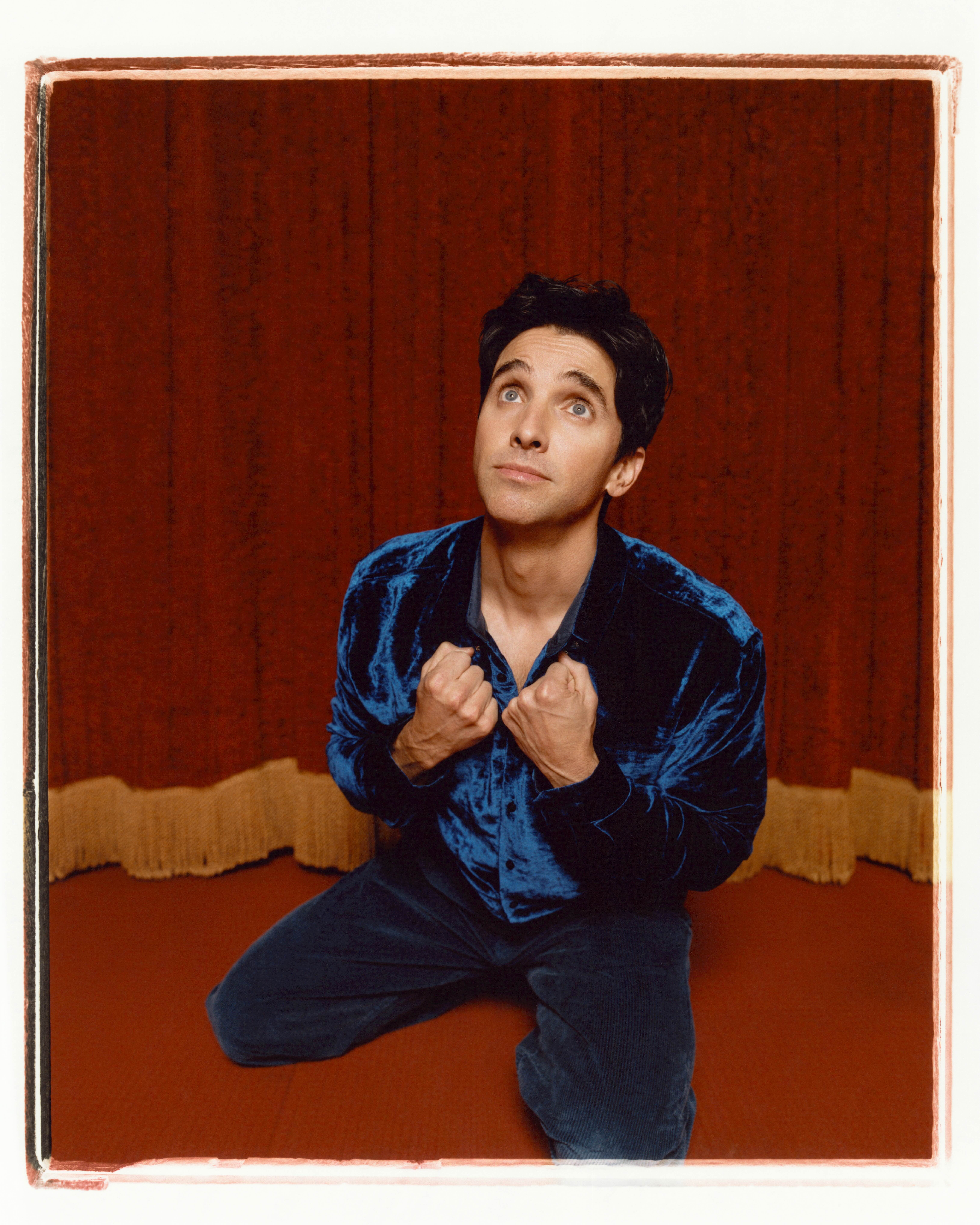
Off-set, the pairing’s freak-matching redoubles. In New York recently, the two of them staged an entire bit in a public park—Downs as JFK Jr., Stalter as Carolyn Bessette—which isn’t entirely out of the ordinary if you’ve kept up with the duo online, who’ve been spotted on red carpets wearing the skins of Timothée Chalamet and Kylie Jenner, or with Paul escorting Meg Stalter’s Carrie Bradshaw around town, presumably after embarrassingly leaving Mr. Big’s apartment in a top hat and whip in hand. After their public showdown in cosplay, Downs and Stalter found themselves at dinner discussing every possible avenue for their established duo. “We’re constantly trying to figure out when we can work together again,” he says, “because we know we’ll never have it exactly like this again.”
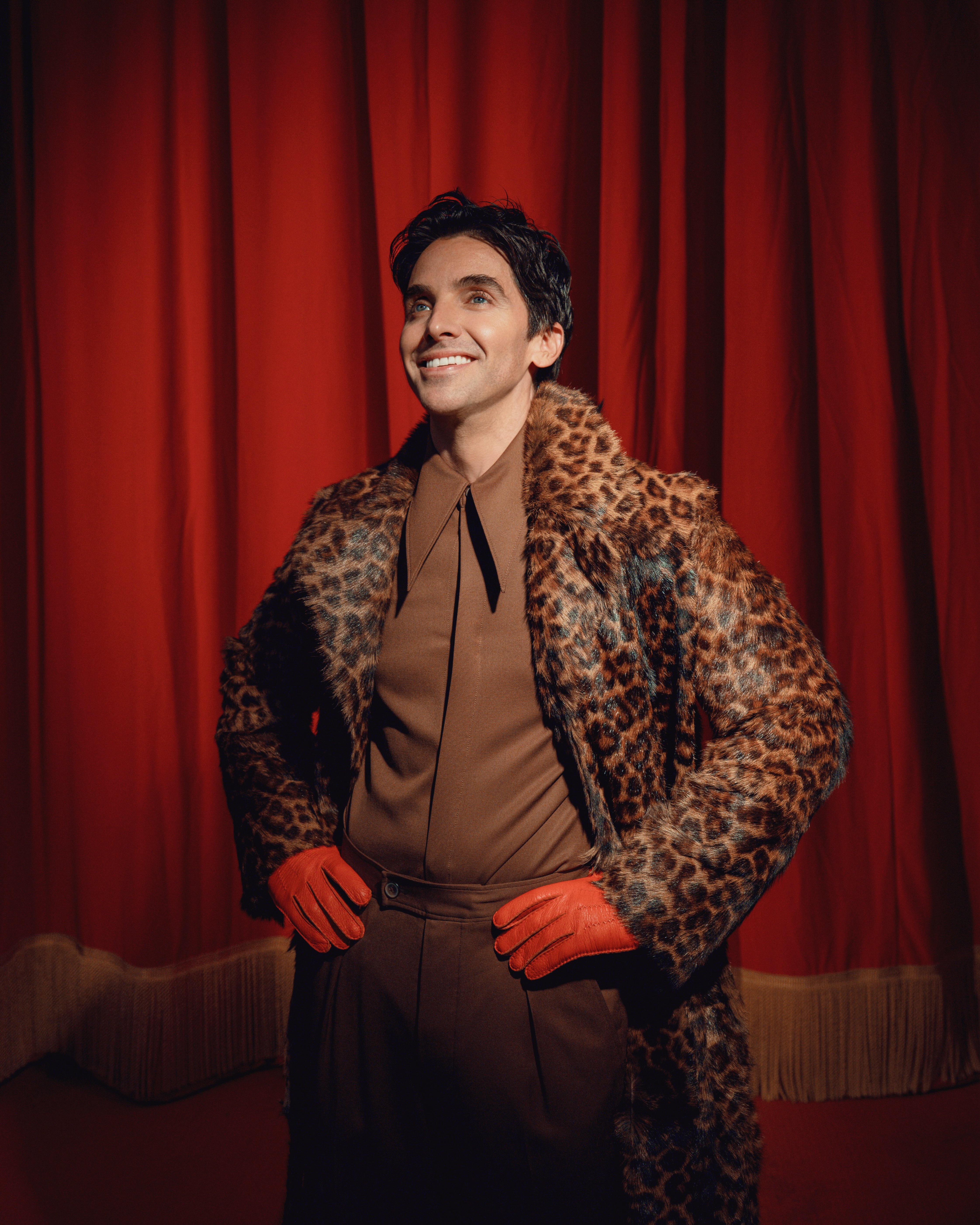
Even alone at his desk, it turns out, Downs isn’t alone. “I think about character voice,” he says, describing how being a performer first has informed his oeuvre as a writer, “because whether it’s mine and I perform it, or someone else’s character, I like to think that I can imagine performing it.” Sometimes this means writing a role and hoping a specific actor says yes to it—“hoping Laurie Metcalf will play it because she’s so great”—building the voice on the page around a person who has not, technically, agreed to anything. “We act the part a little bit even as we’re writing it,” he says: an elaborate scene study, performed solo, for an audience of one imagined collaborator who may not yet exist.
Ask Downs how he feels about the last six years coming to a close, and he’ll tell you that he is utterly devastated. “We wanted the show to go out on a high and never tread water, so it feels right,” Downs laments. “But [saying goodbye to Jimmy] is like breaking up with a soulmate. You don’t want to. I’ll always miss Jimmy.” He reaches for the vernacular: “I’m in my breakup era. What’s that—what do they call that?”
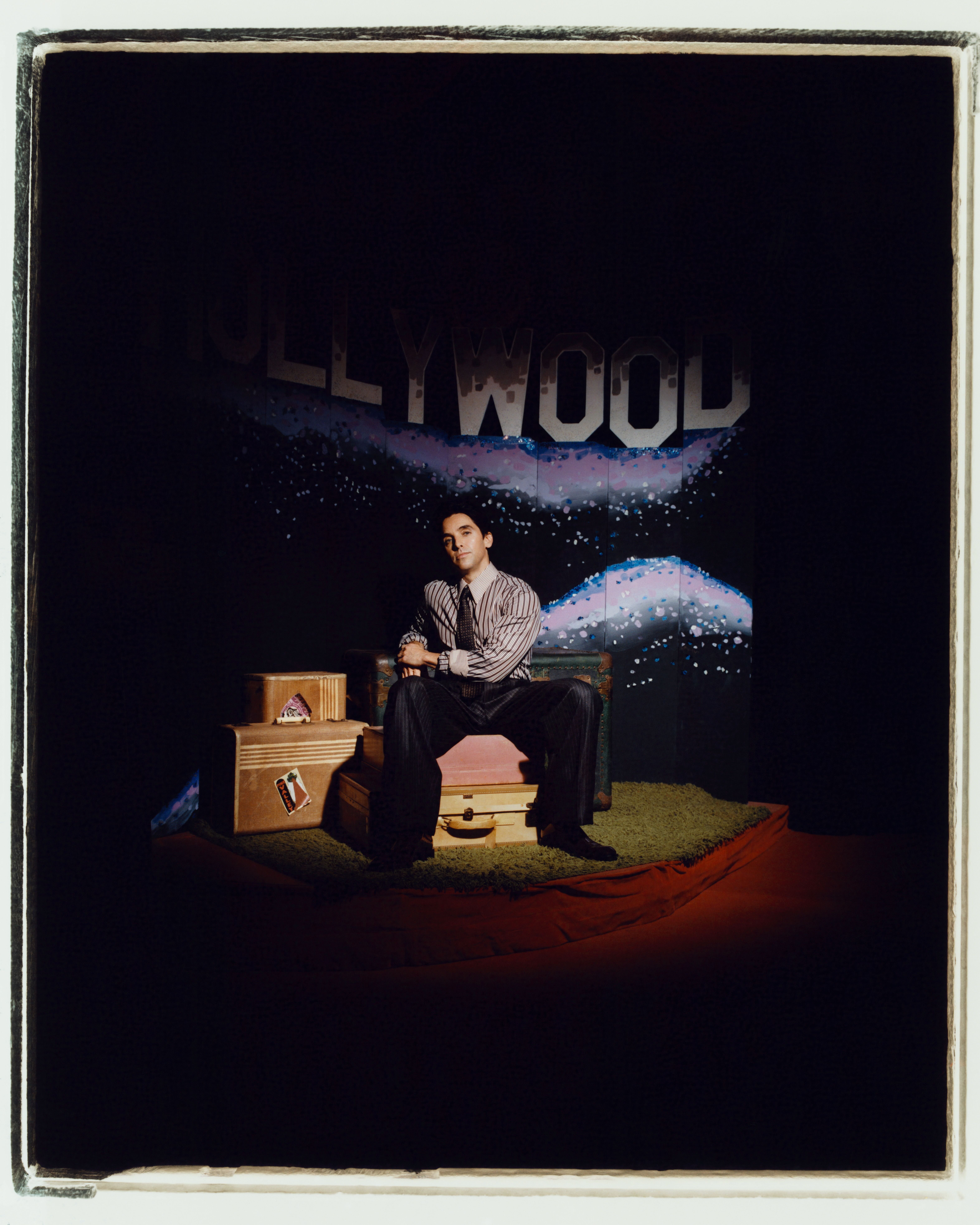
Downs’ tenure as Jimmy has afforded him glimpses of the register he’d like to work in more often.
“I do like playing things that are more dramatic and emotional. I just haven’t had a chance to show it off as much.” Downs details some of Jimmy’s heartiest scenes, such as his return to Latitude with Kayla after their joint business venture can no longer be sustained, or his support of both Ava and Deborah as they navigate Deborah’s cancer diagnosis and, ultimately, her assisted suicide. “I think people sometimes think of comedy and drama as opposites, but I really think they’re partners. They themselves are like a weird duo.”
Given the choice between the hats he typically dons, there is one that evidently tickles him most. “If I could only do one, it would be to perform,” he says. Now that the hubbub of Hacks is beginning to slow, he is looking forward to shelving several of them. “I’m very excited about doing things with other people, and also acting on things that I’m not wearing every hat on,” he tells me. “But I do think of all of the roles as being part of storytelling, and so many great comedians write for themselves and perform. I feel very connected to the writing and performing, because it is all about telling a story. And in my case, again, it’s about making people laugh.”
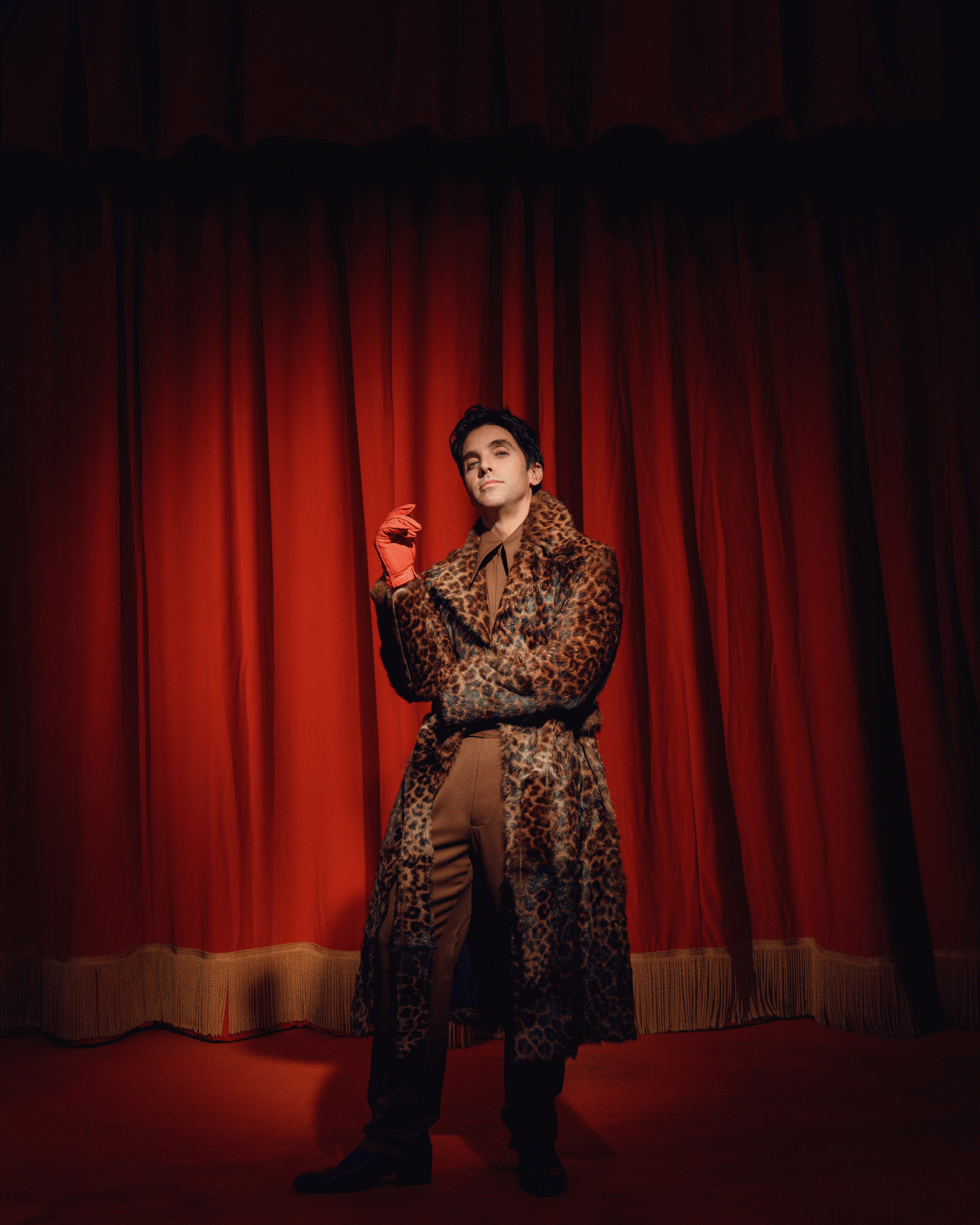
Maybe this is the holistic state of the comedy nerd: not simply knowing the lineage, the rules, the names and the technicalities, but caring enough about the machinery to keep prodding. Downs can go on about vaudeville duos and improv technique with an engineer’s fervor—and then, almost immediately, he will tell you that the most important part is not knowing at all. It’s the leap, the femme who matches your freak, the joke that lands because you trusted the thing in your gut that made you laugh in the first place. That’s the ultimate comedy nerd lesson: you can study comedy’s enduring pillars forever, but eventually you have to walk into the room and play.
And so, if Downs is being too comedy nerd, perhaps he should keep going. There are worse things to be obsessed with than figuring out what makes people laugh—and, after all, he’s still got a lot of reps to do.
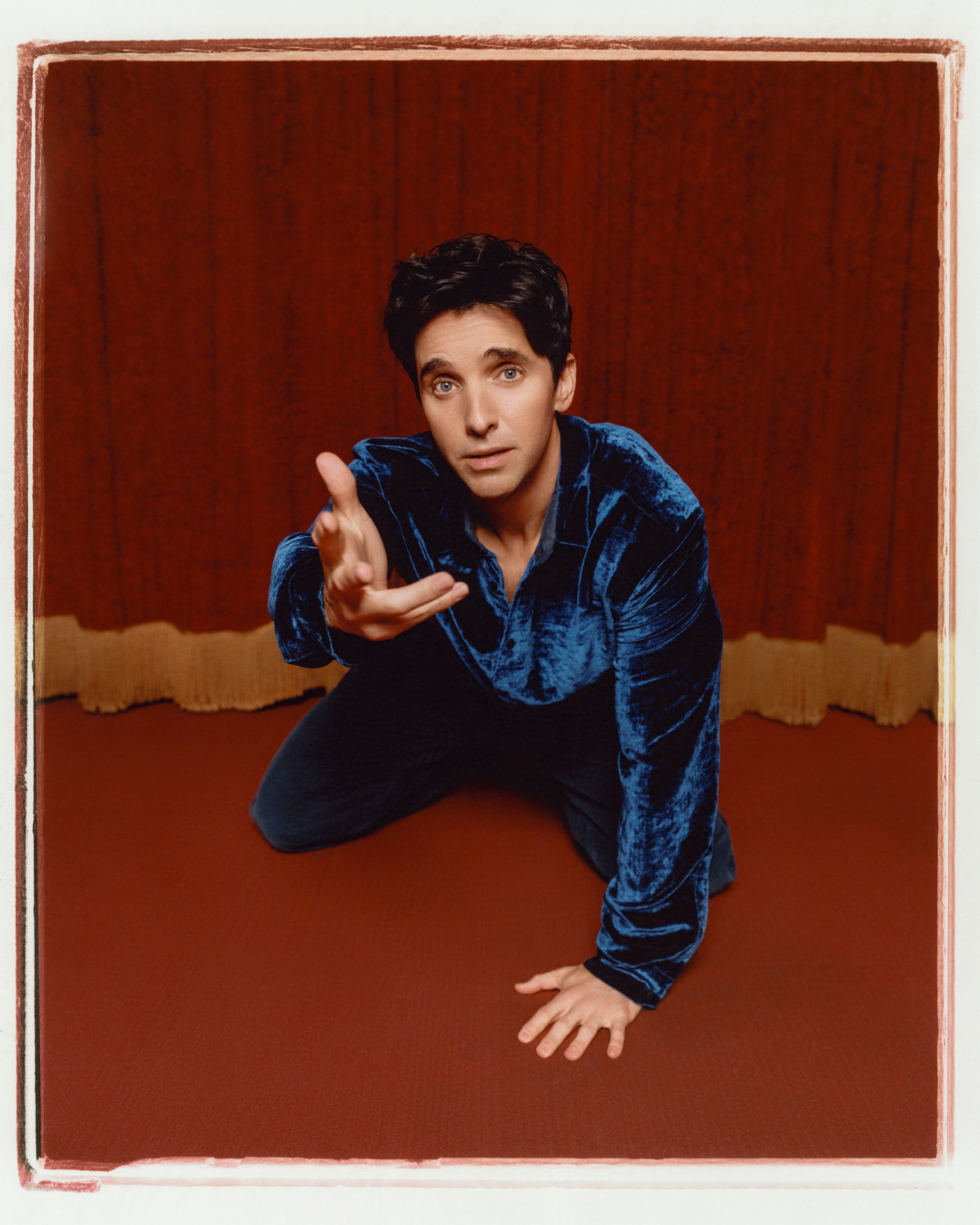
Photographed by Ryan Pfluger
Styled by Monty Jackson
Written by Melanie Perez
Grooming: Coco Ullrich at A-Frame Agency.
Production Assistant: Ameen Kher
Stay up-to-date with exclusive events and content.


