F L A U N T


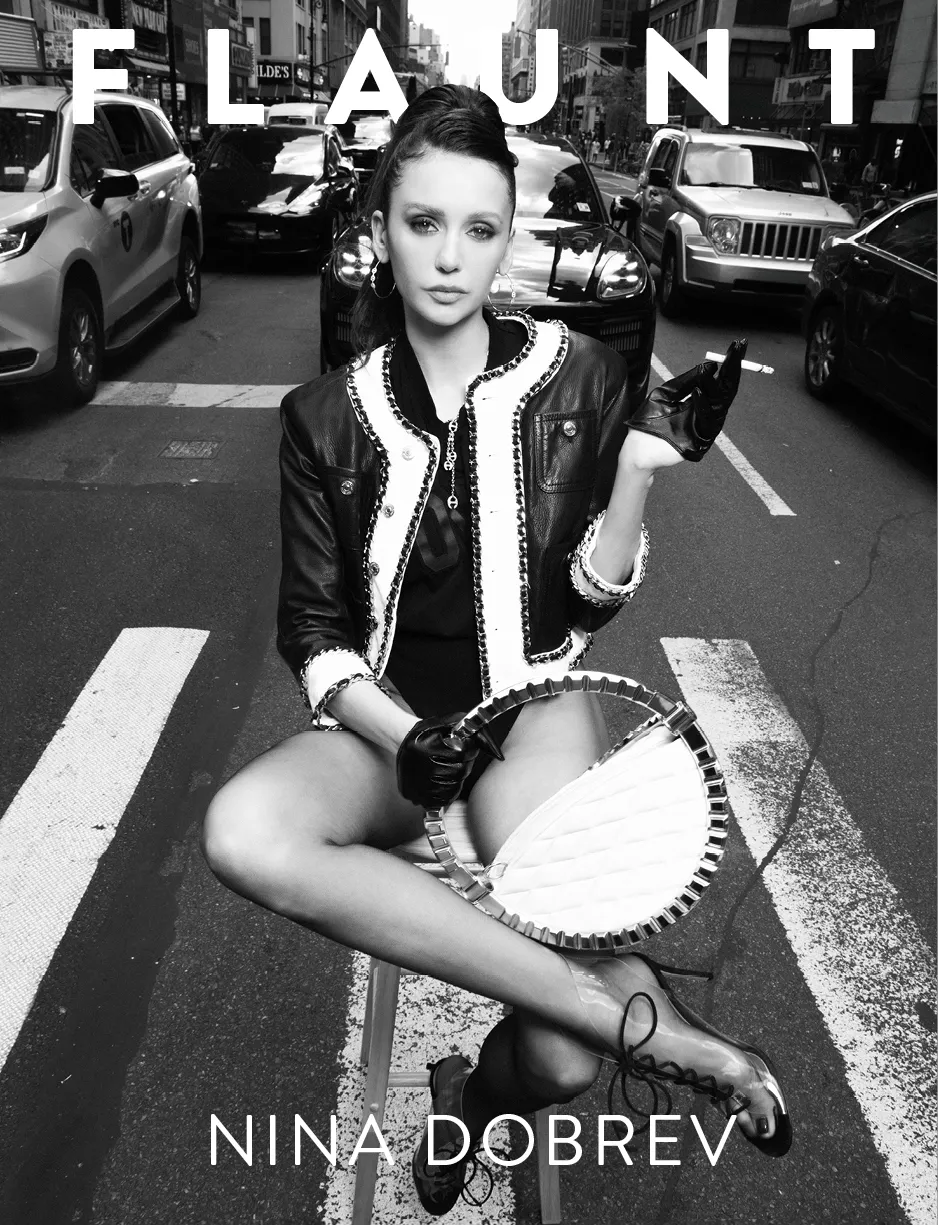
In 1954, Marilyn Monroe founded her own production company. Hollywood’s shiniest star was exhausted by years of being typecast, the scores of roles she was overlooked for, and seemingly infinite examples of poor treatment from studios. Seventy years later—and over a century since silent era actress Mary Pickford co-founded distribution company United Artists—the leading women of Los Angeles are once again turning to production to self-determine not just their career, but the stories they tell—and we consume.
Progress for women in the film industry has not been a linear trajectory. And yet, Nina Dobrev tells me, “it feels like there’s more opportunities now than there were ten years ago.”
“When I go into the pitch meetings at the big studios, there’s women sitting across from me,” she says of her own experience shifting the gearstick from acting to producing. “Whereas ten years ago it was me pitching to men only.”
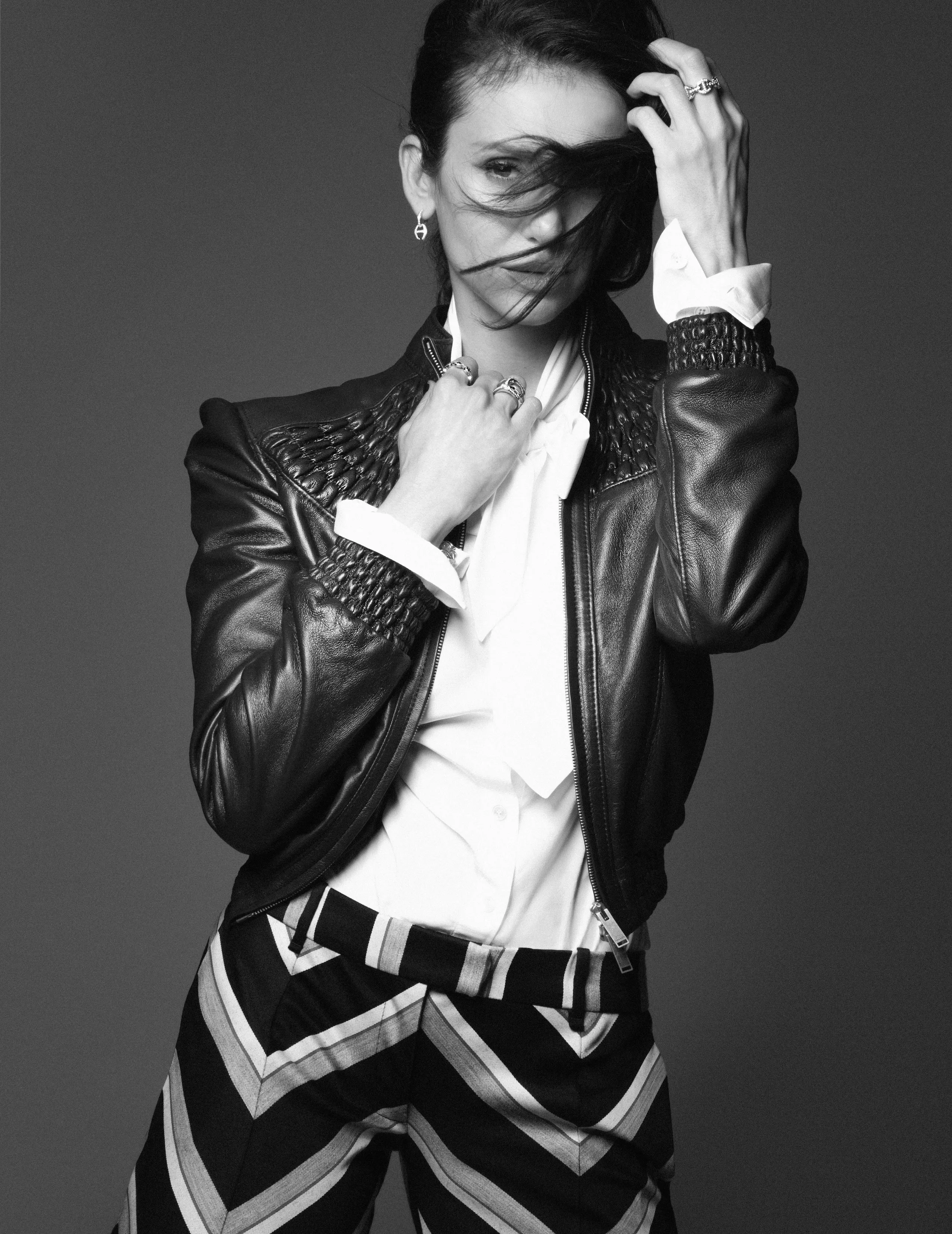
Speaking to me over Zoom, Dobrev is as warm and erudite as her public persona presents. A professional actor since she was a teenager—“I got cast at 15, we started shooting when I was 16,” she says of Degrassi: The Next Generation—Dobrev is perhaps best known for her leading role as Elena Gilbert in the zeitgeist-defining CW network show The Vampire Diaries. “After that,” she explains, “is when I started to want to produce.”
In the decade since Dobrev officially left The Vampire Diaries, she’s not just maintained an active acting career, but has been modestly expanding her producing credits, too. 2021 saw her serve as an executive producer in a team including Leonardo DiCaprio for the documentary Fin and directing, co-writing, and producing psychological thriller short, “The One.” Two years later, Dobrev served as executive producer to Netflix comedy The Out-Laws, as well as Sick Girl, in which she also stars.
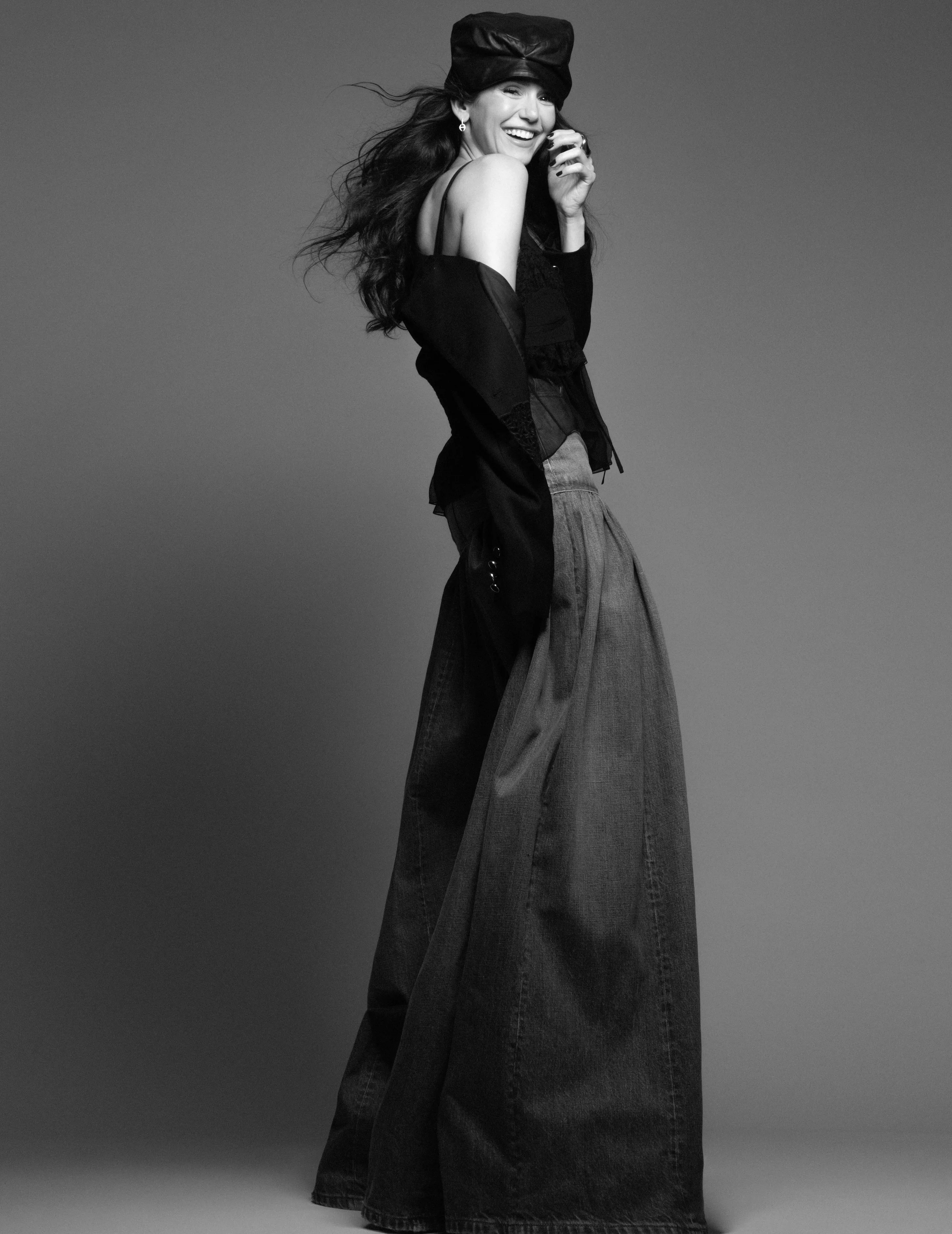
And this June, Dobrev’s 10-minute short film, General Admission, will have its world premiere at the Tribeca Film Festival. The festival has already singled out the film, which Dobrev has both executive produced and starred in, as one of the standouts of the 2026 short film program. “It’s a real honor that they included us in the festival this year,” she says. “We’re incredibly grateful and excited.”
The film—which, Dobrev says, is a proof of concept for a television series—is genuinely laugh out loud funny. Its compact, quotable script was written by Sarah Adina, a close friend and frequent creative collaborator of Dobrev’s. And Dobrev herself delivers an emotionally charged performance that flexes both her acting prowess and her talent for comedy. You’re so alive in front of a camera, I tell her. You clearly love acting. How does producing compare?
“It’s a completely different muscle,” she says thoughtfully. “It’s incredibly fulfilling. I love producing.”
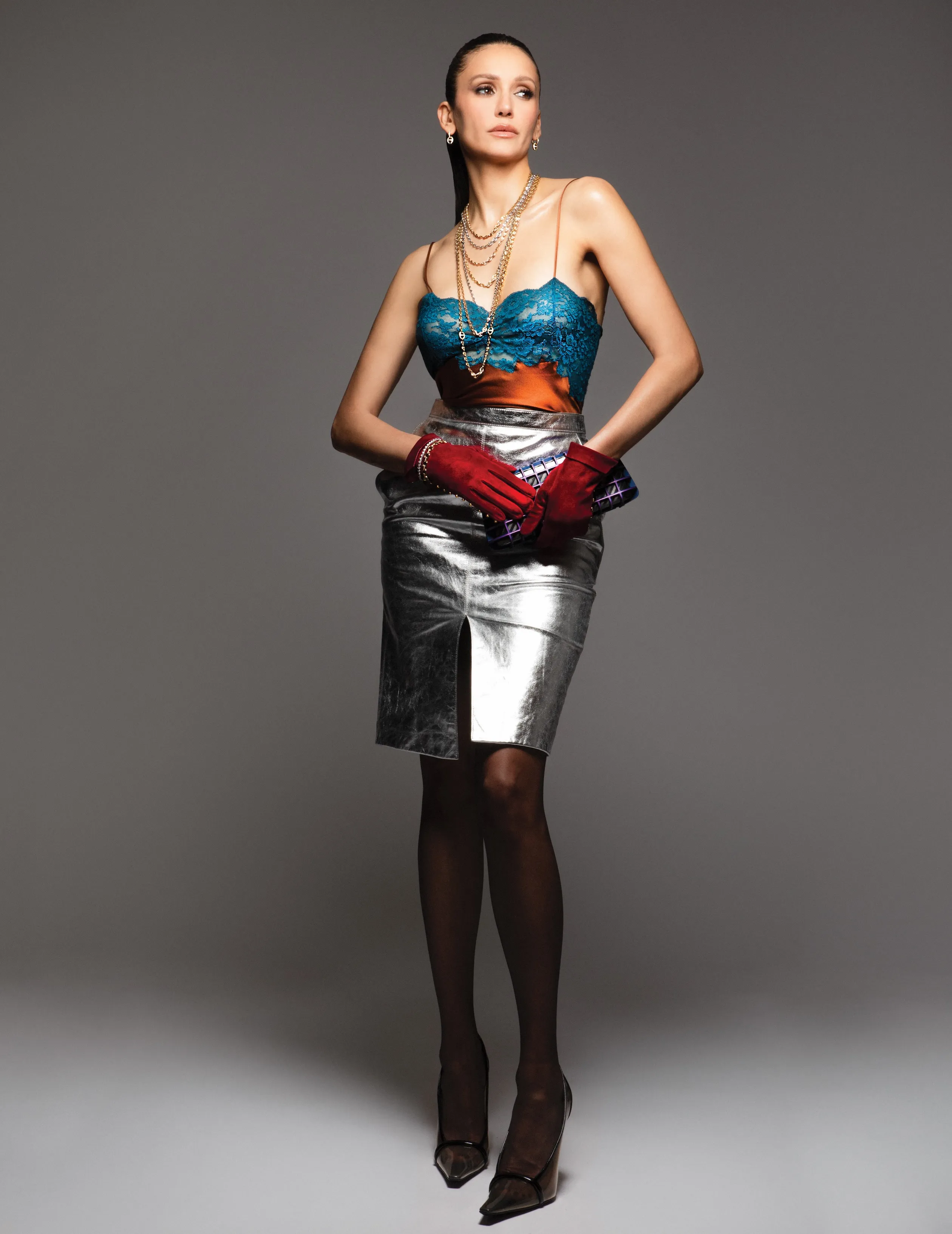
“In between jobs,” she continues, pausing every now and again to consider her words, “waiting for things to happen, it gives you a false sense of control, I suppose. Just because acting is a very passive role [at times,] having to wait for auditions or scripts to be sent. And then all the decisions are in the hands of everyone else, right? Producing, you’re picking up the phone, you’re calling.”
The story, Dobrev tells me, is based on an actual experience of Adina’s. “As they say,” Dobrev replies, “tragedy plus time equals comedy. Sometimes!”
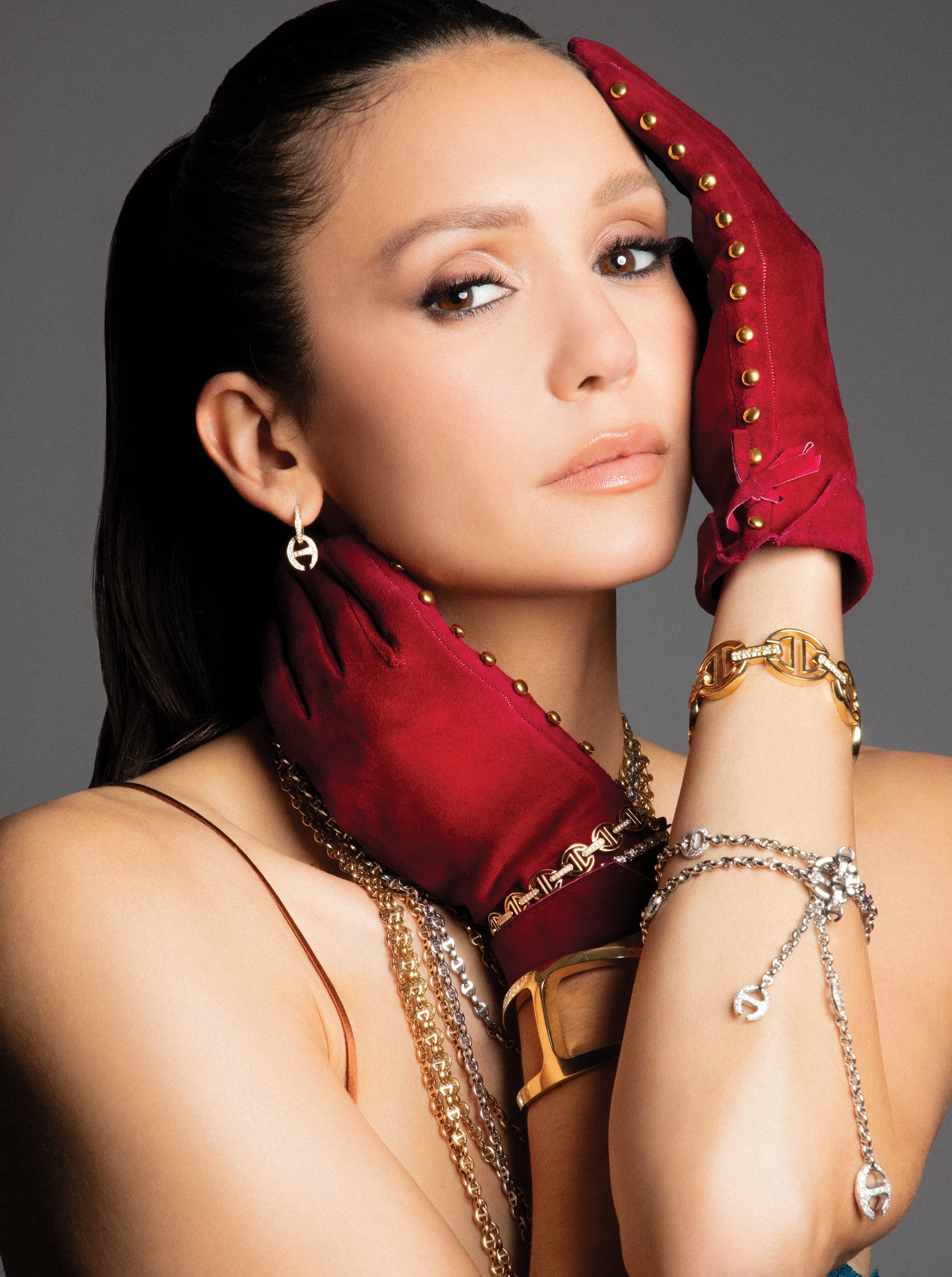
It’s easy to laugh with Dobrev. While she is proudly passionate about her industry, and unapologetically ambitious within her career, she has the easy-going wit—and dry chuckle—of someone who doesn’t take herself too seriously.
This is especially apparent when we discuss another recent project of hers, the star-studded The Get Out. The film is an action thriller—perhaps billed under the capers ensue subgenre—with an ensemble cast that places Dobrev alongside Russell Crowe, Teresa Palmer, Luke Evans, and Aaron Paul.
Dobrev spends most of her screen time with Paul, a close friend of hers in real life. “We’ve known each other for [almost] 20 years at this point,” she tells me. “He’s so talented, I genuinely couldn’t have more positive things to say about him. And the irony was that we were on vacation with him and his wife and his kids and some friends, maybe six months before this…Aaron and I were talking, and we were like, how crazy it is that we’ve never collaborated?”
The roles Dobrev is pivoting towards now—including The Get Out’s gun-wielding robber and General Admission’s distraught, messy woman seeking professional help—are markedly different than that which made her a household name.
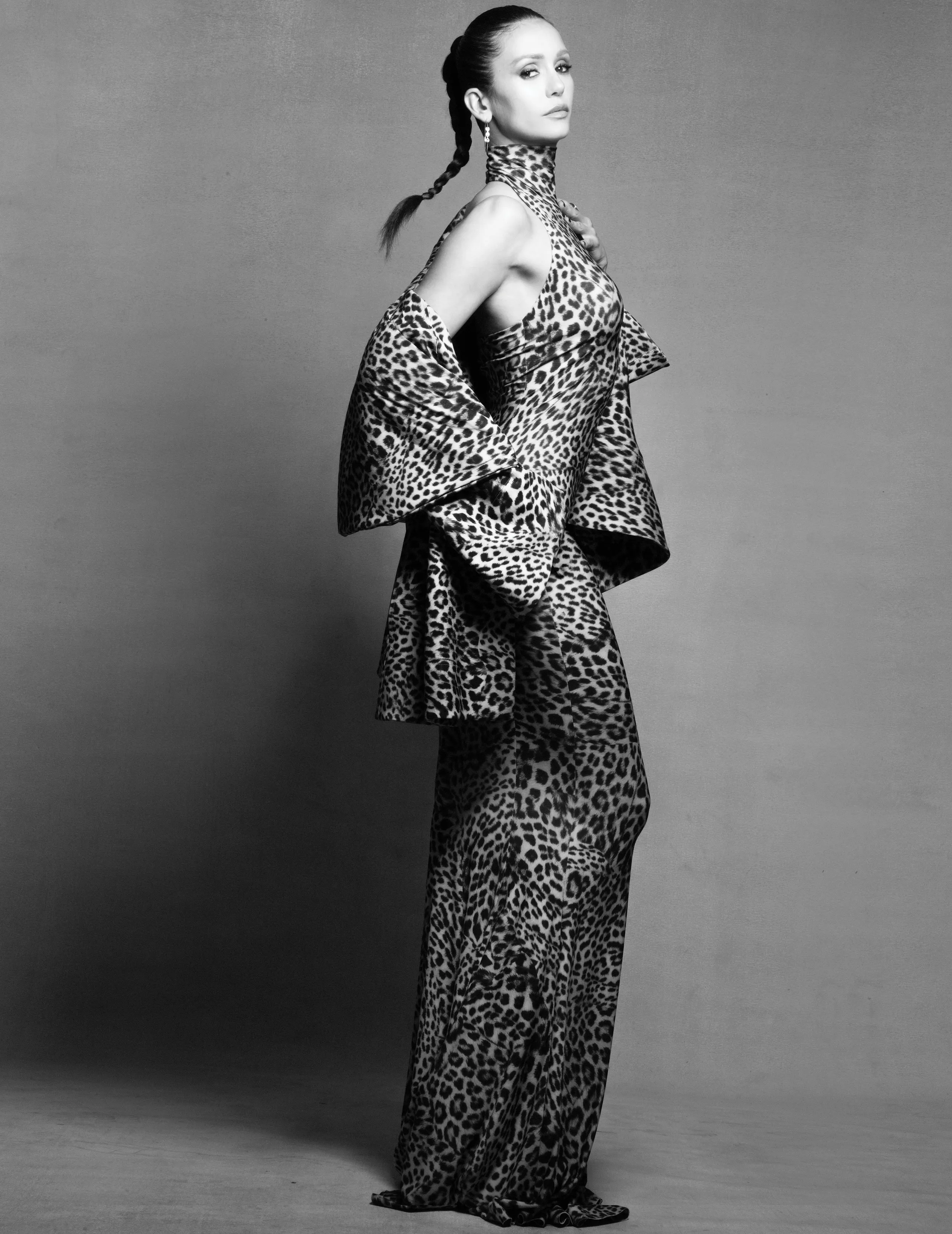
“It was born out of a frustration,” she says, linking her interest in different characters to her shift towards producing. “I think initially, I started writing with Sarah the kind of roles I wasn’t getting offered. In the material that I wasn’t being considered for.” I already have an idea of what the answer will be, but I ask nonetheless: why do you think you weren’t being considered? “Because once people see you do something really well, they want you to continue doing that, right? They don’t have a lot of imagination.”
Dobrev is particularly invigorated when discussing producing. “It became addictive. Nothing feels more fulfilling than when you come up with an idea, then you write it, then it gets produced, then you’re on set and you’re making it and then you’re finally getting to release it.”
“You’re so much more invested, both in time and energy,” she continues. Her tone is as earnest as when praising her colleagues, but with an edge of steel. “When it comes to the night of the screening, it just feels… It’s both scary and exciting. But that’s what keeps us alive. As soon as you don’t have that feeling, it’s time to quit.”
On her producing career, Dobrev is once again quick to express her admiration for her industry peers. When explaining how she plans on having a “50/50” slate between taking acting roles, and producing and writing, she lists Reese Witherspoon as a “huge inspiration.”
“There are so many incredible women who have paved the way and have given me and so many others the opportunity,” Dobrev says. “To come to the table and have a chance to take their careers in their own hands.”
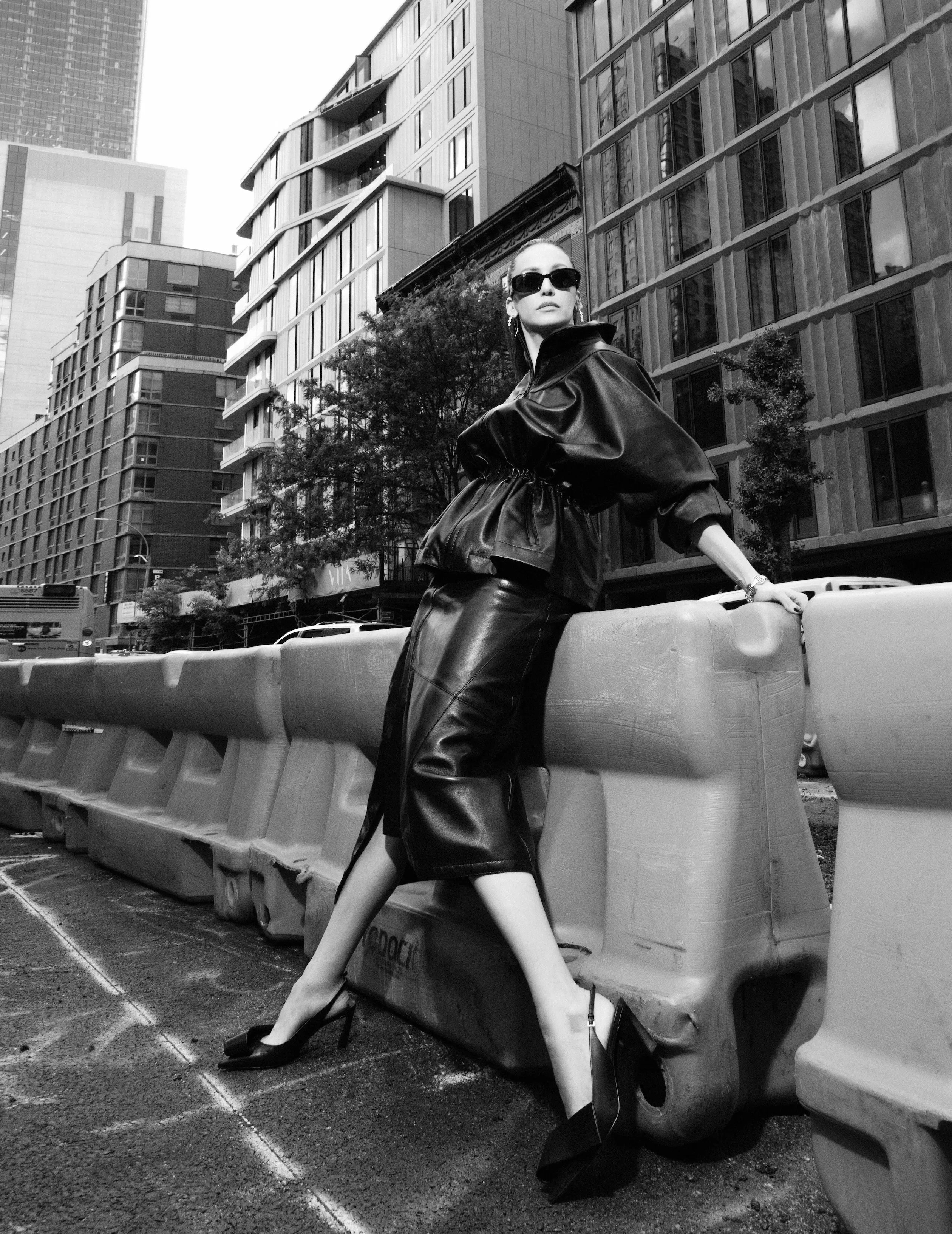
“I’m really passionate about telling female stories,” she continues earnestly. “By women, for women. A lot of, if not all of, my projects have that element to them.” Like Witherspoon, does Dobrev look to published fiction for source material? “Yeah, I have four books optioned at the moment. That’s definitely a part of my business model.”
On the subject of adaptations, Dobrev seamlessly shifts from the feminist macro to the business micro. “What’s great about novels is that even if some of them are already baked in and ready to go, they’re clear winners. The show can just write itself.”
One upcoming project is Night Float, an adaptation of Lila Raicek’s erotic thriller being developed by production companies Fifth Season and Made Up Stories. Dobrev tells me she was just out for dinner with Raicek the night before. “I’m excited for her new book that just came out,” says Dobrev, with trademark kindness. “She’s an incredible playwright.”
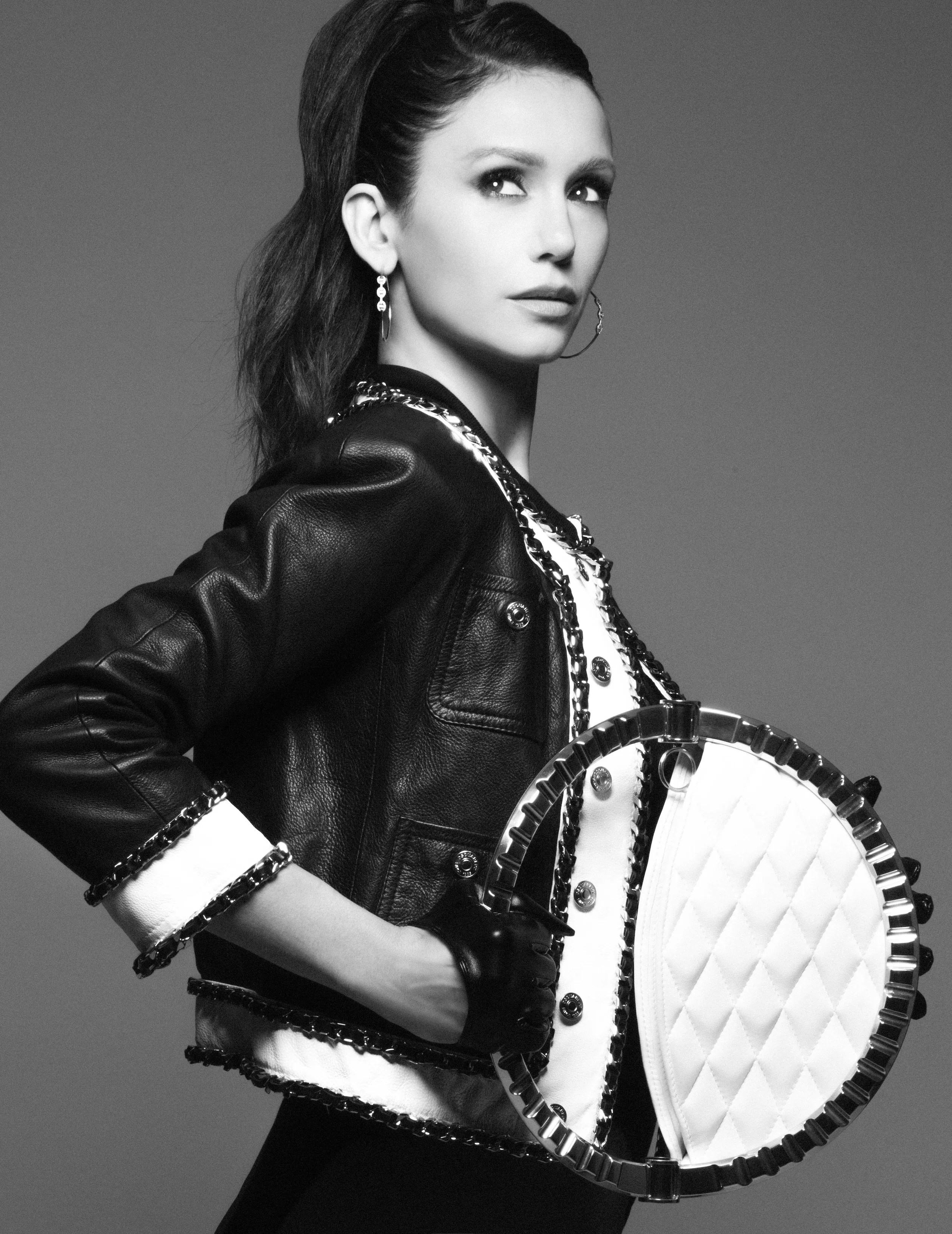
Also in development is Woman 99, a period drama adaptation of G.R. Macallister’s eponymous novel, in which Dobrev is both star and executive producer. “I’m biased because I am a woman,” she explains. “But we spent so many decades with male protagonists. There’s so many stories of power, stories of struggles that are overcome, the underdog story. There’s so much going on that be it my personal experiences or other women who have inspired me—or, as we said, adaptations of novels—it just feels like such a rich, untapped well, that is starting to get tapped into.”
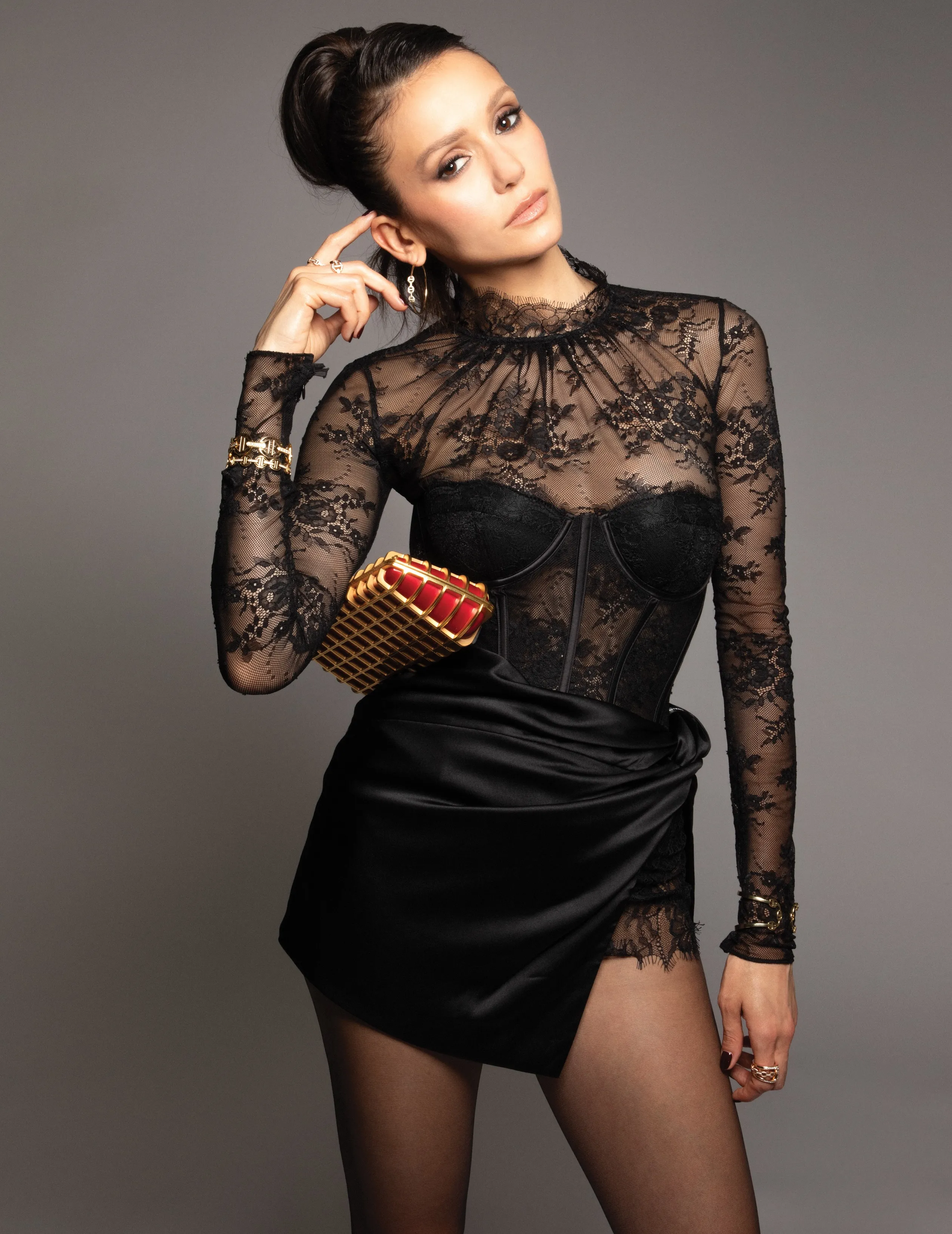
Dobrev started in the industry as an adolescent actor, and spent her early adult life as a teen screen star. Did she ever think this would be something she’d gravitate towards, all those years ago, at peak The Vampire Diaries fame? “Definitely not,” she says. Actors-turned-producers like Nicole Kidman and Margot Robbie, she explains, “really paved the way for us to be taken seriously as women walking into the room, pitching ideas as writers, as producers, in a way that I don’t think I would have been taken seriously previously.”
In the most recent room where Adina and Dobrev pitched a project together, “every single executive was a woman,” Dobrev says. “The energy in the room was so different and amazing. There’s definitely a lot more room for growth. But I am seeing the changes incrementally happening.”
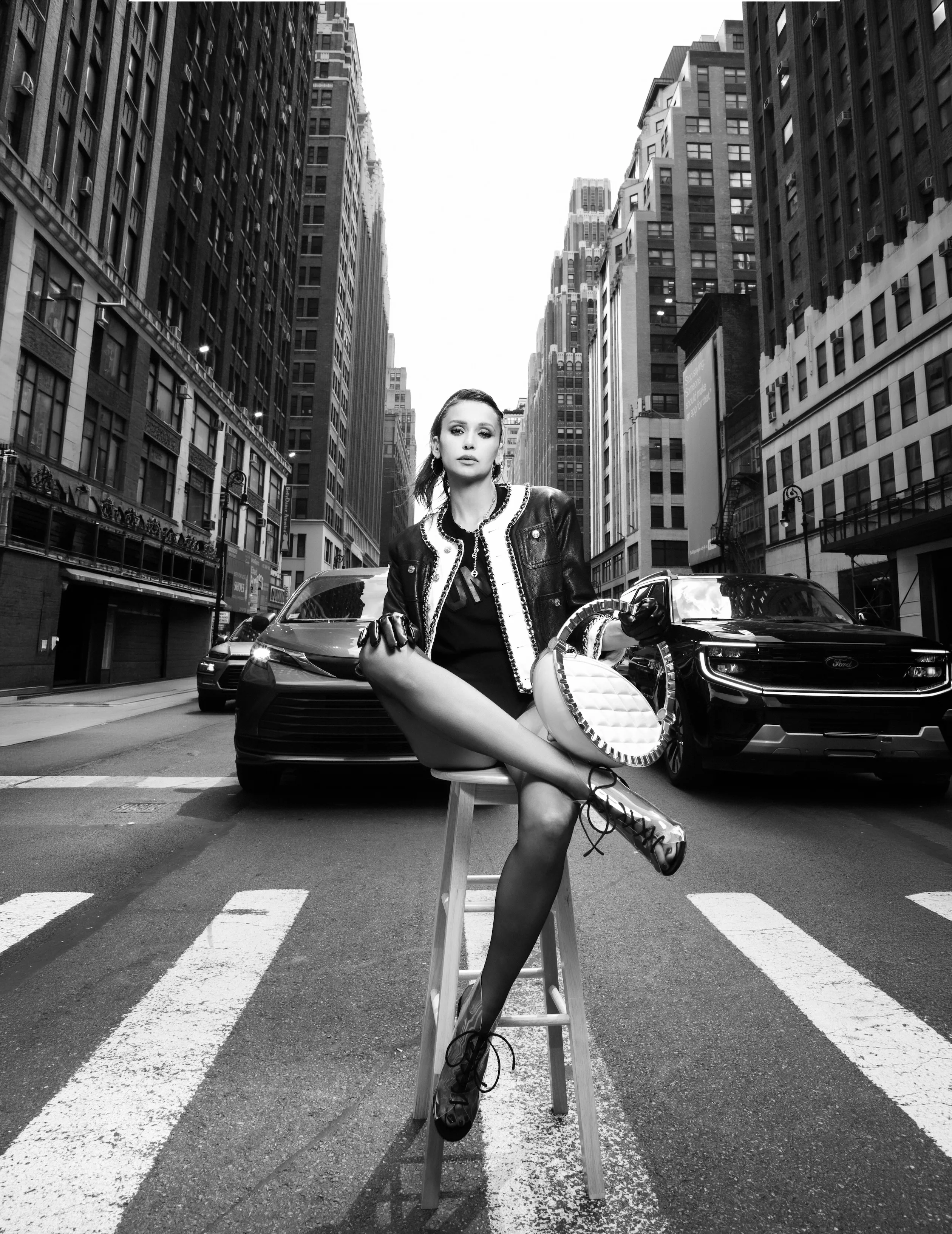
Photographed by Petros Kouiouris at Opus Beauty
Styled by Christopher Campbell
Written by Bea Isaacson
Hair: Dawson Hiegert at Forward Artists
Makeup: Soo Park at The Wall Group
Nails: Yukie Miyakawa at See Management
Flaunt Film: Tyler Rabin & Jabari Browne
Photo Assistant: Bela Maglakelidze
Styling Assistant: Mia Hurley
Stay up-to-date with exclusive events and content.


