F L A U N T


The differences that marked you as other growing up—your ethnic food, your clothes, your mother’s accent, the music you grew up listening to—are cool now.
Aspirational, even. Globalization has allowed the public to try out people’s worlds without ever having to deal with the consequences of their reality. Think: Chinese baddie tropes, dupattas repackaged as the Scandinavian scarf, Instagram grillz experts, matcha shortages. You throw the word Korean in front of any cultural export now and buzz will cling to it like honeydew to a plant leaf; K-dramas, K-food, K-beauty, or, the amorphous phenom that birthed the Korean Wave (or Hallyu) to begin with: K-pop.
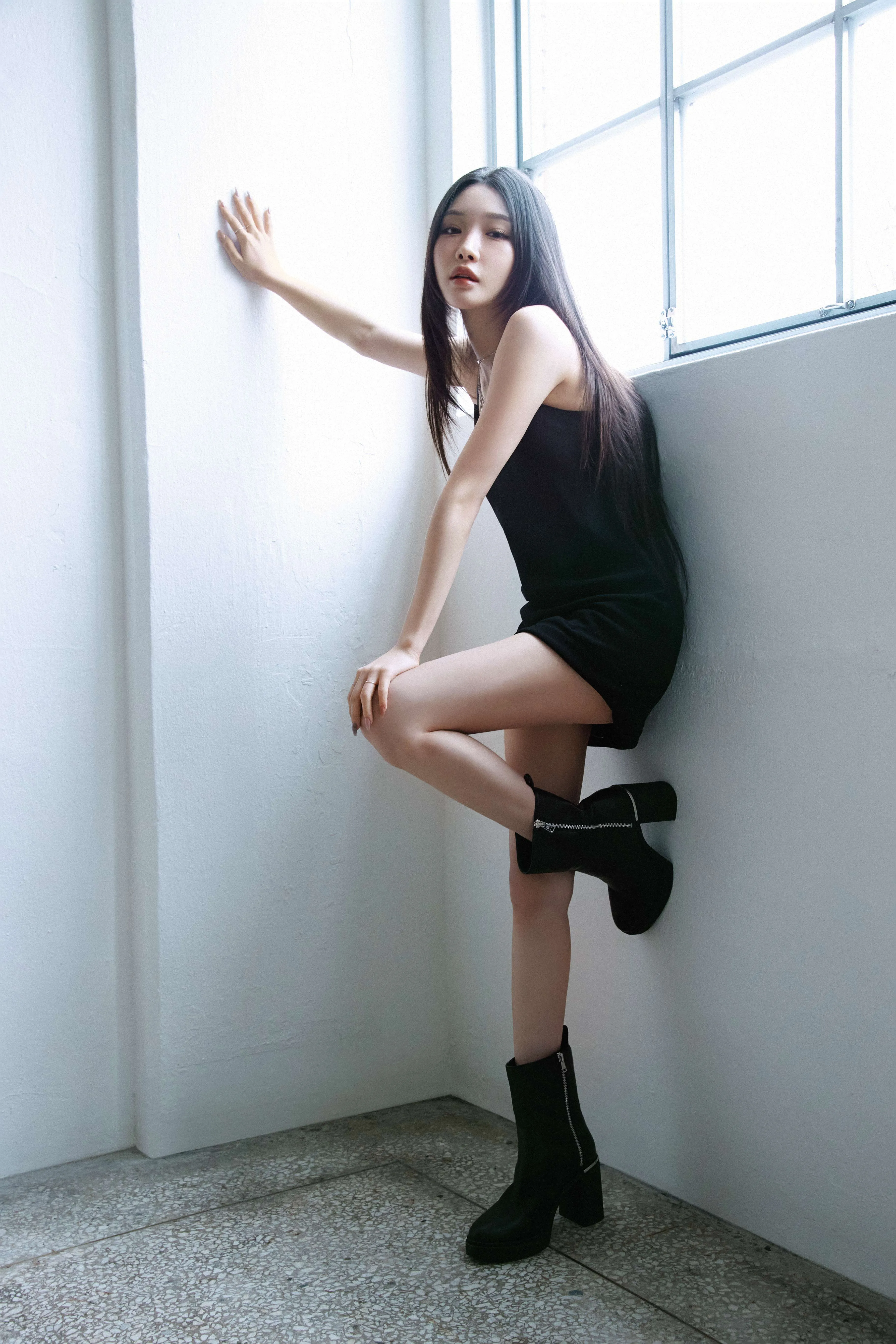
"The automatic assumption by strangers when I was growing up in the States was that I was Chinese. No one cared to understand the distinction because to them, all Asians were Chinese. It’s not like that anymore. Now when they find out I’m Korean, they ask if that’s why my skin is so clear.”
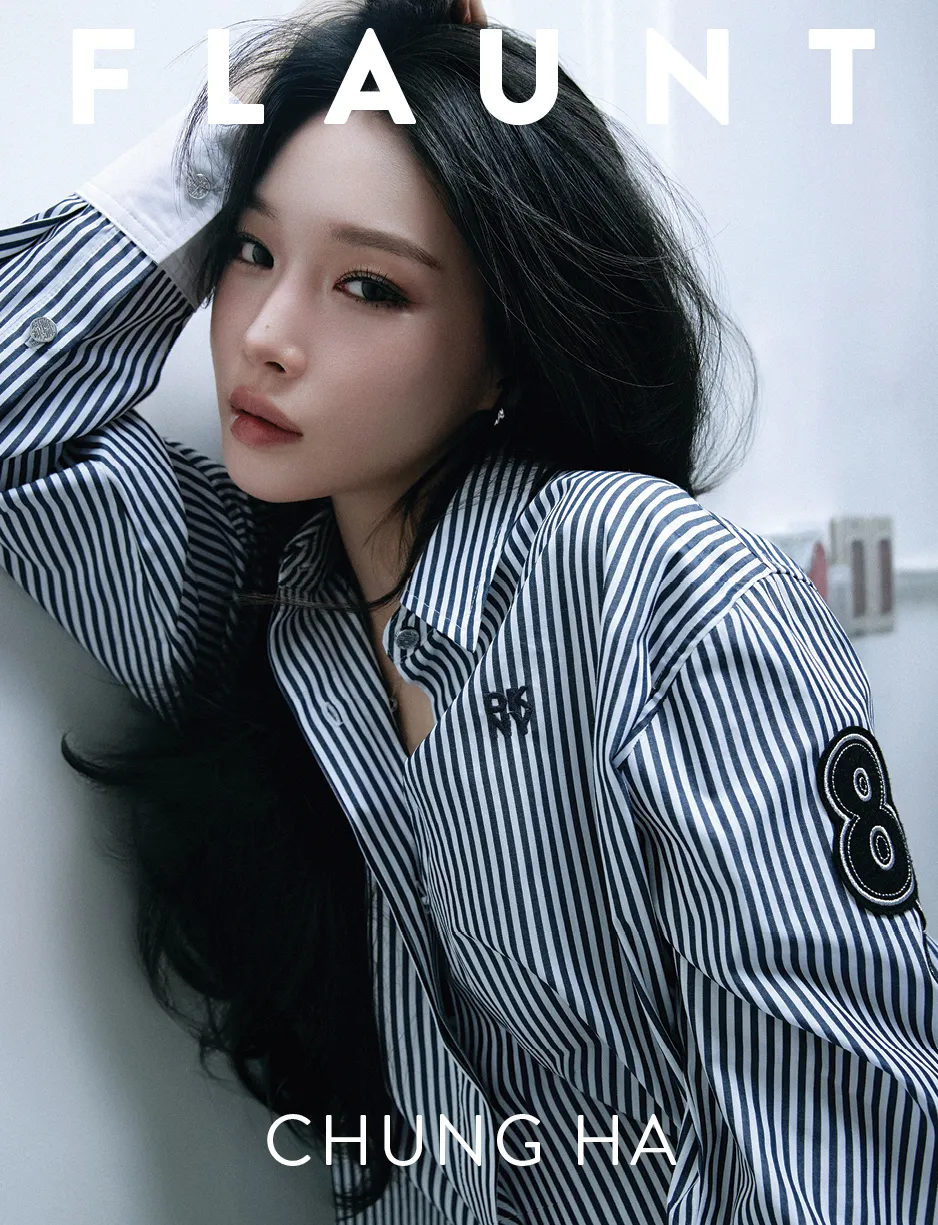
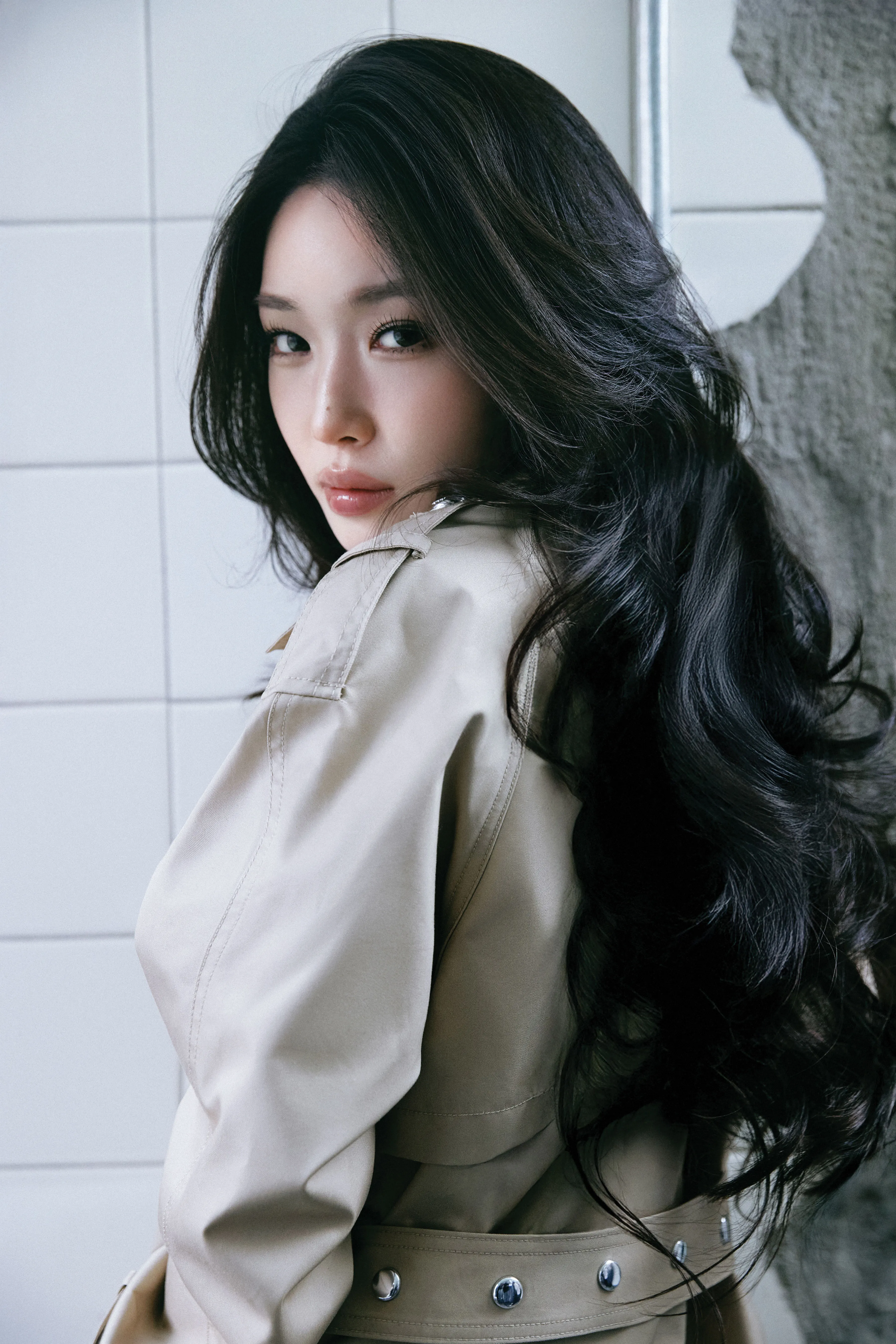
CHUNG HA, idol, dancer, choreographer, relays this observation to me with a giggle. It is 3PM in South Korea, where she sits with a translator, back to work after spending some time with her family in the States, and she has just released her soaring latest single, “Save Me.” Bubbliness and warmth leaks through static pauses and sound delay as we are forced to contend with our chasmic digital divide. It is rare as a mere observer to be able to parse these culture shifts or locate their subtlety alone; but CHUNG HA is the perfect person to negotiate the topic’s nuance with. And she does, with unending optimism, argue her view of our obsession with her culture.
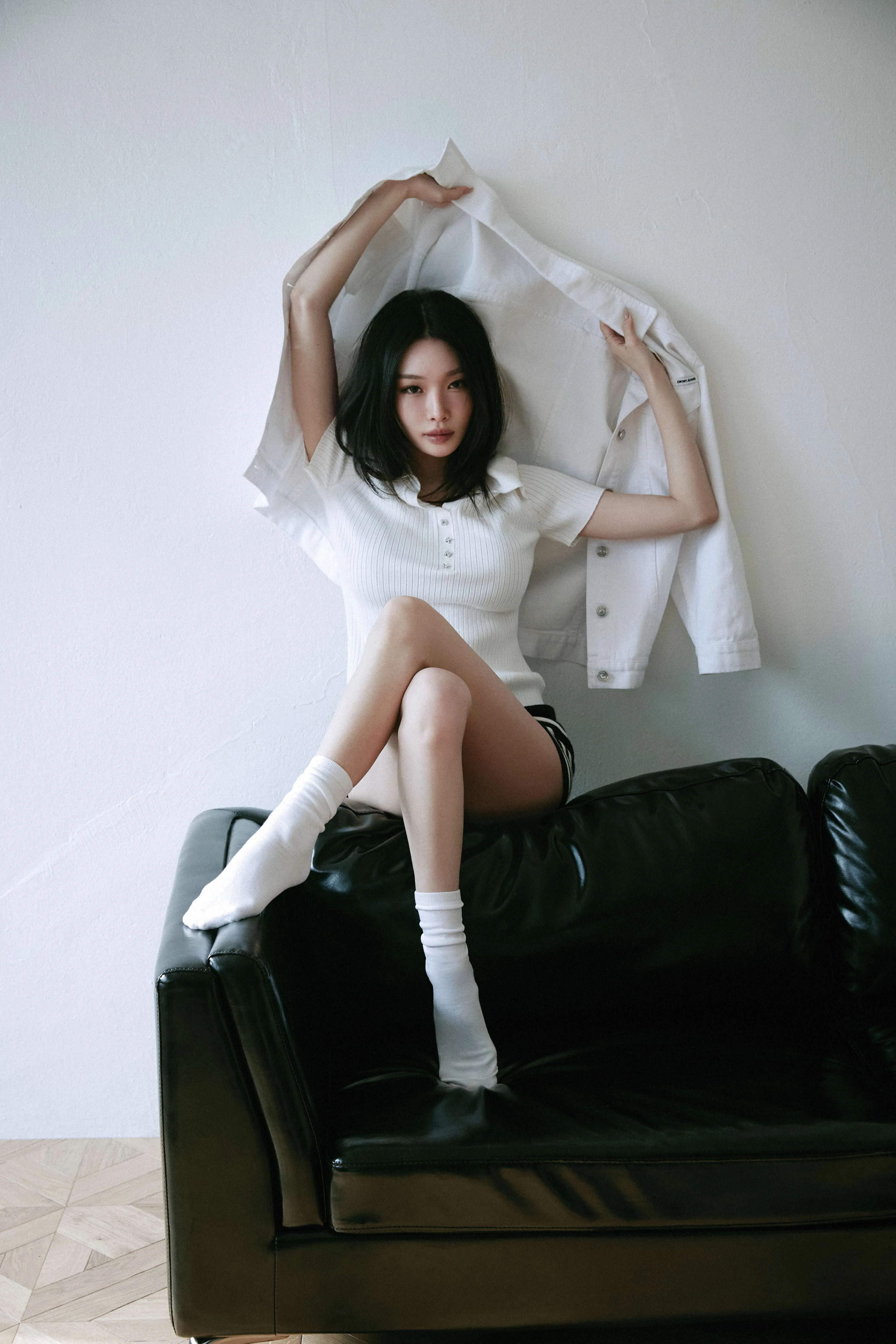
“It was all so limited and lonely growing up. But now, people are going crazy for our culture. So many people go to convenience stores. There’s K-pop playing in random stores. NewJeans, TWICE, BTS, Stray Kids: everywhere I went [in the States], one of our amazing artists was being played. It felt like I was in Korea! I’m just very thankful that we get to share our culture with people because I’ve always wanted others to see how beautiful it was.”
To CHUNG HA, the K stands for a point of difference, and one of distinction. It is pride that rings out as she speaks of the work of her peers who have managed to break out globally despite the Anglocentric bias present in our relationship to music.
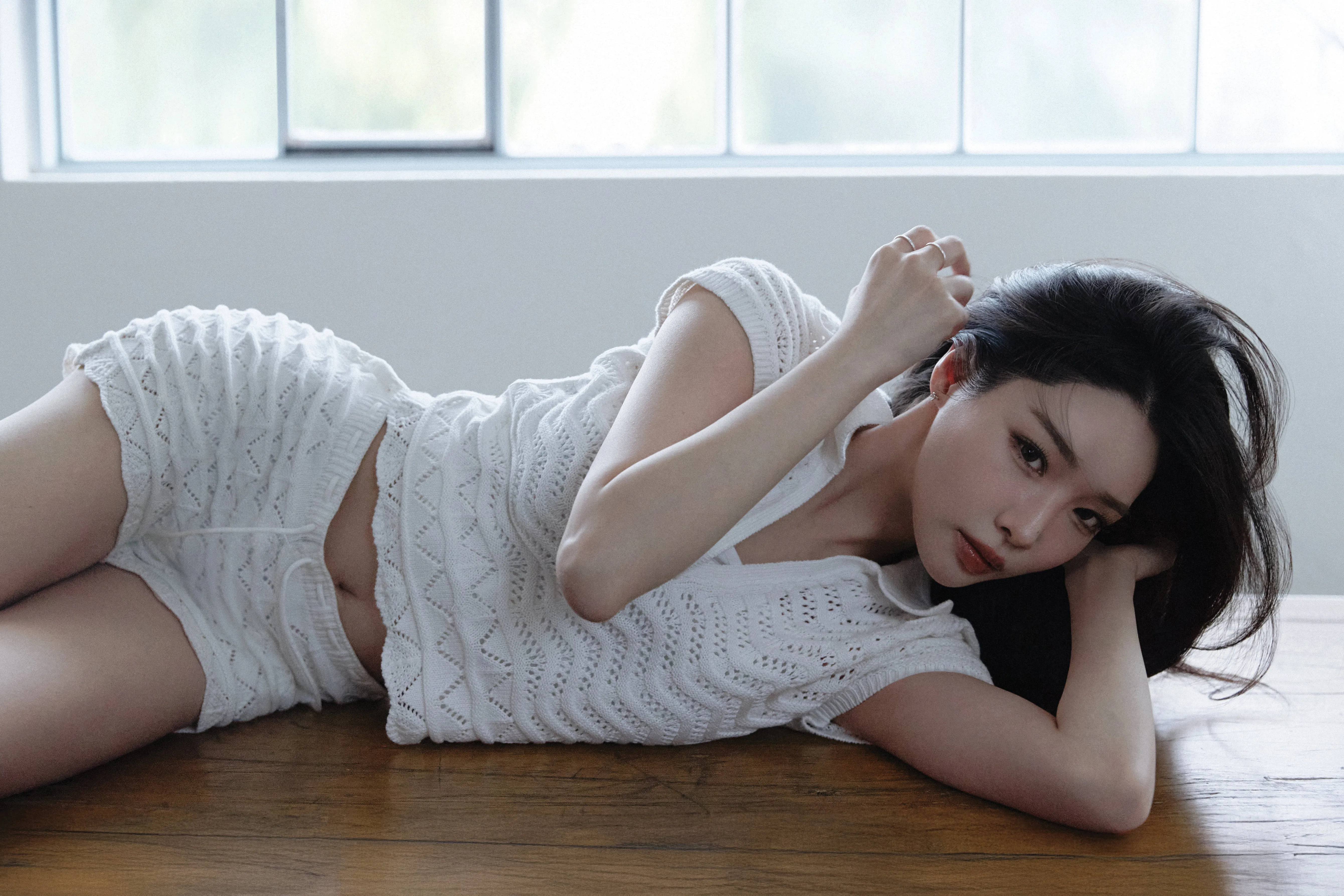
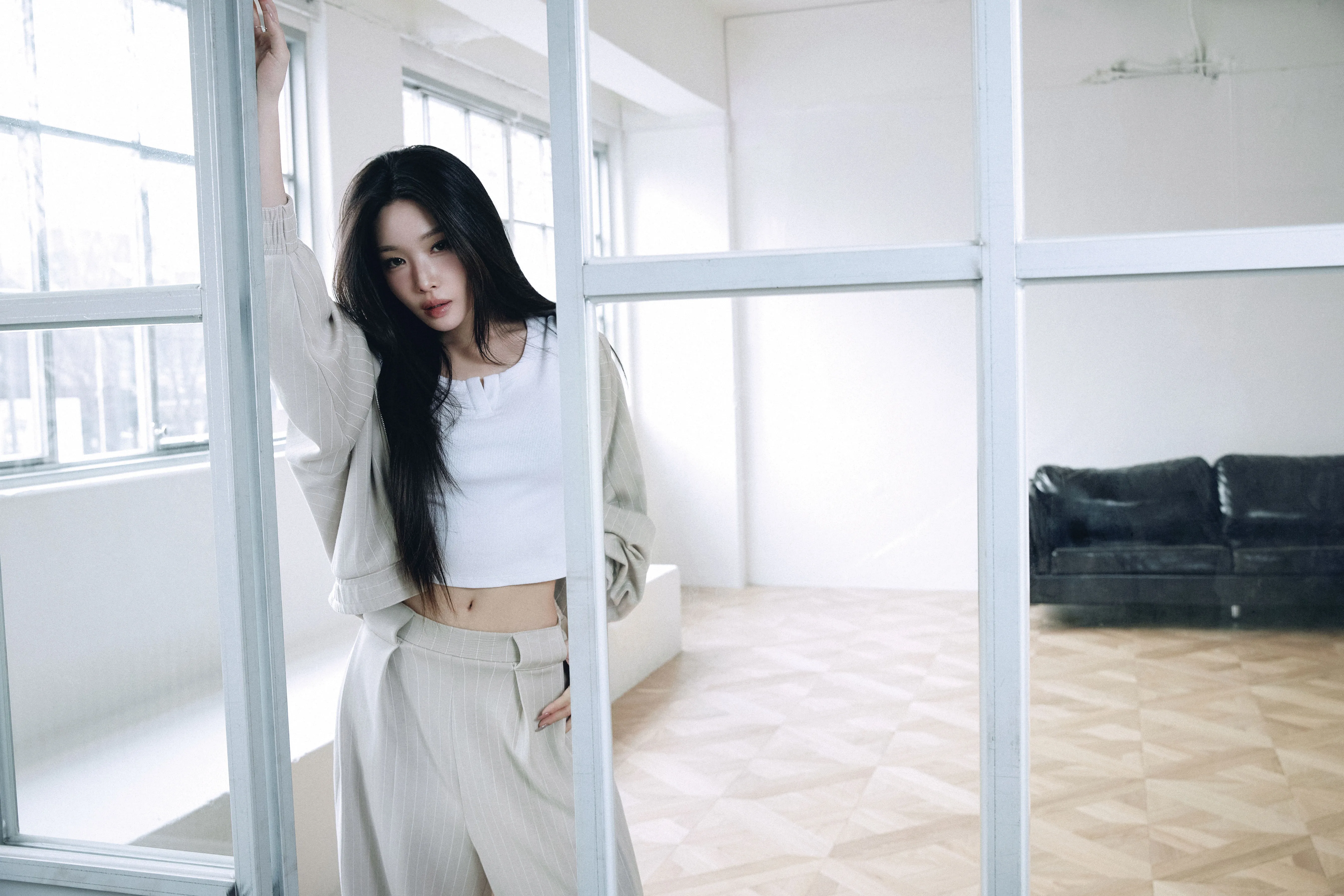
“I love K-pop. I do sometimes question what the difference between pop and K-pop is. Is it the language the music is being recorded in? Is it the writers? It might be the visual systems or the simple fact that the artist is Korean. I’m not sure how we define a K-pop artist, but whatever it means, I think it suits me because it connects me to my people. I love that it was Korean people who started this movement, that we did it in our language. It was Korean fans who made this industry. So, I am proud to be a K-pop artist.”
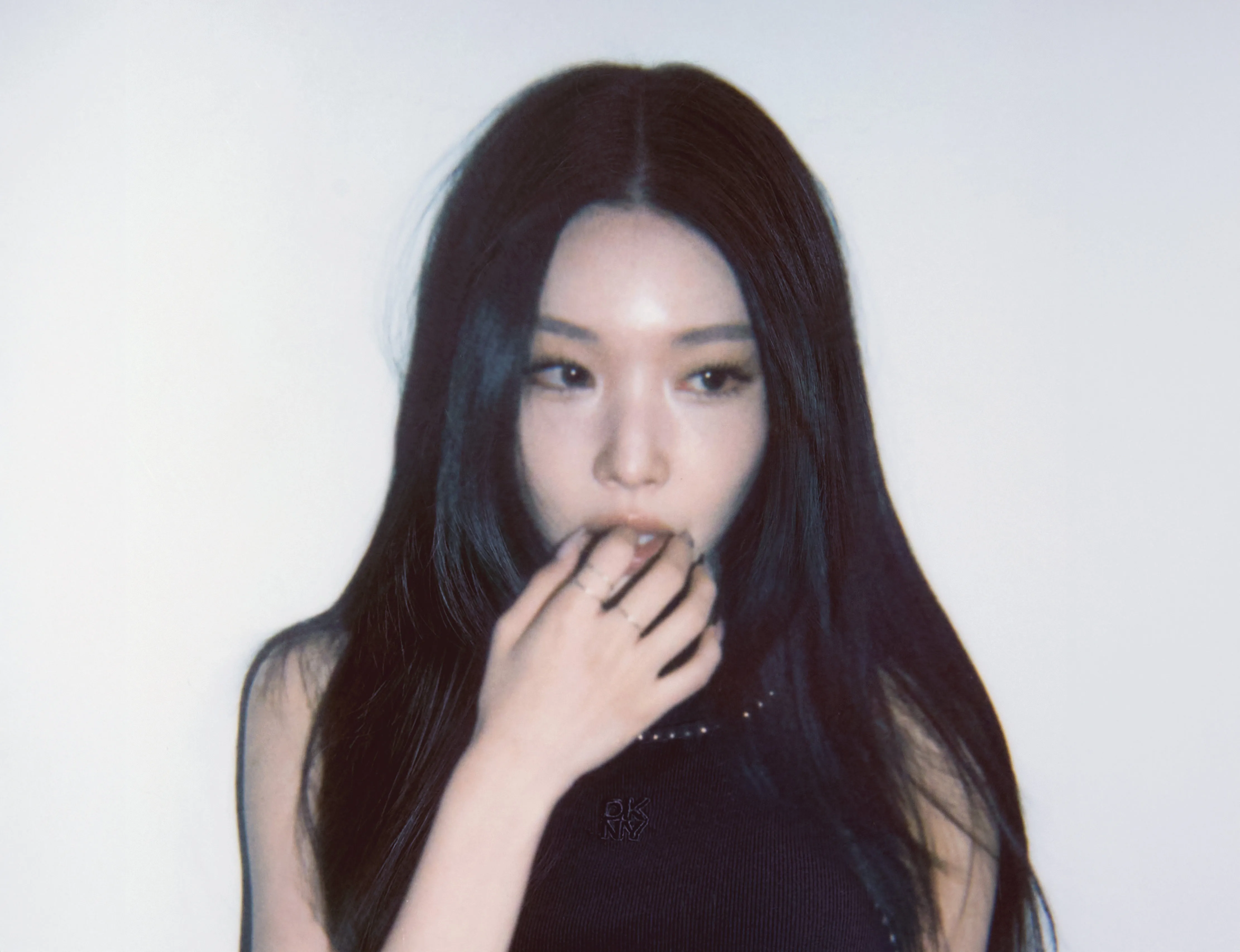
That question of what a K-pop artist should be comes up again and again as you engage with the idol’s career—probably because she has been wrestling with that question (and the expectations it forces onto her work) herself. Though she is now one of the most prominent soloists to come out of 3rd Gen—a term that defines K-pop’s musicians that drove the genre and rose to fame between 2012-2019—her career began as many idols’ have: through a mercenary competition show that pit teenagers desperate to debut against each other as the public watched.
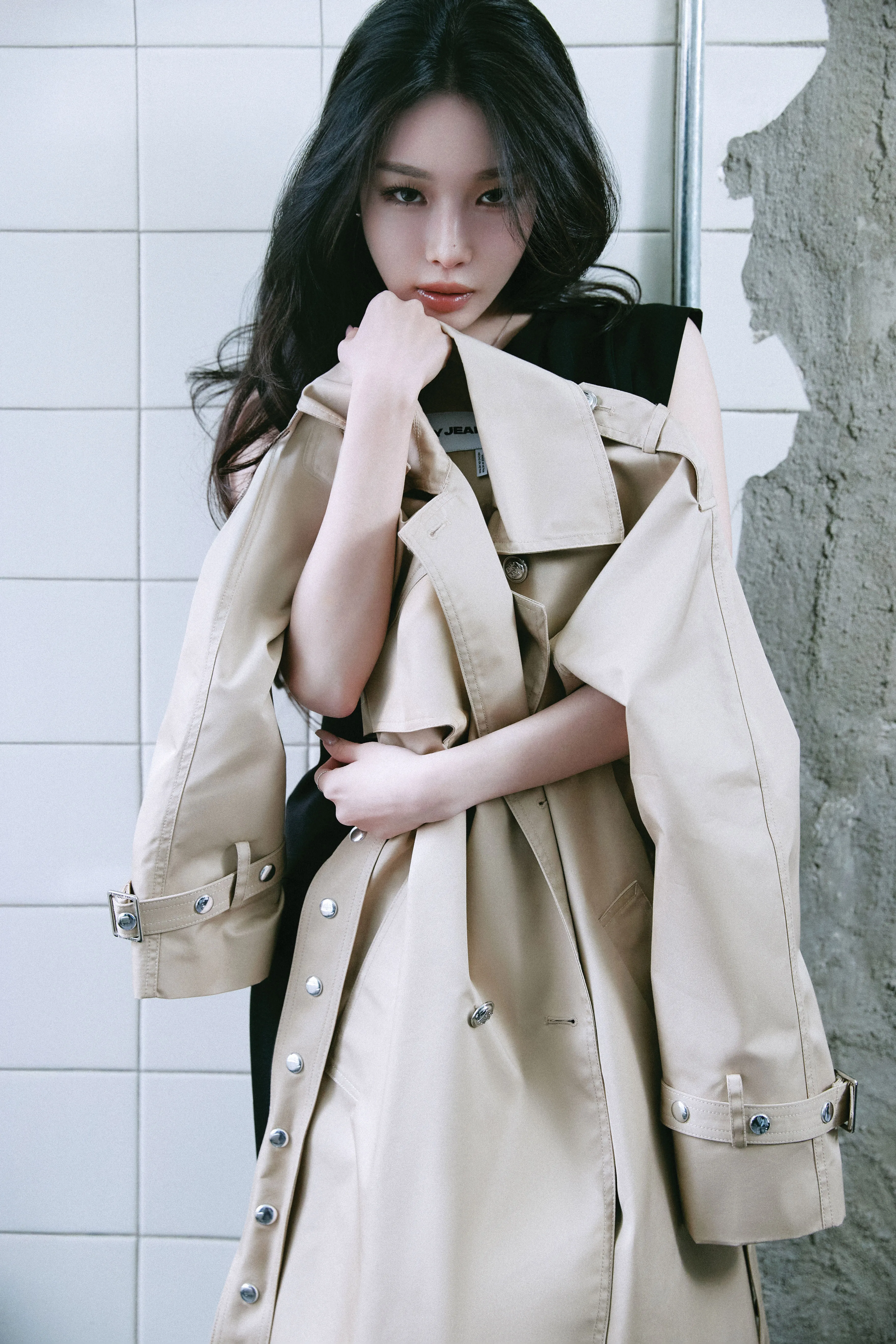
In 2016, CHUNG HA won a place in girl group I.O.I, which was formed by Swing Entertainment through the adjacent television show. In this show, like many other competition shows of this nature, there are recurrent themes and concepts: futurism and rigorous choreography, the establishment of a clear concept, comeback culture and fast turnaround of projects, “fancams” and music show performances organized to encourage “standom”—or, in laymen’s terms, a type of ultrafandom. These survival shows (aptly named) are meant to bring young people up to speed, fast tracking their training. An erudite performer, CHUNG HA has, in many ways, been the pinnacle of these impossible standards—but there is always a cost to that perfection.
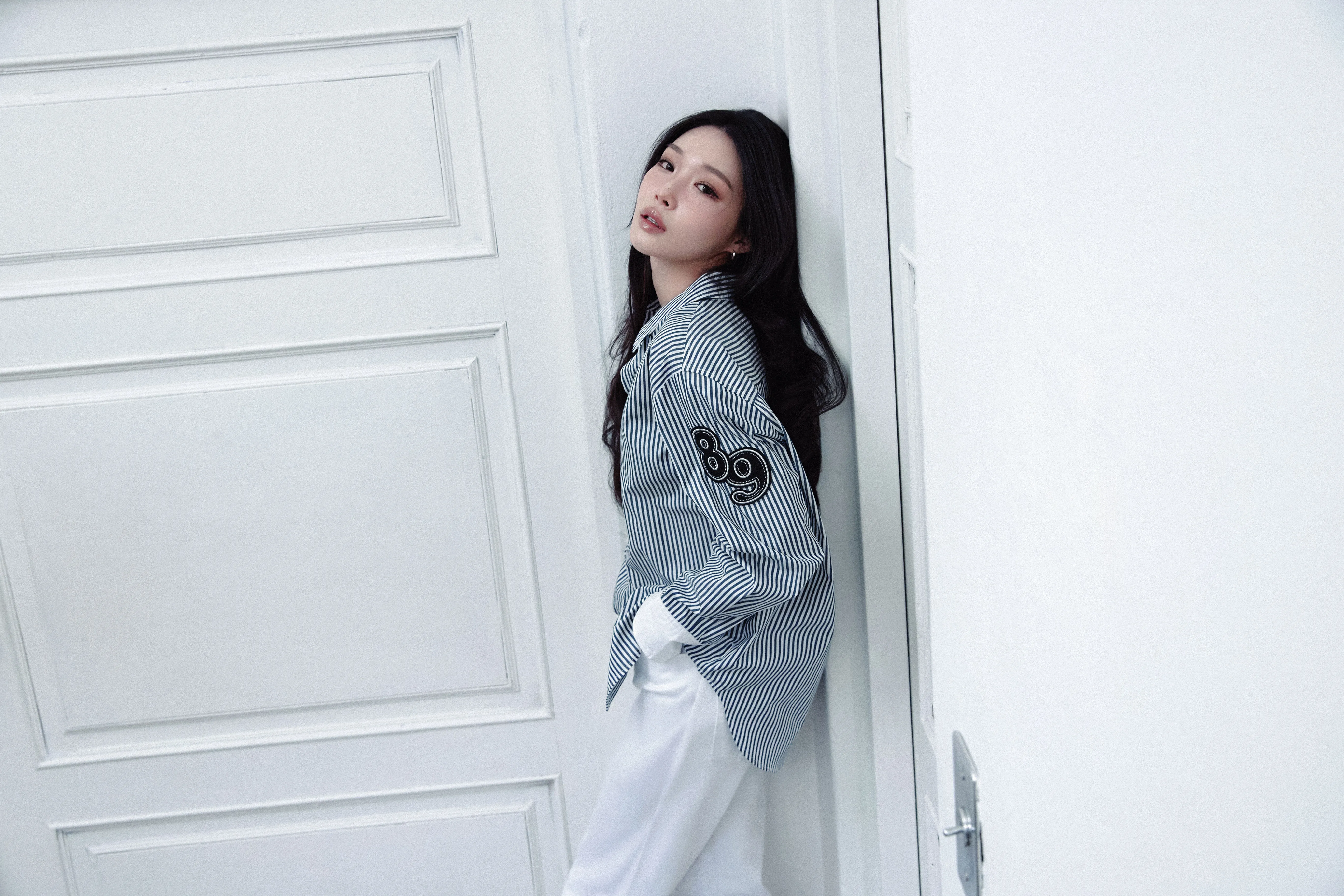
As she talks to me about that early period of her idol life, there is no starry-eyed commemoration, no revisionism to sugarcoat the weight placed on the shoulders of a 20-year-old girl entirely unsure of her power.
“I was so busy trying to pick things up, panicking. It was all scripted out. Our plans, our music. I was just doing the things that were written for us to do. We didn’t really get to have that much sleep at that time so I was just sleepy and confused. I was like, ‘I don’t think I can do this long term. How do all our seniors do it?’”
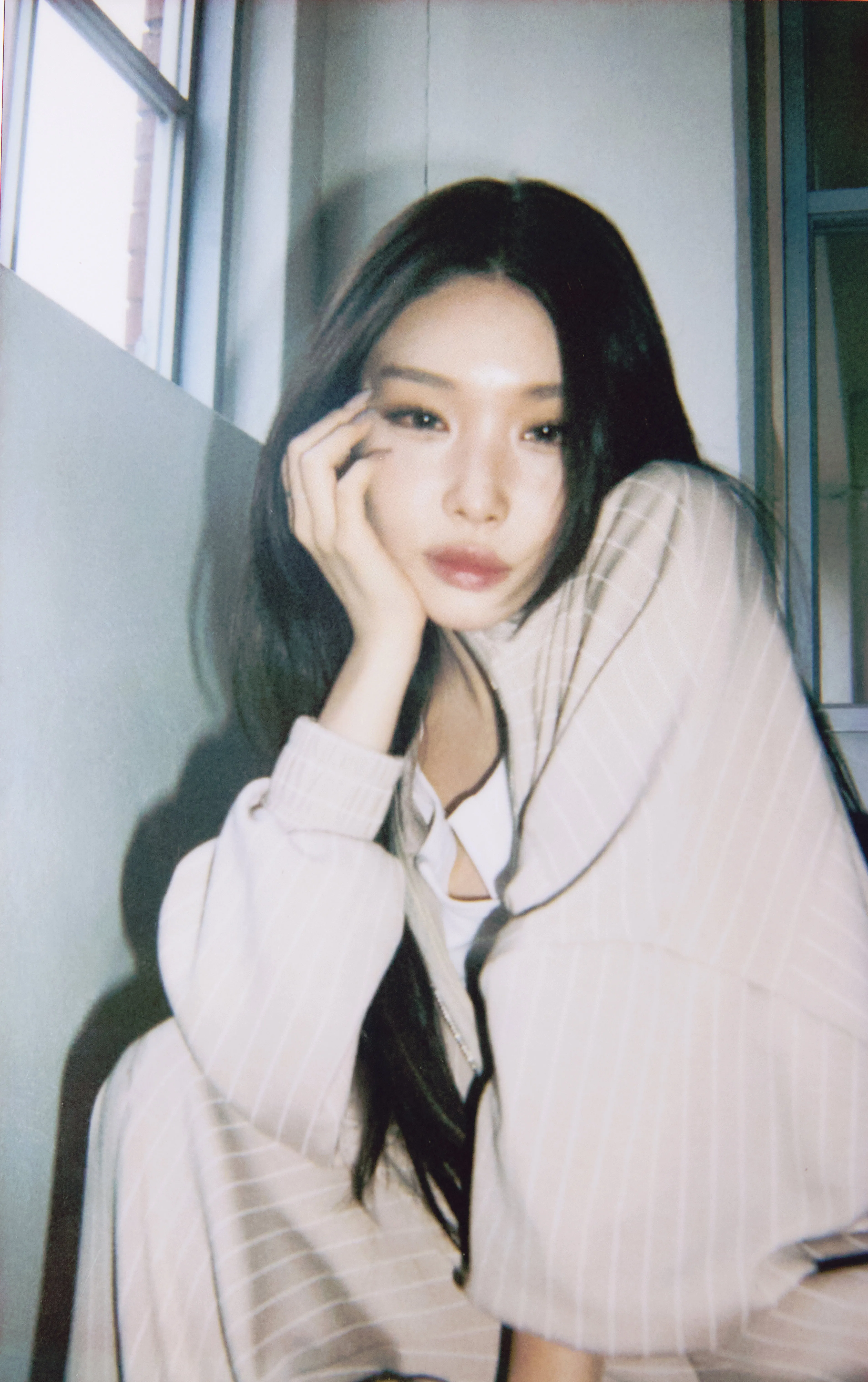
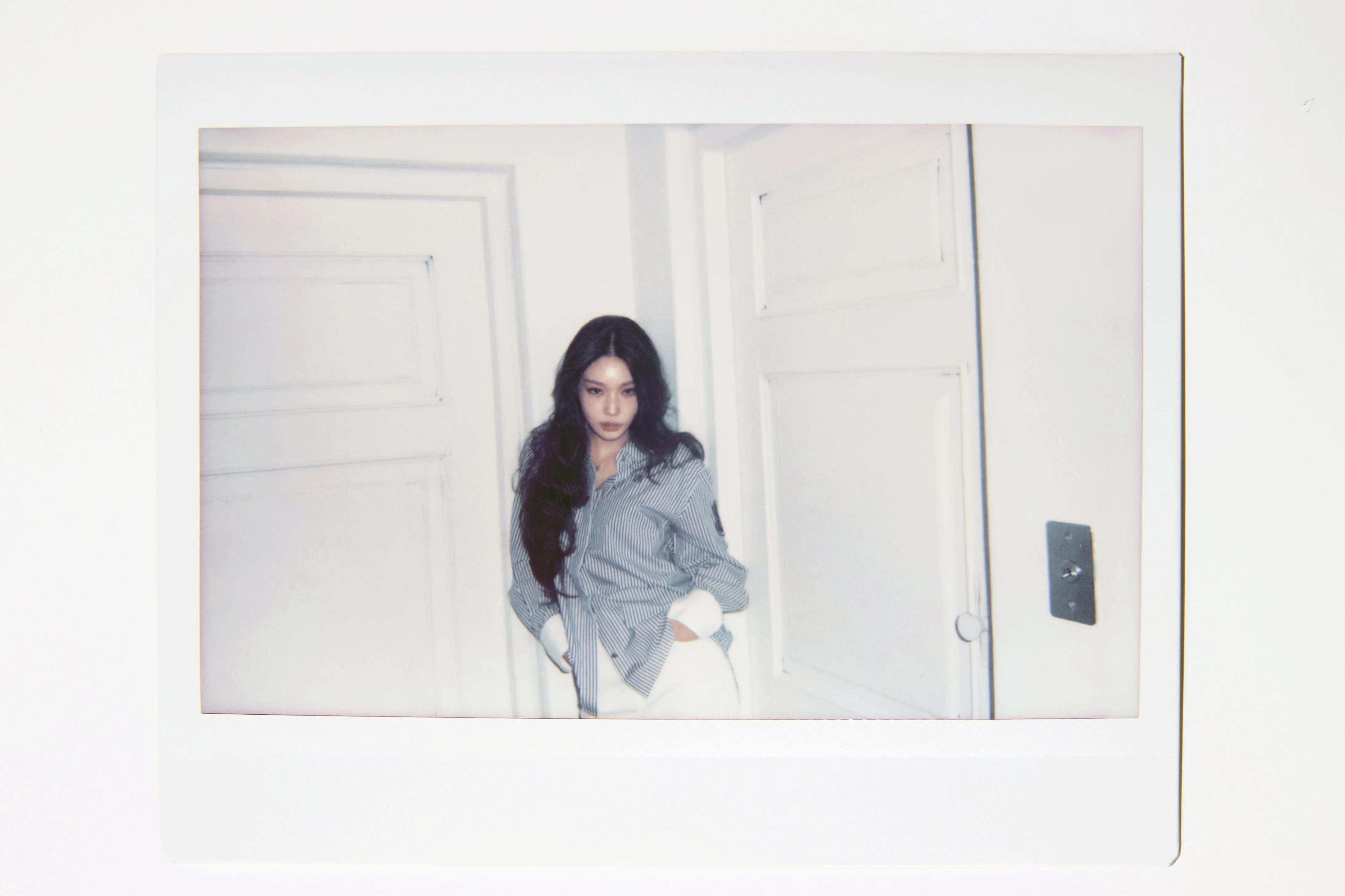
Longevity is difficult to maintain in an industry devoted to its prioritization of newness and novelty. “I’m surprised I’ve made it this far,” she says with a self-deprecating laugh. It’s what makes CHUNG HA an exception; this year marks a decade since her debut as a solo artist after I.O.I disbanded. She released a litany of singles: “Why Don’t You Know,” “Sparkling,” “Killing Me,” “Gotta Go,” as well as 2021 album Querencia and 2022’s Bare & Rare, Pt 1, all marking her as a generational idol.
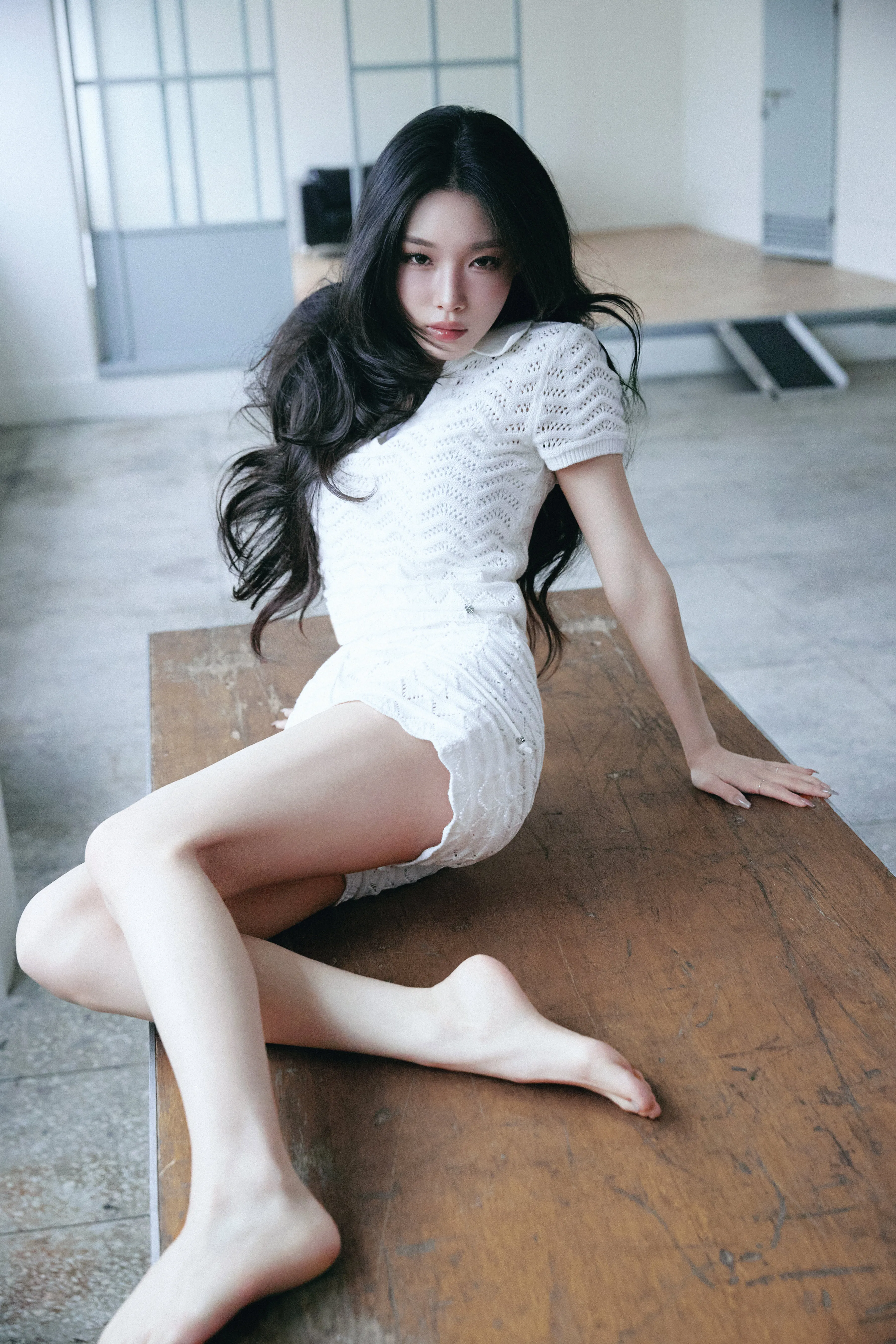
Another distinguishing feature of K-pop is a shroud of production that determines all aspects of the idol image, whether it be in highly-produced art forms or regular public appearances. Idols are known for honey-sweet responses that feel rehearsed because they are, at times, literally rehearsed: so hyperaware is the audience of the filtering forced upon artists, many tend to discount anything they say publicly as proof of a story being sold, still dehumanizing the idol once more as an unfeeling product.
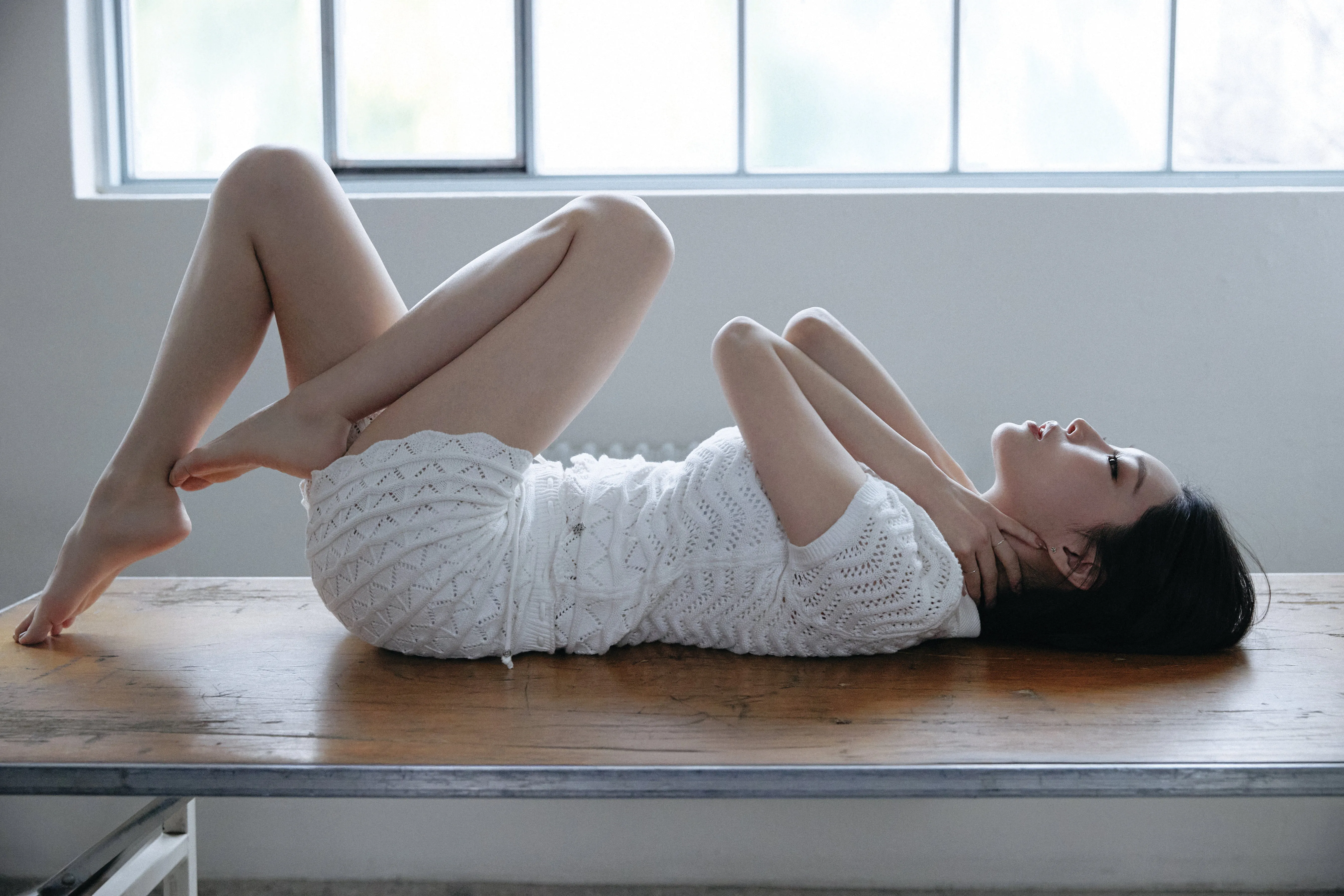
And yes, that refinement peeks through occasionally as CHUNG HA speaks, but never enough to detract from a very human mix of emotions when she speaks of her career—memories of the past, hopes for the future.
“When I was at my previous company I didn’t really have the [final] decision. I think my A&R at the company did,” she says, but now? “My dream has always been to put out music that I would listen to style-wise,” she continues.
It is a weight that can feel recognizable to any woman who feels like she, at some point, as compromised her boundaries in order to keep the peace, but it feels important to point out that the onus should be placed firmly on the systems forcing those compromises to be made upon artists to begin with.
CHUNG HA needs no prompting to dig deeper with her replies; there is no media-trained doublespeak to filter through for connectivity or ardour: CHUNG HA didn’t make the music she wanted to at first; she is going to start doing so now.
The star’s candor is perhaps a sign of the same boundary-pushing streak that has won her thousands of fans the world over, a fearlessness demonstrative in her performances, and one which she’s actively cultivating as I.O.I prepare to reunite.
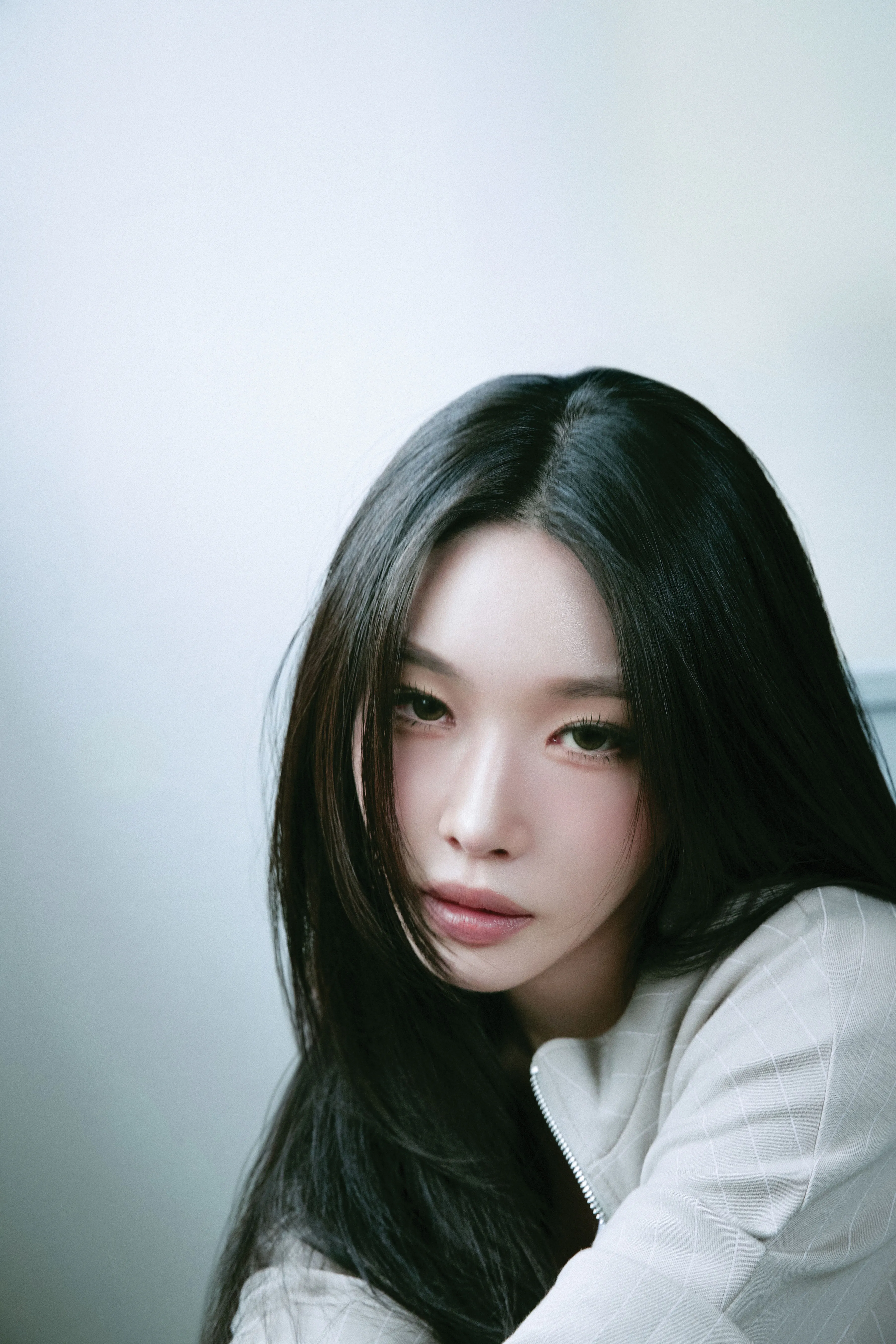
“I’m ready to start a new chapter with my girls. Everything is different now. Our perspective, our tastes, what we think is important and it feels so good to share all of that with each other as a group, becoming one again. Since I’ve found that courage now to make my own decisions, I think I would like to expand the idea of CHUNG HA the artist. I want to keep travelling between genres and surprising people.”
The Hallyu White Paper that discussed the importance of investing in an international K-culture movement states that the country hopes to produce work that is future-orientated, multicultural, and visionary—CHUNG HA has met all of those standards, one of the artists who led the charge in bringing her country’s work to the fore.
How far will she be able to go this next decade, putting her own voice first?
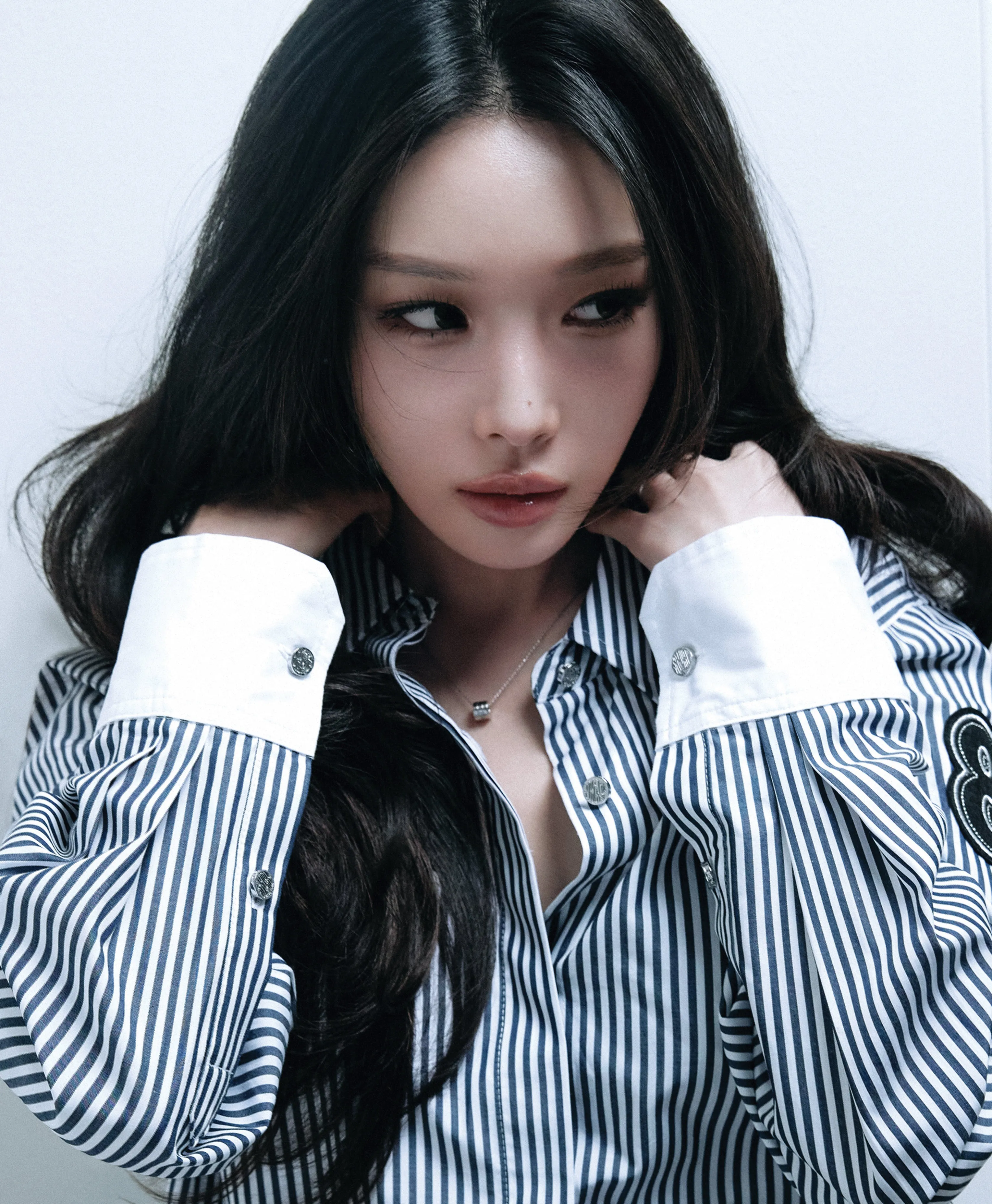
Photographed by Yoona Shin
Styled by Kyoungsun Kim
Written by Ayan Artan
Hair: Eunjin Kim
Makeup: Eunwoo Jeong
Flaunt Film: Chaerun Hwang
Stay up-to-date with exclusive events and content.


