F L A U N T



Emma D’Arcy isn’t afraid of failure. Especially if it comes in the pursuit of creating greater art. When D’Arcy and I chat, they are fresh off a month-long New York run of Alexander Zeldin’s latest play, The Other Place, which previously ran at the National Theatre London. A modern adaptation of Antigone, the play examines intimate family dynamics and secrets in the face of grief and received rave reviews for both runs. Now, D’Arcy is back at home in the UK, simultaneously freshly energized by the raucous nature of live theatre, but also, in their words, “absolutely knackered” by the end of it.
“To be honest, when you’re doing a play, it feels like you’ve committed to an incredibly intensive gym regime,” laughs D’Arcy. “Every time I do a play, I get kind of mysteriously ill in some way, then I have to spend my days seeking doctors, which in the US is very, very difficult.” They continue, “It’s funny…I end up expelling a lot of energy on just sort of trying to keep my body functioning”

While the English actor might be best known these days for their portrayal of Rhaenyra Targaryen in HBO Max’s House of the Dragon, D’Arcy’s deep theatre roots go all the way back to their time at Oxford’s Ruskin School of Art, studying Fine Art, and later, transitioning into acting and directing themself.
Yet even after their breakout role in the Game of Thrones spinoff series, and the exhausting reality of live theatre, D’Arcy still craves that live experience and has made it a priority to return to the stage whenever possible. “I do find it important to touch in,” they share, “because I think it exercises a very different skill set and I think it, in particular, I think it helps you to reestablish the performer audience relationship.”
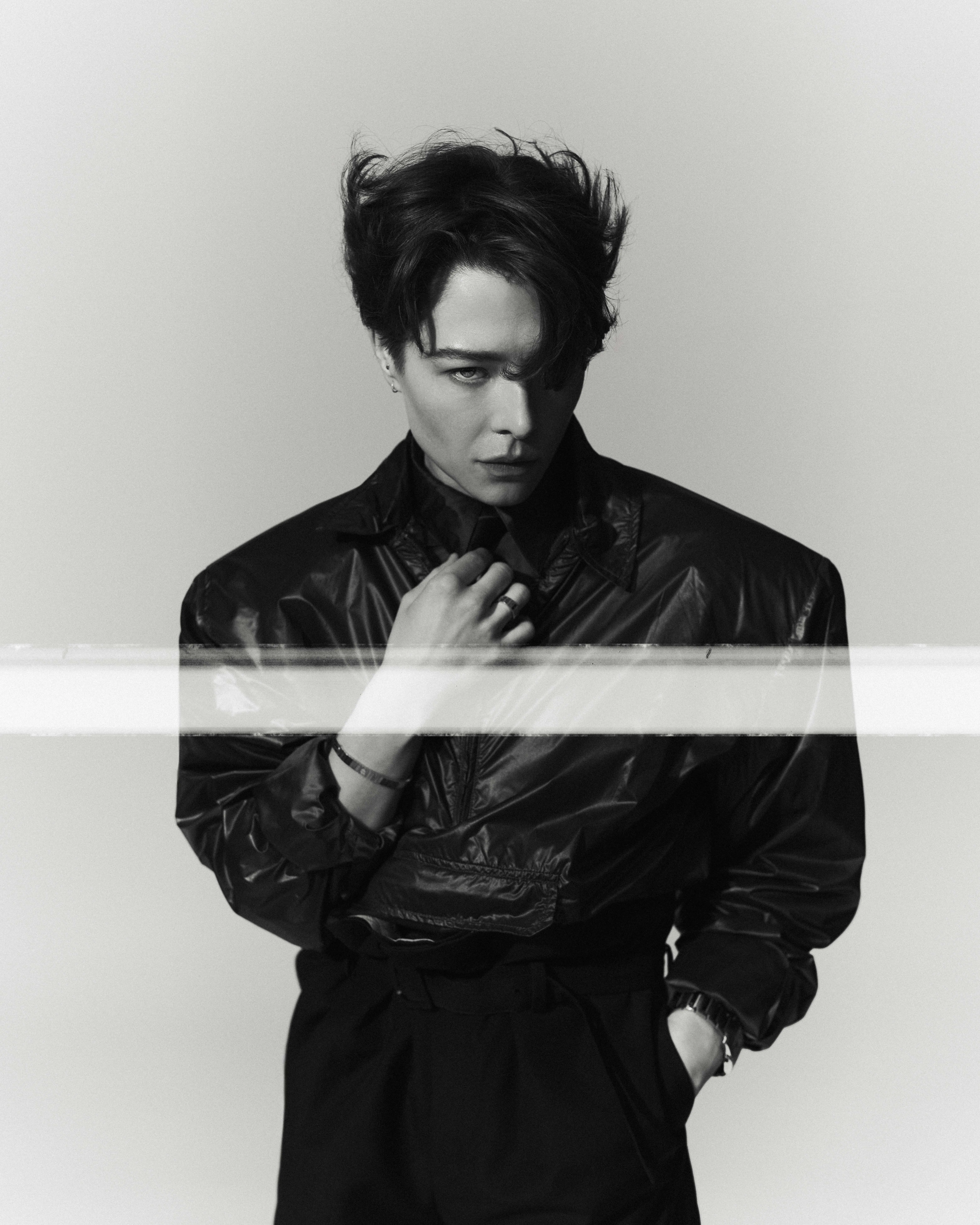
D’Arcy also finds the inherent reality of human error whilst performing live essential to molding their theatrical practice. “Part of the thrill of it as well is you are not gonna hit it every night. I think that’s the other reason that theatre is an important place for me to return to because it matures your relationship with failure.” They continue, “On screen there are so many processes between performance and reception. And a lot of that failure gets ironed out. But failure is inherent in any creative work”
Despite the obvious differences of genre, performance, and frankly, intended audience, as the premiere of season three of House of the Dragon approaches, it’s impossible to not draw parallels between the examination of family dynamics of the HBO Max series and The Other Place. It’s this connection, in fact, that captivated D’Arcy from the jump. “It’s an area of investigation that I am drawn to,” they explain, “I think in part because you can understand a lot of behavior via a person’s kind of familial relationships.”
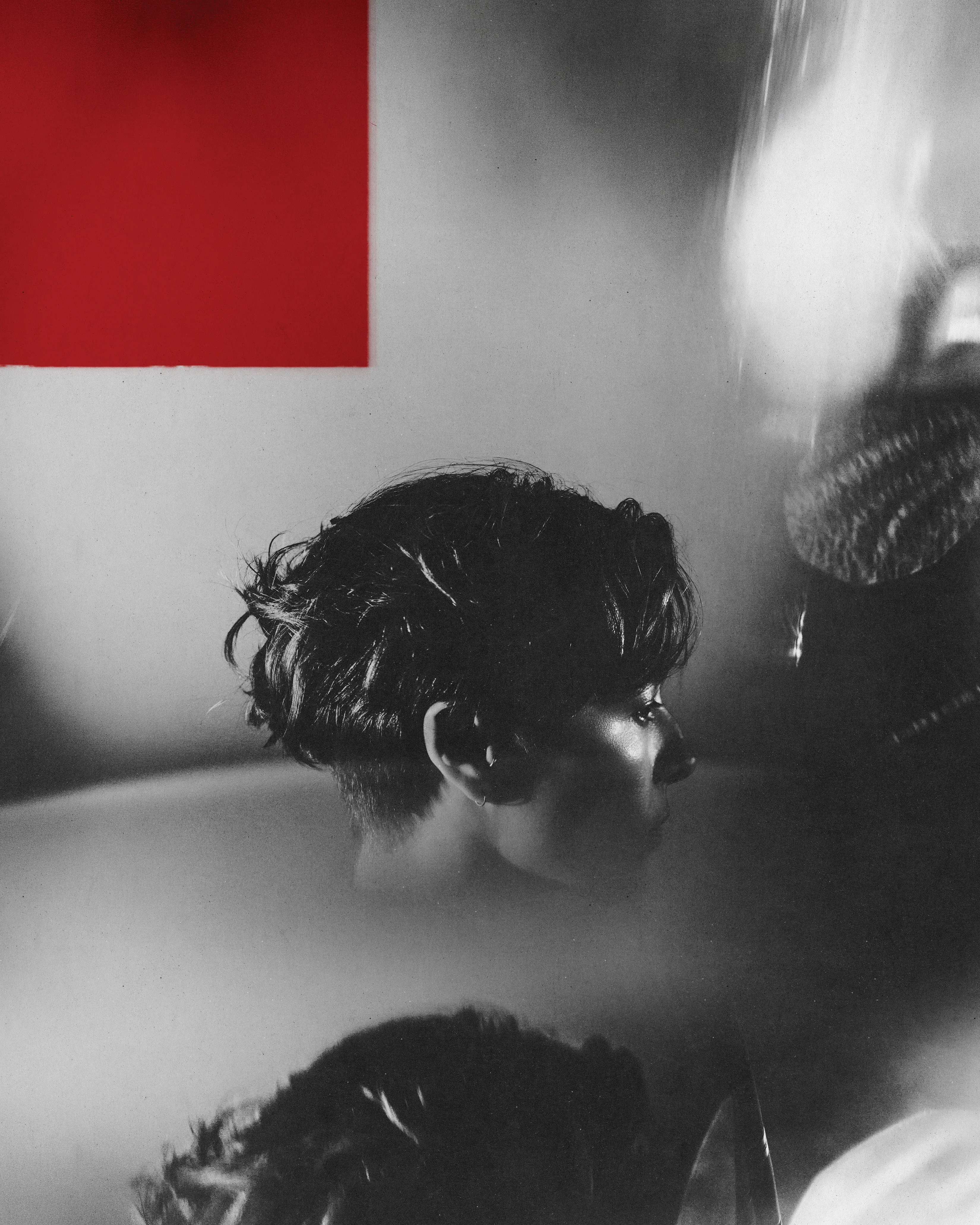
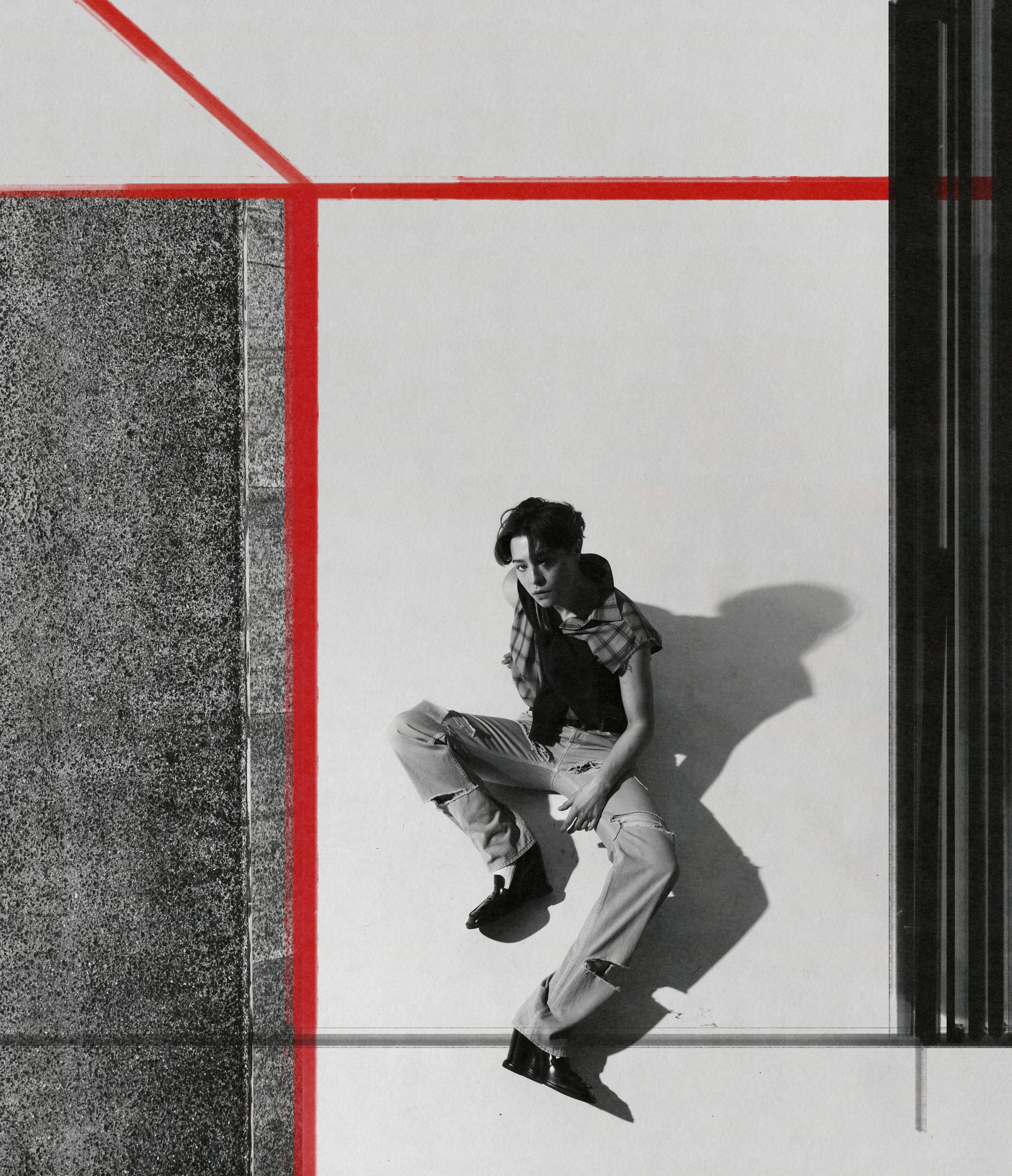
Beyond the common themes explored, as someone with theatrical roots and a deep appreciation for the art of practical production in the CGI age, D’Arcy finds the tangibility of House of the Dragon’s set builds and special effects both grounding and consistently awe-inspiring. The show’s commitment to tactile effects has been well documented, and the sheer physical scale of production borders on comical.
“I would see the raw footage and you cannot believe it’s not CGI. You know, it’s amazing. It’s amazing. And people. The amount of for and planning that goes into like, you know, one day of blowing stuff up. It’s crazy.” D’Arcy jokes, “I’d be very interested to know the total weight of explosives used this season.”
But the reality is, it’s shows like House of the Dragon that are helping keep entire artforms alive and endorse the power of craftsmanship in the face of the cost-cutting benefits of CGI. “We have so many departments and all the pieces that you see, whether it’s metal work or leather work or naval ships, that stuff is all made in house and it’s made by people.” D’Arcy continues, “I feel very privileged to work alongside such incredibly skilled people, and basically what a gift that there is this place that can bring so many craftspeople together.”
D’Arcy hopes House of the Dragon can continue to inspire artists and audiences to make a case for practical effects. “There is no part of me that wants to see all of my colleagues and myself, you know, replaced by AI. I understand the direction of travel, but I dearly hope that there continues to be an appetite for the ore that comes with knowing something was done for real.”
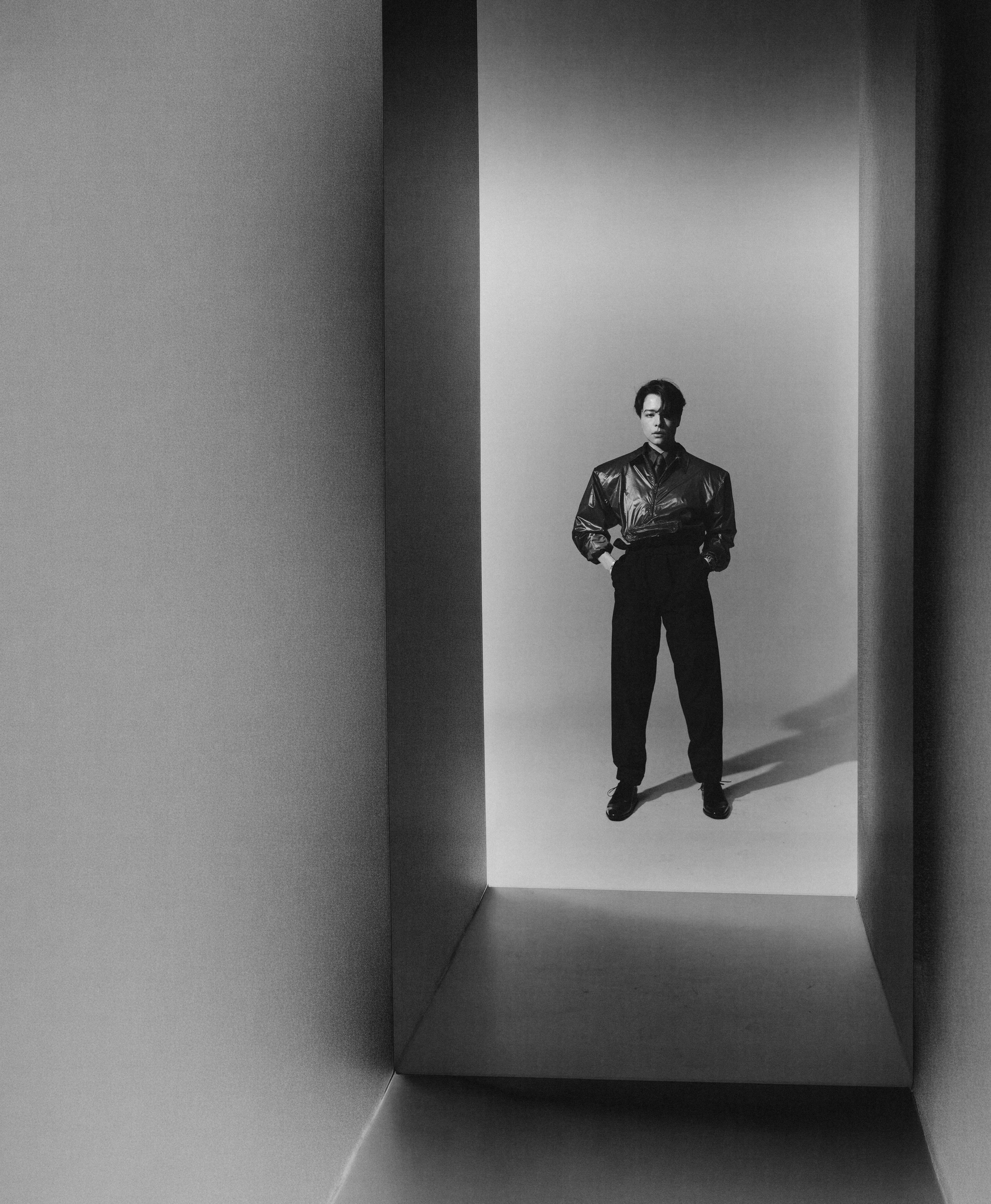
As the season three premiere approaches this June, it’s becoming increasingly difficult to not compare the fantastical world of Westeros with the dystopian nature of our own reality. But D’Arcy believes it’s those natural parallels that give rise to the show’s power. “That’s the strength of genres like fantasy and science fiction, weirdly that degree of separation gives you a clearer lens through which to analyze the workings of contemporary society.”

For D’Arcy, this timing couldn’t be more powerful. “This season particularly, I think a cool question the show asks is, ‘How much suffering should a civilian population endure in a military campaign?’” D’Arcy continues, “and in my opinion, it’s kind of the moral question that has plagued humanity, particularly since the advent of remote warfare and aerial bombardment, and it feels horribly pertinent”
Beyond House of the Dragon, D’Arcy is set to appear alongside Tom Cruise in Alejandro Gonzalez Iñárritu’s latest film, Digger, which will premiere this fall. D’Arcy is also co-writing on a number of projects but finds their work as, in their words, a “secondary artist,” to be particularly liberating.

“I think there’s this funny assumption that everyone is aspiring to be a primary artist. If you’re an actor, people say, ‘Have you ever thought about directing so, you know, you might finally self-actualize?’” they continue, “I’m actually not that interested. I don’t feel that I’m a person who is desperately waiting to tell my story. I’m not. What I love is taking material from elsewhere and making it my problem. That’s my jam.”
It’s the mutualistic nature of storytelling itself that fuels both D’Arcy’s artistry and decision making when it comes to choosing future projects.
“The reality of what we do—although the industry loves a name they can elevate and single out—is that it takes a whole village to make a show or a film or even a stage play, and the work is inherently collaborative. That is where the great joy of the thing is. Freedom for me is being in that kind of wonderful shoulder to shoulder peer state where you are striving towards the same end. That for me is a kind of artistic liberation.”
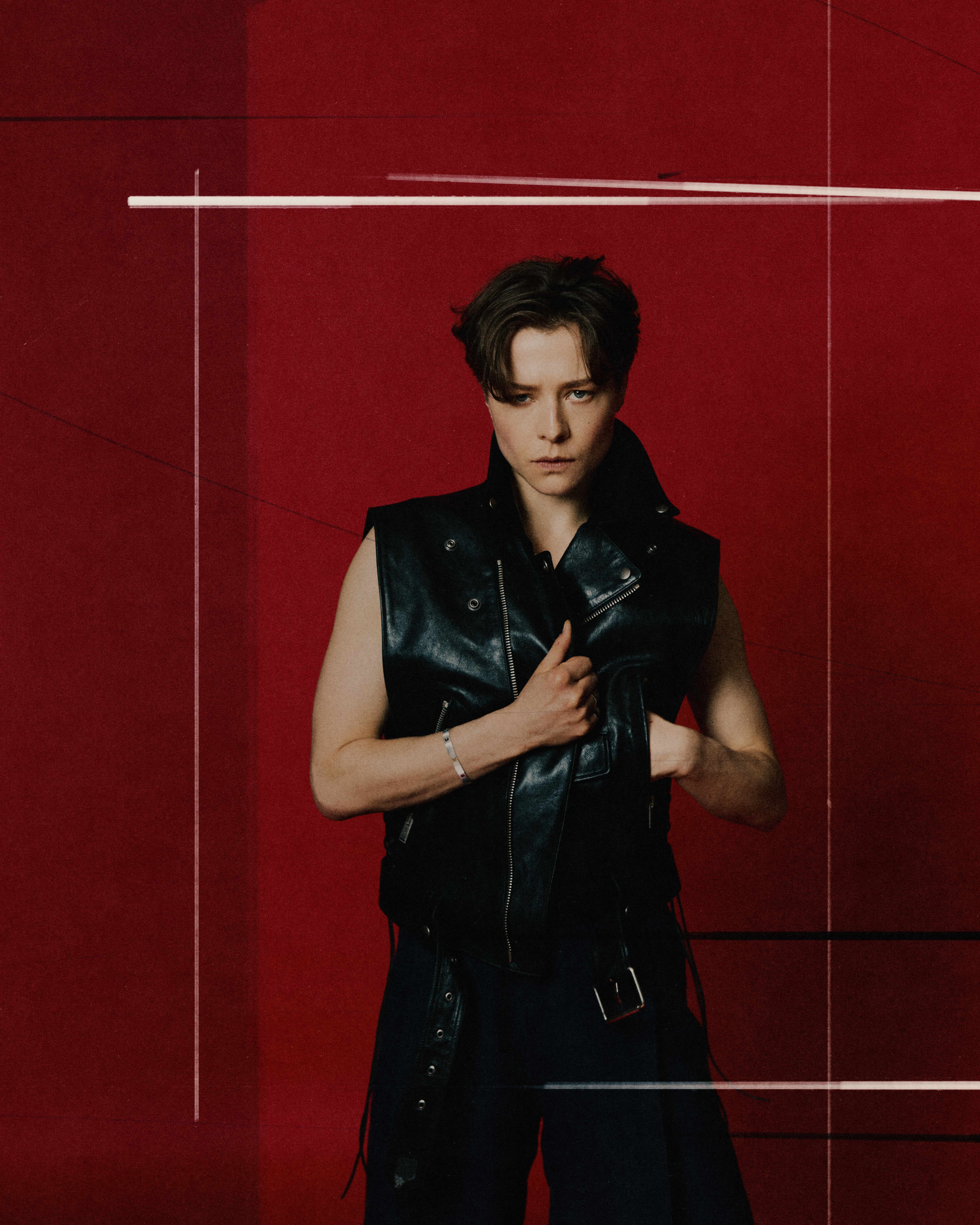
In the spirit of collaboration, D’Arcy finds frequent inspiration from not just other artists, but other artforms entirely. Most recently, that includes prolific author George Saunders and his New York Times Bestselling book on the craft of short stories, A Swim in a Pond in the Rain.
“Although he is talking primarily about short story writing, so much of what he says is applicable to other art forms. In particular—this is me paraphrasing him and probably willfully misinterpreting—but the idea that we often muddle ourselves on people that were inspired by, but ultimately, there is a certain truth that each one of us as individuals can excel at communicating. Which feels like such a beautifully generous way to enable people to feel confident in their self-expression.”
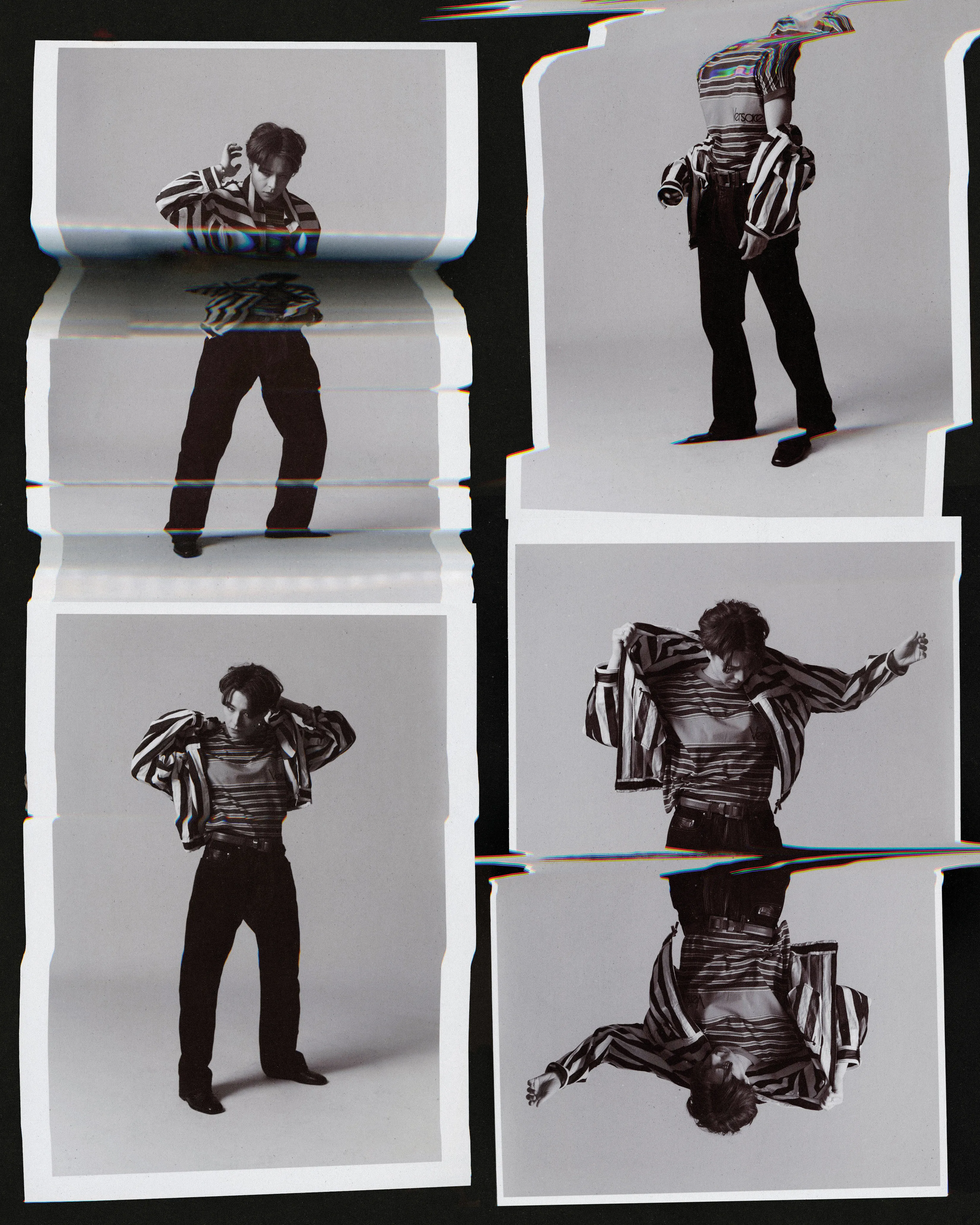
Beyond returning to their theatrical roots, D’Arcy has also found it increasingly important to return to stillness as a part of their creative process. “Especially when I travel for work, the older I get, the more I miss my friends and my partner, and the sort of baggy hours of gentle living. It’s easy for all of that to go. And, when you’re shooting it’s very hard to maintain that time, but I know increasingly that my brain needs it.”
They pause and briefly reflect on what, in the most foundational sense, it means to truly be an actor. “Actually my curiosity needs it,” they go on, “my job as an actor is to play other people, and if I, if I’m never out there doing the observational work, I don’t know what I would be reporting back.”
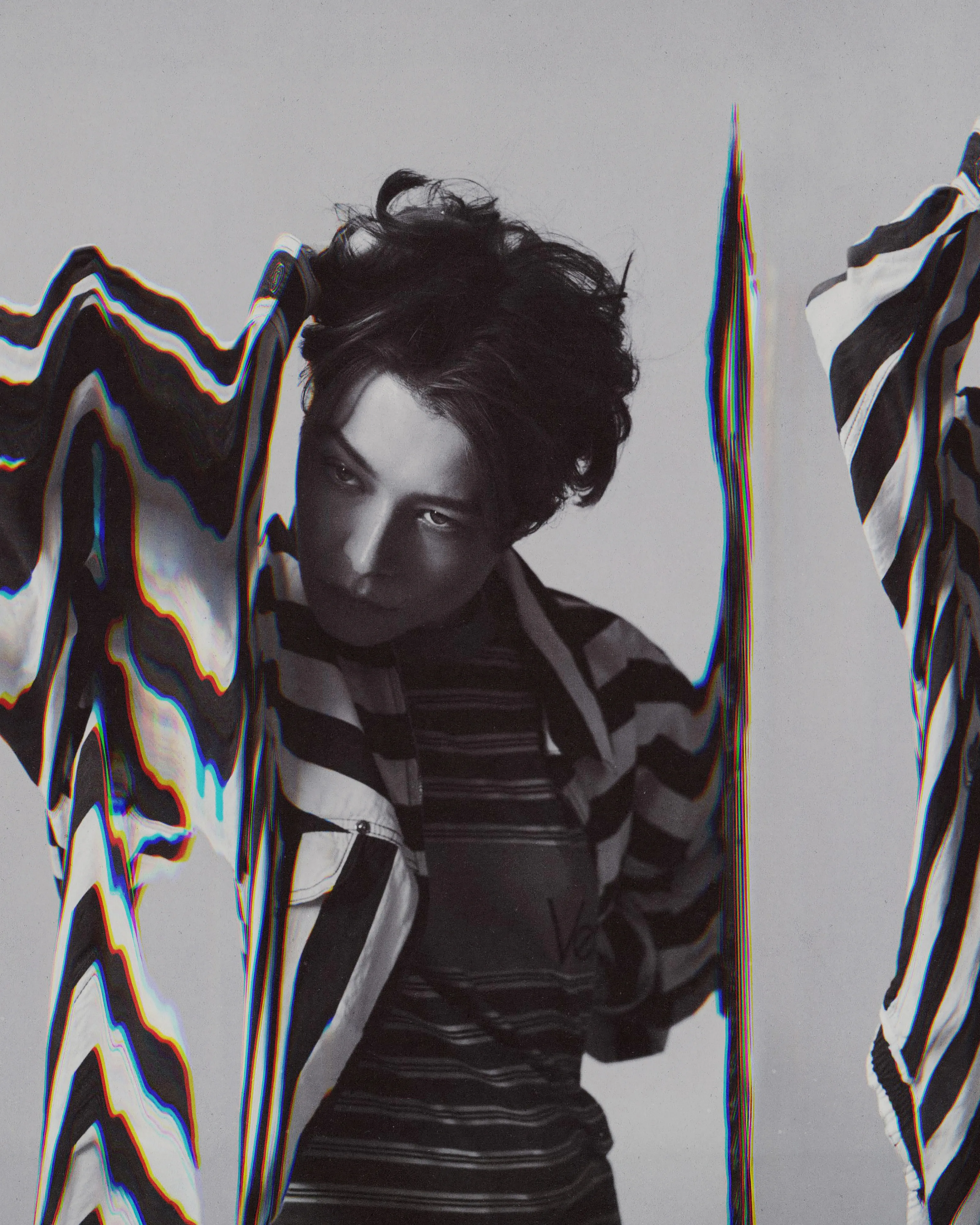
Photographed by Pip
Styled by Karen Clarkson
Written by Emma Turetsky
Hair: Josh Knight
Makeup: Phoebe Walters
On-Set Producer: Georgie Lawn
Flaunt Film: Rodney Rico
Photo Assistant: Jack Storer
Location: Studio 31
Stay up-to-date with exclusive events and content.


