F L A U N T


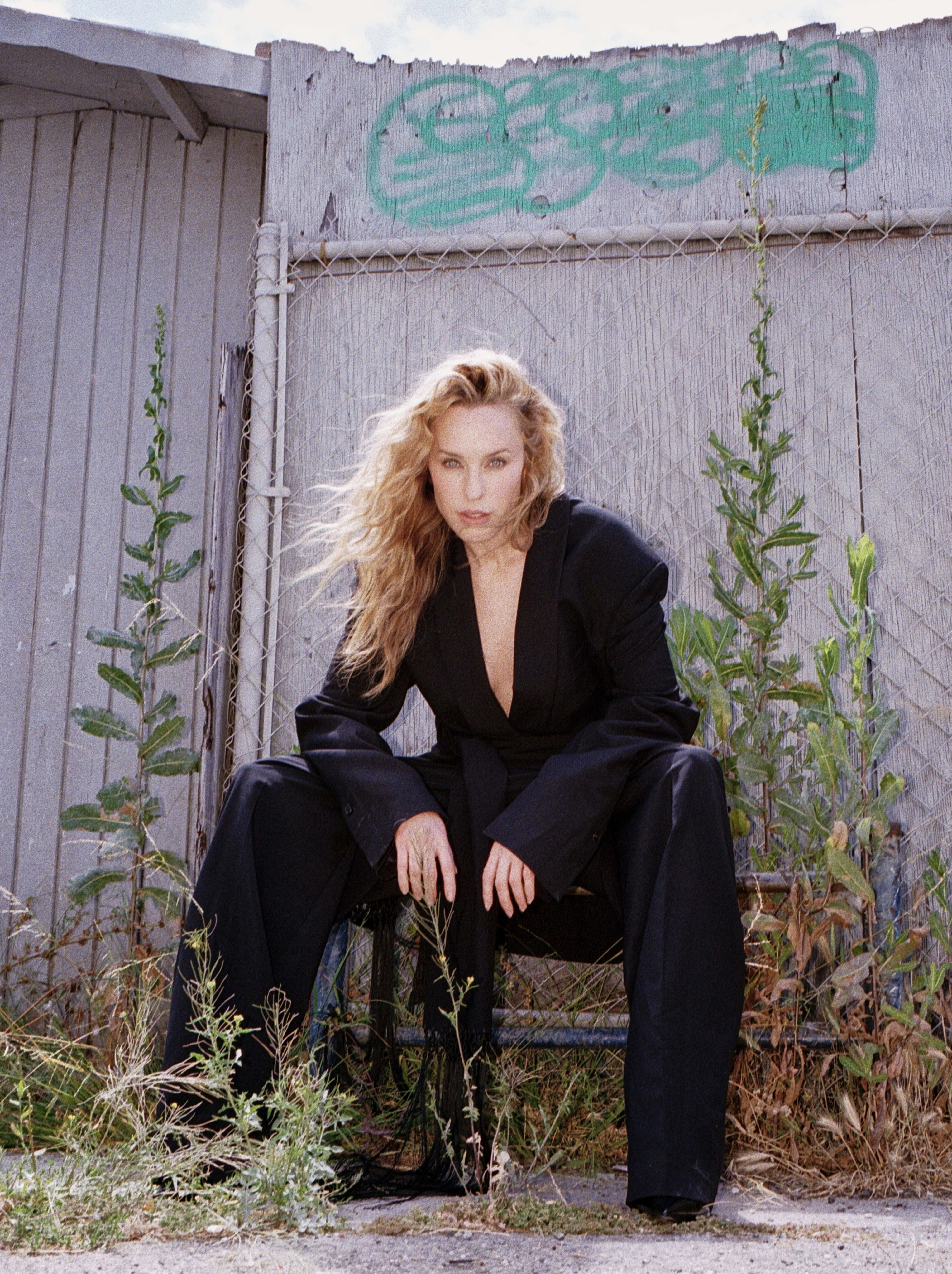
Twilight settles over the jungle in a shroud of violet. Somewhere beyond the reach of the fading light, a tigress emerges from the undergrowth. She is neither hurried nor hesitant. The wilderness bends around her presence, every movement a study in contradiction: she is both beauty and threat, elegance sharpened into instinct. Long before she strikes, the jungle has already made room for her.
It is this hypnotic confidence that informed the approach of Jessica McNamee for her portrayal of Sonya Blade: a heroine defined by presence, stoicism, and control. “She’s the one that’s got an eye on everyone,” the Australian actor proclaims. “I needed to find a way of moving in my body that felt right to the character.” Reclaiming her role as Sonya in the latest installment of the Mortal Kombat franchise, Mortal Kombat 2, McNamee takes pride in embodying such a formidable female character—noting Sigourney Weaver in the Alien film series and Linda Hamilton in The Terminator—and in bringing her version of feminine strength to the screen. Even the iconic eponymous game series depicted Blade in an overly sexualized way, one that might not have allowed her to be taken seriously or with the ability to hold her own. What has since emerged is a Sonya defined less by spectacle than by instinct.
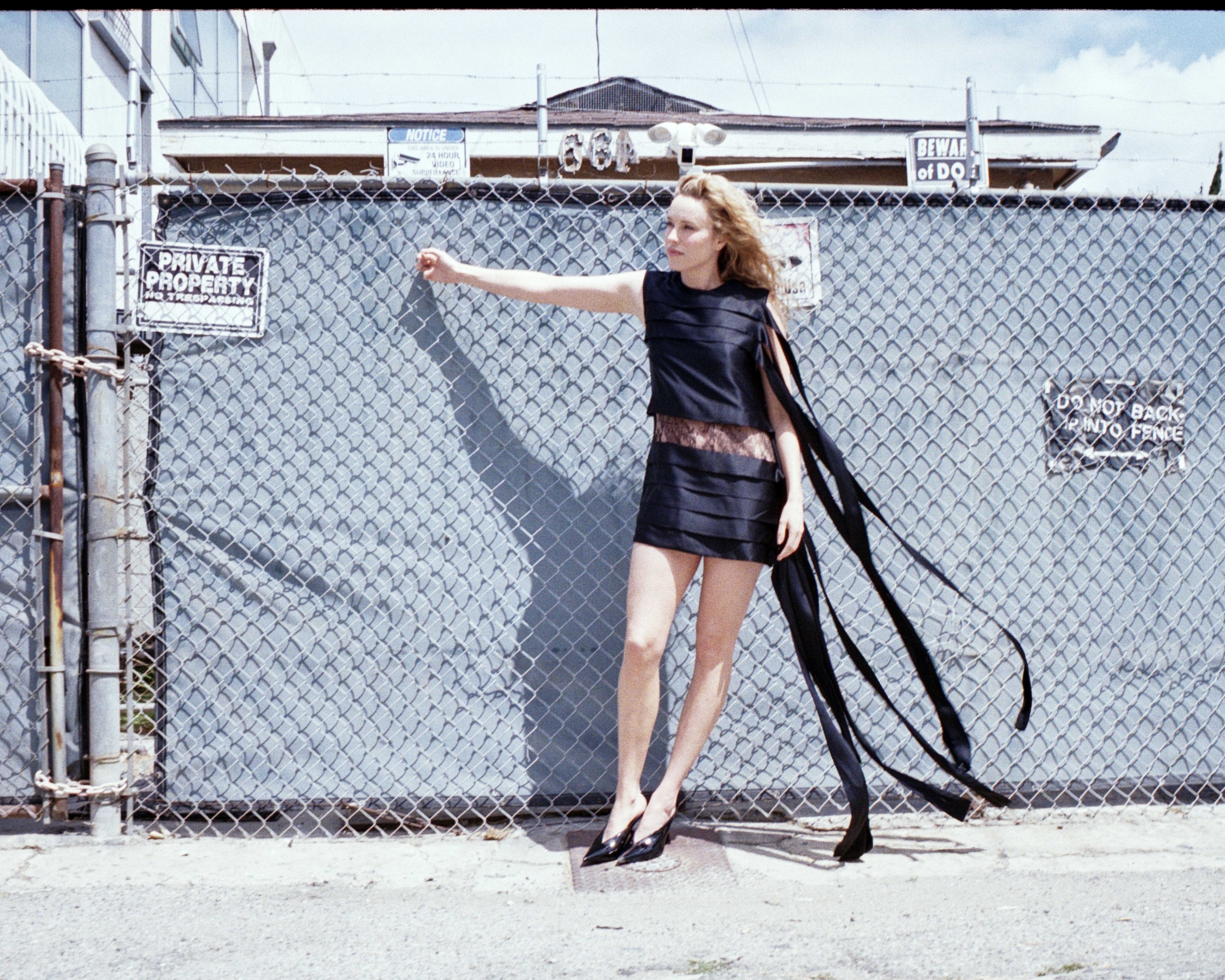
On a Thursday afternoon, thousands of miles dissolve into a Zoom screen. We exchange greetings before I speculate that we’re communicating through her internal car speakers. “I’m in LA right now, and I just had an appointment,” she says apologetically. “I’ve been out of town shooting the new Evil Dead, and so, you know, when you get back you just have all of your appointments, like I have to get my annual doctor’s checkup and all of that.” There’s a certain irony in hearing McNamee discuss annual checkups and Evil Dead in the same sentence. Responsibilities from opposite sides of the multiverse: one rooted in the banal rhythms of everyday life, the other in a blood-soaked world amid considerably more demons.
As for the latter, McNamee confronted fear far before entering the landscape of horror and survival. Though no details have been released to the public regarding the actress’s character in the 2028 film Evil Dead: Wrath, she shared that they are someone she has yet to explore through acting: the overtly feminine and sexually repressed. That challenge is what drew her to the role, alongside a cosmically written script. After all, fear has a way of revealing how far we’re actually willing to go: will we hang our toes off the edge, or retreat from it?
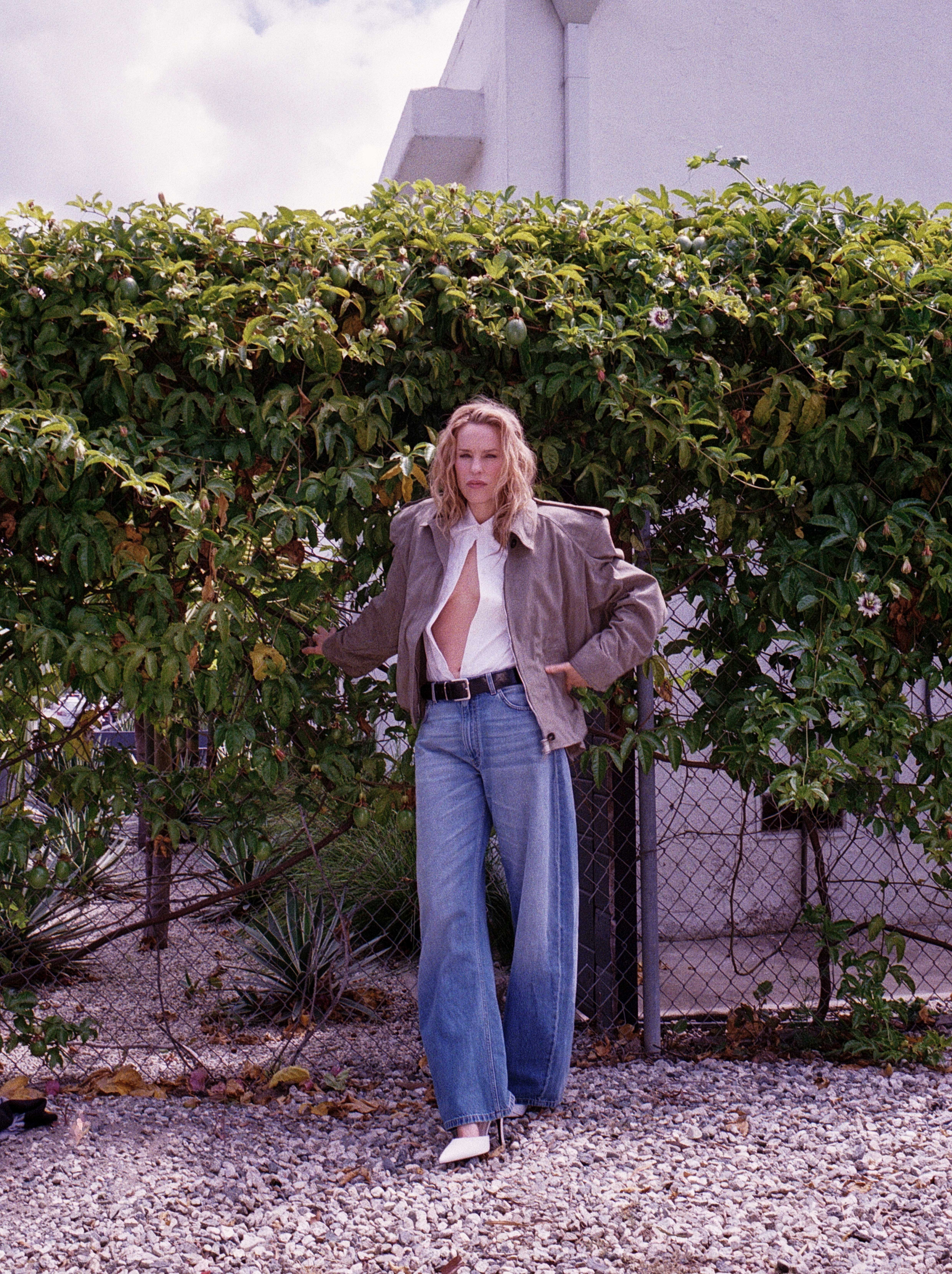
“Getting to explore sexuality did not sit comfortably, and I knew it was scary for me and pushed me outside of my comfort zone. But I was like, I know that this is when I have the most fun because it is unfamiliar to me,” McNamee says. “So that’s kind of the thing that drives me; I feel like I connect or get excited about a project when I’m feeling scared.”
For all its distress, fear often serves a purpose: stripping away the noise until all that remains is your inner voice. Intuition can manifest as a conflicted mind, a rational skeptic, a trauma response, or a suppressed voice—for McNamee, it’s her guide. Her trusted inner compass. “If I hadn’t followed my [gut] instinct for so many years, I don’t think I would have persisted,” she says. “I also think I would have ended up doing projects that I wasn’t proud of.” Whether in friendships, relationships, her career, or anything in between, she’s able to return to herself in a way that no outside force can provide.
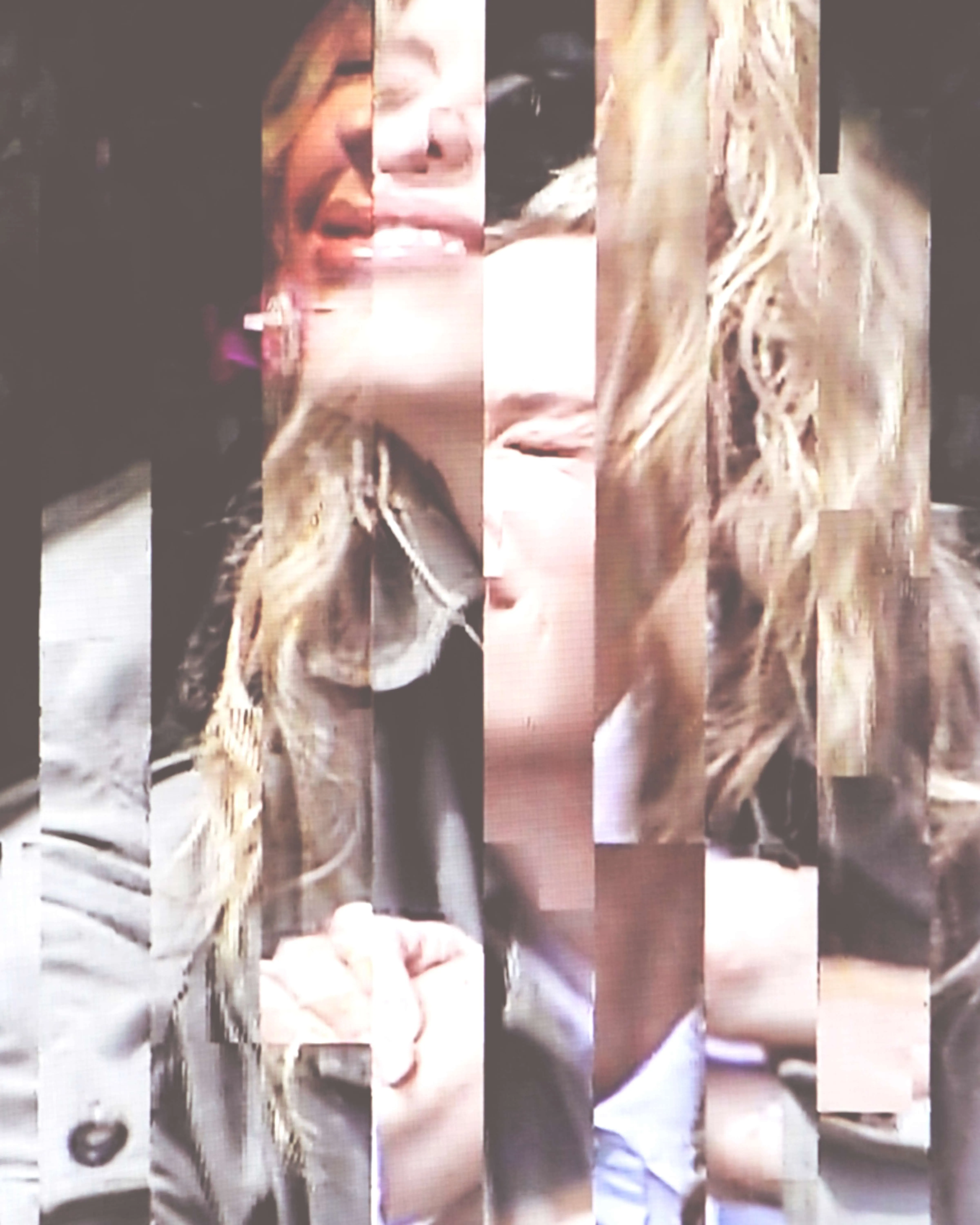
And there’s something so freeing about that: befriending your intuition, treating it less like a fleeting impulse and more like a quiet current guiding you forward. After all, control and trust rarely occupy the same space. Perhaps the real liberation lies in relieving oneself of the burden that you must have everything all figured out. The art of letting go is a truth that rarely arrives fully formed, yet speaks softly to the world on your behalf long after you’ve lost your voice in trying.
“I made a very conscious decision, I think, three years ago, that I was just going to swim downstream. It might sound like a funny concept, but I’ve spent a lot of my career trying to affect an outcome that is essentially out of my control. So much of this business is out of my control, you know. My casting could come down to the color of my eyes, or my height, or the color of my skin—there are so many variables. And so I found that my career actually started to open up once I just stopped trying to fight the things that were out of my control.”
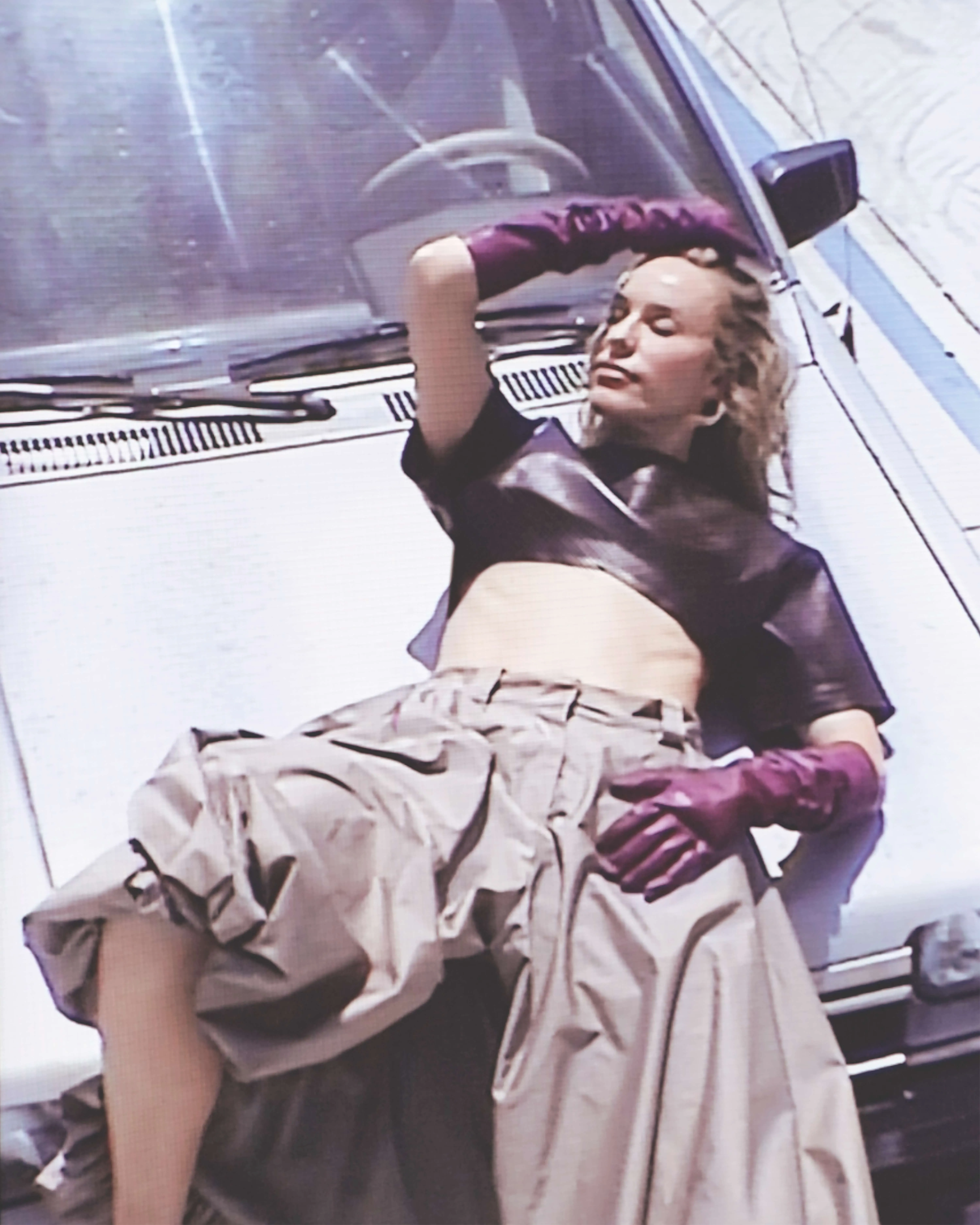
McNamee surrendered to the relentless push-and-pull game of the industry, relearning everything that had been taught to her about ambition, allowing her to put that energy into other facets of life that contribute to a new version of success. “I’ve noticed that it’s really helped me, in my career, to not give as many fucks,” she confesses. The peace she’s describing isn’t indifference, but perspective, where our conversation transitions into one of life’s quieter paradoxes: the idea that with age and experience comes certainty, yet the loss of a particular youthful wonderment that accompanies not knowing.
But curiosity isn’t only for the childlike mind, is it? We must only recognize how it spins on its axis amidst time and the developing intellect. When it comes to human behavior, McNamee’s curiosity has not diminished with age; it has merely found a more deliberate outlet, becoming an essential tool in her pursuit of truthful, fully realized characters. The world evolves, as do we, and she notes the dire necessity of wonder when it comes to being aware of things like conflict and cultures existing around us.
“I think the curiosity shifts from yourself, curious about what the world can look like for you, others, and being more curious about how other people move through the world.”
The tigress does not concern herself with what she cannot carry. What remains is not emptiness, but clarity; she creates space for what calls her forward. Perhaps growing older isn’t the death of curiosity, but its refinement. Less wonder at everything, more wonder at what remains.
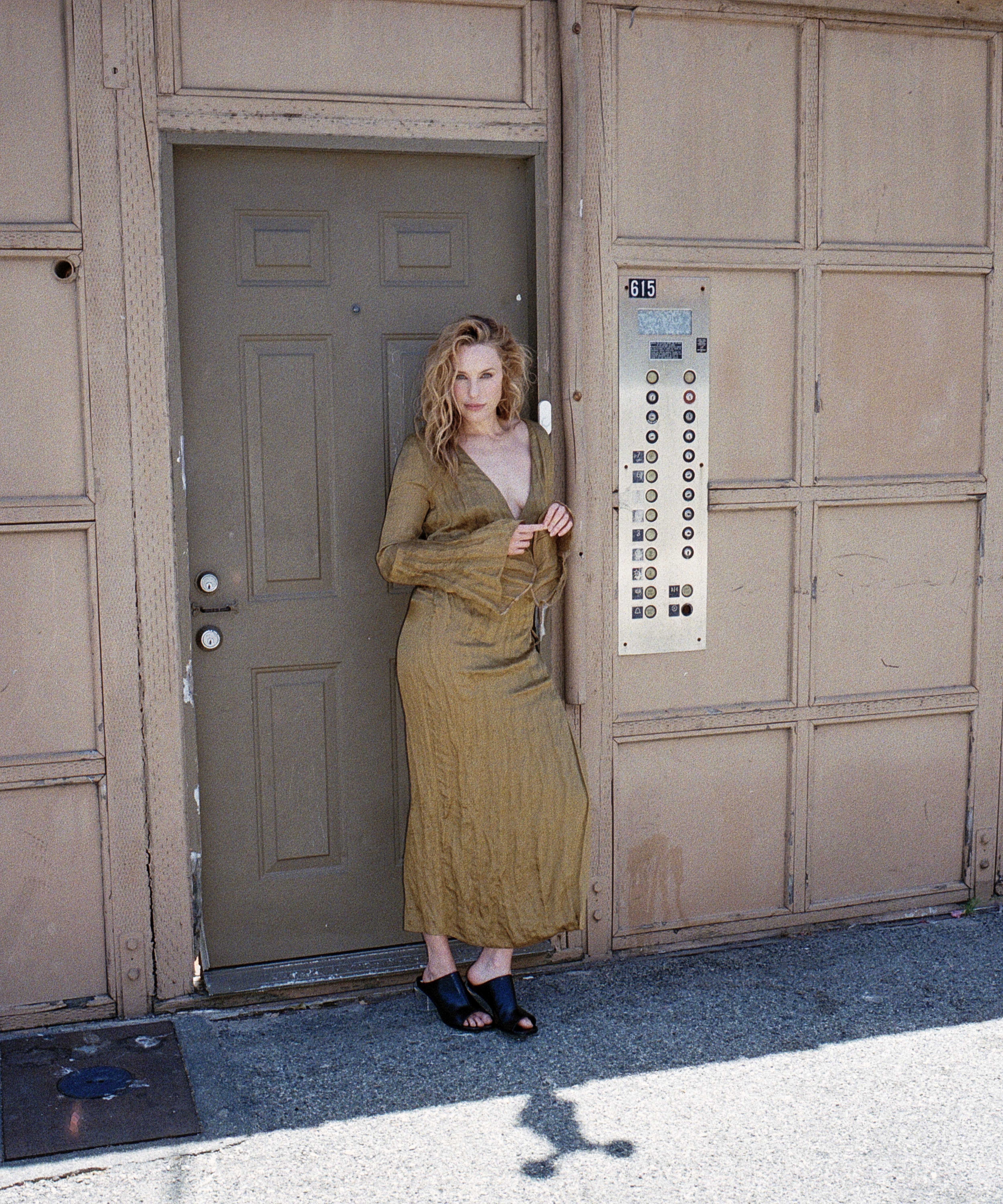
Photographed by Tyler Nevitt
Styled by Marisa Ellison at Opus Beaty
Written by Taylor Stine
Hair: George Cozma at The Wallgroup
Makeup: Bethany McCarty at The Wallgroup
Stay up-to-date with exclusive events and content.


