F L A U N T


“I follow no laws, no rules and no advice” — Richard Avedon
American photographer Richard Avedon was the original influencer. For more than half a century and in all his work — from those early fashion days shooting models wearing beautiful creations in post-war Paris, to his landmark series of portraits of working men and women titled 'In the American West’ — Avedon captured a sensibility that always felt ahead of the times. Artists, writers, fashion photographers and filmmakers alike have been endlessly inspired by his images ever since.
Luckily, one such filmmaker is the multi-award winning American director Ron Howard whose latest film, the stunning documentary Avedon, is world premiering at this year’s Festival de Cannes.
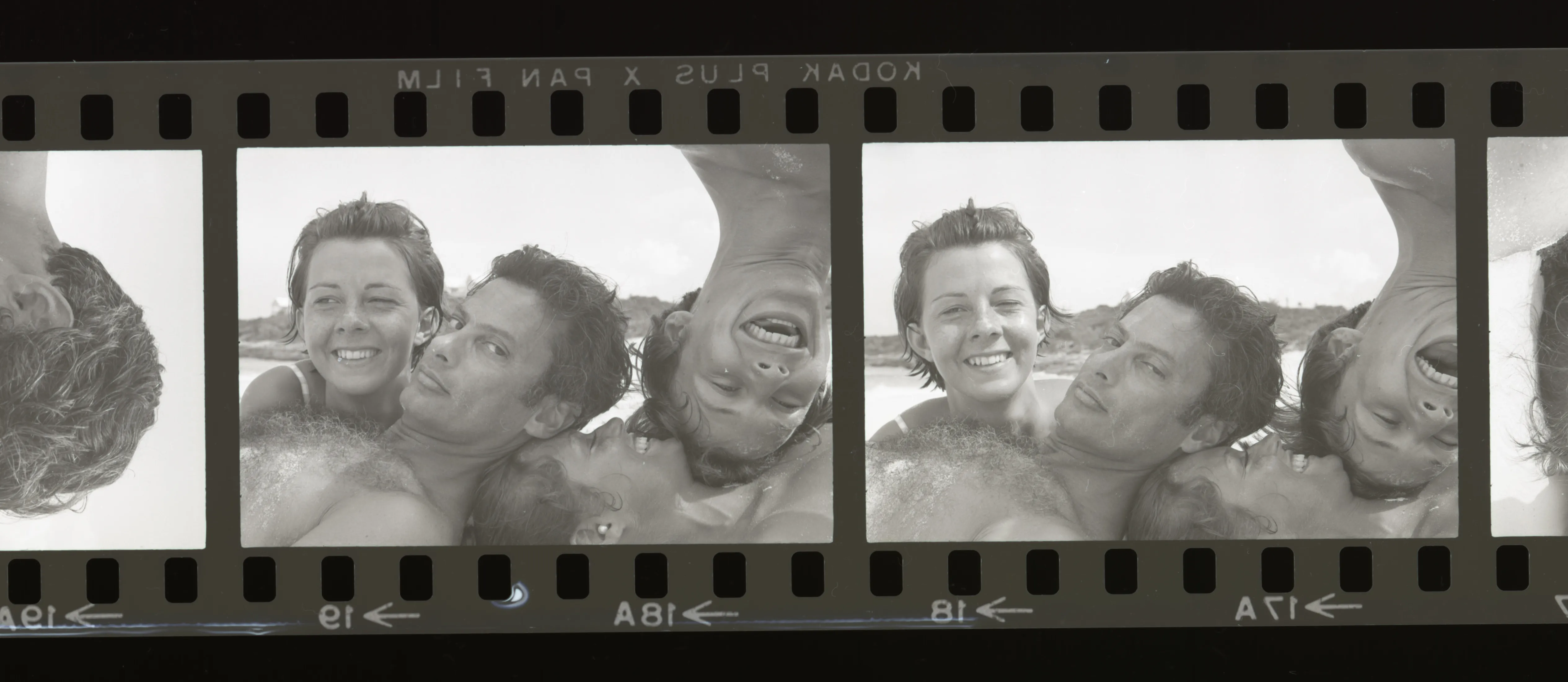
"I related to Richard Avedon’s love, of what he was doing and the way it propelled him,” Howard admits, when asked about what first drew him to the project, “I related to his drive and ambition to be productive, and to keep exercising those muscles and taking some risks along the way while continuing to also be commercial and understand what magazine photography needed, what brands needed for their products to sell out there in the world.” He adds “and yet, still, to apply himself, his creativity, and his art every time he picked up a camera, and whatever the subject.” If you were to substitute the mediums, filmmaking for photography, Howard could be talking about himself. Not that the humble, kind voiced and forever young American actor turned filmmaker would ever be guilty of that kind of self importance, but it is undeniable that Avedon and Howard share a lot in the way they approach their art.
Both men believed in the power of a commercial project, and how to look beyond their own ego as artists to achieve success. Both delved into using different viewpoints to make their art — fashion and portraiture photography for Avedon, fiction and non fiction cinema for Howard. Both are self-made men, who somehow found a tiny opening in the crowded landscape to slide themselves and their groundbreaking craft through, and have made an impact on global culture that goes well beyond their body of work.
“I think he’s braver and more courageous than I could ever claim to be,” Howard confesses, “but I certainly took some inspiration from him, and a reminder that kind of commitment to finding some other element, some other essence, some other idea behind a project that you hadn't thought of before, is a worthy one."
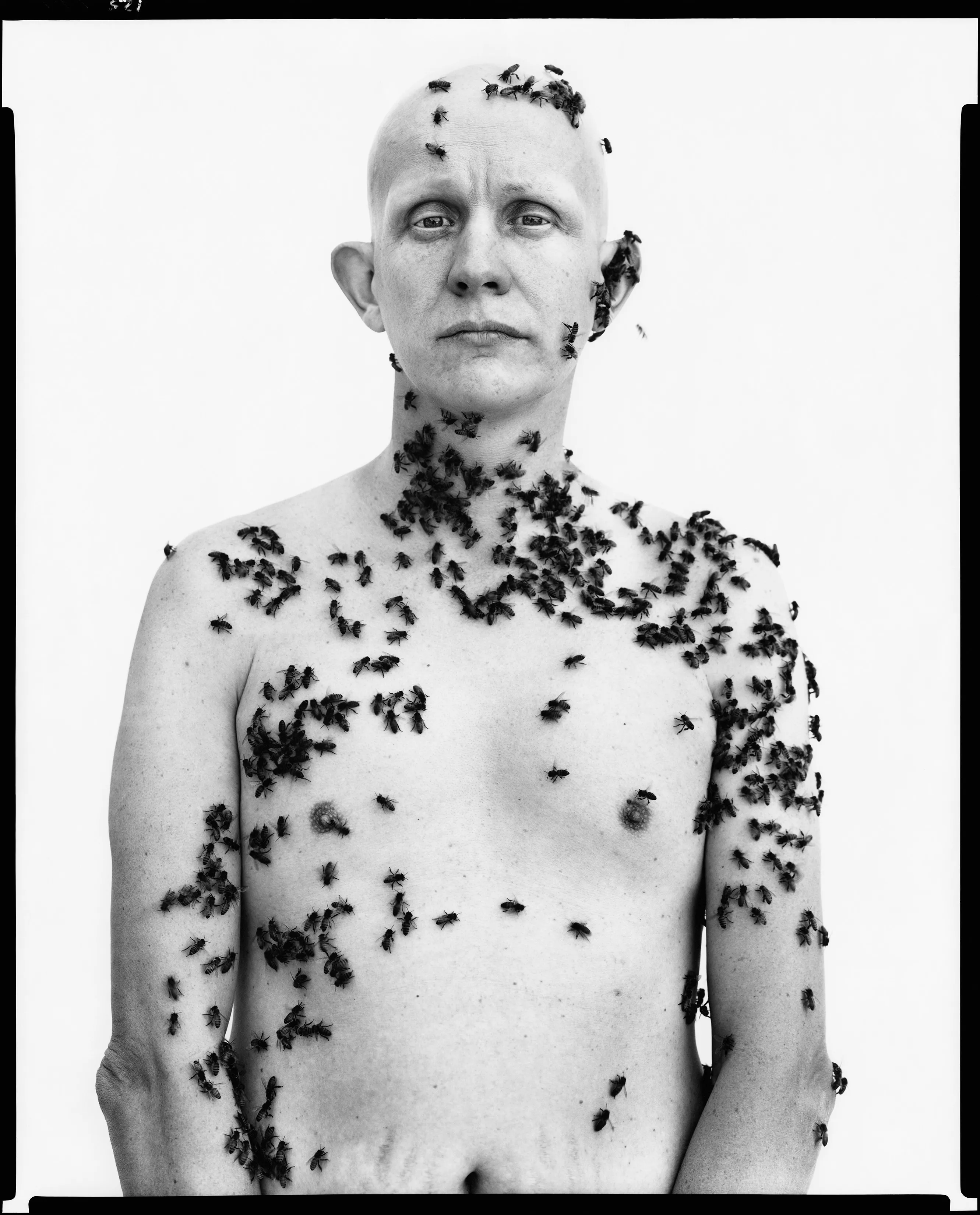
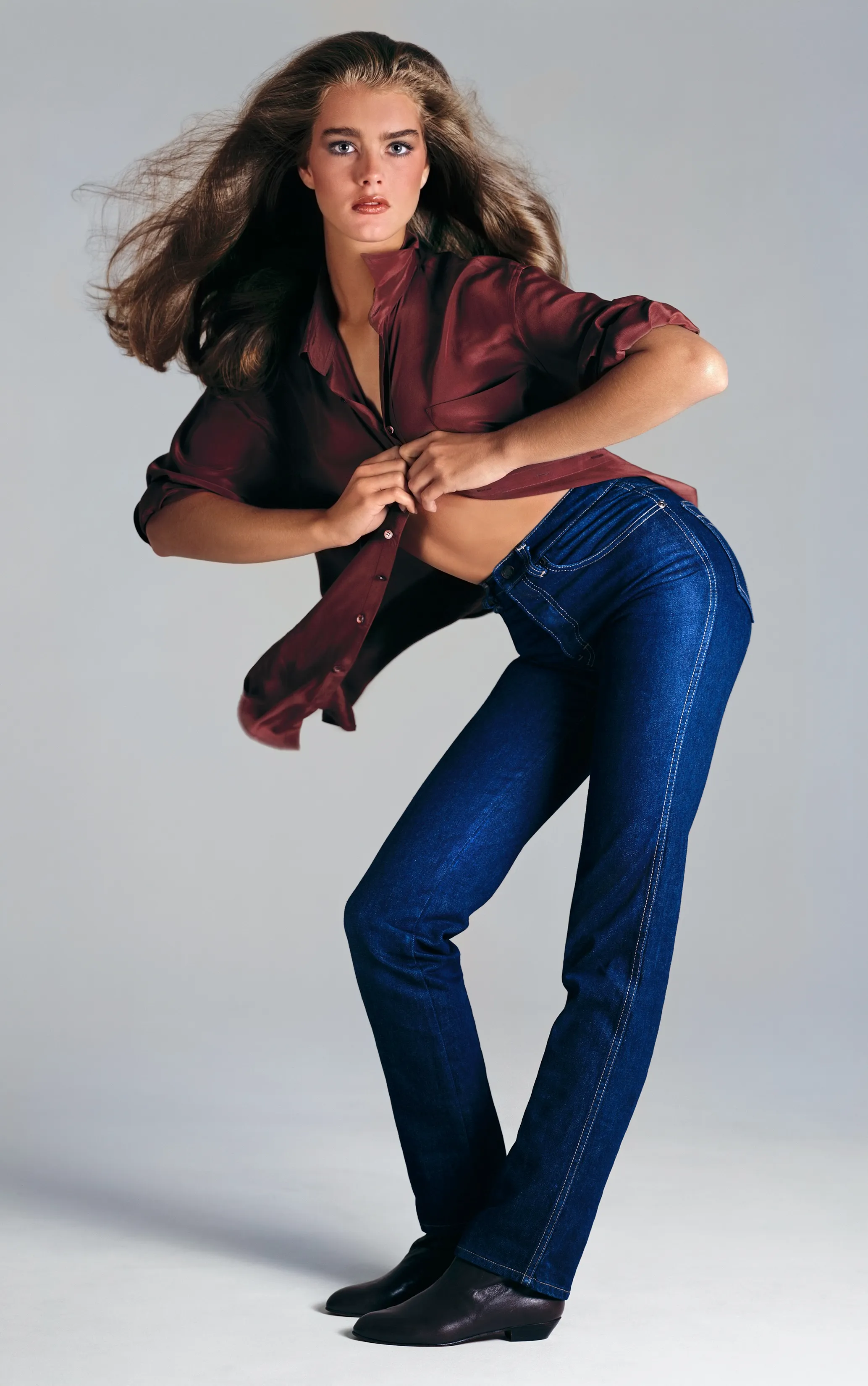
In Avedon, which is featured in the Special Screenings section in Cannes, Howard shines the spotlight on Richard Avedon, the man behind the camera. From the young boy born in New York City who would shut and open his eyes quickly to view the world around him in different ways, to the young man whose mom borrowed photogenic dogs from the neighbors to show the perfect American family in her photo albums. From the young fashion photographer who shot the most recognizable images of the post World War II era — think of the 1955 image ‘Dovima with Elephants’, in which two circus elephants flank the American model as she dons a stunning black and white Dior creation by then Maison designer Yves Saint Laurent — to the unmistakable white haired, wiry artist who shot ordinary people looking not so ordinary in the American West, including the striking photo of bald beekeeper Ronald Fischer, covered in his bees, in Davis, California. And not to be forgotten, the work Avedon did for Calvin Klein, from those “between love and madness lies Obsession”iconoclastic perfume ads in the mid 1980’s to getting Brooke Shields to admit that nothing came between her and her Calvins.
I feel, and tell Howard as much during an online interview a few days before the world premiere of Avedon in Cannes, that in much the same way some musicians seem to have written the soundtrack of our lives, Avedon photographs have formed the visual track tracing our existence as Americans. “What he did [is] to sort of reinvent fashion photography, when he was a very young man, and of course, it made him a superstar in the world that he was functioning in,” Howard concurs, “in postwar Paris, in capturing Dior’s New Look that they were presenting to the world, and sure, all that's exciting and sexy and attractive, but he was always telling stories, [he put so] much of himself into everything — his sensibility, his point of view, and whether that's in his fashion photography or, again, the more sociologically focused work.” He adds, poignantly “he truly was an auteur and a storyteller, and he elevated his chosen medium, which was still photography, in such an amazing way.”
.webp)
Ron Howard has also been part of our collective consciousness for nearly his entire life. Starting at just two years old when he was featured in bit parts on TV and in movies, then starring as Sheriff Taylor’s adorable son Opie in the long running 1960s American series The Andy Griffith Show. In his 20s, Howard starred in another wildly successful TV show Happy Days, while also starting to dip his toes in directing, kicking off with the 1977 comedy action film Grand Theft Auto, the result of a deal he made with legendary producer Roger Corman, which saw Howard starring in another of Corman’s productions in exchange for his chance at directing. As a director, his breakout success turned out to be in 1982 with Night Shift, starring fellow Happy Days co-star Henry Winkler along with Michael Keaton and Shelley Long. The list of subsequent projects directed by Howard reads like a hit parade of winning Hollywood blockbusters, from Dan Brown’s church conspiracy trio starting with The Da Vinci Code, starring Tom Hanks, to mermaid and human romcom Splash, again featuring Hanks. Also, the octogenarians sci-fi adventure Cocoon, then Parenthood, followed by moon mission drama Apollo 13 and boxing redemption story Cinderella Man, which won Howard Best Director and Best Picture Oscars. Then the F1 rivalry tale Rush and a Star Wars origin story titled, appropriately Solo: A Star Wars Story. Equally at home in fiction as he is directing non-fiction, or reality based narratives, Howard’s filmography of documentaries have included Jim Hanson: Idea Man, The Beatles: Eight Days a Week – The Touring Years, Jay-Z: Made in America and Pavarotti.
The making of Avedon “was an evolution,” as Howard puts it. “The idea was brought to me by the team at Imagine, led by Sara Bernstein and company,” he tells me, “when we learned that, at long last, The Richard Avedon Foundation was willing to open up its archives for a film, if they believed in the concept and the team that wanted to make it.” This followed a similar process to Howard’s involvement in making Jim Henson: Idea Man, his 2024 documentary about the Muppets puppeteer, a project that came about once the Hanson family proved ready to finally have Jim’s story told. During our chat, the filmmaker discloses that Avedon reminds him a lot of his film making partner at Imagine, producer “Brian Grazer, who's, you know, always looking to understand where society's going and why — I think Avedon had that kind of excitement and curiosity.”

Avedon cuts between interviews with the photographer himself, captured before his death in 2004, talking points by those who knew him and worked with him including his son John, publisher Tina Brown, models Isabella Rossellini and Lauren Hutton, all mixed into a voyage through the Richard Avedon Foundation archives. A discovery for Howard, who admits the archives are “kind of what you see [in the film], drawer after drawer of just these remarkable images, and of course, there were images that I recognized as Avedon, and there were images that I recognized, but had no idea Avedon had done them.” Including one of Howard’s favorite shots of legendary American filmmaker John Ford. “He's iconic to me and I didn't know that Avedon had taken that picture,” he confesses, “same with a great picture of young Kareem Abdul-Jabbar when he was still called Lew Alcindor, when he was 18 in New York.”
Add to that the haunting photo of Marilyn by Avedon, where the bombshell looks vulnerably human, also one of Howard’s favorite shots by the artist. “Interestingly enough, you know, we talk about this in the film, it's not that he just snapped a quick photo where she happened to look down,” the filmmaker explains, “he did see that expression and he went to her and said, ‘we need to get that’. He got her back in front of the white paper, and she, as an actress was willing to reveal that truth, to him — That demanded a certain kind of of a trust.”
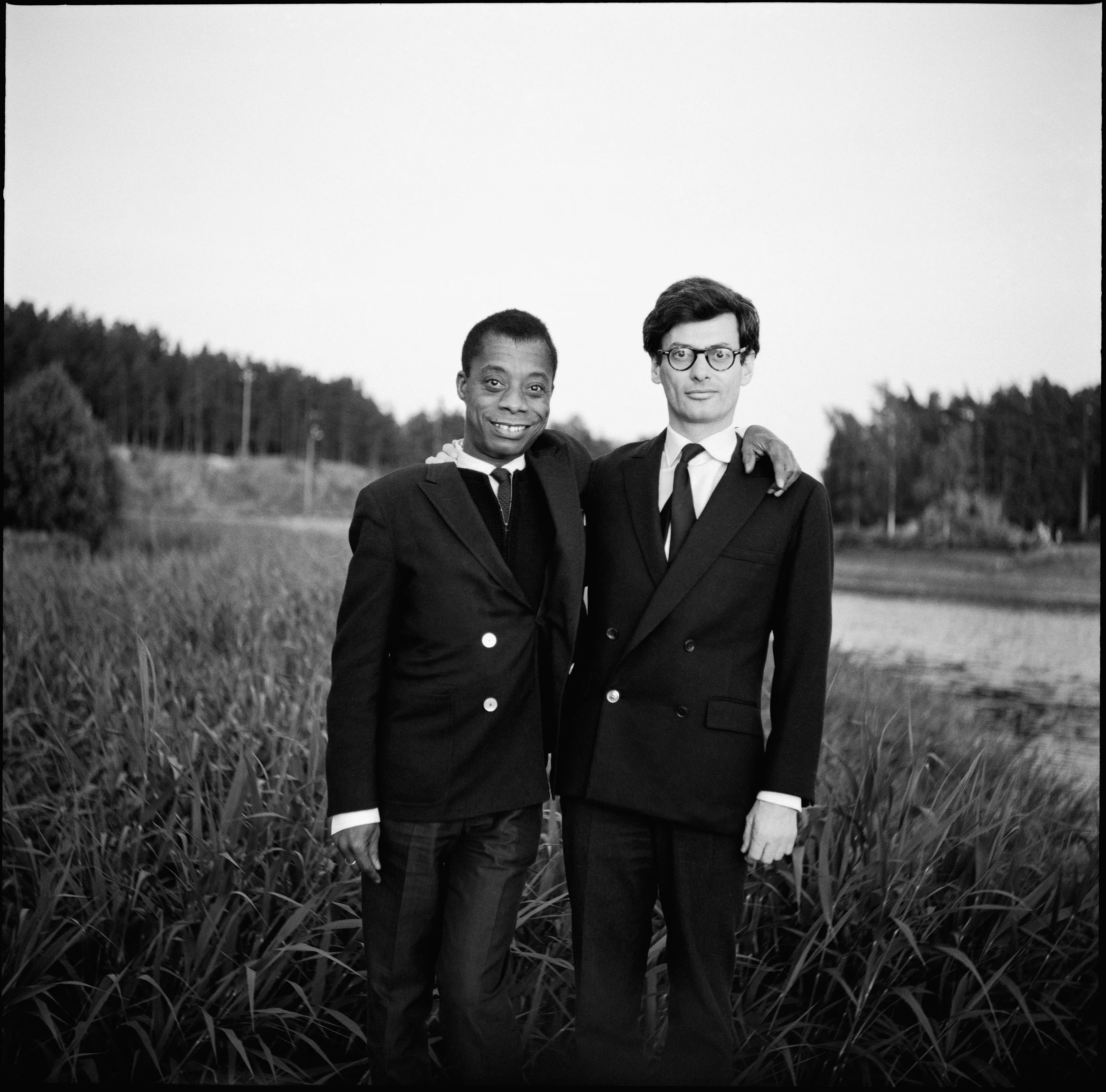
Other Avedon favorites for Howard include “the stuff he did with the Beatles” which he calls “hilarious, and kind of a little naughtier and a little funnier than some of the stuff that they were really doing at that time.” This coming from the filmmaker who captured the Liverpudlian band in the 2016 documentary The Beatles: Eight Days a Week – The Touring Years. Howard also favors Avedon’s portraits of his own dying father, taken towards the end of Avedon senior’s life and once the two had come to terms with their difficult father/son relationship. Howard says he finds “those portraits, very, very moving,” but also loves the portraits of Black activist and writer “James Baldwin — those pictures are just so full of intellect and heart, and yearning for the world to be a better place, you just see it.” He concludes “I could go on and on, because I also love the American West…”
.webp)
Multilayered and complex, but also a wonderfully entertaining watch, Avedon walks the audience through the photographer’s vulnerability, his sources of inspiration and his social activism. Like a puzzle, it builds a roadmap that conveys the artist’s aesthetic and where it originated, starting with his sister Louise, who proved an inspiration to the young photographer as a tragic beauty, at once striking looking but also mentally unstable. The film, produced by Justin Wilkes, combines those touching moments with lighter anecdotes, like showing a scene from Funny Face, the 1957 film the photographer inspired, starring Fred Astaire as Avedon alter-ego Dick Avery and Audrey Hepburn as the model he discovers.
When asked about the difference between shooting narrative features and documentaries, Howard is quick to reply, “well, there are more similarities than I realized there would be going into it,’ adding that he was told by fellow filmmaker Jonathan Demme, who had also worked in both disciplines, “that I would be able to apply a lot of what I'd learned over the years as a scripted narrative director to documentaries — he said, but with a twinkle in his eye, ‘you just have to be ready to leave your preconceptions and be ready to be wrong and be excited about that’.”

This will be the eighth outing for Howard on the Croisette, where a variety of his films have been screened throughout the years, starting in 1988 with the fantasy adventure Willow, starring Val Kilmer and Warwick Davis. I want to find out if the proud anticipation so many filmmakers talk about when bringing their oeuvre to Cannes is still there, after nearly 40 years, for Howard. “You know, I always enjoy it, I'm honored to go. I always feel like it's a rare invitation and when you have the opportunity, it's great,” he replies, candidly. “This is my second documentary, that I take to Cannes. I took Jim Henson: Idea Man, and that was a really good experience. It doesn't carry with it quite the pressure and the glitz of the lights and the grand staircase, and will they applaud at the end? Will they not? This is a little bit more just sharing some cinema that you've made with a curious audience who loves film.” Howard also looks forward to bumping into people, as he puts it, because, he admits “I work a lot. I love it, I’m introverted, so I don't get out much. So the festivals are a place where I'm going to meet people I've been wanting to meet, or cross paths with somebody that I'm happy to see again."
Next for Howard is a film titled Alone at Dawn for MGM Amazon, starring Anne Hathaway, Adam Driver and Betty Gilpin, now in post-production. As Howard tells me, it is based on real events, but in a scripted narrative format and aimed at a theatrical release. He concludes, just before our time is up, “and I have another documentary that we just finished called The Code, but we're not sharing that one yet. It's a totally different subject, very proud of that — filmically quite different than anything that I've done in the doc space. And I'll be eager to share that one.”
.webp)
Stay up-to-date with exclusive events and content.


