F L A U N T


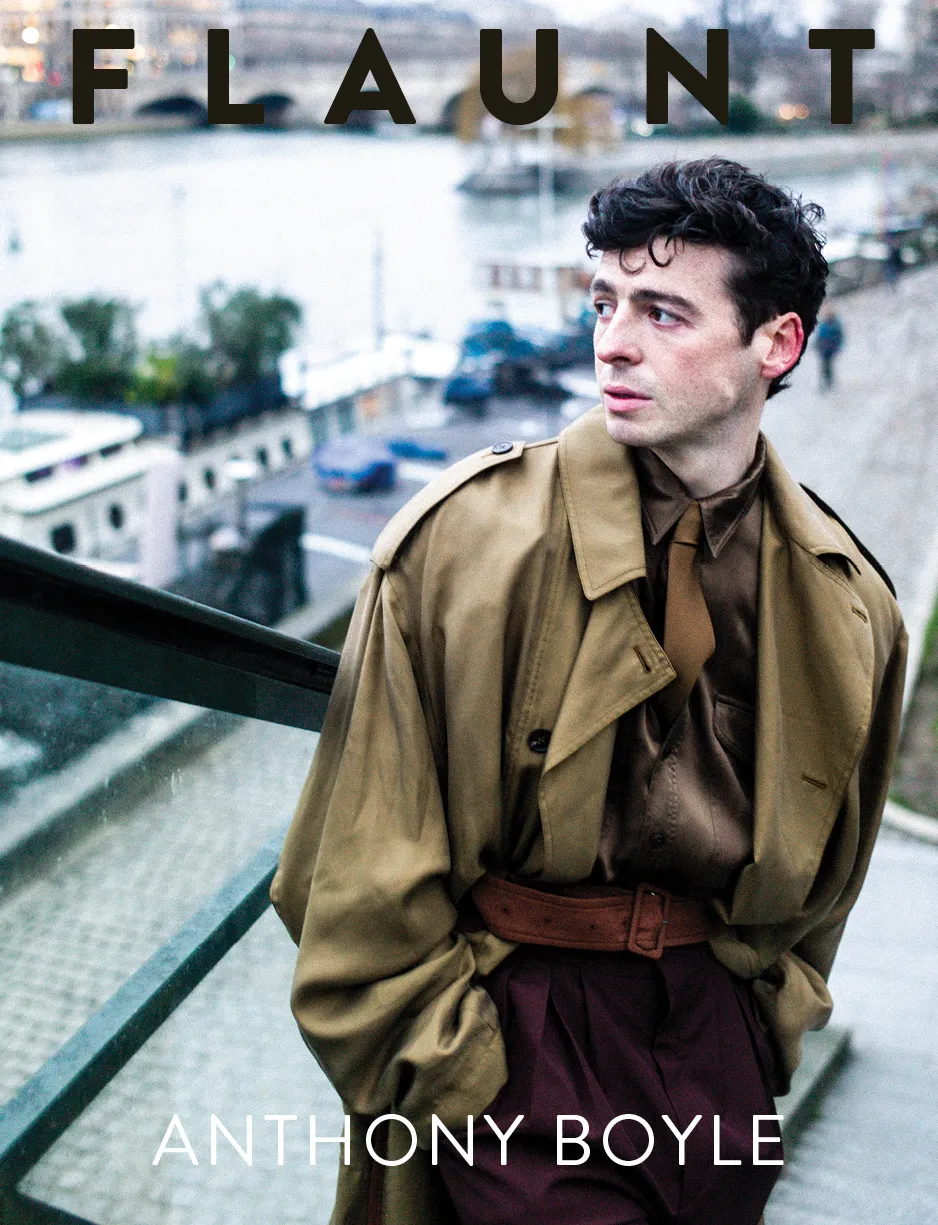
Belfast-born actor Anthony Boyle remembers the exact date he sent off his audition tape for House of Guinness, the acclaimed, Steven Knight-penned Netflix drama binged by millions. It was March 17, 2024, and he was doing press for Steven Spielberg’s Masters of the Air. After Boyle finished making the tape—which was filmed by his castmate David Shields—he celebrated by drinking an inordinate amount of beer. “I went and got drunk with a lot of Guinness that night,” he laughs, speaking to me from his family’s house in Northern Ireland.
“I was convincing myself in some fucked-up way that each sip was getting me closer to the role,” he muses. “The more Guinness I drank, the more likely I was to get the part…because that’s how it works, right?!” The luck of the Irish certainly smiled on Boyle that night, and he was subsequently cast in one of the show’s leading roles as Arthur, the eldest of the Guinness children and heir to the brewing empire. “I mean, I sent the audition tape off on St Patrick’s Day,” he smiles. “It must have been serendipity.” When we speak, Boyle is dressed in a black tee, seated underneath a group of family pictures on the wall. It was here, at the family home, where he first discovered a love of drama and acting, watching works of “social realism” like Quadrophenia, This Is England, and The Wind that Shakes the Barley on British television and being “really, profoundly affected by it.” He continues: “I was like, ‘How do I do that?’ The people in these were in worlds not dissimilar to mine. These kitchen sink dramas—works by Ken Loach and the like—spoke to me. I wasn’t looking to Hollywood; I wasn’t looking to theatre. I looked to these.”
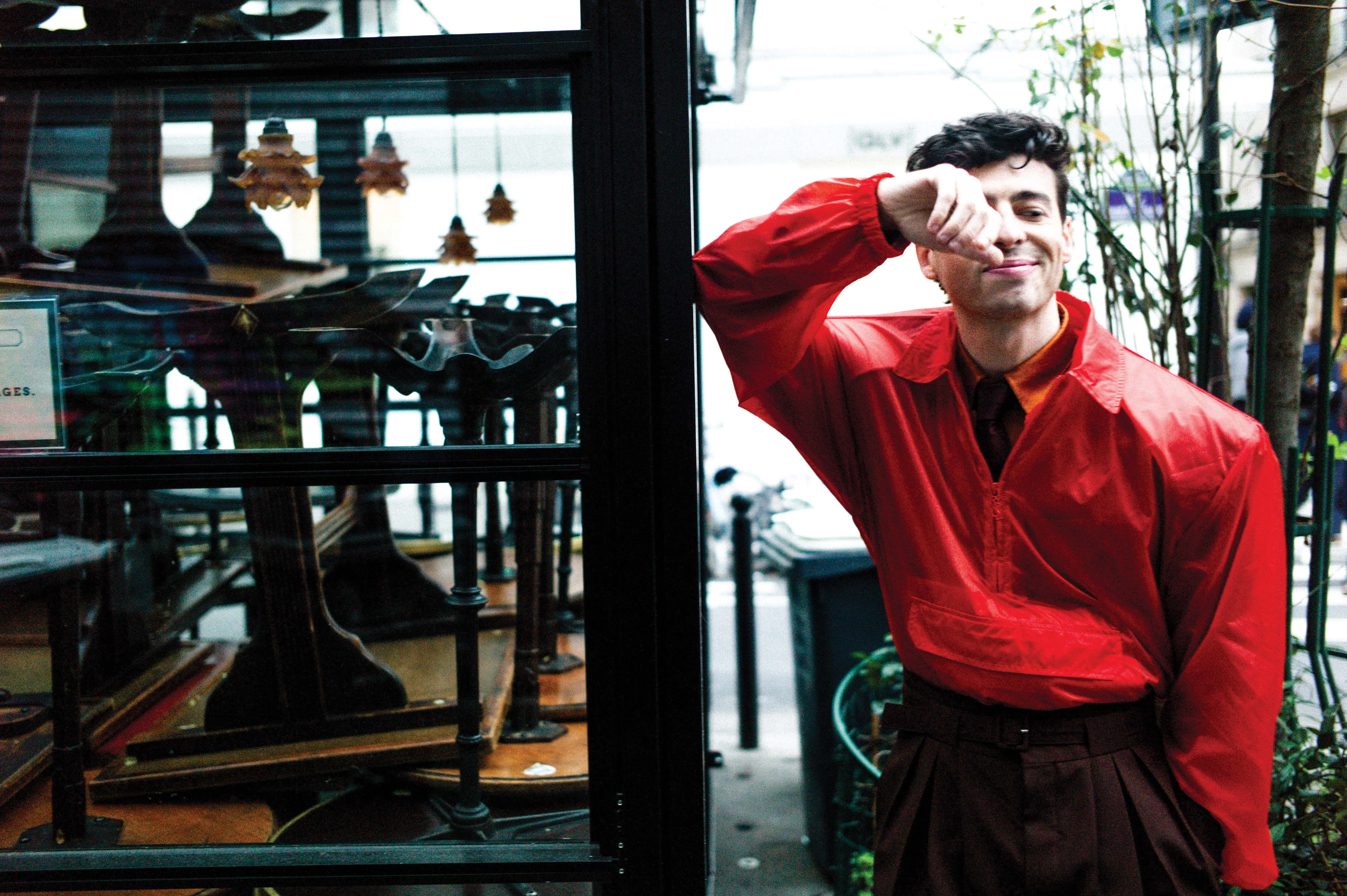
Boyle grew up in a Catholic area of West Belfast that experienced some of the worst violence of the Troubles. While still healing from the divisive war, art sometimes felt far away. “There was no way of doing film or TV in Belfast at the time,” he reflects. But this didn’t stop him from trying. “Every day, from when I was about 14 years old, I would just Google ‘male acting auditions’ and just show up to everything.” And when he says everything, he really does mean everything. “I did ghost tours,” he laughs. “I was paid £30 to go into a bar facing the crowd and pretend to be a character called Fibber McGee and tell ghost stories. I lasted one night. I walked in and was like ‘Would you like to hear a tall tale?’ and of course the crowd were like, ‘No, fuck off!’”
It didn’t stop there. “I dressed up as a wee devil at one point covered in fucking face paint. I had to sing,” he recalls. “My mates were like, ‘What the fuck are you doing with your life?!’ I also did terrible B movies—I mean, you wouldn’t even call them B-movies, more like E-movies,” he winces, covering his face in embarrassment. “In one I dressed up as a mummy and was trying to murder killer clowns. It’s still there on YouTube but I wouldn’t recommend it. It’s an hour of your life you won’t get back!”
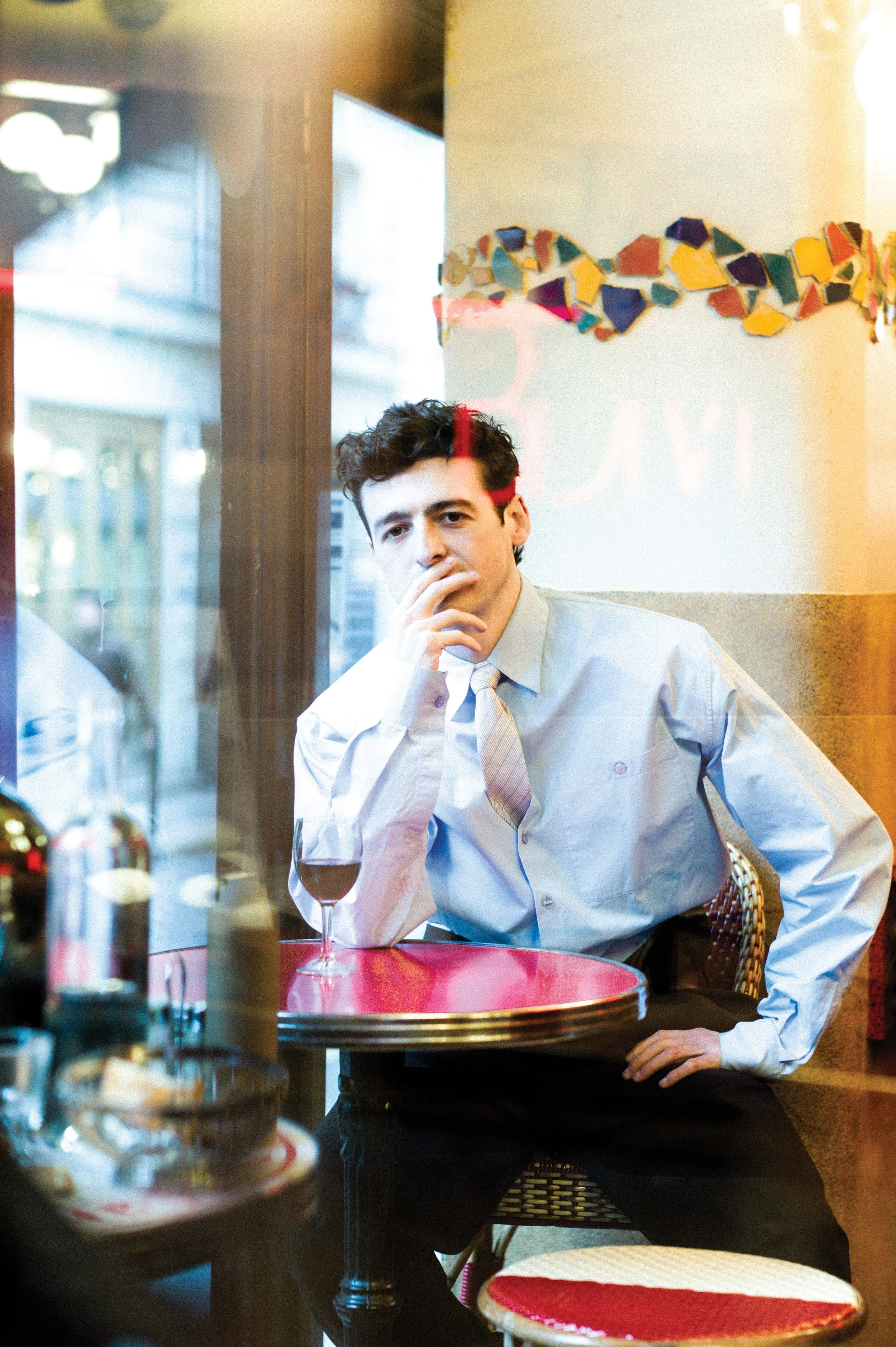
When it came to auditioning, Boyle was already familiar with the courage and determination necessitated to withstand setbacks. As a teenager, a long-term bone disease called Perthes left him immobile, with frequent hospital visits. While recovering, he spent his time reading, especially the works of legendary Derry poet Seamus Heaney. “No gaudy scars, the bumper knocked him clear. A four-foot box, a foot for every year,” he emotes, quoting Heaney’s tragic poem “Mid-Term Break” about the death of a young boy. “I remember I was 13, reading this and being like ‘fuck.’ I didn’t know what was written down could affect me so much and I was just so taken by it.” Boyle would memorize the lines—a skill that would come in useful later—and while unable to walk, he’d spend his day observing people from his window and trying to copy their voices, all the while dreaming of being an actor.
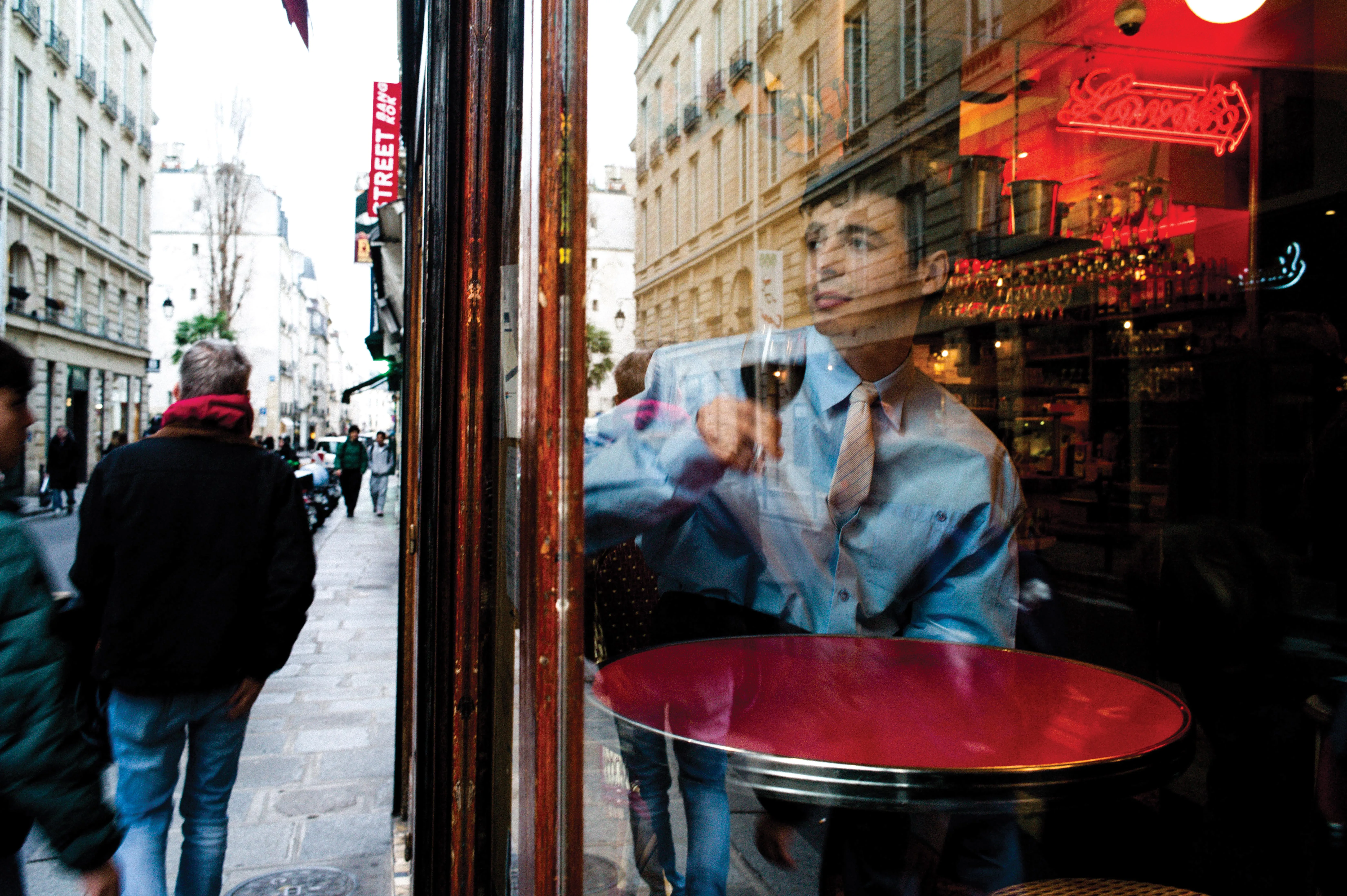
Eventually, Boyle was spotted by a casting director who was so impressed with him that they helped him apply for a scholarship to the Royal Welsh College of Music & Drama. Boyle was initially anxious—he’d been expelled from school previously. “I wasn’t a good student. I couldn’t sit in a classroom with a pen—it was my idea of a nightmare,” he explains, but was reassured when they told him he’d be acting every day. He was accepted. While still a student at the college, he was cast as Scorpius Malfoy in Harry Potter and the Cursed Child in London’s West End and bagged an Olivier Award in the process, before it transferred to Broadway.
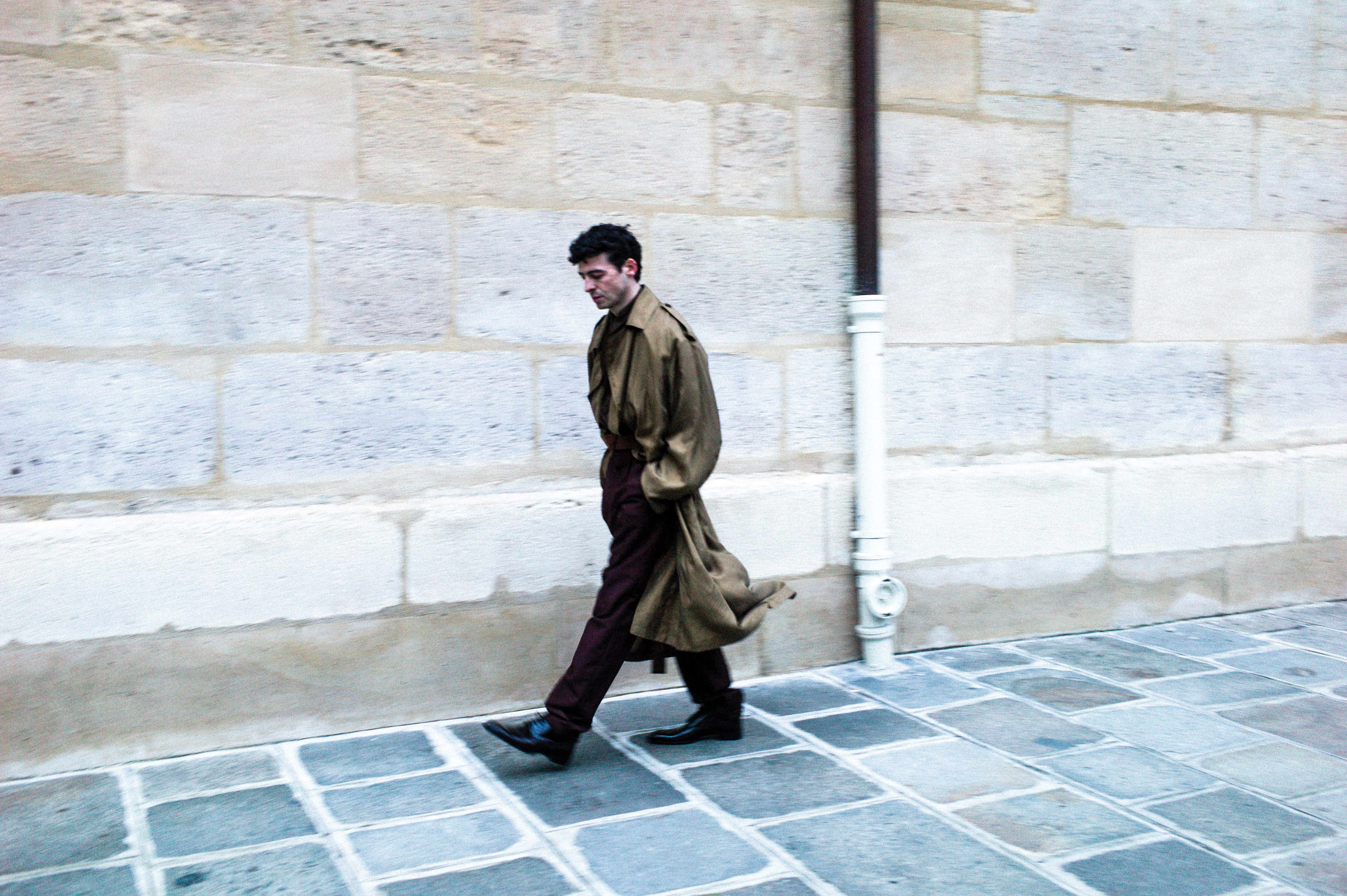
The next few years were, in Boyle’s words, “Like a dream.” Taking a moment to reflect now, he smiles. “It’s a great feeling,” he says, emotionally. Spielberg’s Masters of the Air saw him star as a US air navigator Major Harry Crosby, and make friends with fellow Irish actor Barry Keoghan—“I liked working with Barry a lot. I thought he was brilliant and very free and open: he was great,”—while his next big part in Manhunt saw him play John Wilkes Booth—the man who assassinated President Lincoln. He had the time of his life on that, filming in Georgia, “riding horses, chewing tobacco, and drinking whiskey with cowboys.” He then starred in gripping Tudor murder mystery Shardlake before taking on the lead role in the highly acclaimed Say Nothing, the story of IRA commander Brendan Hughes. And then came Arthur in House of Guinness, cementing Boyle’s place as a generational talent.
“I’ve loved being a part of it; it was a dream come true,” he gushes about the role. “I’ve loved Steven [Knight, screenwriter] for years, and as we’ve already established, I’ve loved Guinness for years too,” he laughs, recalling how he had his first pint of the “black stuff” when he was just 16 years old. The series tells the story behind Ireland’s most famous pint, beginning in the 1860s after the death of Guinness patriarch Sir Benjamin and the subsequent inheritance of the brewery by his eldest son, Arthur. There are three other siblings too, with each embroiled in various Succession-like power struggles, secrets and scandals.
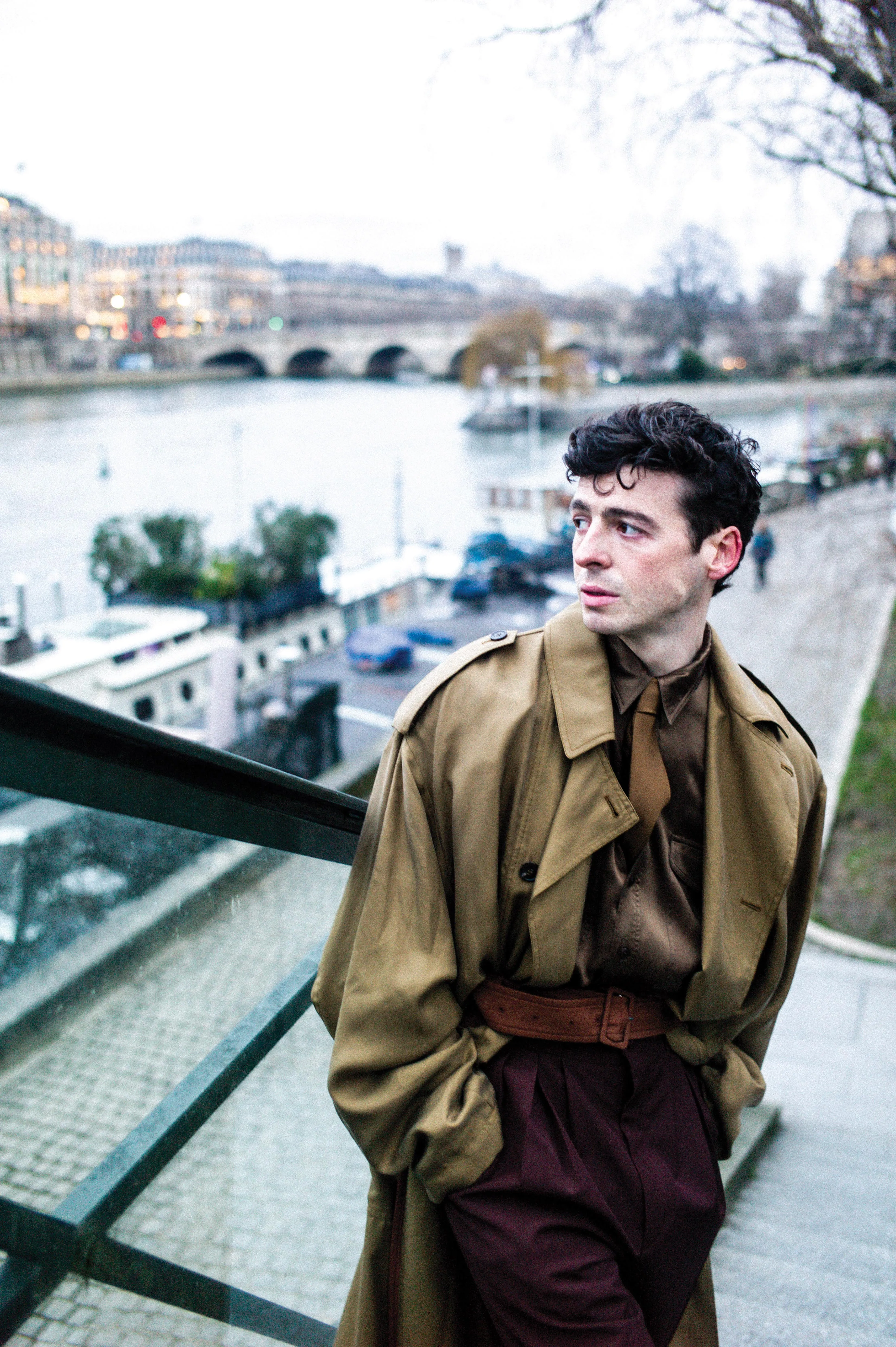
Boyle’s Arthur is at the center of many of these issues. He’s entitled, volatile and politically ambitious. He’s Eton-educated, has lost his Irish accent and has unionist tendencies, but he also has great humor, spirit, and courage too—not least as a gay man living in a time when homosexuality was still illegal. “And it was all just for loving someone that you love,” Boyle says, reflecting on what Arthur must endure—including being blackmailed and chased by the police. “I’m really happy we got to show that love is love, no matter what,” he continues. “It shows that what was happening in the zeitgeist was wrong, not what was happening for Arthur internally was wrong. It’s that everyone around him got it wrong.”
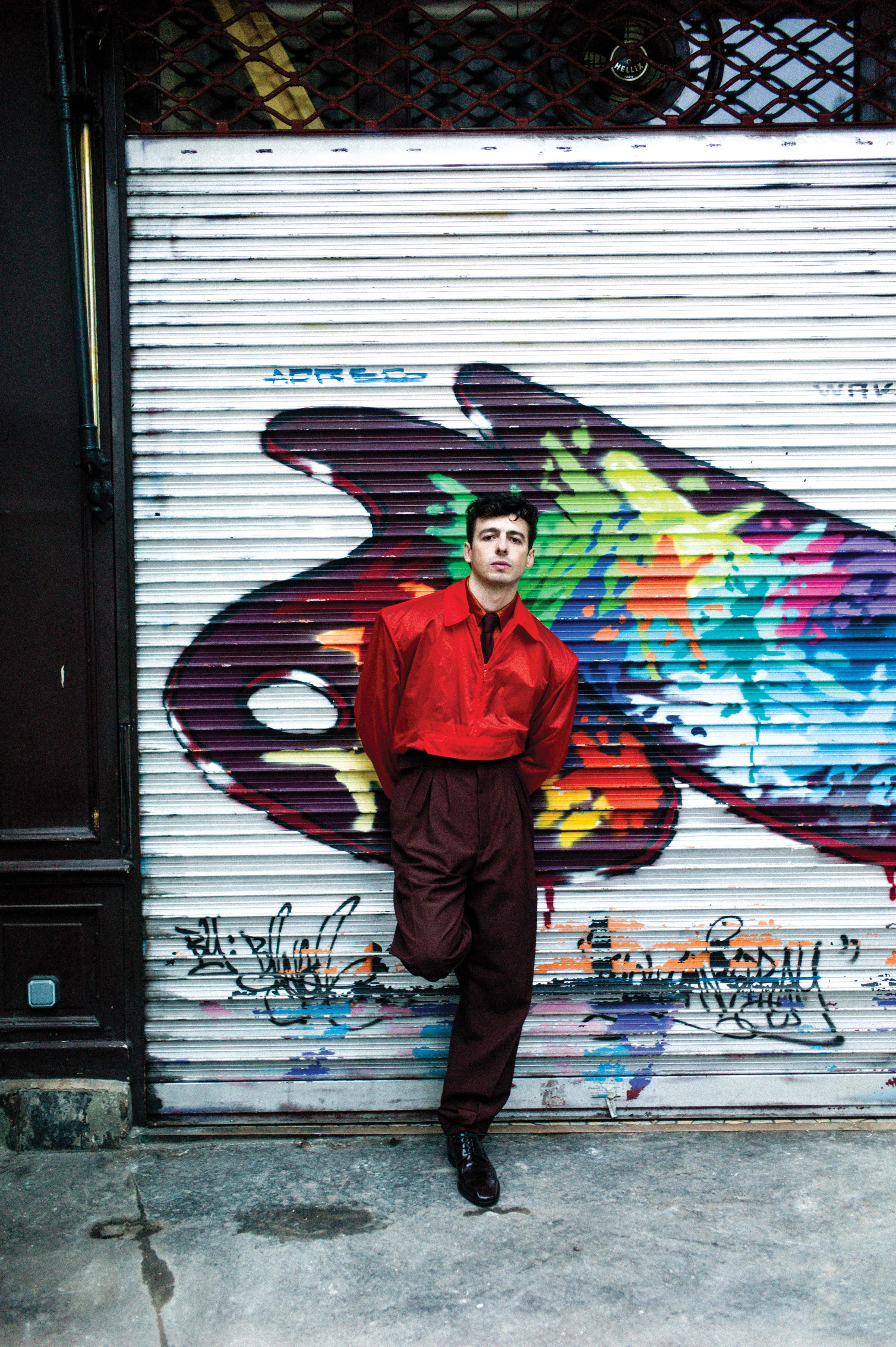
Boyle says his embodiment of the character was influenced by his research into the life of Oscar Wilde: “I just sort of imagined [Arthur] and Oscar Wilde being mates and knocking about in that kind of world,” Boyle explains. He observed a portrait of Arthur where he had a straw hat “cocked to the side” and with the statue he noticed how he was “really draped over the seat,” just like a Dandy, and decided to run with that idea, creating Arthur’s persona after lots of research with the showmakers. At the heart of the portrayal is what members of the LGBTQ+ community went through back then. “I mean what Oscar Wilde was put through—years of hard labor,” he says of the Irish writer’s imprisonment for his sexuality in 1895. “All just for loving someone.”
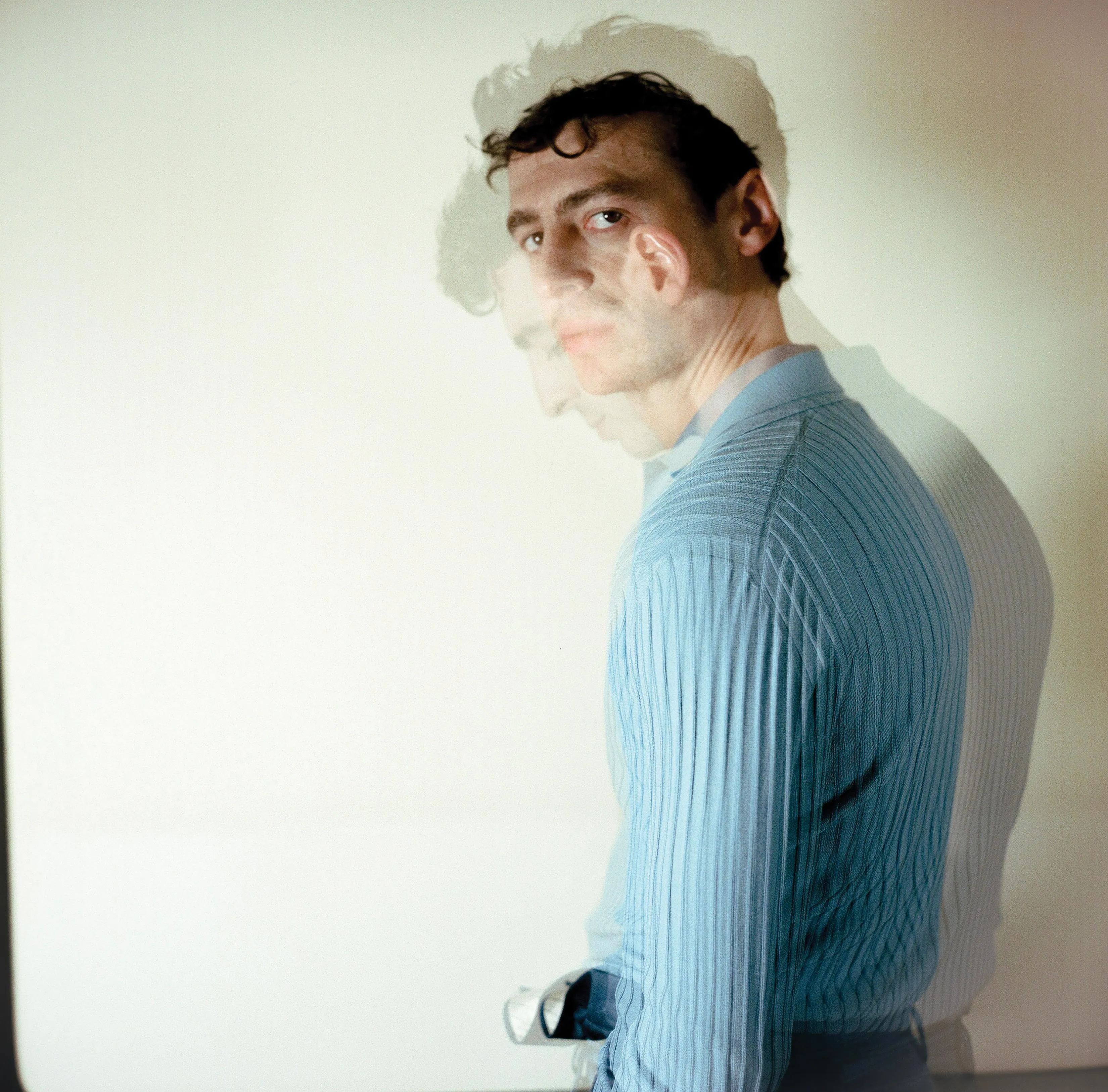
Boyle said he was drawn to the part after seeing “many layers” to the script, including the political ones, which focus on Ireland’s yearning for growing independence from England, pre-1922. One of the things he “loves about being an actor” is the fact one “play[s] or pretend[s] to play people that have completely different viewpoints and feelings from you. It humanizes people,” he says. The irony of being from Belfast and playing Arthur, a “staunch unionist who hates Catholics,” was “definitely very funny,” he says. “It was fun being on the other side of calling someone else a Fenian,” he notes sardonically.
Early in his career, Boyle admits that he was “hesitant” to “jump into that world” of telling stories about Ireland’s colonial past. “I was much more interested in playing something…far away from that history,” he admits. However, in 2024, he took on the role of IRA activist Brendan Hughes in FX series Say Nothing. A young Boyle used to pass a mural of Hughes on his way to school and remembers people singing folk songs about him in his area. His grandson was also in the same year as Boyle at school.
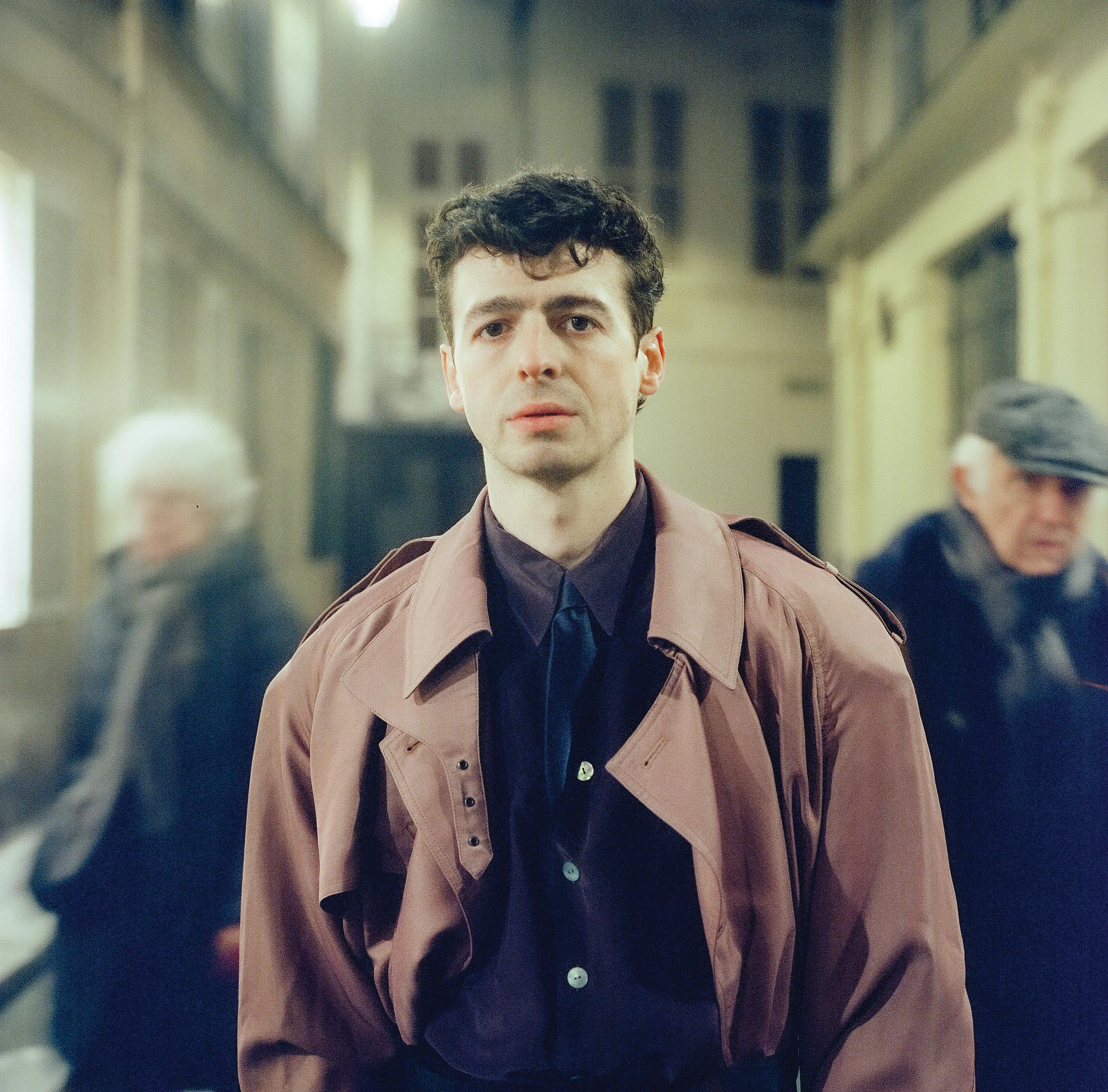
Boyle had seen first-hand the division the war had caused not only between different communities, but also in families. “I was always trying to avoid a piece about the Troubles because people are so affected by it. Brothers killed each other over which splinter group of the paramilitary they belonged to. You’re never really going to get it right for everyone…[here], there’s people under the same household who view the events very, very differently.”
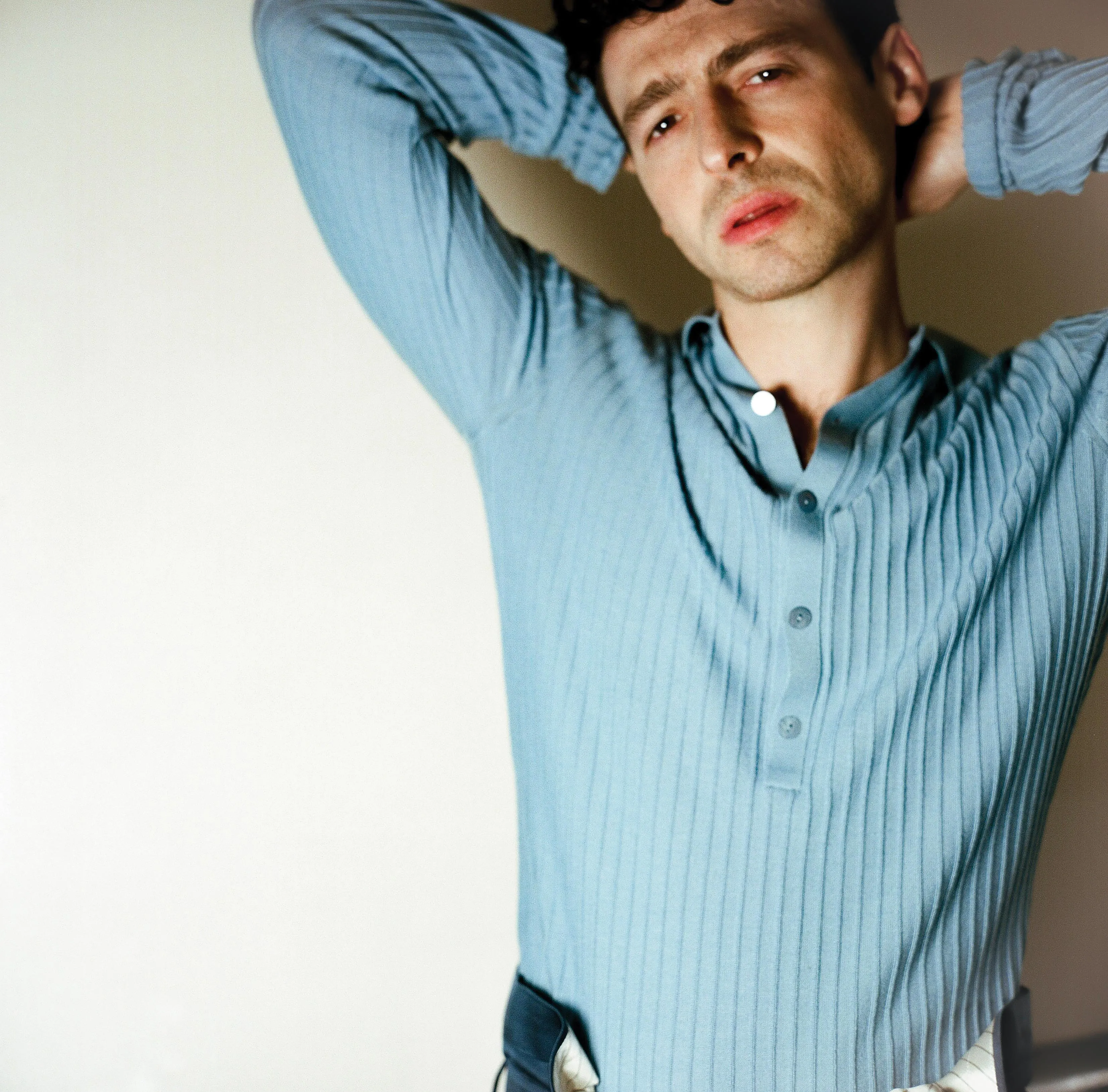
He continues: “You can’t not remember the history because it’s so prevalent in Belfast. You come to Belfast and there’s tourism built up about it, and there’s still so much trauma built up about it. It’s affected our politics; it’s affected where we live. There’s Protestant and Catholic areas and there’s an 80-foot wall called [a peace line] that runs through the two. How we live our lives today is still dictated by that war…every day is inadvertently or subconsciously affected by it.”
When Boyle first heard that it was Disney—largely known for their family-friendly films—who were making Say Nothing, he was nervous. “I thought Jesus fucking Christ, Disney doing the Troubles?! But then I read the book [on which the drama was based] by Patrick Radden Keefe and the screenplay and spoke to them about it. It quelled my anxiety. I realized they were producing this incredible piece of work…I realized how much care and thought they’d put into it: I knew I really wanted to be a part of it. I think it worked out really well.”
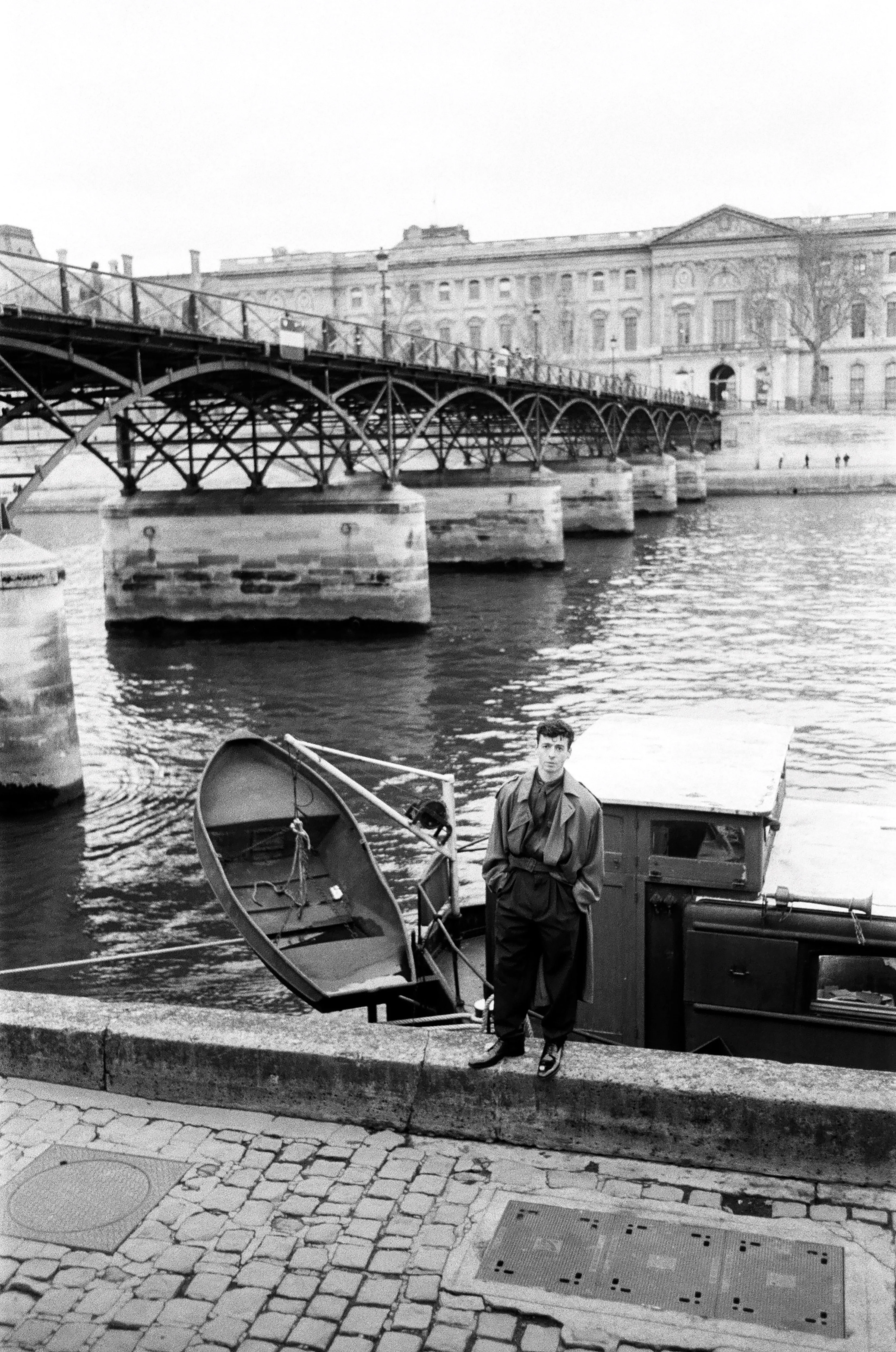
Boyle’s performance earned standout praise as did the script, which sparked many discussions. “So many people I spoke to in Belfast and Ireland who also watched it said it opened up a lot of conversations with older and younger generations.” He quotes a line from a famous mural in Belfast. “A nation who keeps one eye on its past is wise; a nation who keeps both eyes on the past is blind.” He continues: “We do need to remember where we’ve come from, so don’t go there again. It was also interesting, particularly from a lot of English people who I spoke to, people who grew up during that time who had no idea what was going on. They were like ‘We were just told them Paddies were savages, they were just shooting each other and we went over to sort it out,’ and then they’d watch Say Nothing and it gave them a new perspective and a new sympathy and empathy for what the people in the North of Ireland were going through during that time.”
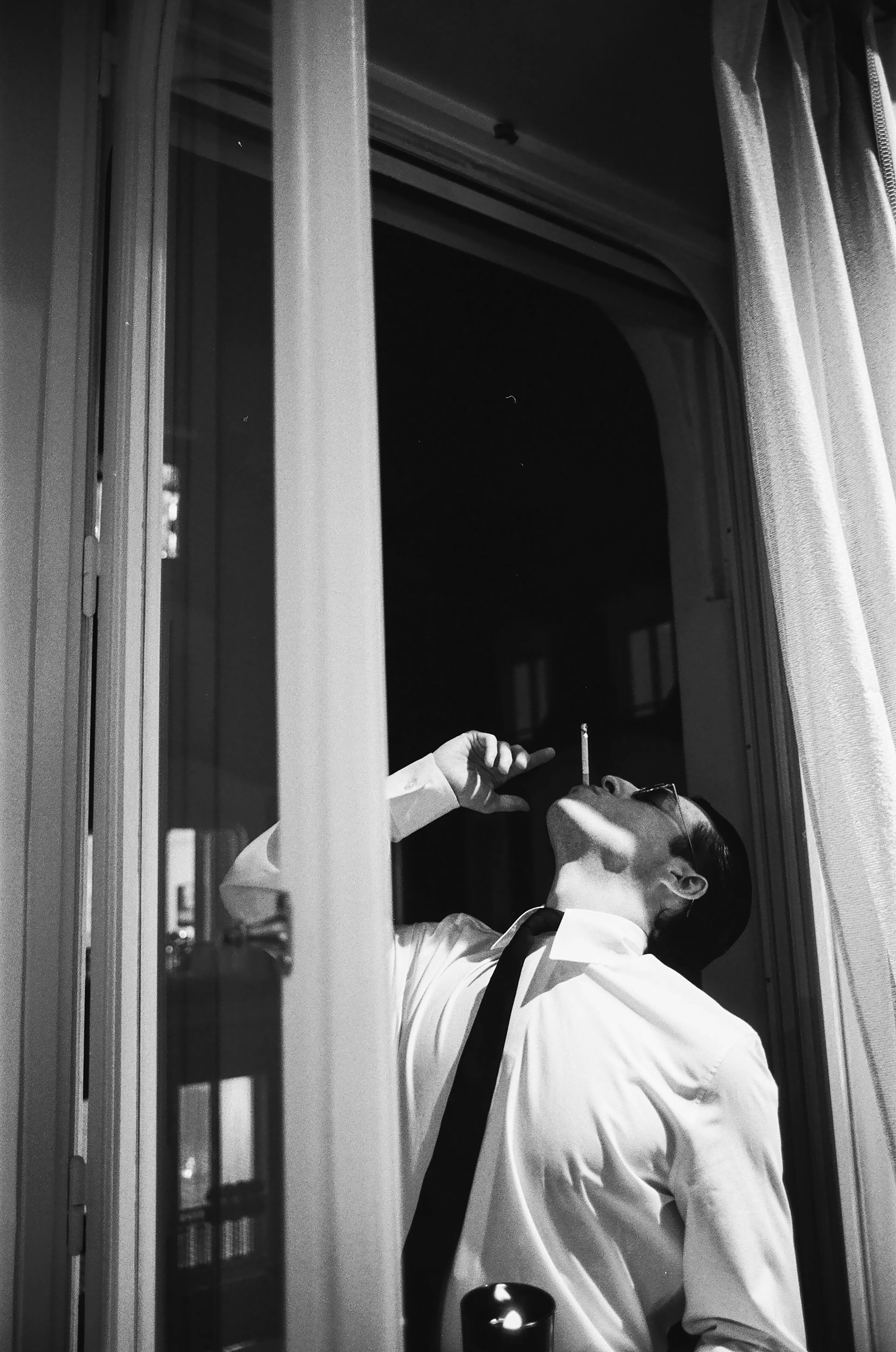
He wants to continue making work that matters. One of his next projects in post-production is an adaptation of Kieran Goddard’s book, I See Buildings Fall Like Lightning, about a group of young people in a working-class community in Birmingham, England. It’s similar to the kitchen-sink dramas Boyle loved watching as a youngster, and it’s clear he’s proud of the piece. “I’m really happy about it. I can’t wait for people to see it. It’s very political. It’s about how the government is fucking over people in the area.” For the role, Boyle spent time with the members of the local community, following their lives and perfecting his accent for the show. He also loved getting back to basics with the project too. “I’ve been doing these period dramas on a bigger scale and this felt so intimate [in comparison]. We had this little handheld camera and there wasn’t a big crew. It felt great to strip everything back.”
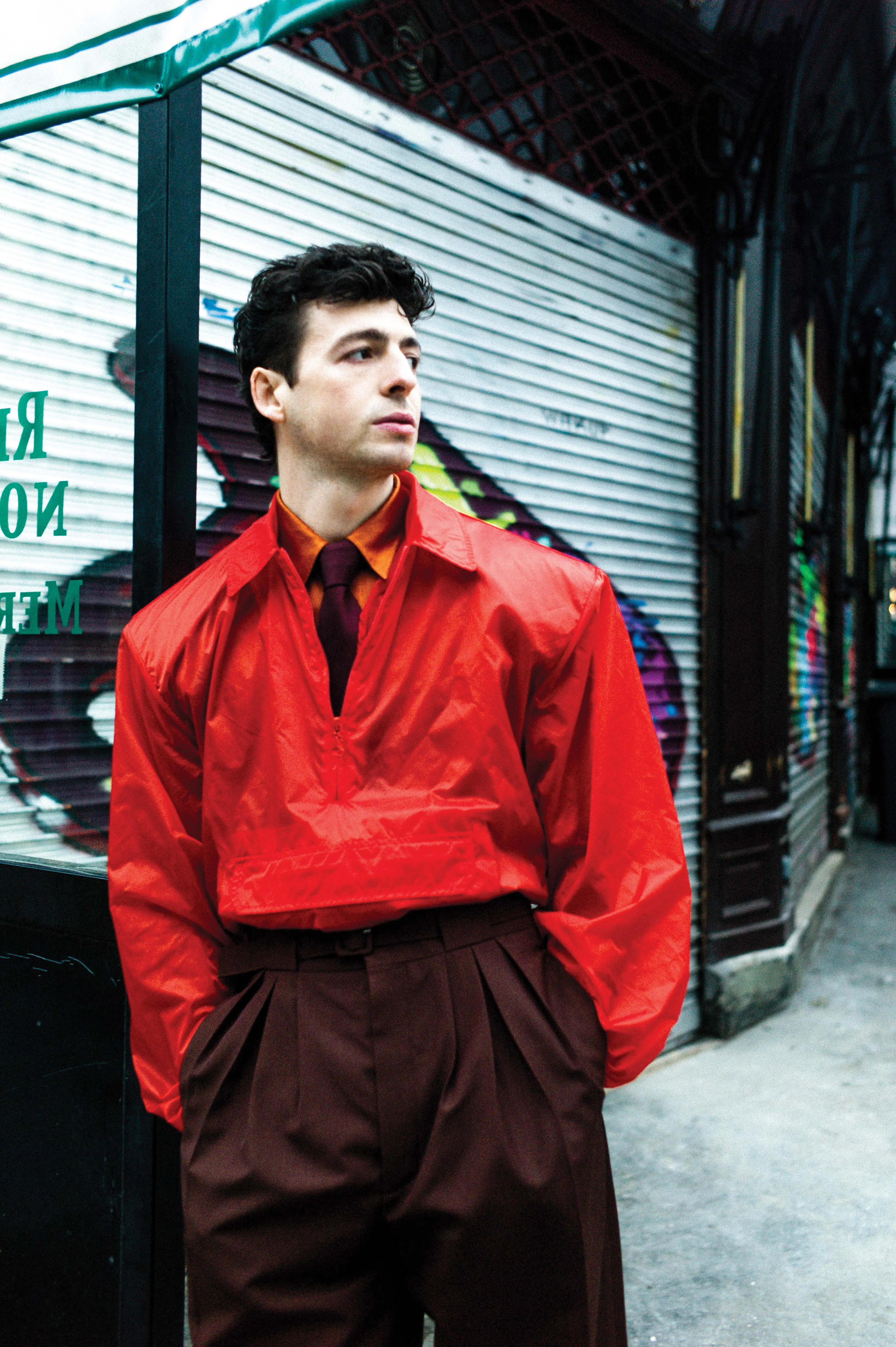
Boyle has also taken the lead in another highly anticipated Netflix show, The Altruists, where he plays crypto-currency fraudster Sam Bankman-Fried alongside Julia Garner. “It’s really well written,” he reveals. “It’s about these two people—my character and Julia’s character [Caroline Ellison, Sam’s girlfriend] who coax each other into swindling billions out of the American public.” He spent six months shooting the new show in Vancouver and loved working with Garner on the project (“She’s the best actor of all time”) and spent a long time researching for the part, even corresponding with Bankman-Fried in prison. “I was sort of speaking with him…he’s the smartest person I think I’ve ever communicated with. You’re just bowled over by how intelligent he is—operating on a different scale to most people.” He says he “can’t wait” for people to see it soon.
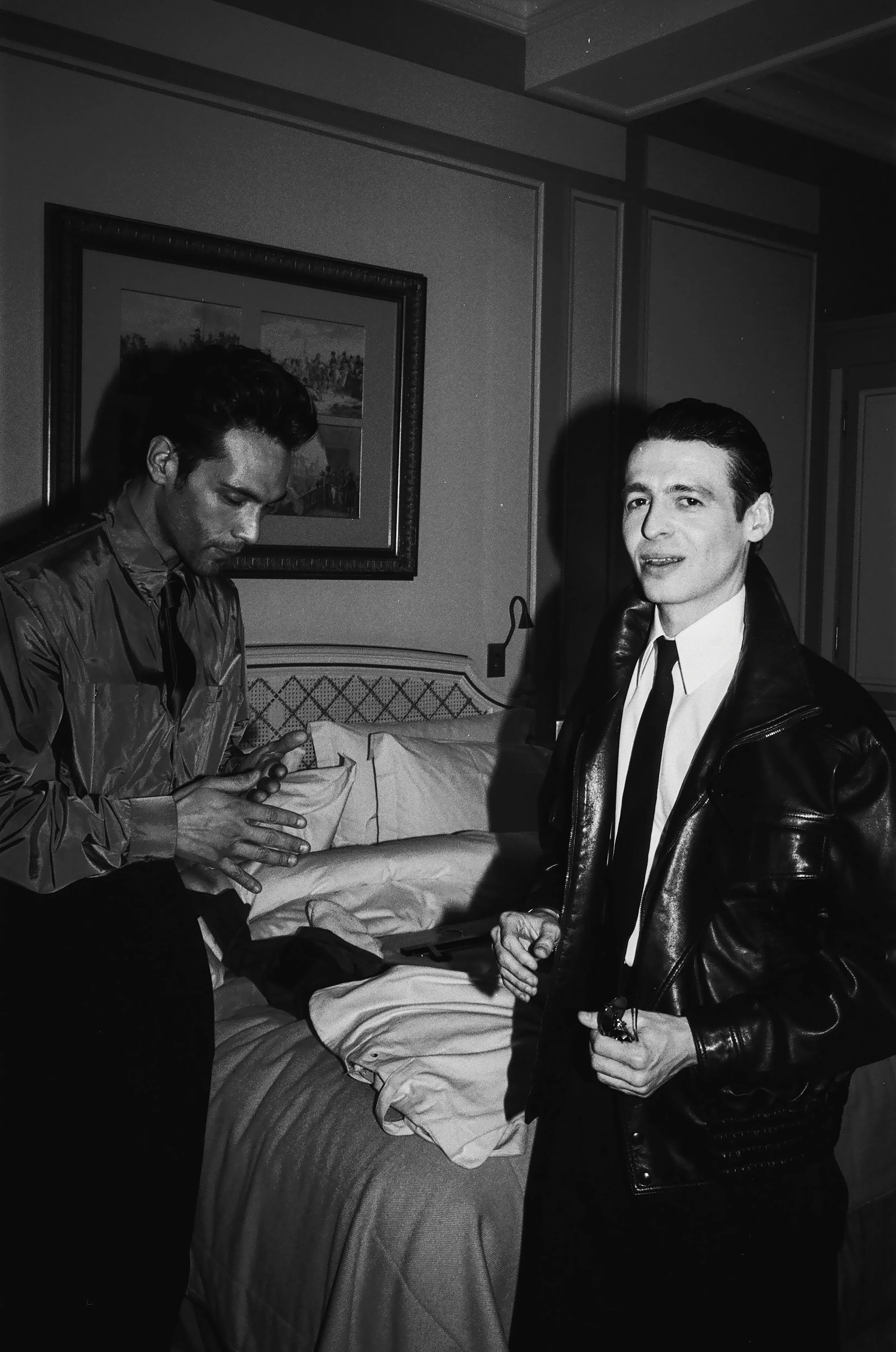
As for House of Guinness, he’s tight-lipped on whether or not there will be a season two. “I hope so,” he smiles, “fingers crossed. We don’t know. I would love to do it again, people want it and the cast are up for it, so we’ll see.” He does, however, have signs of some increasing facial hair and his character of course had an exceptional handlebar mustache in the show. “I loved that mustache, to be honest,” he laughs. “It was good for twizzling and it’s good for when you’re drinking Guinness, you get the white foam on it and everything,” he says, dreaming of another pint of the black stuff.
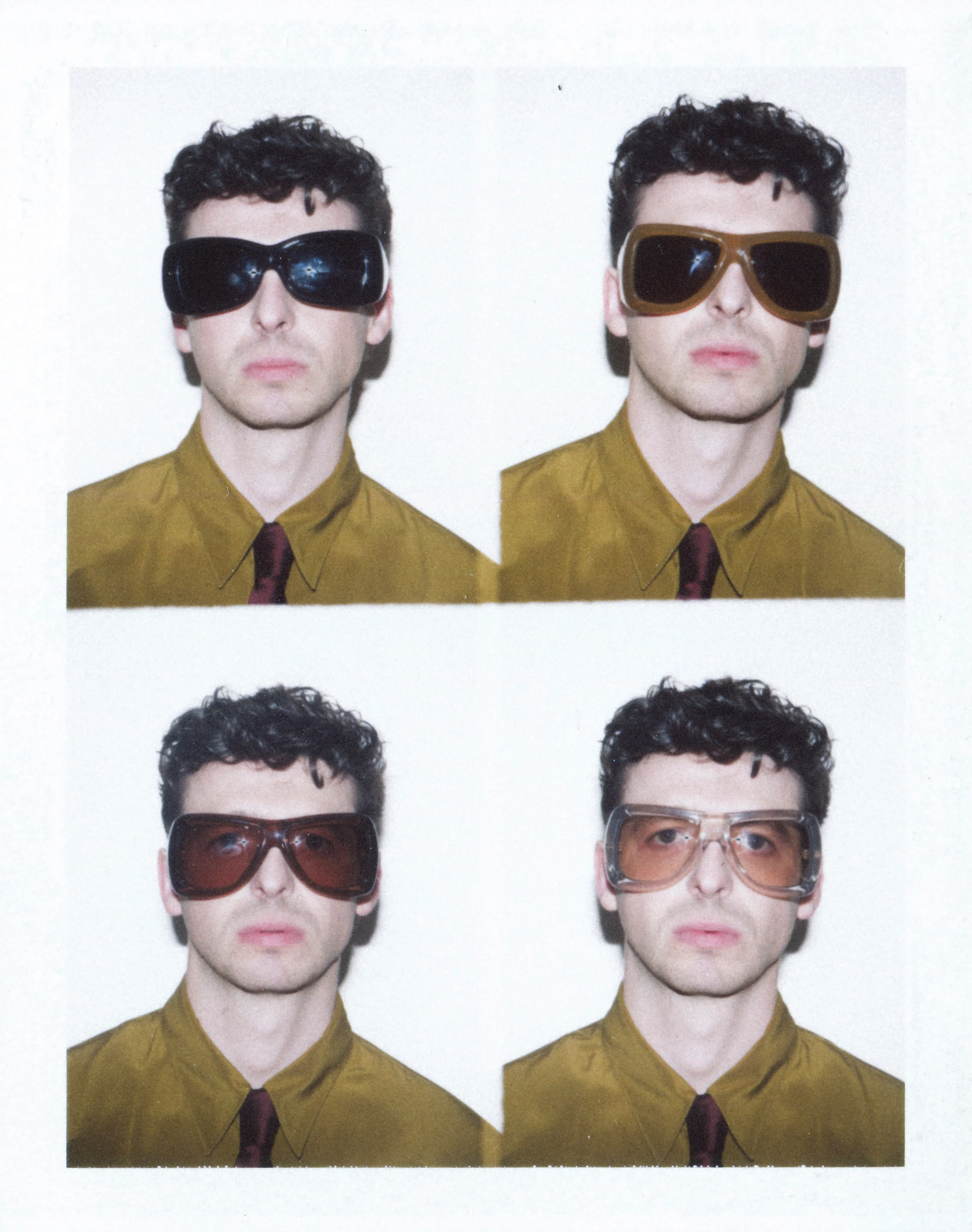
Photographed by Theo Le Foll
Styled by Guillem Chanzá
Written by Elizabeth Aubrey
Grooming: Brady Lea at A-Frame Agency
Flaunt Film: Anaïs Magnette
Stay up-to-date with exclusive events and content.


