F L A U N T


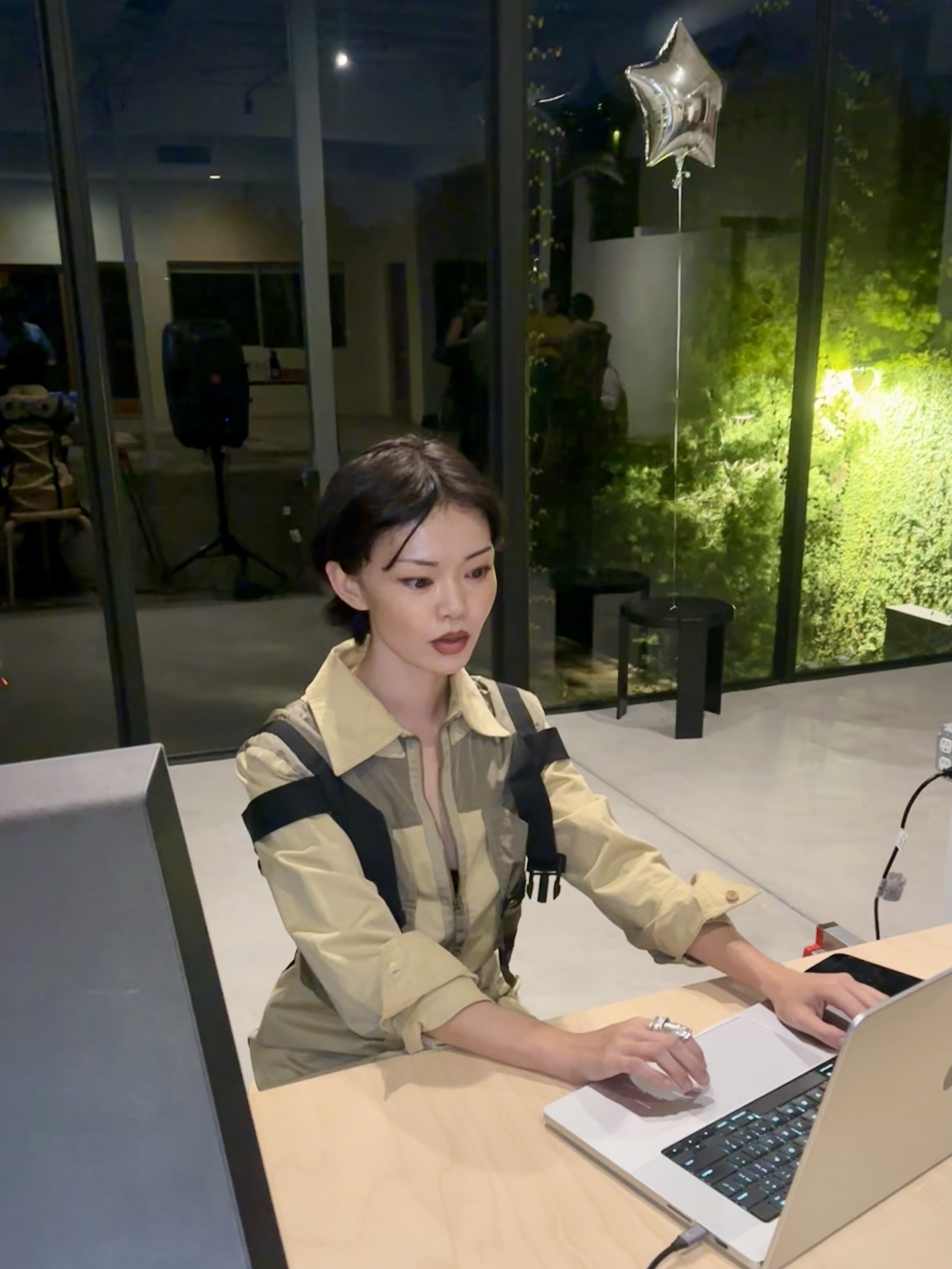
To fashion theorist Shuang Bright, an influencer and a historian are one and the same. Peppered between cooking vlogs and vintage furniture hauls, the bicoastal video essayist built much of her platform on her Lesbian Fashion History series. Each installment centers a prominent lesbian figure–think Jil Sander, Audre Lorde, Jenny Shimizu–and traces their style’s evolution and origins across sociopolitical movements. Videos are littered with citations and visual evidence, and prove that across generations, style prevails as a pillar for affirming gender expression and sexual identity.
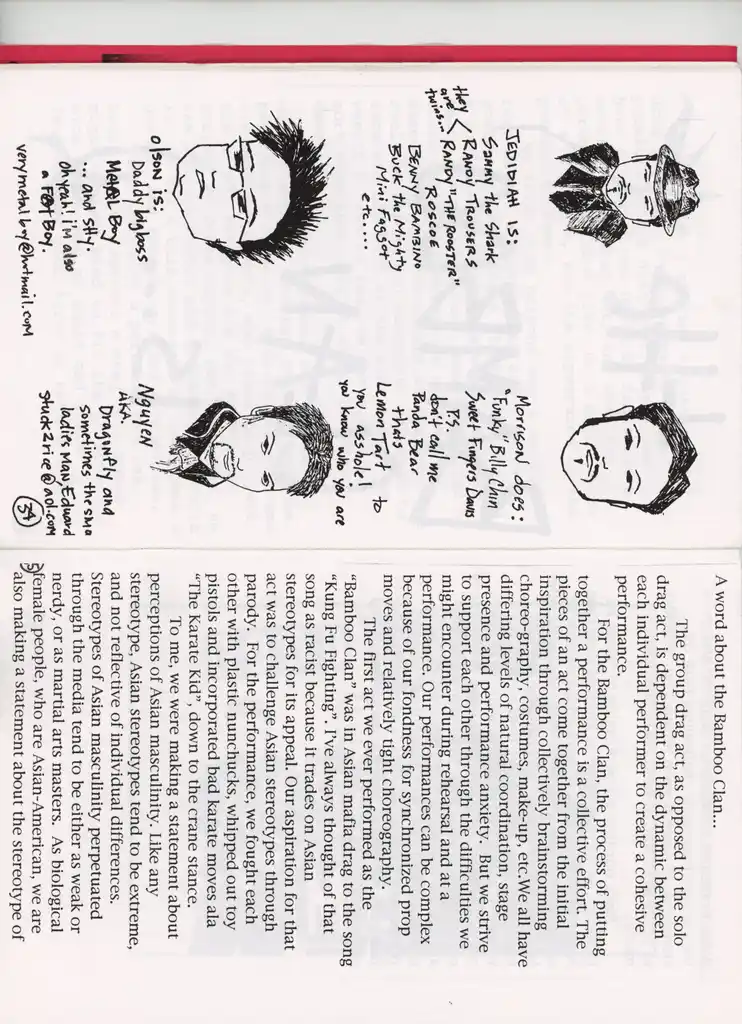
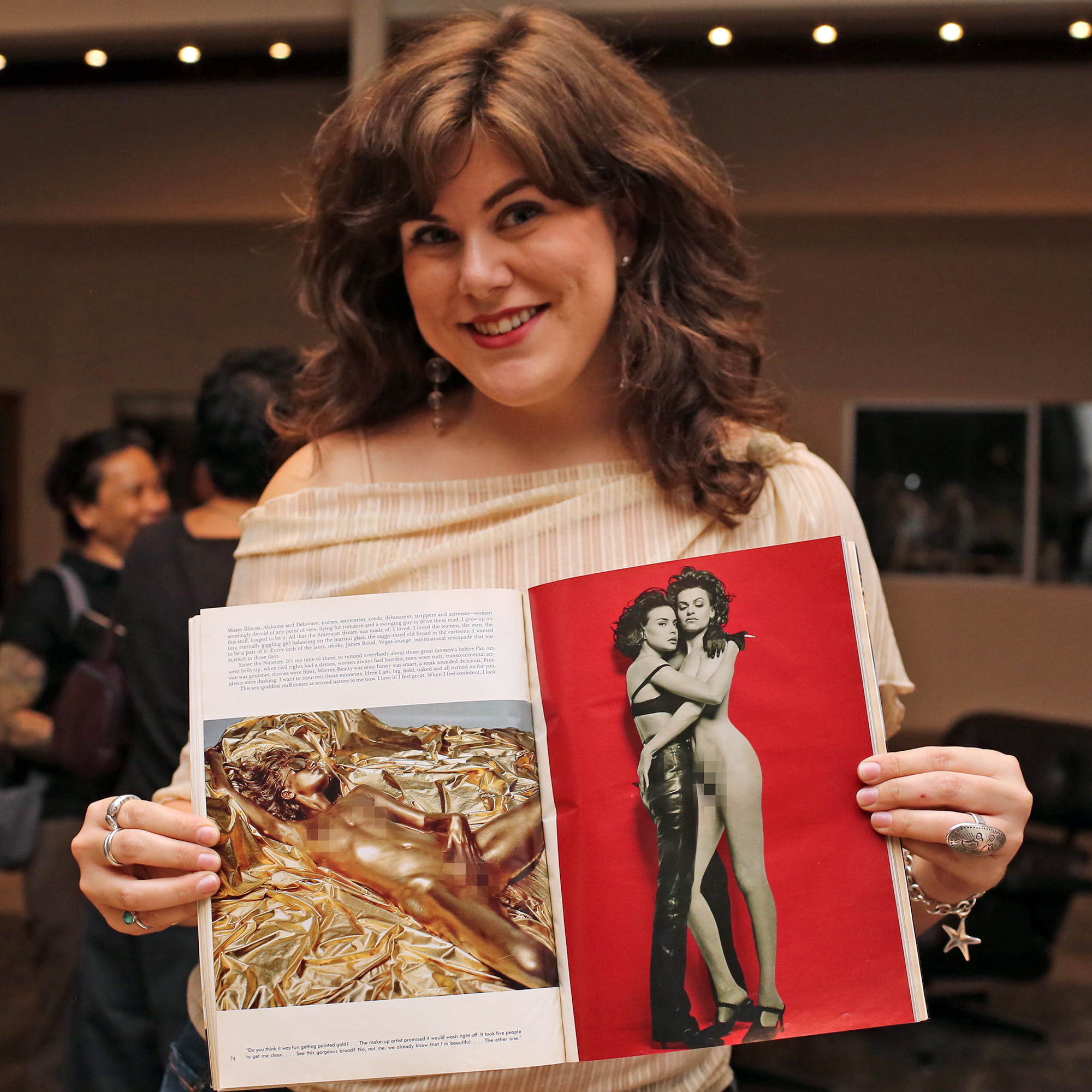
Bright asserts that anyone can be an archivist. She invites the community she meticulously documents to join her offscreen at Softcopy, a sapphic mixer. For the second installment of the series, Softcopy moves from Manhattan’s Spring Bar to designer and educator Yasaman Sheri’s Silverlake studio. Over an intimate November evening, attendees digitized their own memorabilia, tucking ads of 90s drag king troupes, European lesbian zines, and vintage Playboy pages safely into USBs.
FLAUNT talks content creation, queerness, and the Internet (in all its vastness) with Shuang Bright.

We live under intense surveillance, a constant pressure to document, and limited agency over our personal data. Despite this, why do you think archives feel safe, or even emancipating?
It’s tough and I’m always torn when I think about this topic! For me, I’m never sharing personal images from people whose permission I don’t receive first. But at the end of the day, I do think data preservation is really important, especially when it comes down to queer narratives and stories. I got into this whole project because for some of my videos, I reference articles/interviews that I find in old magazines or journals. When I’ve gone to look up these sources online, they’re nowhere to be found. This idea of data erasure is scary to me, especially with our current administration.
The LA edition of Softcopy moves away from a bar and into Yasaman Sheri’s studio. Could you tell me more about that decision and your experience working with Sheri?
I’ve known Yasaman for a few years now! I attended one of her talks at our other friend’s store here in Los Angeles (Maimoun) and we’ve been friends ever since. We’re both very drawn to that intersection of archiving and technology, so it seemed like a perfect fit. Apart from that, I’m in my 30s. I love my lesbian community down, but I don’t want to be at the club all the time. This is the second softcopy now, and I’ve noticed a lot of people actually mingling and sharing their collections which has been really fun to see.
When you’re curating a new segment of Lesbian Fashion History, how do you decide which figures or moments of the past warrant revisiting?
I think it just started out as a fringe benefit that some of the most stylish people I looked up to or had influenced my style growing up were all lesbians (suspicious and probably a clear indicator that I’ve been gay from the jump). Everything is connected. Even women/gender non-conforming individuals who aren’t necessarily known for their style, how they dress is being influenced by something. For example, Audre Lorde’s style and fashion sense wasn’t something that was ever really discussed. But her identity as a queer Black disabled woman, all manifested in her wardrobe. Isn’t that what intersectionality is all about? So I try and choose figures that have a clear identity/point of view and work from there. Also, for the longest time, lesbians were considered deeply unfashionable. The stylistic range is huge! That’s simply not true.
There's been a lot of discourse online about the boundary between genuine cultural criticism and what's dismissed as "pseudointellectualism." What do you make of these characterizations?
This topic is funny to me and is something I’m asked a lot! I think at the end of the day, you can tell when someone is genuinely curious about something. For me it’s not even the pseudointellectualism of it all that’s the most offensive, but it’s the lack of citations and crediting sources. It absolutely fair for people to want to share their own opinions about the things they read or consume, but let’s cite the original source.
Stay up-to-date with exclusive events and content.


