F L A U N T


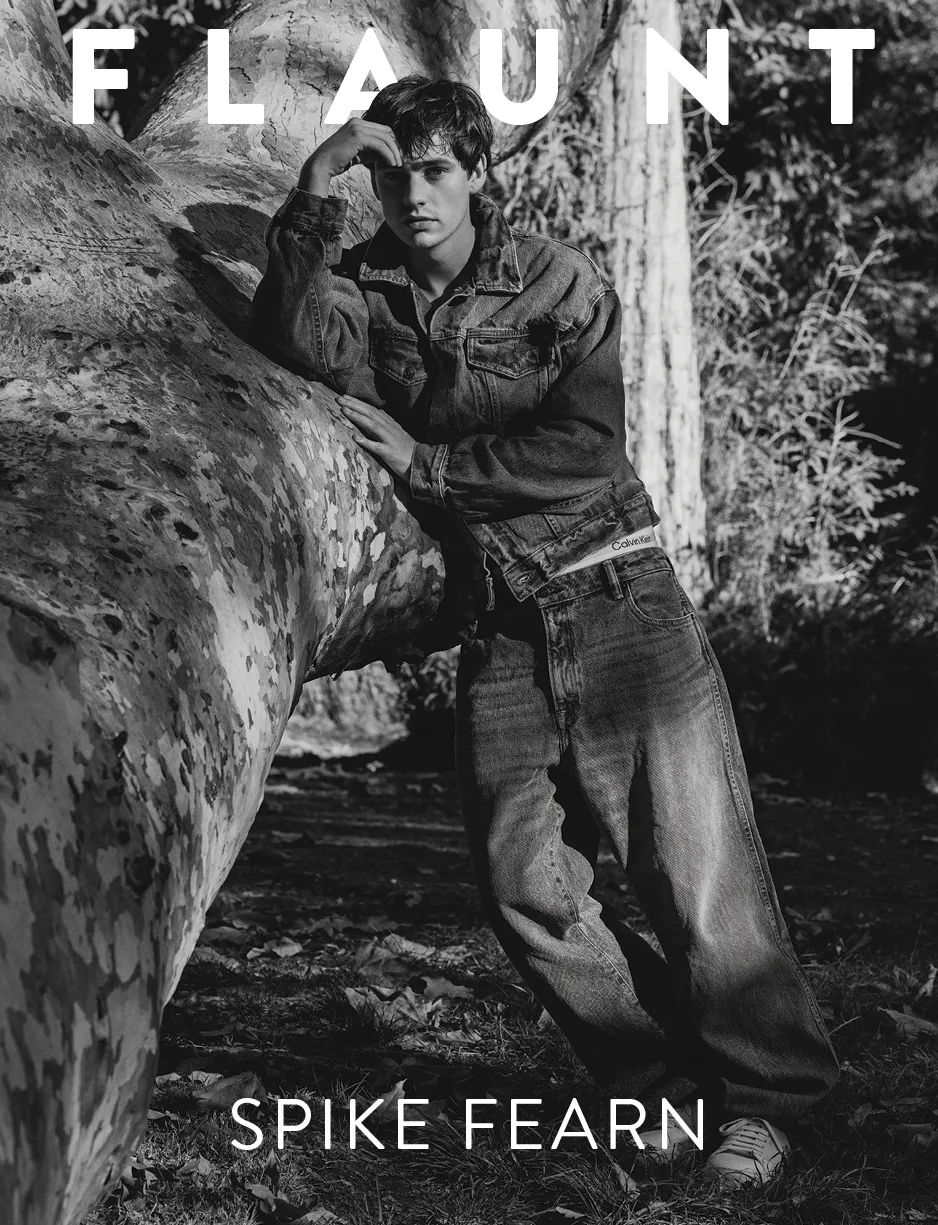
For 24-year-old Brit, Spike Fearn, the turning of the seasons has always held a particular fascination. Perhaps it’s an understanding that nothing stands stagnant for long, or maybe that change itself can carry its own momentum, that keeps him intrigued. “I like when the seasons change,” he tells me. “I think it shows that stuff’s moving.” And the one thing that remains constant about Fearn is that he is always moving, never truly staying still. Even when seated, there is a subtle and gentle impatience about the Leicestershire-born actor, as if he is already on to your next thought before you even get there. And maybe it’s this forward inertia that keeps him following whatever moment unfolds next, even if there is no clear sense of where it’s carrying him.
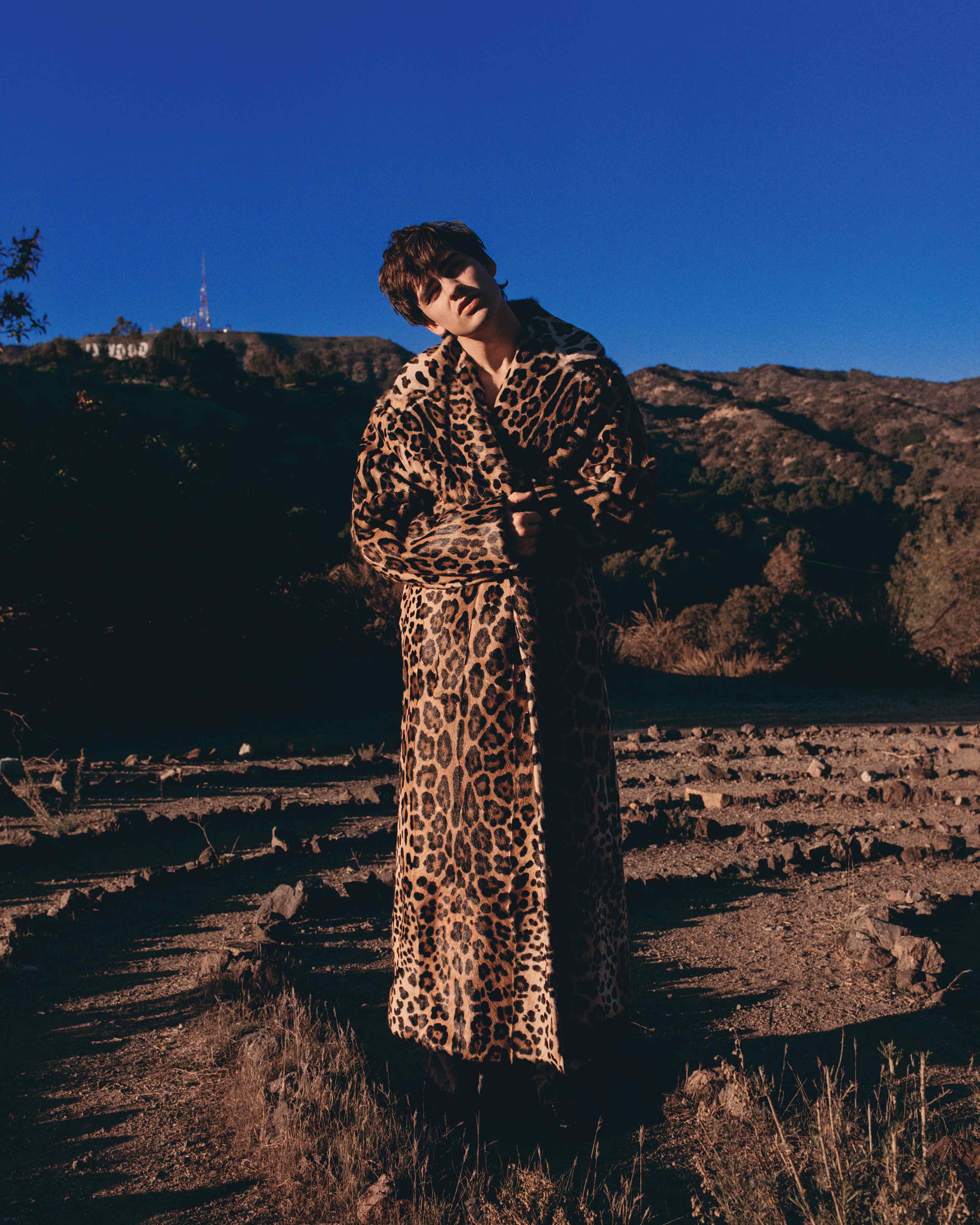
In 2024, Fearn played the human scavenger, Bjorn, in Fede Álvarez’s Alien: Romulus, the latest installment in the Alien franchise, which grossed $350.9 million worldwide, making it the highest-grossing horror film of the year. In the years before, he was Olly in Charlotte Wells’s 2022 award-winning film, Aftersun, Tyler in the Amy Winehouse 2024 biopic, Back to Black, and Elvis in Marley Morrison’s 2021 coming-of-age film, Sweetheart. And soon, his presence will only broaden, with a handful of new projects slated for release, including Oscar-winning director James L. Brooks’ upcoming comedy-drama, Ella McCay. Yet even with what’s ahead, Fearn carries little of the pressure one might expect. “I’m trying to live in the moment, not thinking too much about the future or the past,” he says, reflecting on the quiet stretches between filming and release. “I’m just happy that I’m still standing.”

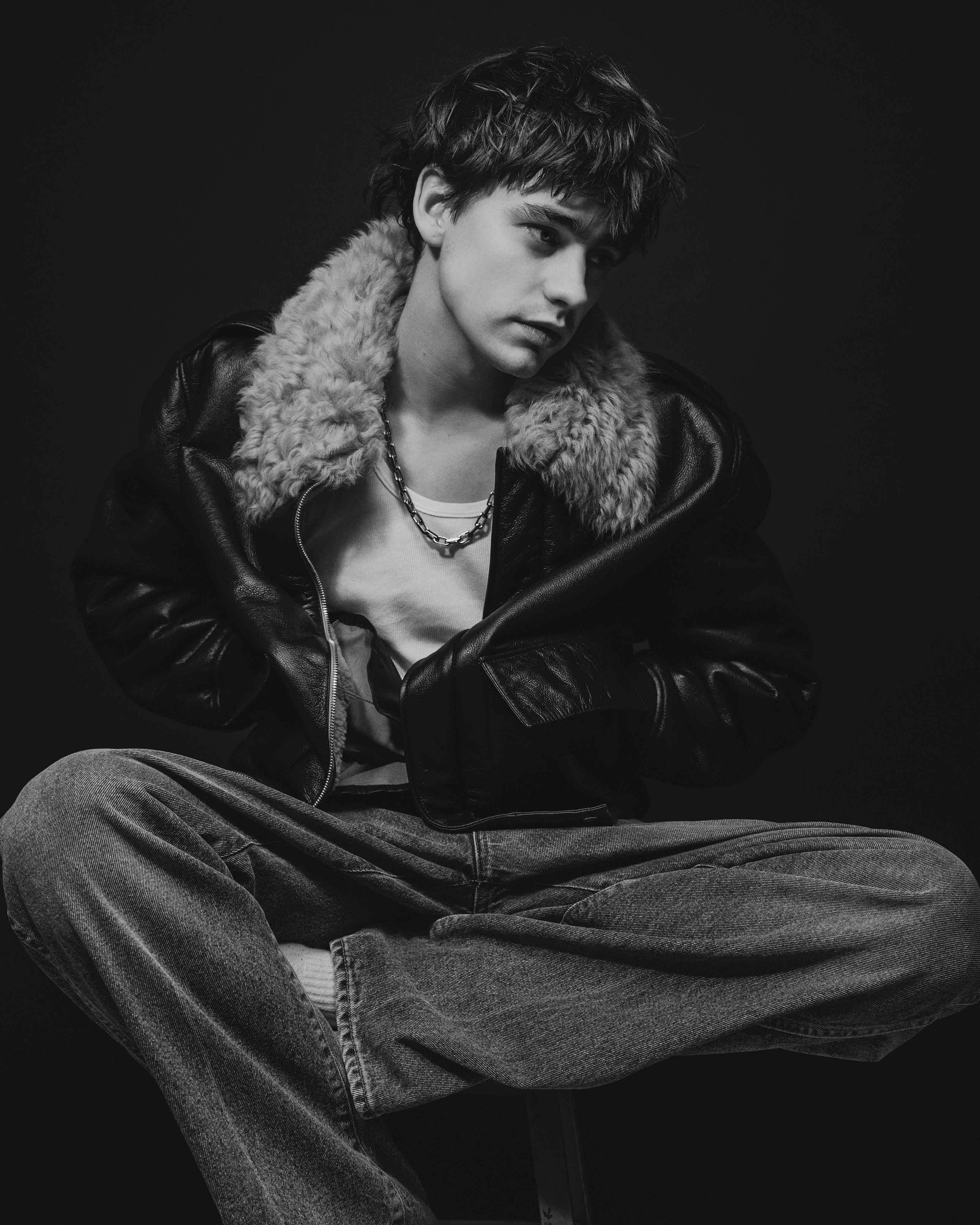
Coming this winter, Ella McCay follows Emma Mackey as a young, idealistic politician navigating family life and her rise to becoming governor. At its core, it’s a heartfelt family story, exploring the tension, trauma, and long-lasting effects of shared history while showing how love and loyalty can endure. Fearn plays the younger brother, Casey, who has spent much of the year tucked away in his apartment, gripped by agoraphobia in the wake of a breakup. His journey is one of quiet resilience, as he slowly confronts the walls he’s built around himself and searches for a way back into the world—and into connection with those he loves.
“I was trying not to make someone who is dealing with mental health or anxiety or anything like that feel like they’re only defined by the dramatic side of it. I think a lot of people assume it’s ‘Oh, let me be down. Let me put my head down, you know?’ But it still had to have this human side,” he explains. “I’d go to work and my brain would scramble and fight for the day, or whatever, and I actually enjoyed that.”
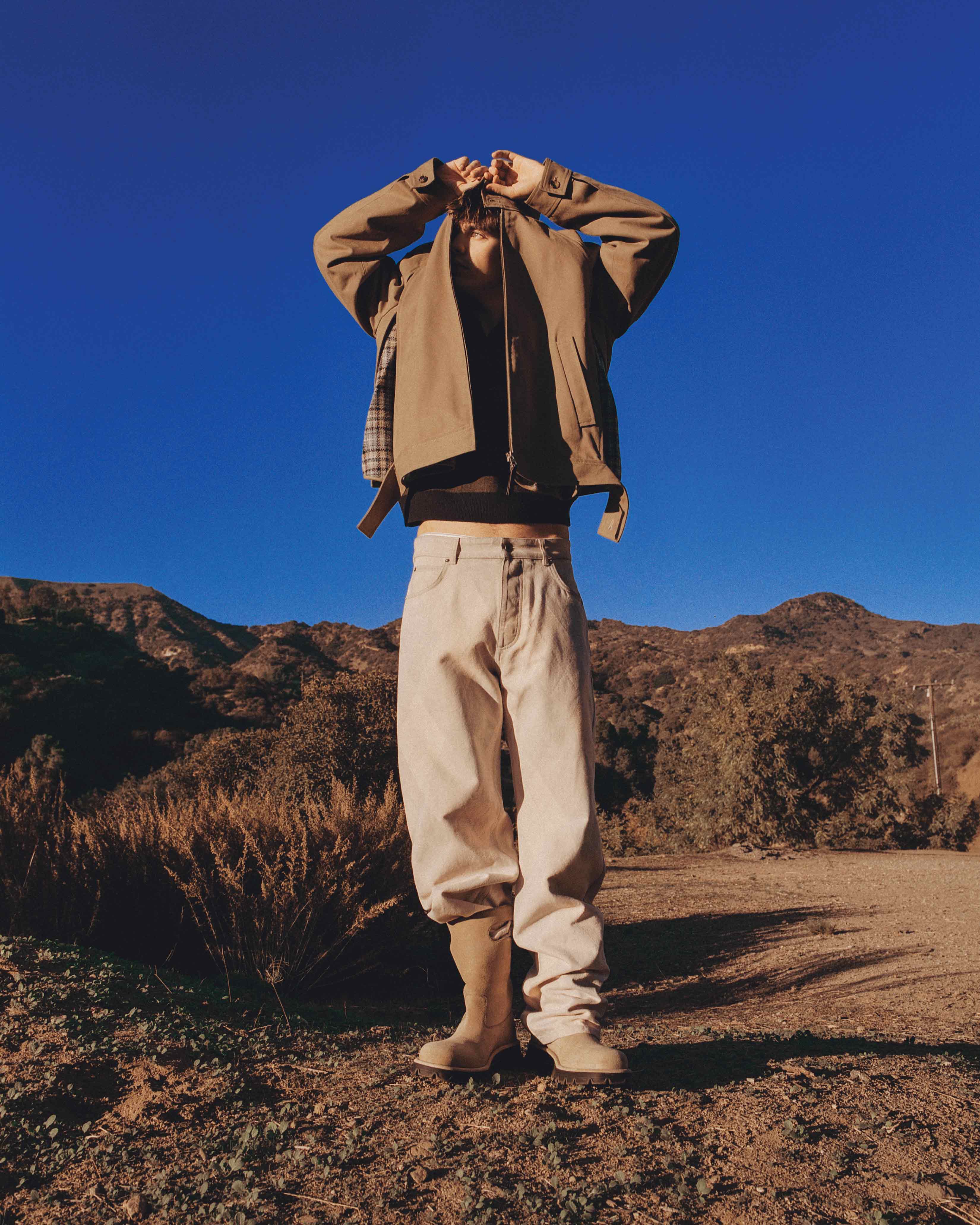
And while this fight of trying to meet each moment honestly and without artifice seems daunting, Spike Fearn is a natural. At least that’s what Brooks says of his performance while filming next to heavy hitters, Woody Harrelson, Jamie Lee Curtis, and Ayo Edebiri. “When did he say that?” he stops me. “I didn’t see that.” He tries to shrug off his sheepish grin. “That’s very—um—I didn’t see that. But that’s great that he said that. Yeah, that makes me very happy.” And it’s well deserved, as Fearn plays Casey with a messy, searching tenderness. There’s no tortured artist here, no trace of cynicism—just someone fully present, grateful, even, to be here. Perhaps it is this openness, this willingness to embrace uncertainty, that gives him a boyish charm and a gentle lightness, rendering effortless, almost magnetic authenticity.
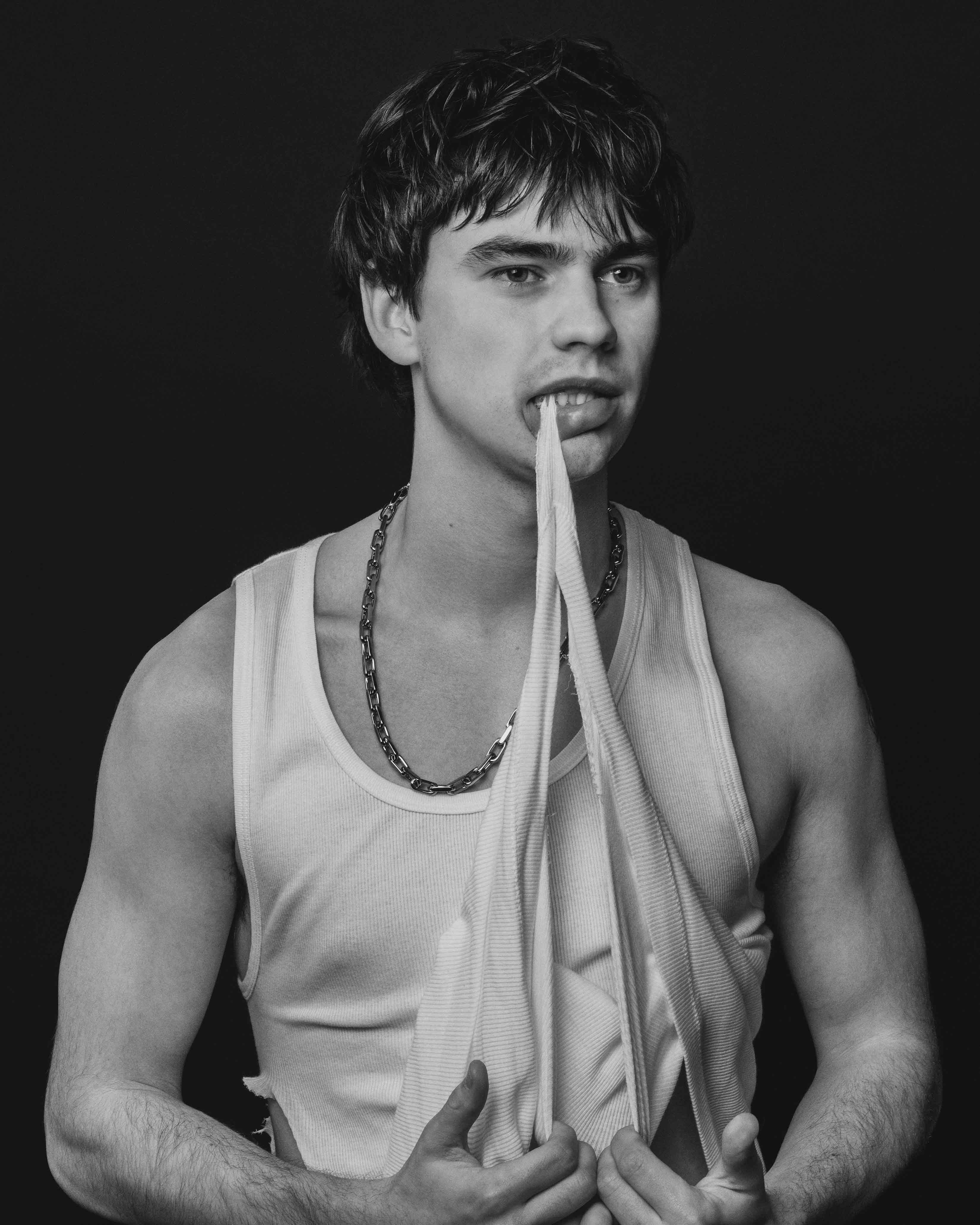

Yet, despite the recognition, Fearn carries himself with a certain humility, treating each role as an opportunity for growth rather than a measure of success. “I’m so young, and I’m so new to this—I’m still a complete apprentice in this world. Sometimes I step on set and don’t really know exactly what I’m doing, and I think that’s what keeps things feeling natural. I just try to go into every job ready to learn something new, to discover new ways of becoming.”
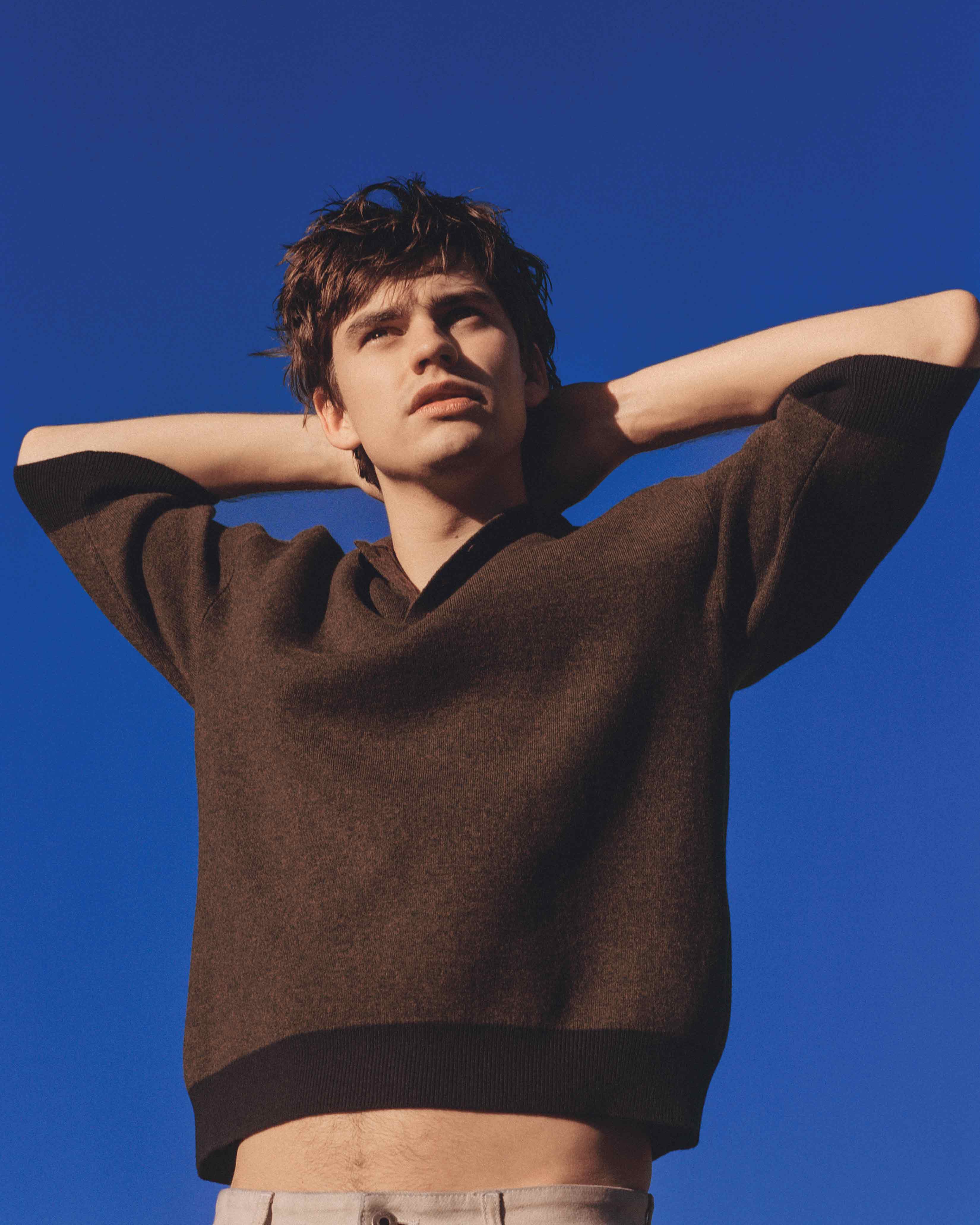
And there’s much more to come from Spike Fearn. Plenty, in fact. Next year, he stars opposite Angourie Rice in the romantic comedy Finding Emily. He will be a quarter of 4 Kids Walk Into a Bank, a heist film based on the graphic novel by Matthew Rosenberg and Tyler Boss, in which he plays one of four budding criminals, sharing the screen with Liam Neeson. In the fantasy drama Sweetsick, Fearn co-stars with Cate Blanchett, who portrays a woman with the unusual gift of discerning what others most deeply need, exploring the boundaries of empathy and desire. Then there’s the indie film Pocket Dream, which follows a wealthy woman trapped in an unfulfilling marriage; her encounter with a struggling waiter, Theo, played by Fearn, forces her to question whether the American Dream is truly attainable. He shares, “I want to be able to jump around and really tell some stories that are coming from people’s hearts. And I think indie film is the best place where that goes down. People are making things that they want to make; they’re making a film because they want to tell a story.”
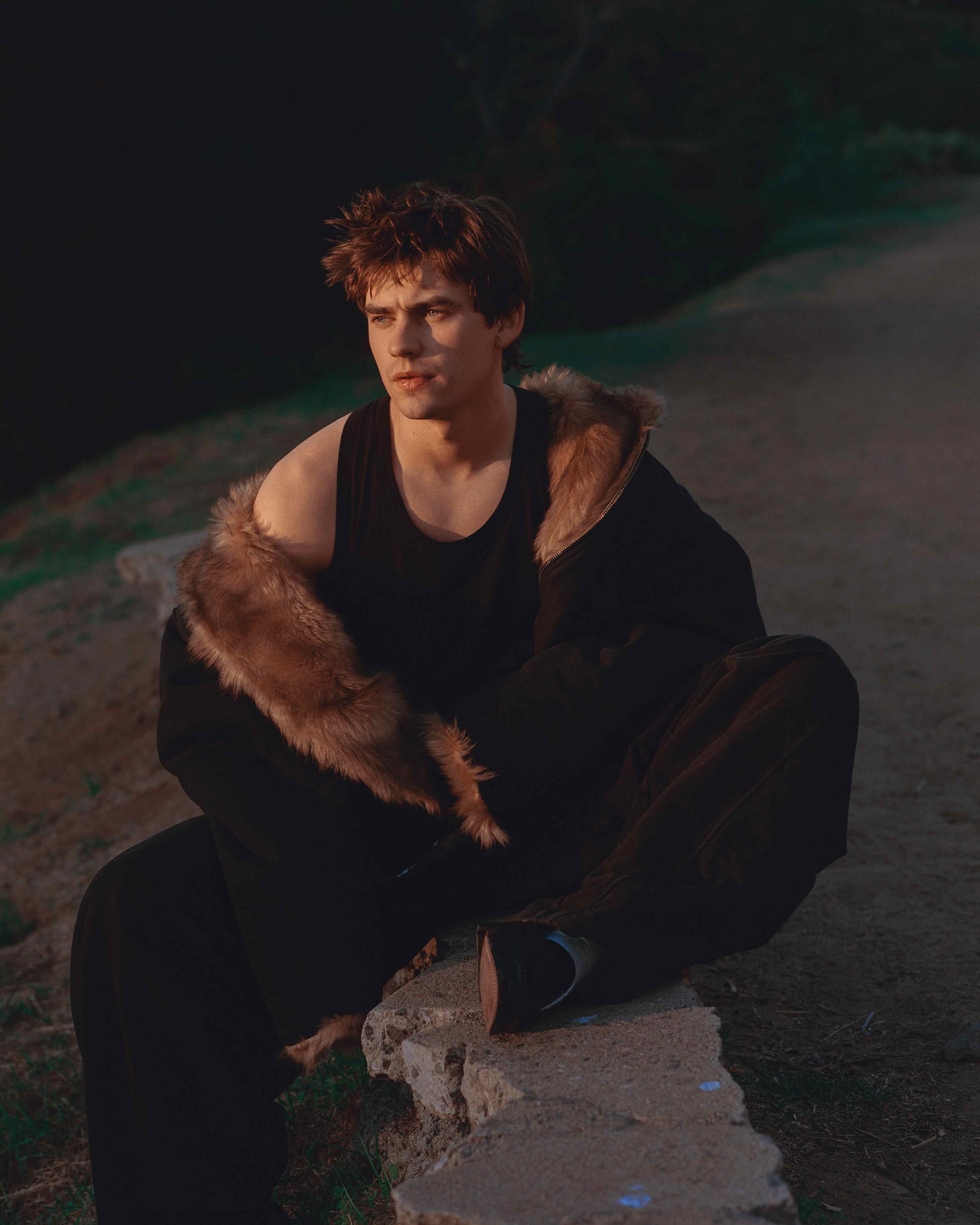
With so many hours of Fearn screentime ahead of us, I ask if he ever watches his own work, curious whether seeing it feels different than performing it. “It’s very—like, through the fingers, you know, or with the shirt over your eyes a lot of the time. But, honest answer? Yeah, I enjoy it,” he confesses. “It’s nerve-racking. Everybody’s kind of staring at you, and you feel very vulnerable. But what I enjoy about it is that it’s exciting. You know, you dream of this when you try to be an actor for the first time. Even when you watch a film, you think, ‘I want to do something like that one day.’ And then you see yourself on a screen, and you think, ‘I’m kind of doing that.’ That’s exciting,” he says with a smile. “It’s like seeing the gold medal, really.”
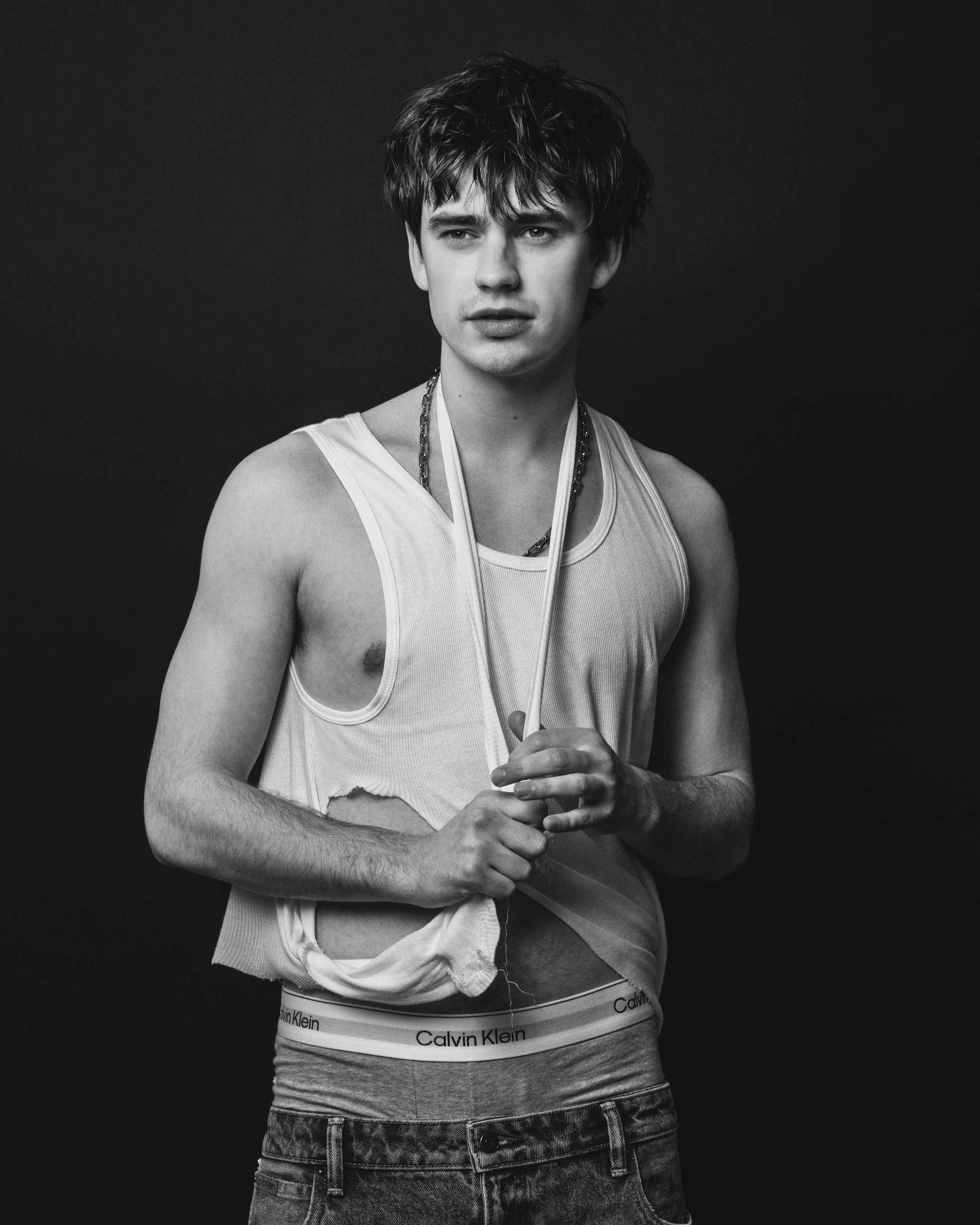

For Spike Fearn, acting has always been about possibility and instinct, as he traces the soft edge between intuition and endless curiosity. “It’s what I want to do forever. I want to chase playing people that are really, really far away from me. I never want to be shoved into a box of playing someone like myself. I want to be able to bend it and see what happens. And if that means falling on my face from time to time, then I’ll fall now,” he says acceptingly. “I remember [being very young], seeing an actor called Stephen Graham—a great, great performer—and he said something along the lines of, ‘If you already know what you’re going to do in the room, then it’s already ruined.’”
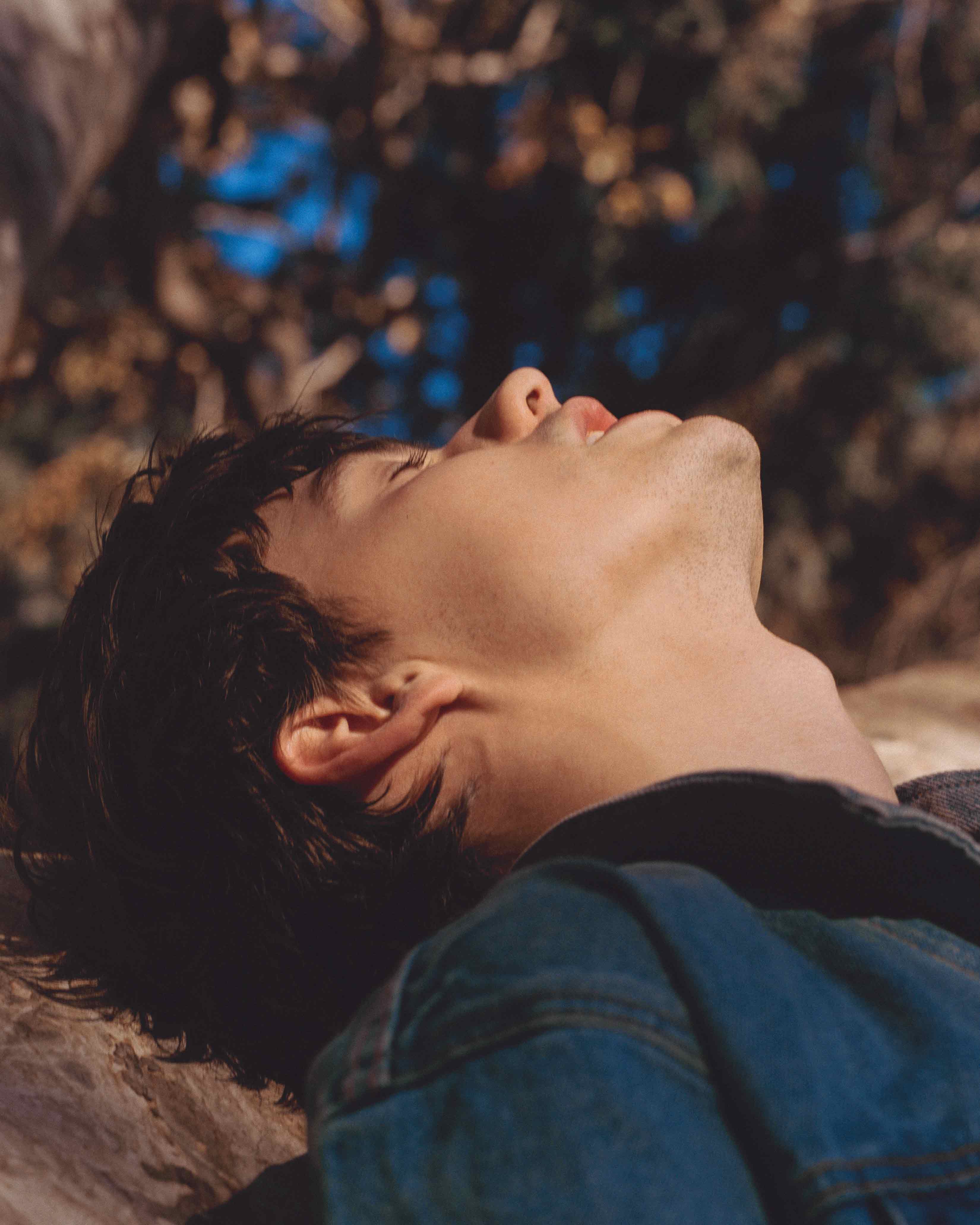
Maybe the real challenge lives in the tension between what remains unspoken and what we allow to fill in. Today, where social media makes everyone’s lives instantly visible, he remains deliberate about what he shares and how he engages, choosing presence and personal connection over performative visibility. “You see so much of everyone’s life now. Everybody seems a bit more accessible…I try to keep quiet on there,” he admits. “I like talking in person.” But don’t all actors want to be seen? What makes it all worth it for him, if not the esteem? “In work, you’re being seen when you get opportunities to do stories you love,” he says. “In life, my friends see me. I see them. That’s enough.”
That sense of sufficiency—knowing what’s enough—grounds Fearn even as he keeps moving forward. Los Angeles may linger in its endless summer, but for him, the change of the breeze, the gentle motion it brings, and the patient curiosity about where it might take him is what truly matters.
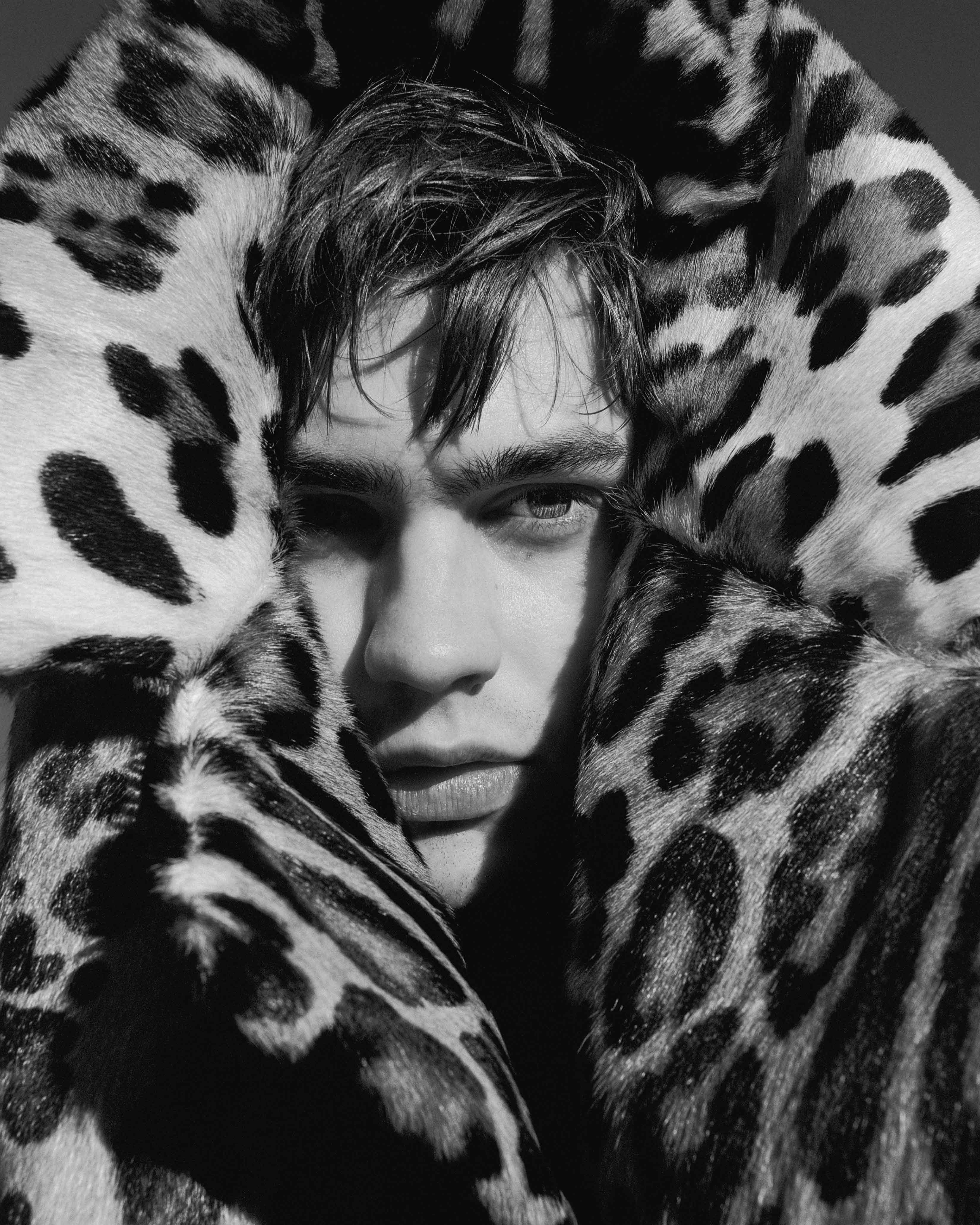
Photographed by Ryan Pfluger
Styled by Monty Jackson
Written by Bree Castillo
Grooming: KC Fee
Flaunt Film: Simon Gulergun
Stylist Assistants: Jake Mitchell, Mars Espinoza
Production Assistant: Abby Shewmaker
Stay up-to-date with exclusive events and content.


