F L A U N T


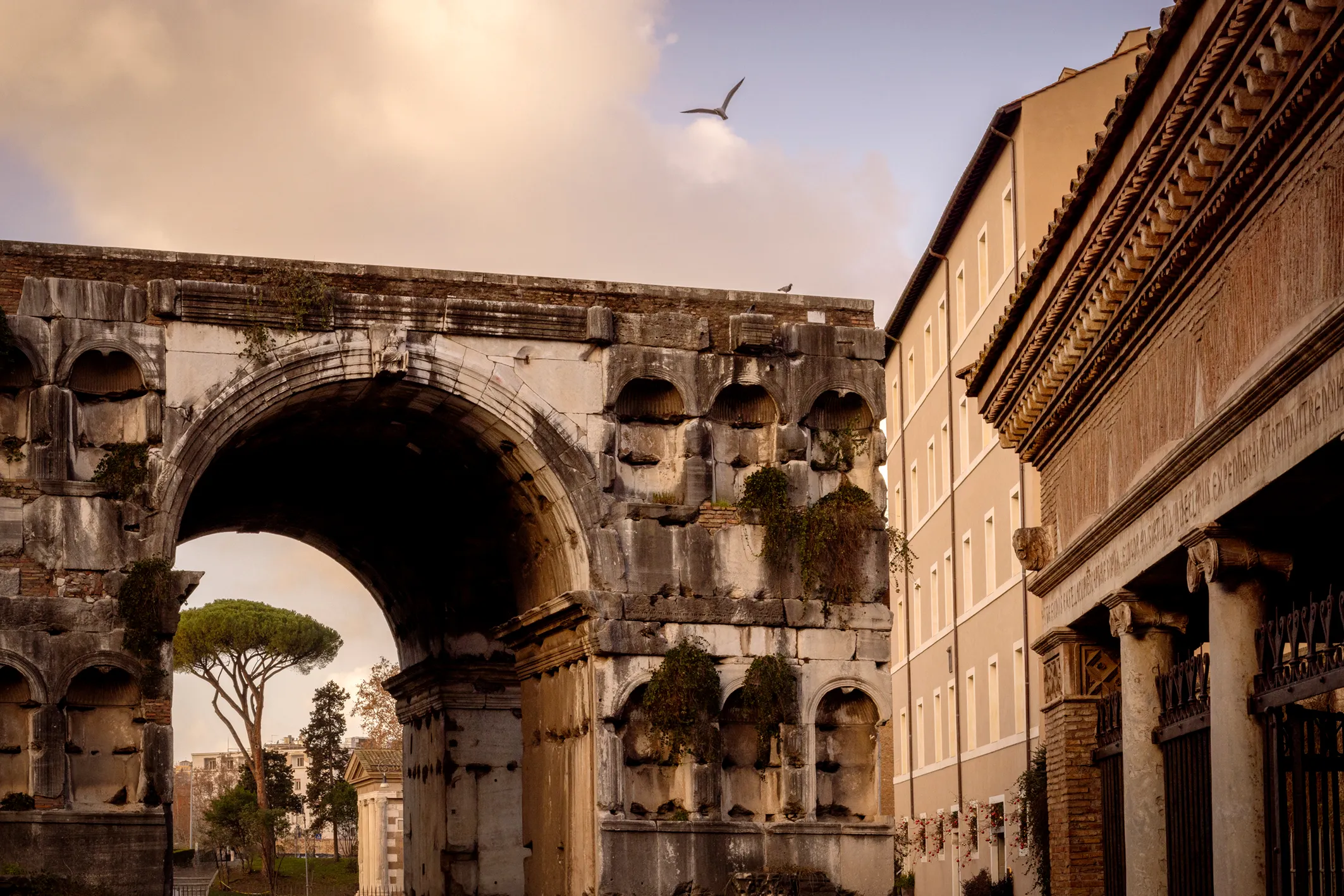
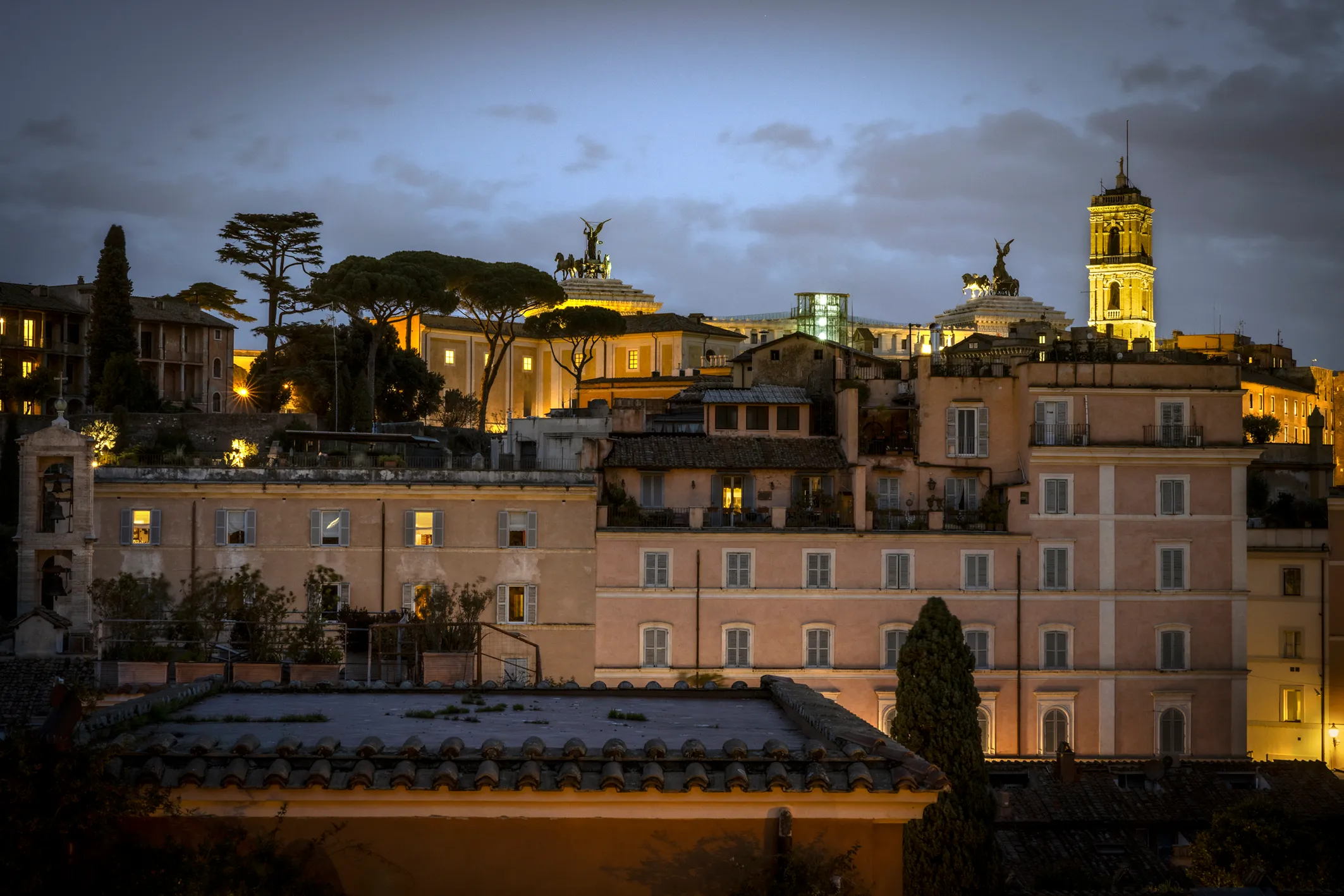
Set against the archaeological heart of Rome, Palazzo Velabro occupies the space where the city’s layered past and contemporary cultural life converge. Located along Via del Velabro beside the ancient church of San Giorgio al Velabro, the hotel stands in one of Rome’s most mythologized quarters, an area that is tied to the legend of Romulus and Remus and the origins of the Eternal City itself. Yet despite its historic surroundings, Palazzo Velabro approaches history as something living, tactile, and continuously reinterpreted.
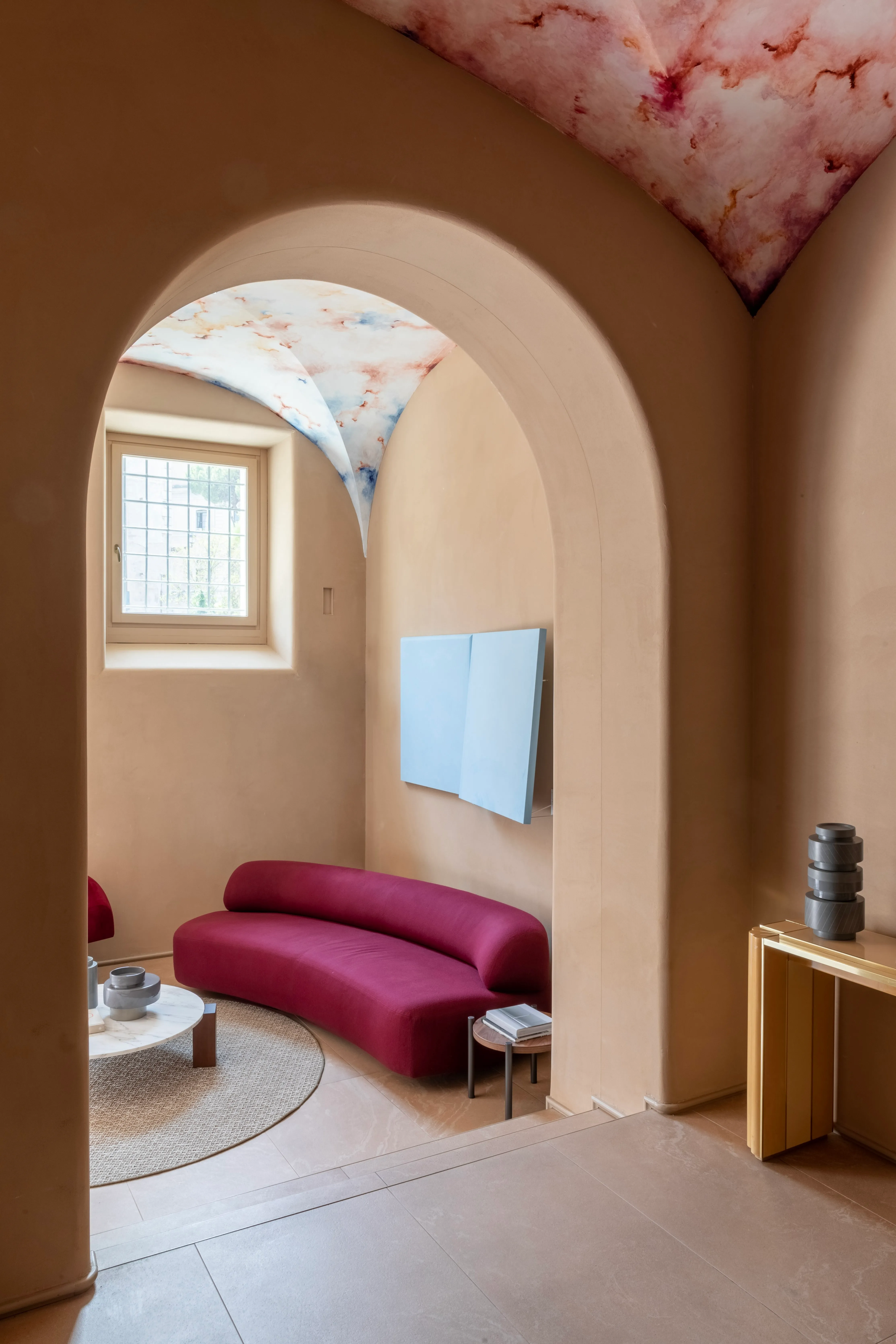
Originally built in the eighteenth century, the building was radically reshaped in the 1960s by architect Luigi Moretti, whose influence remains deeply embedded throughout the interiors. His rationalist sensibility can be seen expressed through curved forms, sculptural lines, and fluted walnut wood, which still defines the atmosphere today. Following a recent restoration and reopening in 2023, the property has emerged as a refined dialogue between eras, balancing architectural memory with contemporary restraint.
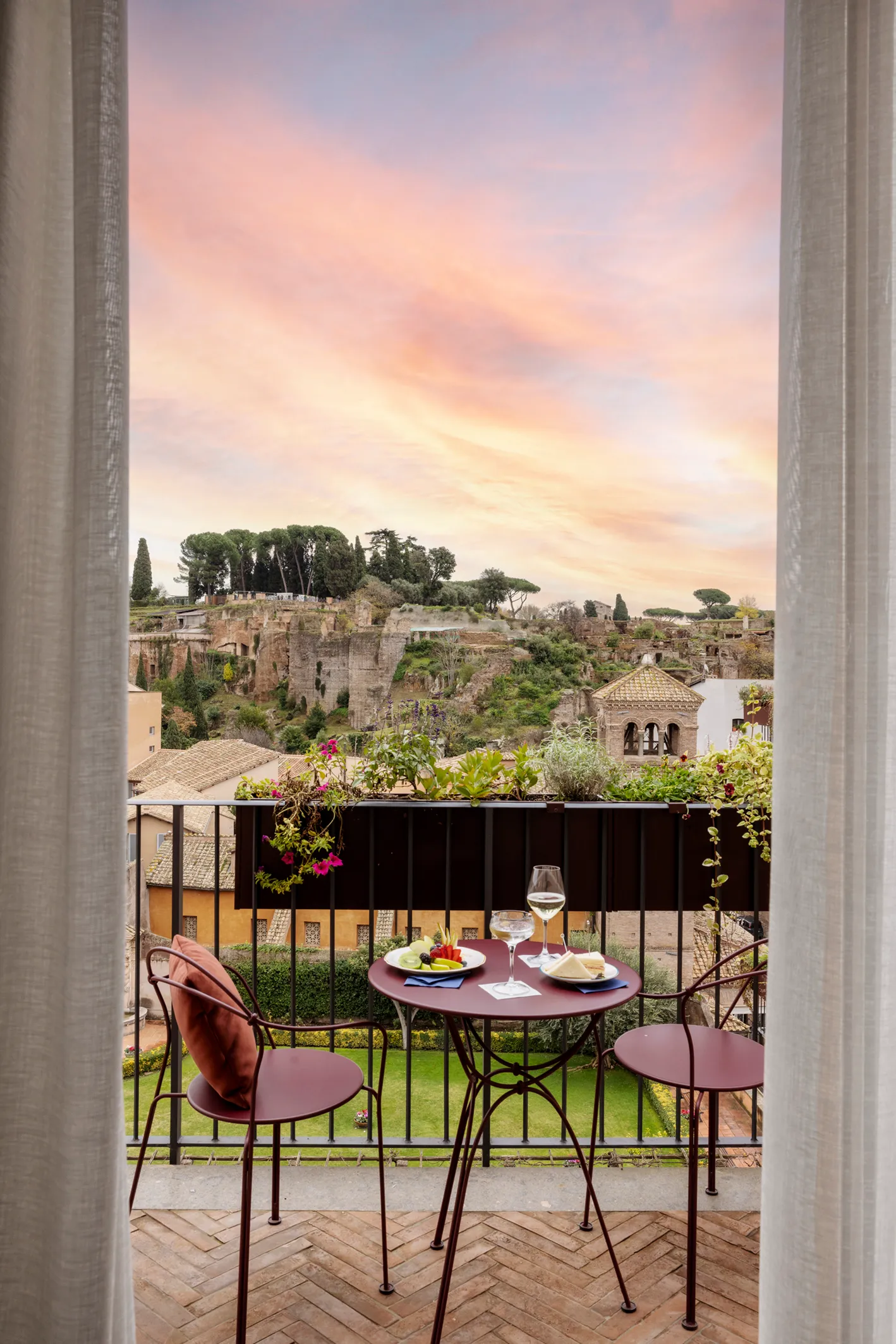
Across its suites and public spaces, there is a particular intimacy. Rich materials, muted palettes, marble surfaces, and custom wood detailing to create a carefully composed retreat embedded within the rhythm of the city. Many rooms frame views of Rome’s ancient landscape, reinforcing the sensation that guests are momentarily living within its layered history.
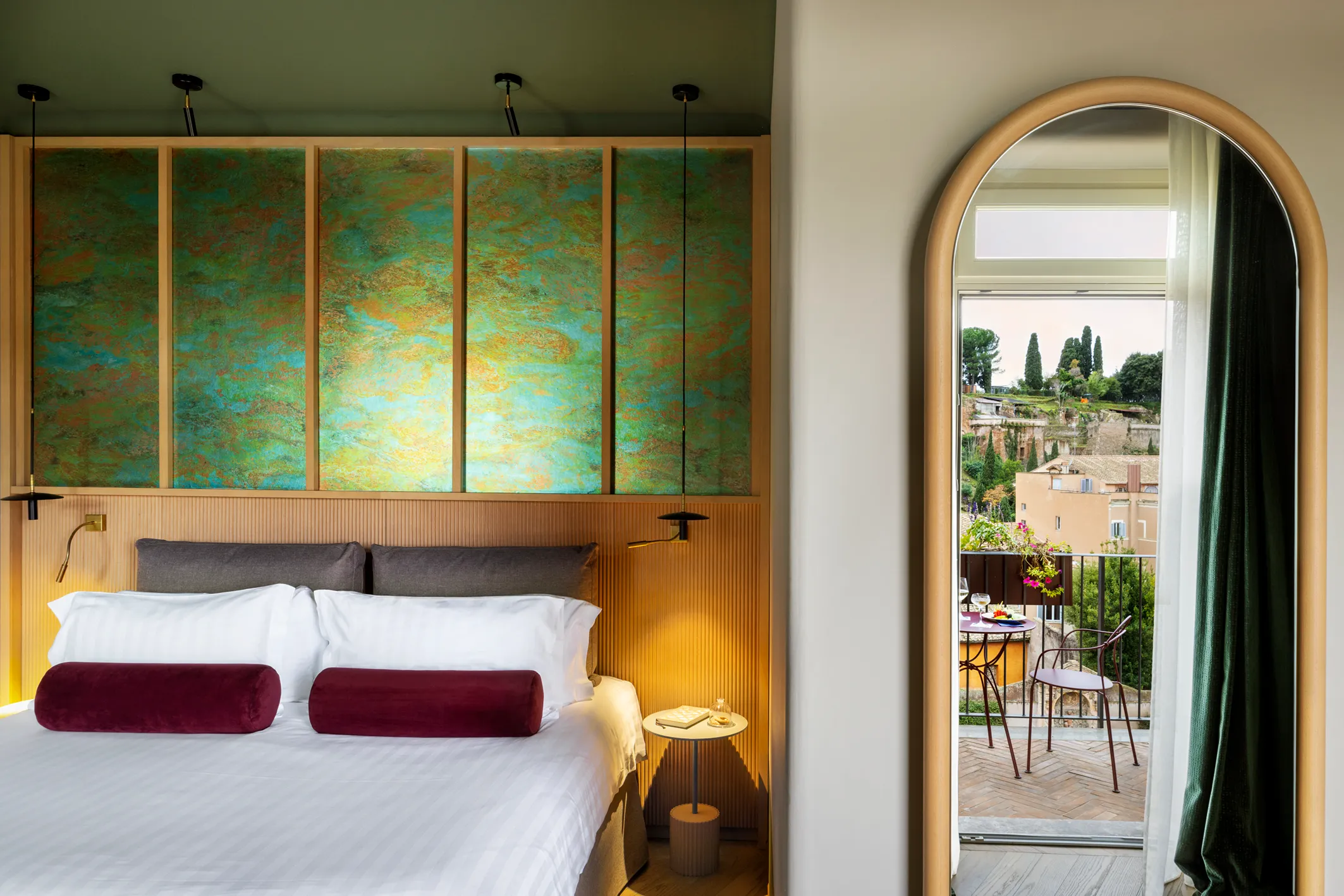
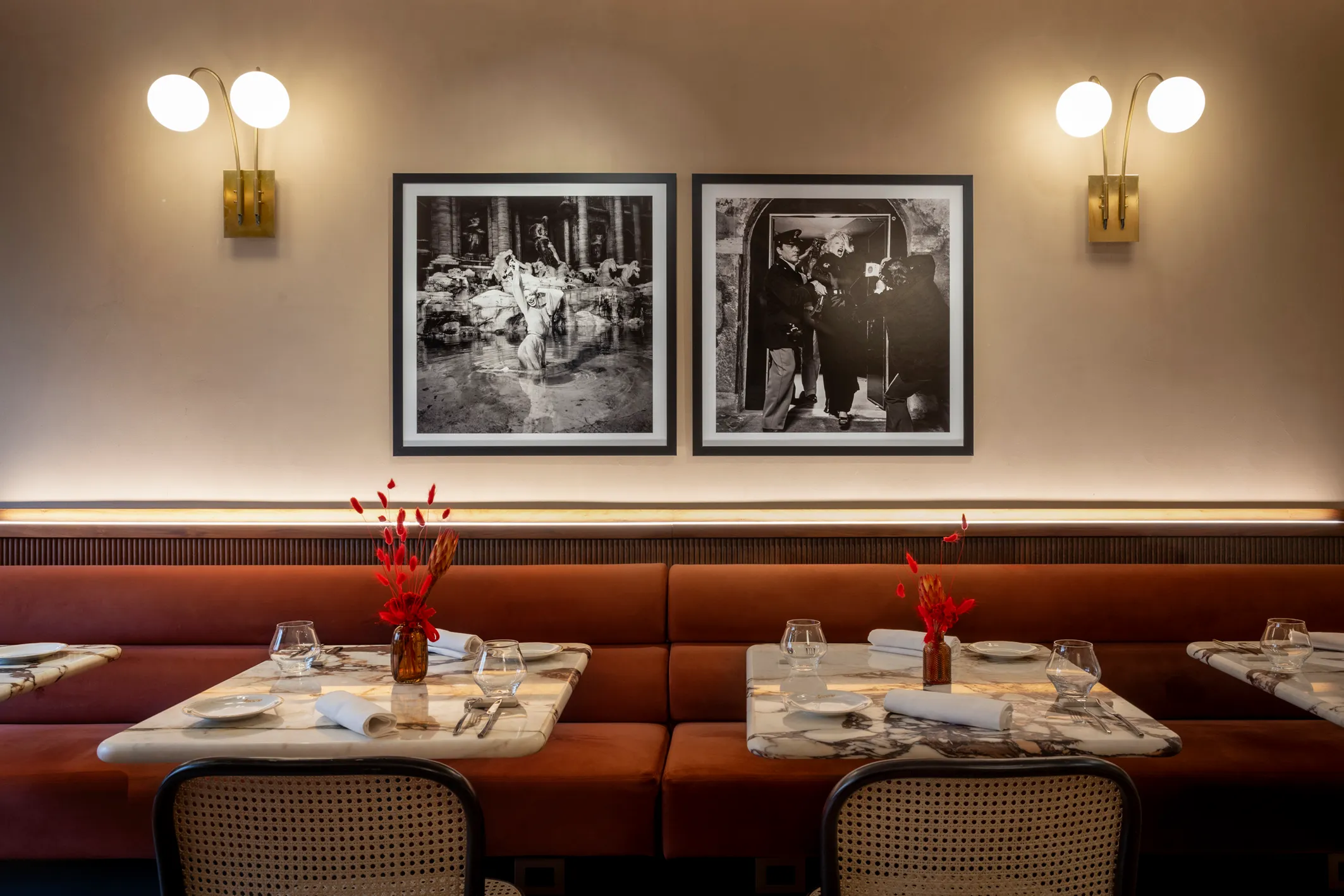
Art plays an equally central role in shaping Palazzo Velabro’s identity. Works by artists and photographers, including Ettore Spalletti, Mimmo Jodice, and Gabriele Basilico, transform the hotel into an evolving cultural intertwining of architecture, memory, and visual language. Exhibitions, a small cinema, and a library dedicated to art and film further deepen this dialogue.
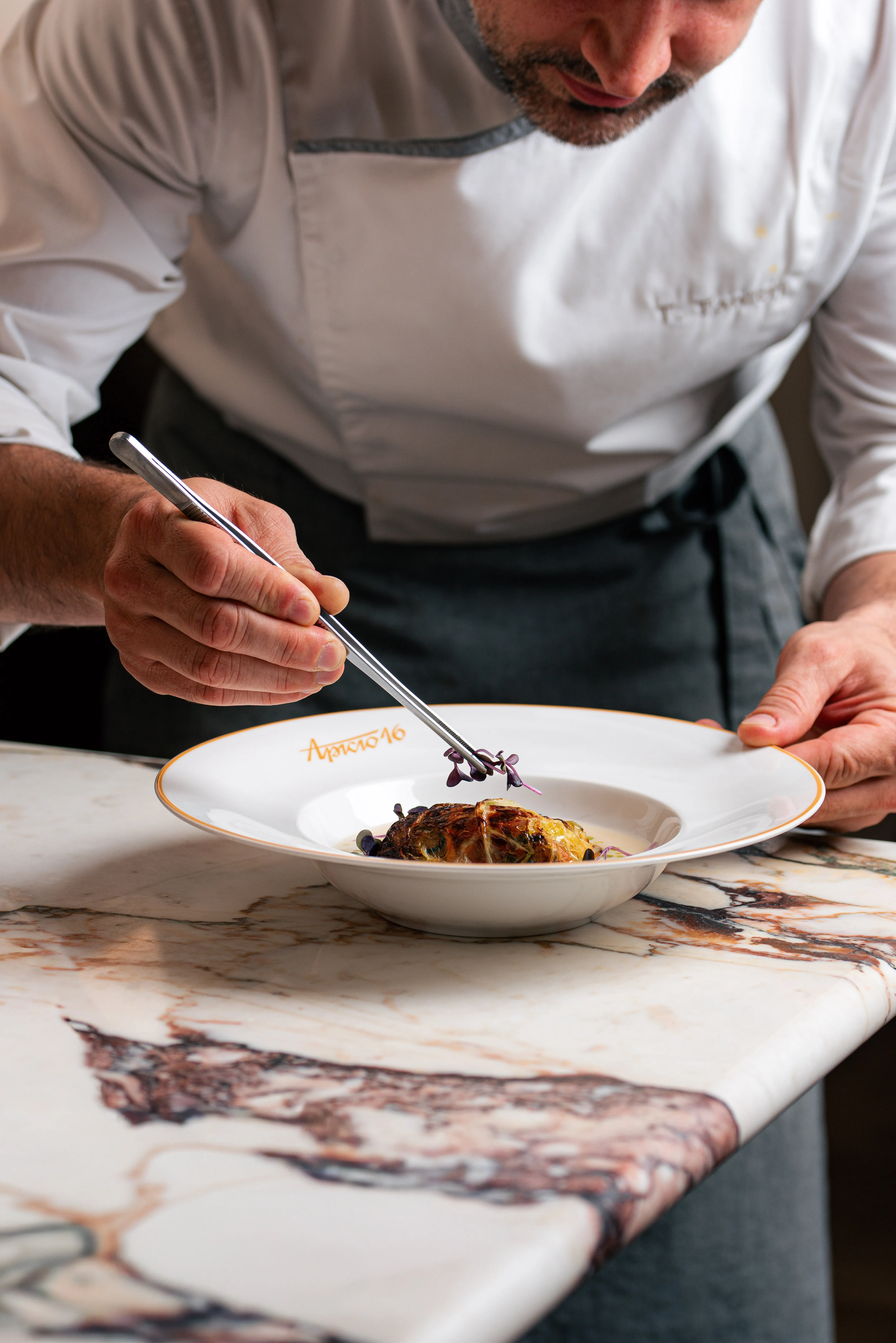
At Apicio16, the hotel’s restaurant, Roman culinary tradition is revisited with precision and subtlety, sewing in the sentimentality of thoughtfulness and an enduring sense of place.
Stay up-to-date with exclusive events and content.


