F L A U N T


Pole to Bowl, the heart of Sweetfin’s culinary philosophy, focuses on providing foodies and casual-eaters alike with high-quality fish without costing an arm and a leg. Sweetfin’s co-founder, Seth Cohen, is turning “fast casual” dining into an experience richer in both taste and quality. Peppered along the California Coast, Sweetfin specializes in salads and poke bowls, prioritizing fresh quality fish and plant-based dishes. Cohen, the restaurant’s president and co-founder, holds a background in both business and nutrition, focusing on a way to bridge the gap between affordable food and quality ingredients. Devoting over eight years to FEAST, a community food health organization in Los Angeles, Cohen aims to provide healthful experiences for consumers with ingredients they can trust.
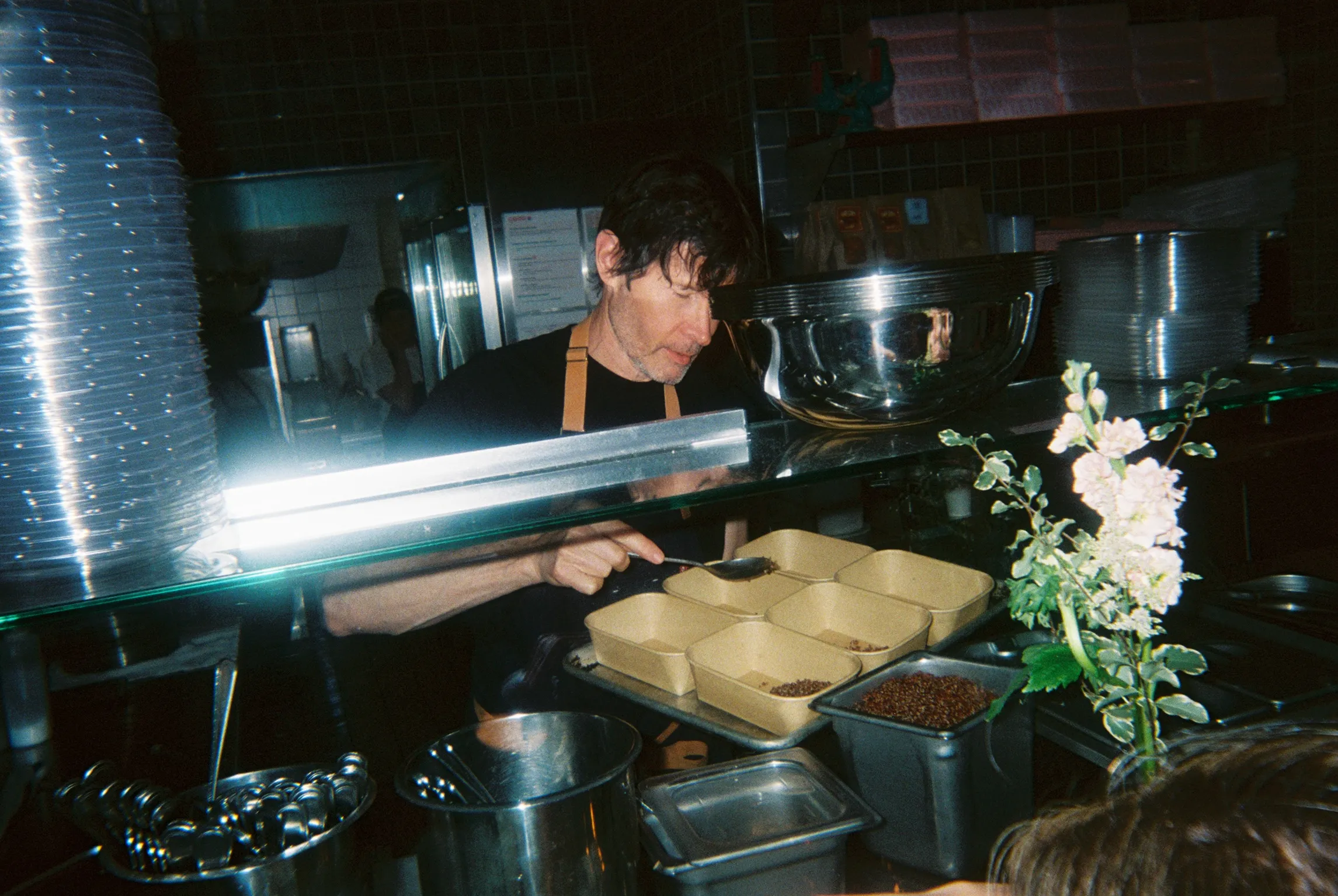
Sweetfin first opened in Santa Monica in April 2015, developing a menu inspired by both Hawaiian and California cuisine. In celebration of their 10-year anniversary, the chain collaborated with two-Michelin-starred Chef, Daniel Patterson, to launch Sweetfin Innovation Kitchen. Patterson, a multi-award-winning chef, as well as a restaurateur and food writer, focuses on modern and intentional cooking techniques, serving a refined experience in each dish. From washing dishes at 14 years old, to opening his first restaurant nine years later, Patterson pushes the limits of standard cooking, and revolutionizes what truly makes “fine dining” worth it.
Located exclusively at their Fairfax District location, the Innovation Kitchen is offering a menu that expands beyond Sweetfin’s customary cuisine. Encompassing new California-Asian flavors and Michelin-starred techniques, this menu utilizes Sweetfin’s established palate while redefining their culinary flavors, textures, and temperatures. Self-described as “an extension of [their] chef-driven approach,” the Innovation Kitchen is staying true to who they are, endeavoring towards elevation.
This spring, Sweetfin hosted an intimate dinner in collaboration with BIITE Club, a creative culinary platform that allows members to experience never-before-presented items from menus across Los Angeles, a collaboration that highlighted the communal, Californian spirit that underscores the two entities. See below, Cohen’s insights on the inception of Sweetfin, the present state of California cuisine, and the future of casual dining.
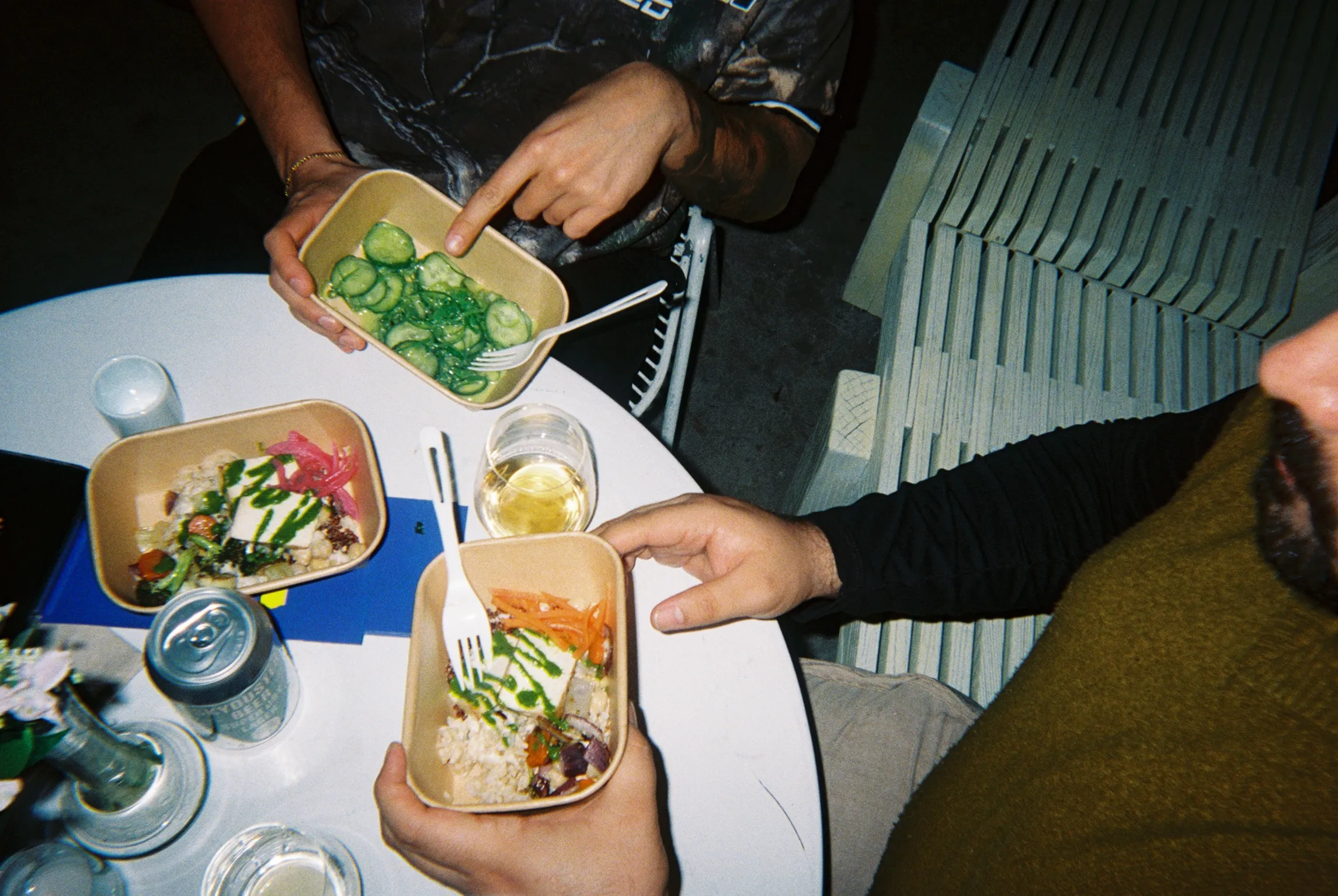
Many people labor under the impression that culinary accessibility sacrifices flavor. What steps were taken in the design of the new Sweetfin menu to strike the balance between price point and rich, balanced, fresh ingredients?
Many people labor under the impression that culinary accessibility sacrifices flavor, but at Sweetfin, we’ve always believed that price point and premium quality aren't mutually exclusive. For this new menu, our design process was anchored in a 'no-compromise' philosophy. We wanted to bridge the gap between 'healthy' which can often feel like a chore and 'craveable,' which can sometimes feel too heavy for a daily meal.
To strike this balance, we leaned into a 'Pole to Bowl' sourcing strategy. We maintain a rigorous standard using only sustainable, high-quality raw fish and locally sourced produce but we optimize our costs by focusing on a streamlined, intentional ingredient list. By being disciplined with our pantry, we were able to double down on the quality of our core items like Japanese sweet potato, charred broccoli, Brandt Beef, and Petaluma Farms chicken.
We make every sauce from scratch in-house daily, allowing us to deliver complex, multi-layered flavors - like our chili vinaigrette or yuzu kosho mayo—without the markup of third-party processed goods. We designed these bowls to be functional. Whether it’s the Herby Grain Bowl or the new Miso-Roasted Salmon, we ensure every ingredient serves a purpose for the body while delivering a flavor profile that feels like a treat.
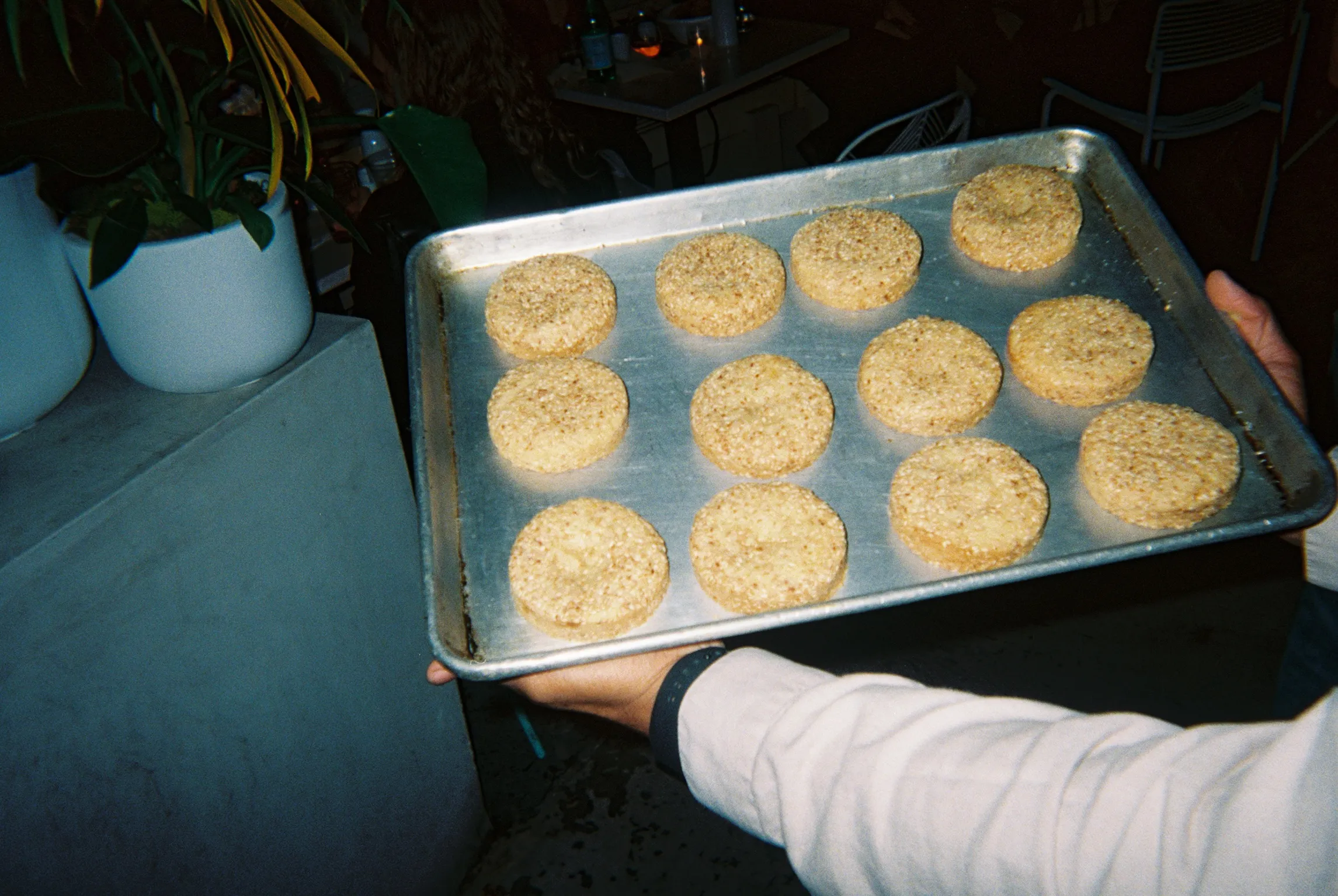
What was it like working with chef Daniel Patterson to create this menu? What about your own personal ethos did you bring to this collaboration, and how did he supplement that?
Working with Chef Daniel Patterson was a masterclass in translating Michelin-starred technique into a scalable, fast-casual format. Daniel brings an incredible level of precision and a vegetable-forward ethos that perfectly supplements my own vision for the brand. My personal focus has always been on California-Asian flavors: clean, bright, and accessible and I wanted to expand our 'culinary DNA' beyond raw poke to include warm, comforting elements that guests could enjoy any time of day or year.
Daniel helped us elevate the 'simple.' He brought sophisticated techniques - like the specific roasting process for our tri-tip and soy-miso chicken - and helped us distill them into form factors that our teams can execute consistently across all our locations. He pushed us to explore deeper textures and temperatures, taking our existing flavor palate and applying it to warm grains and roasted vegetables. It ensured that even a cooked bowl still felt uniquely Sweetfin.
What does "California cuisine" mean to you, and how do you work to uphold it with Sweetfin?
To me, California cuisine is a fusion of peak seasonality, Pacific Rim influences, and a laid-back, 'no-pretense' attitude. It’s about letting the raw ingredients speak for themselves. We uphold this by maintaining 100% transparency; our gluten-free menu and sustainability practices reflect the California value of knowing exactly where your food comes from. We blend traditional Japanese and Hawaiian influences with local bounty—think Macadamia nuts and Yuzu paired with market-fresh radishes and kale. Ultimately, we’ve abandoned the 'white tablecloth' requirement. We believe the highest standard of culinary art should be available in a bowl, eaten on a patio in the sunshine.
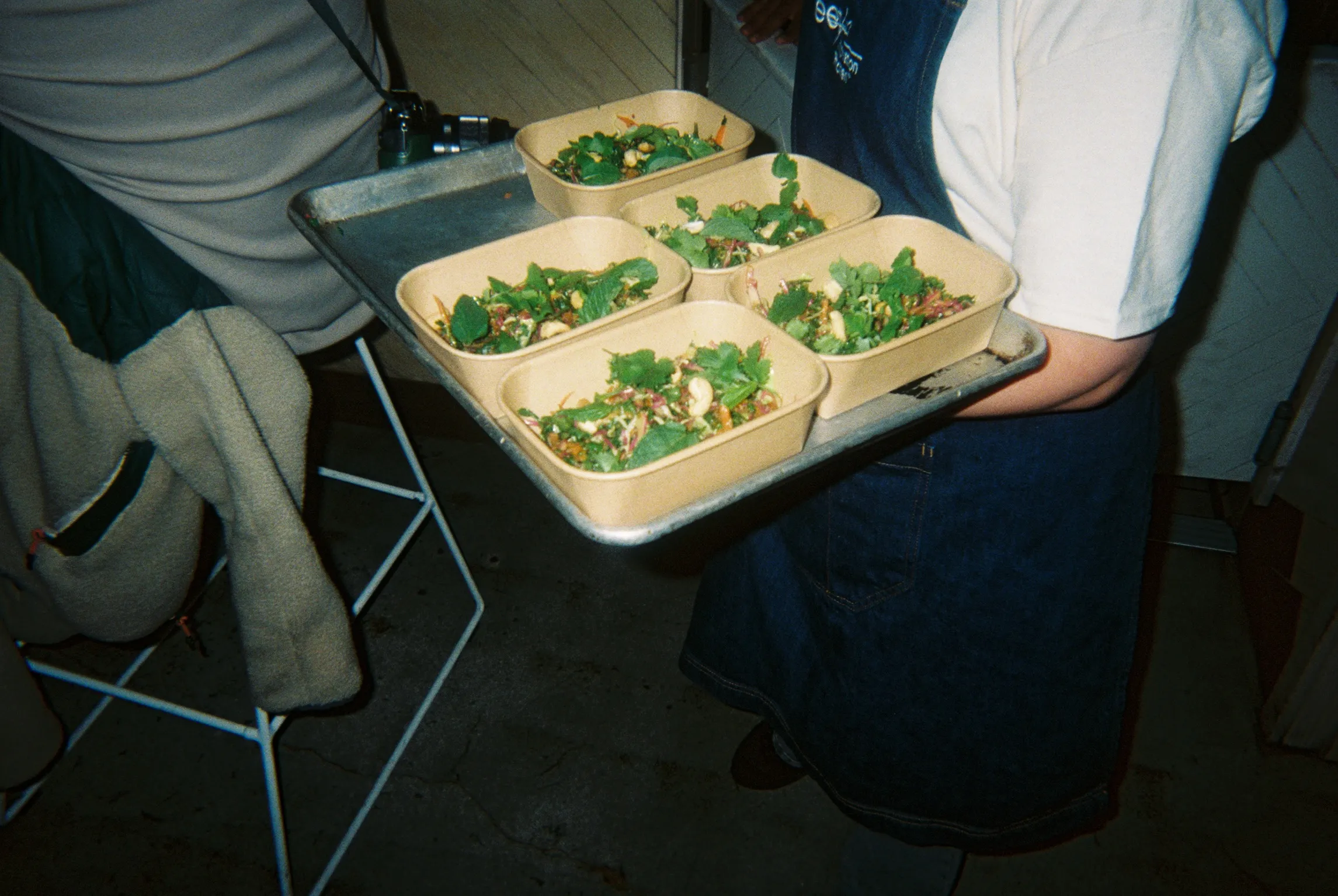
Why is "fast casual" an important modality of dining in this particular decade?
Fast casual is the most important dining modality of this decade because it meets the modern, on-the-go lifestyle without requiring a sacrifice in values. In the 2020s, diners are more educated than ever. They want the speed of a quick-service restaurant but the ingredient integrity of a sit-down bistro. With the rise of 'functional eating,' people seek food that fuels their specific needs - whether keto, plant-based, or high-protein and fits into a busy workday. Fast casual is the only segment that truly offers that level of flexibility and customization at scale.
How has Sweetfin evolved in the past decade, and what does the next decade look like for you?
Looking back at the last decade, Sweetfin has evolved from a 'poke pioneer' in Santa Monica into a comprehensive California-Asian lifestyle brand. We started by perfecting a niche, and we’ve spent the last few years building the infrastructure to go much wider. The past decade was about establishing trust; we proved that you could build a brand on sustainability and gluten-free integrity while remaining a 'cool,' lifestyle-focused concept.
The next decade is about expansion and innovation. We just launched our Innovation Kitchen on West 3rd Street, which serves as our laboratory for new flavors and techniques. The next ten years will see us taking this refined, Michelin-supplemented menu to new markets, continuing to redefine what it means to eat 'fast' and 'well' simultaneously.
Stay up-to-date with exclusive events and content.


