F L A U N T


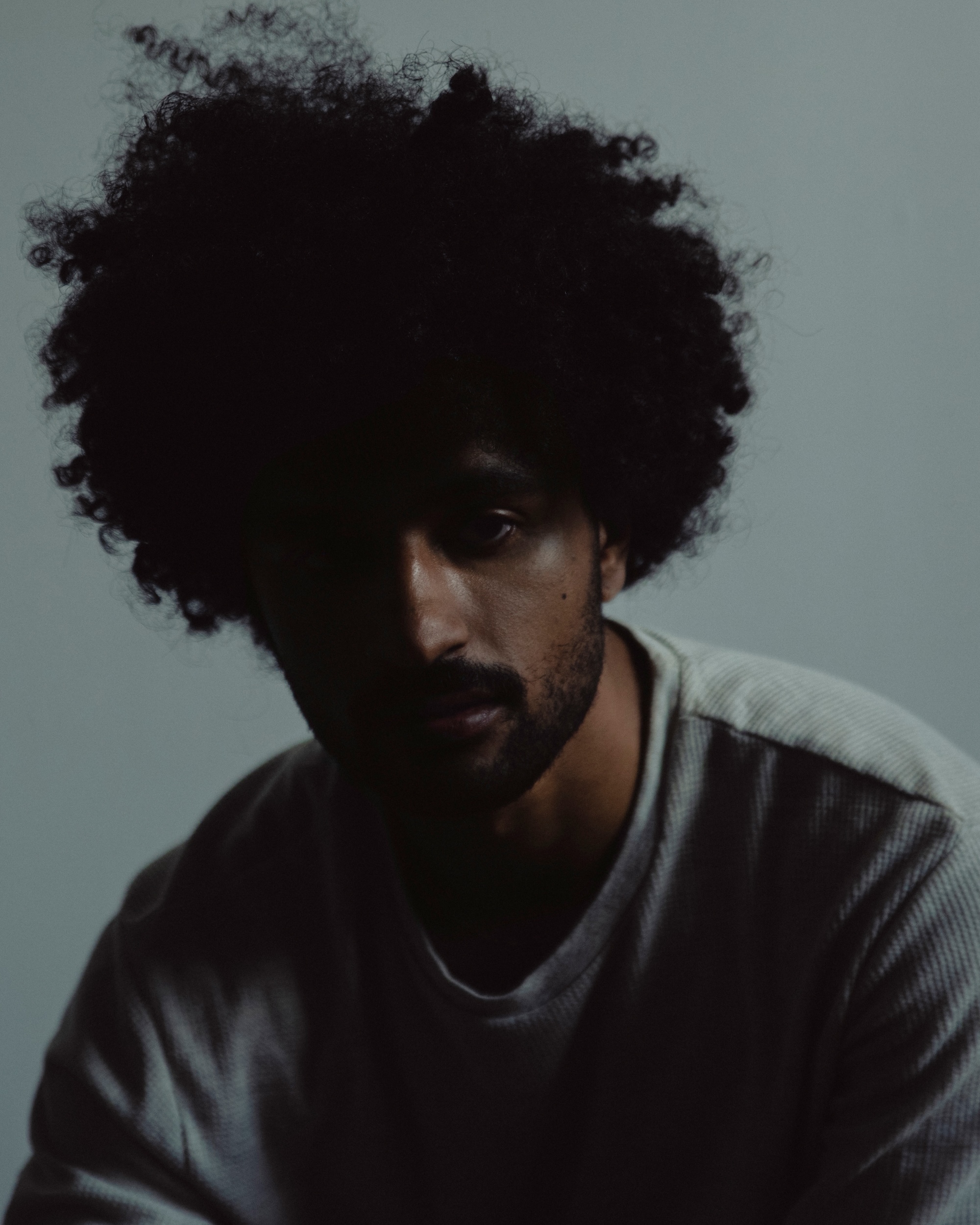
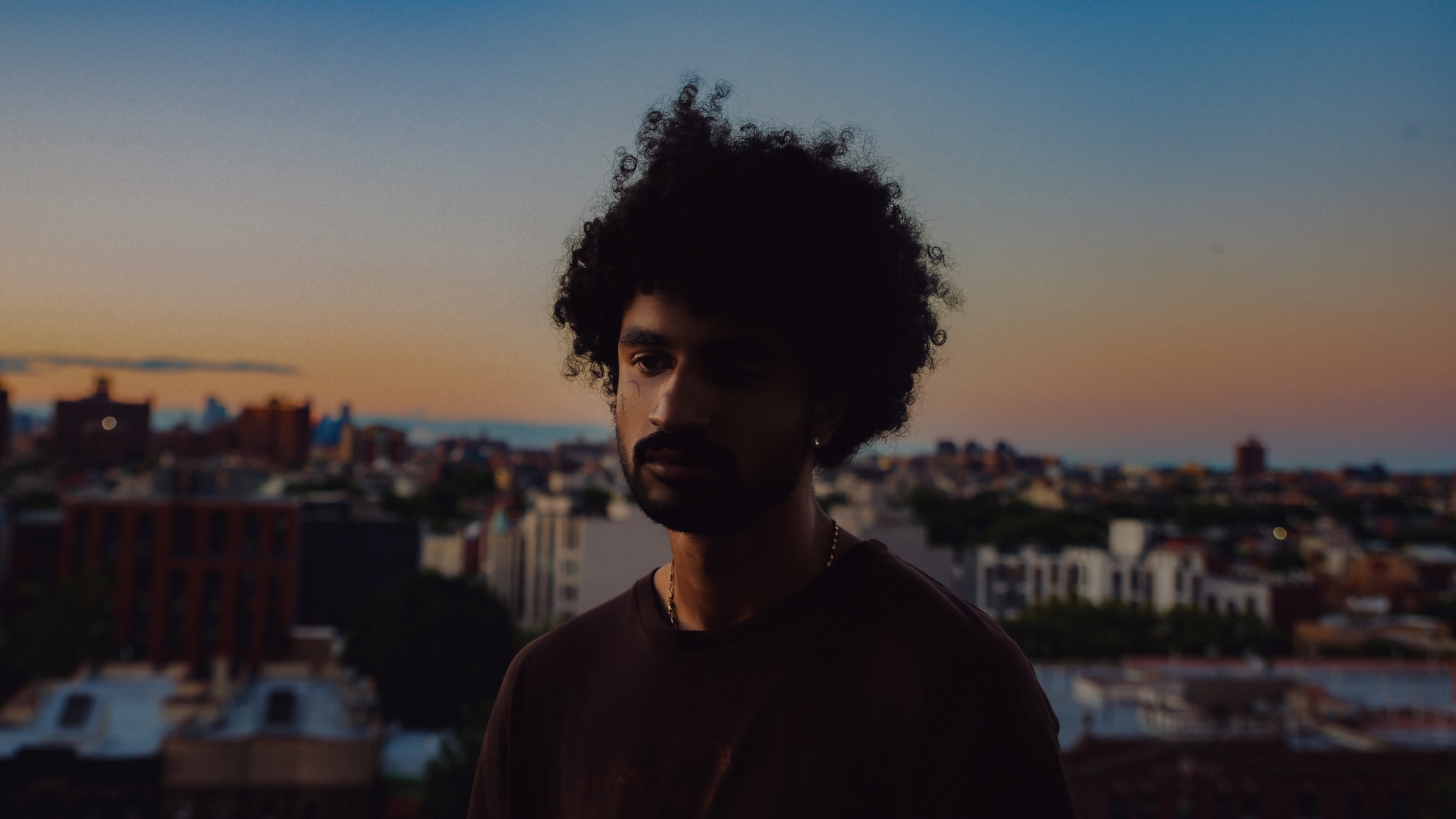
Love is arguably art's most enduring subject, prevailing across time and space as its expressions—and the muses that inspire them—take different forms. Baltimore-based musician Dawuna returns to music after five years with a portrait of his sweetheart. Over thirteen tracks, Love’s Arp recounts how Dawuna fell in love with a woman named Love.
The EP, named after arpeggiation and the ARP Odyssey synthesizer, explores Love as both a person and a feeling, culminating in a genre-bending, richly textured project. Each track offers its own expansive soundscape, sculpting rich devotionals inspired by East African rhythms, vintage gospel, and modern house and techno.
Love’s Arp is now out with True Panther Records, the same label that houses Oklou, Model/Actriz, and Quiet Light. He unpacks the release with FLAUNT.
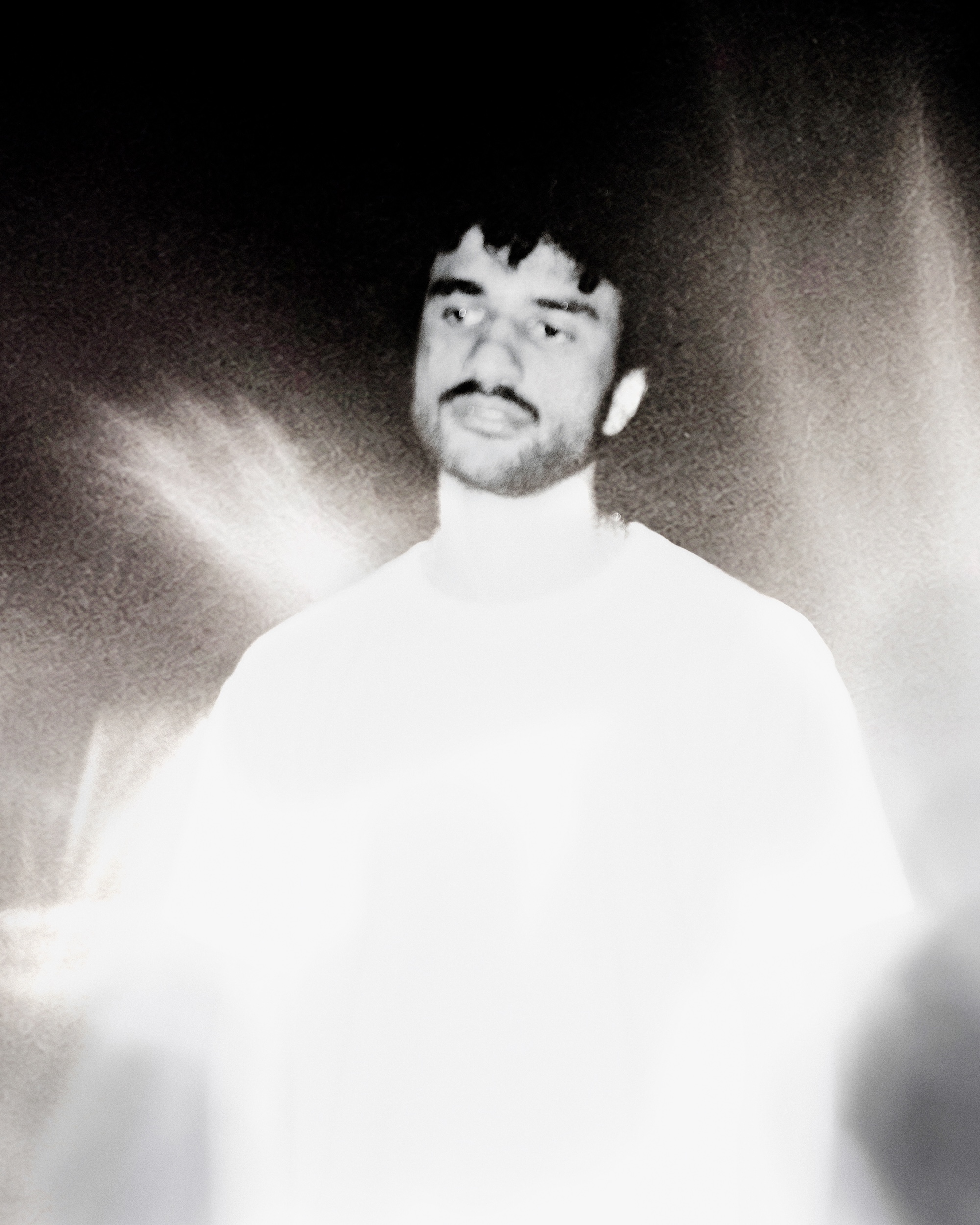
What influences (sonic or otherwise) from growing up in the South and living in Baltimore did you bring into Love’s Arp?
Growing up in the South, specifically once I moved to Richmond...soul is just in the water. Southern Gospel and early Negro Spirituals (Aretha and James Cleveland) up through James Brown, Sly Stone, Funkadelic, then through Prince, and then finally learning how the Soulquarians summed up this whole continuum that is Black Music... I got a good cultural education in Blackness via the South. And then there was Outkast and everything from VA beach / 757 in the early 2000's (Neptunes, Timbo, Missy, Clipse, etc). Just too much to name, but it all was easy to put into the context of a larger cultural continuum that ultimately can be historically traced back to the first slave being brought to Virginia: my beloved home.
Love’s Arp draws a lot of parallels to vintage gospel music. Do you sanctify your work, or your muses? Where do you draw the line between religion and devotion?
Oh wow. Well. I'm not out here to worship an earthly man or woman. That's a dangerous path. That being said, I do fully believe that music, like many (or maybe all) works, can be used to convey messages so universal, so essential, and so timeless that I can only conclude that they are the word of god. In text, you have the bible or the sutras. In sound, you have works like "What's Goin' On?" and "Songs in The Key of Life." That being said, does this mean, even if we are to call Marvin Gaye a prophet, that he was then a man without flaw? Well...his romantic partners might say otherwise. All this is to say... as musicians, our job is to give voice to the spirits, but at the end of the day, you will still just be a man (flaws and all) until you're in the soil. Muses surely help these processes along.
Your journey to meeting Love meant overcoming a traumatic brain injury and divorce – how did processing these adversities translate into your album’s story?
I had to heal my brain and relearn a lot of basic [adult] functions, much less relearn how to make music. The struggle, but then the light that was my new amazing partner sitting in juxtaposition-- it primed me to write a complicated album about the more academic larger picture of the concept of love itself. Divorce definitely colored how I wrote about the hard parts.
Your songwriting uses a lot of metaphors to imply that Love isn’t easy. Can you tell me more about some of these frictions? Is conflict always a part of devotion?
Yeah. Love...human connection-- it might very well be the core motivation for anything and everything we do. In short, Love is everything. In a profound, divine sense. And contained within everything are the good parts, sure, but also the bad parts. Conflict within even the strongest relationships is an inevitability, and hopefully you've built a robust system to deal with it. I didn't want to give this monochrome, rosy picture of a deeply textured and complicated life theme.
Can you tell me more about your choice to use a thumb piano and to name the first song “Love’s Ekongo?” What cultural influences did you want to open your album with?
I'm from the Banyole tribe, from eastern Uganda. In those parts, they call a thumb piano an "Ekongo." I wanted to represent, in that way.
The “Love’s Ekongo” music video depicts multiple mundane tasks – cutting aloe, carving sticks, pinning up laundry – do you view routine as something devotional?
When I was learning Buddhism in my early 20s, my routine was stressed by my teachers. Your meditation practice benefits from a lack of chaos, and we mammals thrive on structure that we can anchor our life with. Research seems to also reflect this.
Your music videos lean into a world of old film and double exposure. Can you tell me more about that creative choice? What draws you to older mediums?
When I was starting to learn music recording as a teen, I was hugely influenced by the recording ethos of Phil Elverum (as well as D'Angelo and Russel Elevado). New and shiny doesn't mean that it is the right gear choice to achieve the job. Analog will always invite a huge degree of texture and randomness that digital cannot ever mathematically replicate. Additionally, it changes your process to accommodate the methods, offering creative solutions to unforeseen problems. This ethos led me to use tape a lot, and made me partial to Morian Mikhail's push to use film and a retro camera from the 80s that was used to film Japanese soap operas. We needed the texture. The Love's Ekongo video came out looking like "There Will Be Blood" as a result. I love it.
Your song “Love for Sly and Brian” celebrates 1960s icons Sly Stone and Brian Wilson. What did these artists mean to you, and why did you choose to include them in the album? What was it like to incorporate the 60s into your electronic sound?
Well Sly pioneered funk and Brian innovated in the core ideas behind melody and arrangement. Them dying while I was making the album made me think about the Love we have for those who are alive as being temporarily available to give. Once the living are gone, that love is just held by you forever. No more is it able to be given, let alone reciprocated. Give people their flowers while they're here. As for the second question, my whole ethos with this album, sonically, was to offer a futuristic [electronic] thesis on what classic soul music could sound like. With various diasporic twists, at parts.
Stay up-to-date with exclusive events and content.


