F L A U N T










I'm spoiled. I spend a lot of time shooting concerts, often just a few feet from the artists, enjoying a level of intimacy that most audiences rarely experience. When you're that close, you catch the little things: the expressions, interactions, and spontaneous moments that can easily get lost in a bigger venue. It's a privilege and a gift.
FORM Arcosanti gives everyone that opportunity.
Set within Paolo Soleri's experimental architectural community in the Arizona desert, FORM is an unconventional festival with a meticulously curated lineup assembled by co-founder Zach Tetreault and a refreshingly different approach to live music.
No VIP sections. No competing stages. Just two thousand music lovers experiencing some of today's most interesting artists from vantage points that devoted fans would happily camp out overnight to secure.
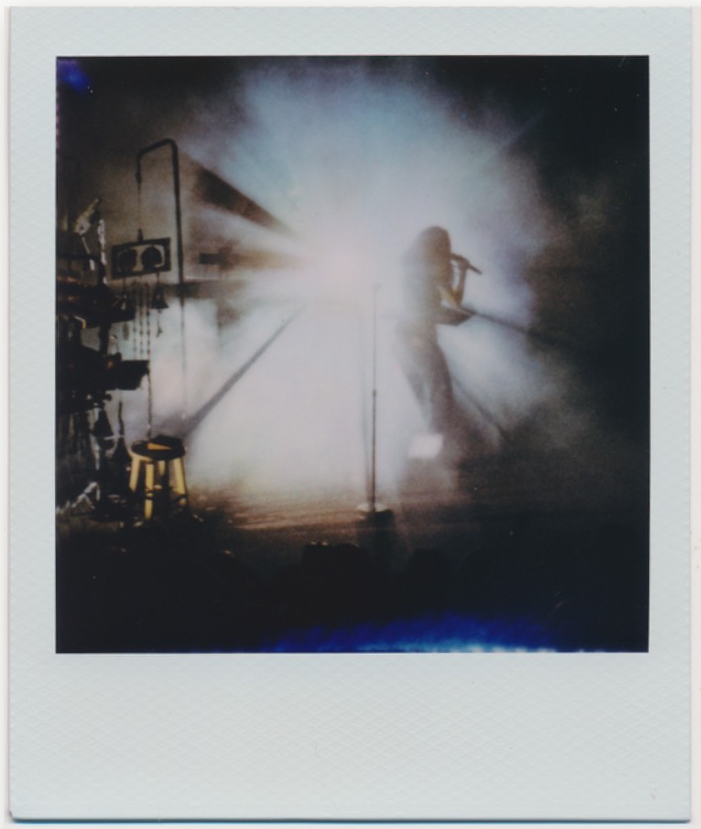
Lorde, set to close her arena tour the following night by headlining Austin's massive ACL festival, delivered a set she designed specifically to bring Arcosanti's audience more deeply into her world. Accompanied by just two musicians and incorporating the venue's bronze bells, she traded her usual arena production for something more personal. At times, she held spotlights in her own hands, illuminating herself against the darkness. The red-beam lighting effect, carried over from her Ultrasound tour, was even more dramatic in the amphitheater's intimate setting, where its scale and proximity gave it an entirely different impact.
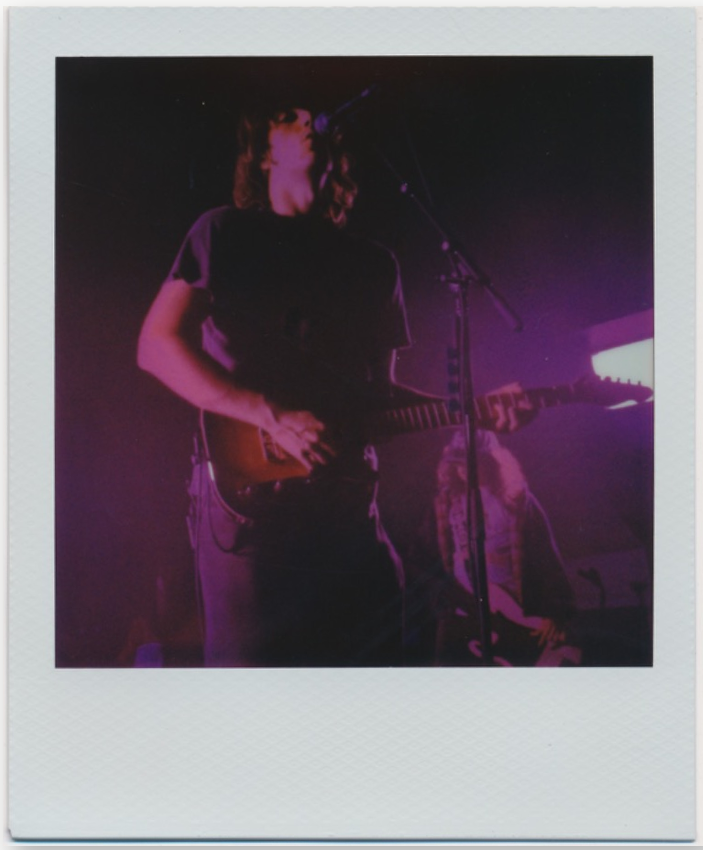
I actually stumbled upon FORM while looking for the smallest venue on Geese's current U.S. tour. Having never seen them live, I wasn't entirely sure I understood the hype and figured it was time to find out.
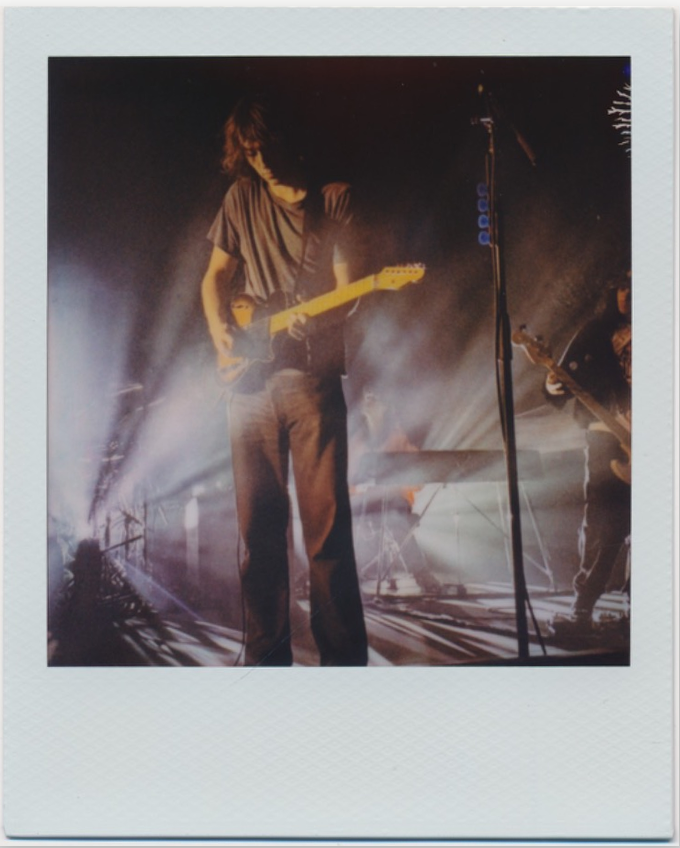
After photographing their entire set (sorry about the flash, Cameron), I get it. Led by Cameron Winter, the New York band delivered a set that was equal parts brilliance and barely controlled chaos. From the jagged rhythms of “Getting Killed” to the psychedelia of “2122” and the wonderfully strange “Cowboy Nudes,” Geese seemed to take genuine pleasure in keeping the audience guessing.
Closing with “Trinidad,” a gloriously unhinged collision of guitars, pounding drums, and Winter's increasingly frantic vocals, the band demonstrated precisely what makes them so compelling: a complete disregard for conventional rock-star polish. In a musical landscape increasingly populated by carefully manufactured personalities, Geese feel defiantly authentic and unapologetically themselves. There's an undeniable aura around this band and a sense that we're witnessing the beginning of something very special.
Dominic Fike brought a different kind of star power to the festival, performing in a nearby canyon for a Spotify-presented show celebrating his new release, How to Quit Smoking. His mix of indie rock and hip-hop moved between crunchy guitars, catchy melodies, and his almost conversational vocal delivery. Spotify clearly didn't skimp on production, bathing the stage in a golden glow against occasional glimpses of blue sky, while clouds of stage smoke periodically obscured Fike from view. And while he admitted he hadn't really prepared for the show, he certainly could have fooled me.
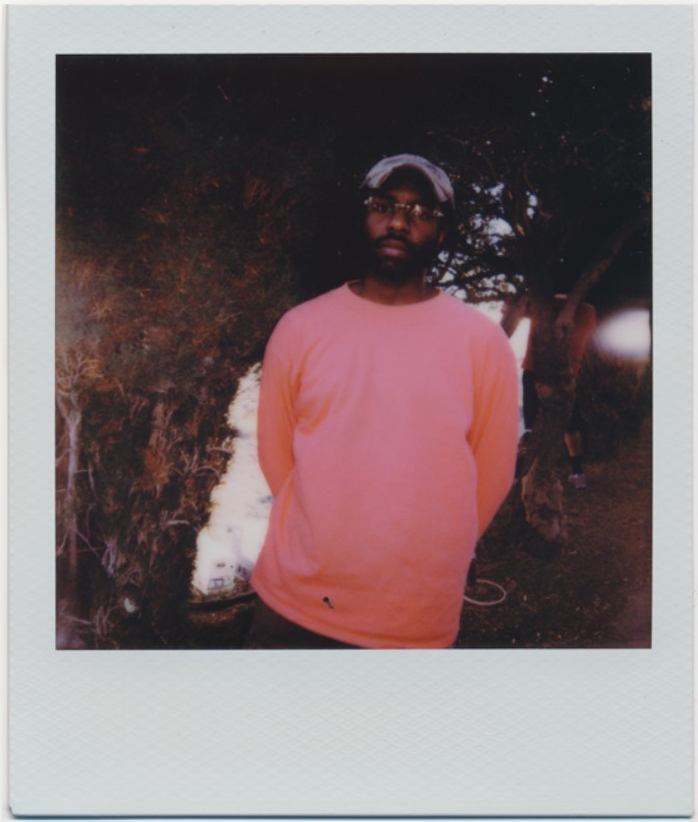
One of the weekend's biggest surprises, though, came during jazz icon Kamasi Washington's set. The tone and tenor of the performance didn't exactly lend itself to making Polaroids, so this portrait of Kamasi will have to suffice.
His bassist, Miles Mosley, delivered what may have been the most impressive upright bass solo I've ever seen. What started as a display of jazz virtuosity quickly turned into a full-blown rock performance, with Mosley attacking the strings with the energy and swagger of a guitar hero. Apparently, nobody told him upright bass players aren't supposed to steal the show.
The rest of the lineup was just as eclectic. Blood Orange delivered his distinctive blend of soulful, introspective R&B, while Fcukers brought some killer New York dance-floor energy. Underscores played a DJ set blending electronic music with pop, while ear and Sophia Stel explored more experimental sounds, offering a glimpse of what's to come.
It's a lineup that might seem all over the place on paper, but that's part of FORM's appeal. Rather than booking artists who all fit neatly into the same genre, the festival seems more interested in giving audiences something worth discovering. Imagine that.
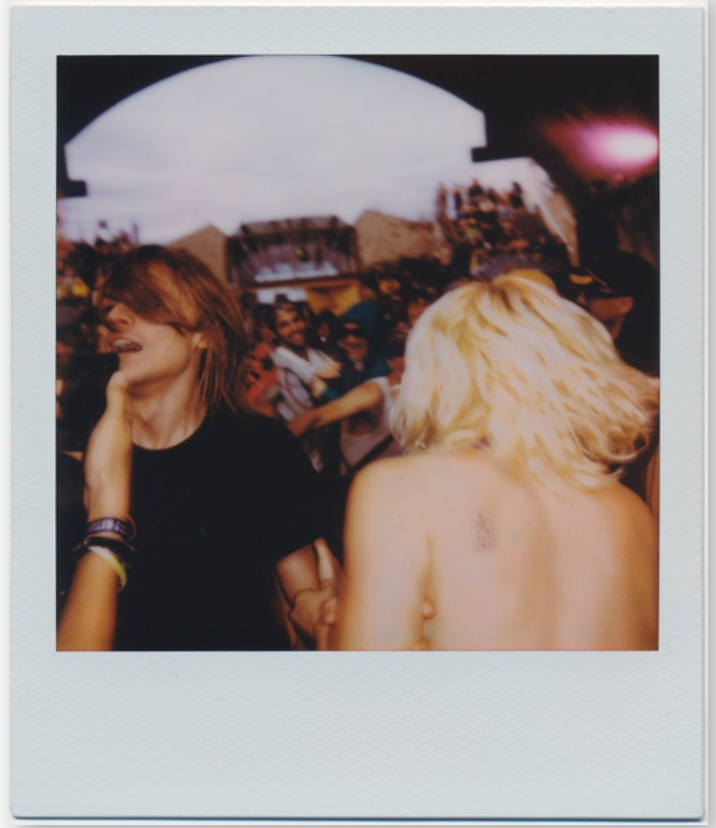
With no overlapping performances and performance spaces just steps from one another, everyone experiences the same shows, creating a sense of community that's difficult to find at larger festivals. Artists and audiences share the same spaces, and the usual distinctions between performers, celebrities, and fans feel largely irrelevant.
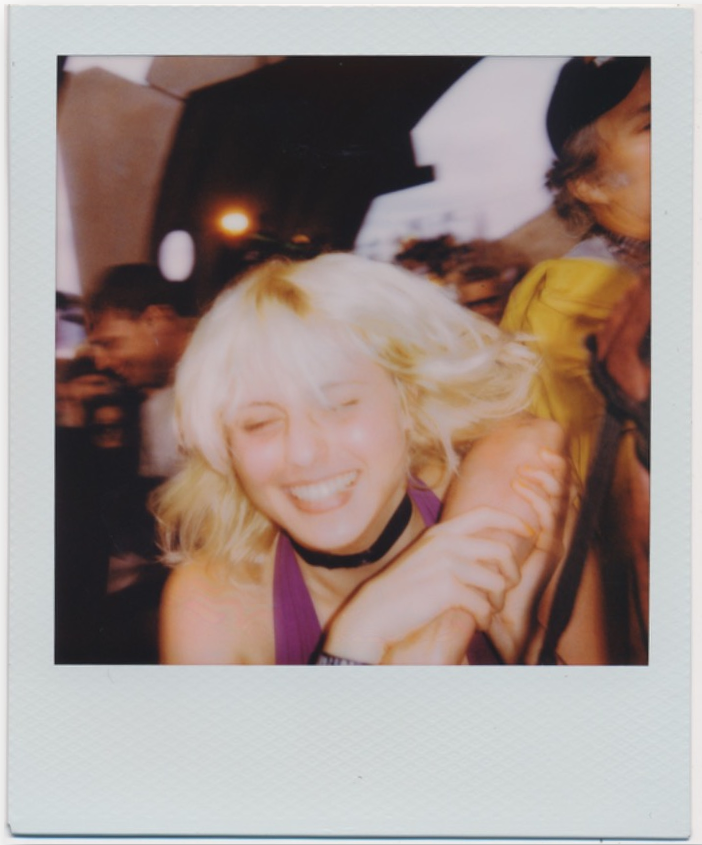
People talked to strangers, made new friends, and genuinely seemed interested in what was happening around them, and they weren't staring at their phones.
That was one of the most striking things about the weekend. Instead of hundreds of glowing screens, I saw faces. People dancing, listening, and enjoying themselves without feeling the need to document every second. A rather novel concept in 2026.
Unfortunately, a powerful storm brought the weekend to an early conclusion, forcing the cancellation of Sunday's performances. It was a disappointing ending, but hardly enough to overshadow what had already been an enjoyable couple of days.

What sets FORM apart from so many other festivals is its understanding that booking great artists and creating a great experience aren't necessarily the same thing.
It manages both. I almost hesitate to share all of this because FORM might just be the music festival world's best-kept secret. But perhaps I'll see you there next year.
Stay up-to-date with exclusive events and content.


