F L A U N T


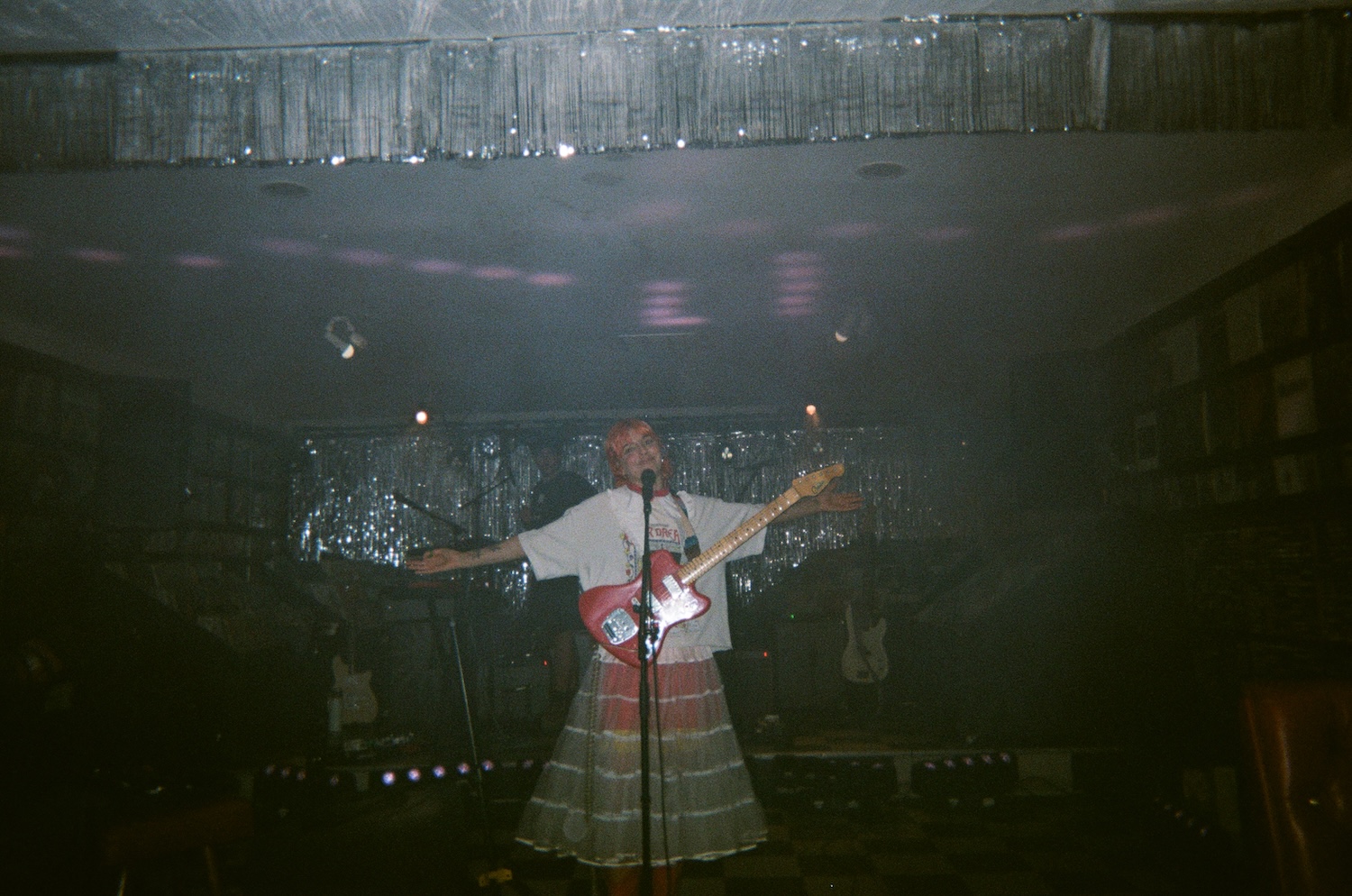
For Caroline Rose, a Los Angeles-based singer-songwriter, mundanity is the greatest source of inspiration: a means to exaggerate, satirize, and flip reality on its head, revealing truth in the slightly ridiculous. Her last album, The Art of Forgetting, took heartbreak by the collar, interrogating and distorting it under a series of vibrant spotlights. Today, she presents her latest album, Gentling the Horse at the Walt Whitman Mall, released through SUCK Records, a surreal Americana fantasy bathed in technicolor and bound by a vintage ribbon.
Made alongside producer John Congleton, the album is rich with humor and sonic texture, its arrangements intricate and instinctive rather than smooth and polished. The memoiristic lyrics draw on Rose’s upbringing and time in New York City, tracing a somber yet sentimental meditation on grief and home.
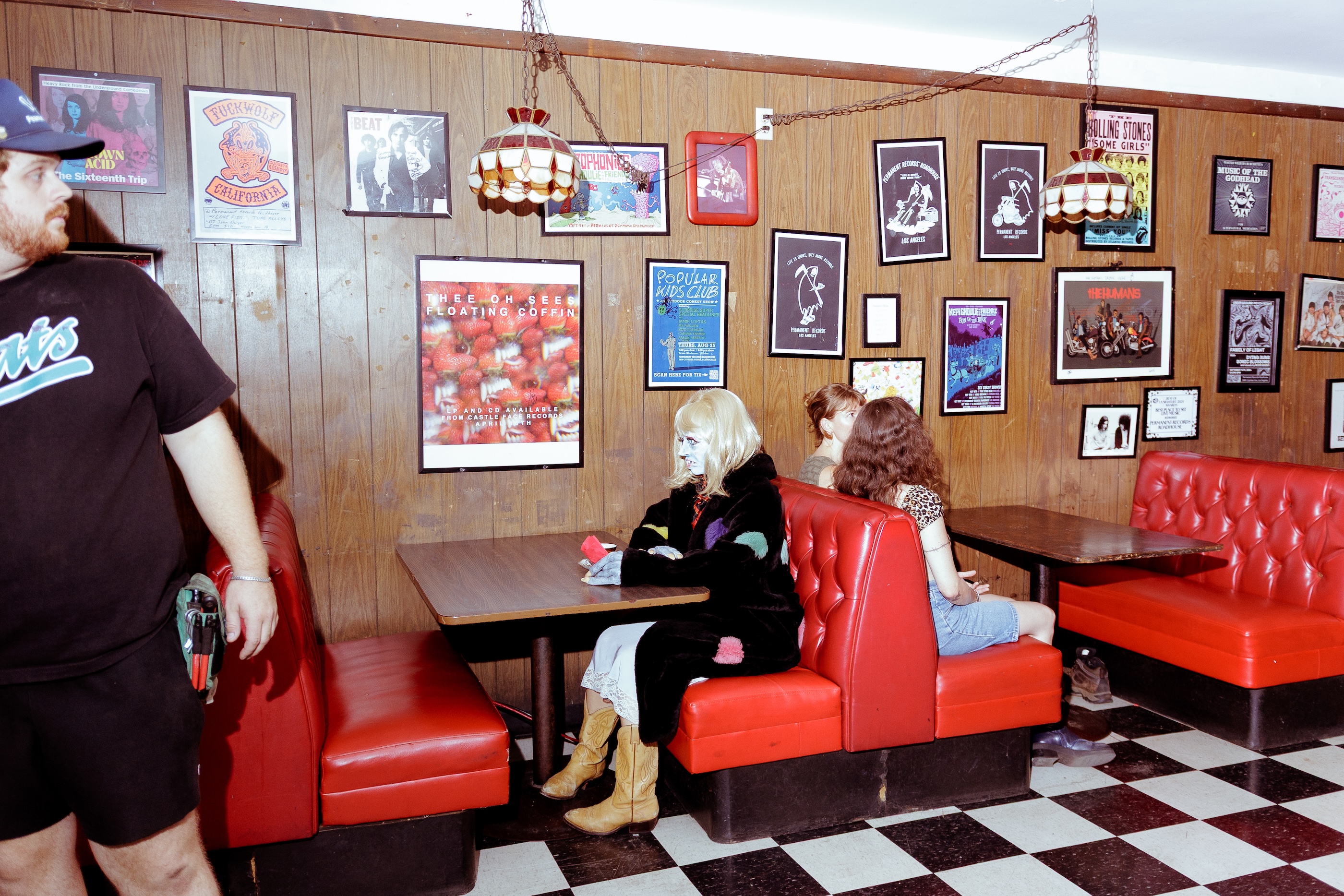
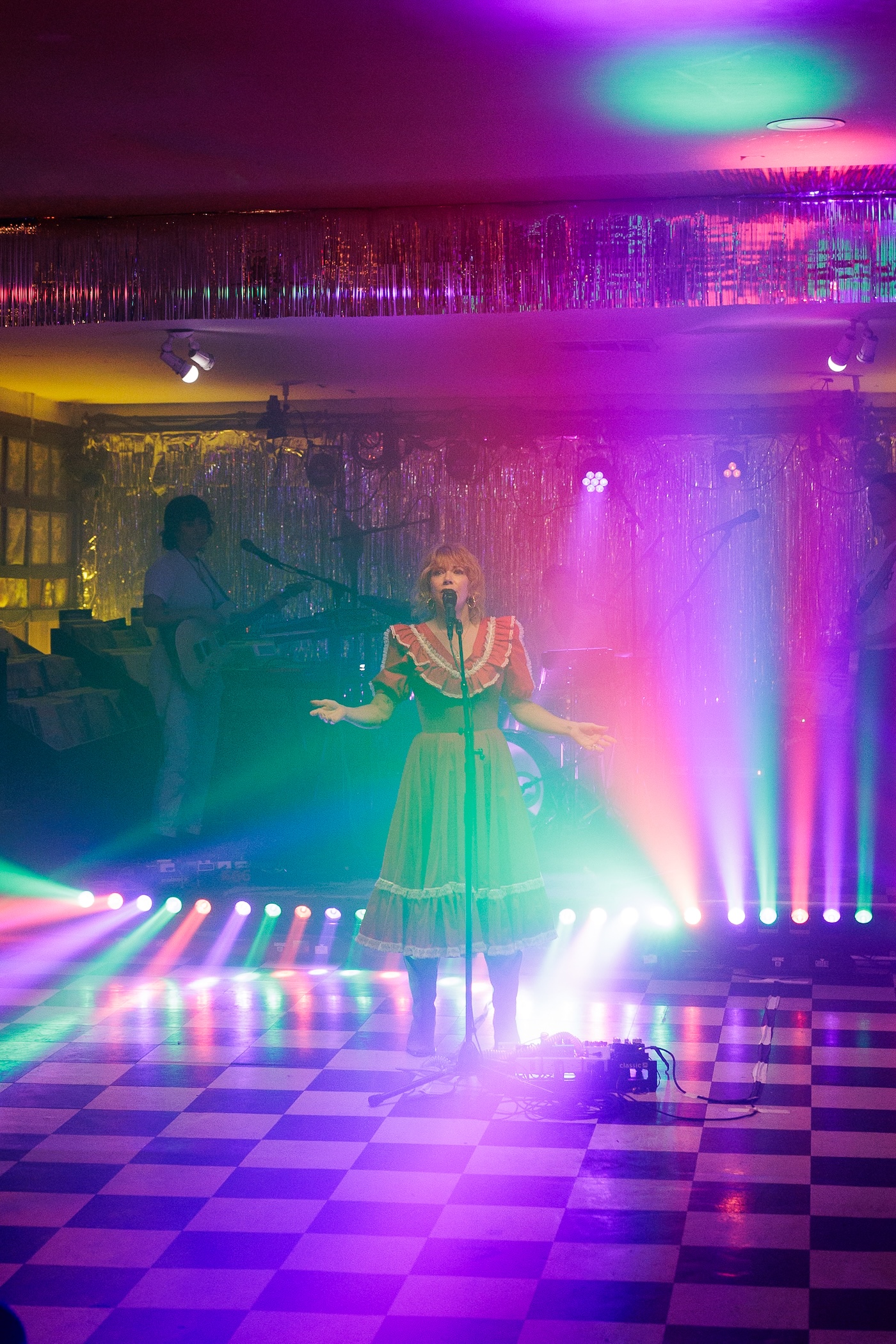
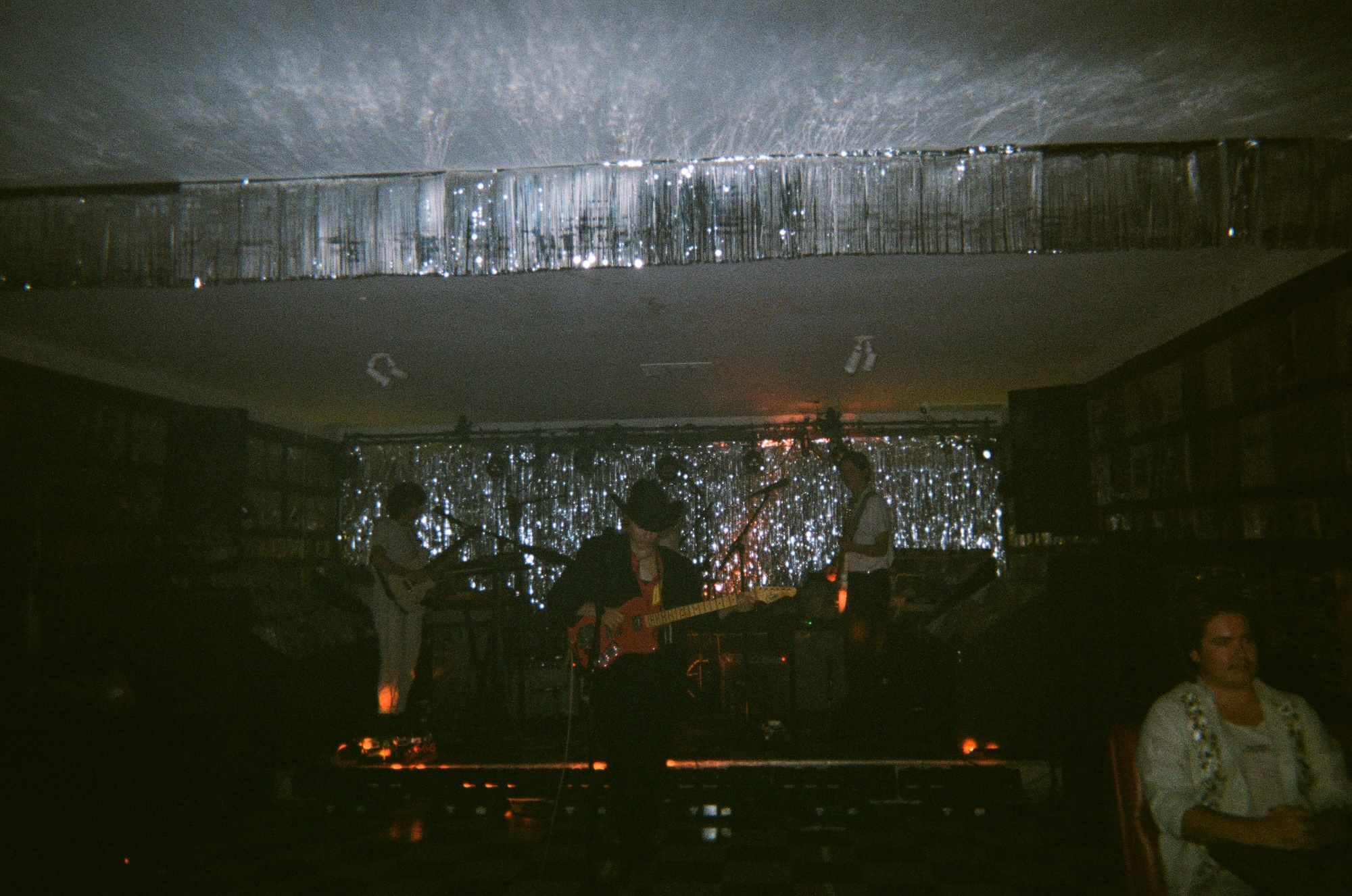
Directed by filmmaker Chloé Atkaş and recorded at Permanent Records, the music videos for “Valery (please don’t be mad at me),” “Hello Again, Jim,” and “Yip Yip Yow” breathe new life into the album, transforming an old-fashioned bar into a surreal stage for the record’s characters and stories.
Featuring Mary Elizabeth Ellis and Jimmi Simpson, respectively, both known for their roles in the satirical sitcom It’s Always Sunny in Philadelphia, the videos for “Yip Yip Yow” and “Hello Again, Jim” lend a theatrical, often absurdist quality to the album’s visual world. The bar hosts masked visitors, warped and unrecognizable, evoking the peculiar isolation of being alone in a crowded room. The party’s aftermath lingers throughout: one more song, one more drink, one more memory, held in the imagination long after the night has ended.
Caroline, your forthcoming album, Gentling the Horse at the Walt Whitman Mall, has been described as “memoiristic.” Were there specific memories from your hometown that helped shape the album’s aesthetic?
Caroline: It’s sort of memoiristic I guess? If I said that I probably could have described it better, but perhaps what I meant was that the characters that show up in my songs are pretty much always based on real people or versions of myself. That’s the real fun with making stories, is you can take a nugget of truth and really supersize it, twist it, pull it, bop it. That’s where it really gets interesting. When you approach something mundane with a certain perspective, like the glow of a Taco Bell in the distance, it can become illuminated with beauty. That’s what I was trying to do with this. Look at my life, the things and people I took for granted, and look at it all with a new perspective.
In your New York Times profile, you mentioned reading The Body Keeps the Score and becoming aware of memories your mind suppresses but your body remembers. How did your understanding of memory evolve while creating this album?
Caroline: Sometimes I think memories are unlocked when the body and mind know you’re ready for them. My best friend from the time I was about 5 years old died from a long-fought heroin addiction about 10 years ago. I couldn’t think about it for so long, I guess I just wasn’t ready. For whatever reason one day I just started thinking about her and all these memories came flooding back. It was very emotional. It forced me to think about my adolescence, what it’s like growing up in a semi-rural American town where there’s not much to do except drink and do drugs, the feeling of disillusionment and desperation for connection without having any of the words for it. There are a lot of different emotions and different imagery on this record, but to me this is all part of what I consider the American experience. It’s hopelessly sad, riddled with vitriol, absurd, and beautiful all at once.
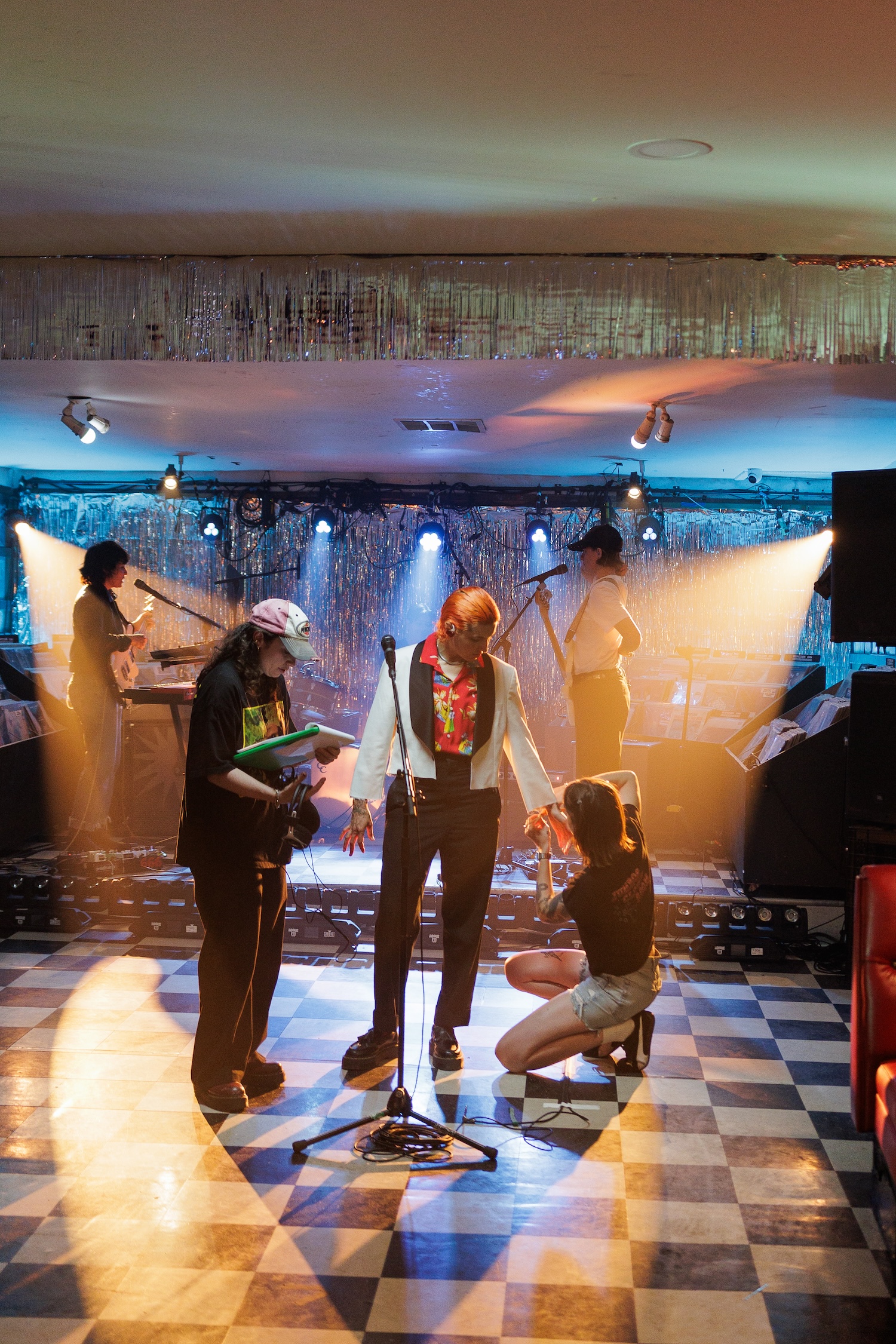
The video for “Hello Again, Jim” takes place in an old-fashioned bar, where Caroline keeps playing despite the bartender’s attempts to close up. Chloé, can you talk about the vision behind the video and the process of bringing it to life?
Chloé: The idea stemmed from a meeting with my director of photography, Ariano. He had this image of a man picking up a napkin with a phone number on it and the message “for Jim.” From there, we developed this scenario of a barkeep trying to close up for the night, with the obstacle of a band that refuses to stop playing.
Ariano and I are both big believers in over-preparation. Before we arrived on set, we spent a substantial amount of time together blocking out the camera movements and Jimmi Simpson’s blocking. We even recorded videos on our iPhones to visualize how everything would play out with the timing of the song. We wanted to have every beat and movement worked out in our heads before we stepped foot on set.

Caroline, in promoting your last album, The Art of Forgetting, color played an important role, with vibrance of hue conveying intensity of feeling. How did color factor into this album and its accompanying visuals?
Caroline: I can’t really imagine music without visuals. I’m not sure it’s a synesthesia thing, but maybe more that I just subconsciously see images floating around when I write or when I listen to things. Like little movies. On this one I see less colors in the feelings, and more images of things. Images of giant 12 lane highways, leather daddies, cheap plastic signs, oil riggers, latex fetishists, box stores, kinky pastors, guys who love their cars more than their wives.
Chloé, how did you approach color as a director?
Chloé: The idea to shoot "Hello Again, Jim" in black and white also came from Ariano, and I loved it! He wanted to find a way to visually distinguish this video from the others and give it its own identity. Audiences don’t expect a live-performance to be captured in black and white, which immediately made me very excited. I love finding new ways to play with and reshape the conventions of whatever form I’m working in.
Caroline, you also wrote about heartbreak on your last album. How have you found that romantic heartbreak and grief differ in the songwriting process, if they differ at all?
Caroline: Heartbreak and grief go hand in hand with loss, so perhaps they’re variations of the same costume. These are such common human experiences, I find it hard to believe they don’t show up in everyone’s work. We do have to lose everything at some point.
Your music video for “Valery, (please don’t be mad at me)” specifically takes on a sort of surrealist imagery as it unfurls the story of your song. When developing your music videos, how do you go about translating the themes of your song visually?
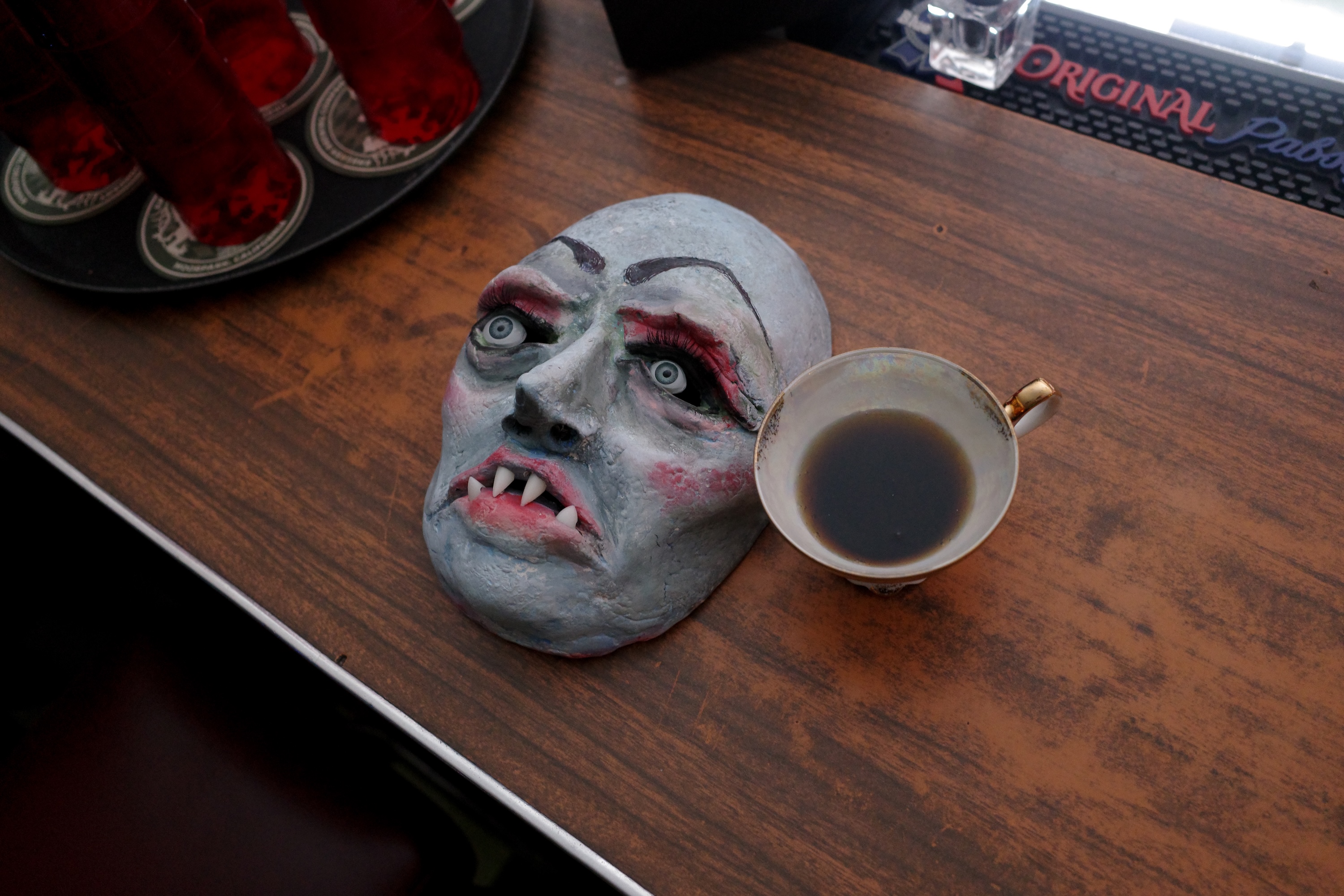
Caroline: Well the video for "Valery" is actually just a live performance, which originally we were just going to record and film to send to bookers overseas. It turned into more of a music video just based on the team we put together. Everyone I work with sees a giant mood board of the imagery/aesthetic I’m going for. It’s always so interesting what people come up with based on the inspiration visuals. These days I like to work with people I know, and they’re usually my weird brilliant friends. For these videos I told them “the weirder the better” so y’know, obviously Valery is going to be an alien puppet.
In the videos for “Valery, (please don’t be mad at me)” and/or “Yip Yip Yow,” and “Hello Again, Jim”, all three seem to be set in the same diner location, but the theme/plot differentiates significantly between songs. What was your creative vision in uniquely repeating these scenes? Is there a story to be told in these songs as a trio?
Caroline: The location is the same for audio purposes because the performances were tracked live and everything was mic’d, but y’know, obviously each song is different and carries with it its own set of visuals and characters and whatnot. I chose the songs based on what I thought would make for compelling visuals but it was really Chloé and the DP, Ariano, who got very very into making each one like a miniature movie. Chloé is a genius filmmaker and it’s only a matter of time before the whole world is watching her films.
How do you envision people listening to Gentling the Horse at the Walt Whitman Mall?
Caroline: In an underground bunker surrounded by canned goods and an arsenal of guns.
Stay up-to-date with exclusive events and content.


