F L A U N T


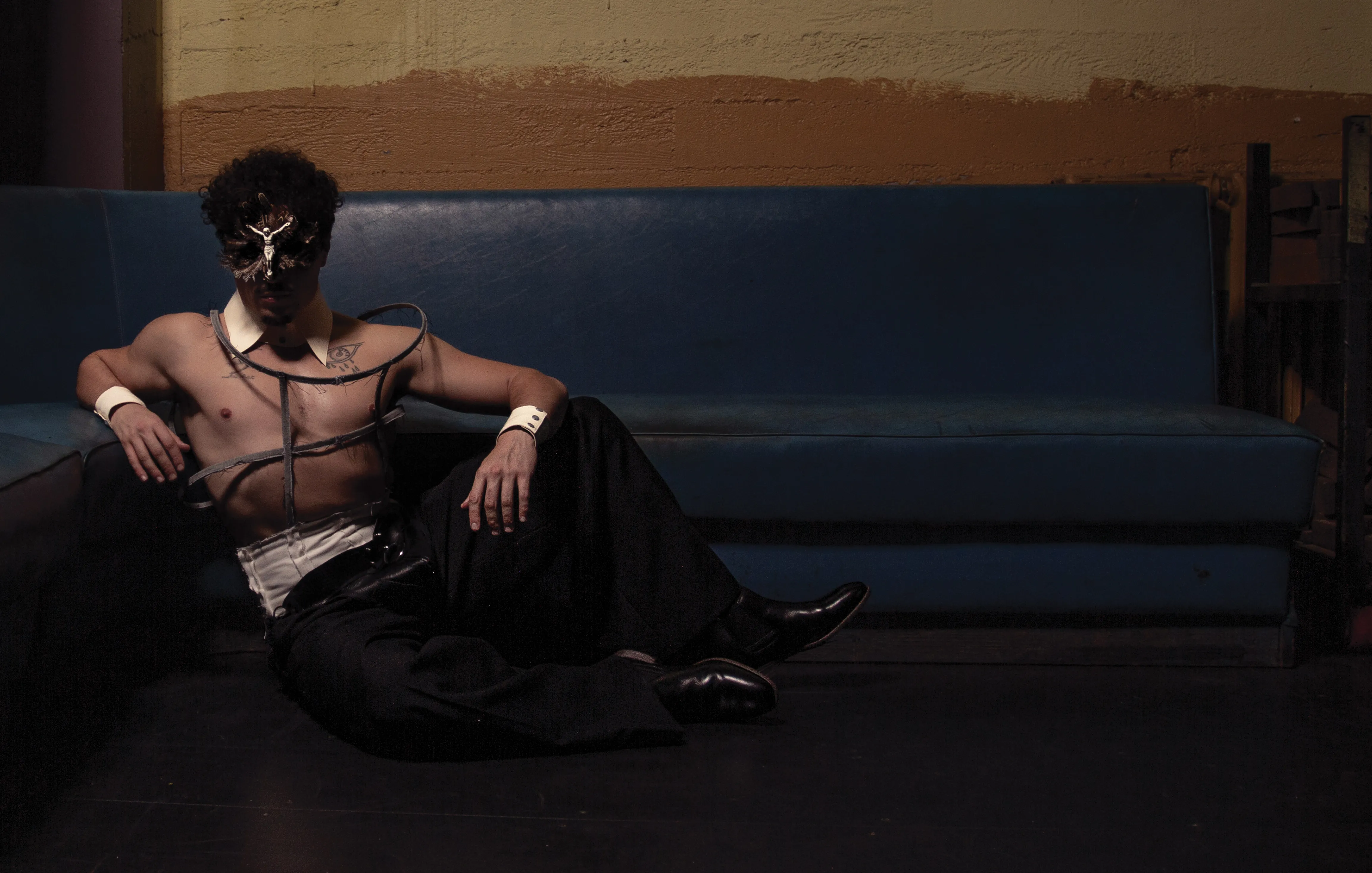
On a damp December night in a corner of New York City, a well-muscled figure extends his arms, Christlike, in front of a throbbing crowd. He’s dripping blood. He’s swallowing it, he’s wiping it across taut pectoral muscles, he’s caressing himself, and yelps of glee escape from the mob of voyeurs. Clayton Pettet, Morocco-born, England-based experimental club pop musician and performance artist known as Babymorocco, is killing a musical alter-ego tonight. It’s a rabid, ecstatic metaphorical finale for Jean Paul, who served as the protagonist of his most recent project, Amour. The show is the end of a closed loop for Pettet—in a performance months prior, he’d been on the receiving end of a jagged glass bottle thrown onstage by a crazed fan, yielding a deep vertical gash in his palm, centimeters away from morgue territory.
“Imagine dying at fucking Rash Bar in New York. That would have been the worst vibe ever. My ghost would have been haunting Rash, which is, like, the least fabulous place you could haunt,” Pettet tells me, days after the dramatic eradication of his cheap French bisexual character. This time around, the blood onstage was fake, but proved no less visceral—Pettet vomited for two days following the glucose spike from ingesting the sugars.
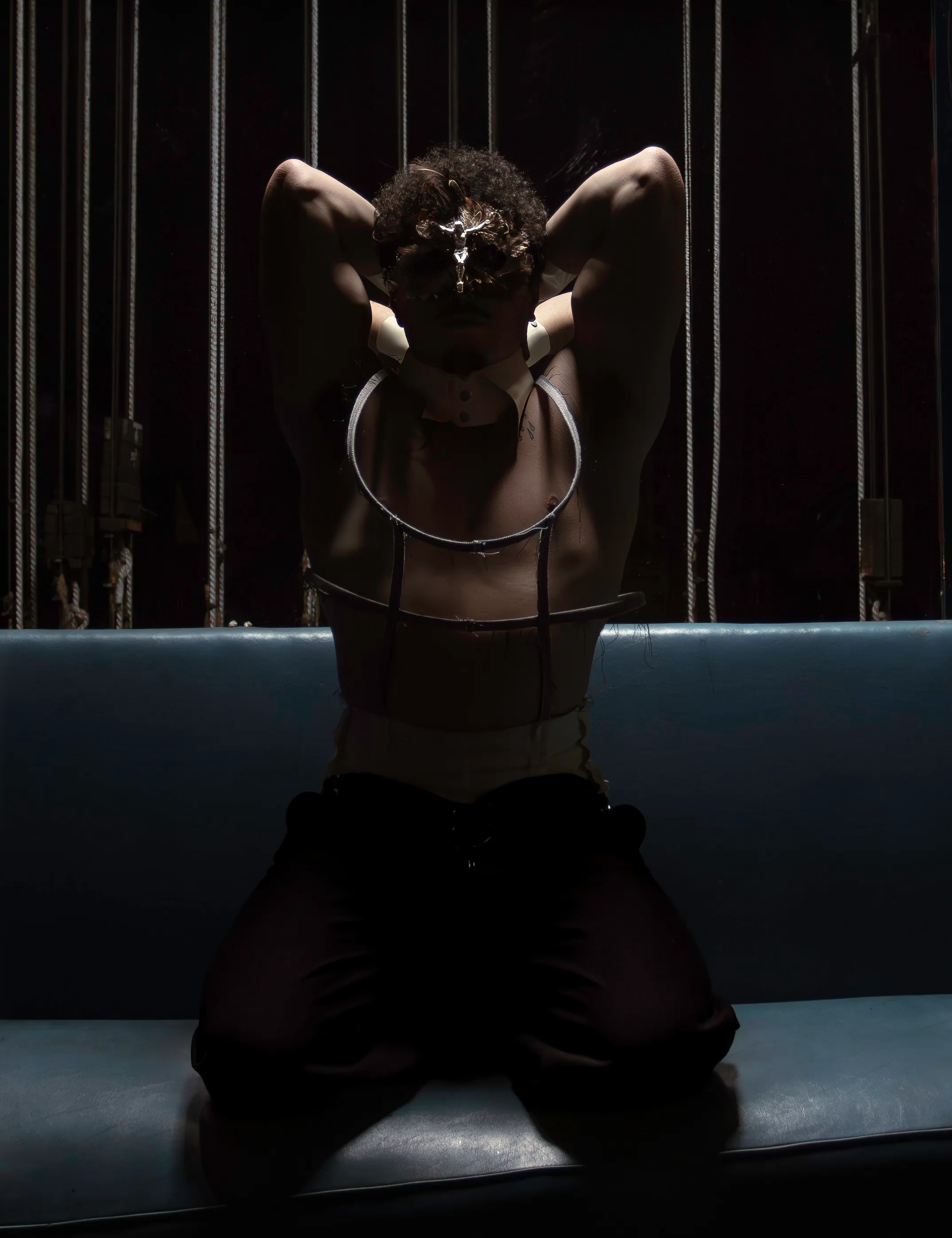
Babymorocco is as much known for his frisky contemporary electropop as he is for his use of his own body as a site of artistic inquiry. His practice, mired in flashy displays of eroticism and physicality, seems less concerned with world-building as it is with meticulously constructing persona: Pettet’s panoply of alters are custodians of their respective realms, those liminal spaces between the Vaudevillian Theatre and the Instagram DM, between the Thirst Trap and the dominatrix dungeon. Pettet ushers his audience in: inviting strangers to guide bananas into his waiting mouth as Pettet (See: his publicized Central St. Martin’s performance Art School Stole My Virginity) inviting followers to watch as Babymorocco gains impressive amounts of muscle over the span of a year, inviting fans to watch as Jean Paul gets beat up on camera by beautiful women and men. “I’m always harming myself,” he smiles. “But I also want to punish people with [my] characters.”
In the creative lineage of those like Genesis P-Orridge, Marina Abramović, Nikki S. Lee, Babymorocco’s idea of “punishment” can be equivocal to awakening—he lists Artaud’s “Theatre of Cruelty” as inspiration for his practice. (Artaud poses the theater as a space that ignites within Man a recognition of oneself, rejecting the passivity of the audience—the language of the theater transcends the written word and can unlock the metaphysical).
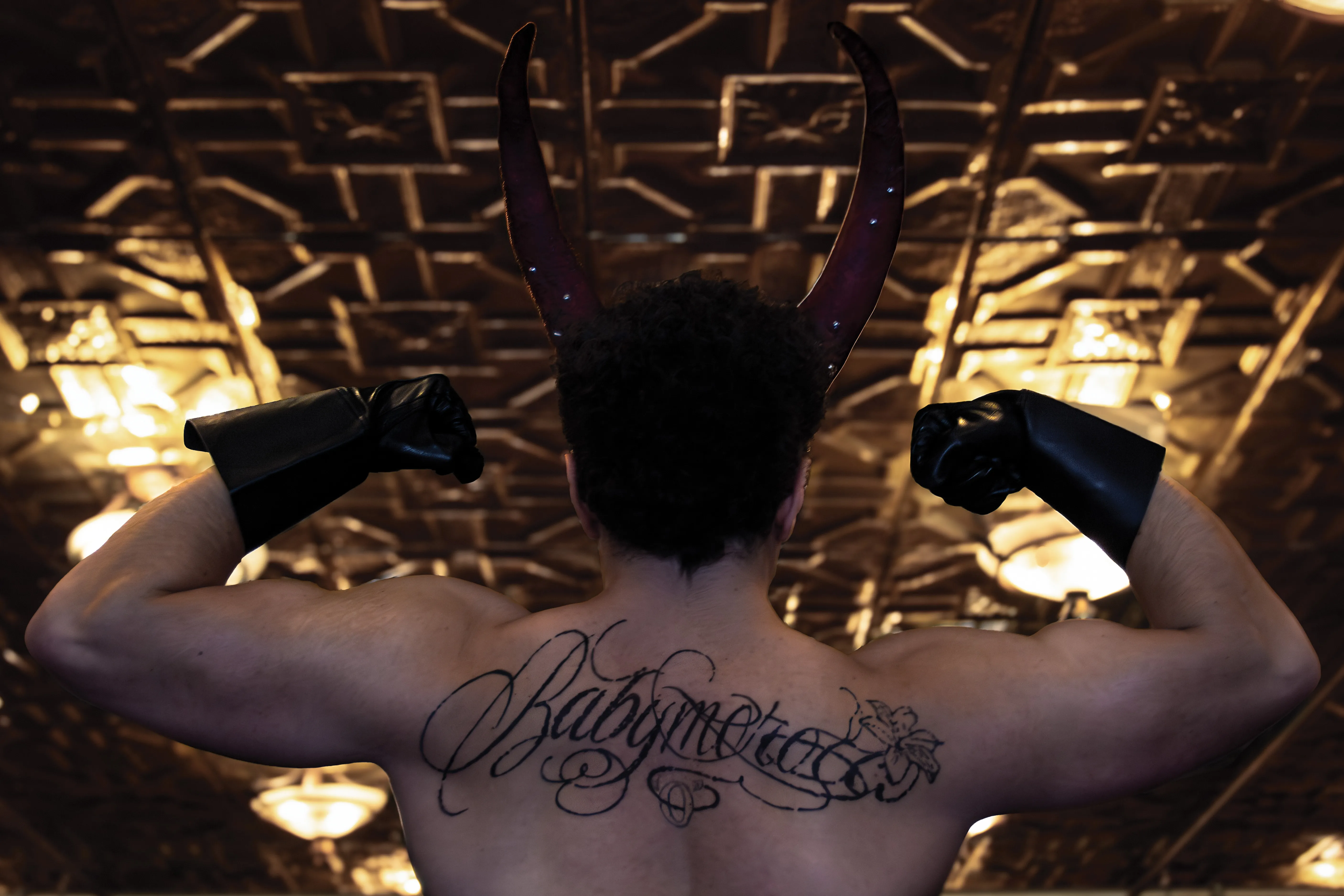
For Pettet, the inextricable link between musicianship and performance is an “exhausting” practice he refers to as “fucking method musical acting,” for which he’s gained a cult following and for which his former label executives have developed a slight distaste. Before the release of 2024’s Amour, which followed the character of Jean Paul as he gallivants around the clubs and engages in erotic ecstasies with men and women alike, label reps sat him down and told him: “‘No one knows who you are yet. Why would you even want to create another character?’”
“When someone tells me to not do something, it makes me want to go even crazier with it. Jean Paul was an escape,” he says. “I didn’t want to give them any more of Babymorocco because they didn’t deserve it.” Hence, the indulgent shows and the onstage killing—a signifier of the end of his relationship with the label, as well.
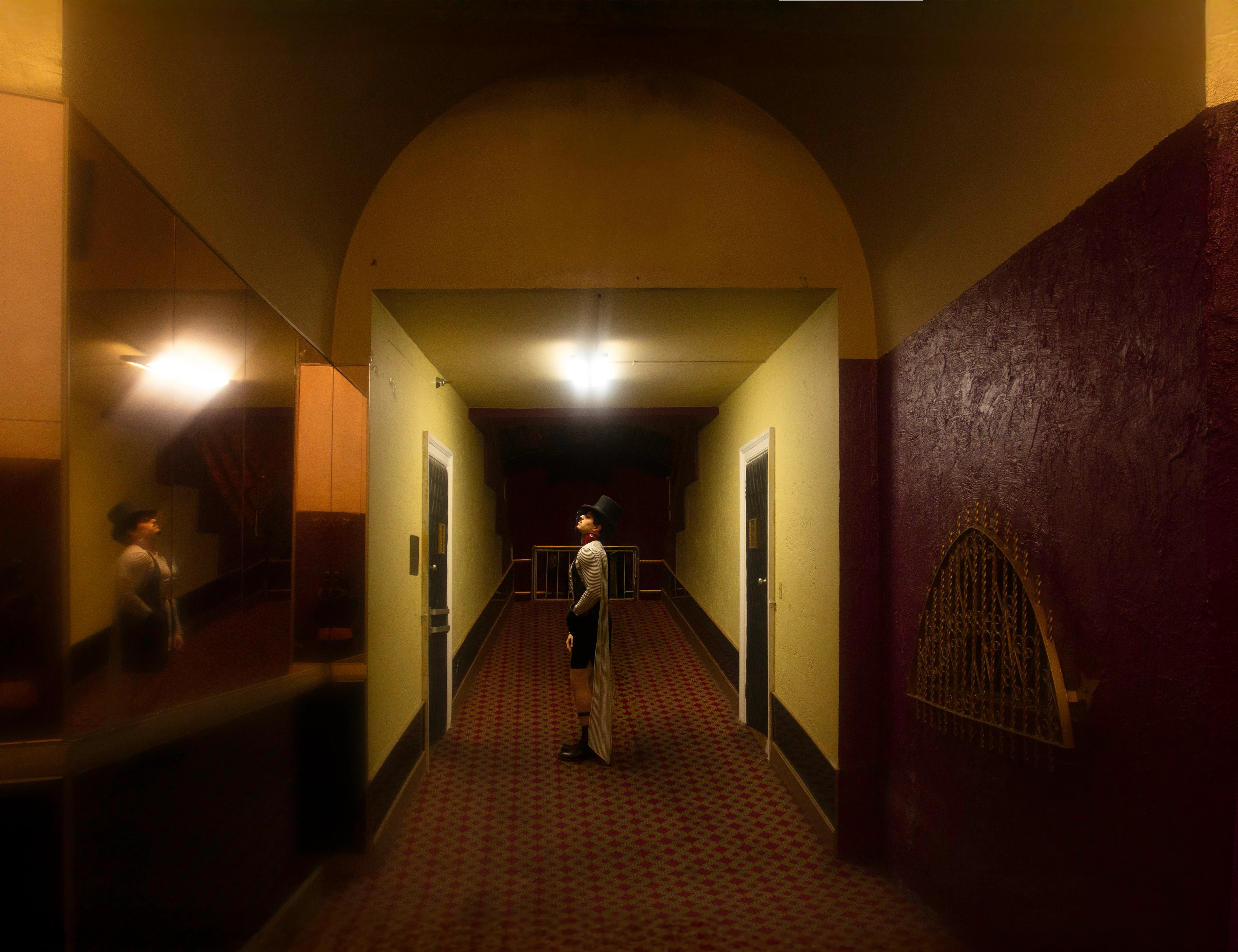
For the forthcoming project, Pettet will be releasing a California psychedelic trip hop album as Noah, for which he will be shedding the most weight he possibly can. “I want to look like a breather,” he tells me of the project, which will be a rupture from his past sweat-soaked frenetic club anthems into a more emotionally textured, surrealist territory. The album is to be made “exclusively in California” and works in the sonic landscape of Santigold, Empire of the Sun, and Flume. “Have you ever heard of those breatharians, where they, like, think they can live just on breathing? I’m not going to do that, but that’s the kind of vibe I want to give off a bit more.”
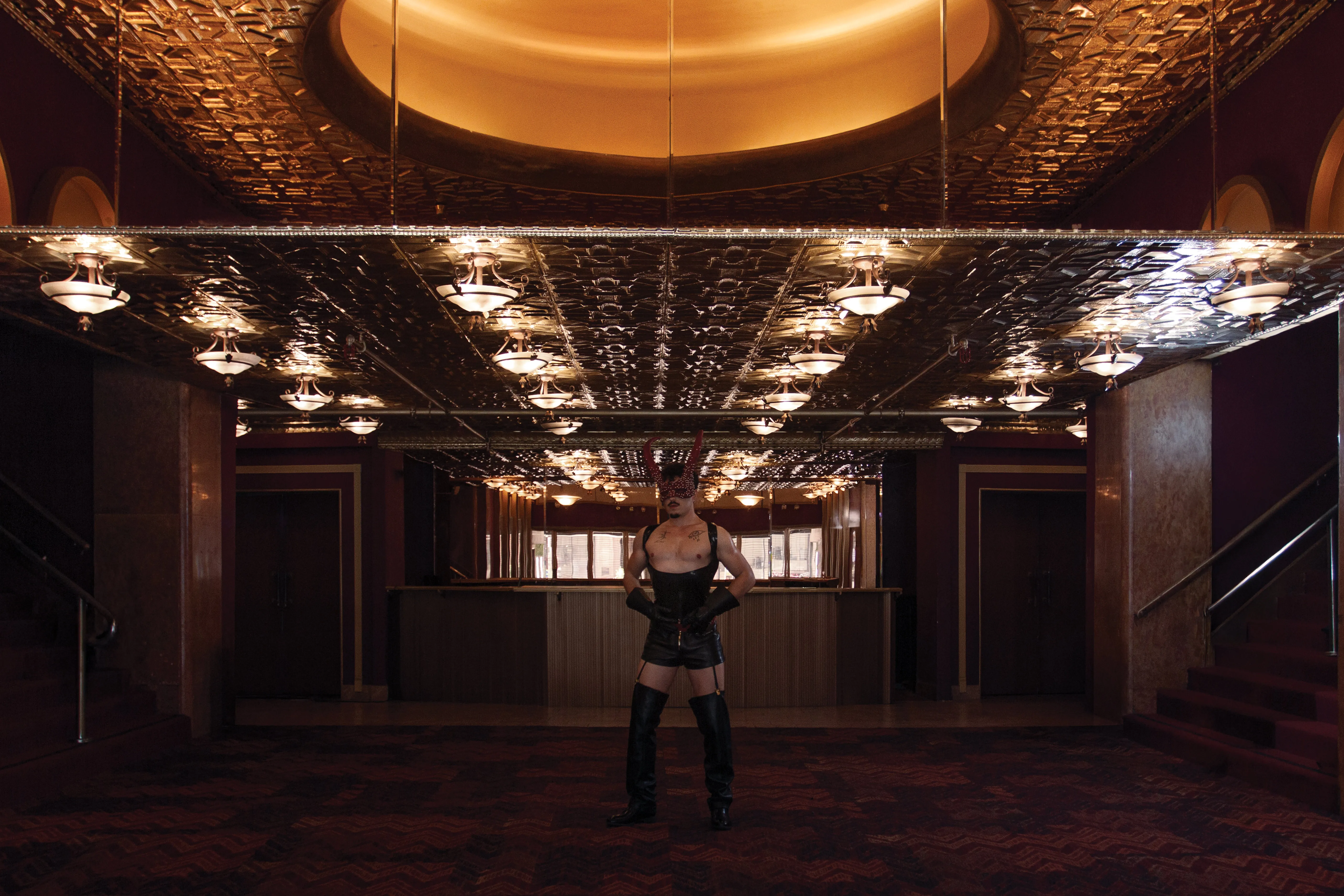
Soon, Pettet will also be appearing as an onscreen character (Freddie) in forthcoming A24 series It Gets Worse (which he describes as “Girls mixed with the comedy of Broad City mixed with the graphic nature of, like, Euphoria and Skins.”) The show is set to premiere on Channel 4, and he’ll be acting alongside the greats (Lena Dunham and Andrew Scott, to name a few).
To be a fan of Babymorocco, Clay Pettet, Noah, Freddie, Jean Paul—is to be hyperaware of one’s own position as a consumer. There is a didactic tenor to his method, as if part of the buy-in is to understand that “all artists’ hearts are just breaking and bleeding to be validated by an audience.” The relationship reveals a symbiotic, nearly biblical beauty, he asserts. “I will perform for you, if you come and see. Please just give me actual love, and I will perform for you.” The witness is just as seminal as the exhibition.
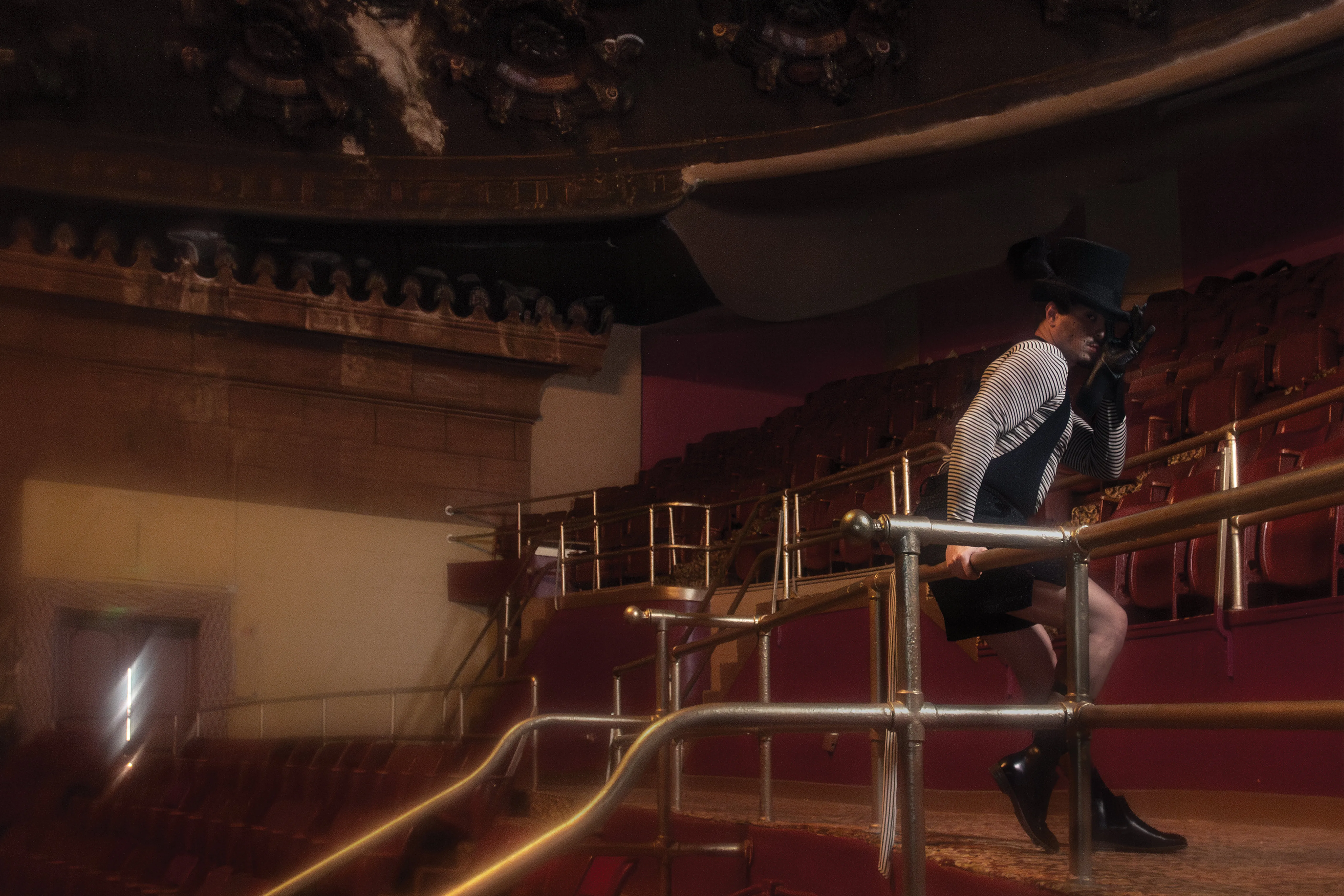
It’s a significant existential weight for an artist whose most popular tracks revel in the raw simplicity of desire—a Babymorocco track isn’t complete without some overt invitation to fuck, or some gleeful reflection on fucking. On his most popular track, “SXC,” made with frequent collaborators Frost Children, he drawls “And I know you love it when you do that / When I fuck it / and I love it when you suck it” over roiling snares. In his most recent “Crayons,” an over-the-top technicolor odyssey complete with nearly violent sucking noises, Babymorocco chants “Eat her all day she gave me diabetes/call her Skittles and she call me Sweetie.”
There’s a brazen, look-at-me-and-touch-me quality to much of his music that’s drawn fans across the digital sphere—at some points, with inquisitions about his sexuality, about which Babymorocco has deliberately kept nebulous to the public. “There was a time when I wanted everyone to feel like they could have sex with me,” he reflects. Now, it’s not the main objective. In Babymorocco’s world, sex has been the siren’s call, but the destination is far more absurd and introspective. Why are you so fascinated with me? What makes you desire me? “Attention is also this currency that I always know I crave, whether it’s like good or bad attention. I think maybe it’s because I didn’t get enough love in my childhood or something,” he smirks.
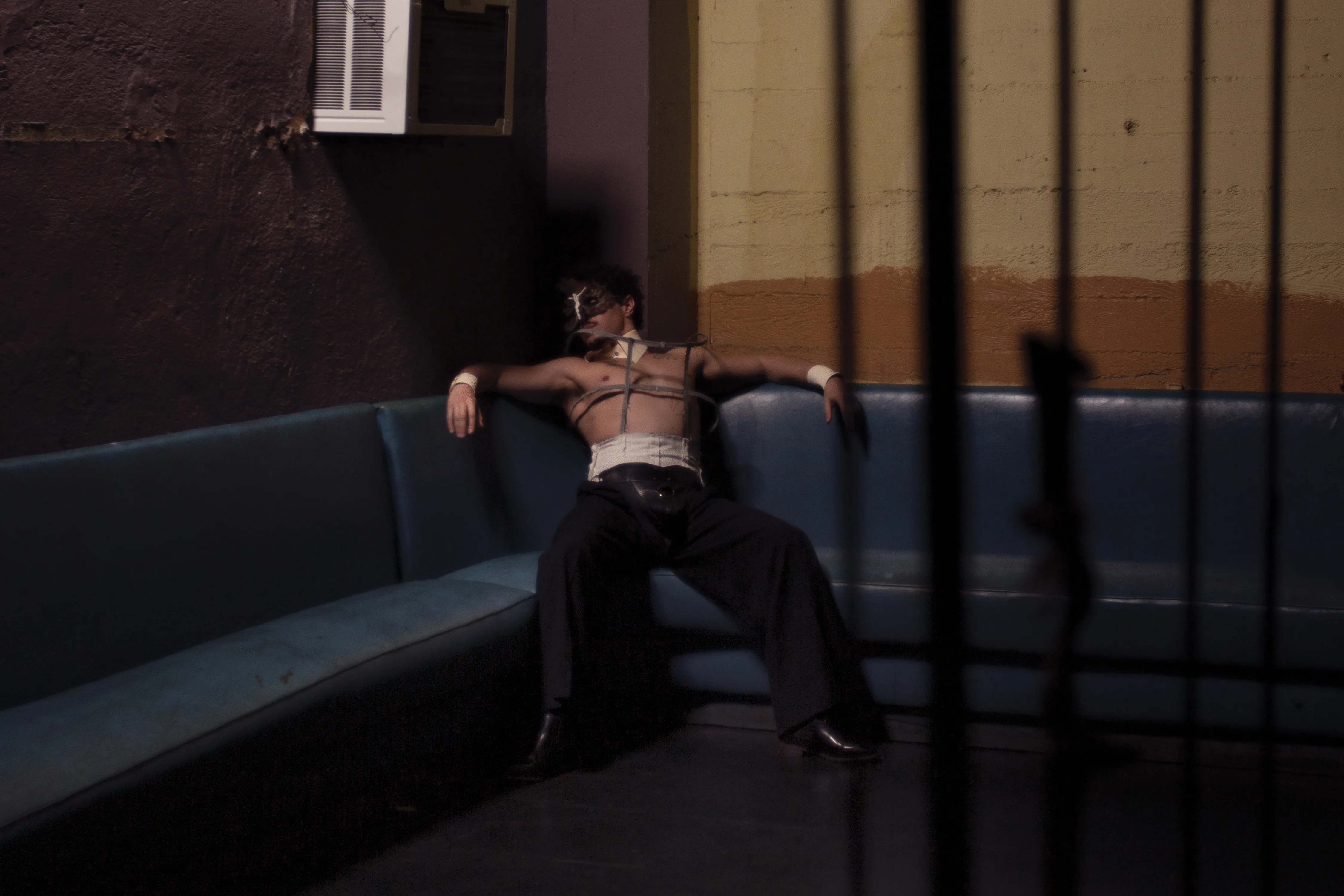
Artaud writes that the language of theatre seeks to “exalt, to benumb, to charm, to arrest the sensibility. It liberates a new lyricism of gesture which, by its precipitation or its amplitude in the air, ends by surpassing the lyricism of words.” In our age, do we consider the internet as the theater? The dark, bloody room in New York City where a cheeky French bisexual mutilates himself onstage? The television screen, the tremulous speakers in a pitch black rave? If there is a metaphysical language that has the power to exorcise an audience of malaise, it must be Babymorocco’s native tongue.

Photographed by Euree Hong
Styled by Elle Hioe
Written and produced by Annie Bush
Grooming: Leibi Carias
Photo Assistant: Chet Oshima
Styling Assistants: Natassia Cassas, Chiara Elaine Tabalno Kenna Wertheimer, Cady Lo
Production Assistant: Melanie Perez
Custom Masks: Catalina Isabel Iglesias, Daniel Hyo Kim, and Yi Cheung
Location: Million Dollar Theater
Stay up-to-date with exclusive events and content.


